Explore our industrial-grade, certified load-bearing products engineered to optimize warehousing density and spatial utility.


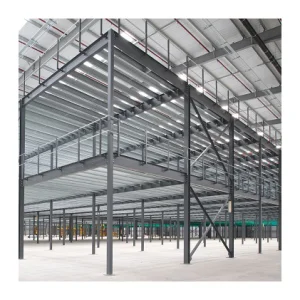
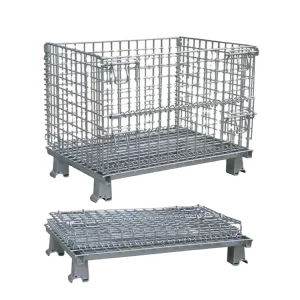
Setting global benchmarks in vertical volumetric engineering, automated stress testing, and material yield optimizations since 2015.
Ningbo Xinmiao Storage Equipment Co., Ltd. serves as a prime manufacturer for global enterprise distributors, large third-party logistics (3PL) providers, global supply chains, and industrial factory conglomerates. Our strategic geographical location in Ningbo enables direct maritime logistical corridors to North America, Western Europe, Southeast Asia, and the GCC region. By leveraging economies of scale, automated rolling production lanes, and premium raw materials (Q235B & Q355B structural steel), we consistently deliver robust structural assets engineered to reduce Total Cost of Ownership (TCO) and maximize space safety.
Our operation is structurally unified with a rigorous quality management program. Powered by 25 specialized QC technicians and a dedicated R&D division of 18 design engineers, we inspect structural elements at every stage of cold-rolling, stamping, and welding. Our quality protocols include non-destructive testing (NDT), automated ultrasonic weld inspections, high-resolution calipers, and extreme weight-load stress analysis, guaranteeing alignment with international standards like FEM 10.2.02, RMI, and AS4084-2012.
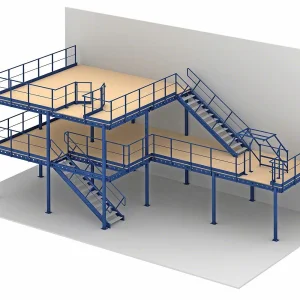
Global logistical networks operate on narrow profit margins and demand absolute operational continuity. Standardizing storage racking and high-density industrial mezzanines requires selecting an export-capable supplier equipped with a mature structural supply chain. In China's steel manufacturing corridors, particularly in coastal hubs like Ningbo, factories benefit from a localized ecosystem of raw structural steel sourcing, high-tech surface treatments, and advanced metallurgical engineering.
Ningbo Xinmiao utilizes hot-rolled and cold-formed structural steel coils sourced directly from top-tier national mills. This chemical-grade control over raw steel elements ensures optimal tensile strength, yield capacity, and elastic resilience during seismic events. Rather than relying on simple welding shops, Chinese manufacturing infrastructure leverages massive multi-stage automated processing lines, integrating cold roll-forming machines, computerized plate cutting, heavy mechanical stamping, automated powder coating, and precision robotics. This automation ensures structural components such as vertical upright columns, load-bearing horizontal beams, and horizontal/diagonal bracing patterns hold uniform thickness and geometry down to a fraction of a millimeter.
Modern supply chains are experiencing rapid transformations due to rising urban land values, SKU proliferation, and the growth of e-commerce channels. These shifts require warehouse layouts to evolve from basic pallet holding areas into dynamic structural systems.
Storage setups are not one-size-fits-all. Different industries face unique regulatory, ambient, and load-density requirements. Custom engineering must account for these distinct criteria during the planning phase:
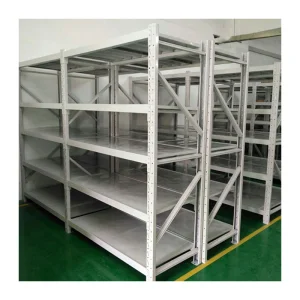
Focuses on maximum SKU selectivity, rapid inventory turns, and flexible layouts. Solutions utilize selective heavy-duty pallet racking combined with gravity carton flow tracks, minimizing picking walk times and streamlining sorting procedures.
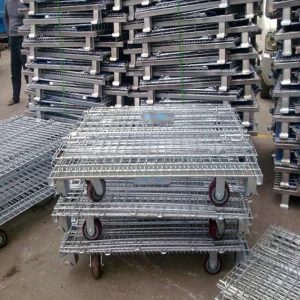
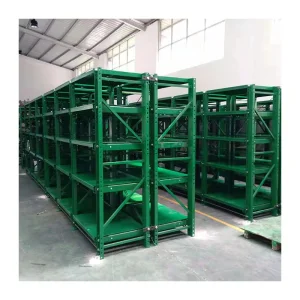
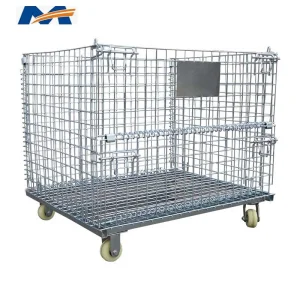
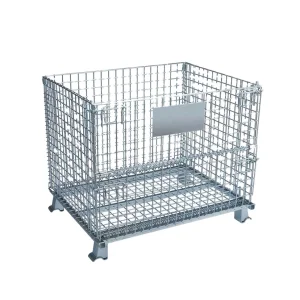
Requires support for heavy, concentrated loads. Products like custom tool-and-die racking systems, thick-walled structured steel frames, and heavy-duty steel wire stillages handle high weight limits without structural sag.
Designed for sub-zero settings. These solutions optimize thermal airflow using specialized hot-dip galvanized wire decking and high-density drive-in racking, preventing steel embrittlement and maintaining clean environments.
A detailed view of our automated manufacturing processes, custom precision equipment, and quality control systems.
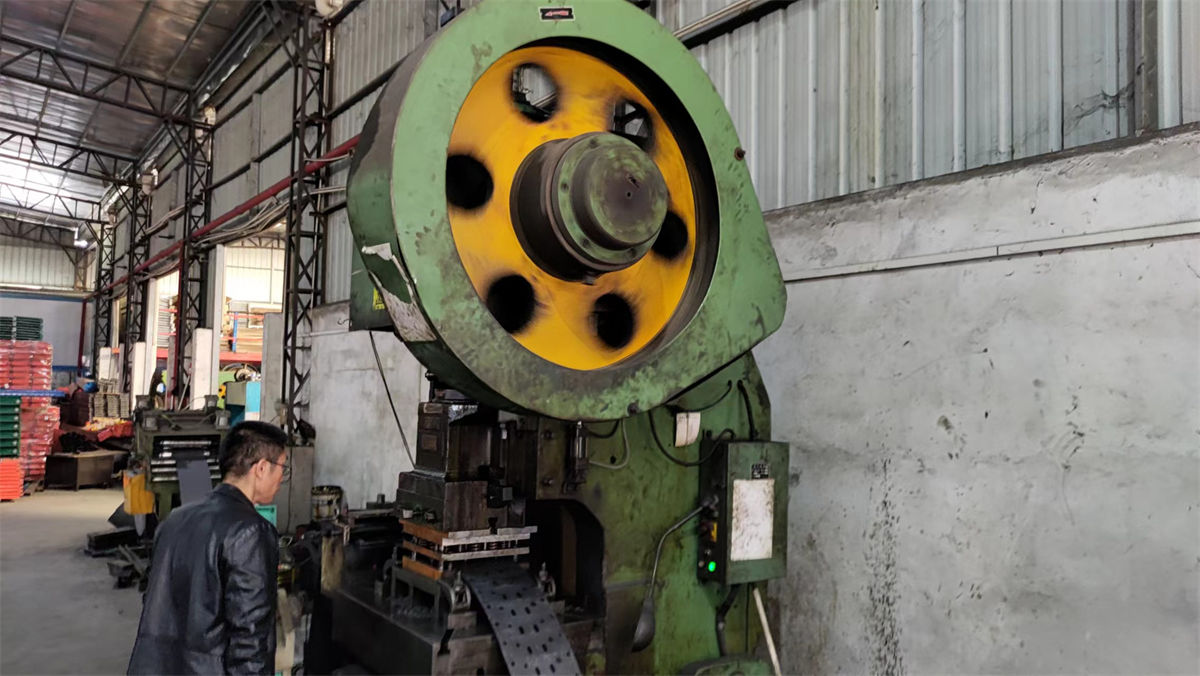
High-speed automated punching lines for uniform pitch holes along upright profiles.
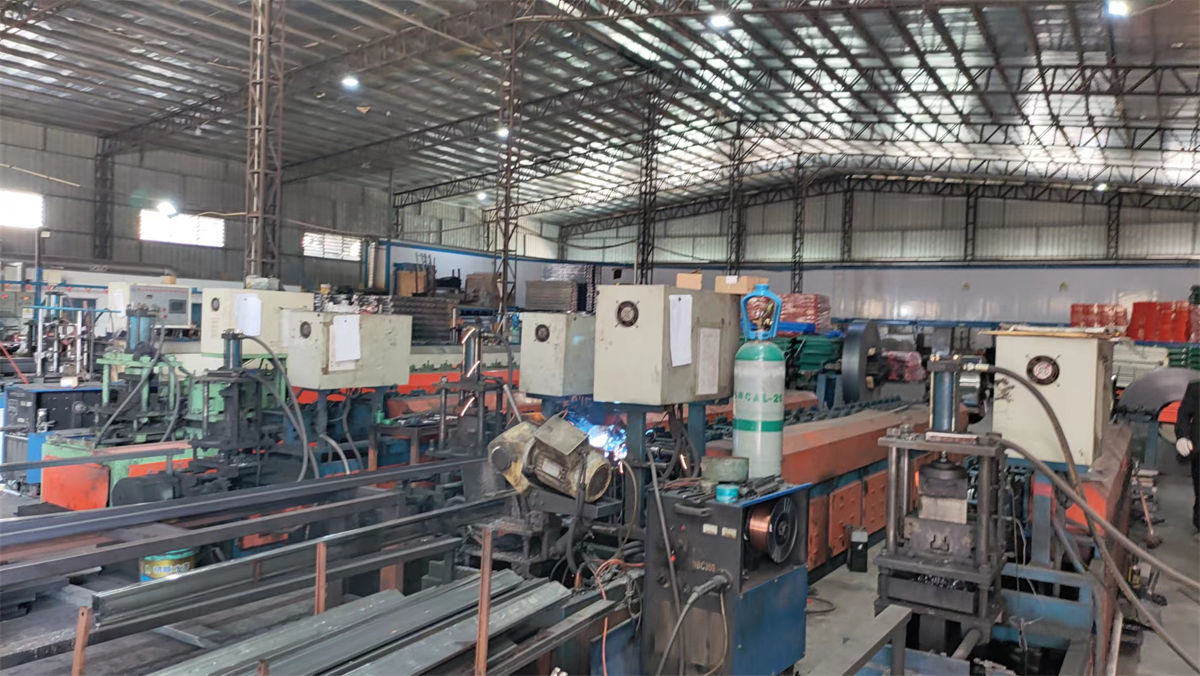
Precision rolling machinery shaping structural sheet steel into high-yield beams.
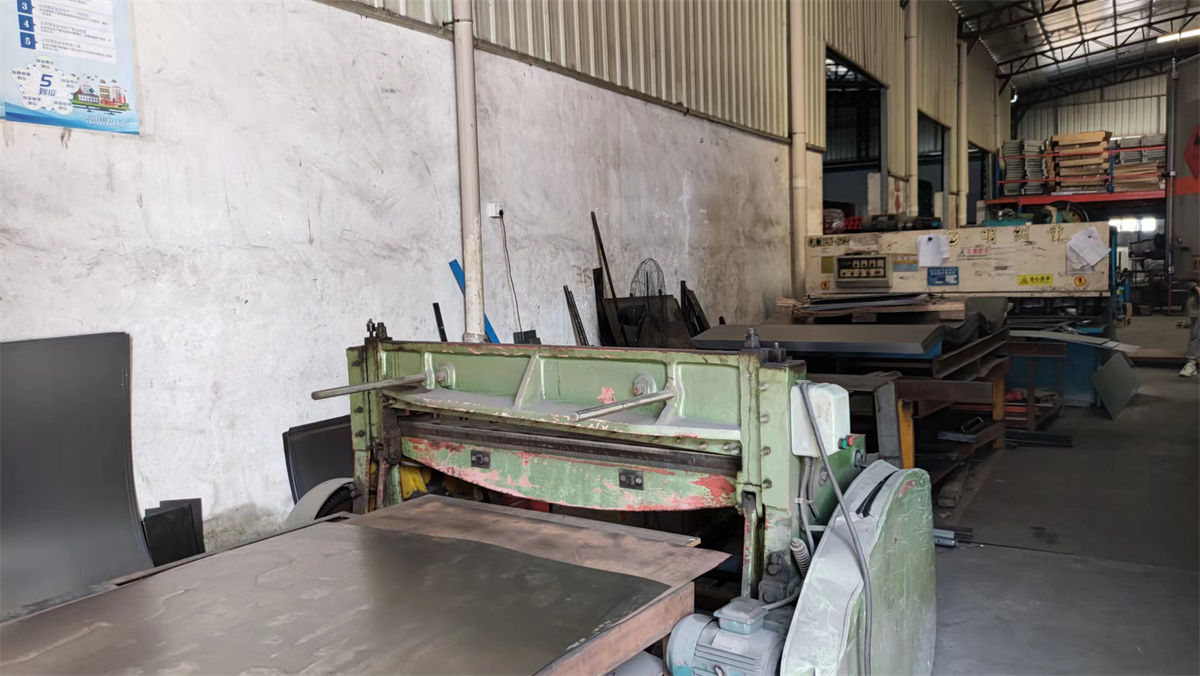
Automated cutting tables ensuring uniform component dimensions and clean, burr-free edges.
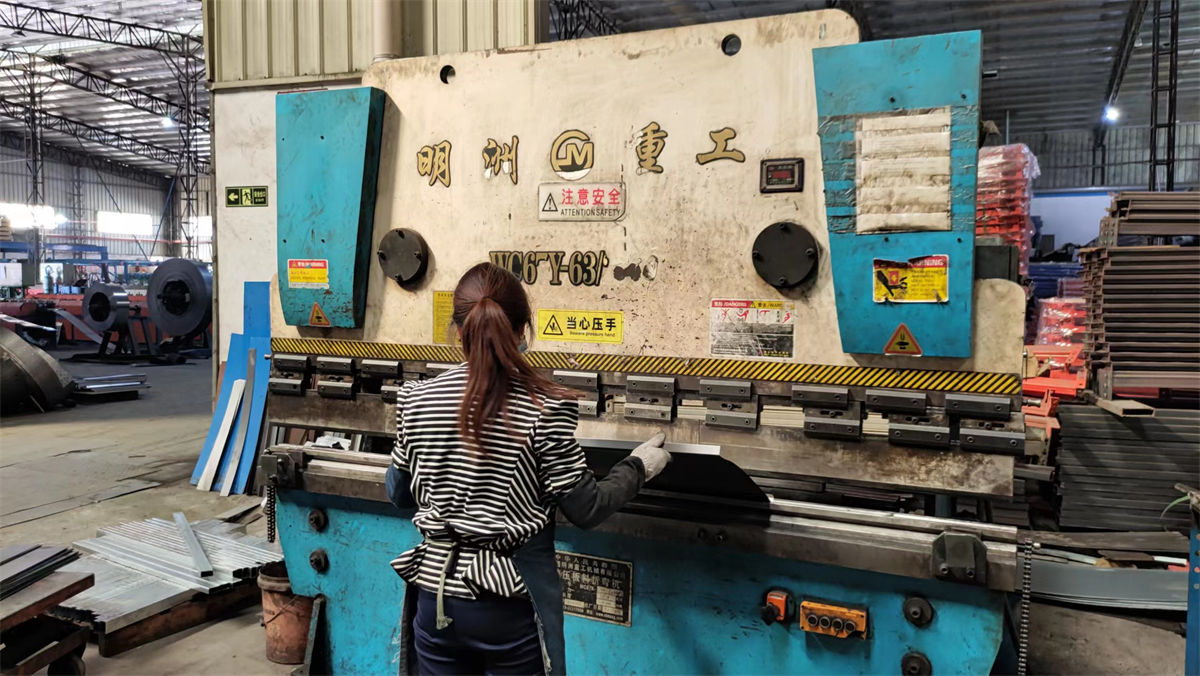
Advanced hydraulic press bending forming structural brackets and load connectors.
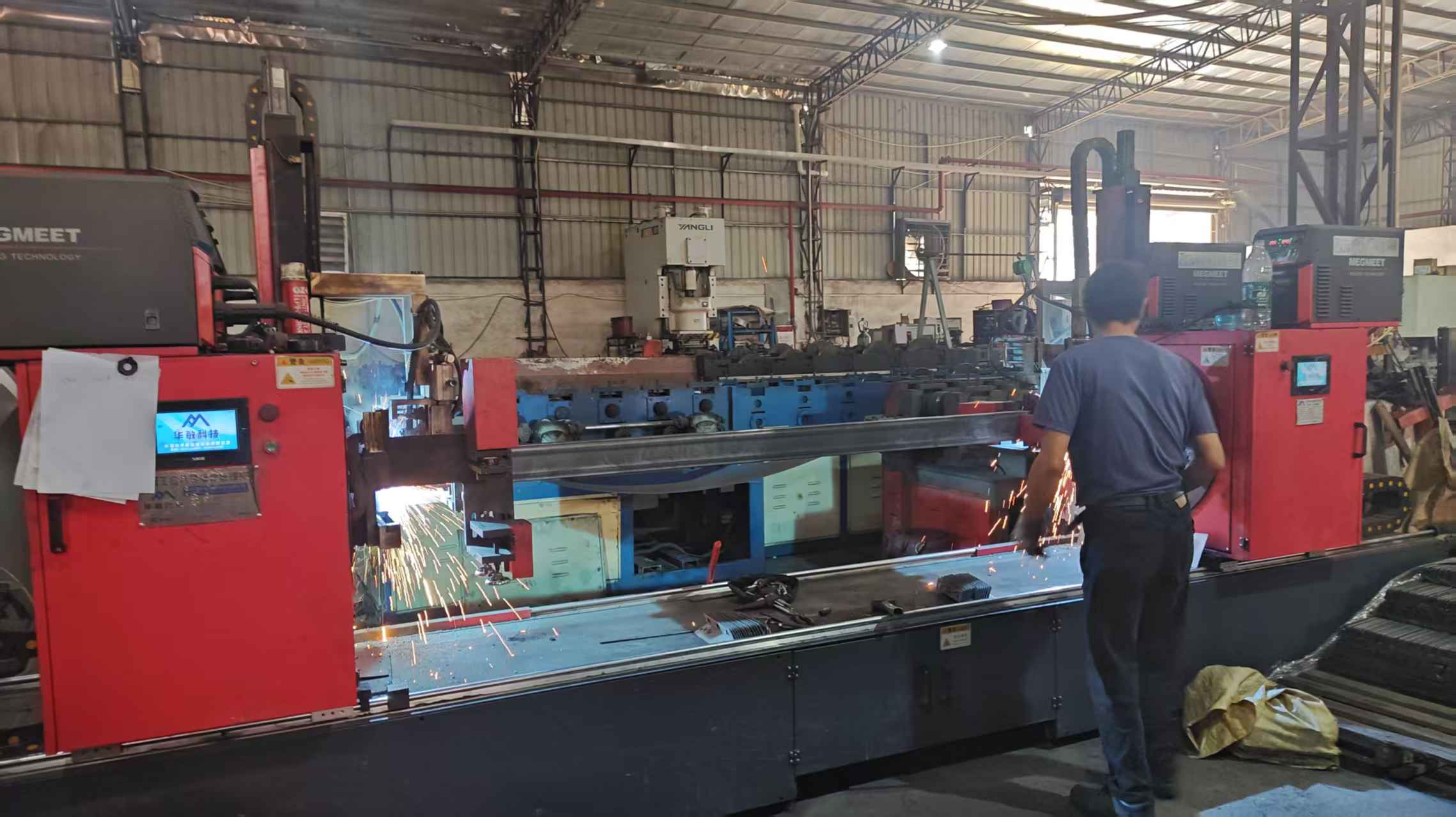
Argon arc-welding cells ensuring high penetration and clean, load-bearing joints.
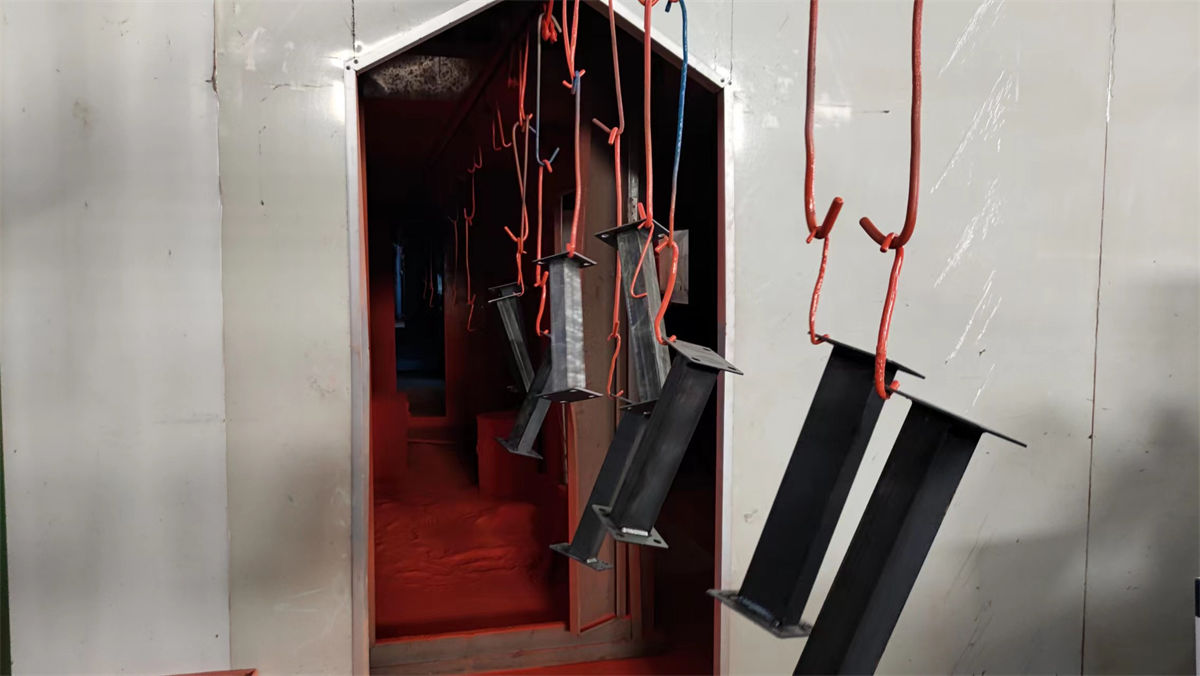
Multi-stage automated surface pretreatments followed by electrostatic powder deposition.
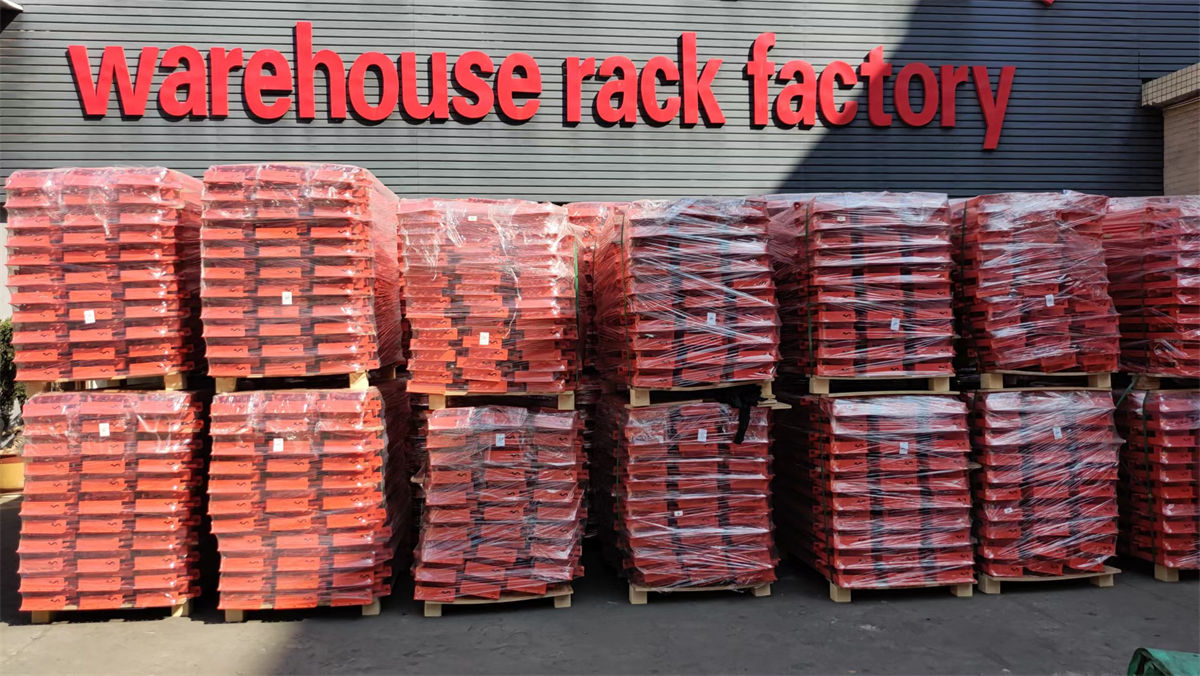
Export-ready packaging wrapped in heavy protective film and secured with high-tensile strapping.
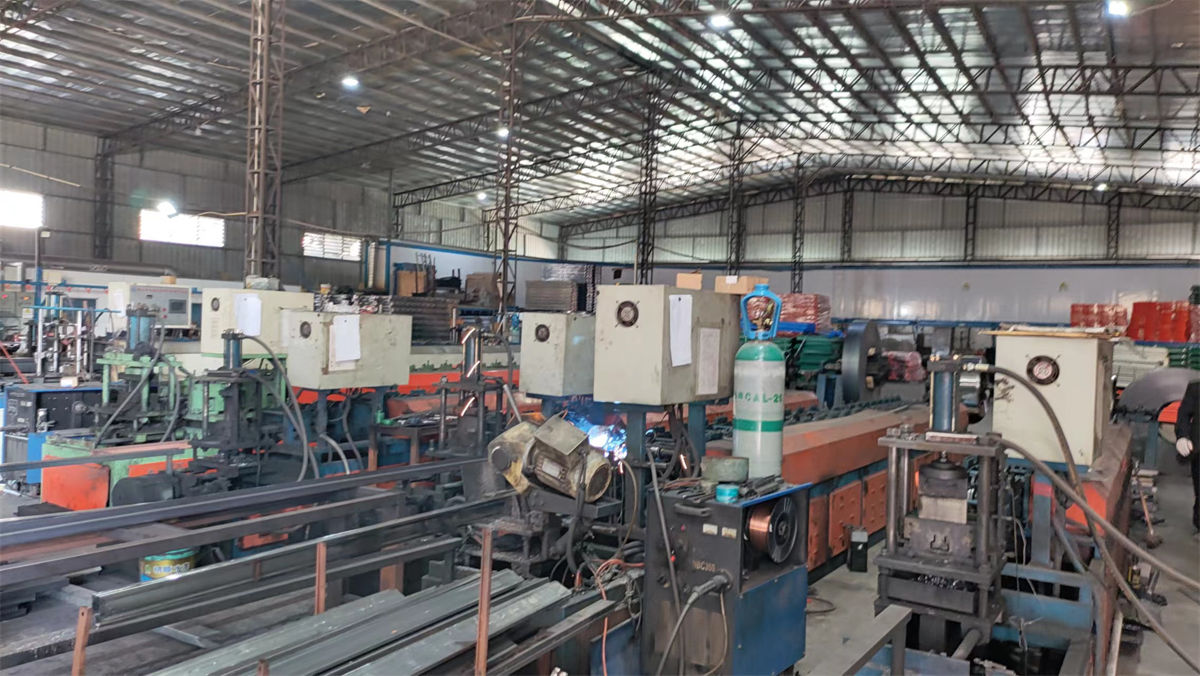
Heavy-duty, multi-stand forming rollers designed for high-density upright columns.
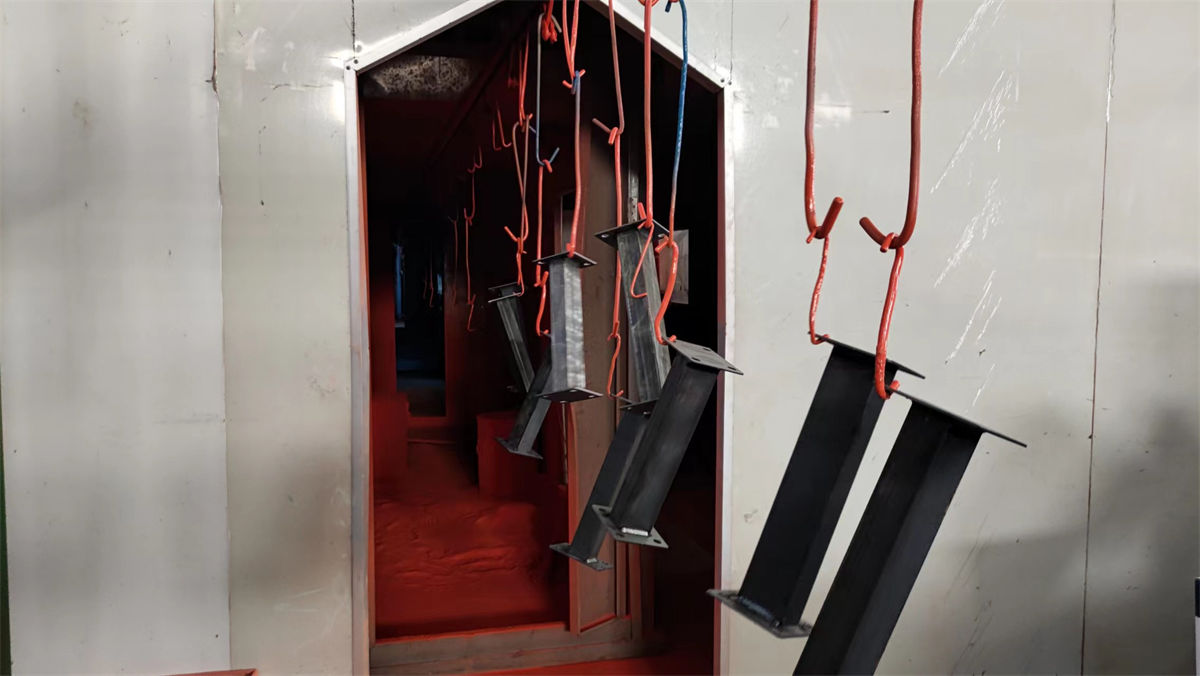
Continuous overhead conveyor line running structural beam profiles through the curing zone.
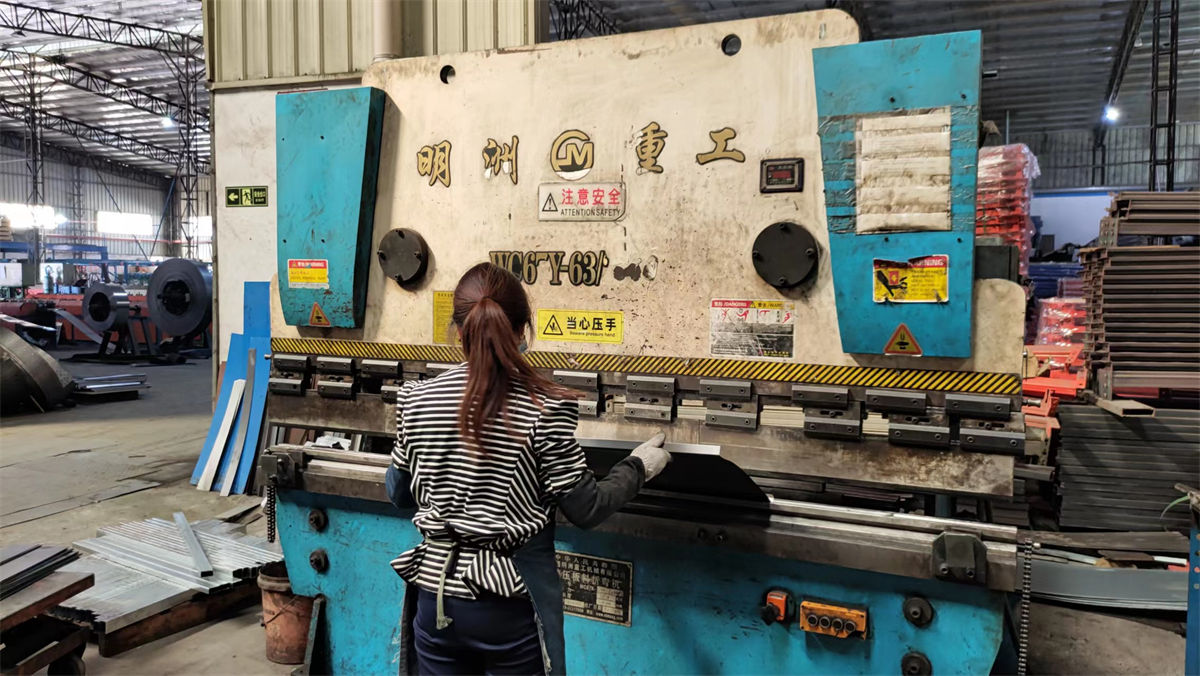
Multi-axis computerized CNC press brake executing complex bends in structural steel.
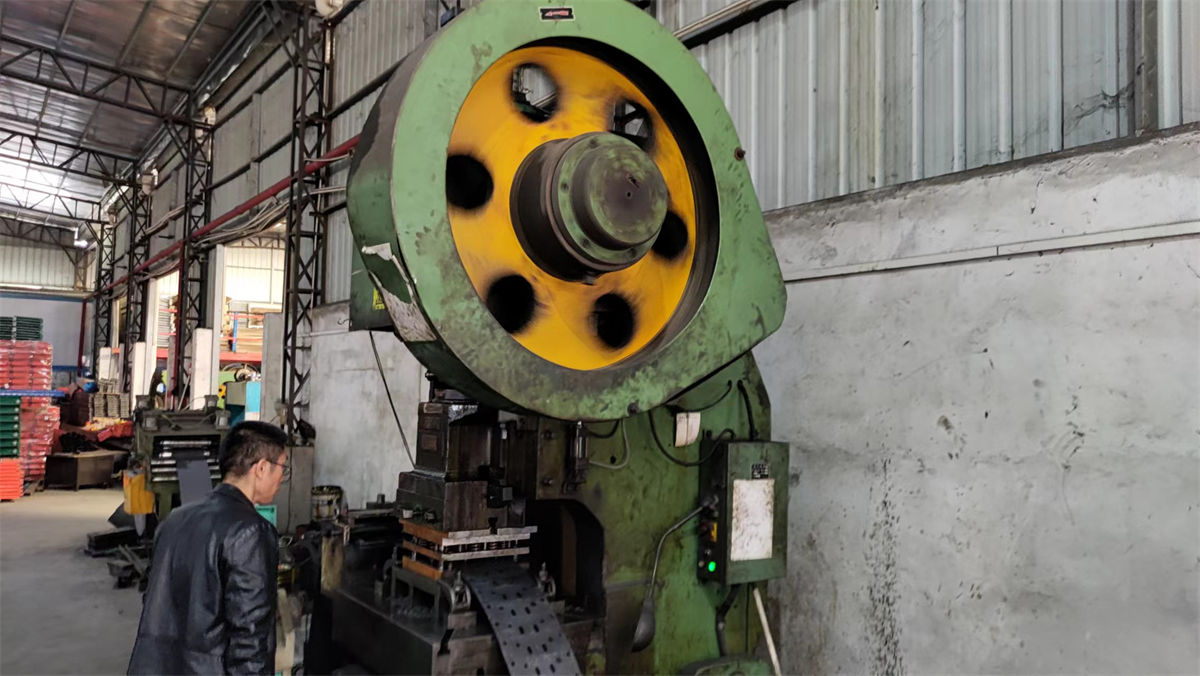
Continuous heavy-duty punch machine stamping high-precision modular connection patterns.
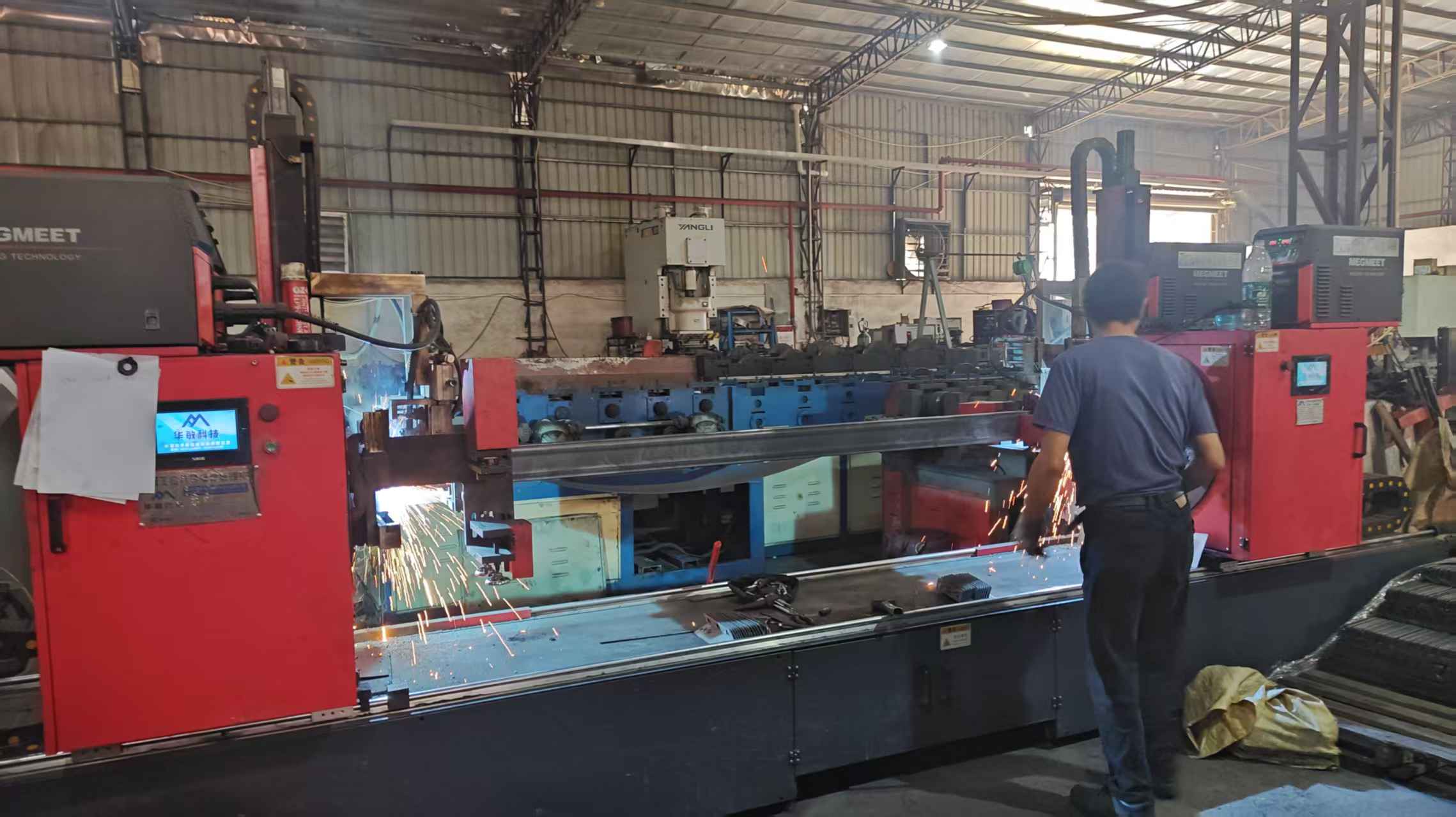
Specialized workstation welding heavy beam-connector brackets with high structural integrity.
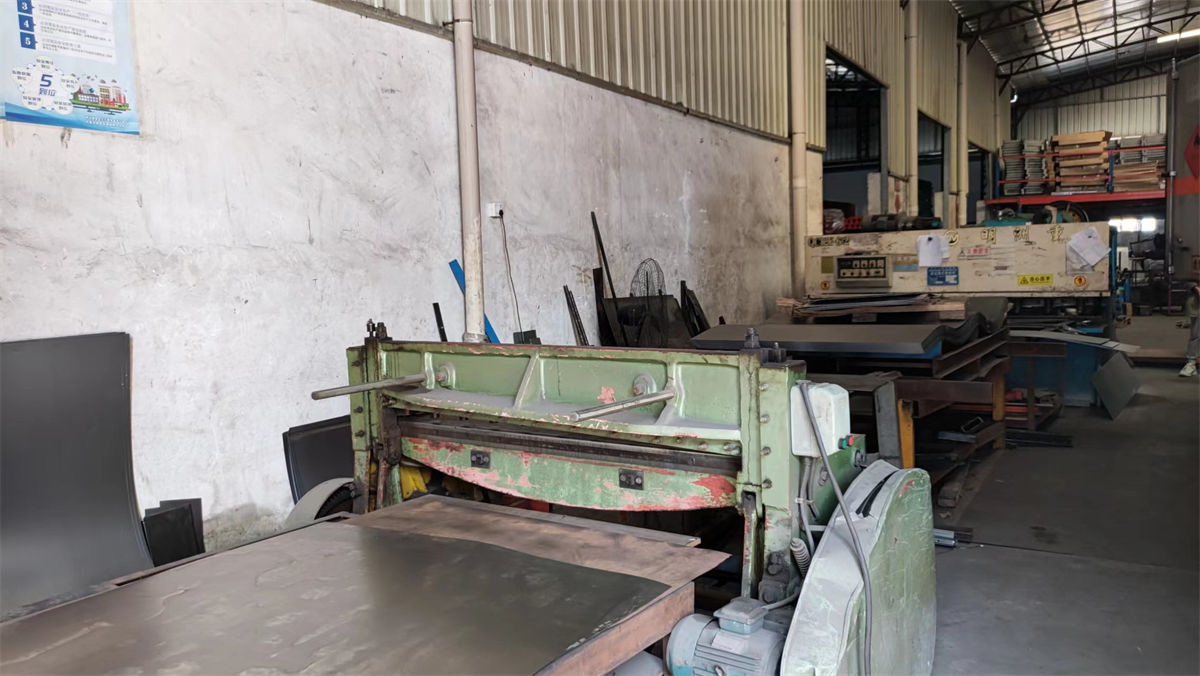
Automated shear processing thick structural steel plate into exact dimension profiles.
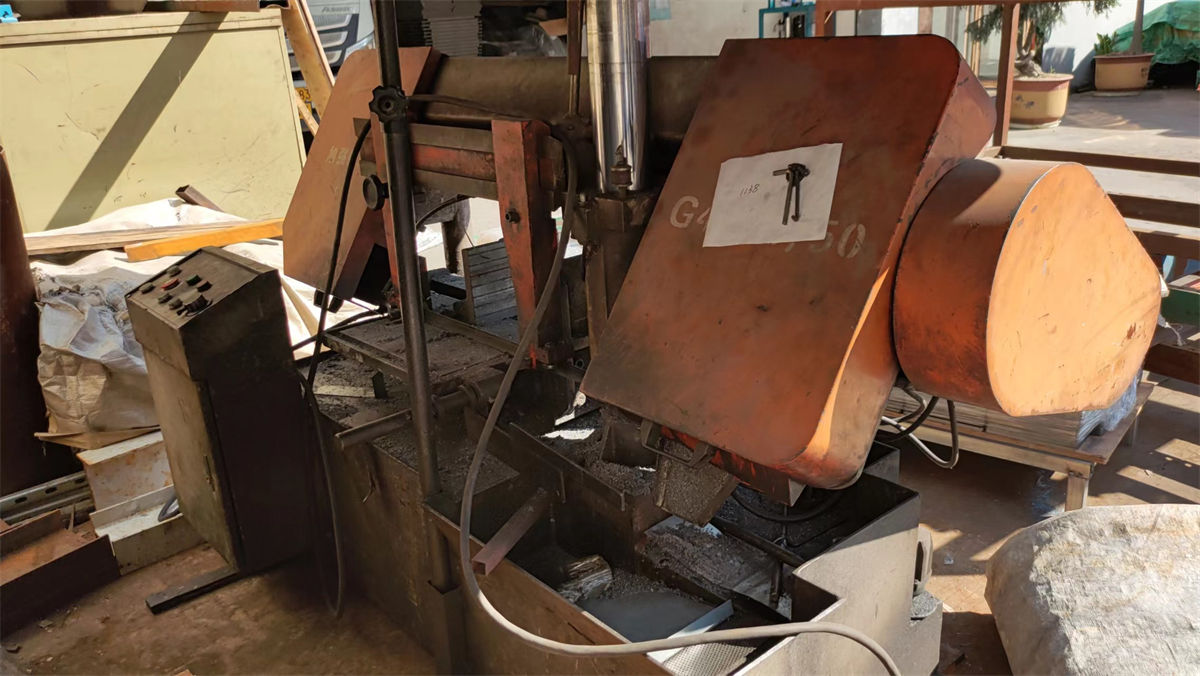
High-efficiency cold-cutting saw slicing structural tube profiles to specified lengths.
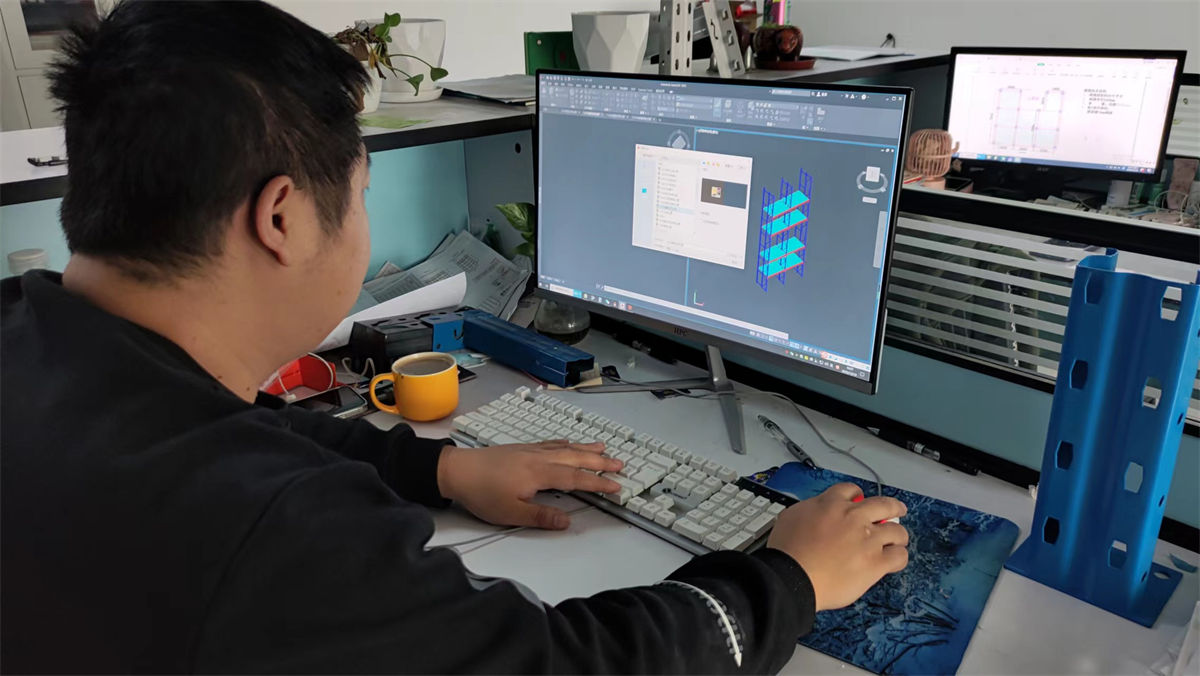
R&D engineers creating FEA models to simulate real-world warehouse loads and stress points.
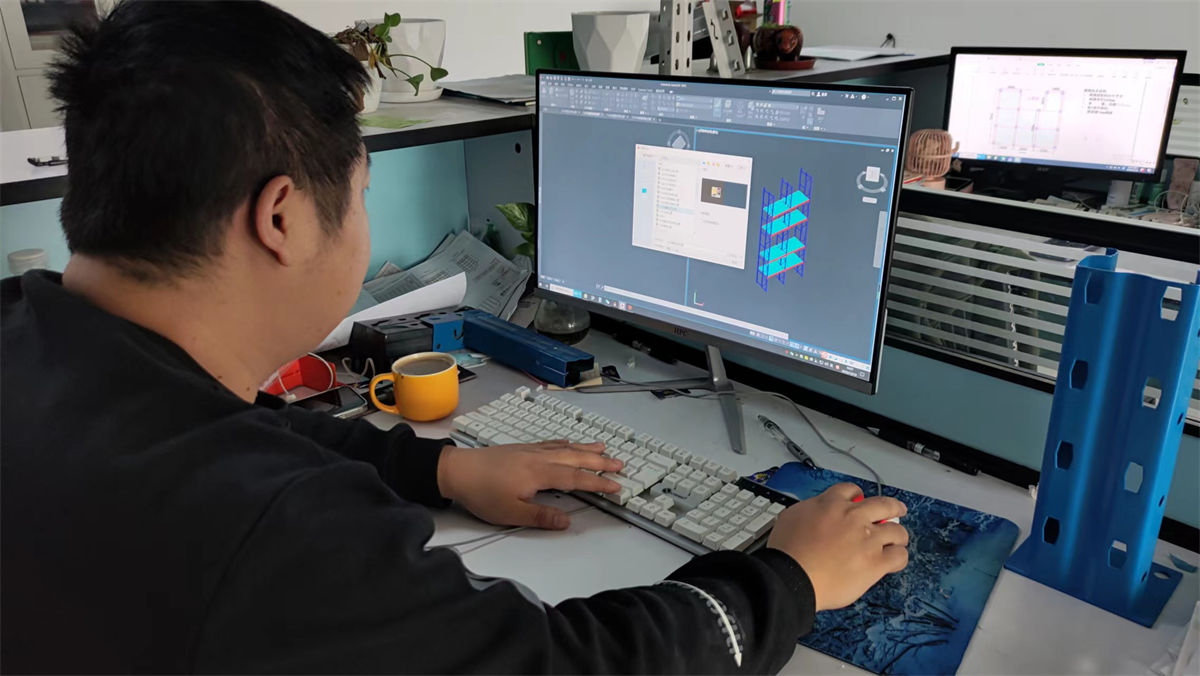
High-performance computing workstations running stress analyses for customized OEM orders.
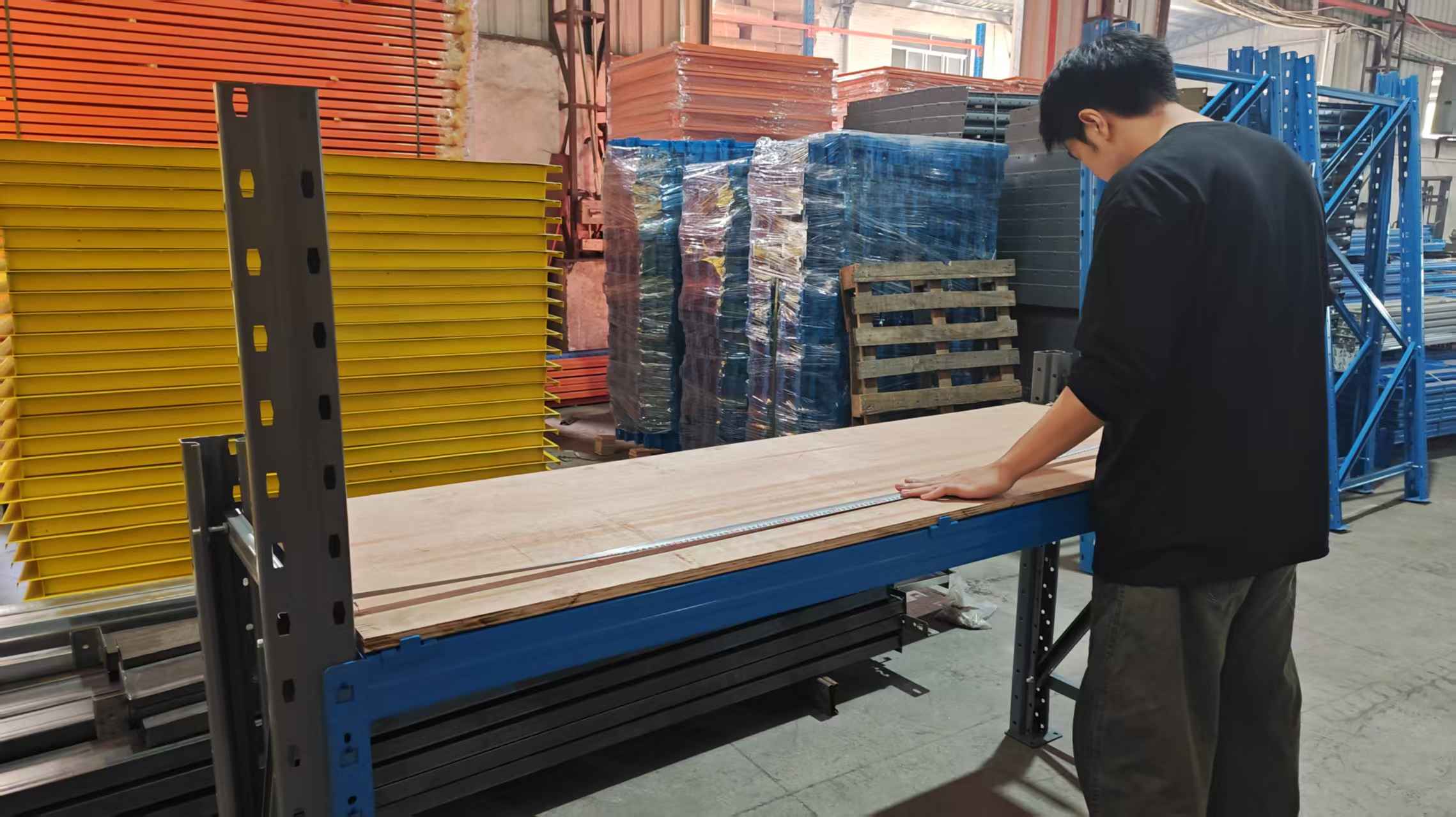
QC specialists performing non-destructive thickness and crack-detection testing.
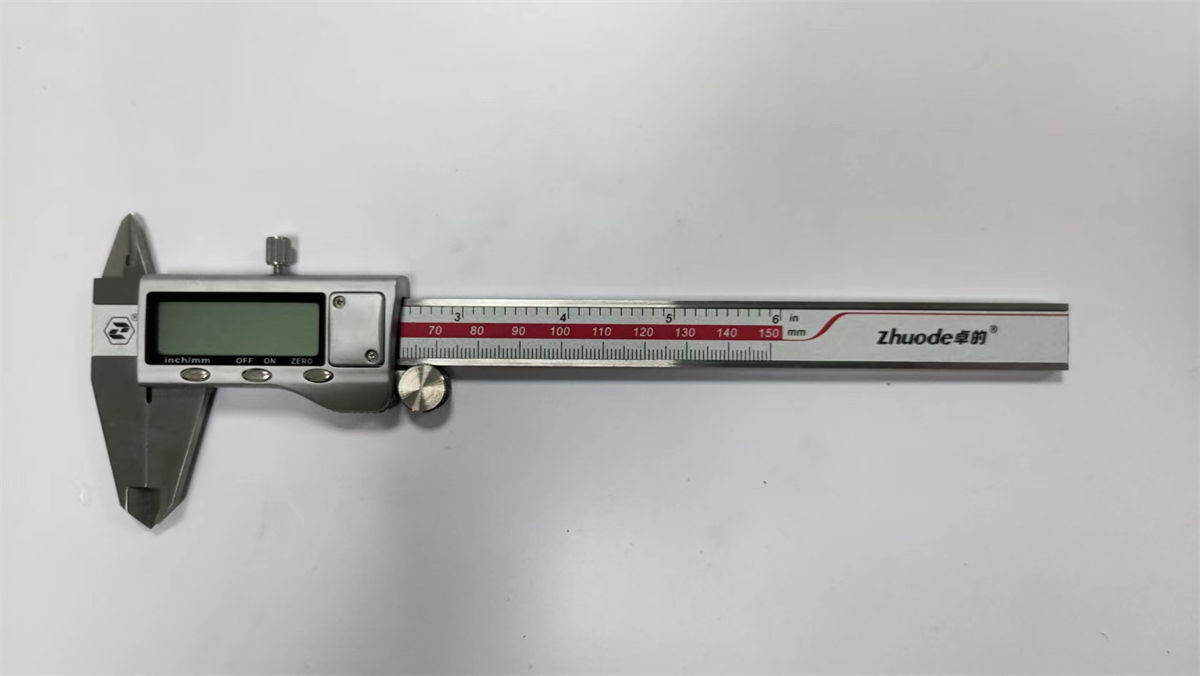
Detailed dimensional verifications checking cross-sectional steel gauges and tolerances.
A comprehensive breakdown of compliance, safety, and logistical considerations for procurement teams importing industrial storage solutions.
When sourcing industrial structural racking, procurement teams must verify the seismic profile of the installation site. In active seismic regions (such as portions of the US West Coast, Central America, and Southeast Asia), racking layouts require custom-engineered baseplates, heavy anchor bolts, and reinforced diagonal bracing. Our team of 18 R&D engineers runs Finite Element Analysis (FEA) models to simulate dynamic seismic forces, ensuring layouts comply with local building regulations.
Procurement processes must verify that a manufacturer's production lines meet recognized safety standards. For North American distribution channels, racking components must comply with standard specifications set by the Rack Manufacturers Institute (RMI). For European channels, structures must align with FEM 10.2.02 and EN 15512 specifications. In the Oceania region, systems must meet AS4084-2012 criteria. Choosing certified suppliers prevents issues with local structural inspections and building permits.
Ocean freight represents a significant portion of final procurement costs. Heavy, bulky racking components require efficient packaging strategies to maximize container utilization. We bundle upright frames and beams using heavy-duty protective wrapping and steel strapping, preventing damage during transport while maximizing space in 40ft High Cube containers. This packaging approach also streamlines unloading and sorting processes at the destination warehouse.
A low purchase price can be offset by high installation costs, structural failures, or premature rust. Evaluating a manufacturer's quality control systems, powder coating processes, and weld integrity helps confirm the racking's long-term performance. Ningbo Xinmiao's 25-person quality control team tests every production batch, ensuring reliable durability that lowers maintenance costs and keeps distribution centers operating smoothly.
Detailed engineering answers to common technical, metallurgical, and logistical questions regarding industrial racking systems.
Explore our complete product catalog, designed for heavy-duty storage, warehouse optimization, and manufacturing logistics.

 Xinmiao Racking