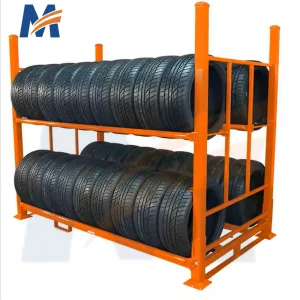
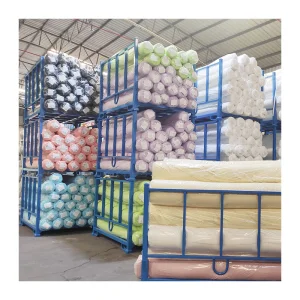
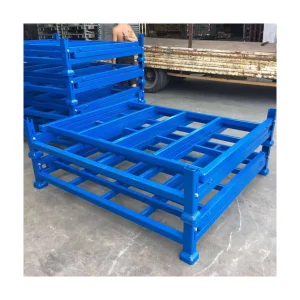
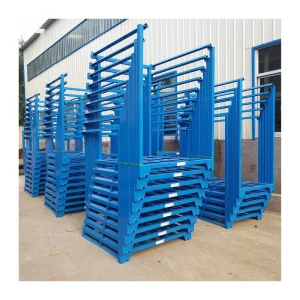
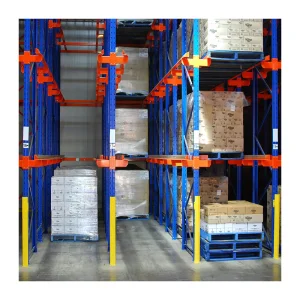
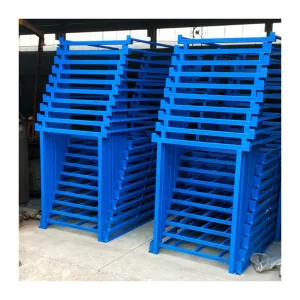
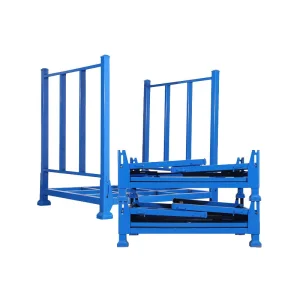
Explore our primary line of high-capacity portable, steel stackable, and foldable racking units, designed for flexible modular storage.
Established in 2015, Ningbo Xinmiao Storage Equipment Co., Ltd. (operating the premium industrial brand Mracking) has positioned itself at the cutting edge of logistics equipment engineering. We integrate advanced structural calculations with state-of-the-art heavy metal manufacturing to secure efficiency and safety for enterprises worldwide.
With a massive production footprint spanning 35,000 square meters and over 14 years of design and manufacturing experience, our enterprise has shipped over $18 million annually to competitive markets across North America, Europe, Southeast Asia, and the Middle East. Our product architecture is designed specifically for 3PL providers, global industrial distributors, and intense manufacturing environments.
• Advanced Metallurgy: Formed with high-strength Q235B and Q355B structural steel for maximum yield strength.
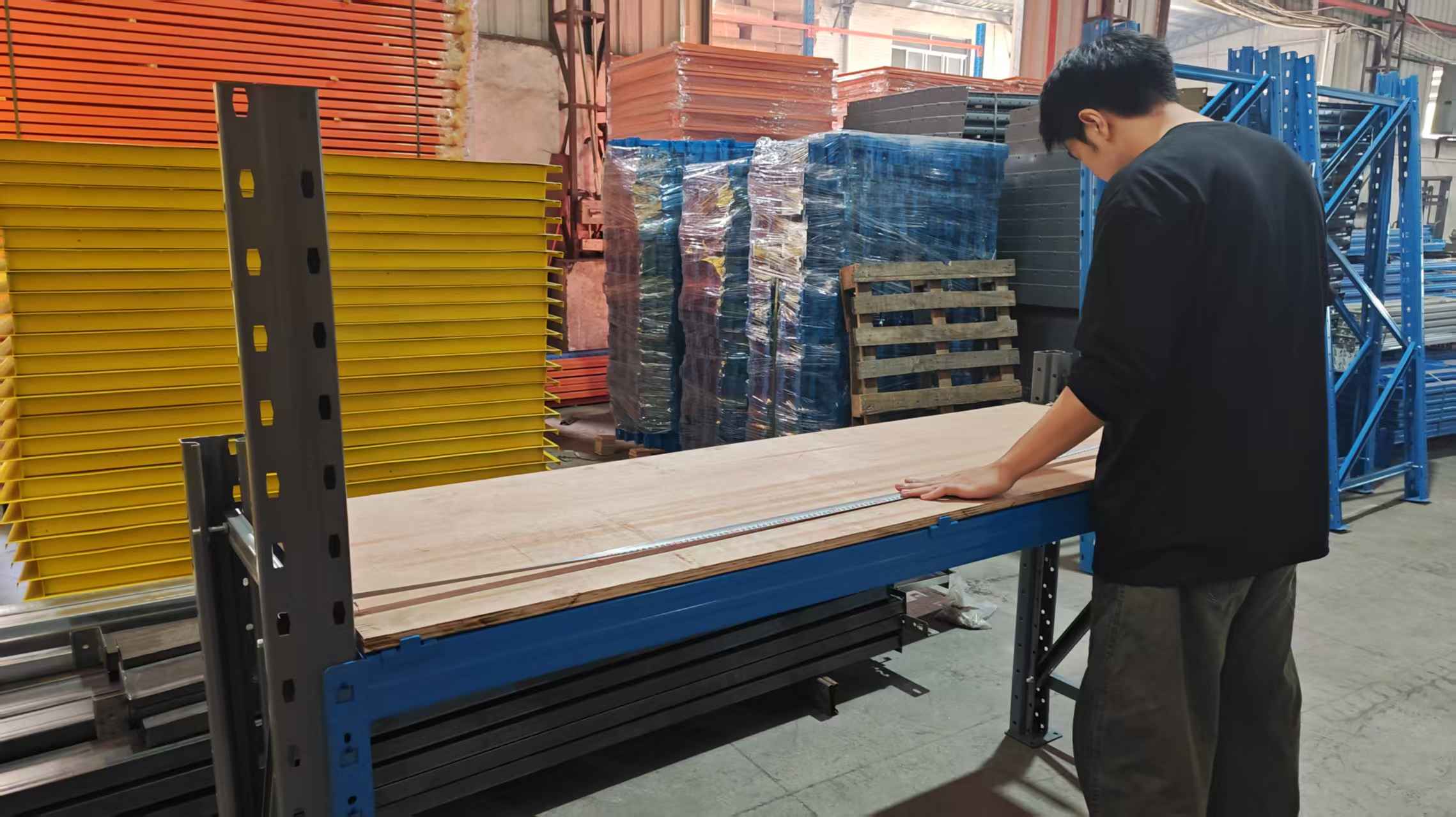
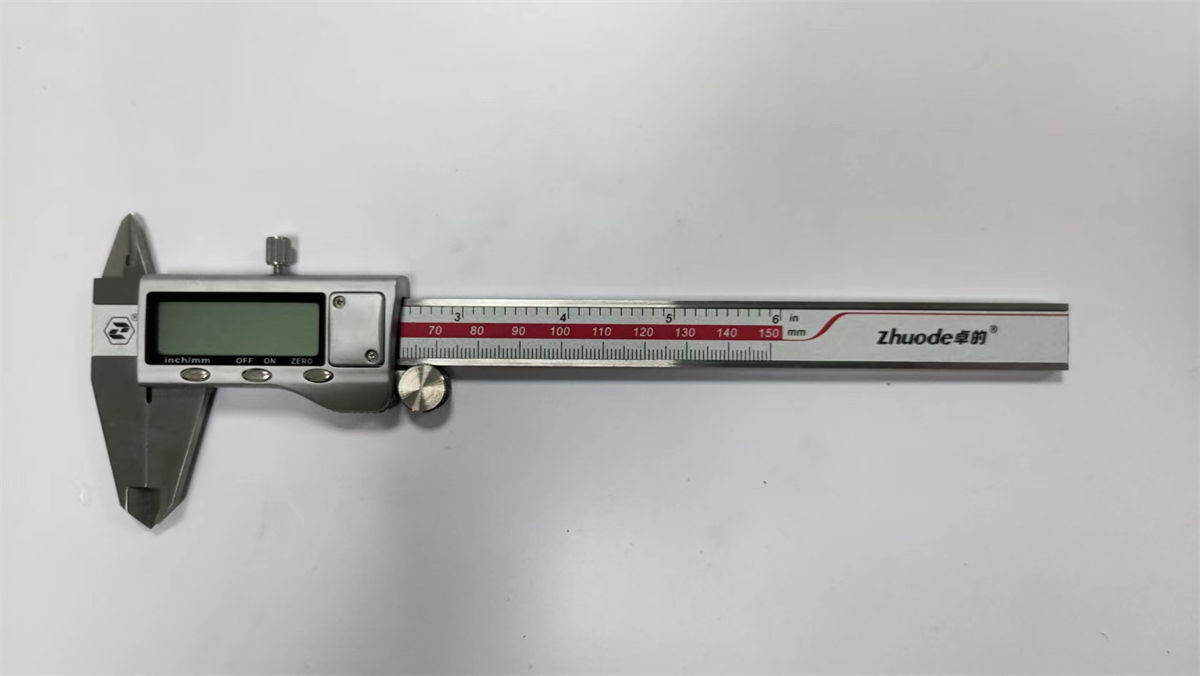
• Uncompromised Quality: Monitored by a dedicated 25-person Quality Control team utilizing advanced ultrasonic weld inspection and load-bearing stress analysis.
• Rapid Innovation Cycle: Introduced 45 custom product variations last year to accommodate changing storage layouts and automation components.
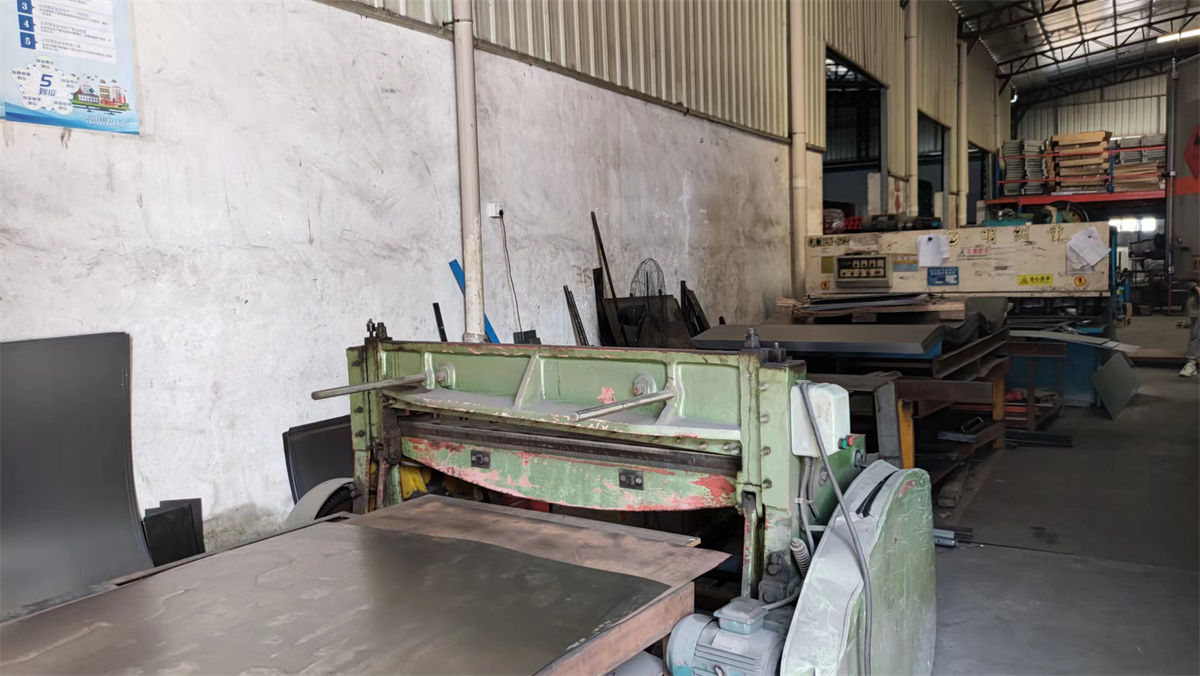
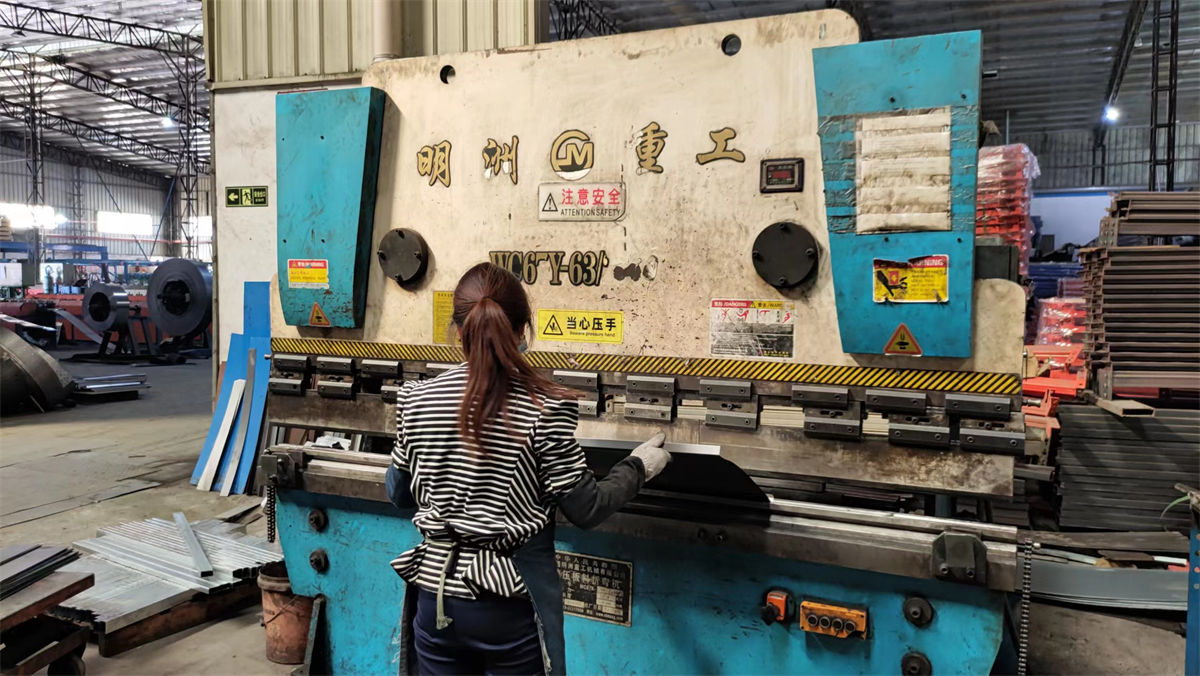
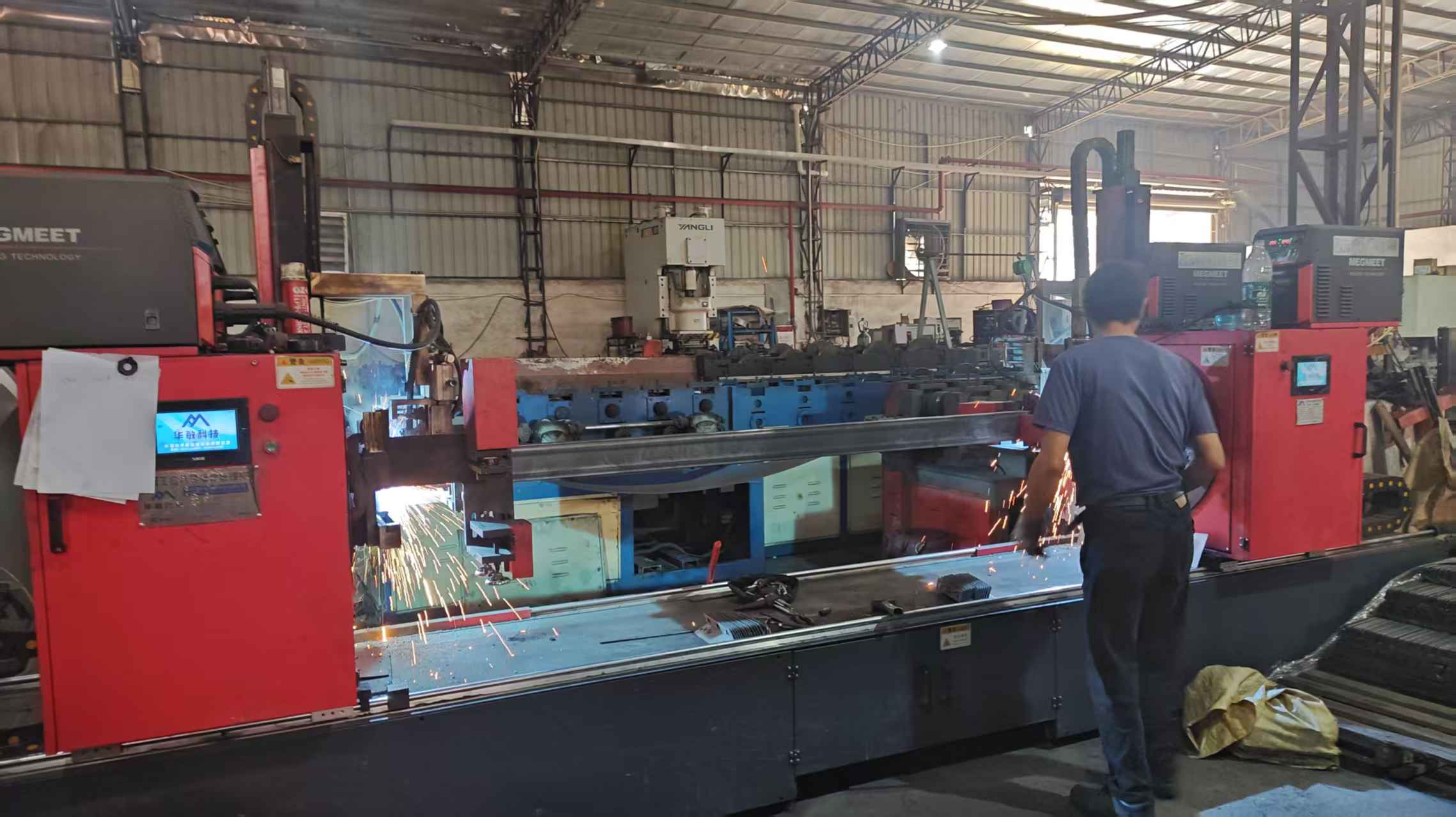
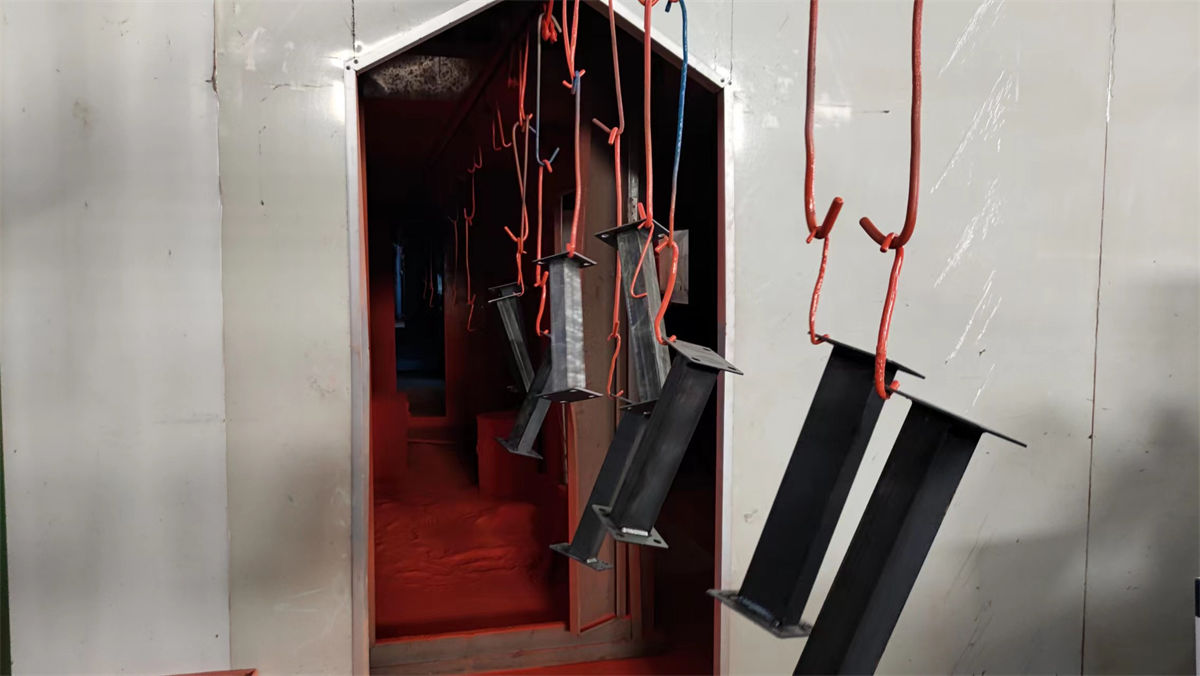
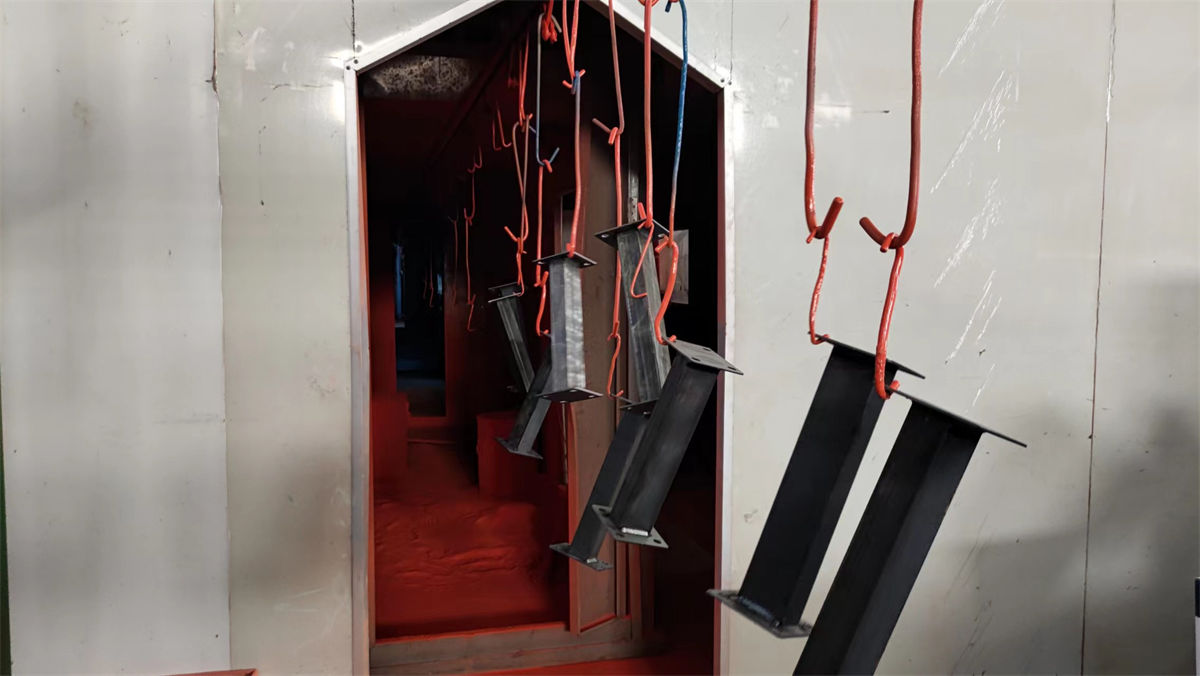
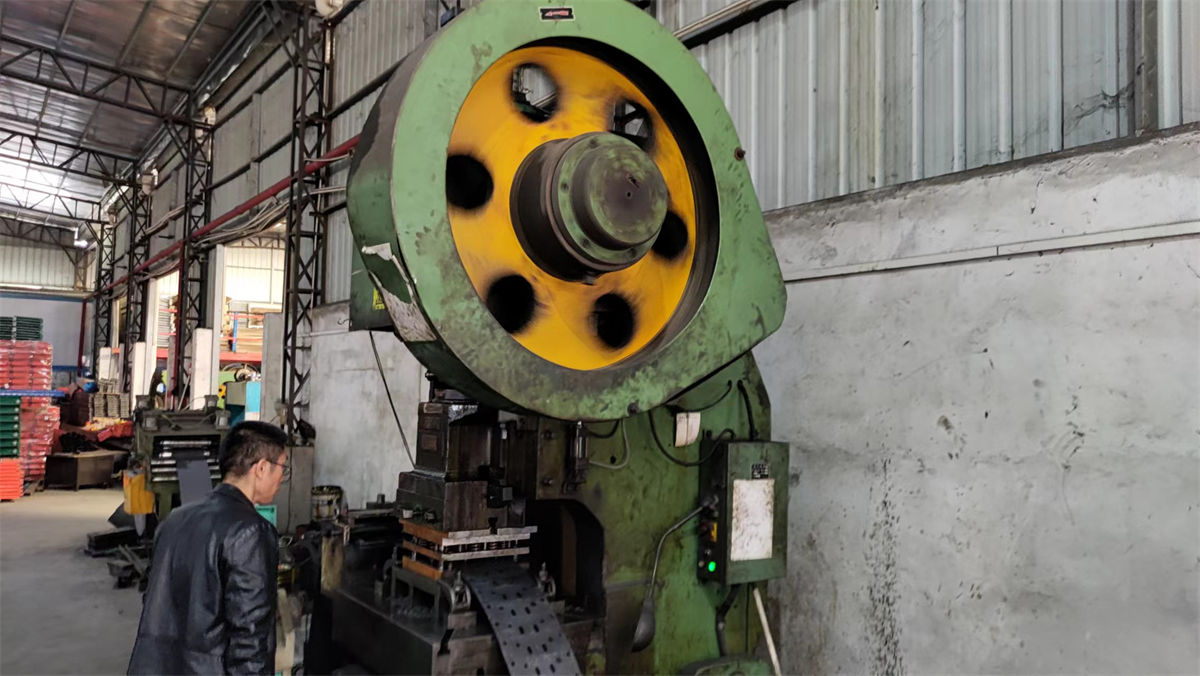
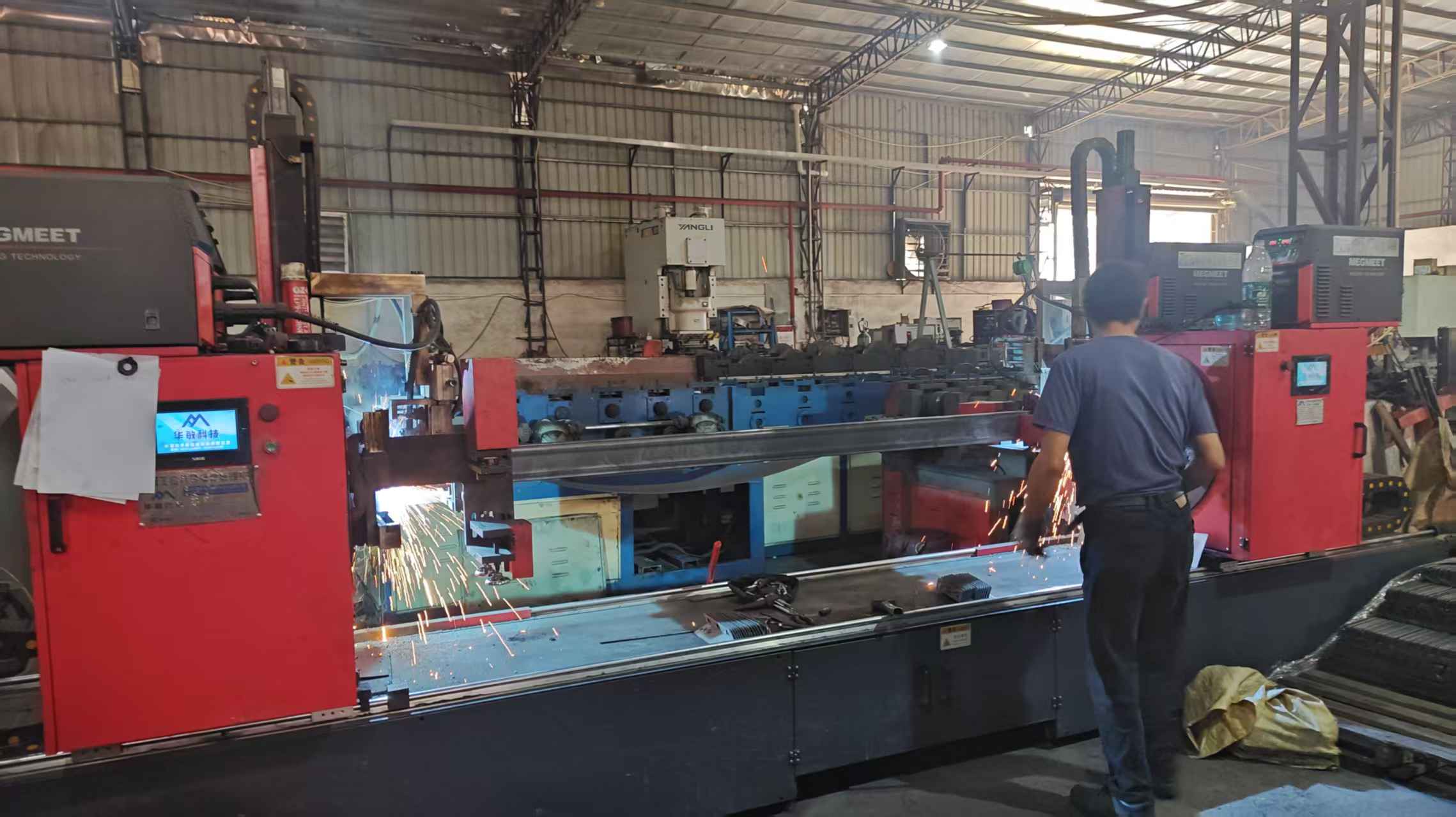
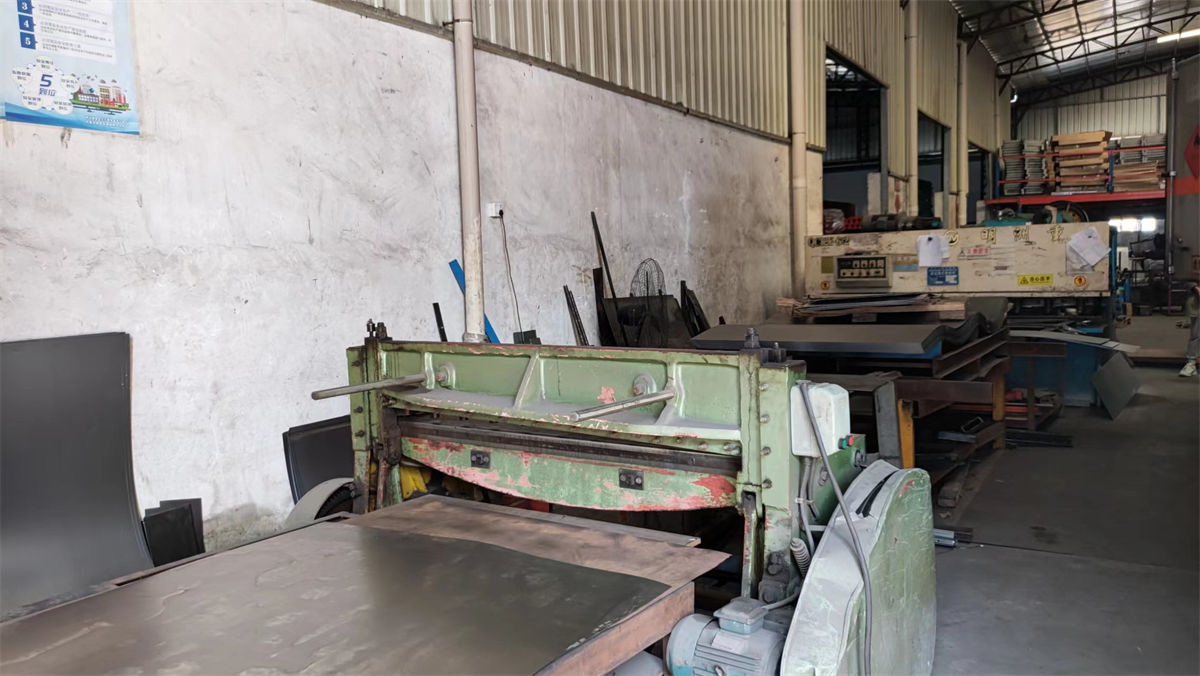
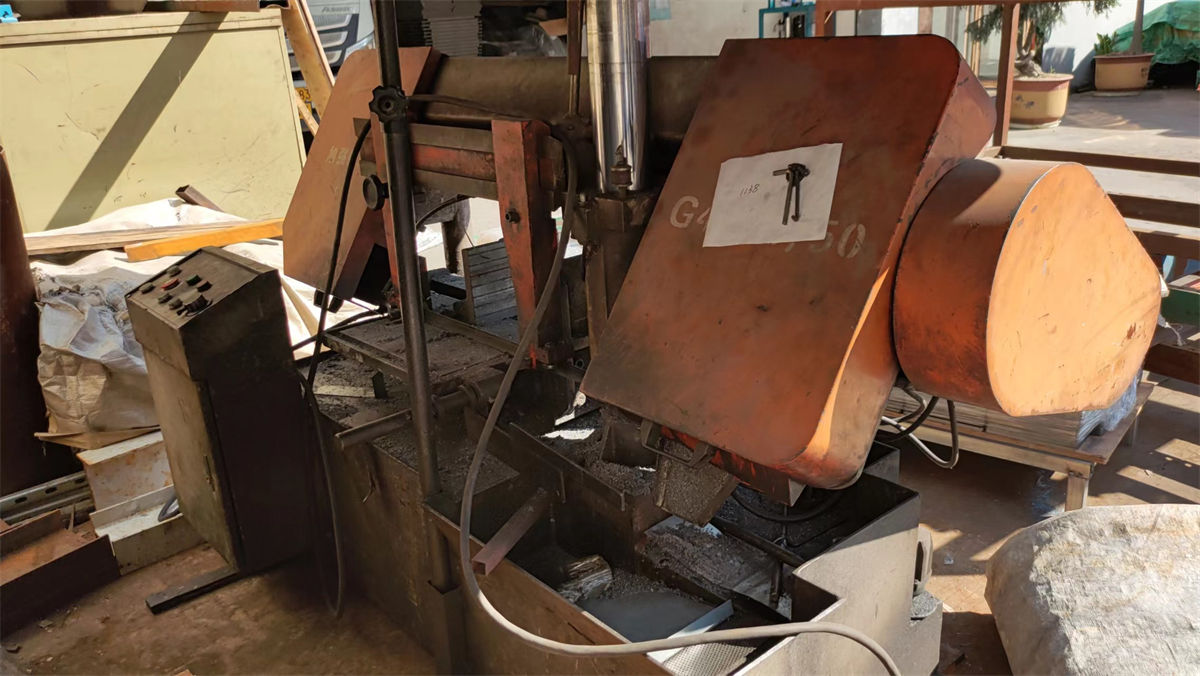
Integrating specialized heavy machinery, automated powder coating, and strict non-destructive testing (NDT) to deliver industrial reliability.
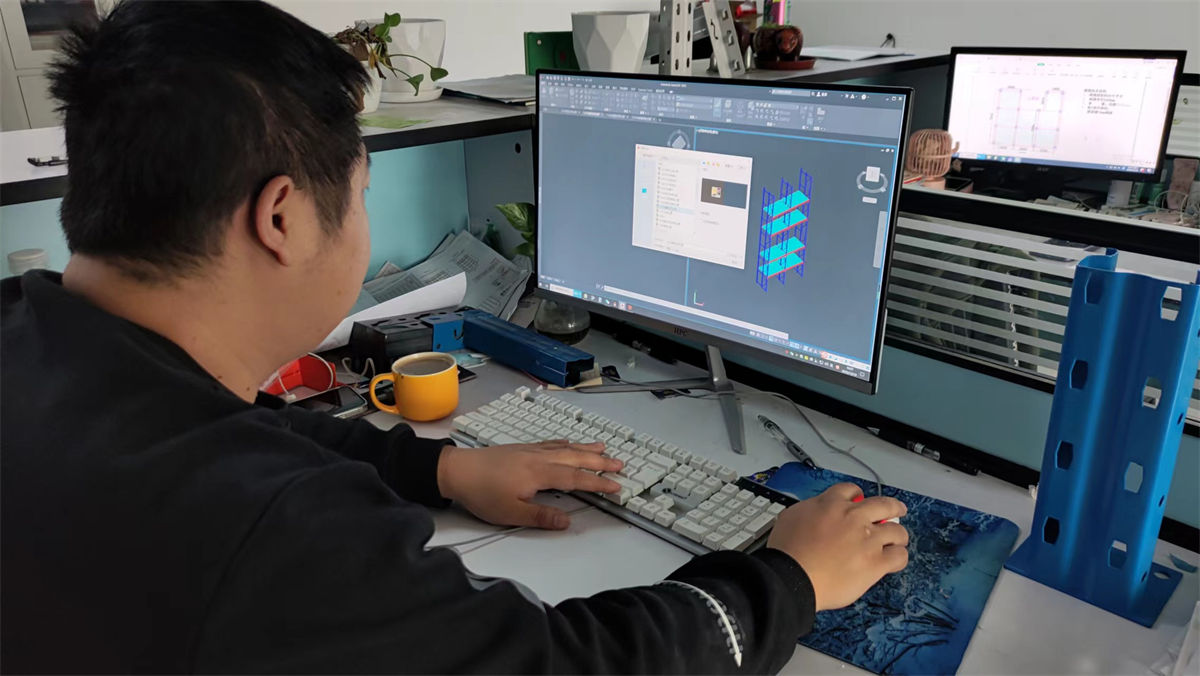
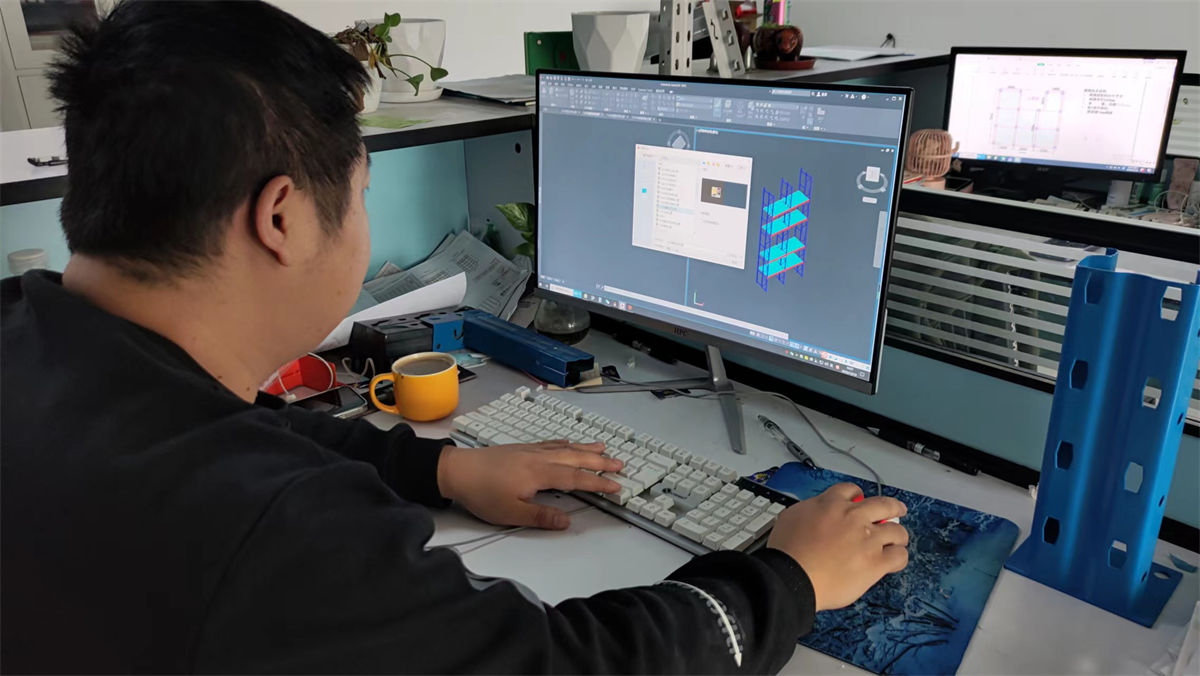
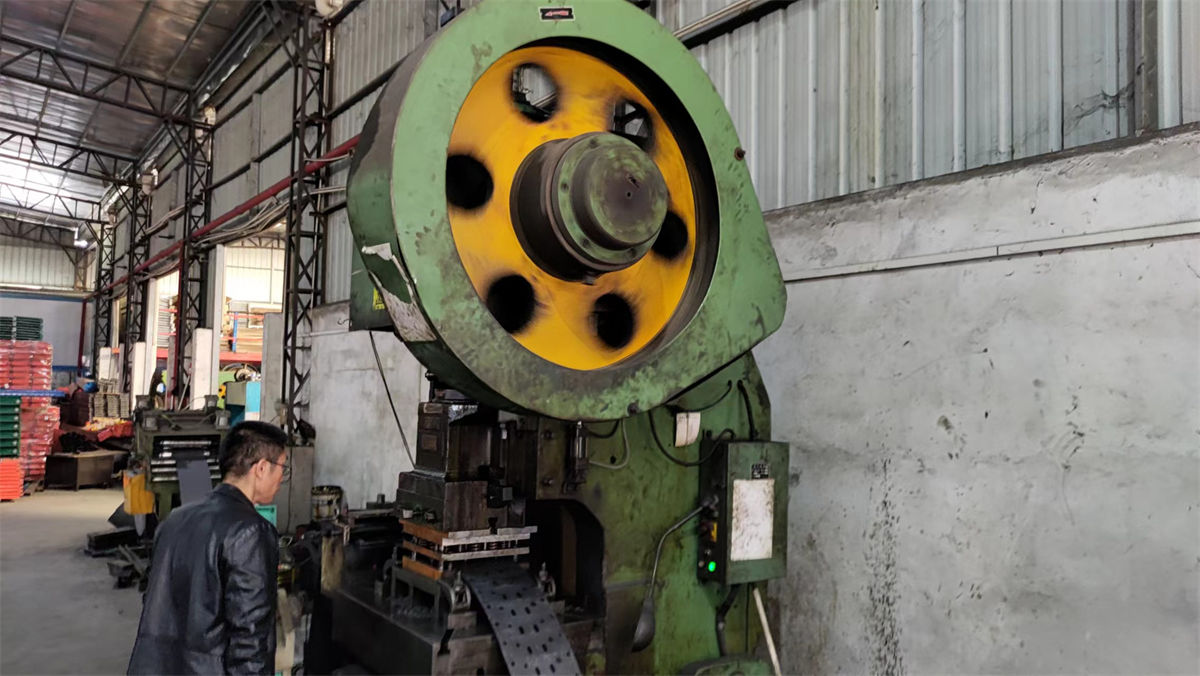
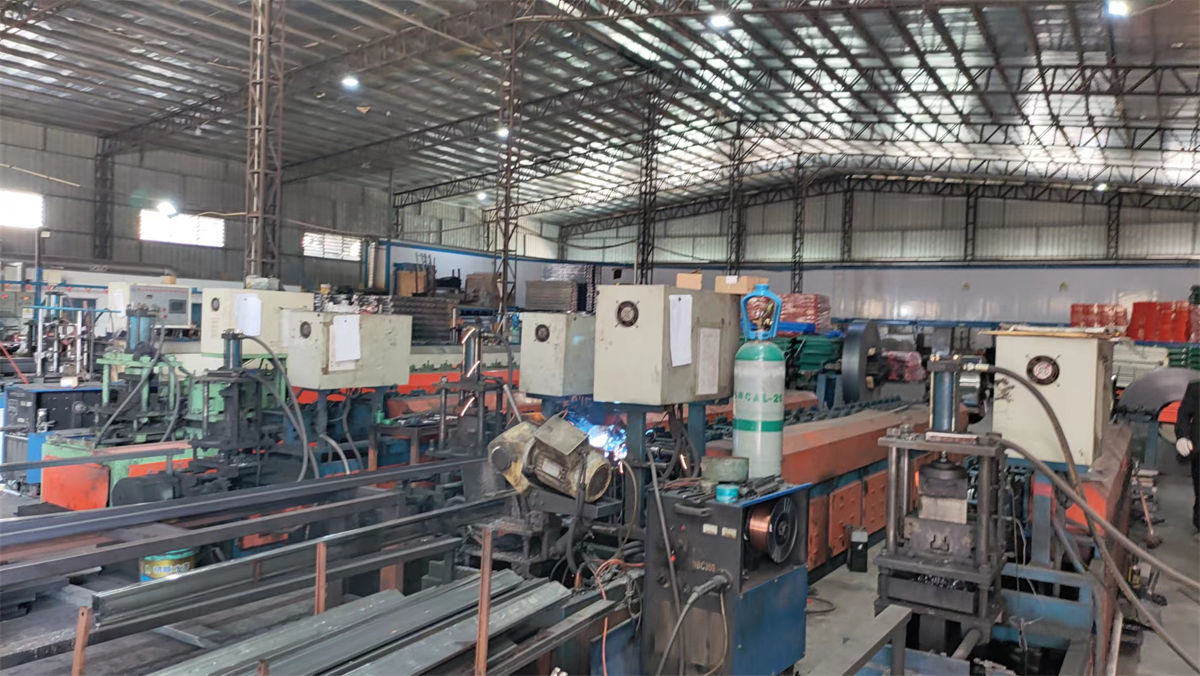
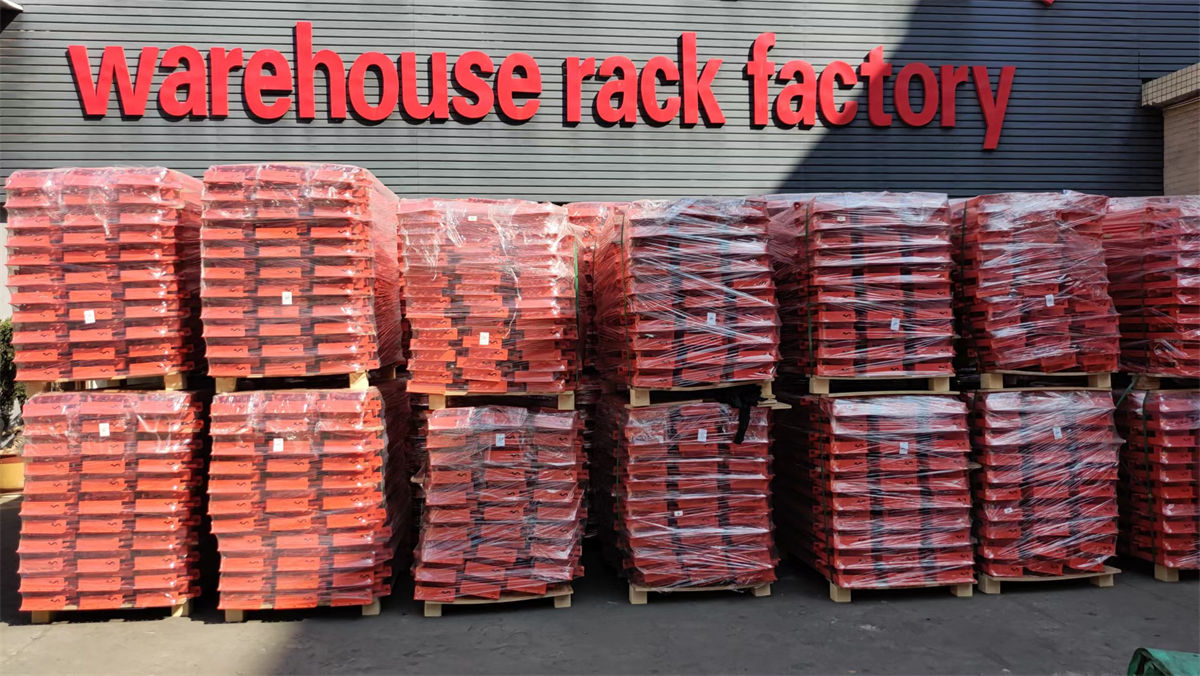
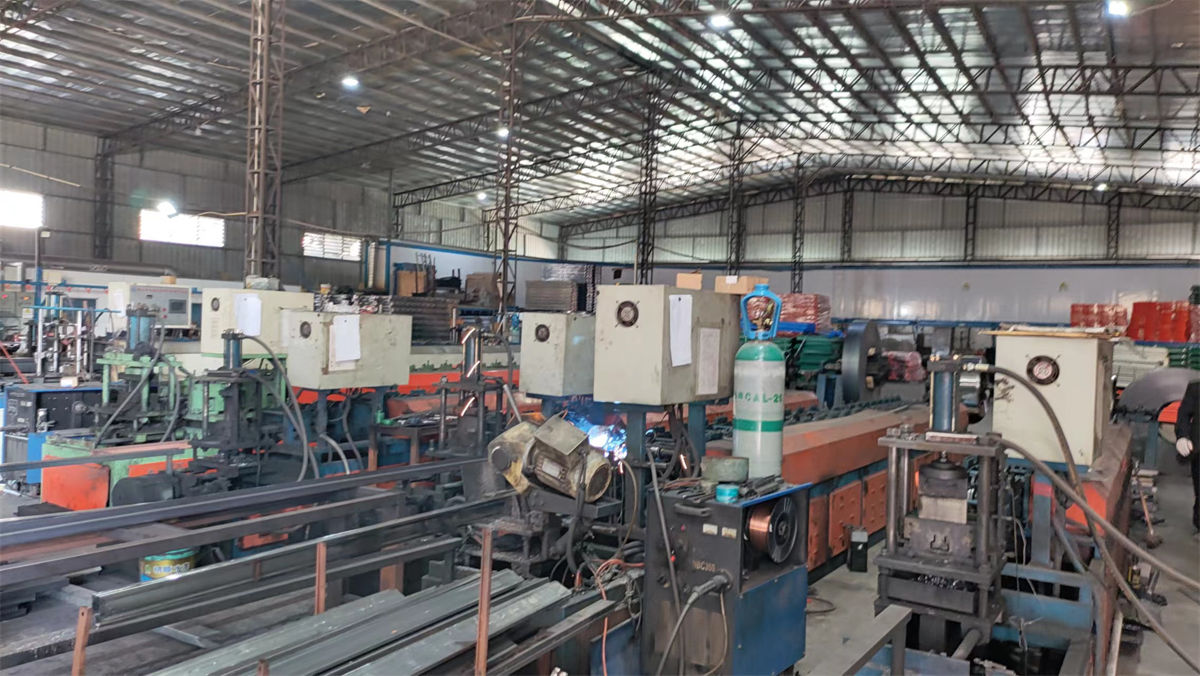
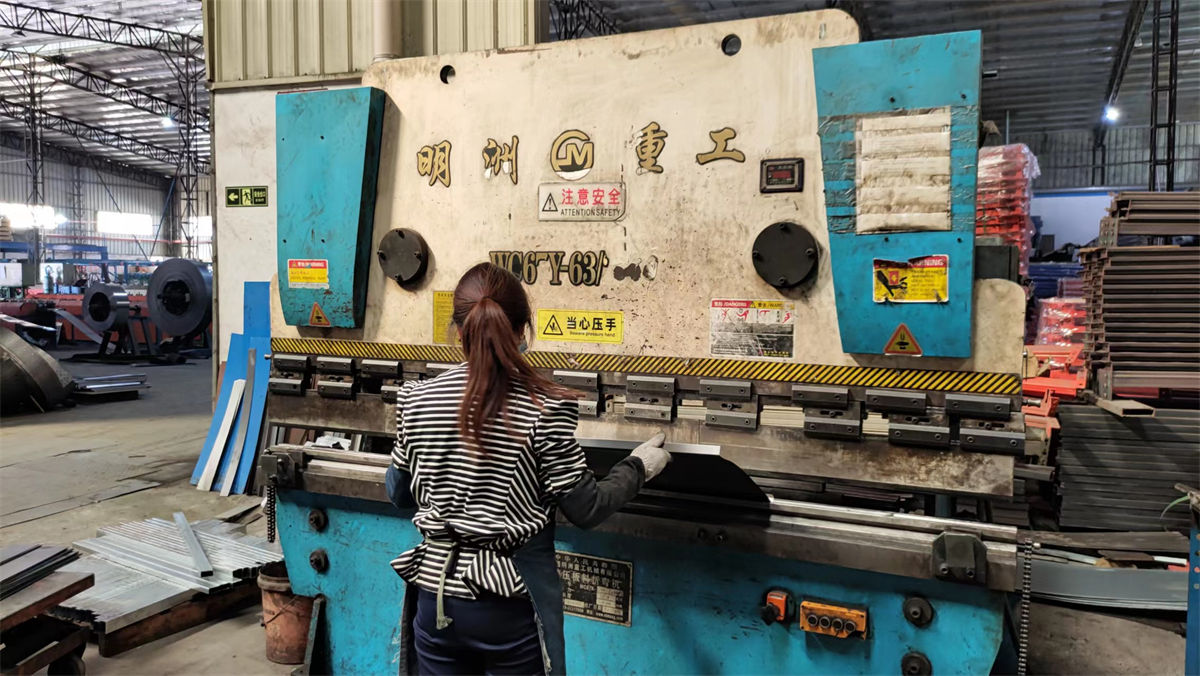
The logistics landscape has entered a hyper-dynamic era. Industrial facilities, third-party logistics (3PL) providers, and international manufacturing hubs are shifting away from static, rigid racking frameworks. Instead, modern operators require high-density, adaptable racking units that scale based on seasonal peaks, inventory fluctuations, and layout revisions.
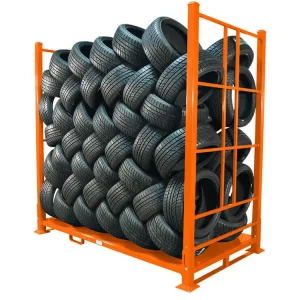
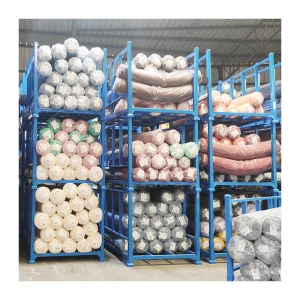
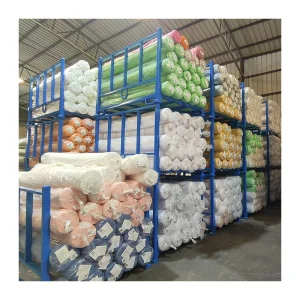
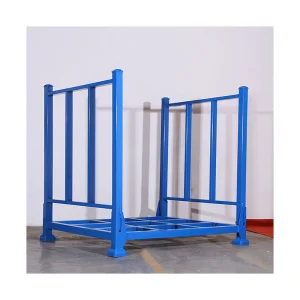
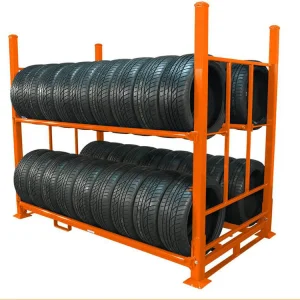
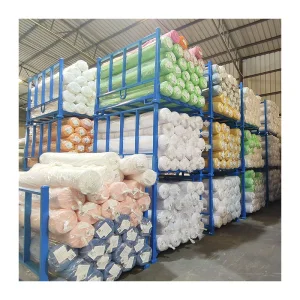
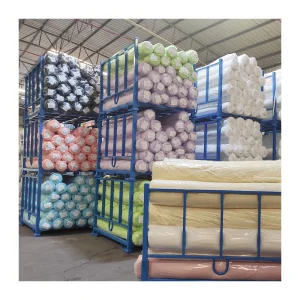
Stack Racking Systems (also known as portable stacking pallets or nestable steel racks) serve as a perfect bridge between traditional pallet racking and open bulk stacking. Their main advantage lies in their flexibility: when empty, they nest or fold down to occupy minimal floor space, optimizing warehouse logistics. When loaded, they securely stack up to 4 to 6 tiers high, creating an immediate, high-density storage matrix without requiring permanent infrastructure.
Procurement managers often evaluate the tradeoffs between fixed pallet racking and dynamic stack racks. The grid below details their structural, operational, and financial differences:
| Feature Parameter | Mracking Stack Racking Systems | Traditional Standard Pallet Racks |
|---|---|---|
| Structural Flexibility | Highly modular. Easily moved via forklift; nestable when empty. | Fixed structure anchored directly to the concrete slab. |
| Installation Cost | Zero installation fees. Ready to deploy out-of-the-box. | Requires professional seismic anchoring and assembly. |
| Floor Area Optimization | Optimizes temporary layouts; dynamic aisle adjustments. | Fixed aisles; restricted layout adjustments. |
| Best Suited For | Tires, bulk fabrics, cylindrical goods, and seasonal pallets. | Standard rectangular pallets, box SKUs, and long-term storage. |
| Dynamic Load Capacity | Up to 1,500 kg per stack tier, customizable per application. | Up to 4,000 kg per bay level. |
At Ningbo Xinmiao Storage Equipment Co., Ltd., our engineering team is actively integrating smart features into traditional steel fabrications. Our R&D team targets three main areas to improve warehouse performance:
High-Tensile Material Optimization: By incorporating low-alloy, high-strength structural steels (such as Q355B), we reduce the dead weight of each rack by up to 15% while keeping the rated loading capacity at 1000kg to 1500kg. This improves safety and reduces international shipping costs per unit.
AGV & AMR Compatibility: Automated Guided Vehicles (AGVs) require precise alignment points. Our latest generation of portable stack racks features robotic-guided pickup pockets and high-precision base nests, allowing automated machinery to easily locate, lift, and stack the units.
Surface Finish Technology: Standard powder coatings can wear down in harsh or outdoor environments. Mracking utilizes a multi-stage pre-treatment wash followed by a thermosetting electrostatic powder coating. This process ensures resistance to abrasion, impact, and chemical corrosion, protecting units used in cold storage or outdoor shipping yards.
Exporting industrial racking systems requires strict adherence to international safety and engineering regulations. Our structural calculations conform to the following standards, ensuring global site approval:
Providing clear answers to technical questions raised by structural engineers, 3PL logistics managers, and supply chain directors.
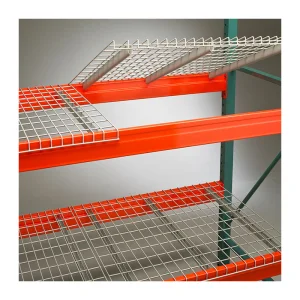
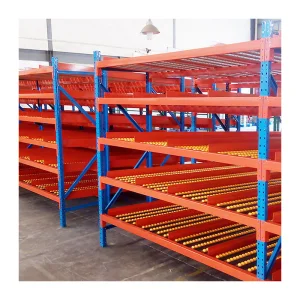
Explore additional specialized racking systems, from high-capacity pallet supports to wire-decked and carton-flow systems.
 Xinmiao Racking