Engineered for Washington's strict seismic criteria. Highly secure, easy-access roll-out storage engineered to eliminate crane hazards and footprint bloat.
The Pacific Northwest, led by the Seattle-Tacoma-Bellevue metropolitan area, is a prominent global hub for aerospace engineering, advanced composites development, and clean-tech manufacturing. With anchor operations like Boeing’s commercial airplane assembly and an ecosystem of tier-1 aerospace suppliers, the demand for safe, ultra-dense heavy equipment and tooling storage is critical. In places like Kent, Auburn, Everett, and Renton, manufacturing space demands premium rates. Optimizing horizontal footprints into secure vertical configurations is no longer just an optimization strategy; it is a financial necessity.
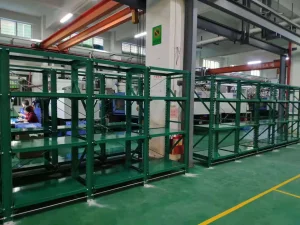
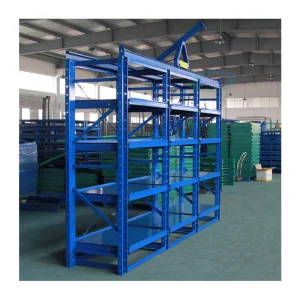
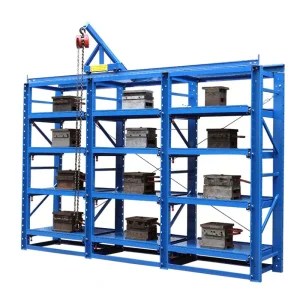
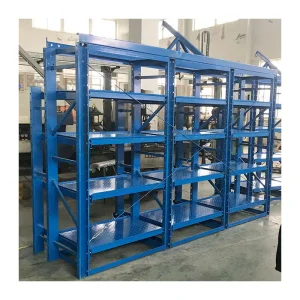
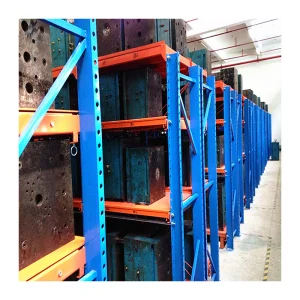
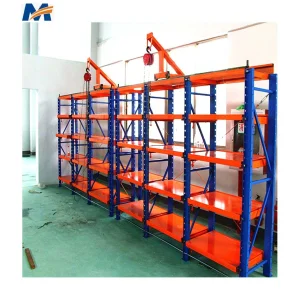
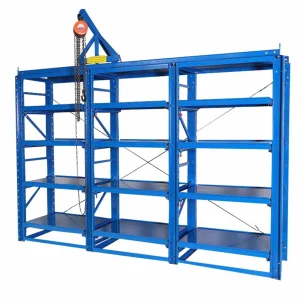
Mould and die storage in this region presents distinct engineering challenges. Molds utilized in carbon fiber layup processes, thermoforming, and high-pressure plastic injection molding routinely weigh between 1,000 kg (2,200 lbs) and 5,000 kg (11,000 lbs) per unit. Storing these tools on standard pallet racks introduces excessive workplace hazards, structural deflection risks, and operational inefficiencies. Our roll-out drawer mould rack systems allow overhead hoists and cranes direct access to dies, protecting operators and expensive tooling from impact damage.
Safety in Seattle means engineering for the Cascadia Subduction Zone. Warehouse storage structures within Washington State must comply with strict International Building Code (IBC) provisions, ASCE 7 seismic design criteria, and local structural permits. Unlike passive storage, dynamic drawer-type mold racks support moving, cantilevered loads. When a heavy-duty drawer holding 2,000 kg is extended, the racking system’s center of gravity shifts. We engineer our racking systems with reinforced back-bracing, anchor plates bolted directly to concrete slab foundations using structural expansion anchors, and mechanical safety locks that prevent multiple drawers from being pulled out simultaneously. This ensures structural stability even under high peak acceleration seismic forces.
Worldwide, the heavy manufacturing sector is undergoing an aggressive transition toward Industry 4.0 and lean methodology. Production floors are maximizing workspace by converting tool cribs into high-density storage zones. The integration of crane systems, custom tooling shelves, and ergonomic heavy-duty drawers is a standard best practice across Europe, North America, and high-tech Asian manufacturing hubs.
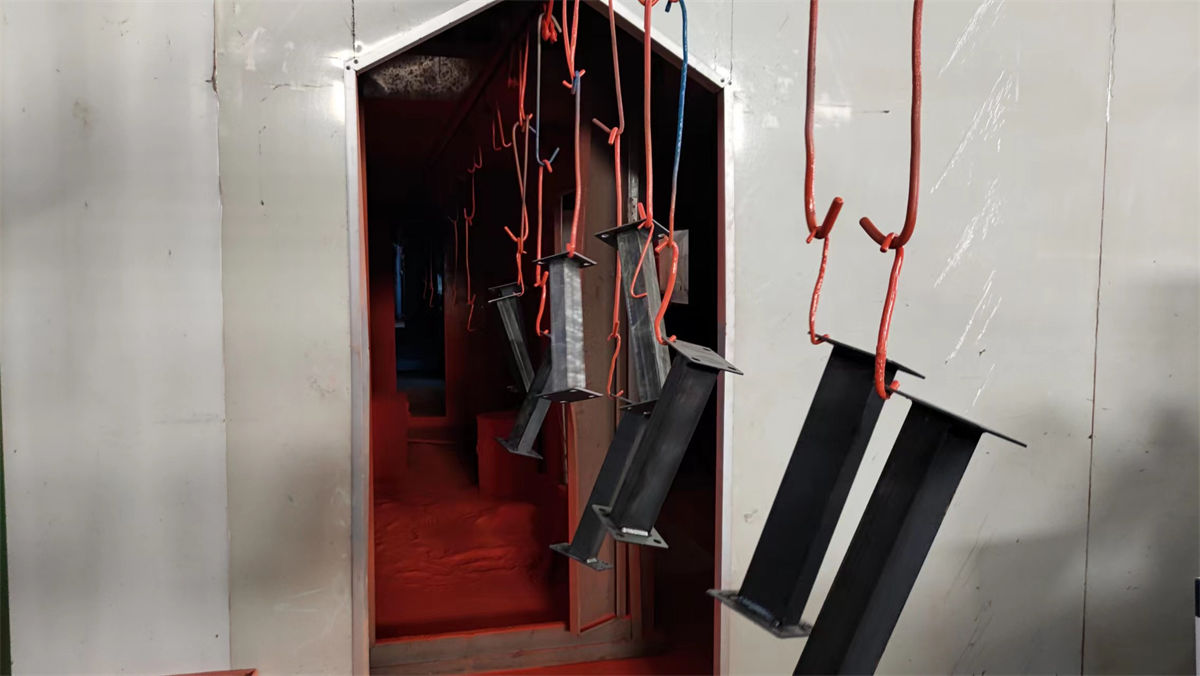
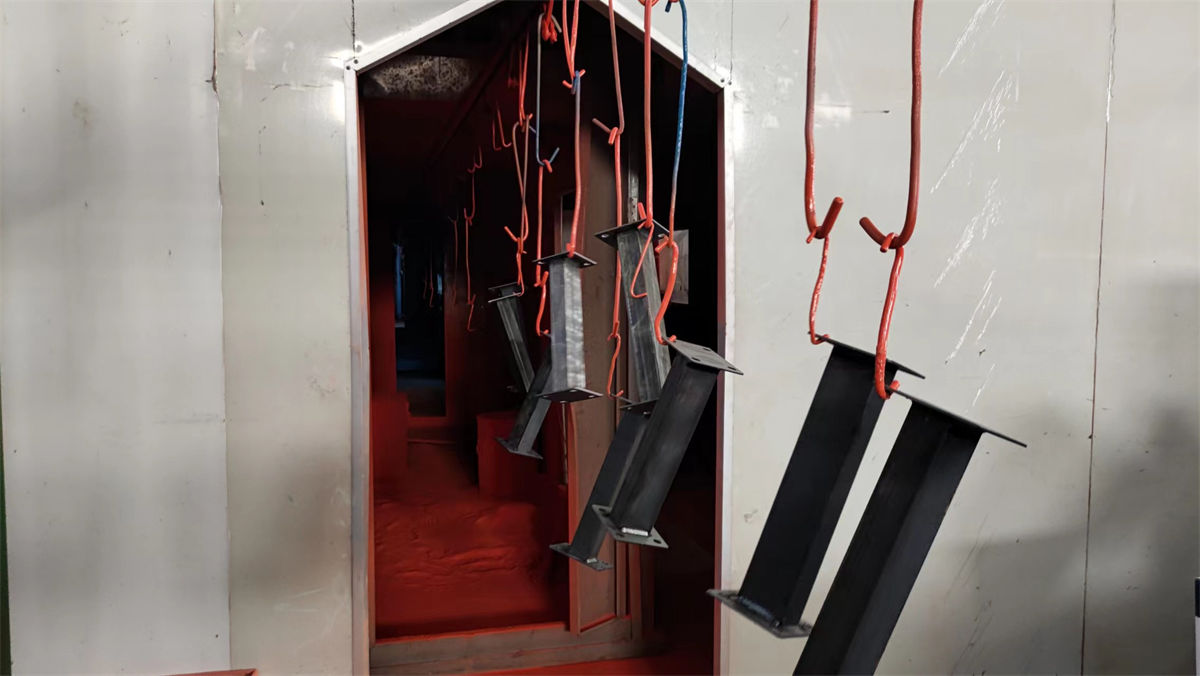
Furthermore, material selection has shifted toward high-tensile structural steel (Q235 and Q345 grade variations) to minimize weight while keeping load margins high. Continuous powder-coating technology has also evolved. Racks are now protected with thick, impact-resistant, and scratch-resistant finishes that resist oxidation in environments with fluctuating humidity, such as coastal port zones in Puget Sound.
No two manufacturing plants use the exact same tooling geometries. The dimensions of plastic injection molds, stamping dies, casting tooling, and extrusion dies vary drastically. Standard off-the-shelf racking forces companies to compromise on safety or waste space. As a direct manufacturer, we offer comprehensive tailoring:
How our heavy-duty structural steel mold rack systems solve real-world problems in key sectors across Washington State.
Optimized for holding large stamping dies, composite lay-up tools, and titanium forming dies in Everett and Renton aerospace facilities. Integrates with gantry cranes for rapid tool swaps.
Enables Seattle injection molders to store heavy molds safely near the molding machines, reducing forklift travel distance and maximizing tooling life via clean, dry, elevated storage.
Engineered with oversized baseplates, heavy duty anchors, and robust mechanical locking pins to satisfy structural engineering assessments and municipal permitting in King County.
Roll-out shelf designs with heavy-duty structural bearings allow operators to pull out drawers loaded with 2,000 kg using minimal physical force, reducing worker injury risk.
We manufacture custom powder-coated and galvanized rack options to prevent particulates and contamination inside medical device molding or precision microelectronics facilities.
From micro-tool drawers to massive 3-meter wide die racks, our engineering team constructs exact fitments customized for your specific industrial floor configuration.
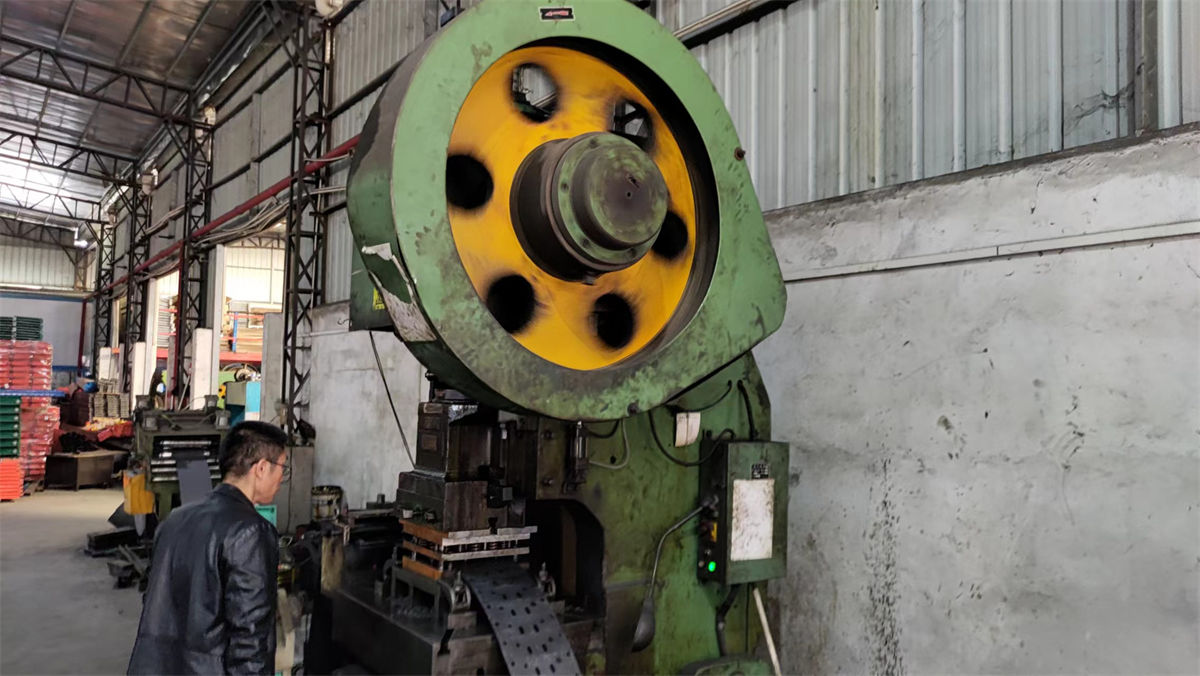
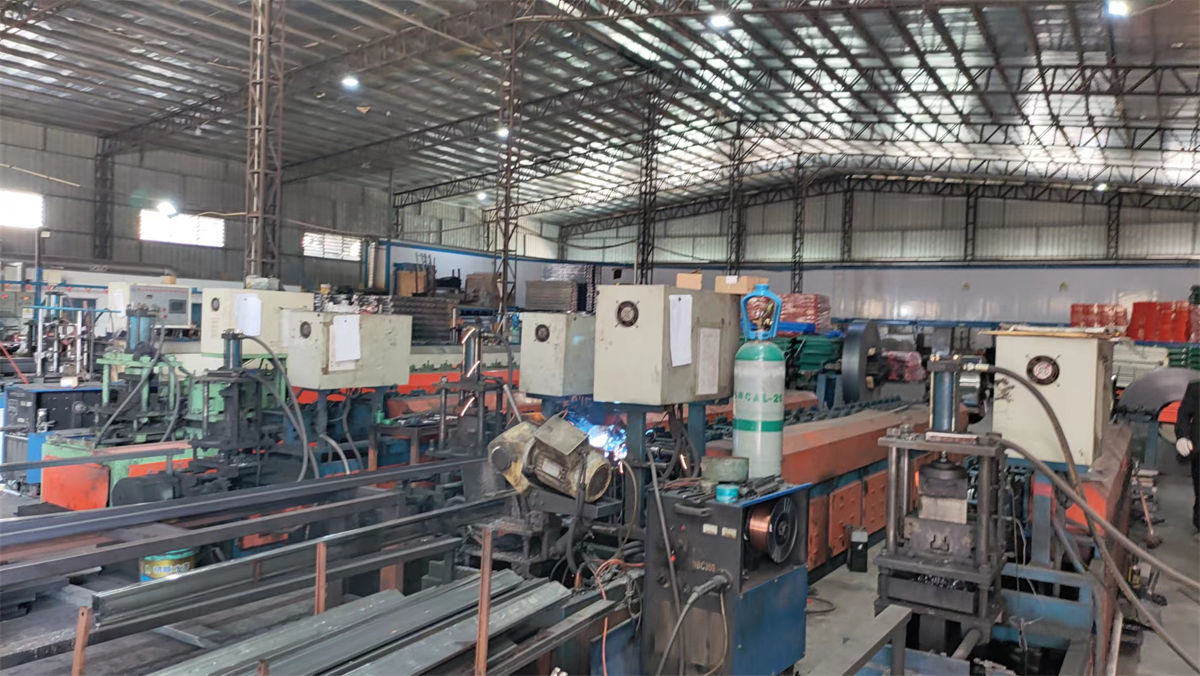
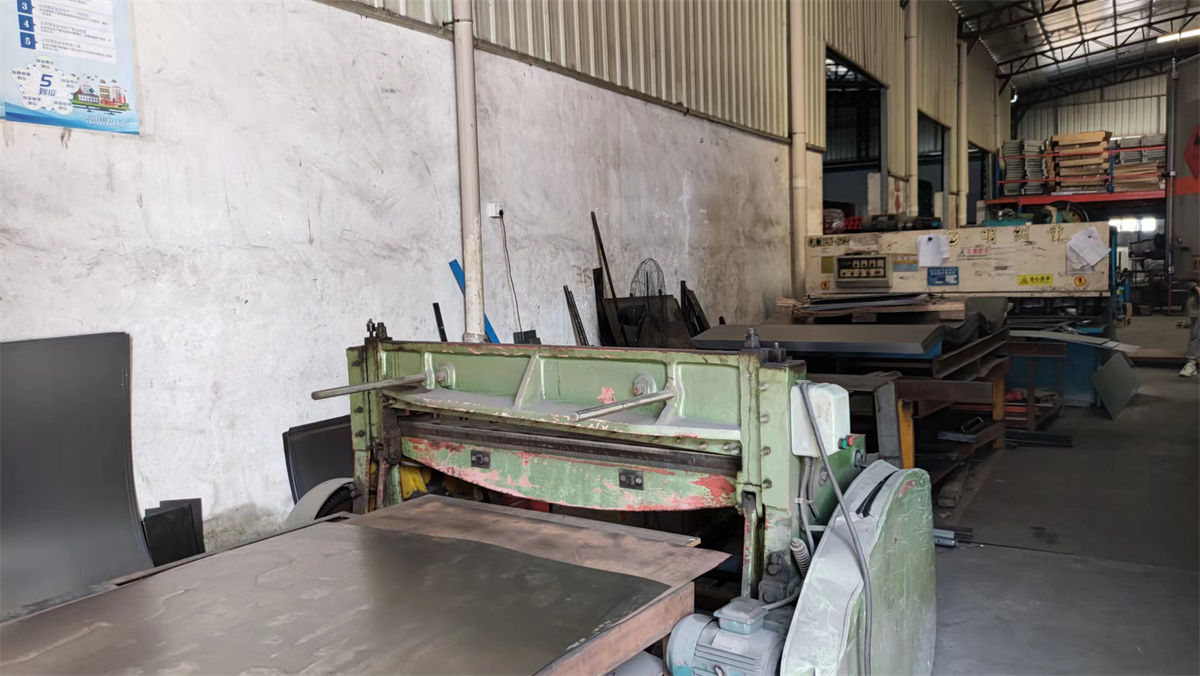
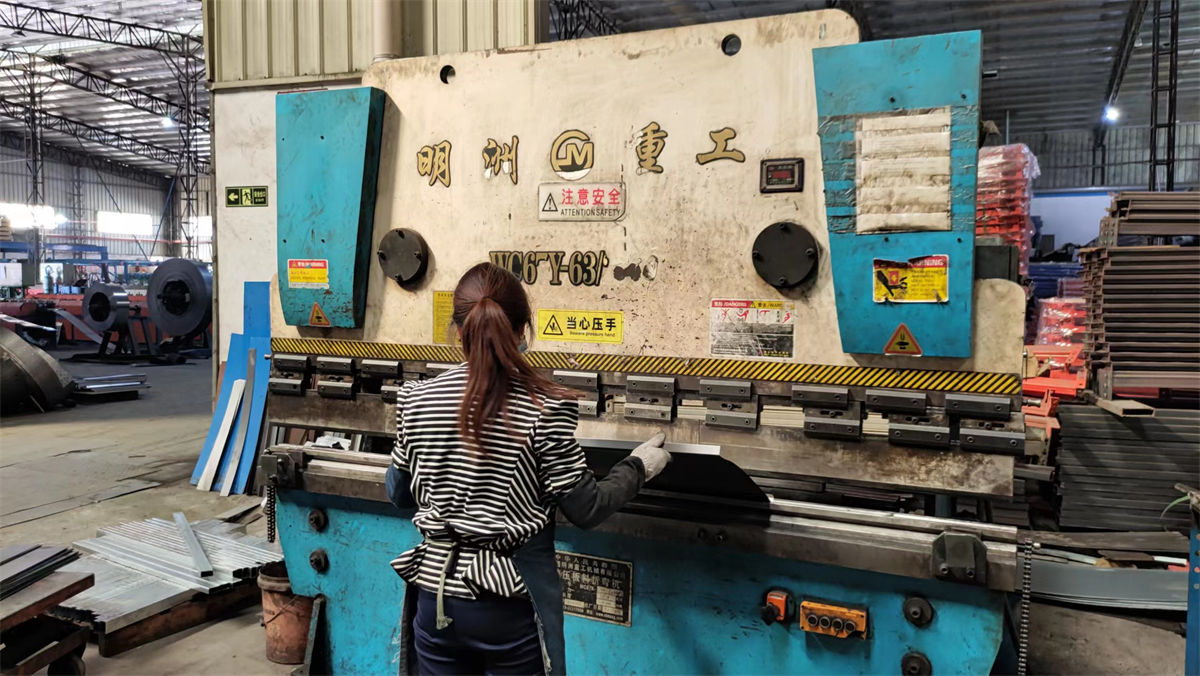
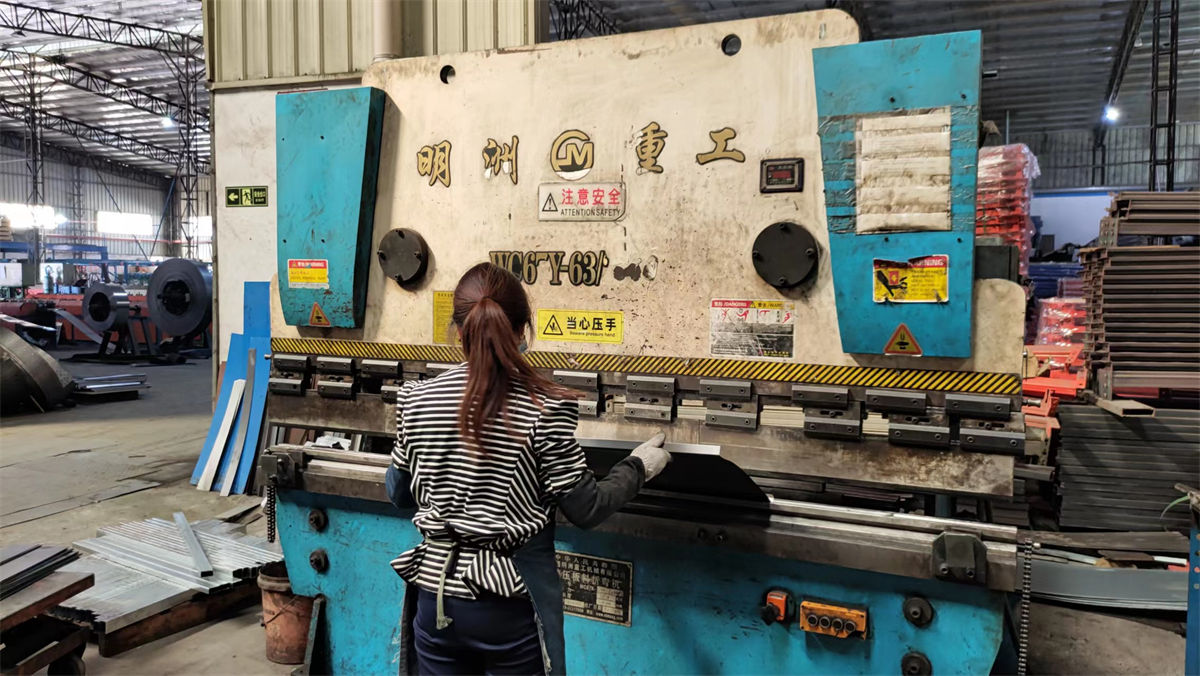
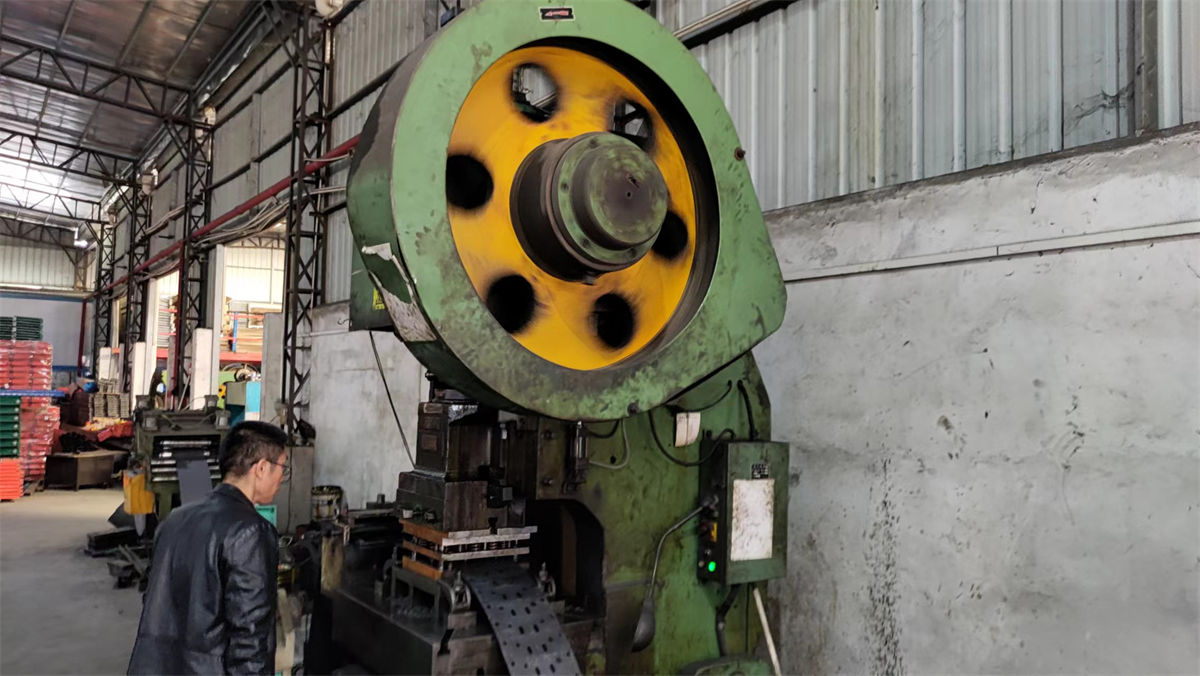
Established in 2015, Ningbo Xinmiao Storage Equipment Co., Ltd. is a premier global manufacturer of industrial shelving, heavy-duty racking, and automated warehouse systems.
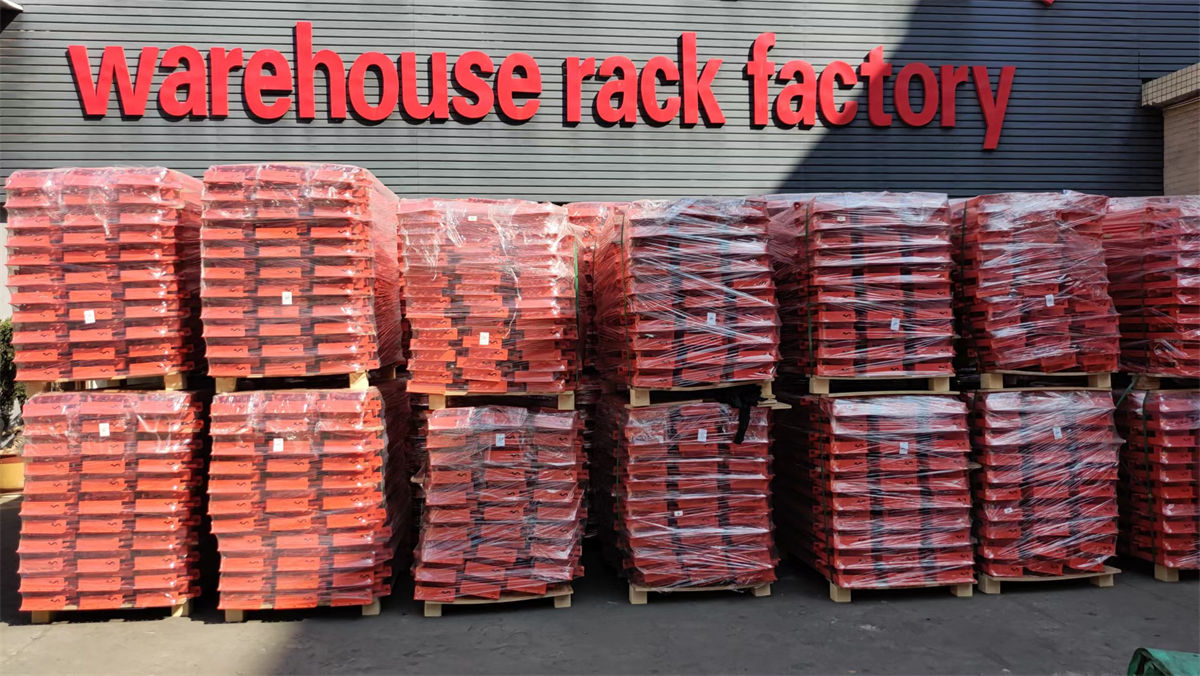
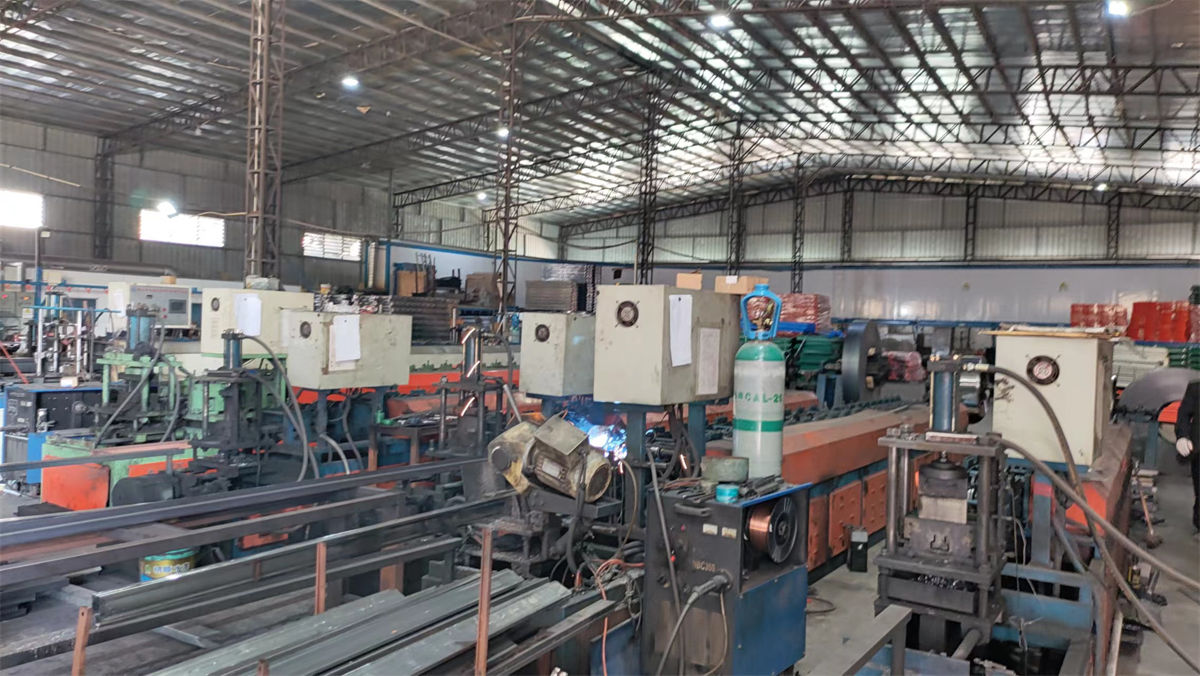
Spanning a modern manufacturing facility of over 35,000 square meters, we have dedicated over 14 years to the storage equipment industry, providing robust and reliable storage solutions to global enterprise clients. With 8 years of direct export experience, our products are trusted in key markets across North America, Europe, Southeast Asia, and the Middle East, generating an annual export revenue exceeding $18 million.
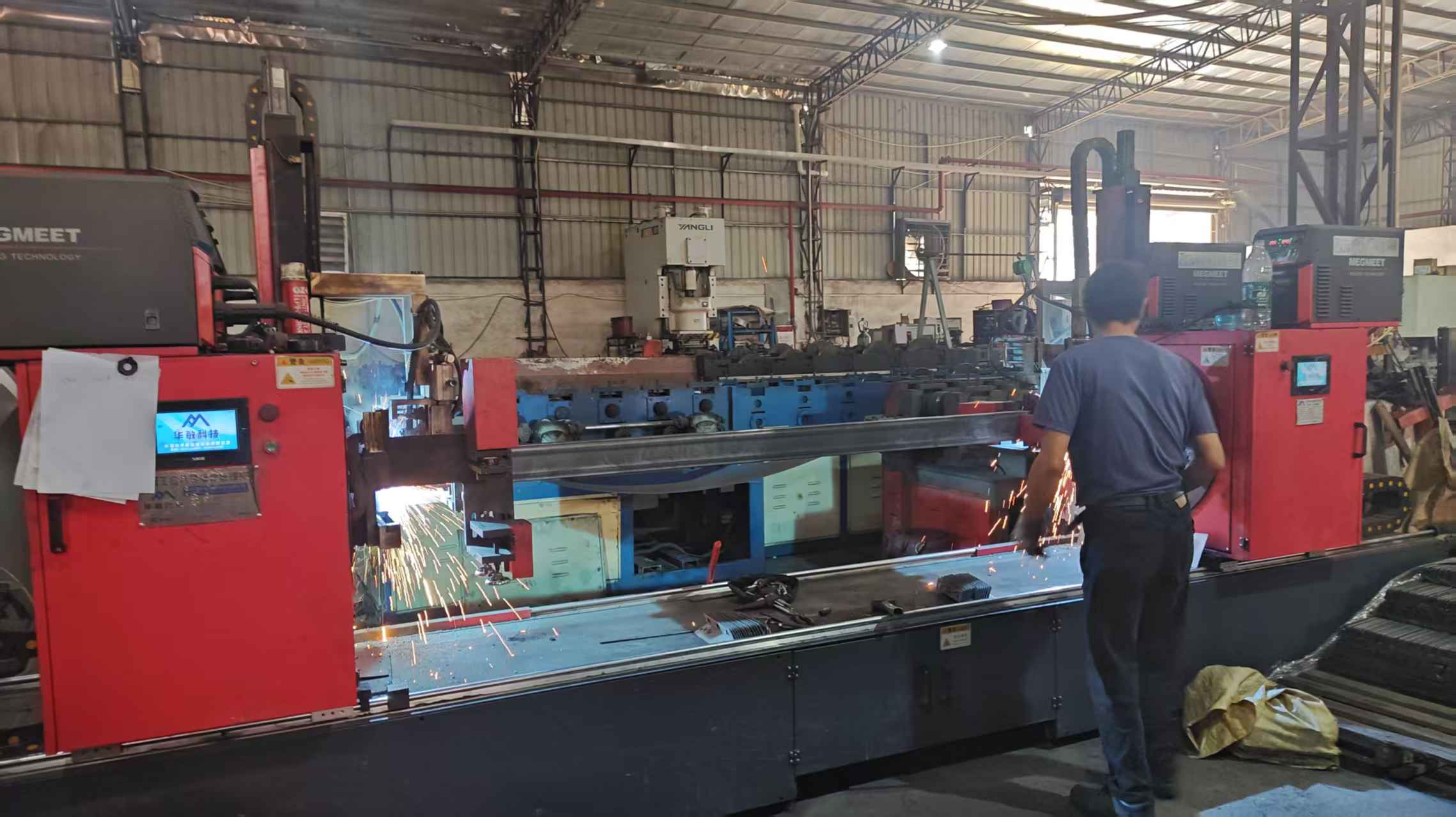
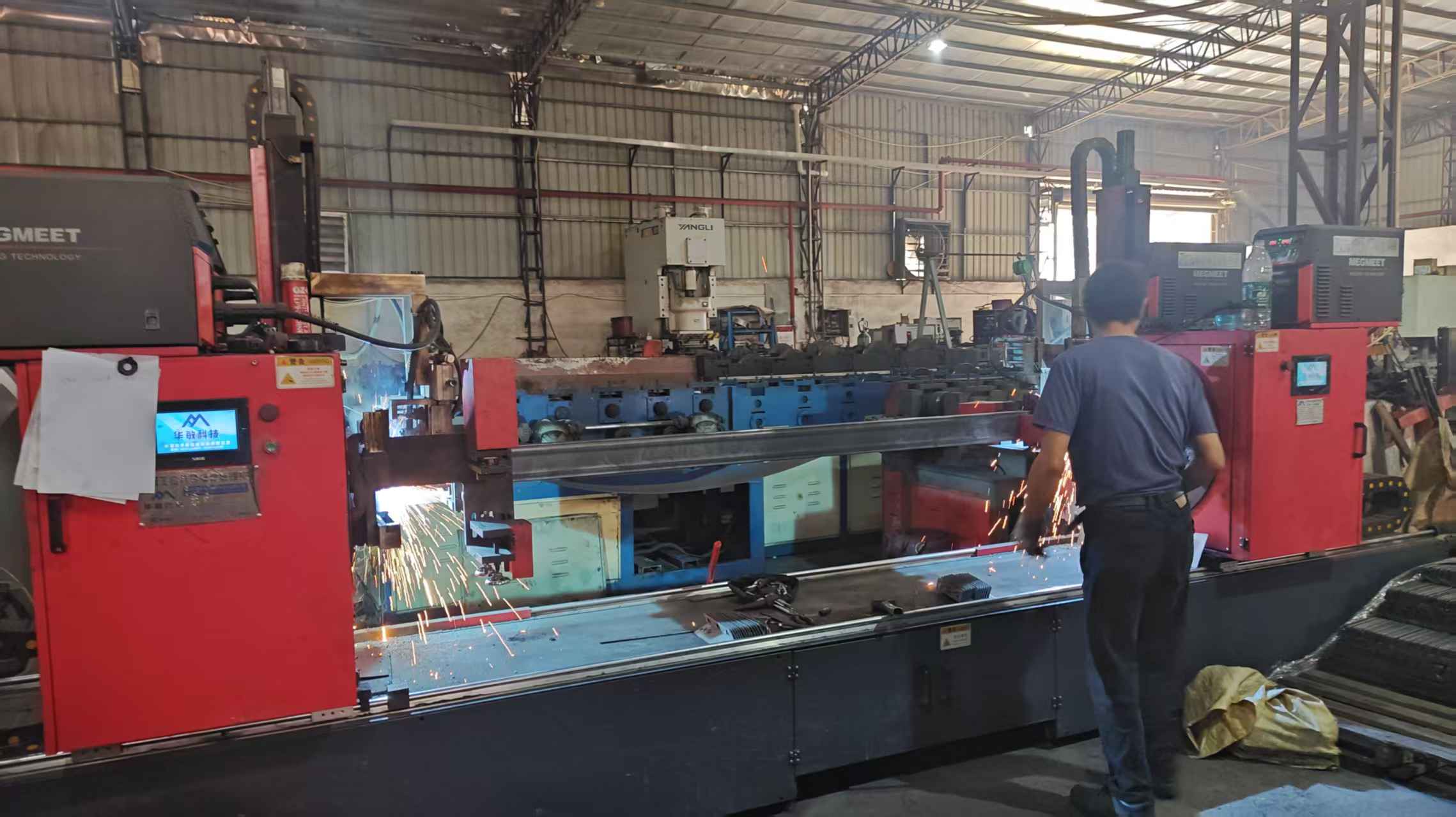
Quality and structural integrity are at the core of our manufacturing philosophy. Backed by a strong network of over 800 supply chain partners, our operation is supported by a dedicated team of 25 Quality Control (QC) specialists. We implement comprehensive non-destructive testing (NDT), load-bearing stress evaluations, and automated ultrasonic weld inspections to ensure that every rack meets stringent international safety standards.
As an export-oriented manufacturer, we primarily serve third-party logistics (3PL) providers, global distributors, and large-scale industrial enterprise clients. Driven by a highly skilled team of 18 R&D engineers, we offer strong OEM/ODM and full custom-tailoring capabilities—from structural engineering and custom dimensions to specialized powder-coating finishes. Continuously advancing warehouse technology, we launched 45 new innovative products last year to support our global partners in optimizing space and efficiency.
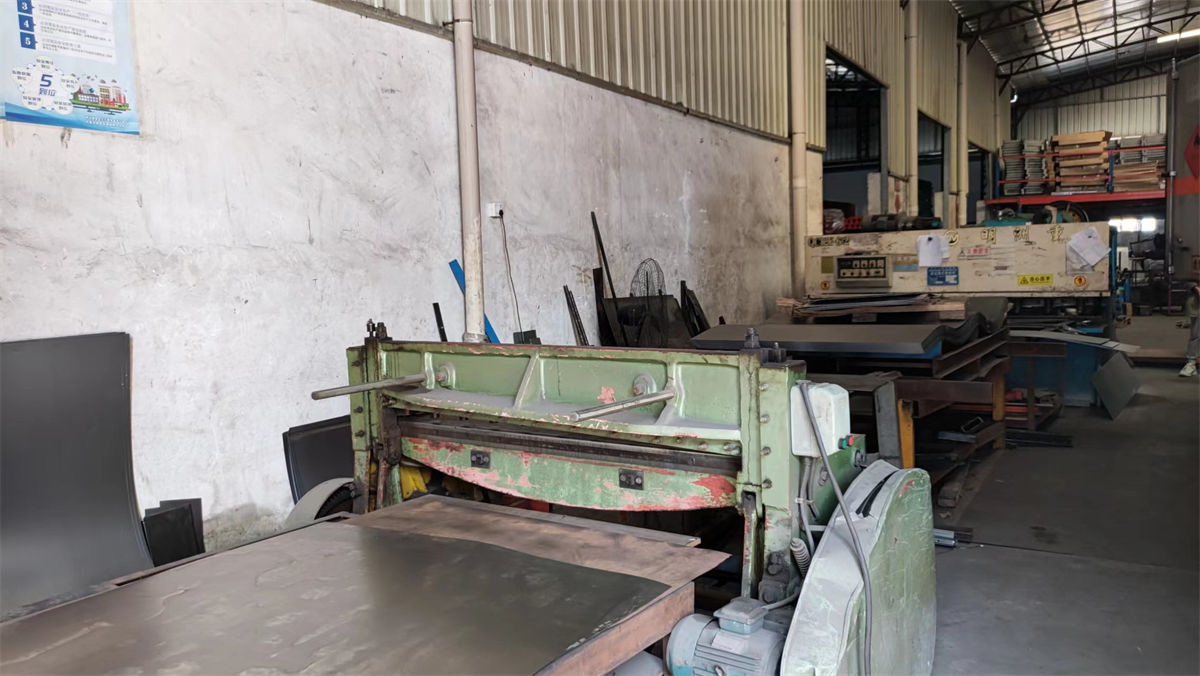
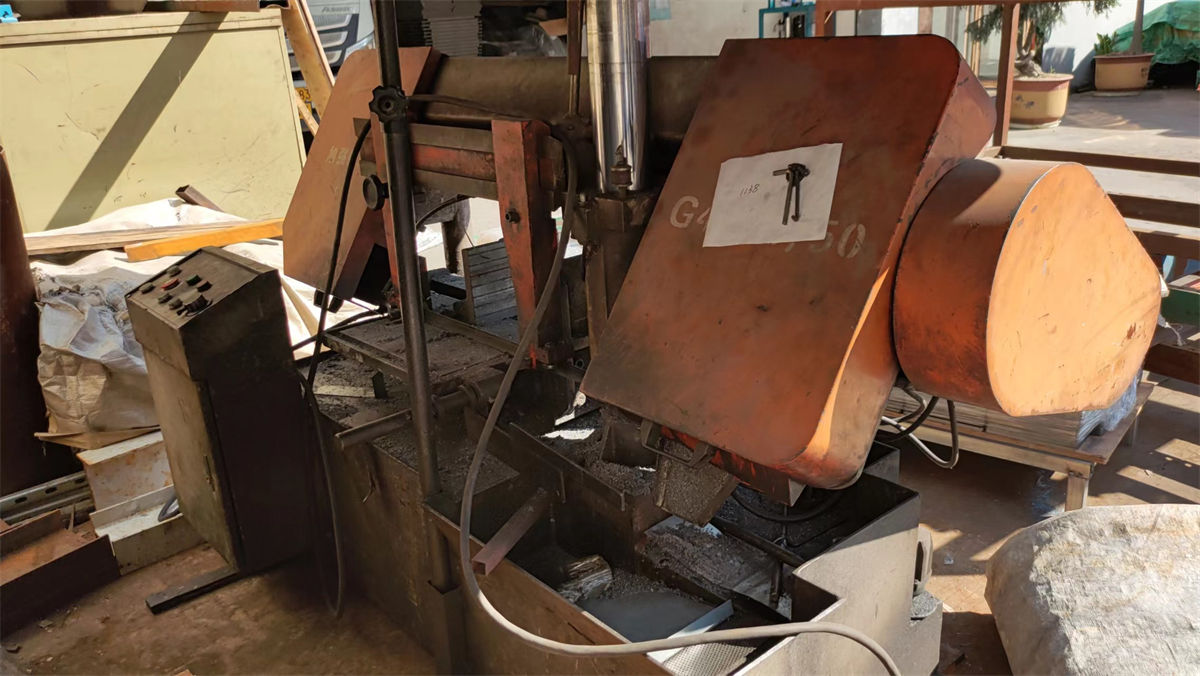
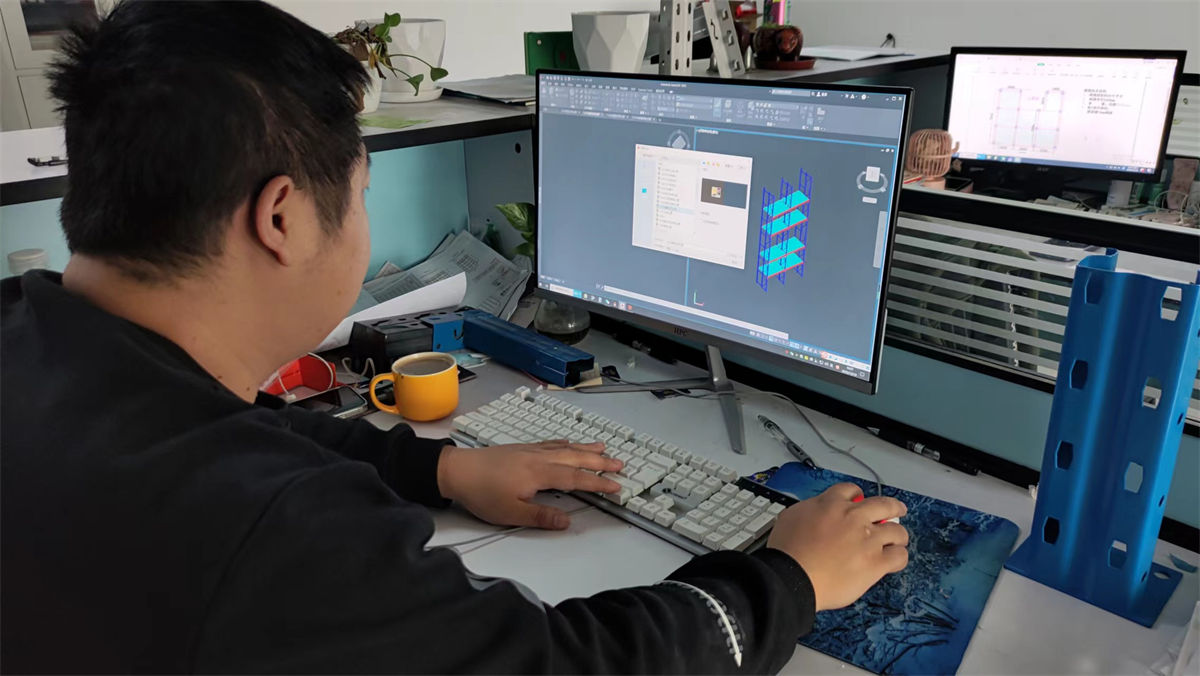
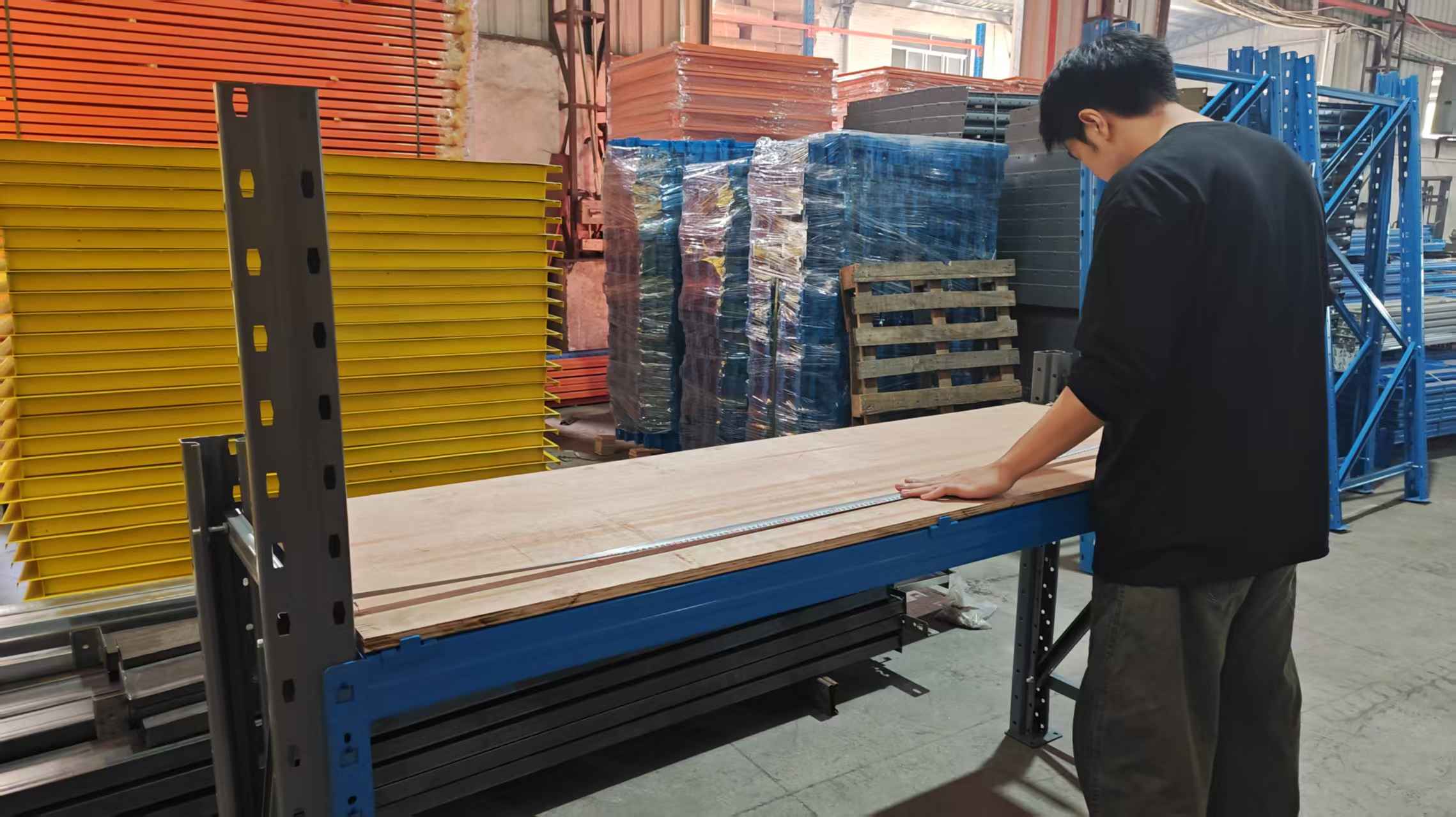

Explore our intermediate and heavy-load mold storage systems, optimized for custom industrial layouts.
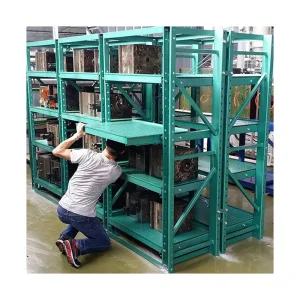
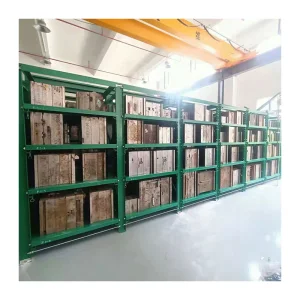
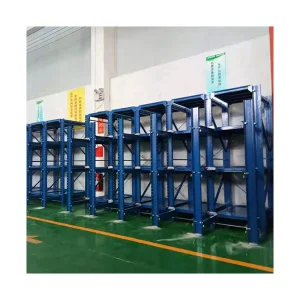
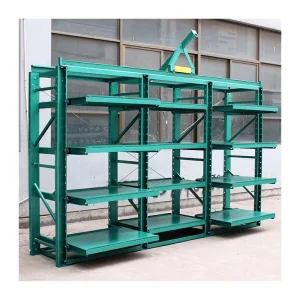
Understanding the mechanical properties of a dynamic mold rack system is critical when handling thousands of kilograms. A static pallet rack experiences uniform, downward vertical loading. In contrast, drawer-style mould racking structures experience dynamic cantilever loads during drawer extension. Without precise counter-weight calculations, structural tolerances, and strict manufacturing standards, drawer system warping or total racking collapse can occur.
Our engineering architecture is developed from high-grade structural hot-rolled sheet steel and Q235 carbon steel upright columns. The vertical frames feature laser-cut slots at 50mm pitch increments, providing high adjustability for varying mold sizes. The draw-out shelves are mounted on heavy duty structural roller guides equipped with high-durability sealed steel ball bearings. When fully loaded to 2,000 kg, these bearings reduce friction coefficients, allowing single-operator manually operated extension.
Furthermore, our roll-out racking systems are designed to operate alongside integrated overhead crane tracks or cantilevered jib cranes. Rather than forcing forklifts to navigate narrow aisles with unbalanced suspended loads, the crane hoist moves directly above the extended drawer, lifts the die vertically, and positions it directly into the molding machine bed. This workflow reduces typical tool-change times from 45 minutes down to under 12 minutes.
Consider a typical plastics manufacturer in Auburn, Washington, operating six injection molding machines with a catalog of 72 active molds ranging in weight from 800 kg to 2,200 kg. Storing these molds on the floor in wood crates or standard heavy-duty pallets requires approximately 1,500 square feet of floor space due to safe forklift clearance requirements.
By implementing a custom Ningbo Xinmiao 3-high drawer mould racking system with integrated overhead crane hoisting, this manufacturer can compress their storage footprint to just 380 square feet. This yields an instant 74% floor space optimization. The reclaimed footprint can be directly reallocated to additional manufacturing machinery or production lines, generating positive ROI within the first year of racking installation.
In addition to spatial savings, tooling preservation is highly improved. Mold cavities are sensitive to moisture, ambient debris, and accidental warehouse collisions. Elevating the molds off the floor into dry, structured drawer spaces protects critical parting lines, core pins, and water channels from material handling damage.
Explore the complete industrial specifications for our custom-tailored heavy-duty drawer racking systems.
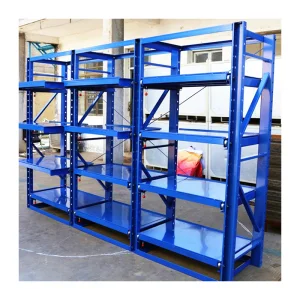
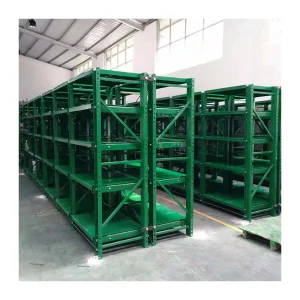

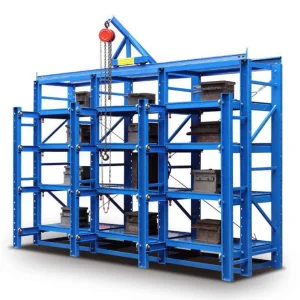

Get answers to technical queries regarding load distribution, seismic calculations, customized configurations, and shipping safety.
Get a free, custom structural engineering analysis and layout design from our R&D team. Tailored systems designed for Washington safety requirements.
Send Inquiry Now Xinmiao Racking