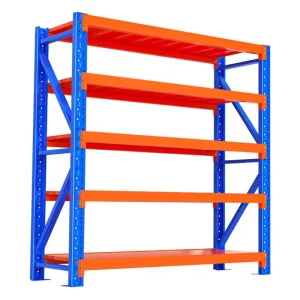
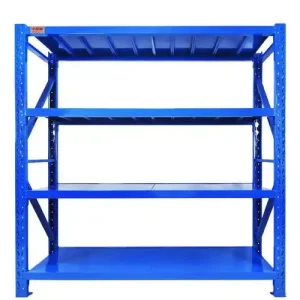
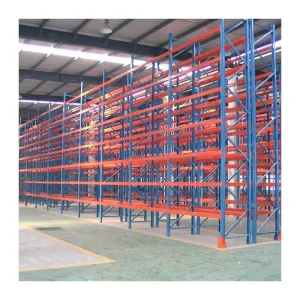
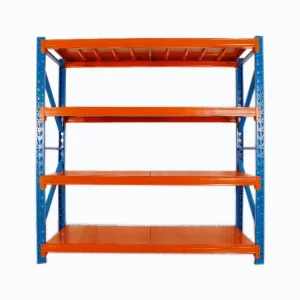
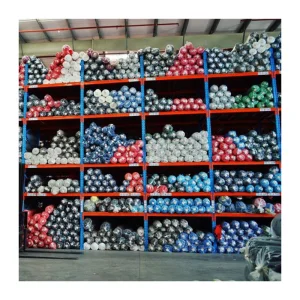
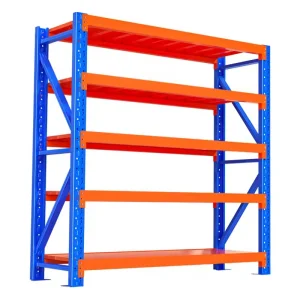
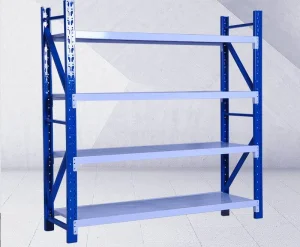
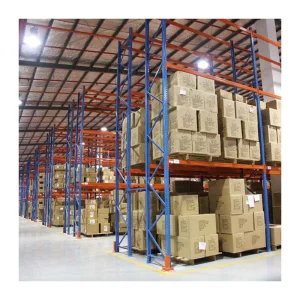
High-capacity racking engineered to maximize volumetric utilization and optimize logistical throughput in demanding industrial environments.
The globalization of logistics networks and the exponential growth of e-commerce, third-party logistics (3PL), and advanced manufacturing have transformed industrial warehouses from static cost centers into highly dynamic transit hubs. Today's supply chains demand heavy-duty racking systems that provide high volumetric capacity, safe dynamic load management, and resistance to environmental stress, including seismic activity.
As material specifications shift toward high-yield steel and structural designs emphasize safety margins, selecting a certified racking manufacturer is critical. System failure can lead to catastrophic inventory loss, operational disruption, and serious personnel risk. Leading international standards require rigid material traceability, precise cold-rolling processes, and certified welding.
"Structural safety in warehouse engineering is absolute. A racking system must withstand static dead loads, dynamic operational stresses from material handling, and potential seismic forces without elastic deformation or structural failure."
Compliance with international codes (such as FEM, RMI, and EN 15512) requires rigorous seismic calculations and heavy duty anchor baseplates designed for local soil categories.
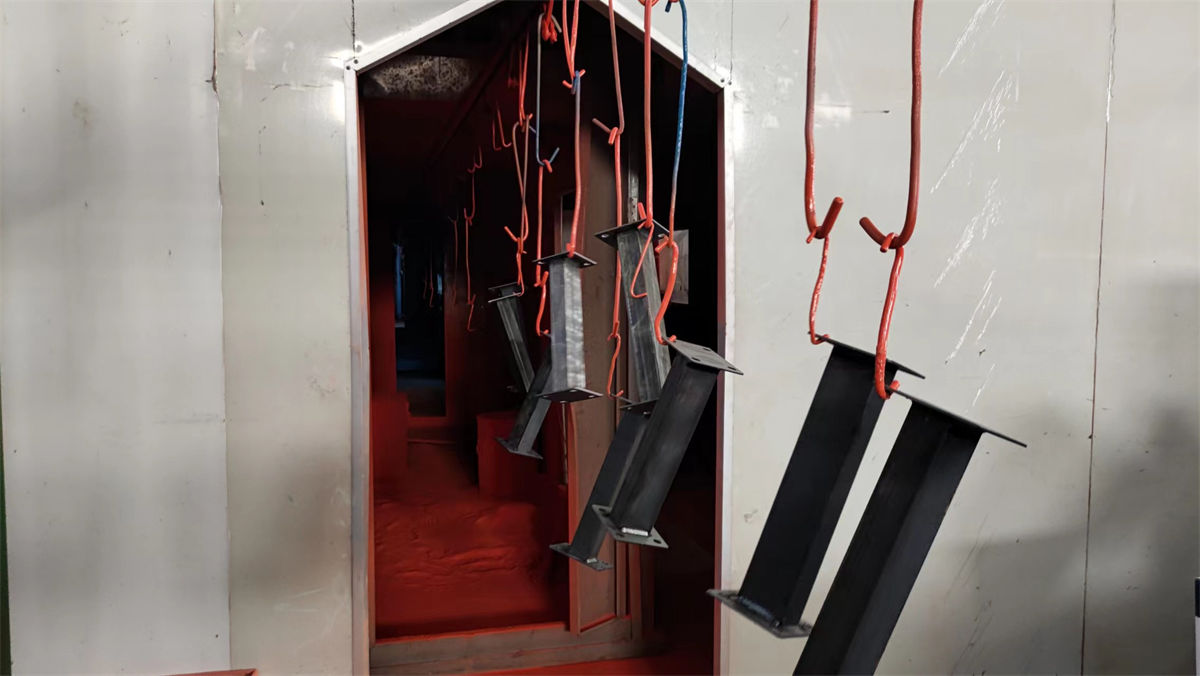
Electrostatic powder coating finishes with dynamic zinc phosphate pre-treatment provide long-term resistance to mechanical wear and ambient moisture.
Modularity through adjustable upright pitches and teardrop or box connection profiles allows operators to scale and reconfigure systems as dynamic SKU profiles evolve.
Established in 2015, Ningbo Xinmiao Storage Equipment Co., Ltd. is a leading manufacturer specializing in heavy-duty pallet racking, industrial shelving, and intelligent warehouse storage systems. Spanning a modern manufacturing facility of over 35,000 square meters, we have dedicated over 14 years to the industry, providing robust and reliable storage solutions to global enterprise clients. With 8 years of direct export experience, our products are trusted in key markets across North America, Europe, Southeast Asia, and the Middle East, generating an annual export revenue exceeding $18 million.
Quality and structural integrity are at the core of our manufacturing philosophy. Backed by a strong network of over 800 supply chain partners, our operation is supported by a dedicated team of 25 Quality Control (QC) specialists. We implement comprehensive non-destructive testing (NDT), load-bearing stress evaluations, and automated ultrasonic weld inspections to ensure that every rack meets stringent international safety standards.
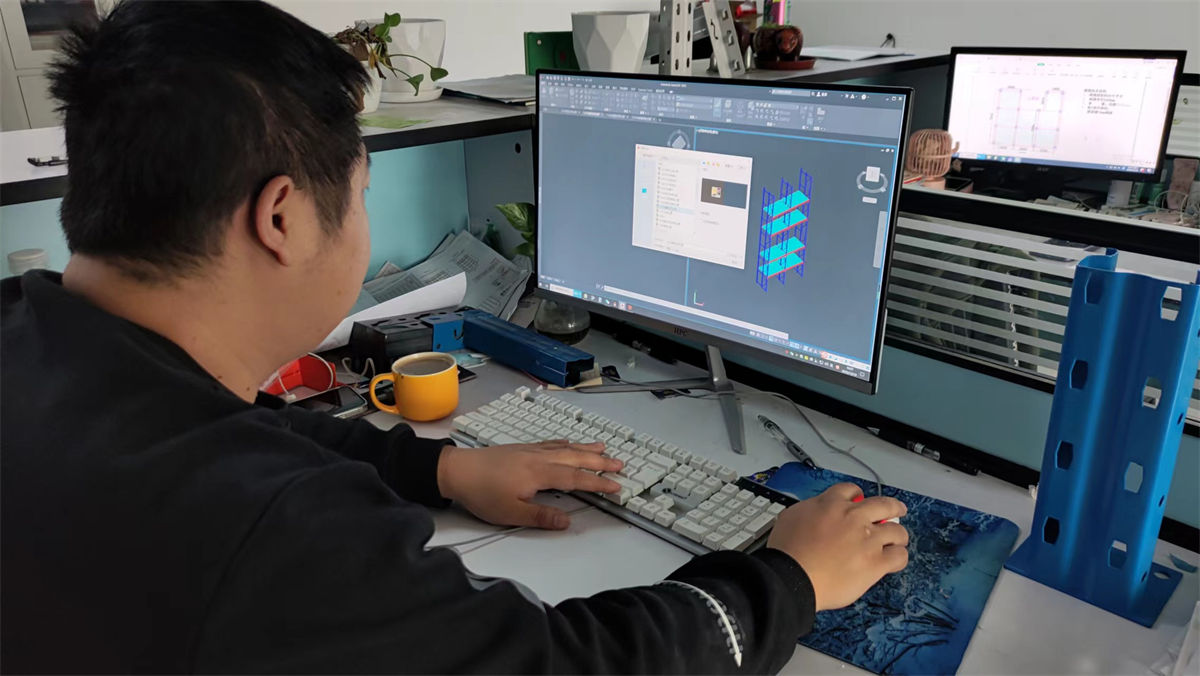
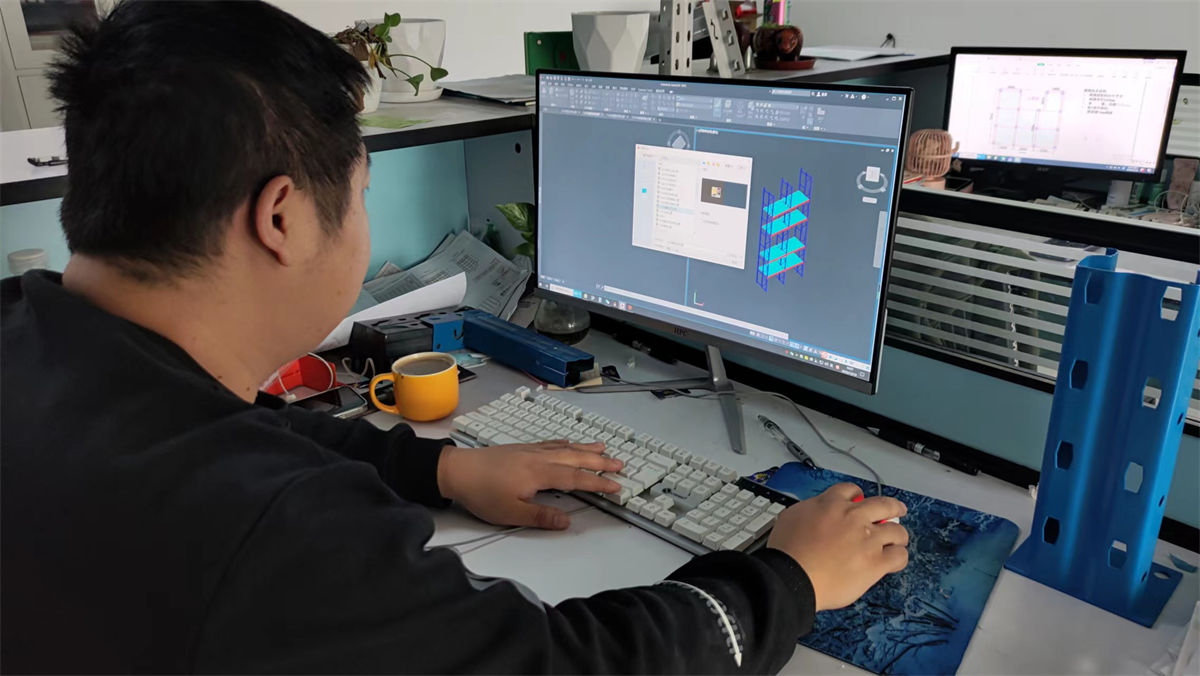
As an export-oriented manufacturer, we primarily serve third-party logistics (3PL) providers, global distributors, and large-scale industrial enterprise clients. Driven by a highly skilled team of 18 R&D engineers, we offer strong OEM/ODM and full custom-tailoring capabilities—from structural engineering and custom dimensions to specialized powder-coating finishes. Continuously advancing warehouse technology, we launched 45 new innovative products last year to support our global partners in optimizing space and efficiency.
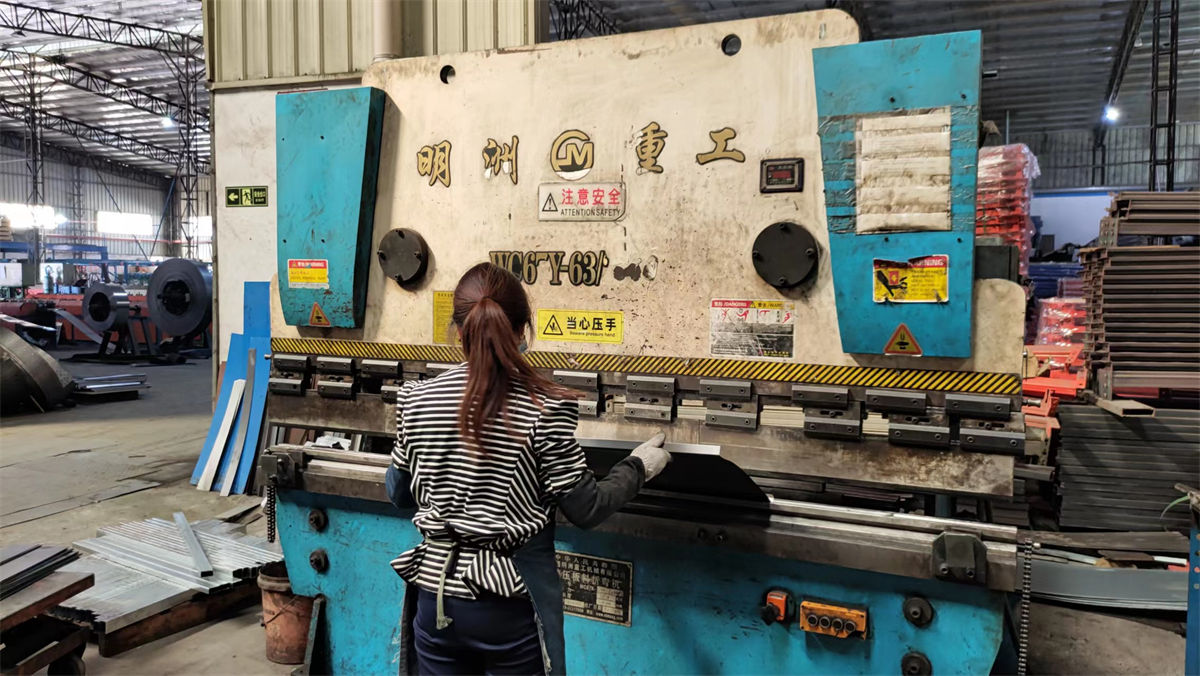
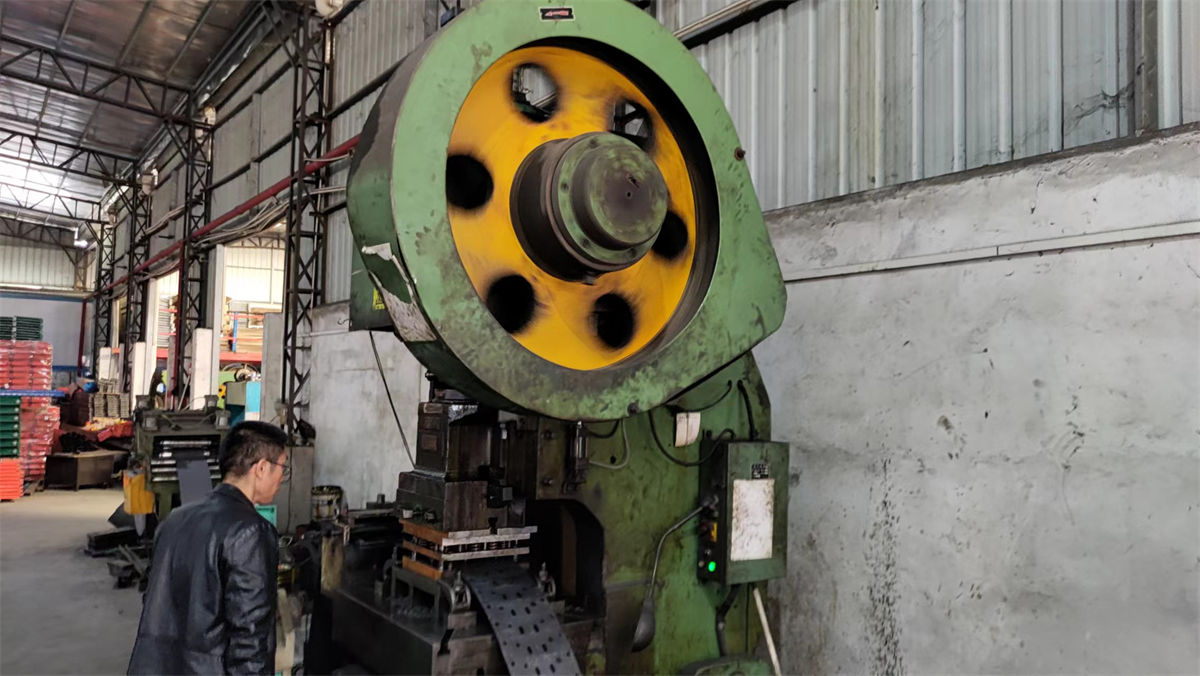
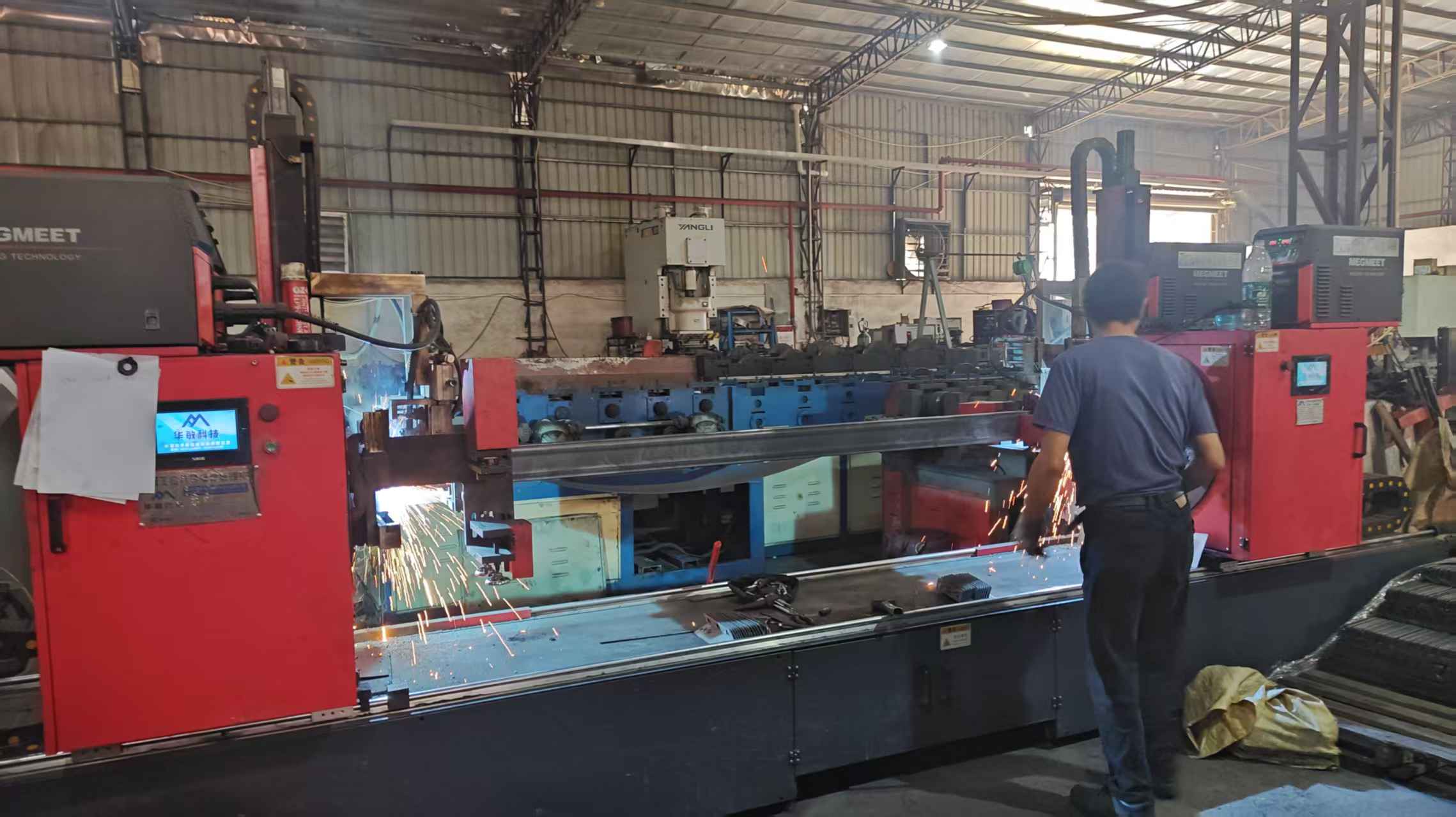
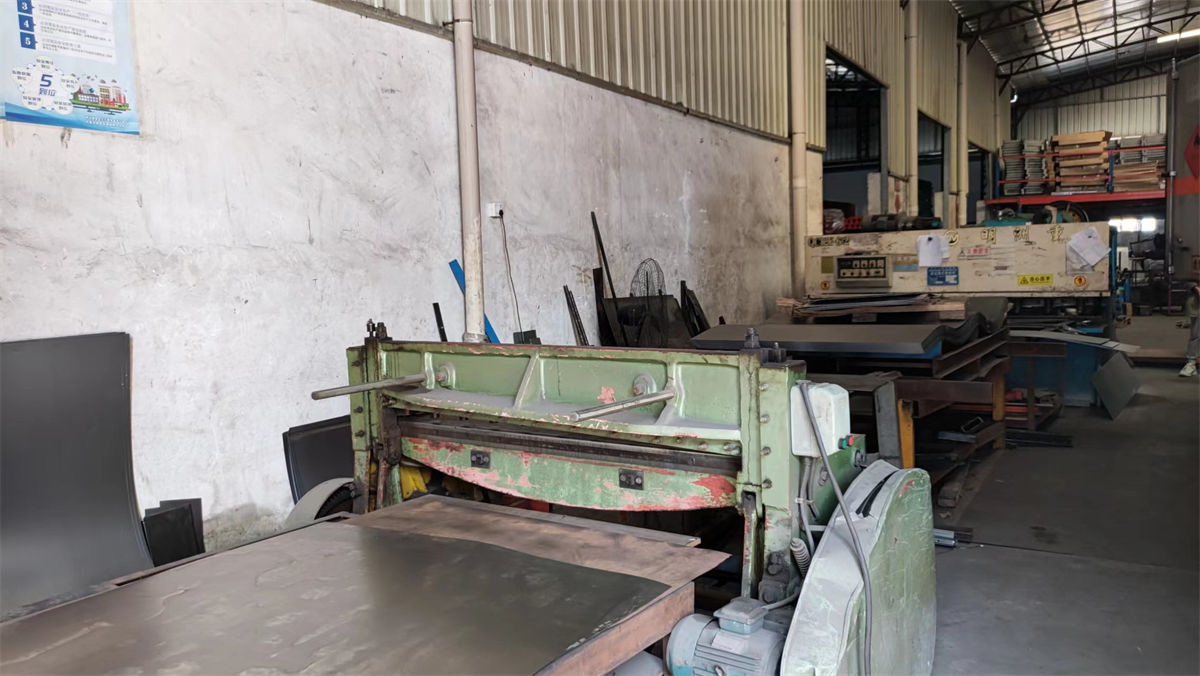
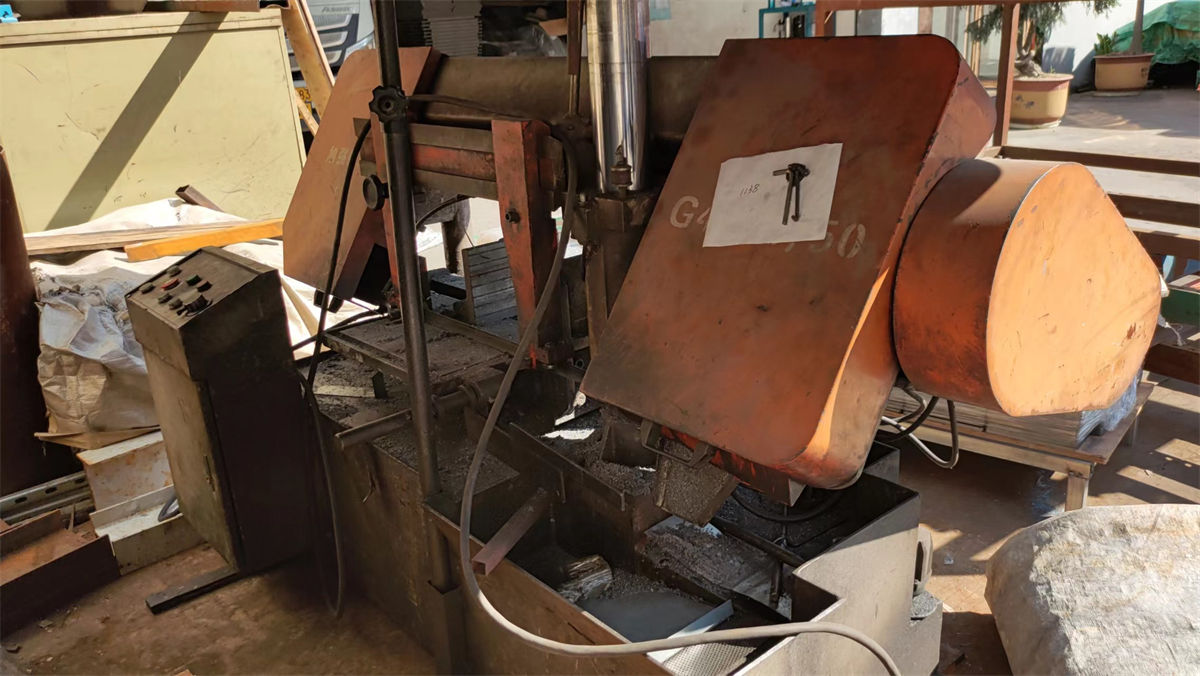
Ensuring dimensional accuracy, optimal structural tolerances, and superior load performance through a state-of-the-art vertical production line.
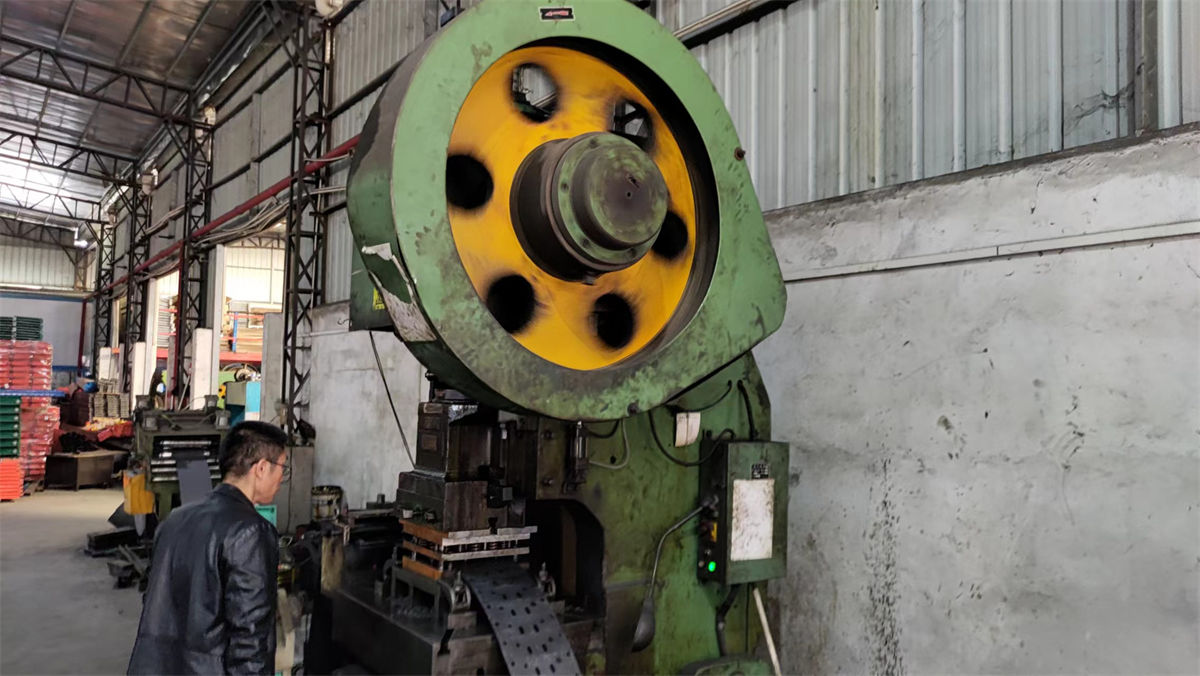
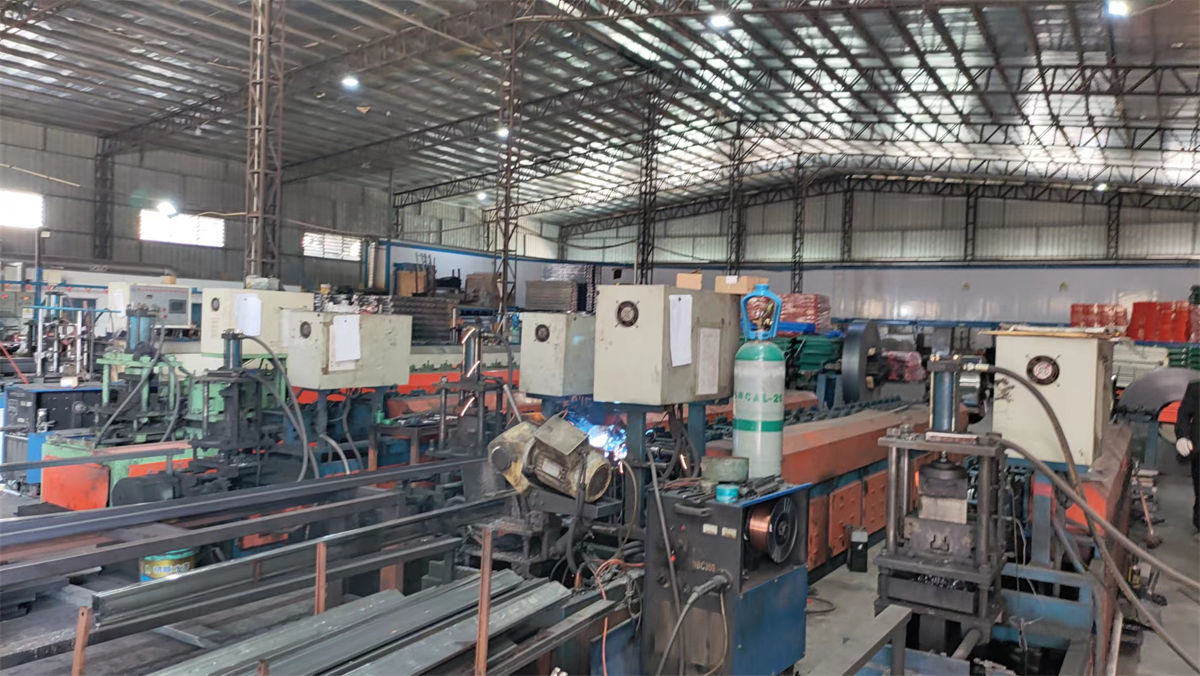
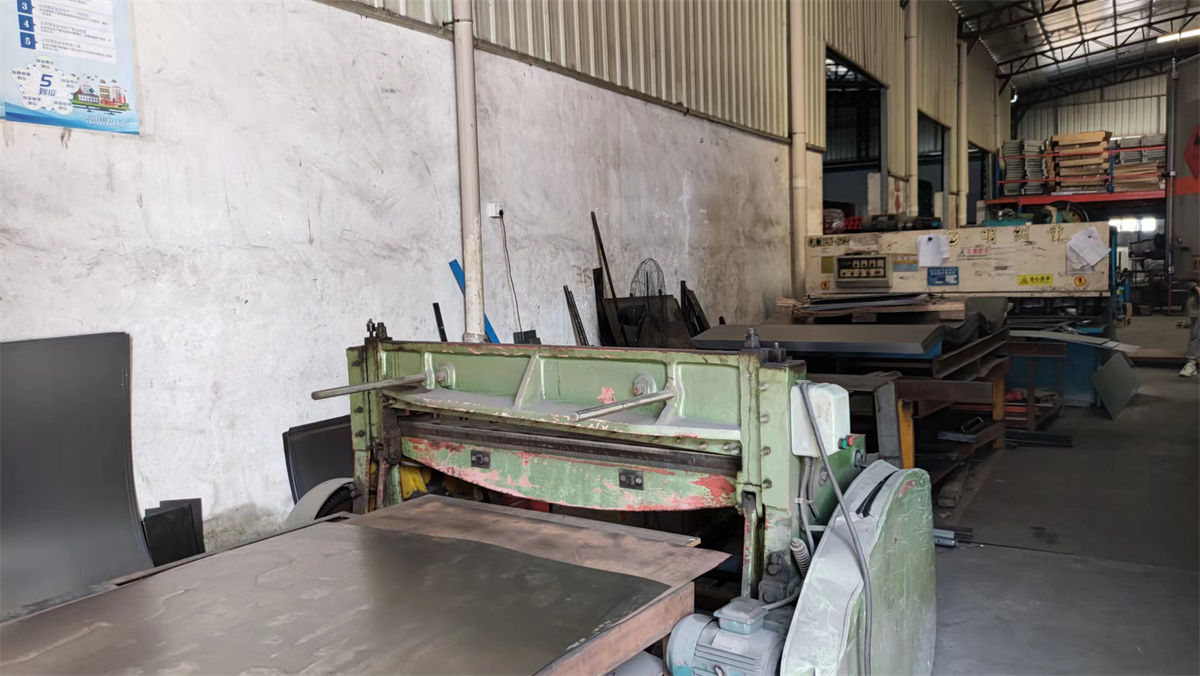
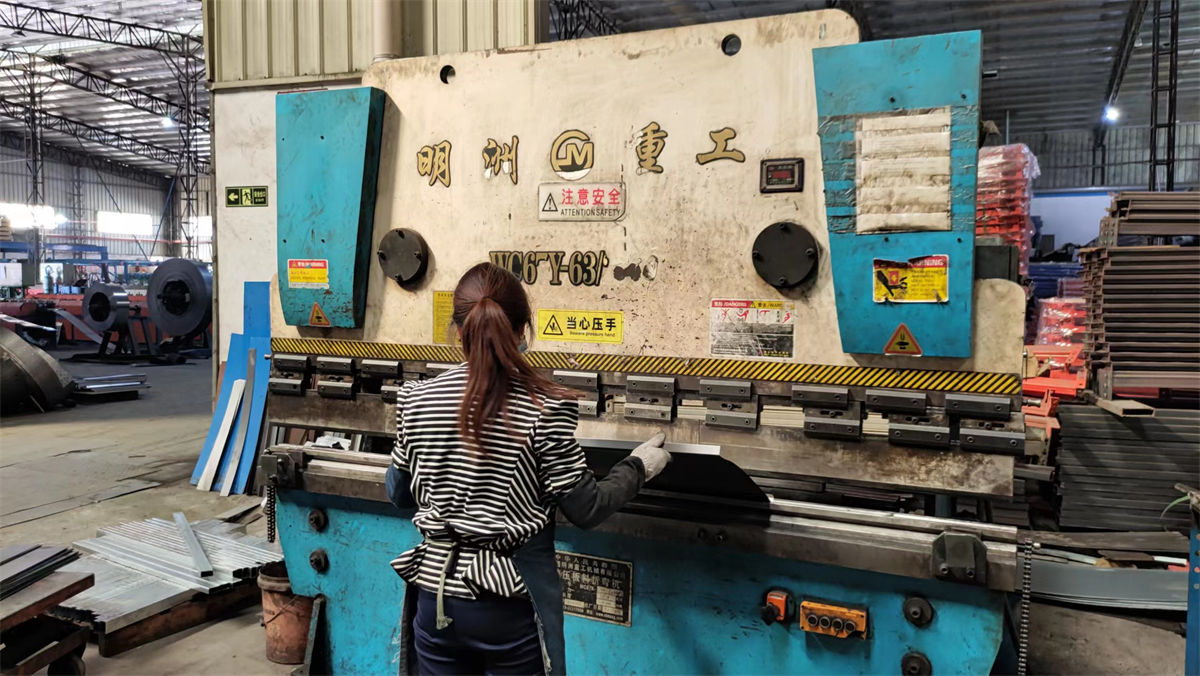
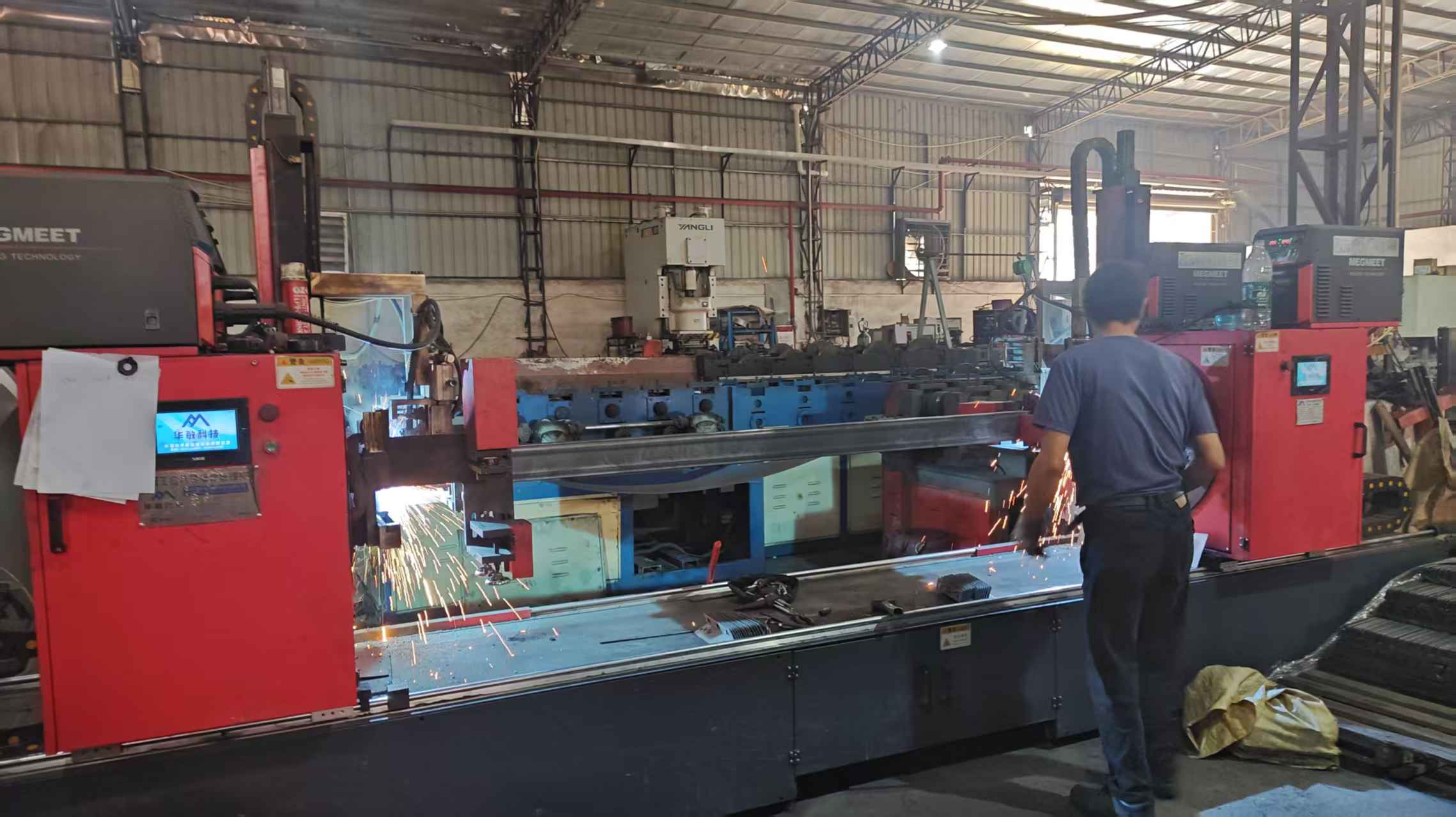
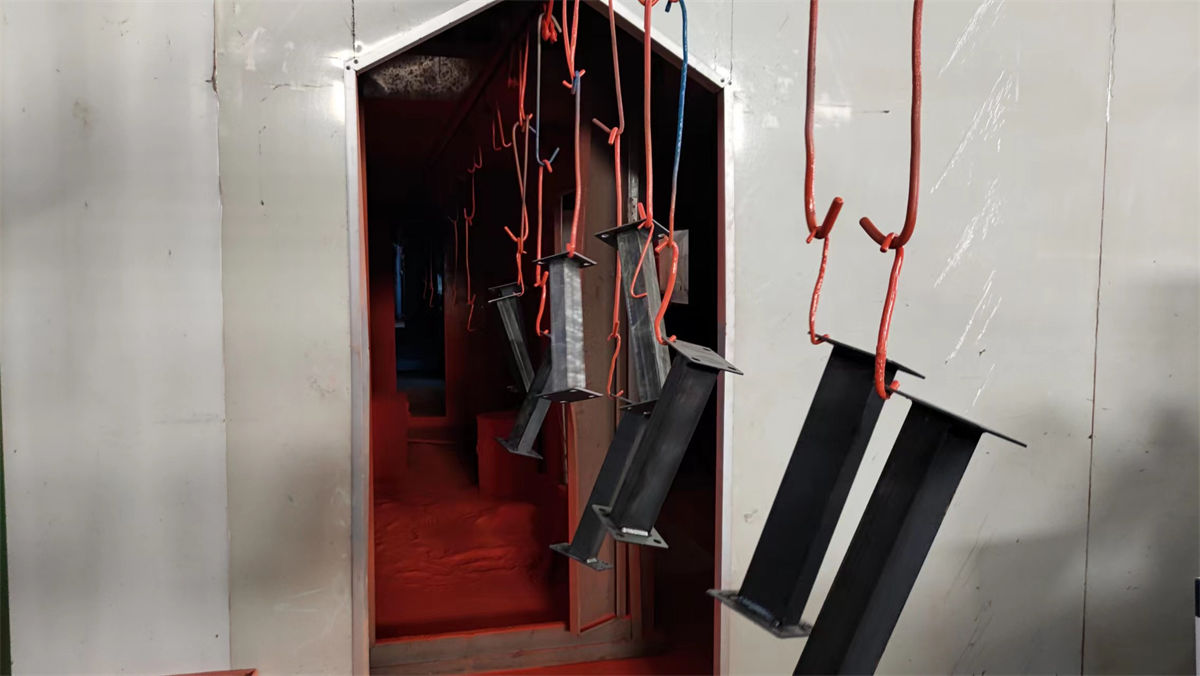
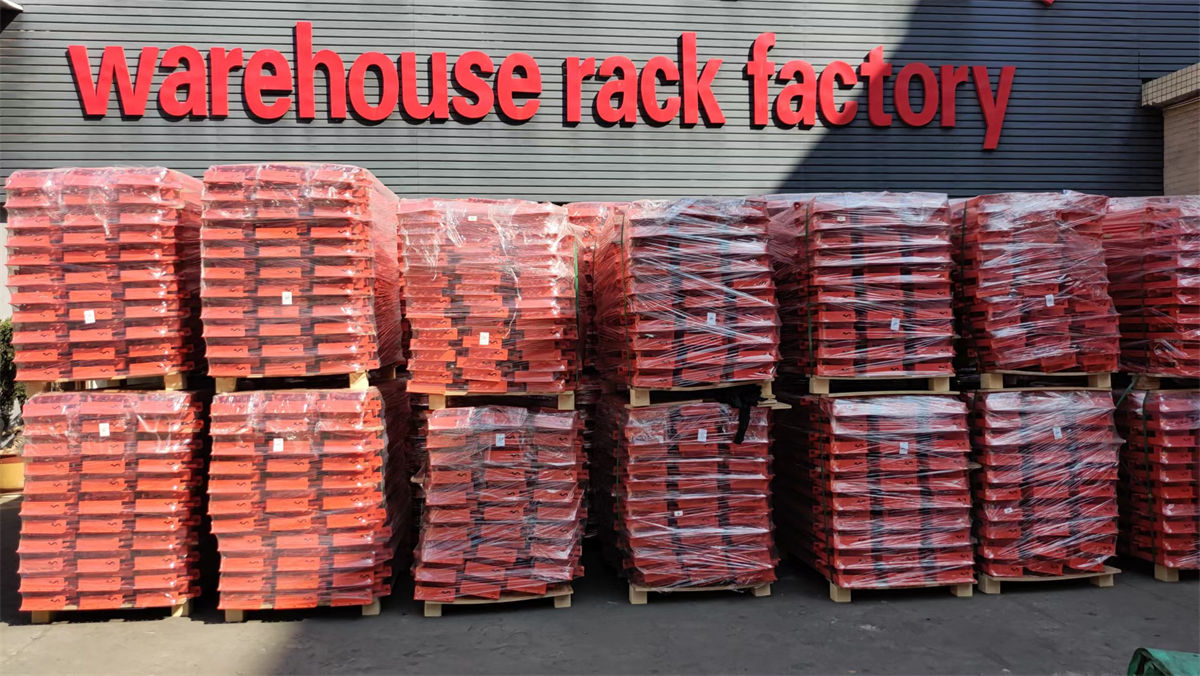
We leverage advanced automated equipment and QA/QC inspection tools to maintain strict structural tolerances across all batches.
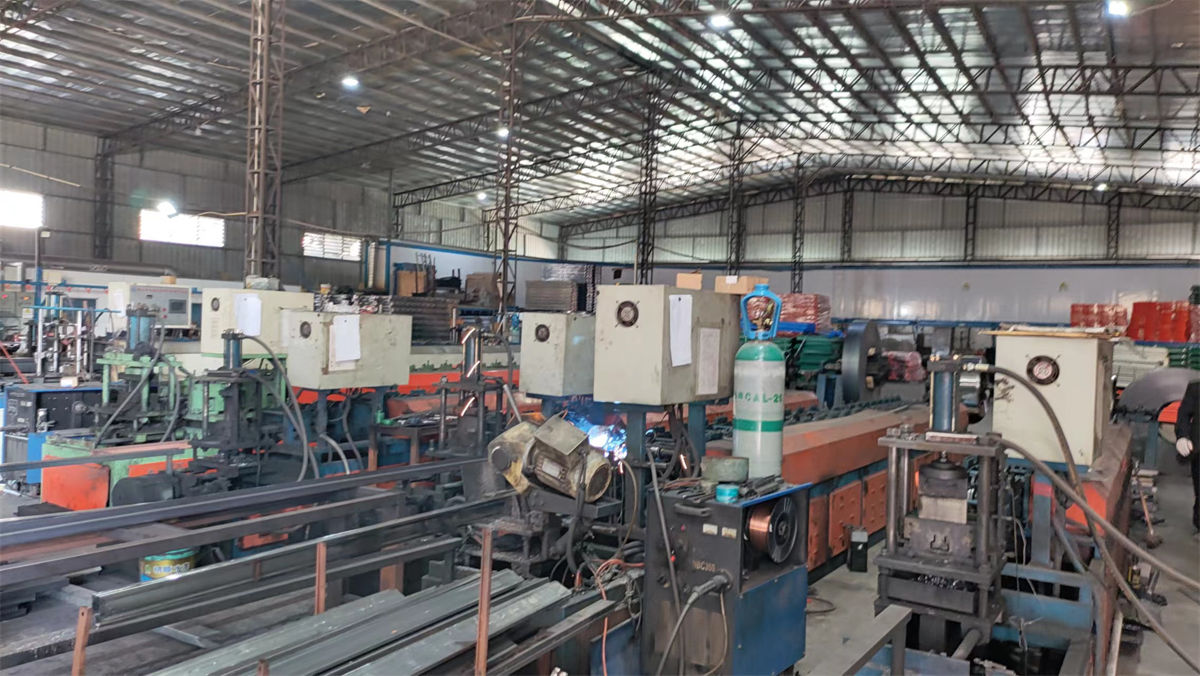
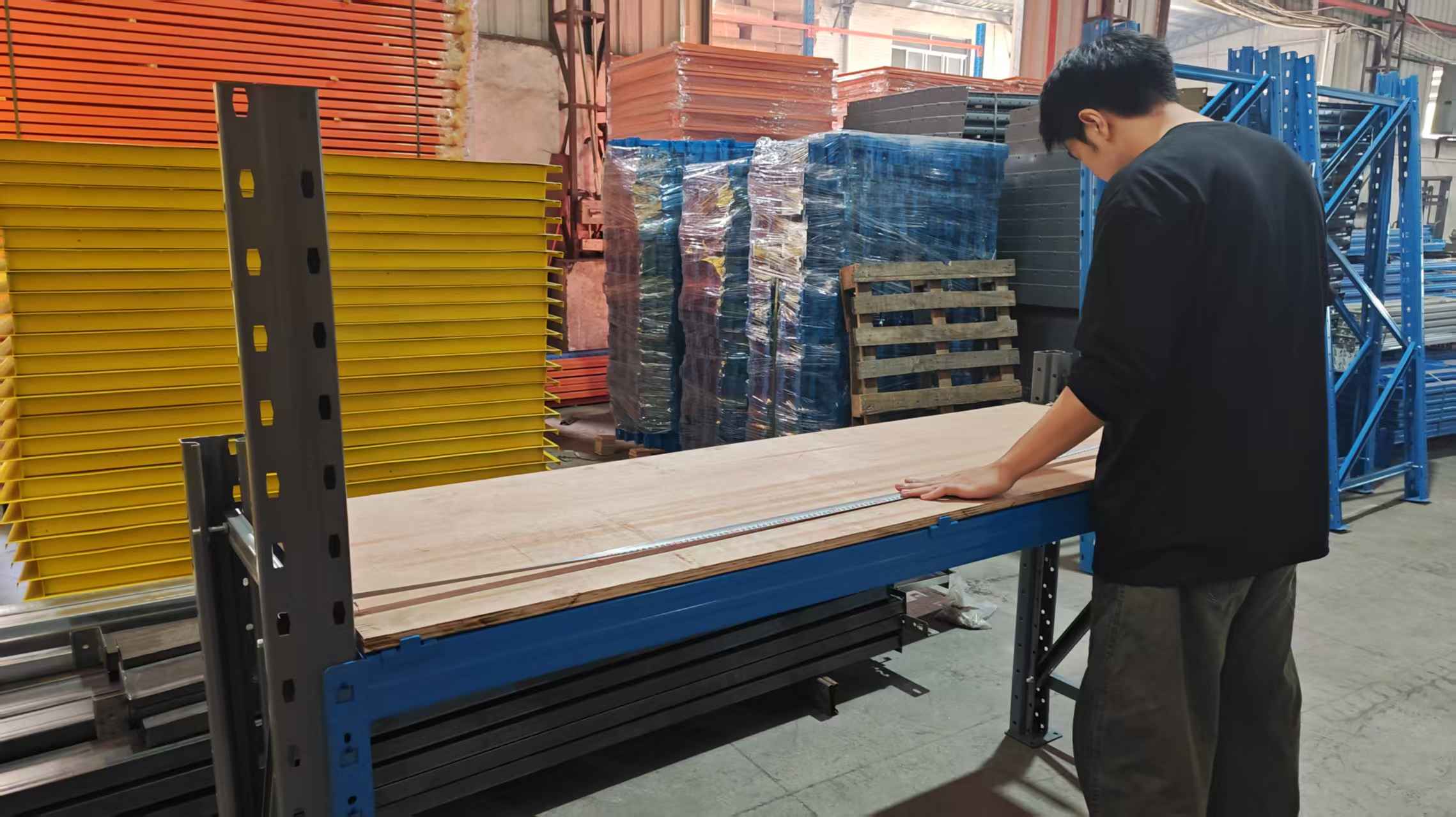
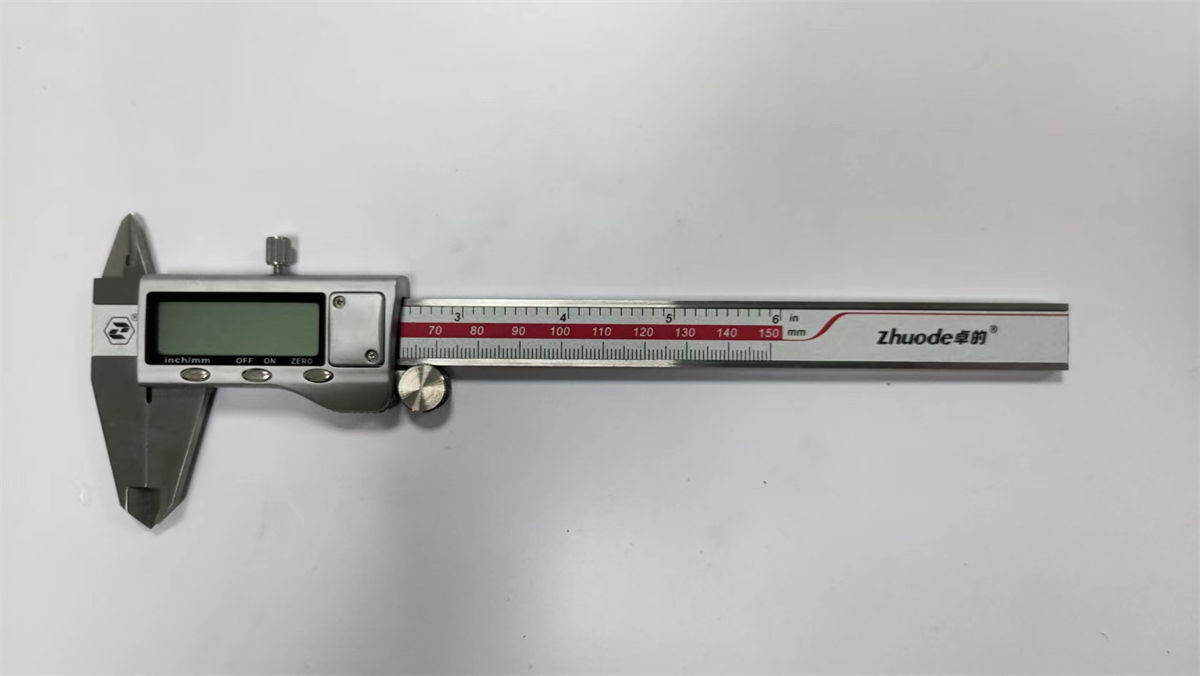
Evaluating macro industry transitions toward automation, environmental integration, and safety verification protocols.
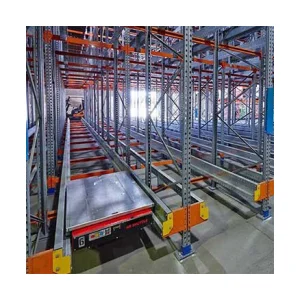
The integration of Automated Storage and Retrieval Systems (AS/RS) is reshaping the heavy-duty storage landscape. Conventional selective pallet racking systems are increasingly being supplemented or replaced by high-density shuttle racking systems and vertical lift modules. Modern facilities require racking structures manufactured with tight structural tolerances to prevent system halts from automated cranes or radio shuttles. Tolerances that were acceptable for human forklift operators are no longer sufficient for laser-guided automated systems.
The structural capacity of heavy-duty storage racks depends heavily on steel chemistry. Manufacturers are shifting from standard carbon steels toward high-strength, low-alloy (HSLA) steels, such as Q355B and SS400. These materials allow structural engineers to reduce overall steel weight while maintaining or increasing load capacity. Yield strength and elongation properties are tested to ensure the rack can withstand dynamic load impacts from material handling equipment.
Sustainability is becoming a key factor in industrial procurement. Modern manufacturers utilize powder coating systems that emit zero volatile organic compounds (VOCs) and recycle over 98% of overspray powder. The life cycle of steel products is also under review; utilizing high-strength, recyclable structural steel reduces carbon footprint across supply chains, aligning with global corporate ESG initiatives.
Integrating strain gauges and load sensors directly into the box beams to report real-time rack overloading and deflection metrics directly to the WMS (Warehouse Management System).
Development of specialized structural steel profiles that prevent low-temperature embrittlement down to -40°C, optimized for deep-freeze automated storage environments.
Engineering specialized baseplates and modular upright connections that absorb seismic energy, reducing structural stress during seismic events.
How structural engineers design heavy-duty systems for different industries, regulatory zones, and storage layouts.
Operating cold storage is expensive, making volumetric density critical. Racks must resist structural embrittlement at sub-zero temperatures. High-density drive-in and shuttle racking systems are commonly specified to minimize the volume of cooled air required.
High throughput requires accessible pallet configurations. Selective racking systems with adjustable pallet levels allow rapid forklift access. Heavy-duty upright frames and impact column guards protect structural components from damage in high-speed operations.
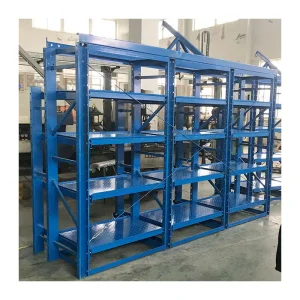
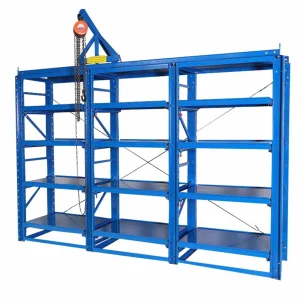
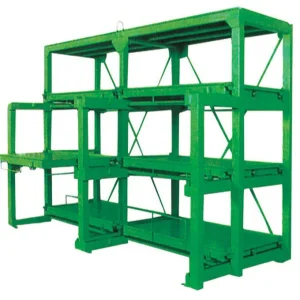
Heavy industrial casting molds require dedicated storage. Special heavy-duty drawer mold racks allow overhead cranes to load molds directly from above. Drawer locks and structural cross-bracing are integrated to ensure stability during mold extraction.
Different markets mandate specific structural compliance frameworks. In North America, systems are engineered to the RMI (Rack Manufacturers Institute) standard. In Europe, EN 15512 and FEM 10.2.02 standards govern load tests and frame design. Xinmiao's engineering team utilizes Finite Element Analysis (FEA) to verify that structural profiles satisfy these requirements before manufacturing begins.
Answers to common questions from structural engineers, facility managers, and procurement agents regarding industrial racking systems.
We primarily use Q235B and Q355B structural carbon steel. Q355B (equivalent to ASTM A572 Grade 50) is used for high-load applications and structural profiles, offering high yield strength (minimum 355 MPa) and weldability.
Our engineering team performs Finite Element Analysis (FEA) to simulate load distributions under static, dynamic, and seismic conditions. We also conduct physical load tests to verify weld integrity and structural stability limits.
Our manufacturing and design processes conform to European FEM 10.2.02 codes, US Rack Manufacturers Institute (RMI) standards, and international ISO 9001 quality management guidelines.
Yes. We customize baseplate size, anchor quantity, upright thickness, and bracing layouts to meet regional seismic acceleration criteria (SDC A through F), ensuring compliance with local building codes.
We apply electrostatic thermosetting powder coatings over a pre-treated, phosphated metal surface. This creates a hard, durable layer resistant to chipping, scratching, chemical exposure, and humidity.
Our QC team performs dimensional caliper checks, weld inspection using ultrasonic non-destructive testing (NDT), and coating thickness checks on every production batch to verify consistency with design specifications.
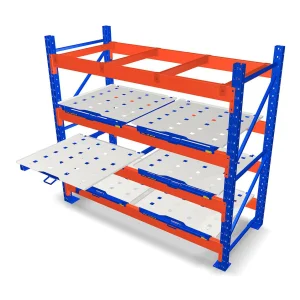
Browse our advanced medium and heavy-duty storage configurations designed for global industrial deployment.
 Xinmiao Racking