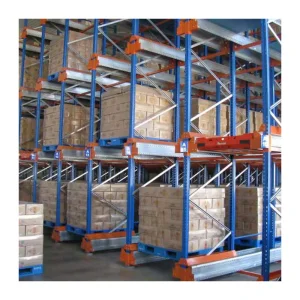
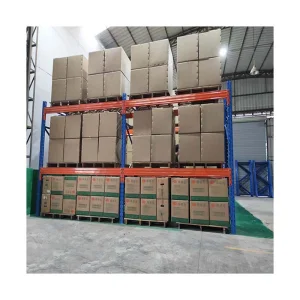
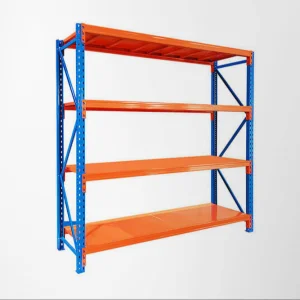
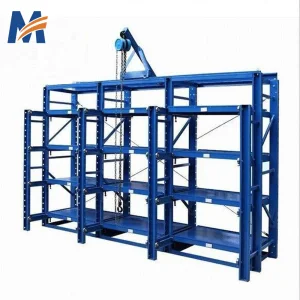
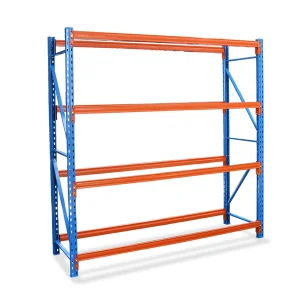
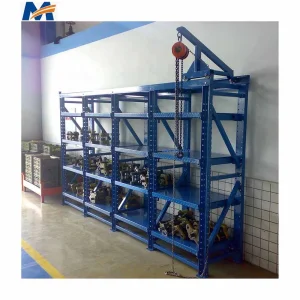
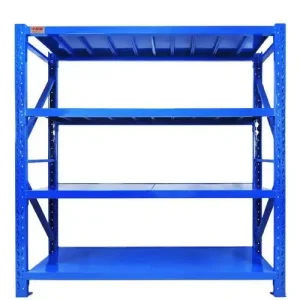
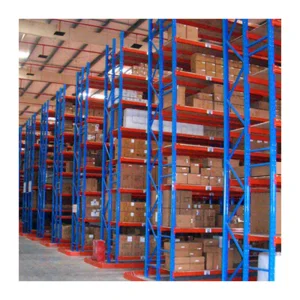
Engineered for high density storage, quick modular assembly, and extreme load capacity. Browse our top featured configurations.
Established in 2015, Ningbo Xinmiao Storage Equipment Co., Ltd. (operating under the global trade brand Mracking) has positioned itself at the cutting edge of industrial warehouse engineering. Spanning a modern manufacturing footprint of over 35,000 square meters, our corporate trajectory represents 14 years of heavy-duty fabrication expertise and a portfolio of customized logistics integration models.
We operate dynamic supply-chain linkages powered by over 800 strategic metallurgical and coating partners. Driven by an advanced R&D engineering pool composed of 18 structural specialists, we facilitate optimized, turnkey OEM/ODM operations, exporting certified storage assets to global markets across North America, Europe, Southeast Asia, and the Middle East, with annual export operations exceeding $18,000,000.
Structural reliability and spatial durability constitute our operational baseline. Led by our 25 dedicated Quality Control (QC) engineers, every structural beam, upright panel, and connector undergoes exhaustive structural compliance workflows. We enforce raw steel chemistry certification, strict automated non-destructive testing (NDT), finite element load stress tests, and ultrasonic weld thickness inspections to satisfy international standards.
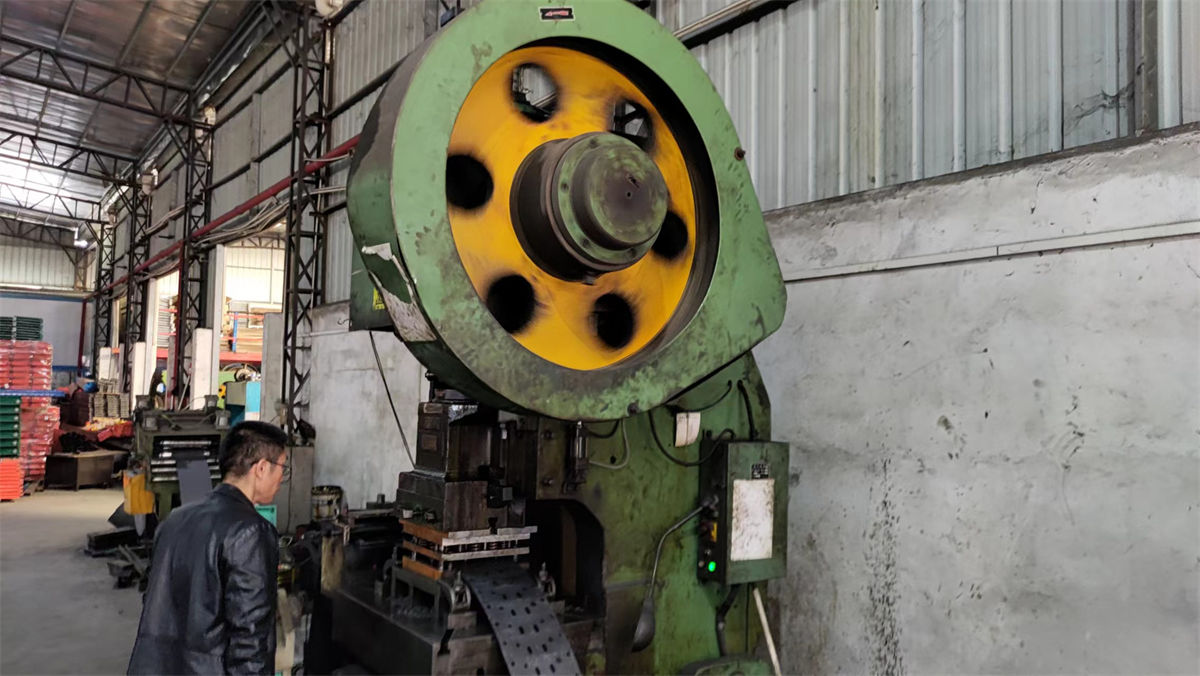
From structural design down to high-grade coating, our fully integrated pipeline ensures dimensional accuracy and flawless load performance.
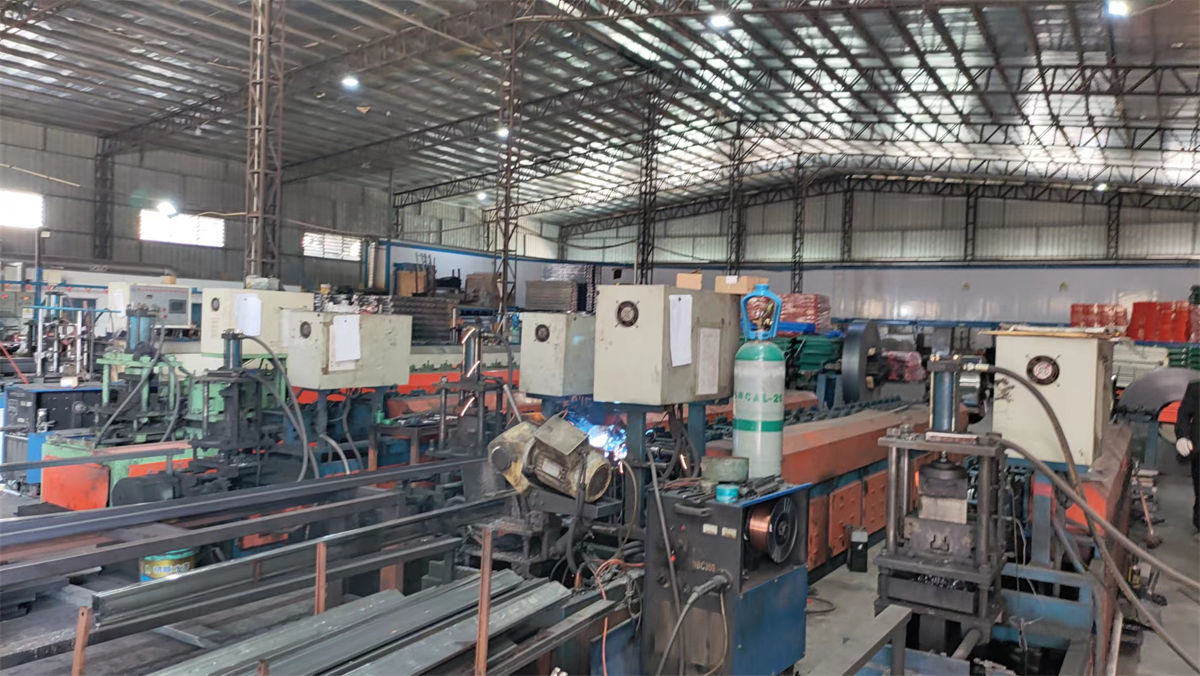
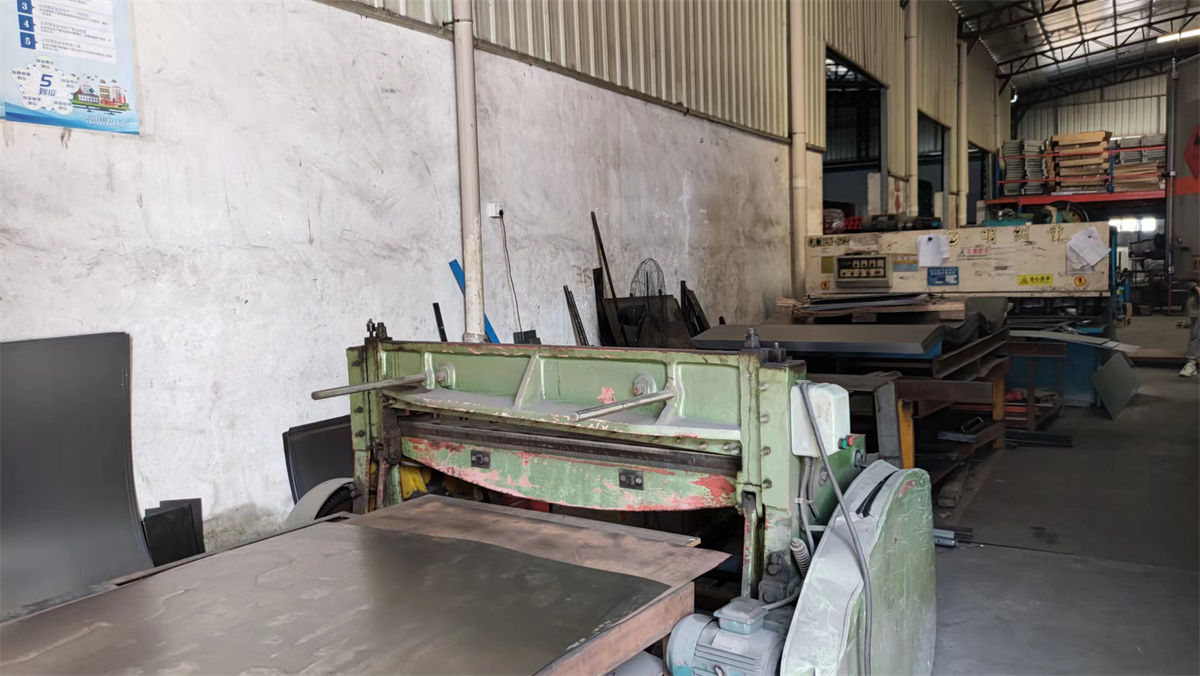
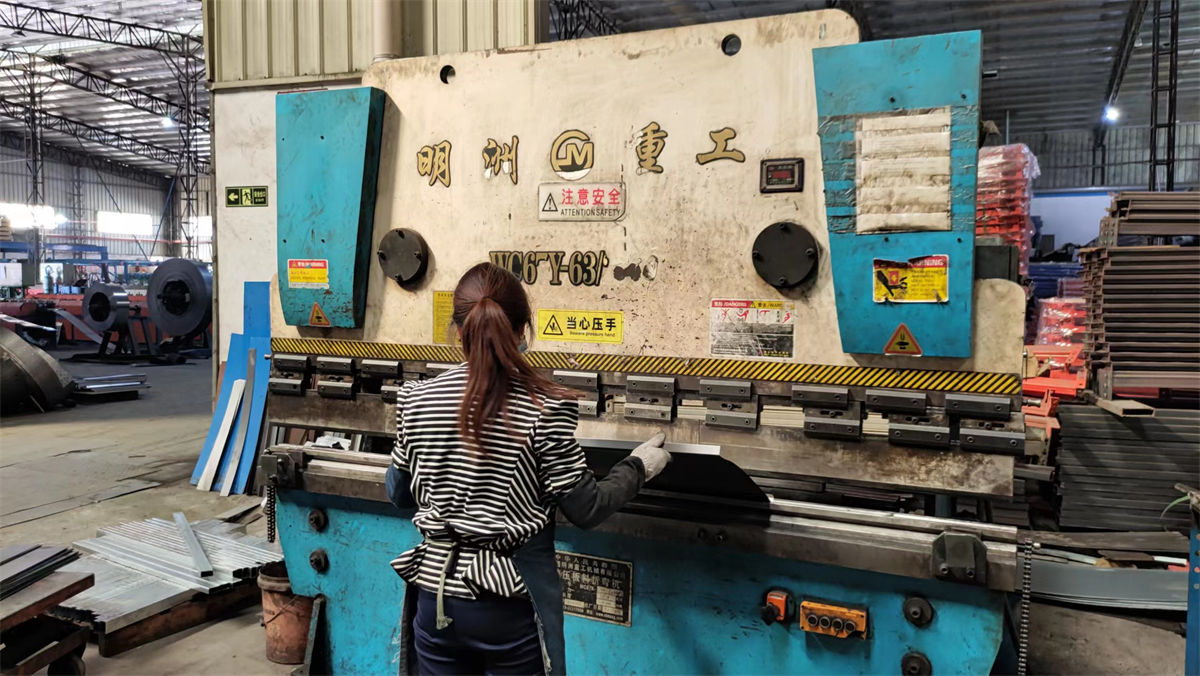
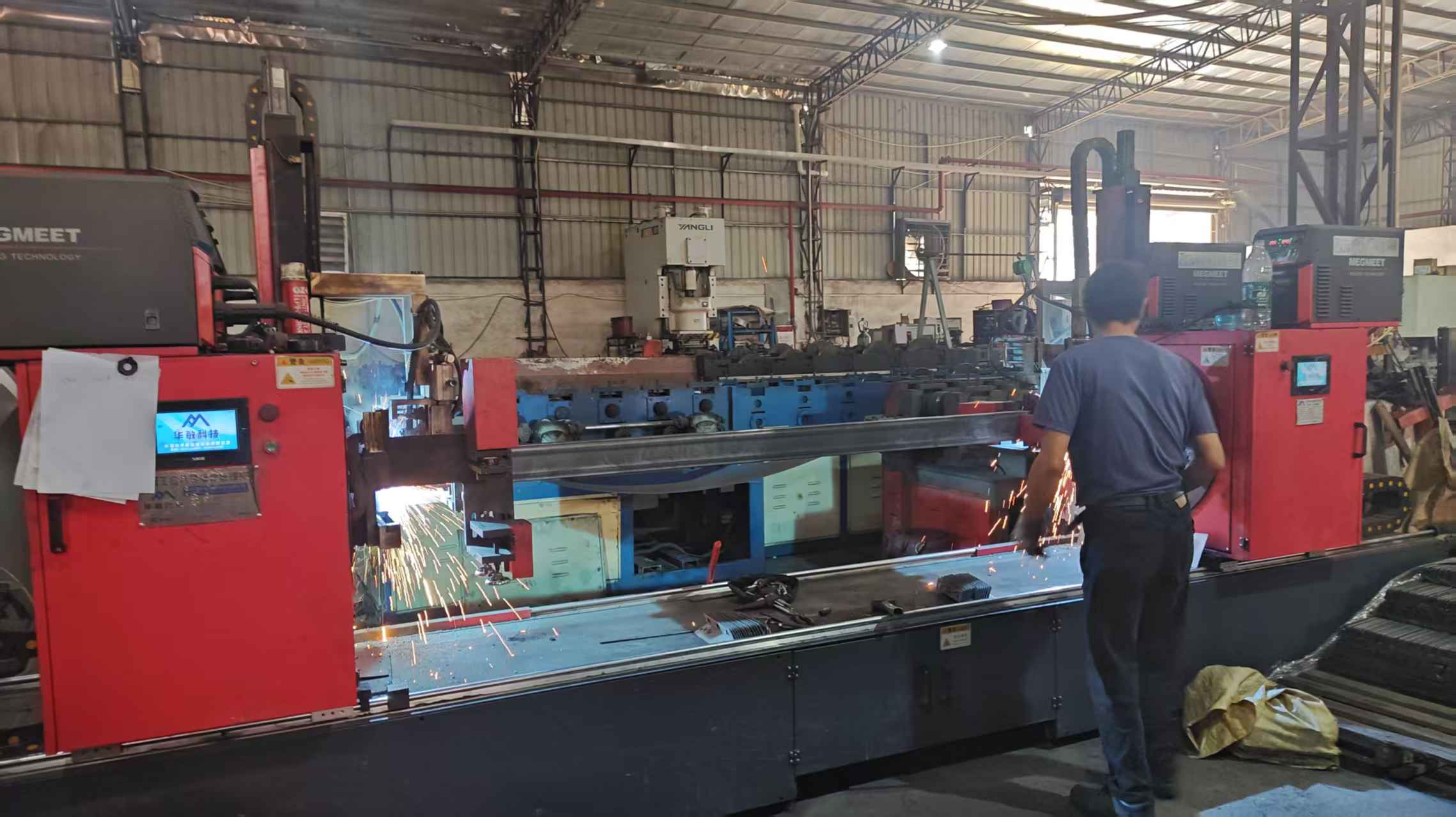
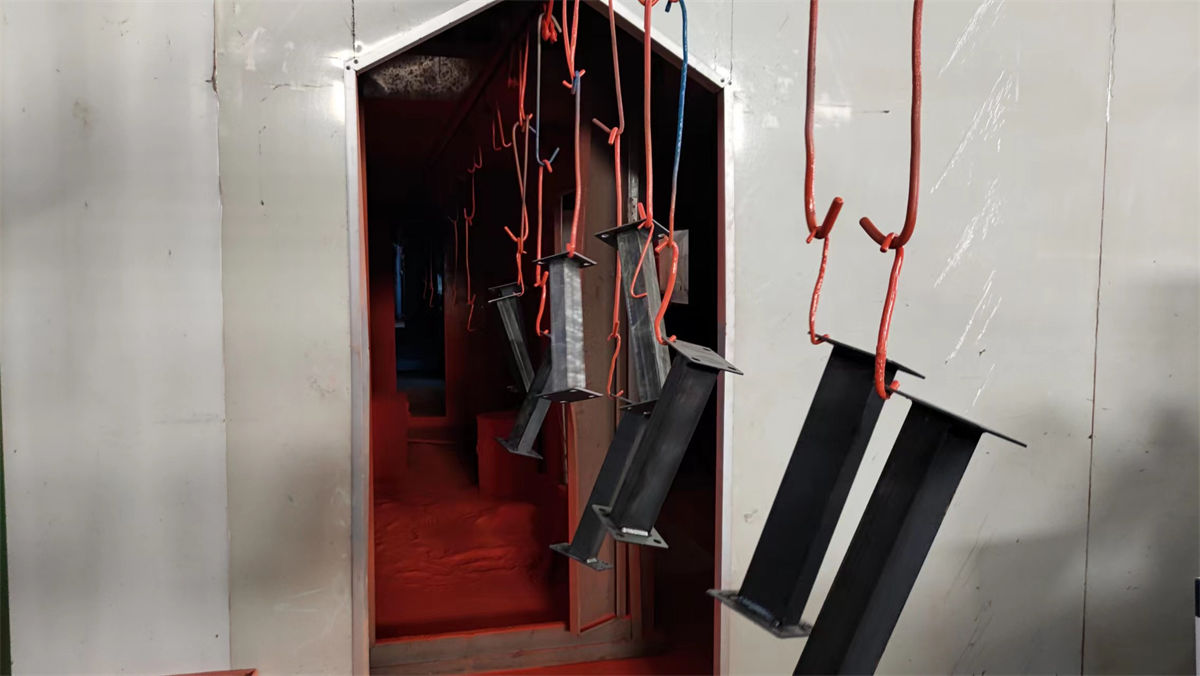
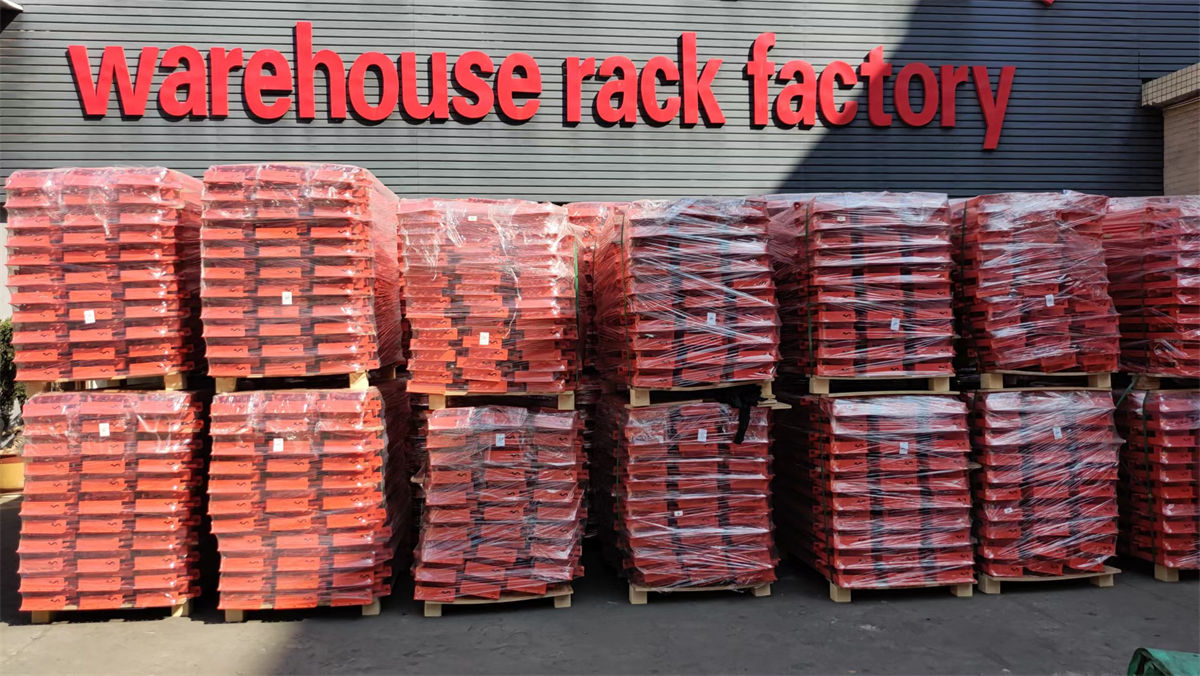
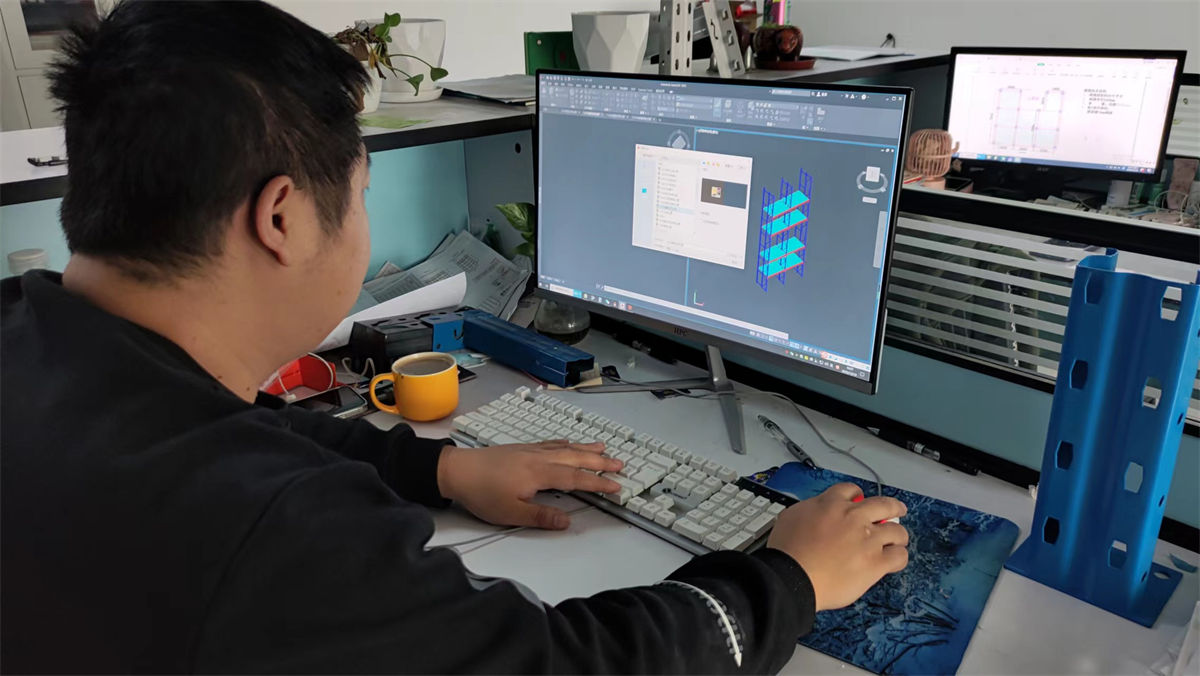
Our facility hosts high-throughput automated machinery lines, maintaining precision tolerances and scalable production speeds.
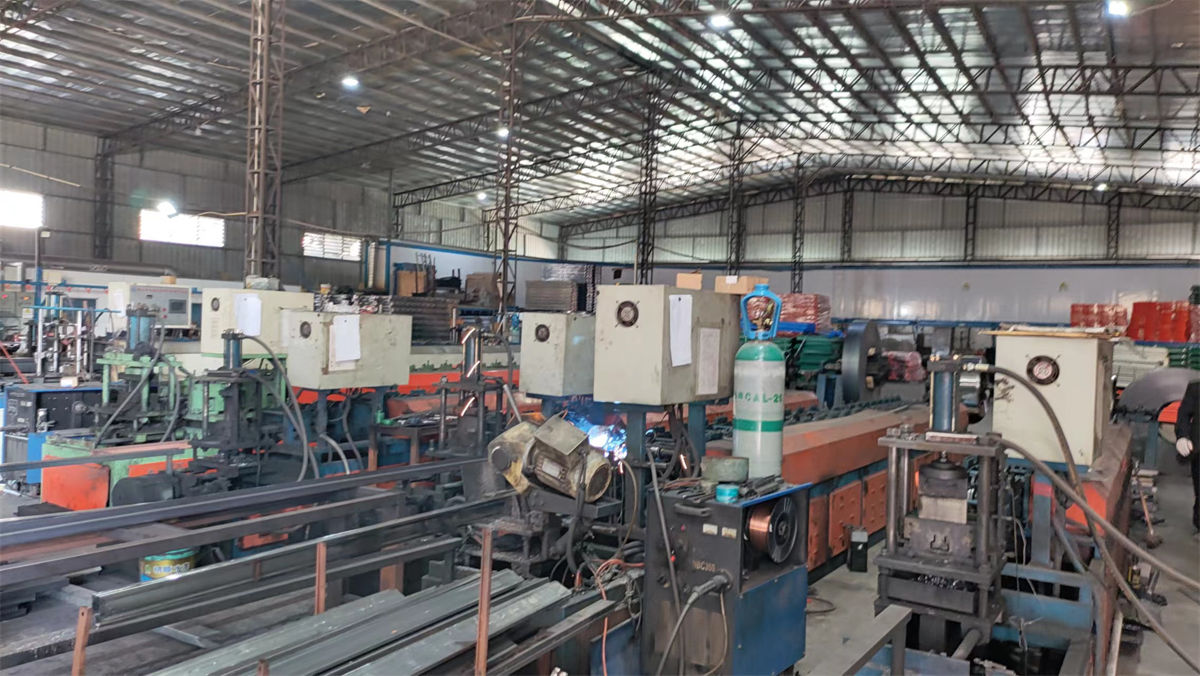
High-precision profiles for heavy-duty columns.
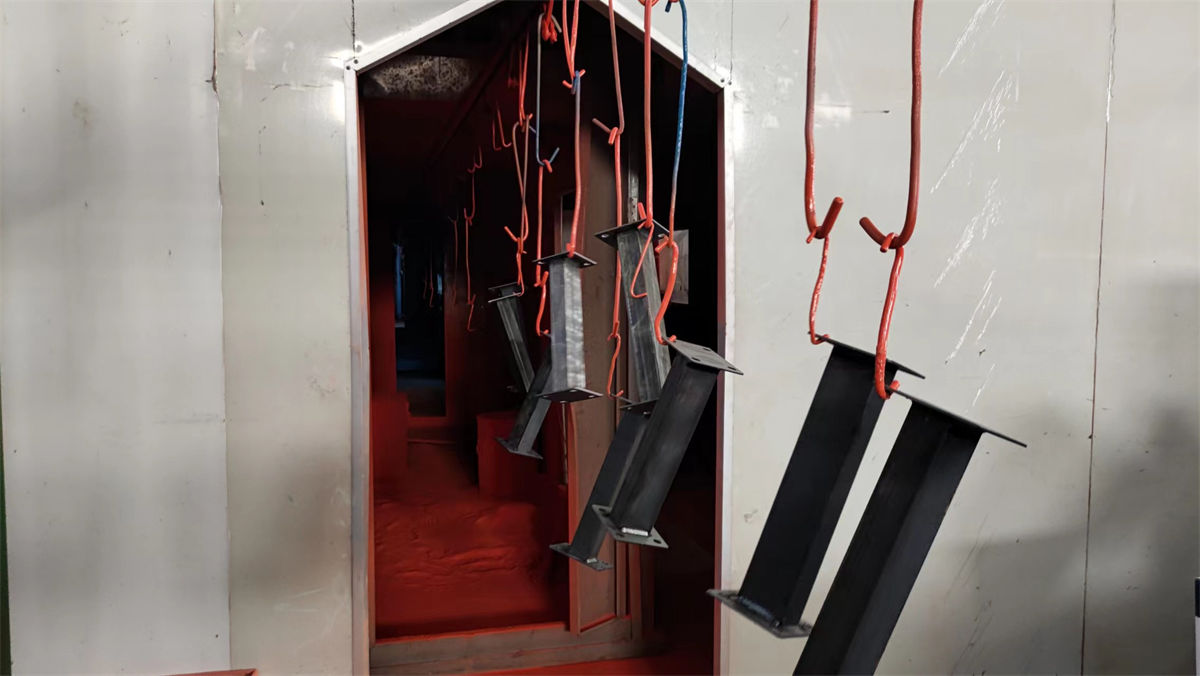
Corrosion-proof automated powder curing.
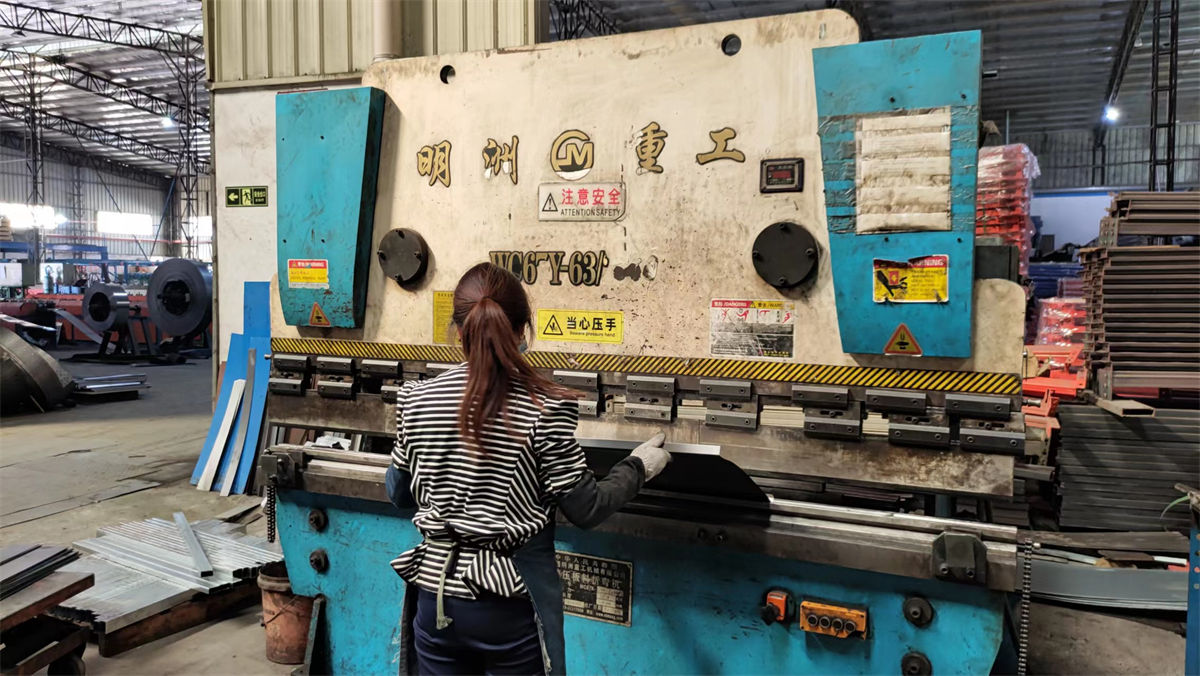
Ensuring ultra-precise fold angles for safety.
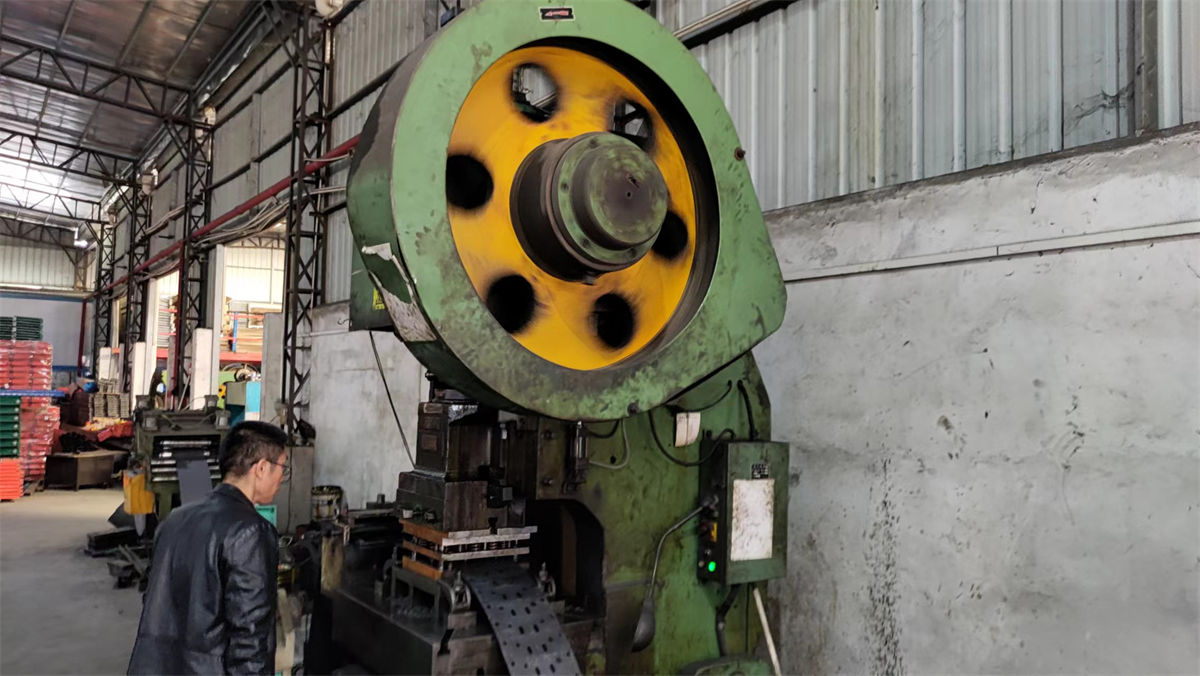
Consistent pitch matrix for boltless adjustment.
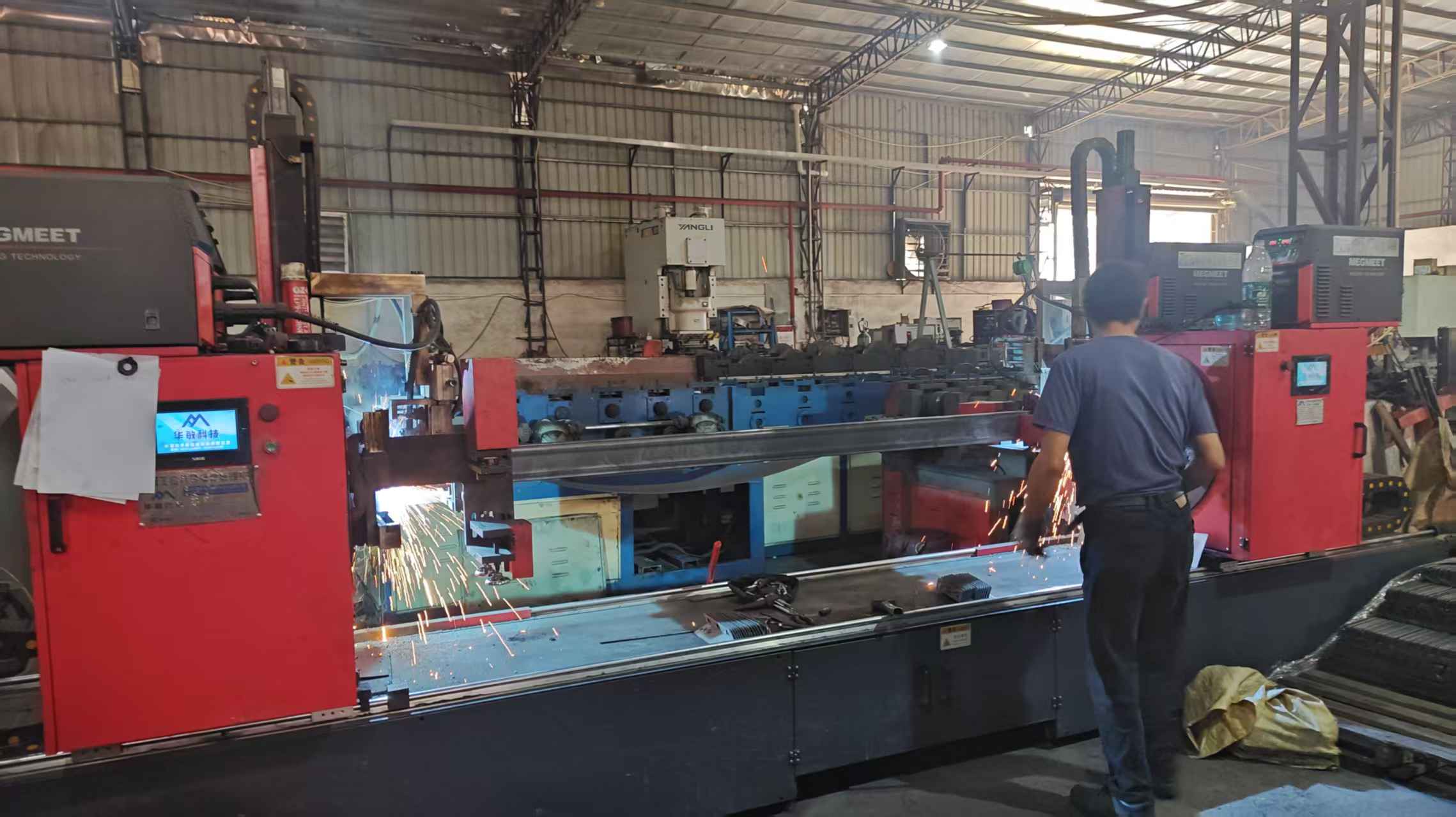
Continuous penetration structural seams.
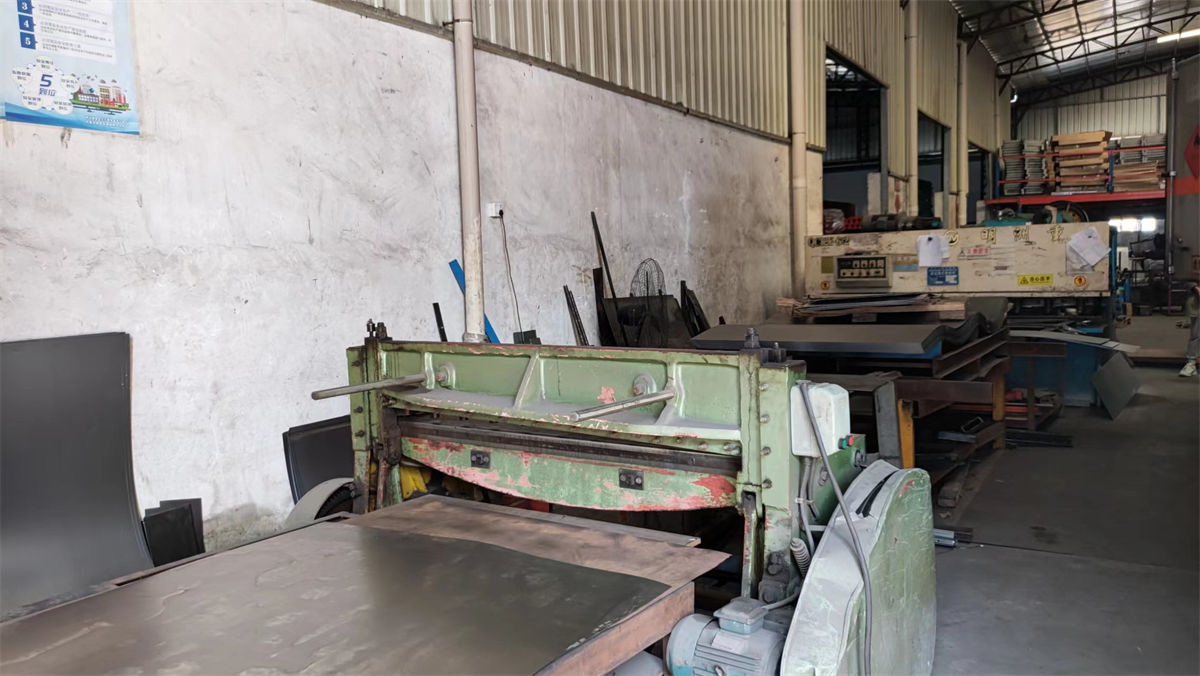
Heavy sheet pre-sizing for racking components.
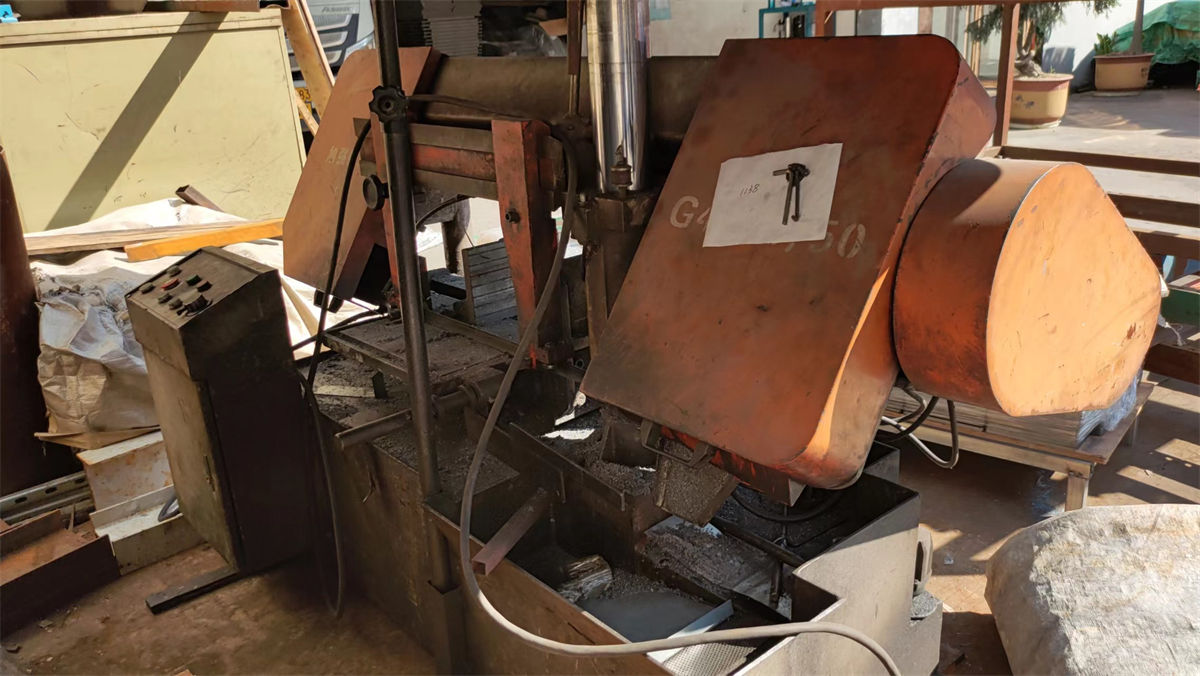
Clean structural tube and profile cutting.
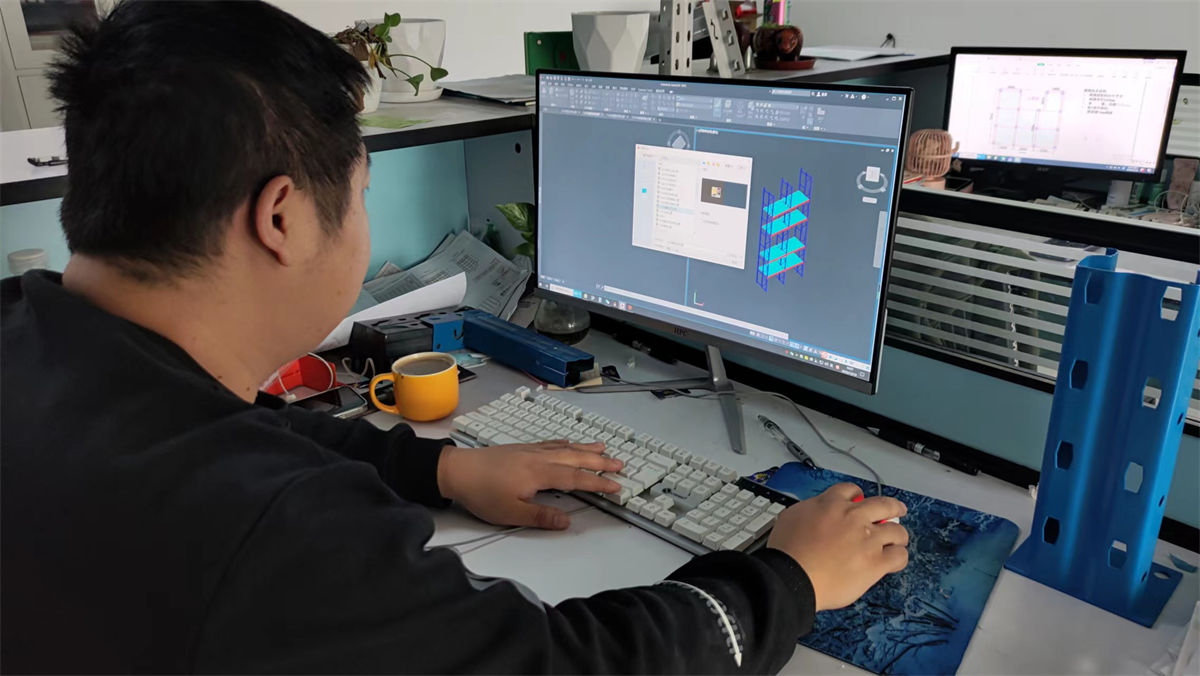
Simulating structural load paths under stress.
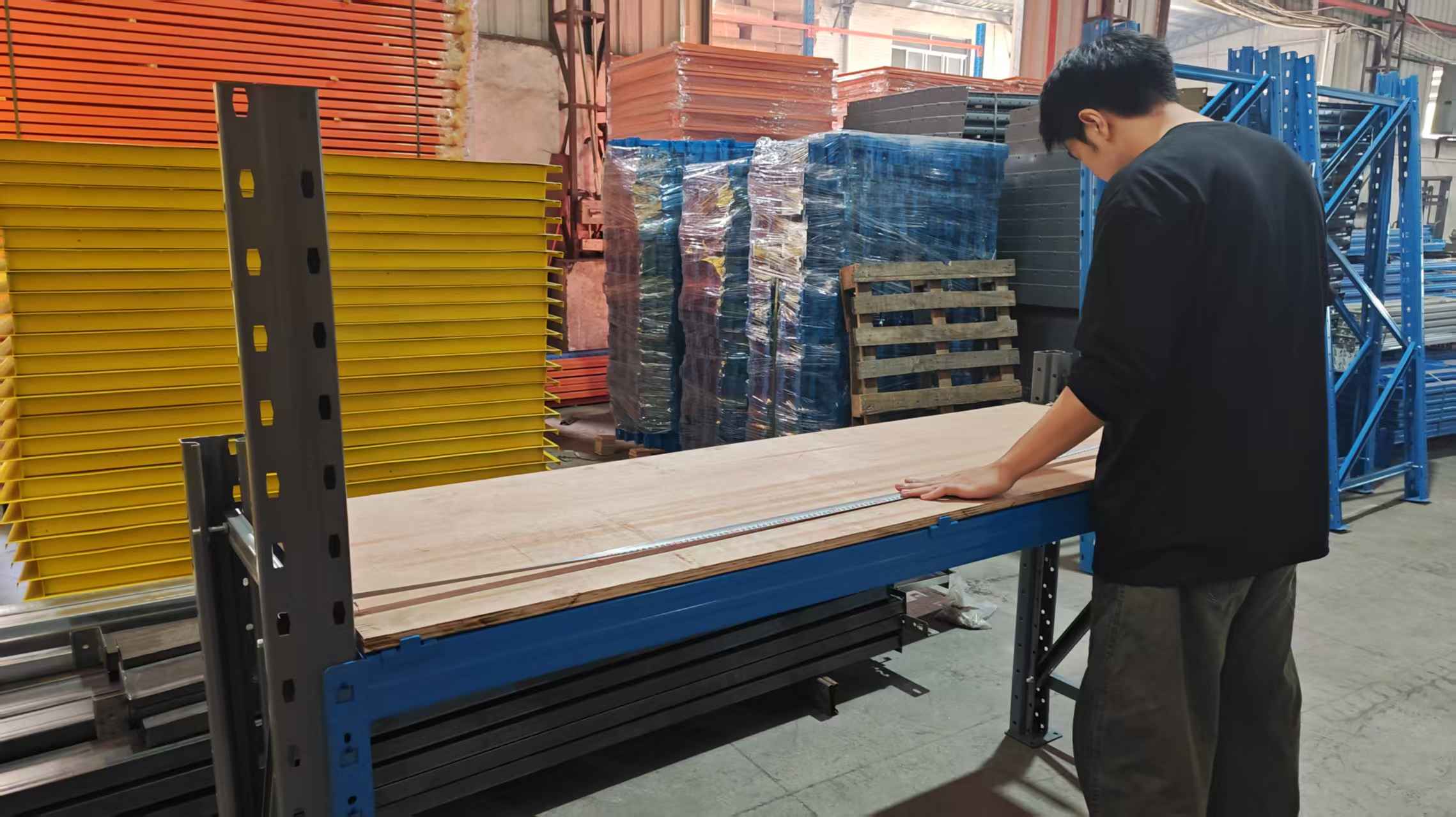
Strict structural integrity and weld validation.
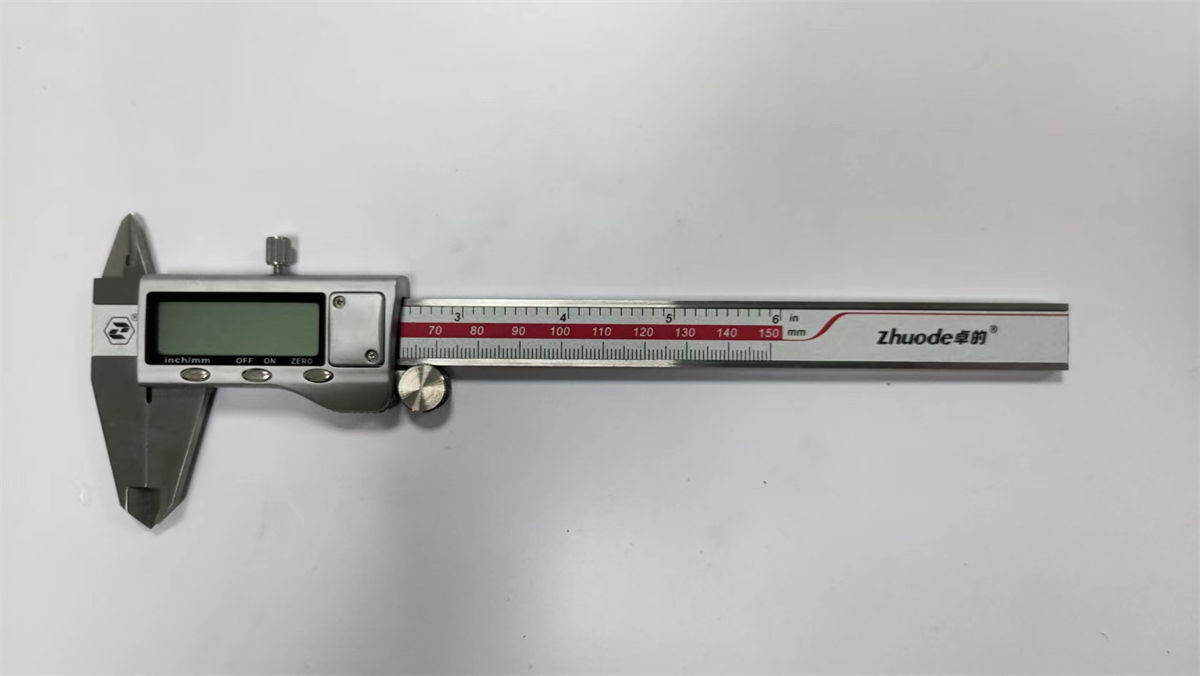
Strict tolerance controls (down to ±0.1mm).
In the current geopolitical and macroeconomic climate, spatial engineering optimization inside warehousing assets has evolved from a basic operations task into a core competitive tool. Modern high-capacity logistics networks require structural frameworks that minimize spatial footprints while providing substantial load-carrying capacity. Structural freestanding racks are the primary solutions chosen by industrial operations leads, 3PL providers, cold storage hubs, and manufacturing facilities worldwide.
Freestanding configurations, by design, do not depend on building wall structures for mechanical stability. Instead, they derive their shear load resistance, seismic mitigation, and dynamic load stability entirely from their base anchors, cold-rolled upright geometries, and cross-bracing frameworks. This architectural independence offers logistics managers several key operational advantages:
In the global industrial storage market, Chinese production facilities—particularly specialized hubs like Ningbo Xinmiao—deliver key advantages across the product lifecycle. These benefits go beyond low labor costs, centering on raw material supply networks, production scale, and advanced machinery integration:
Direct supply partnerships with major domestic steel mills ensure access to high-grade structural steel (such as Q235B and Q345B) with certified tensile and yield strengths.
Our integrated CNC cold roll-forming and robotic welding setups shorten manufacturing lead times, turning custom enterprise orders around in a fraction of the time required by Western producers.
Industrial storage demands vary significantly by region and market, requiring manufacturers to design tailored solutions that fit local infrastructure and operational practices:
As logistics technology evolves, our systems are designed to support upcoming advancements in automation and facility scale.
Real-time loading analytics and strain gauge sensors can be integrated directly into our structural beams to monitor load levels and warn against structural overload.
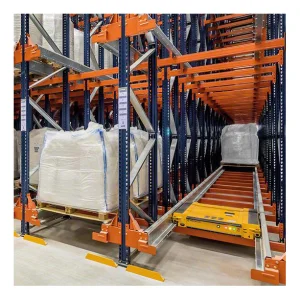
Moving from traditional layouts to semi-automated deep-lane shuttle racks, reducing required forklift aisles and boosting spatial efficiency by up to 80%.
Using environmentally certified powder coatings and lead-free materials, helping global enterprises meet their ESG compliance and LEED certification goals.
When purchasing heavy-duty industrial storage racks, corporate procurement leads must look beyond basic per-ton pricing. Safeguarding warehouse personnel and protecting stored inventory requires verifying key structural and operational specifications:
Ensure the manufacturer provides mill test certificates validating the steel chemistry, elastic limit, and yield strength (such as Q235B, Q345B, or equivalent steel grades).
Verify column deflection limits under full load comply with industry standards (e.g., L/250 or L/300) to prevent long-term deformation or structural failure.
Confirm the powder-coat thickness (typically 60 to 90 microns) and checking for pre-treatment wash cycles to ensure long-term corrosion resistance.
Direct answers from our structural engineers on load calculations, safety standards, and international shipping logistics.
We primarily use Q235B and Q345B hot-rolled steel coil, sourced from major domestic mills with full chemical traceability. These grades correspond to ASTM A36 and ASTM A572 Grade 50 respectively, ensuring the required yield strength (up to 345 MPa) to satisfy North American RMI and European FEM design codes.
Our engineering team uses Finite Element Analysis (FEA) software to model load stresses and deflection points for each custom layout. We then run physical load-cell testing on sample components at our plant to verify calculations, ensuring a safety factor of 1.5 to 2.0 times the rated load capacity.
All upright frames and beams are wrapped with air-bubble film, secured with high-tensile strapping, and placed on protective steel skids. This prevents movement and metal-on-metal rubbing in transit, keeping the powder-coat finish intact during international sea shipping.
Yes. Our structural engineers can design specialized, heavy-duty footplates and column-bracing networks suited for high-seismic zones. These designs are calculated to resist acceleration forces in accordance with local building codes.
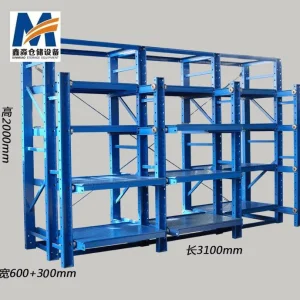
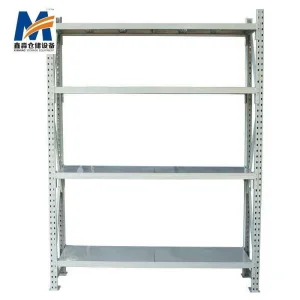
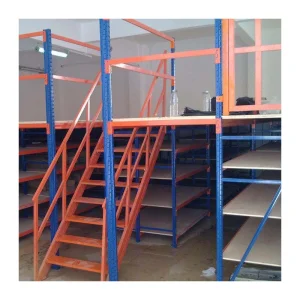
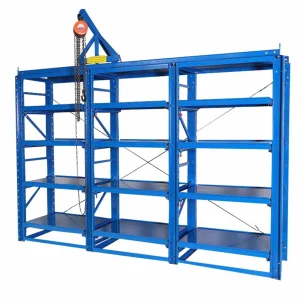
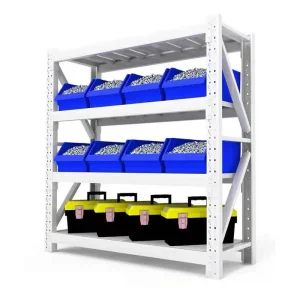
Explore our industrial-grade storage options, designed to organize complex warehouse inventories safely and efficiently.
 Xinmiao Racking