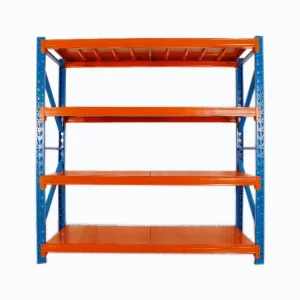
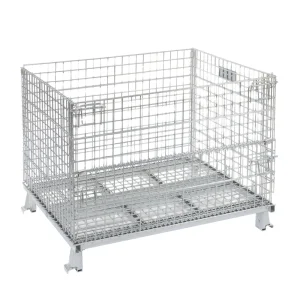
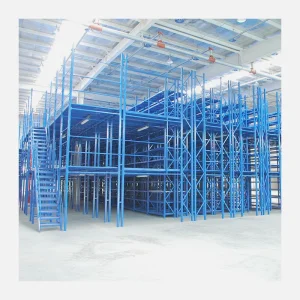
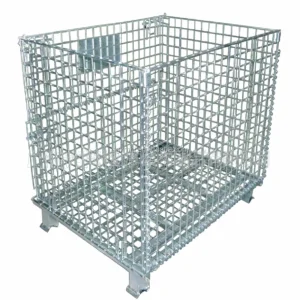
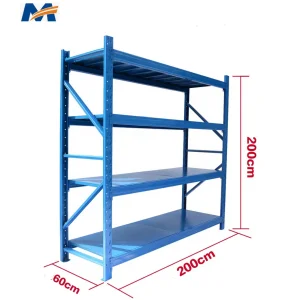
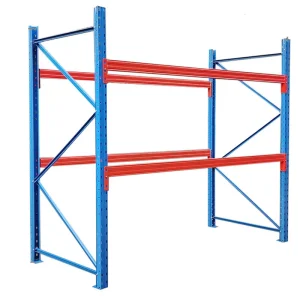
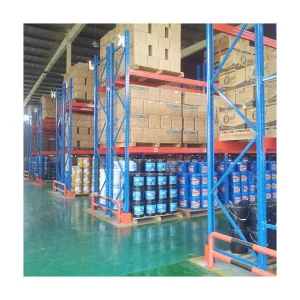
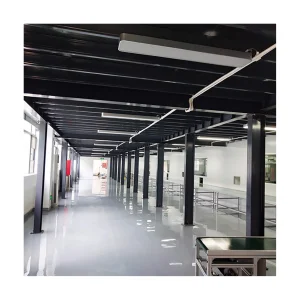
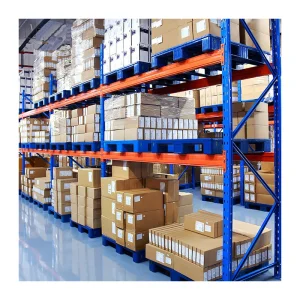
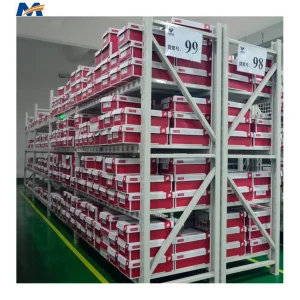
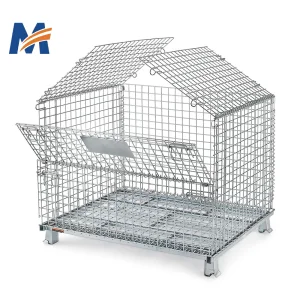
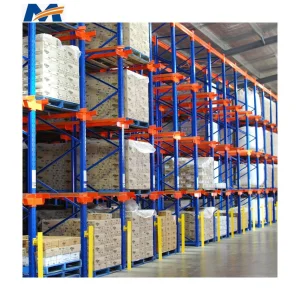
Explore our foundational rack engineering components designed to seamlessly interface with modern Automated Storage and Retrieval Systems (AS/RS).
In the contemporary logistics environment, traditional static warehouse configurations are rapidly being replaced by advanced automation. Driven by sky-rocketing land costs, acute labor shortages, and the explosion of e-commerce SKU complexity, multi-national distribution operations demand systems that optimize 3D vertical cube space while guaranteeing throughput velocity. This transition has turned the spotlight onto specialized global automated shelving factories.
Modern Automated Storage and Retrieval Systems (AS/RS), autonomous mobile robot (AMR) grids, and automated shuttle racking require structural engineering tolerances far exceeding those of legacy manual racking. Where a manual system can tolerate deflection under mild variance, a computerized shuttle system traveling at 4 m/s requires millimeter-level precision across vertical profiles. Consequently, evaluating and selecting the correct automated shelving manufacturer is a high-stakes operational decision.
A comprehensive analysis of top-tier global industrial automation and structural racking factories supplying key markets.
The global automated shelving and smart storage manufacturing landscape is highly consolidated around specialized tech hubs. Below is the definitive directory of the top 10 factories leading global intralogistics infrastructure engineering in 2025.
| Manufacturer Name | Headquarters / Factory Hub | Primary Technology Specialization | Key Strengths & Compliance |
|---|---|---|---|
| Ningbo Xinmiao Storage Equipment Co., Ltd. | Ningbo, China | Heavy-Duty Pallet Racking, Shuttle & Smart AS/RS Structural Systems | Ultra-tight structural tolerance, 800+ supply partner network, strict NDT testing, ISO9001, CE. Excellent cost-to-performance ratio. |
| Daifuku Co., Ltd. | Osaka, Japan | Comprehensive AS/RS, Unit-Load Crane Systems, High-Velocity Conveyors | Highest global market share, high structural engineering in seismic zones. |
| SSI Schaefer | Neunkirchen, Germany | Multi-Tier Shuttle Grids, Miniload Systems, WMS Integration | Premium European engineering standards, complex multi-tier automated installations. |
| Dematic (KION Group) | Grand Rapids, USA / Global Plants | Micro-fulfillment Shuttle Grids, Crossbelt Sorters | Extensive software suite (XM) and massive deployment capability in North America & EU. |
| Kardex Remstar | Zurich, Switzerland | Vertical Lift Modules (VLM), Vertical Carousel Systems | Small-parts picking specialization, ultra-high accuracy vertical storage. |
| Swisslog (KUKA Group) | Buchs, Switzerland | AutoStore Integrations, CarryPick Mobile Robots | Deep integration with robotics and AGV/AMR frameworks. |
| Mecalux, S.A. | Barcelona, Spain | Pallet Shuttle Systems, Clad-Rack Warehouses | Heavy-duty structural configurations, massive manufacturing footprint in Europe and Americas. |
| AutoStore | Nedre Vats, Norway | Cube Storage Automation, High-Density Robotic Grid | Invention and patented scaling of dense modular bin-picking grids. |
| Murata Machinery, Ltd. | Kyoto, Japan | Automated Material Handling Systems, Cleanroom AS/RS | Highly specialized systems for electronics and semiconductor fabrication cleanrooms. |
| Honeywell Intelligrated | Mason, Ohio, USA | Warehouse Execution Systems (WES), High-Speed Sorting | Total integration from machinery to software control for tier-1 logistics operators. |
A deep look into the infrastructure, capacity, and technology processes of a leading export-oriented automated storage manufacturer.
Established in 2015, Ningbo Xinmiao Storage Equipment Co., Ltd. is a leading manufacturer specializing in heavy-duty pallet racking, industrial shelving, and intelligent warehouse storage systems. Spanning a modern manufacturing facility of over 35,000 square meters, they have dedicated over 14 years to the industry, providing robust and reliable storage solutions to global enterprise clients. With 8 years of direct export experience, their products are trusted in key markets across North America, Europe, Southeast Asia, and the Middle East, generating an annual export revenue exceeding $18 million.
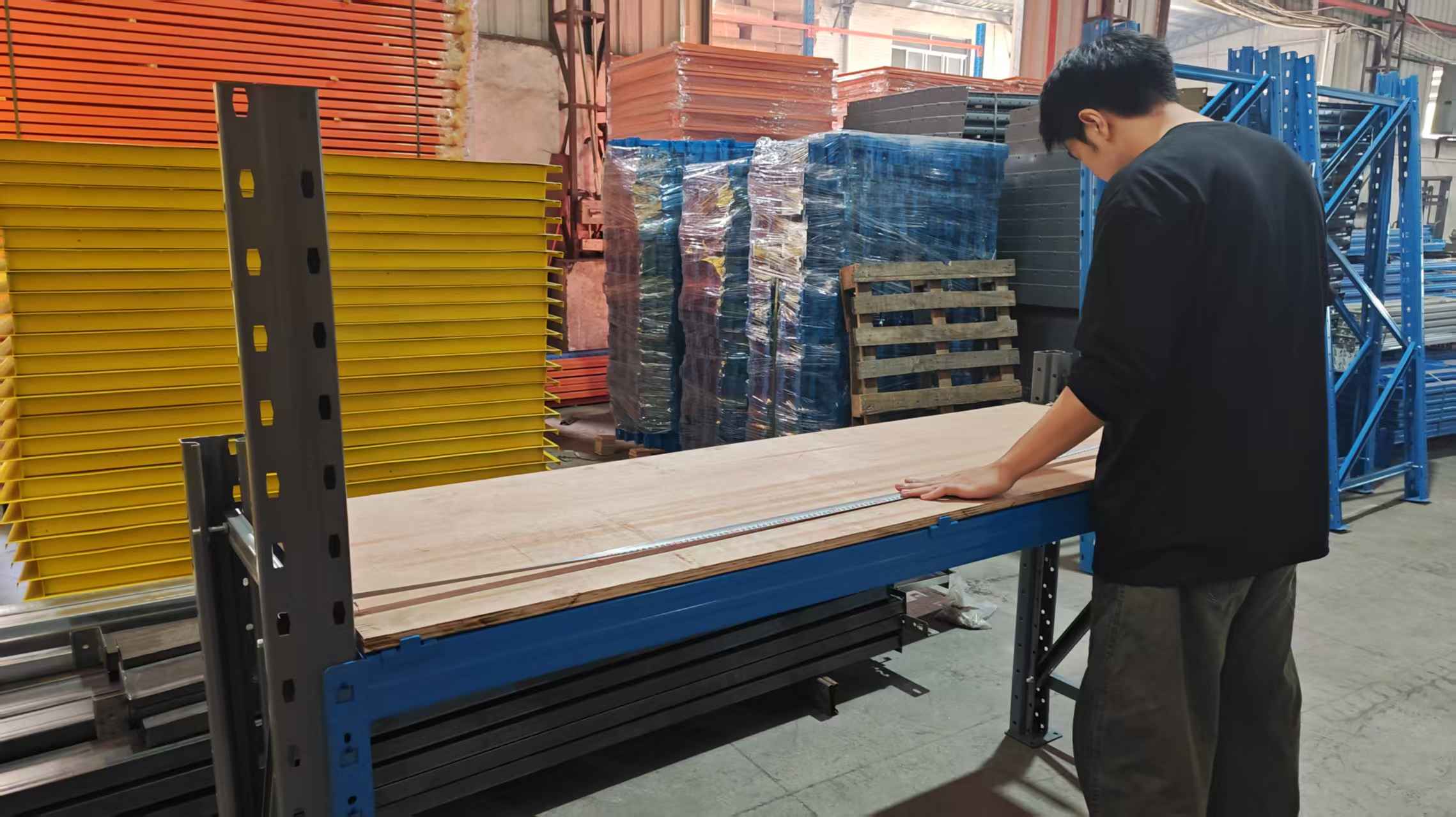
Quality and structural integrity are at the core of Xinmiao's manufacturing philosophy. Backed by a strong network of over 800 supply chain partners, their operation is supported by a dedicated team of 25 Quality Control (QC) specialists. They implement comprehensive non-destructive testing (NDT), load-bearing stress evaluations, and automated ultrasonic weld inspections to ensure that every rack meets stringent international safety standards.
As an export-oriented manufacturer, Xinmiao primarily serves third-party logistics (3PL) providers, global distributors, and large-scale industrial enterprise clients. Driven by a highly skilled team of 18 R&D engineers, they offer strong OEM/ODM and full custom-tailoring capabilities—from structural engineering and custom dimensions to specialized powder-coating finishes. Continuously advancing warehouse technology, they launched 45 new innovative products last year to support their global partners in optimizing space and efficiency.
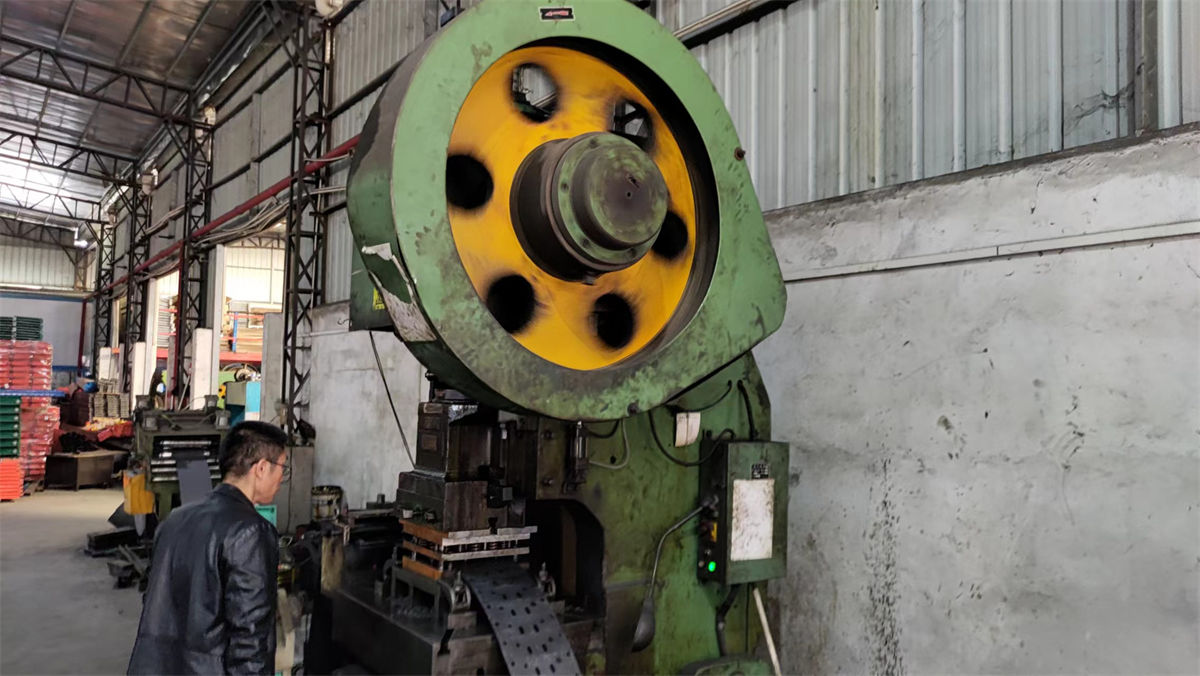
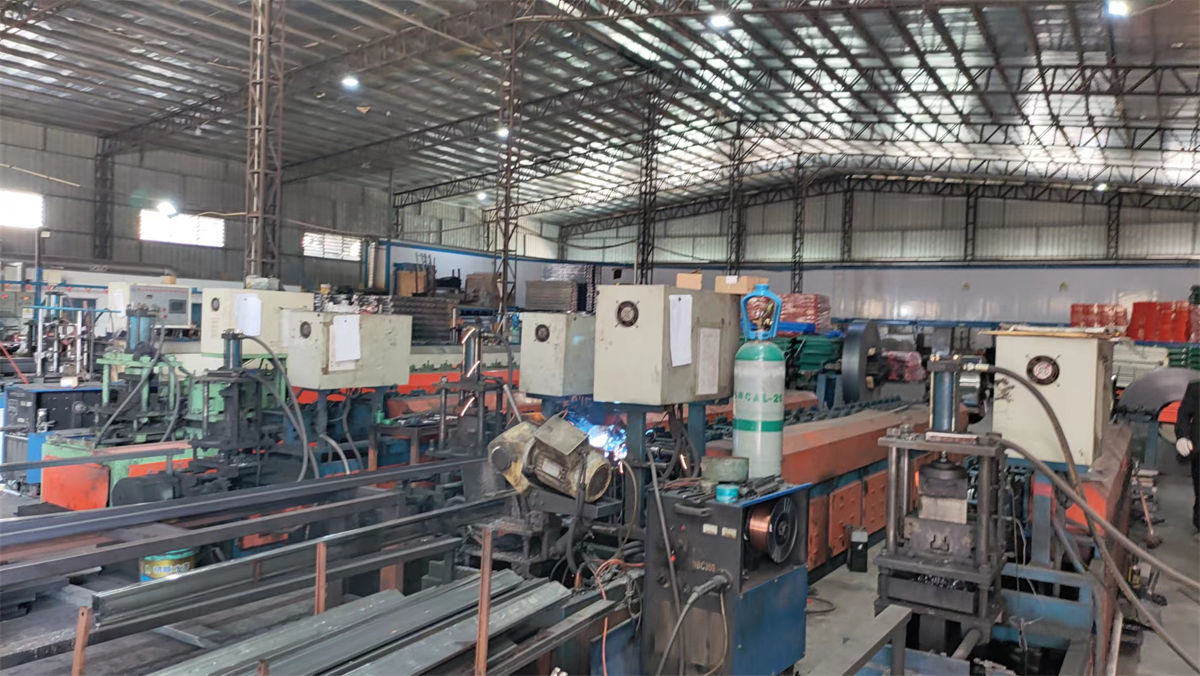
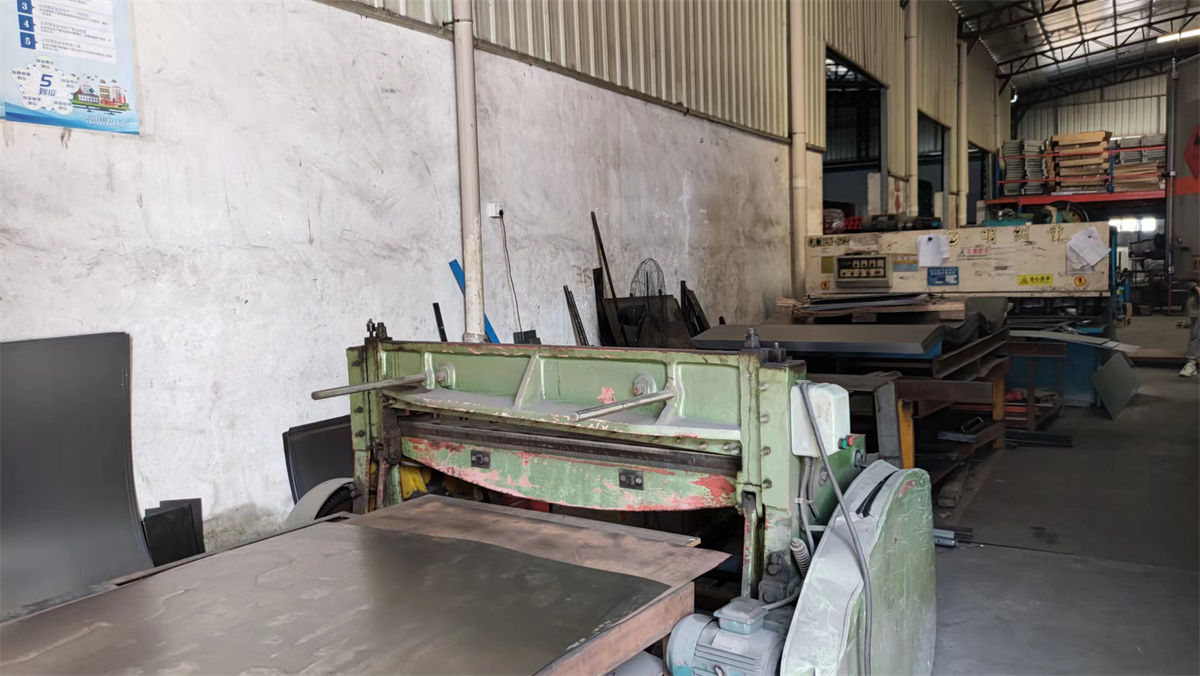
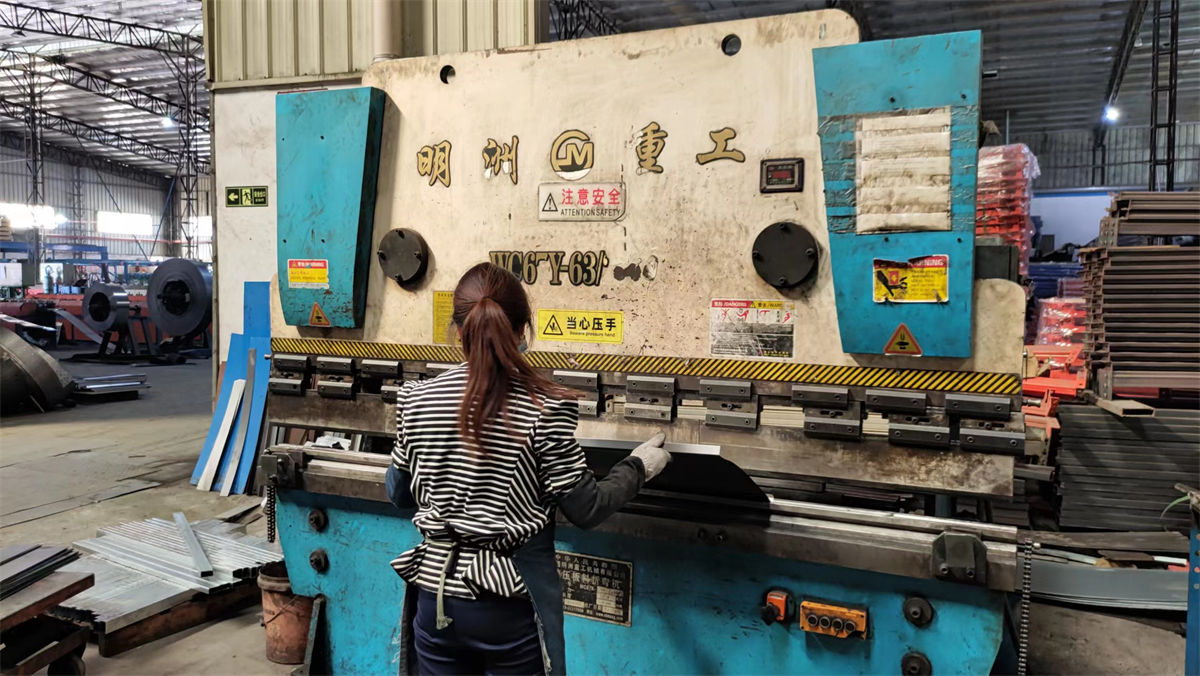
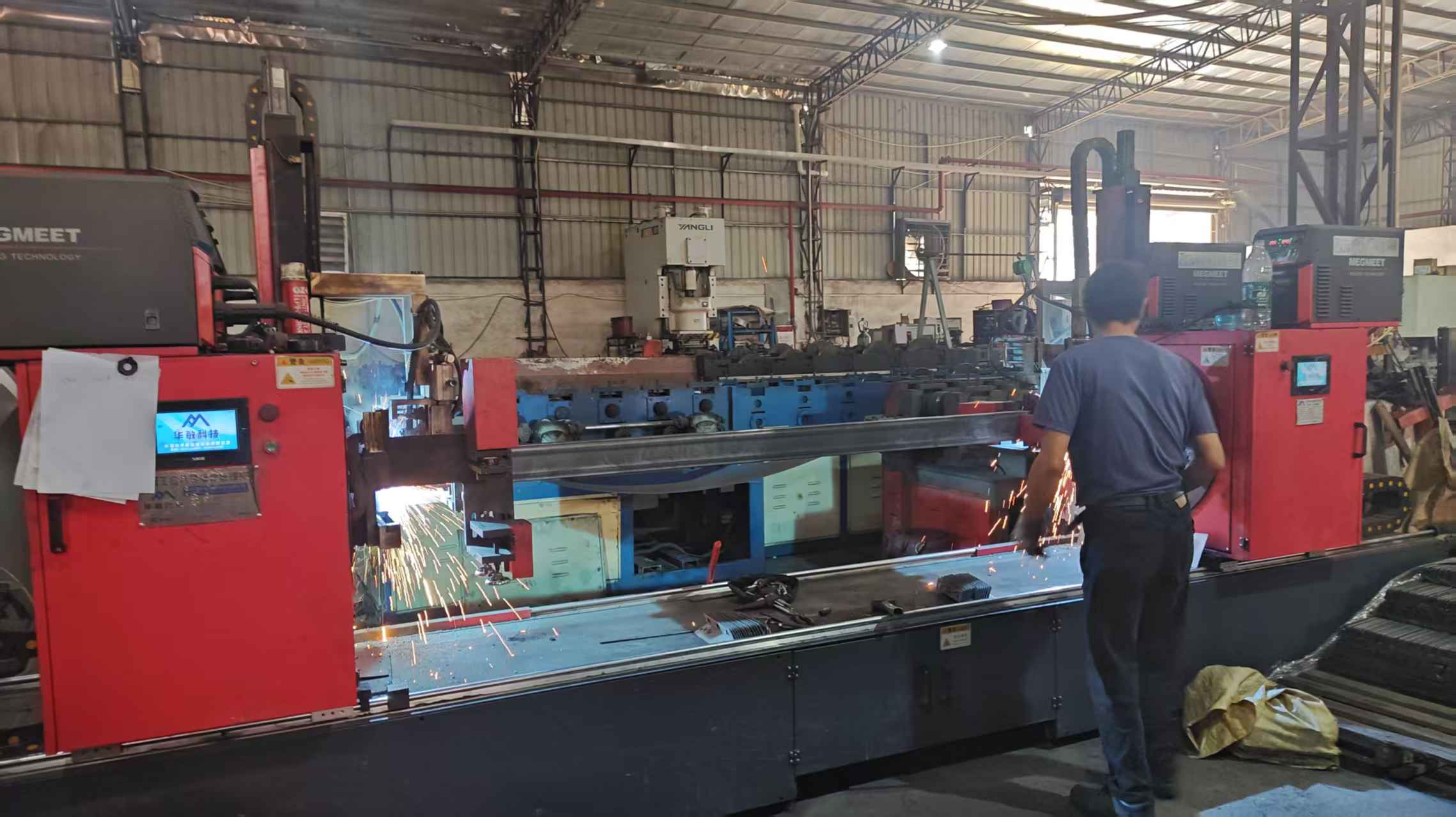
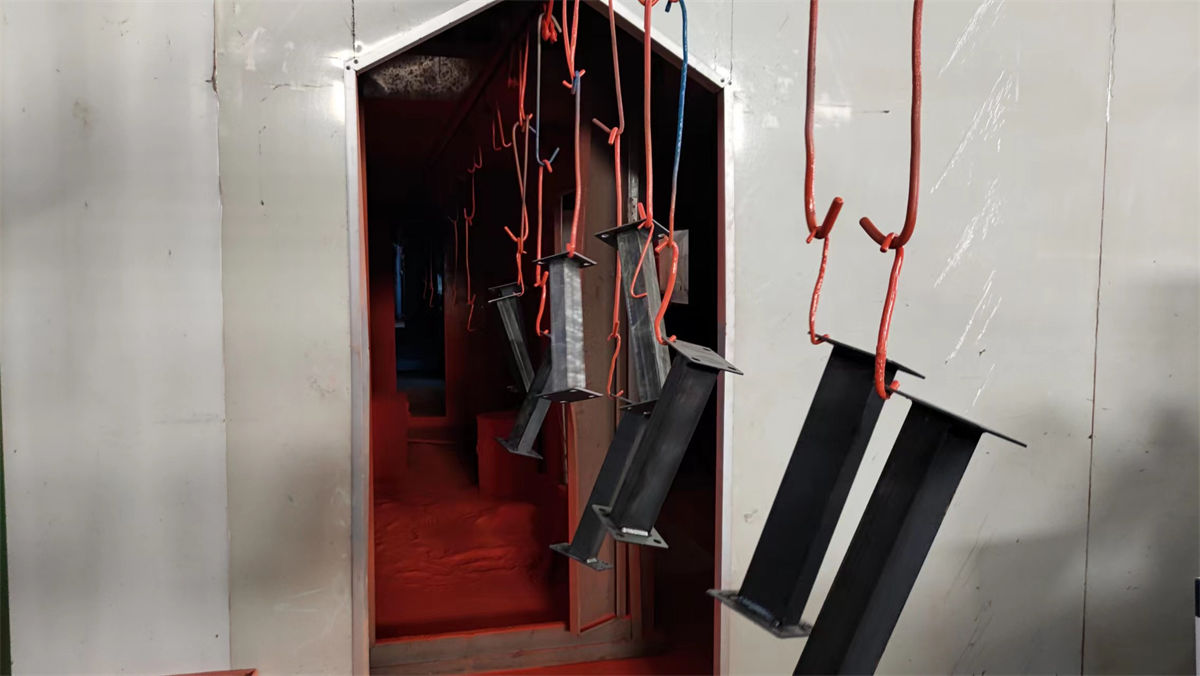
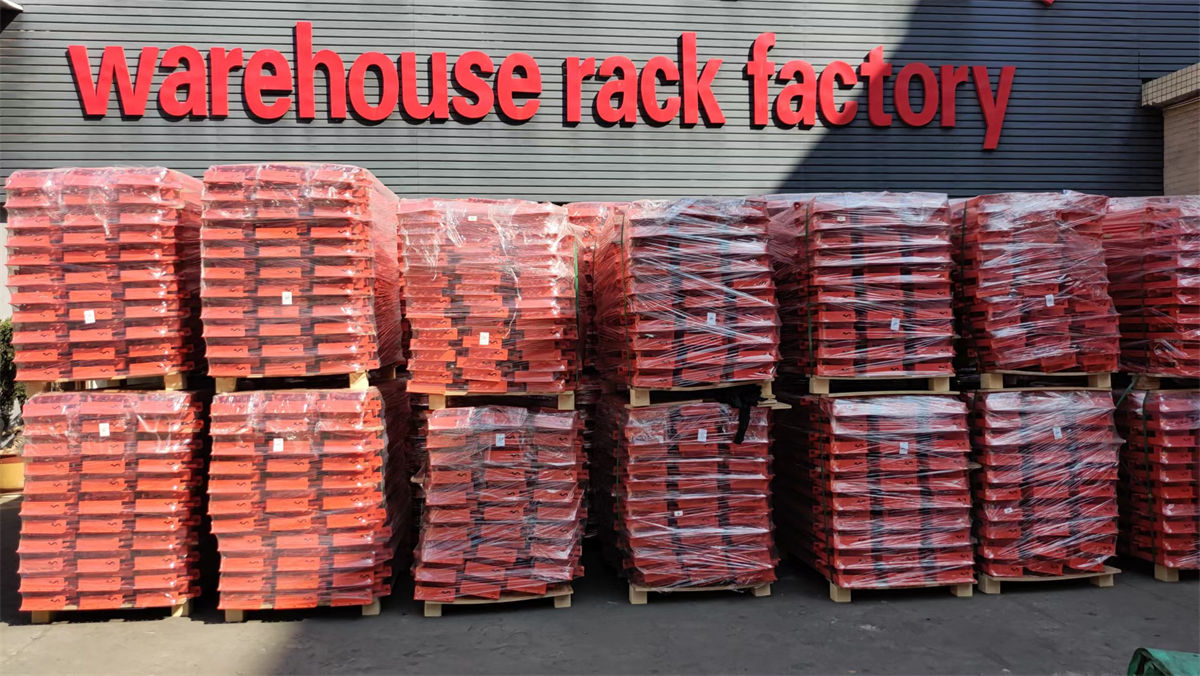
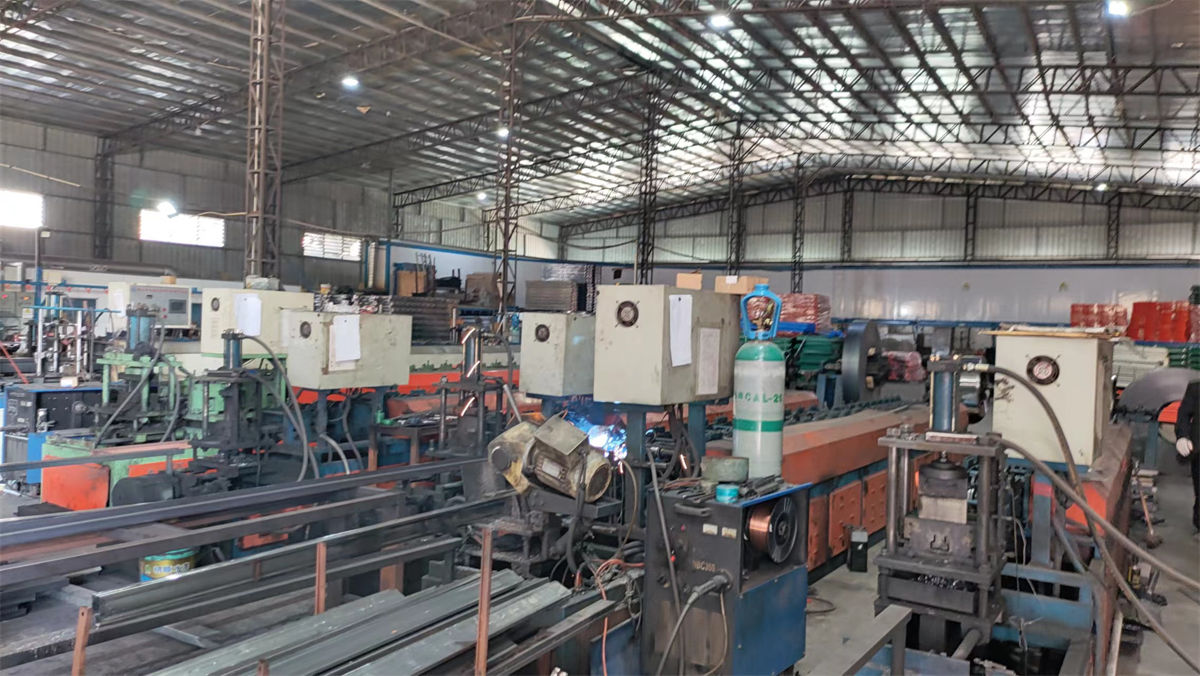
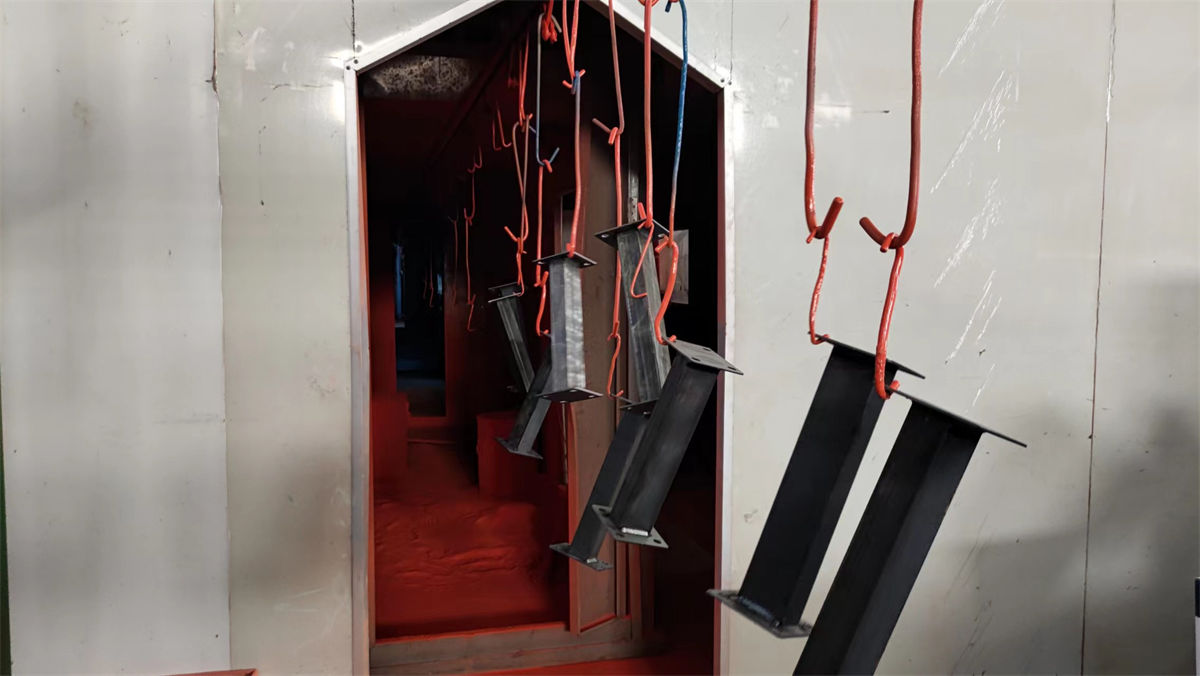
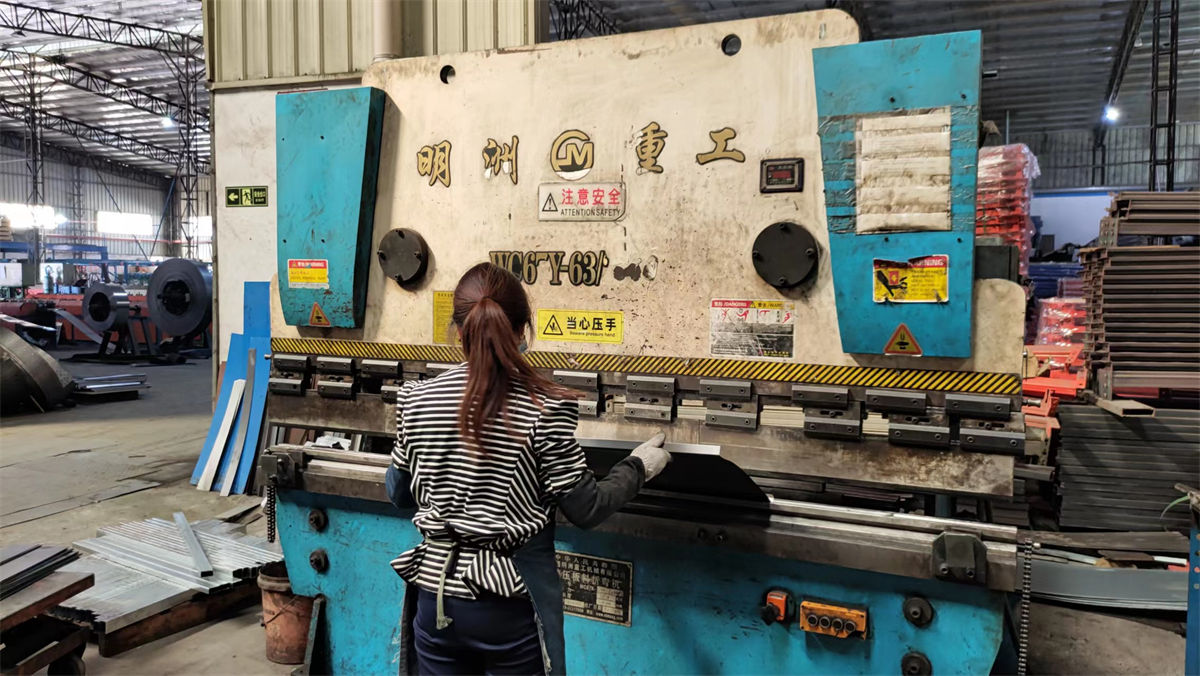
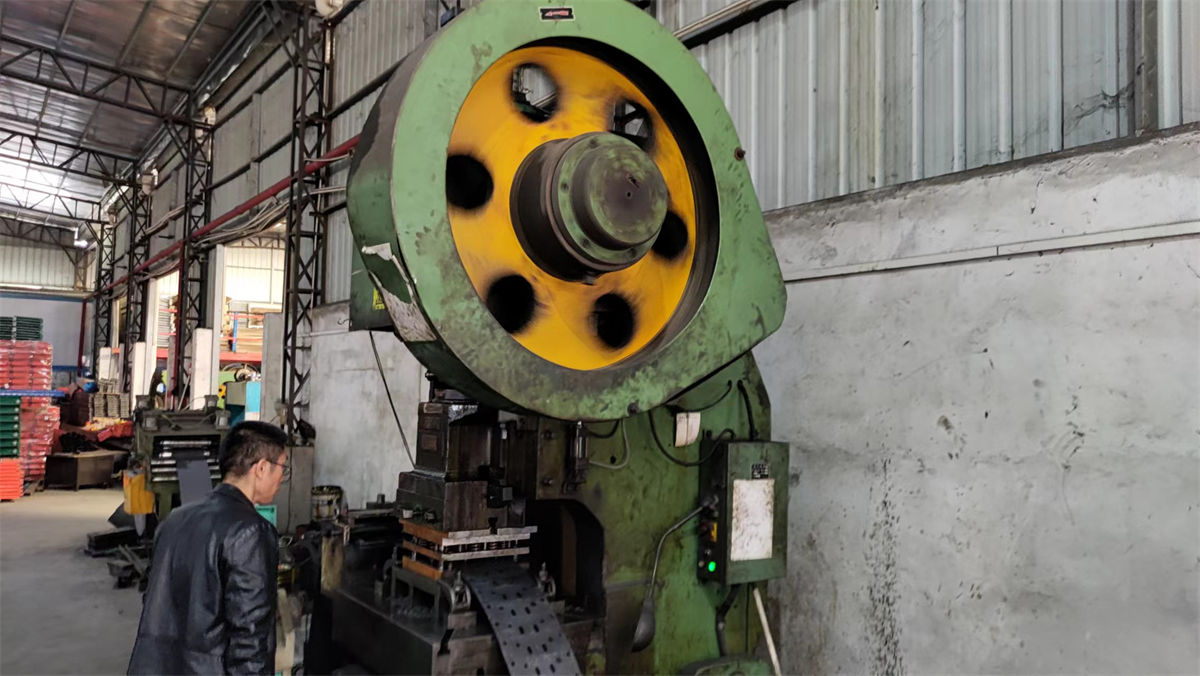
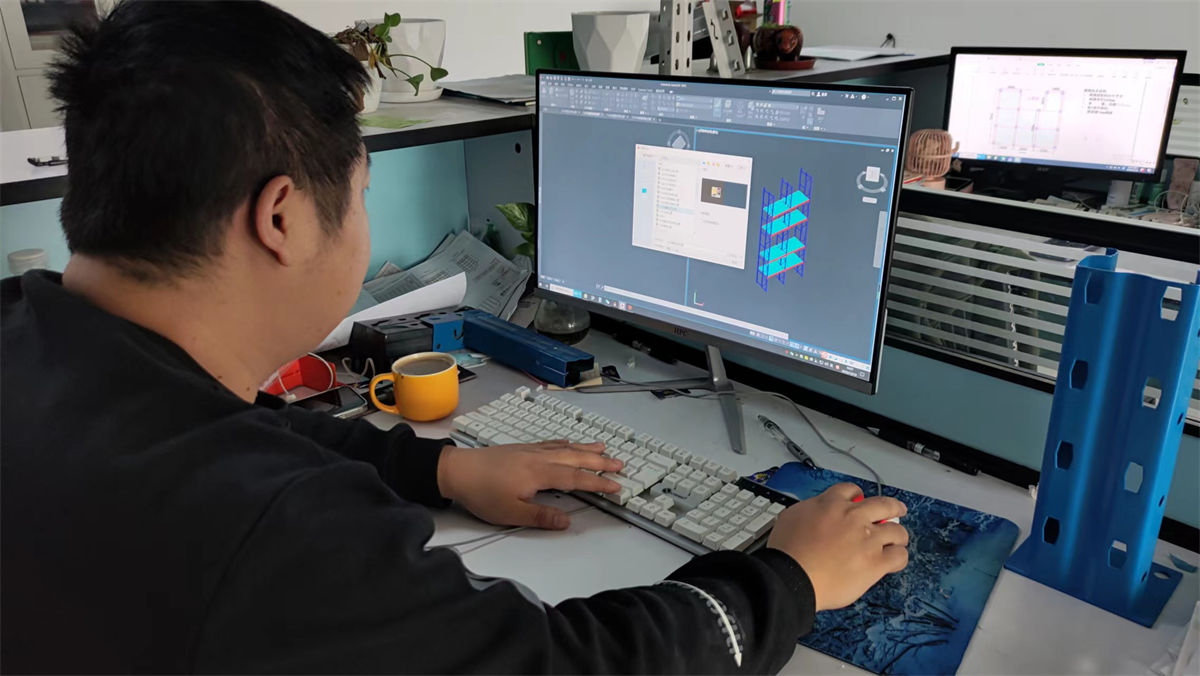
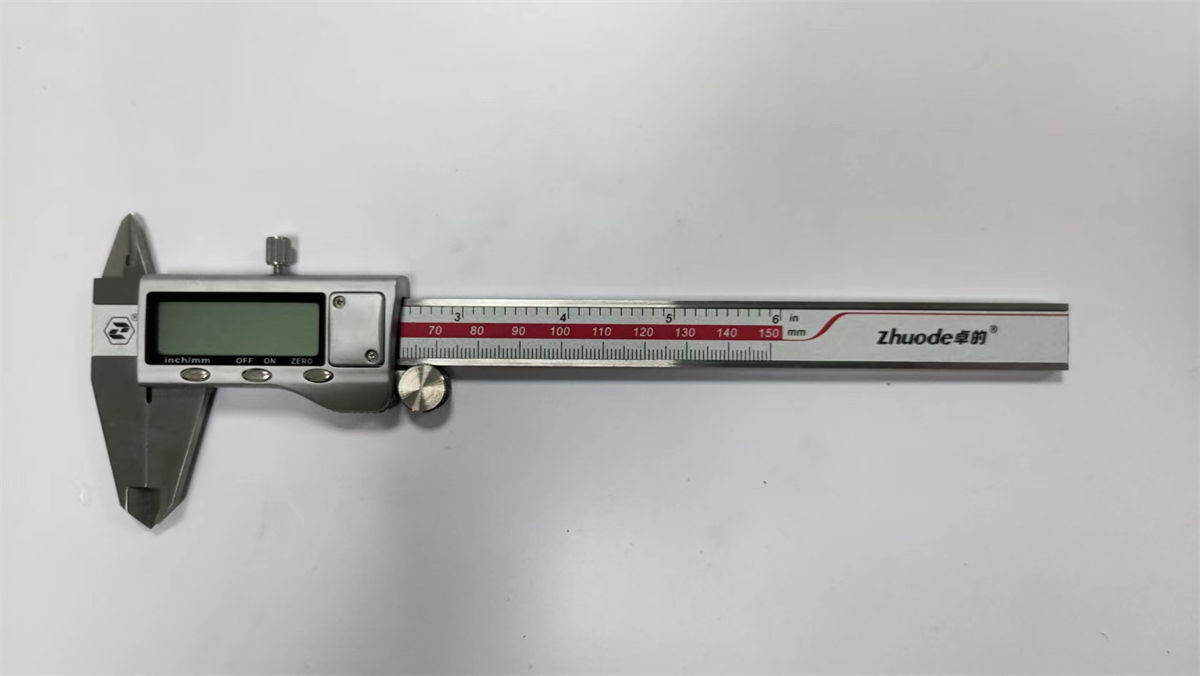
To consistently execute high-precision designs required by modern automation, Xinmiao utilizes advanced automated roll-forming and robotic welding lines. Below is the visual breakdown of their production capabilities and precision machinery.
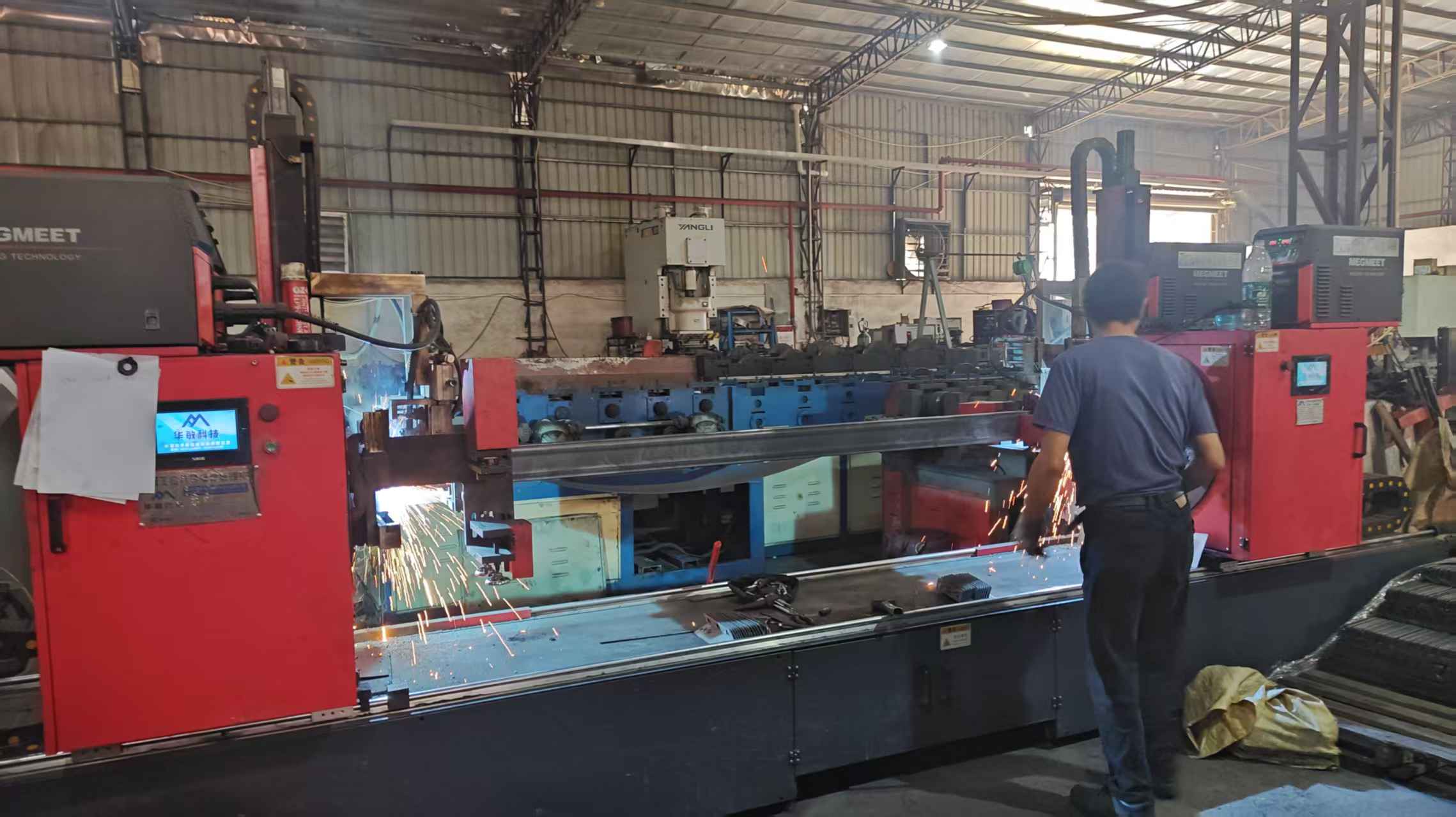
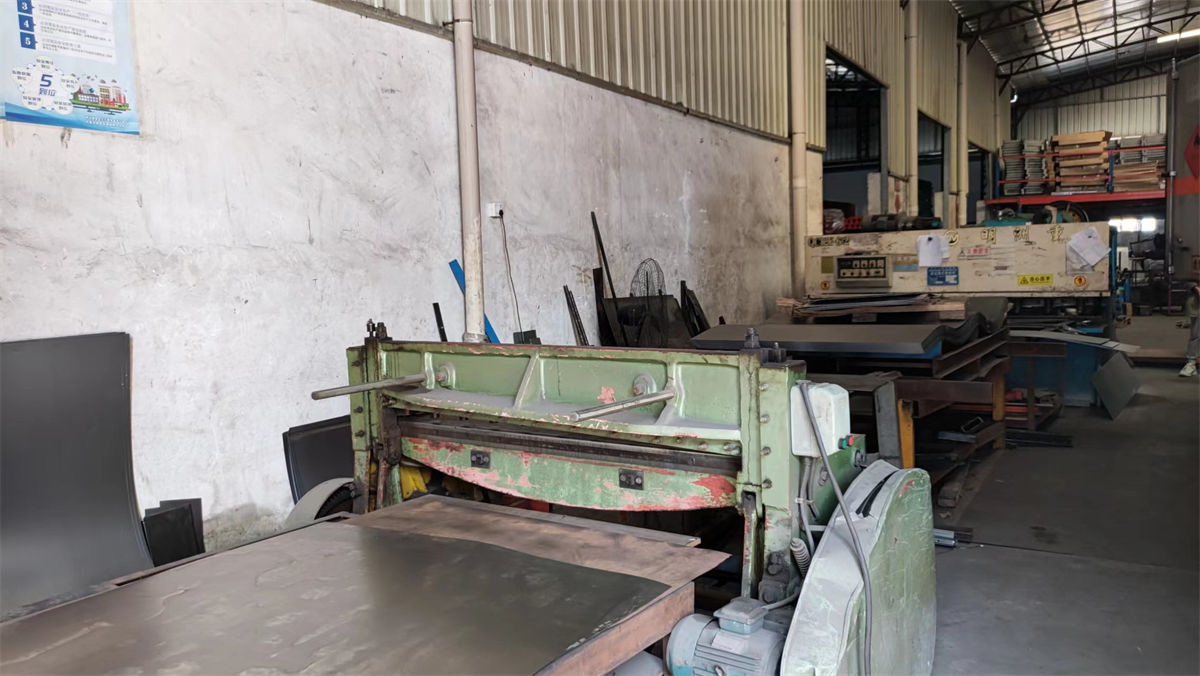
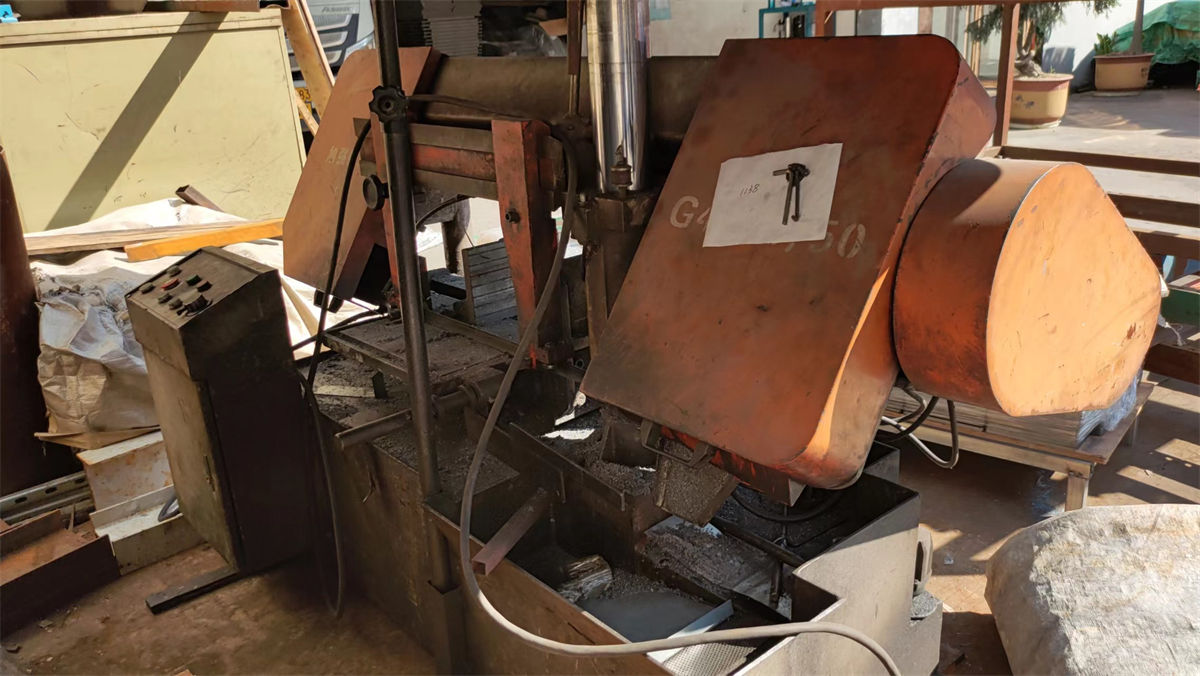
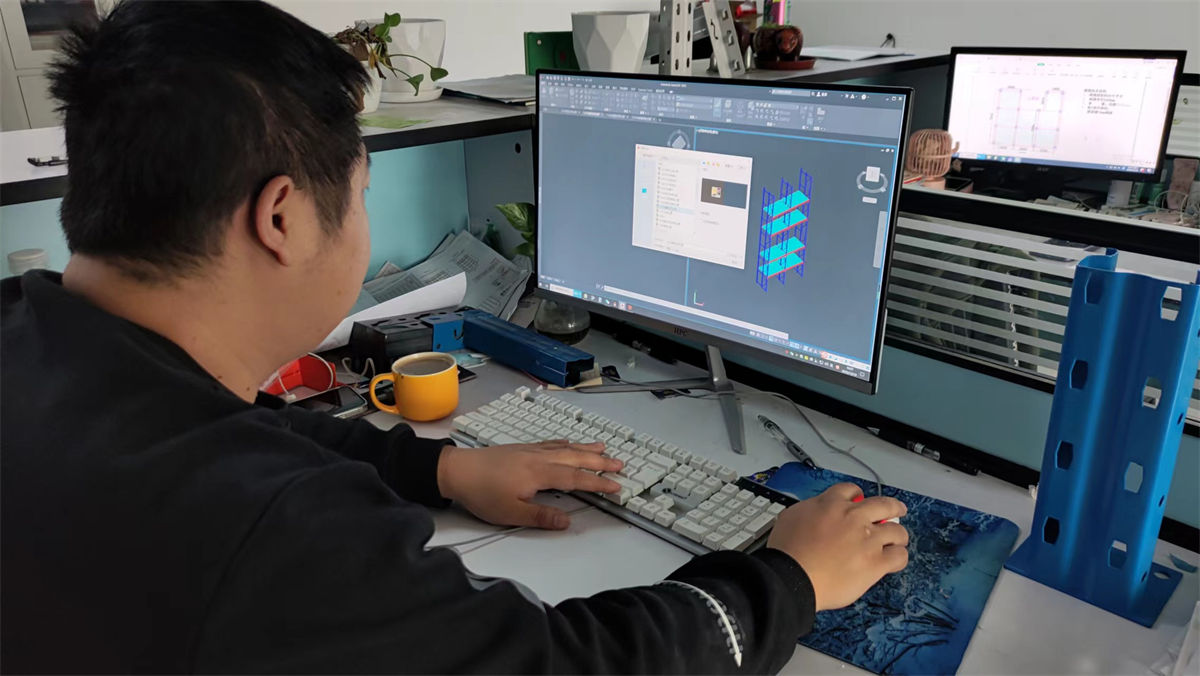
When procurement executives evaluate global automated shelving suppliers, total cost of ownership (TCO) and lead-time predictability are critical metrics. China—specifically the East China coastal belt centering on Ningbo and Shanghai—remains the global epicenter for industrial racking export operations. This concentration is underpinned by three structural supply chain advantages:
1. Unmatched Downstream Raw Material Integration: Factories like Ningbo Xinmiao draw directly from China’s leading steel mills (such as Baosteel and Ansteel). This direct integration guarantees reliable access to certified Q235B and Q355B structural steel profiles. Furthermore, the local ecosystem provides immediate access to zinc plating, specialized powder coating manufacturers, and high-tensile fastener suppliers, allowing factories to secure parts without relying on long-distance land freight.
2. Advanced Deep-Water Port Logistics: Having manufacturing plants located in Ningbo eliminates major domestic transit times. As the world’s busiest port by cargo tonnage, the Ningbo-Zhoushan Port complex offers daily direct shipping services to all major destination markets in North America, Europe, and Asia. This proximity cuts inland transportation costs by up to 60% and significantly reduces risk of cargo delays prior to container loading.
3. Massive Custom-Tailoring (OEM/ODM) Capacity: Traditional Western factories are optimized for standard catalogue runs, charging high premiums for dimensional modifications. Because Chinese automated shelving plants employ extensive, in-house R&D engineering teams (such as Xinmiao's 18-strong CAD division), custom adjustments—such as configuring seismic structural bracing or modifying racking configurations for unique shuttle designs—are executed rapidly, with prototype turnaround occurring in days rather than weeks.
The next decade of warehousing technology will see structural steel elements merge with digital control systems. Rather than serving as passive structural weight supports, the modern racking framework is turning into an active component of the warehouse computer network. Key trends driving the development of automated shelving include:
Smart warehousing hardware is not a one-size-fits-all product. Different industrial sectors require specific engineering profiles tailored to their operational environments:
1. Cold-Chain Logistics (Pharmaceuticals and Food Storage): Cold-chain storage must deal with high energy consumption, making space utilization a primary financial metric. Automated shuttle racking allows for ultra-high-density storage, reducing the footprint that needs cooling. To handle these environments, automated shelving factories utilize specialized low-temperature carbon steels (like Q355D) treated with customized powder coatings that prevent cracking in temperatures as low as -30°C.
2. E-commerce Fulfillment & Micro-Fulfillment Centers (MFCs): High SKU velocity requires systems that minimize travel time for order picking. Integrated multi-tier mezzanine configurations and high-density vertical carousels allow operators to pack thousands of picks into narrow, multi-level footprints. In these setups, precision tolerances prevent robot guide-rail bindings and minimize system downtime.
3. Heavy Industrial, Automotive & Mold Storage: Heavy manufacturing requires shelving that handles massive, concentrated weight profiles (e.g., metal stamping dies, machine components, engines). Implementing specialized heavy-duty racks rated for up to 3,000 kg per layer ensures safety and reliable support for heavy automated storage modules, while preserving structural integrity over years of continuous load cycles.
For global 3PL operators and enterprise buyers, compliance is non-negotiable. Racking systems must meet the legal engineering codes of their target installation jurisdictions. A world-class automated shelving factory must design and test its product lines to conform to these key regional standards:
Get professional insights from factory engineers regarding the specification, purchase, and deployment of automated racking systems.
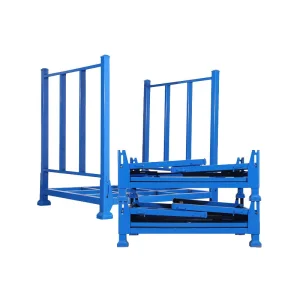
Review additional system options designed to improve density, ease shipping, and optimize material handling configurations.
 Xinmiao Racking