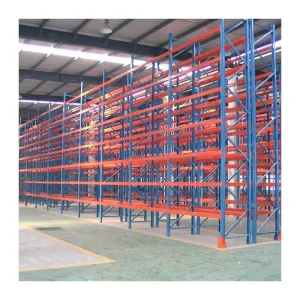
Explore our primary heavy-duty warehouse and industrial outdoor pallet racking solutions, built with superior structural integrity.


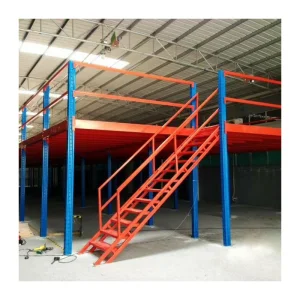
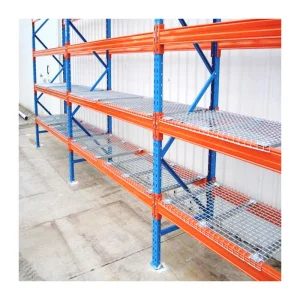
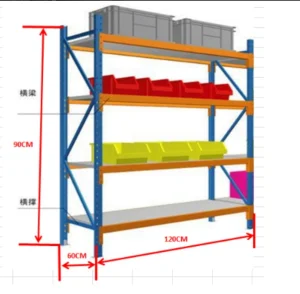
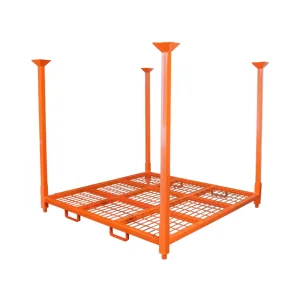
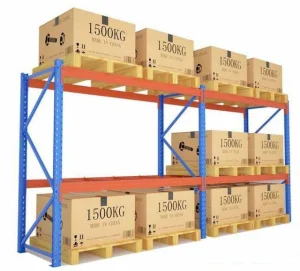
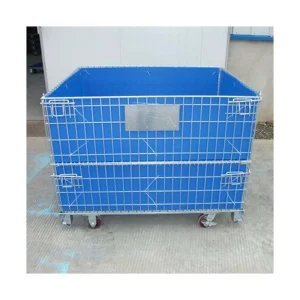
The global demand for high-capacity industrial shelving and racking has grown significantly, driven by the expansion of third-party logistics (3PL), e-commerce fulfillment hubs, and heavy manufacturing sectors. Among these storage solutions, outdoor structural shelving presents unique challenges that distinguish it from indoor setups. Standard indoor structures are primarily engineered to support static loads in temperature-controlled spaces. In contrast, outdoor shelving systems must withstand environmental factors such as wind shear forces, seismic activity, thermal expansion, and corrosive atmospheres.
According to international industrial construction standards (such as EN 15512 and the Rack Manufacturers Institute specifications), outdoor racking must be designed using structural steel profiles, typically Q235B or Q355B steel. It requires specialized anti-corrosion treatments, such as hot-dip galvanization (HDG) per ISO 1461, to ensure long-term durability. Industrial operators are shifting away from light-duty open configurations toward heavy-duty, customized rack structures. These systems serve as the structural backbone for outdoor yards, building material centers, chemical depots, and port side container storage facilities.
Ningbo Xinmiao Storage Equipment Co., Ltd. (est. 2015) has established a reputation for manufacturing storage equipment that meets these demanding global standards. By utilizing high-yield cold-rolled profiles, structural beams with safety factors up to 1.5, and advanced automation, we address the technical requirements of large-scale infrastructure investments worldwide.
The standard for outdoor corrosion prevention is moving toward hot-dip galvanization with a minimum thickness of 80 to 120 microns. This ensures structural safety in high-salinity and industrial environments (C3 to C5-M classifications) for up to 30 years.
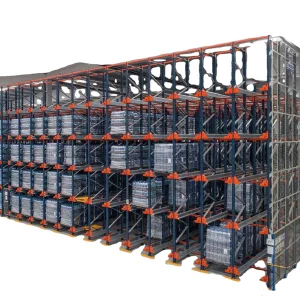
Modern outdoor logistics centers increasingly incorporate automated radio shuttle storage and retrieval systems (ASRS) within rack-supported structural buildings. This design optimizes land utilization and reduces operational cycle times.
Leading manufacturers now utilize Finite Element Analysis (FEA) to simulate dynamic stresses. These simulations evaluate wind resistance, seismic loading, and temperature fluctuations, ensuring structural reliability under extreme conditions.
| Feature Parameter | Standard Racking (Indoor) | Heavy-Duty Outdoor Racking (Industrial Class) | Engineering Compliance Standards |
|---|---|---|---|
| Base Steel Material | Q235B / Cold-rolled Steel | Q345B / Q355B High-Tensile Structural Alloy | ASTM A572, GB/T 1591, EN 10025 |
| Coating & Surface Treatment | Epoxy-Polyester Powder (40-60μm) | Hot-Dip Galvanized (80-120μm) or UV-Shield Acrylic | ISO 1461, ASTM A123 / A123M |
| Wind Load Resilience | Not applicable (Indoor environment) | Calculated up to Category 4 Hurricane (140-160 km/h) | ASCE 7-10, EN 1991-1-4 (Eurocode 1) |
| Seismic Coefficient (Sd) | Static design minimum | Zone 3 & Zone 4 high-elasticity calculations | RMI MH16.1, FEMA 460 Guidelines |
| Thermal Expansion Tolerances | Negligible (±5°C stability) | Slotted structural connection plates (-35°C to +60°C) | AISC Steel Construction Manual |
At Ningbo Xinmiao's 35,000-square-meter manufacturing facility, quality control is integrated into every step of production. Our process combines CNC plate cutting, automated profile rolling, precision punching, structural robot-welding, and high-efficiency powder coating. Below is an overview of our main production stages, raw material preparation, machinery fleet, and quality assurance processes.
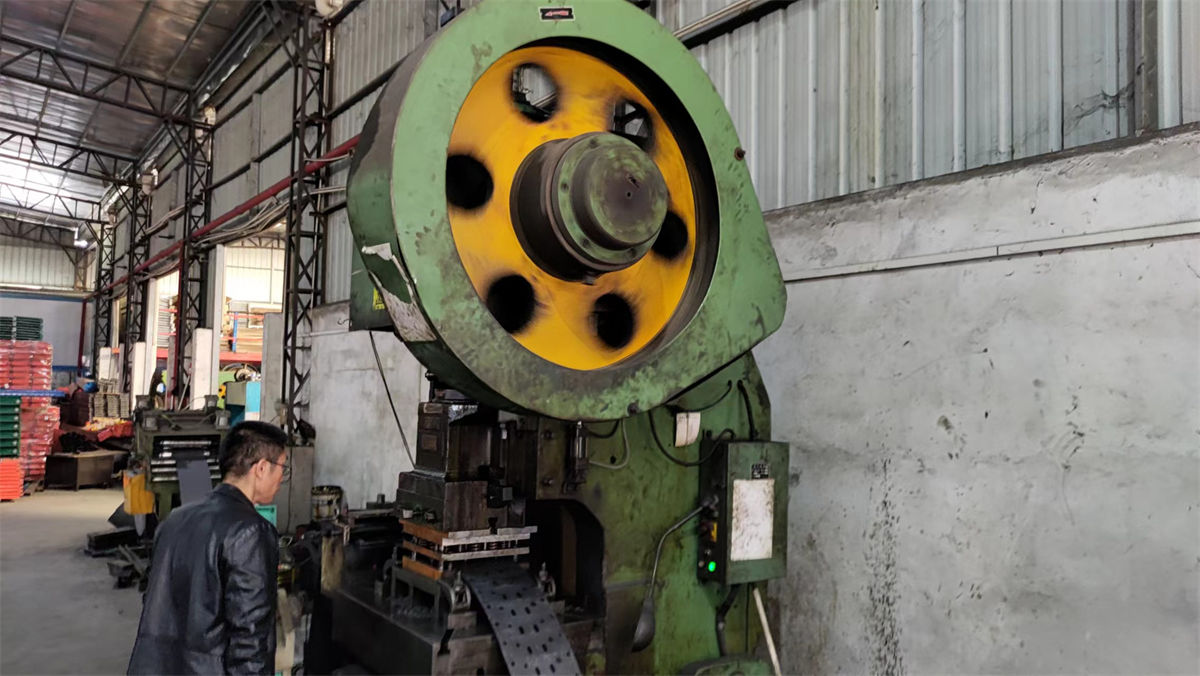
Punching
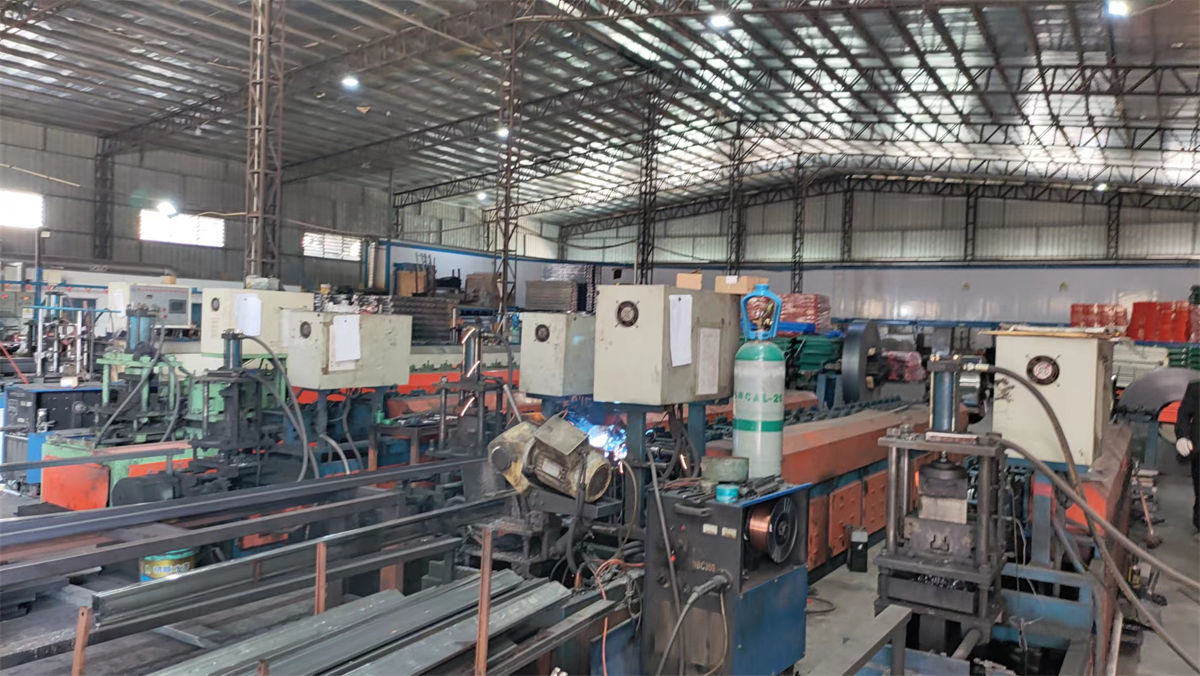
Rolling
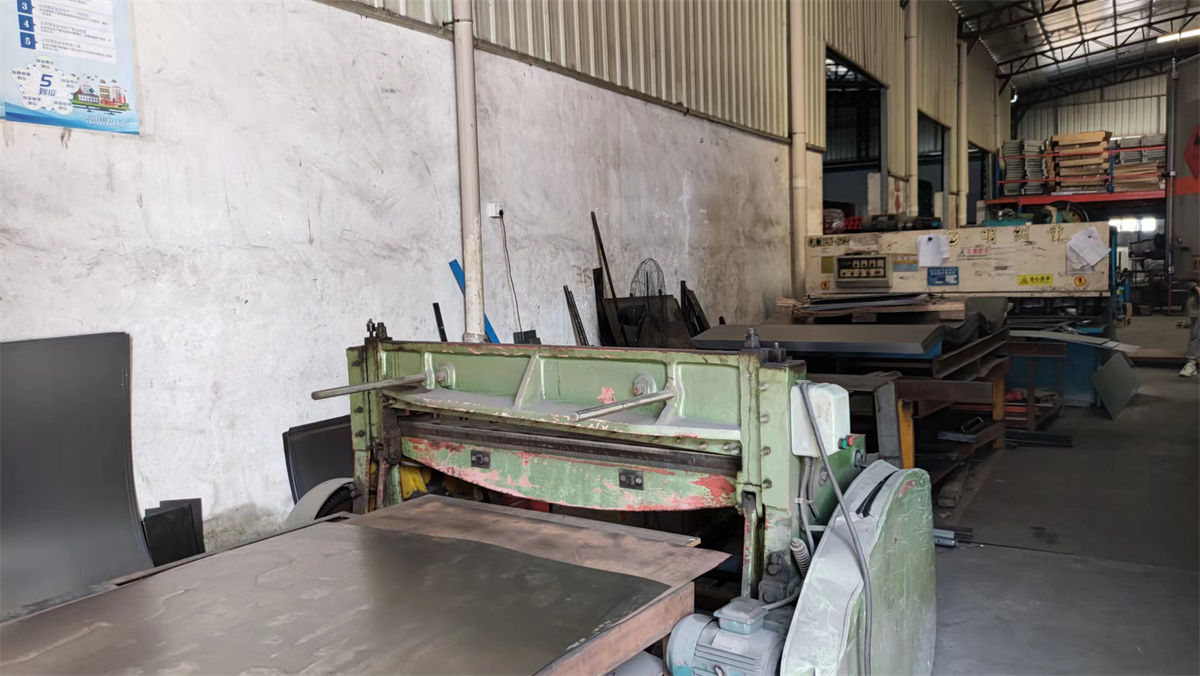
Plate Cutting
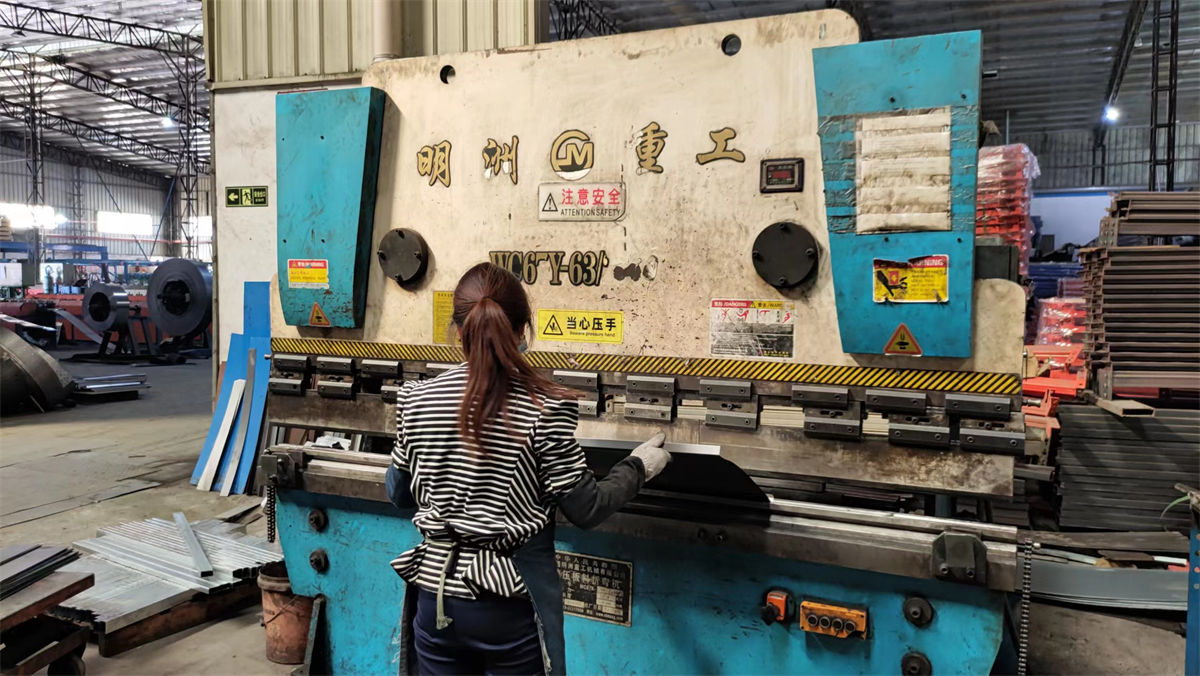
Bending
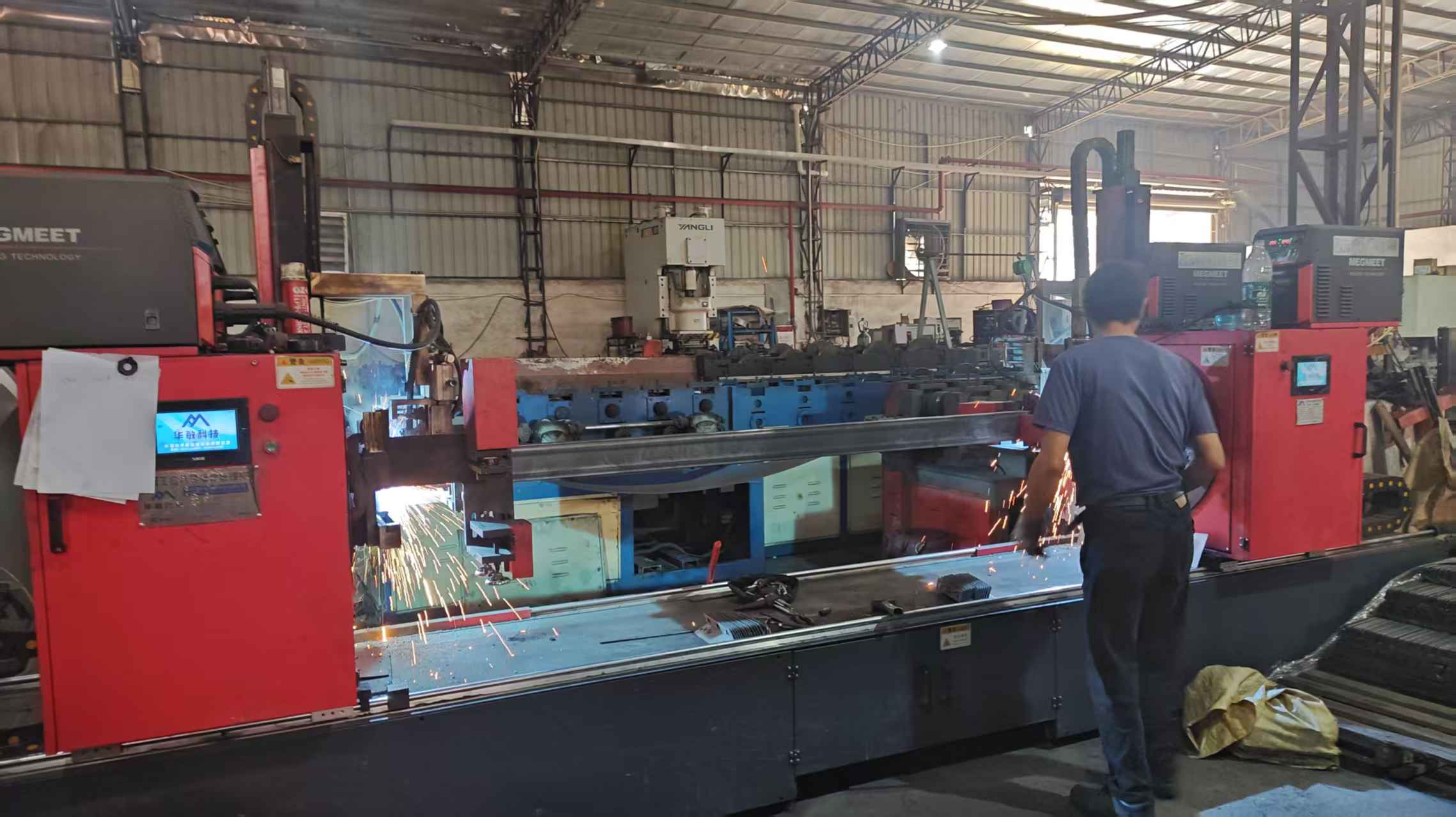
Welding
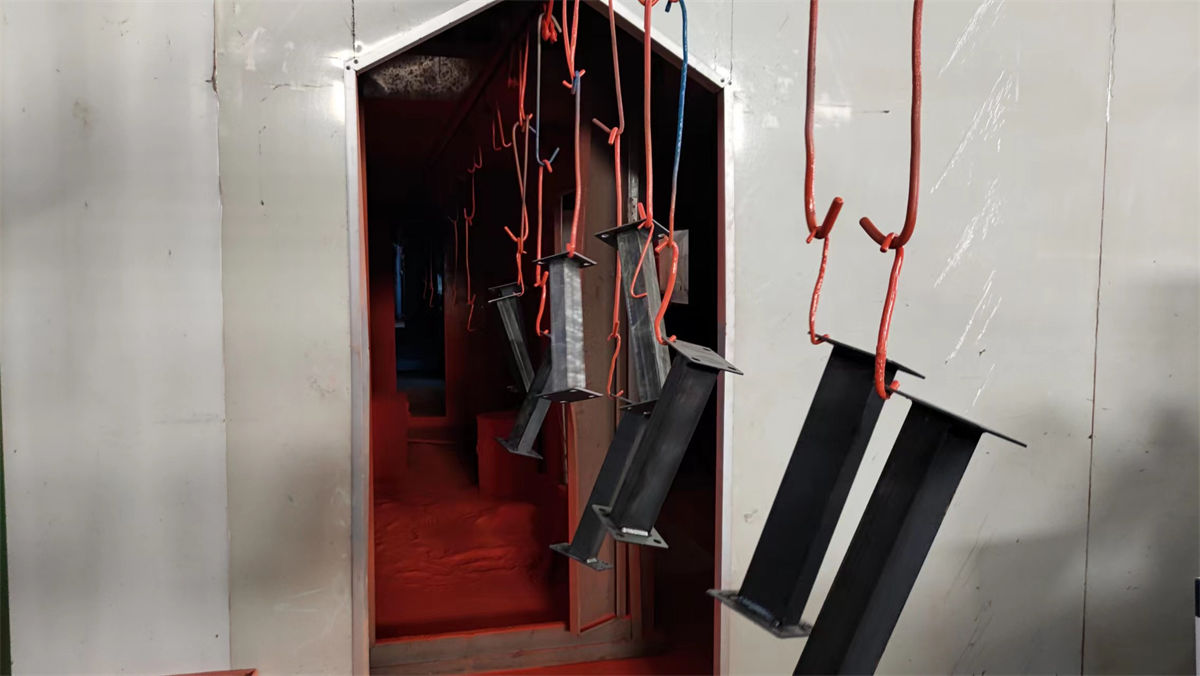
Coating
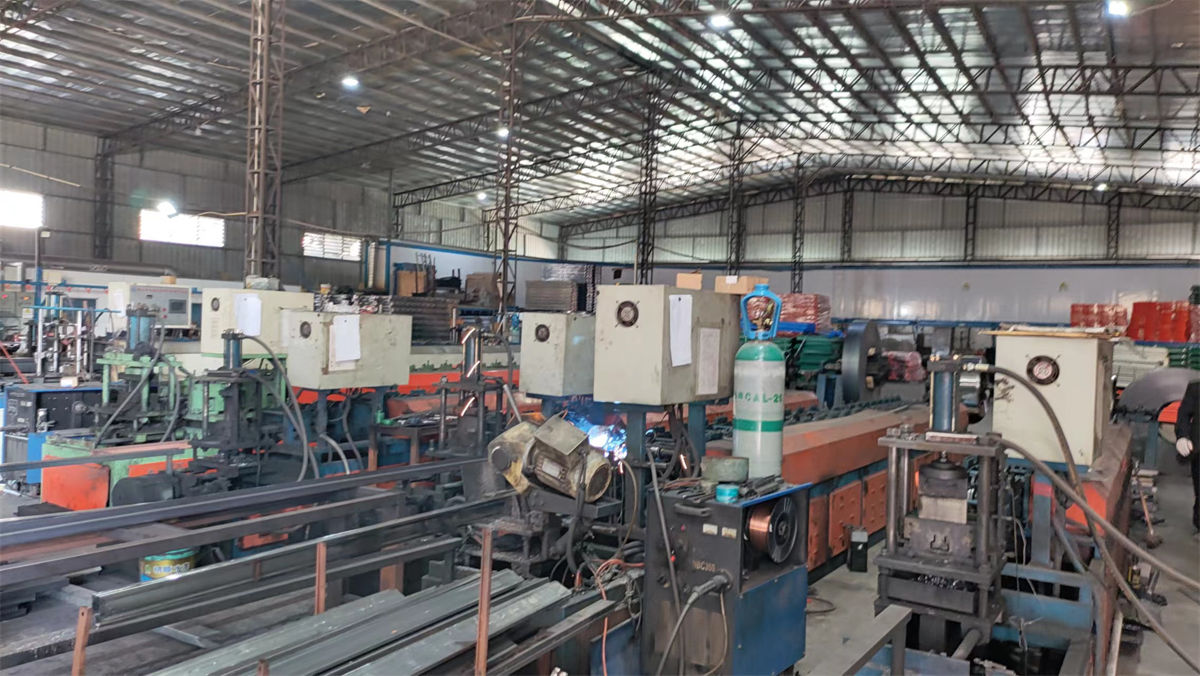
Rolling Machine
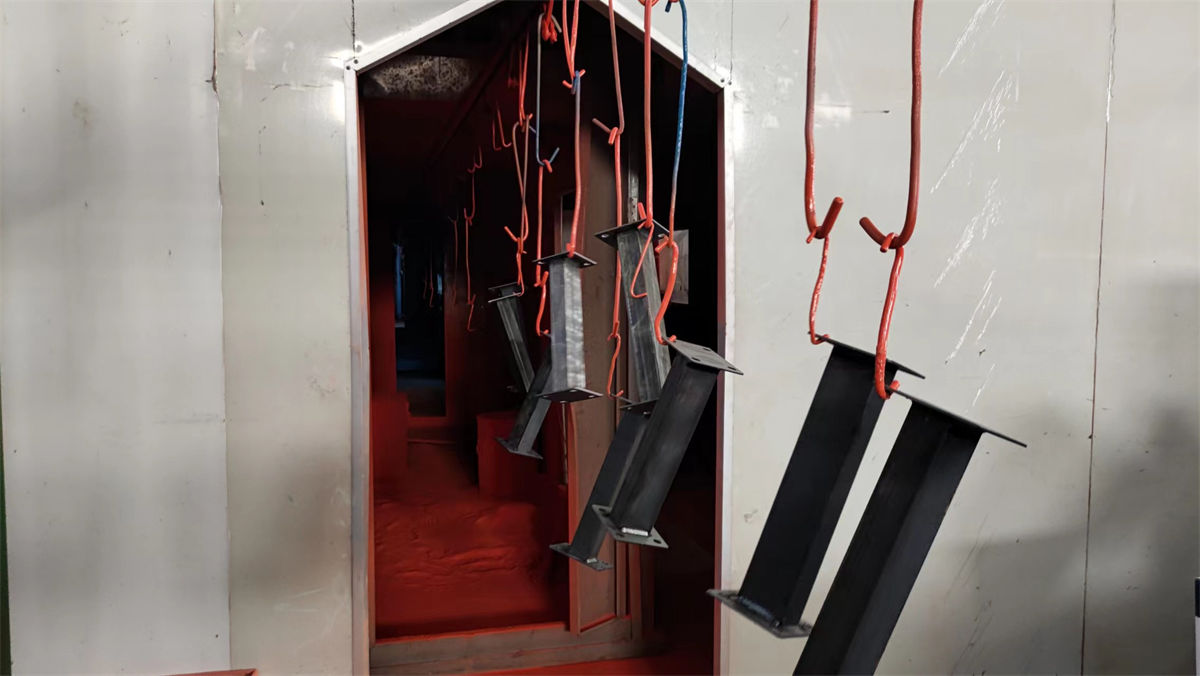
Coating Line
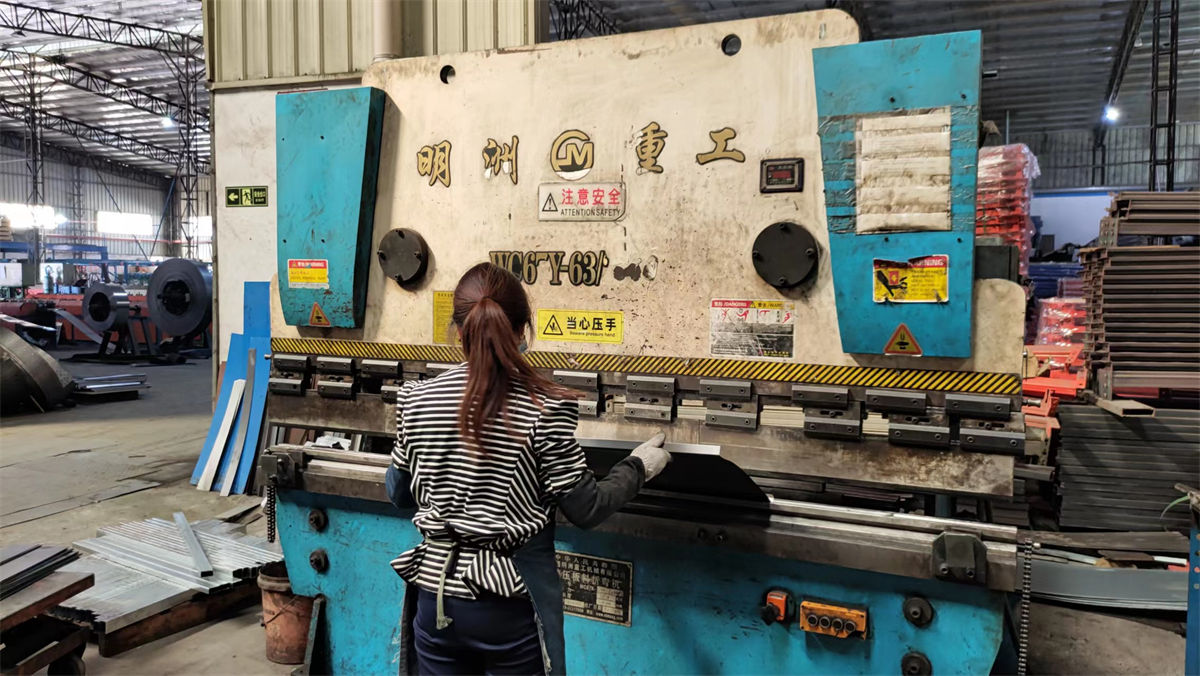
Bending Machine
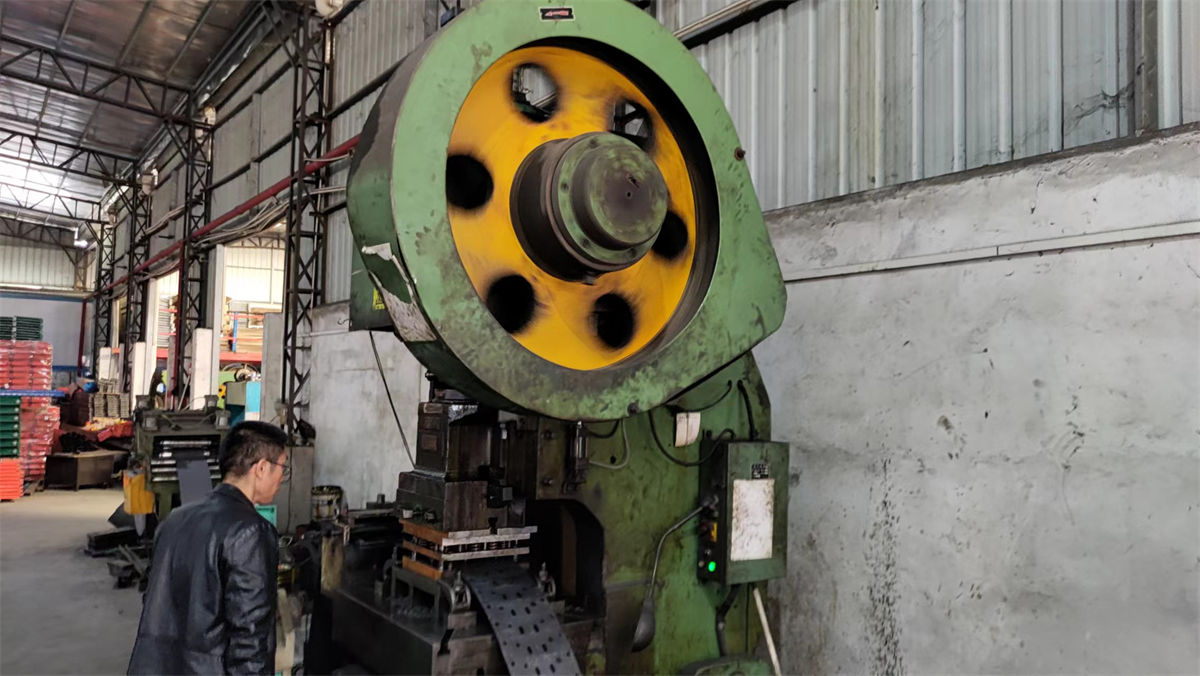
Punching Machine
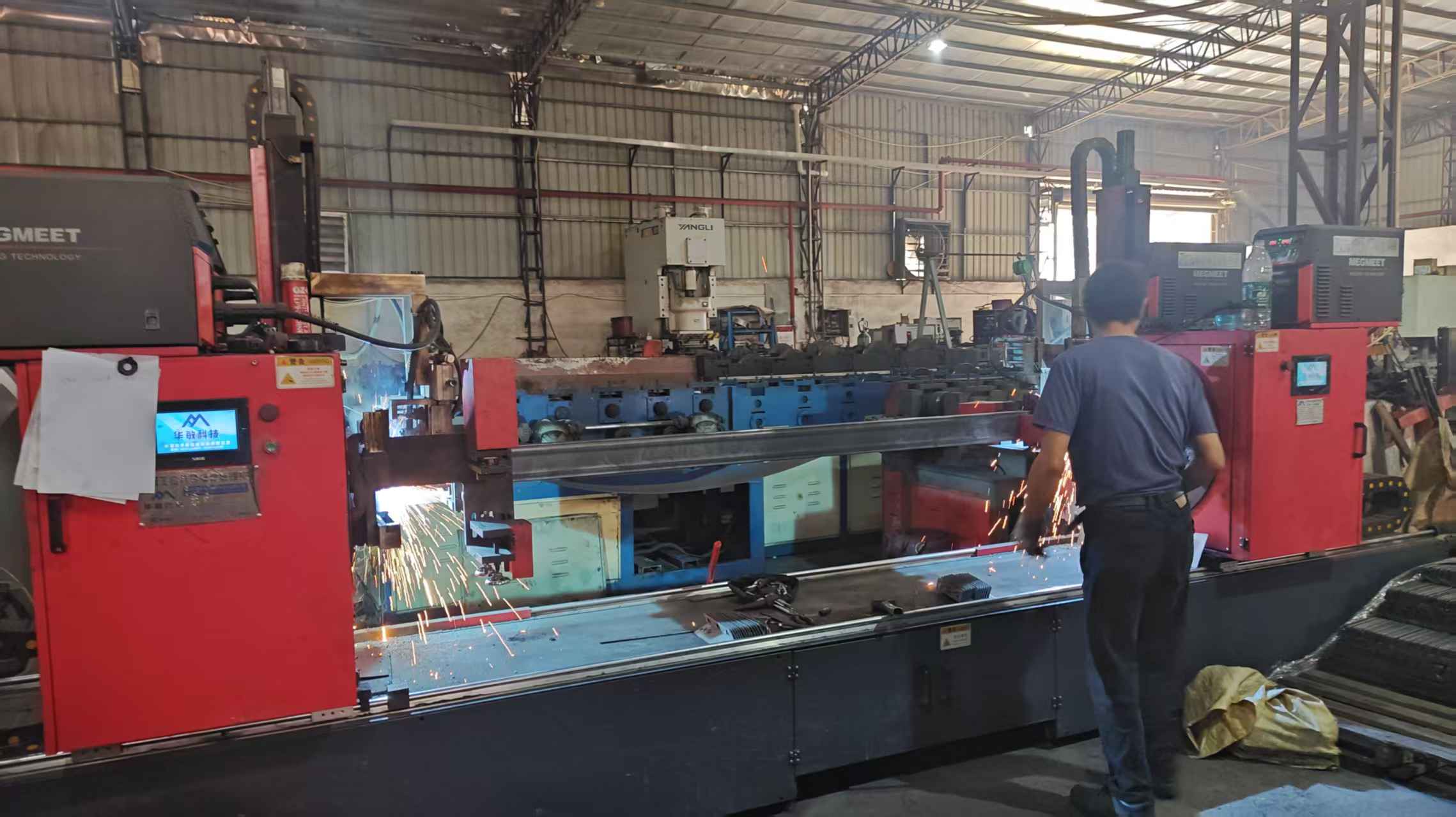
Welding Machine
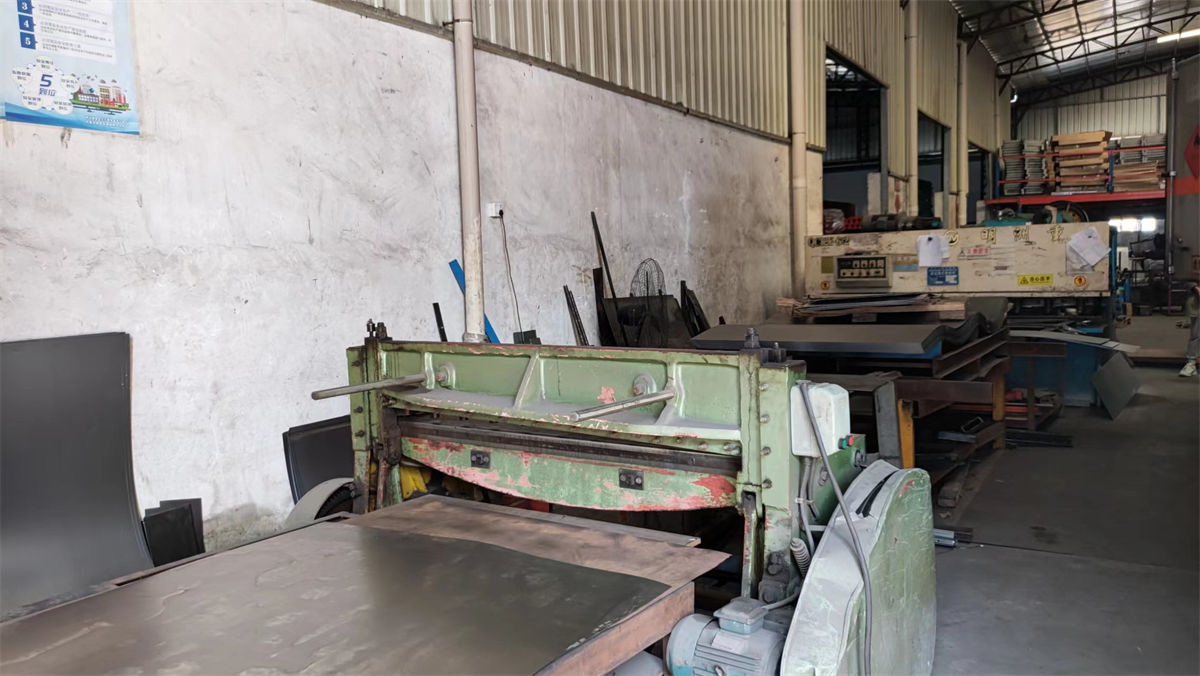
Plate Cutting Machine
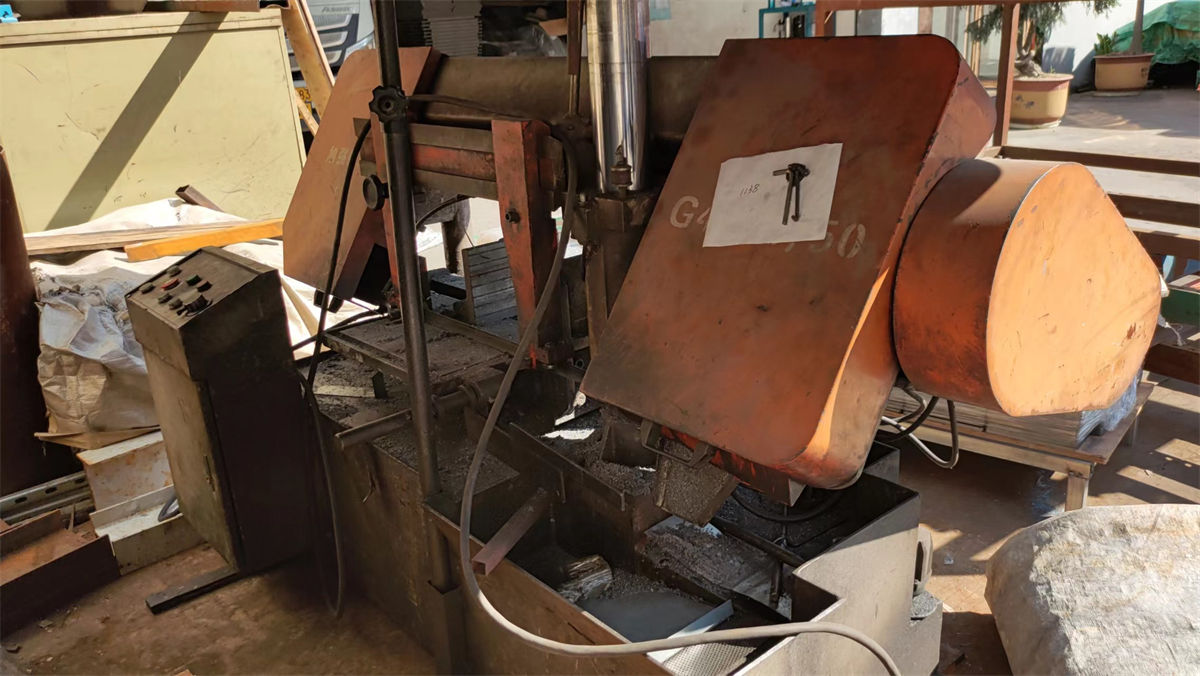
Sawing Machine
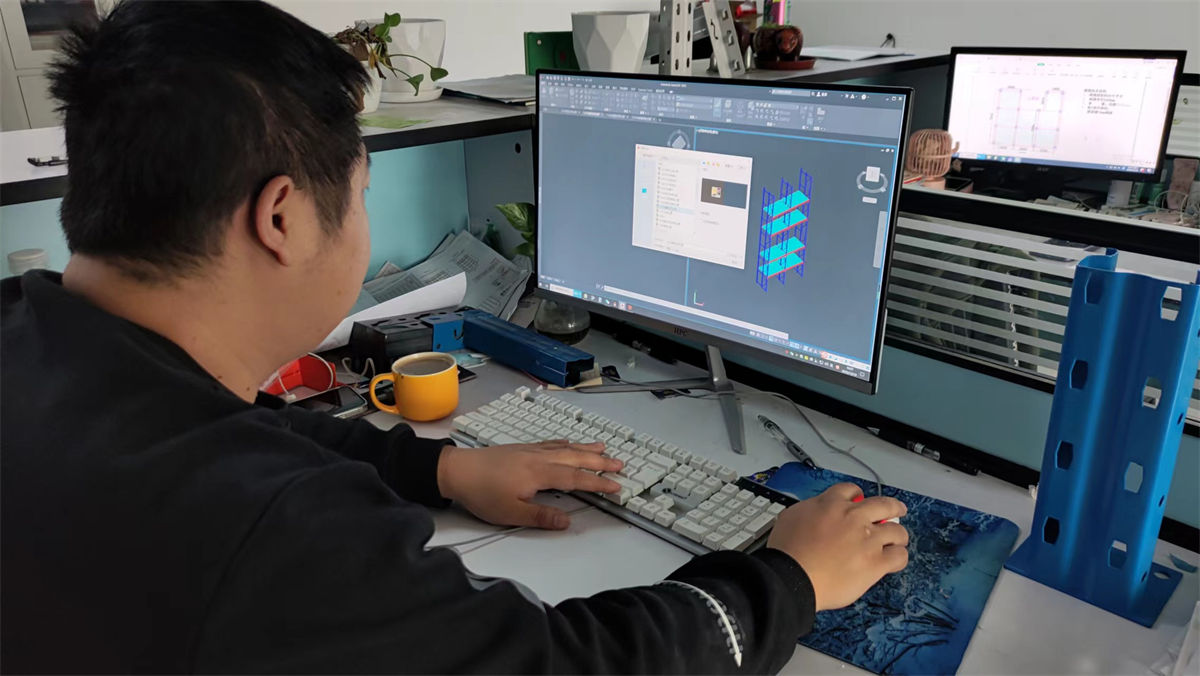
Design Process
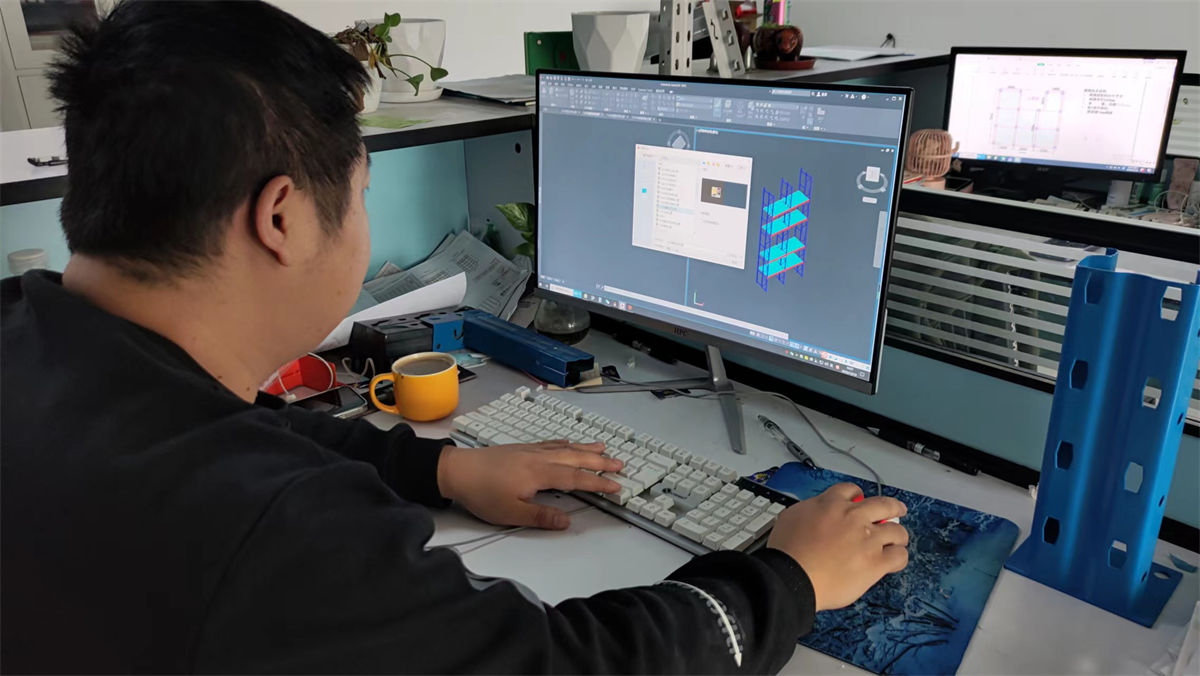
Computer Modeling
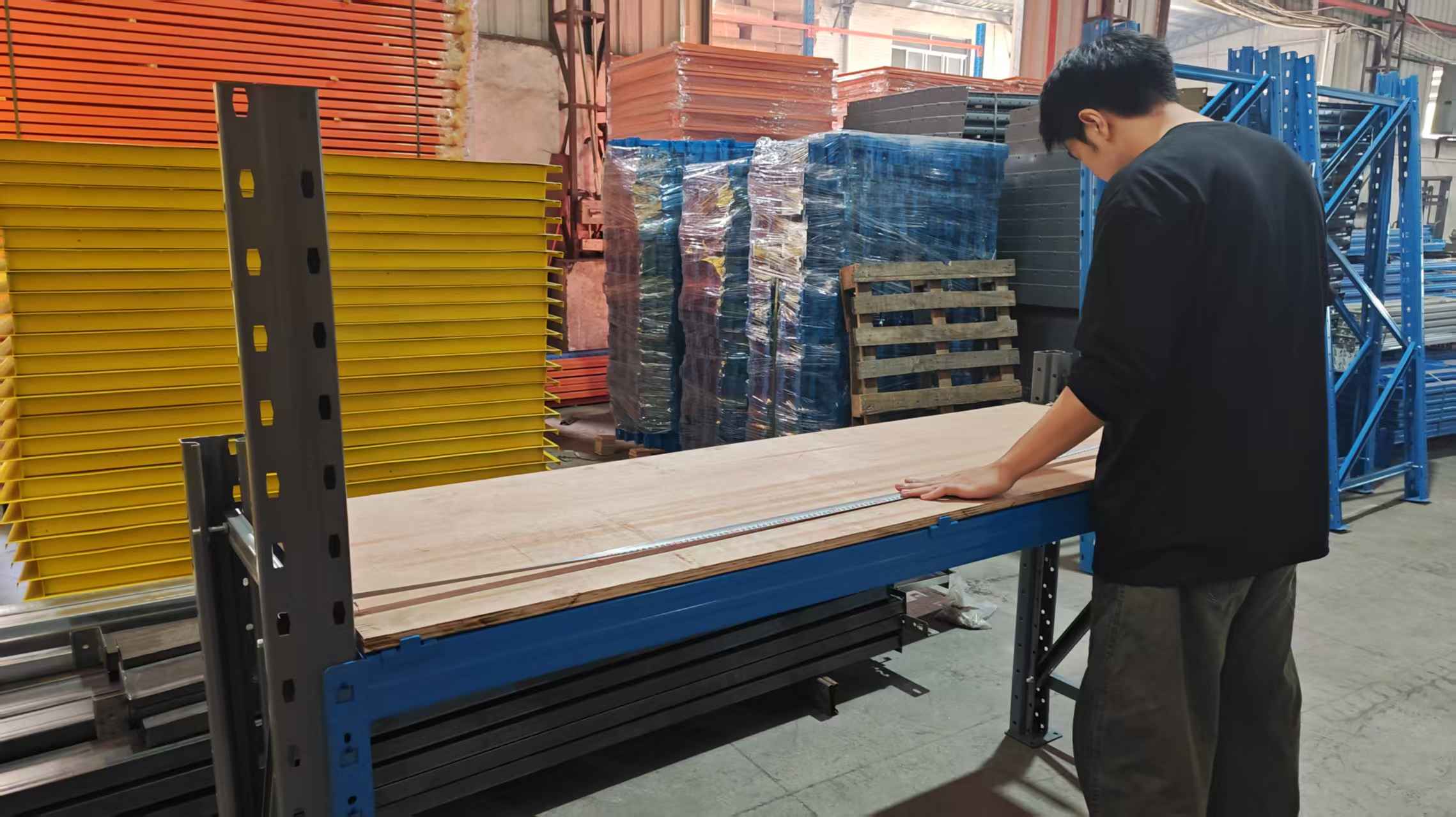
Inspection
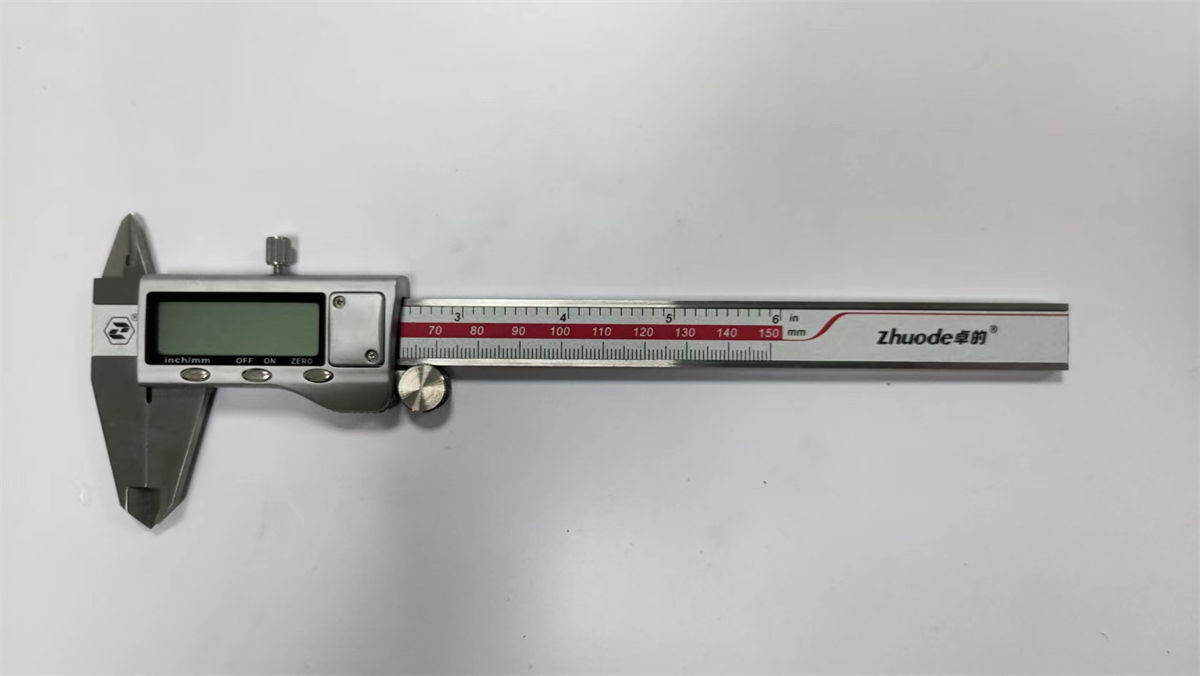
Calipers Testing
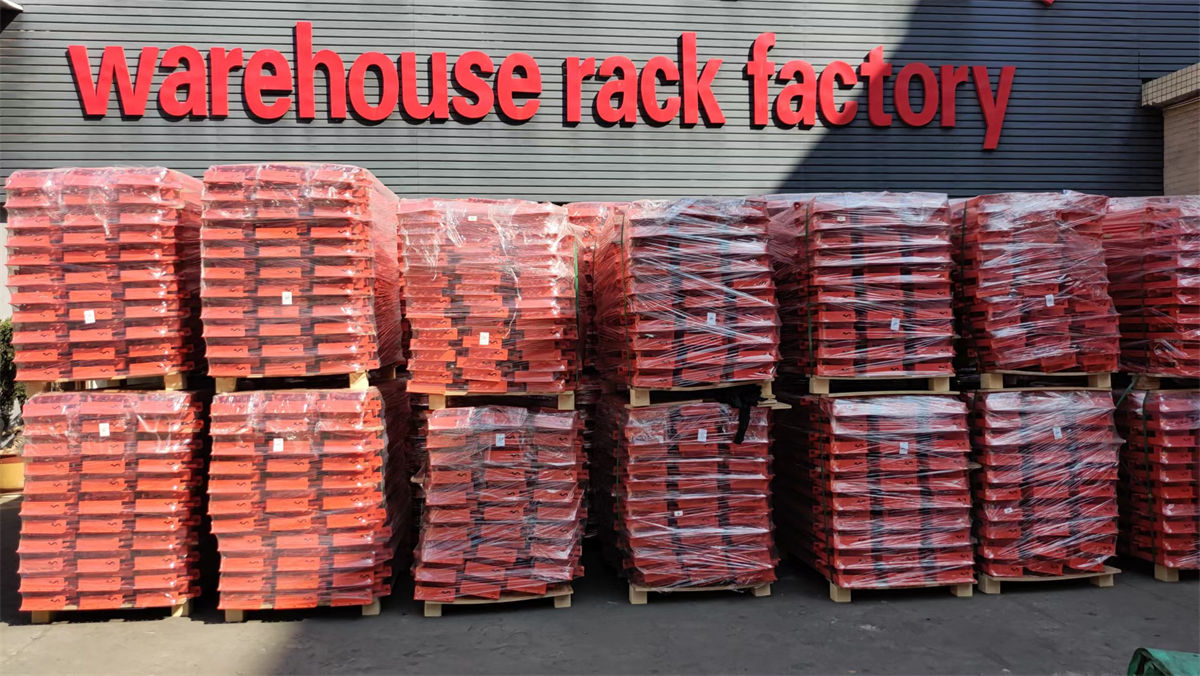
Packed Product
Industrial racking applications vary significantly based on localized environmental demands. Designing systems for coastal 3PL facilities requires different specifications than installations in cold-storage environments or high-density distribution centers.
Operating within 10 kilometers of coastal regions exposes racking to salt-spray oxidation. For these environments, we supply hot-dip galvanized racking systems (with a minimum zinc deposition of 610 g/m²). This coating prevents rust creep under structural beam joints and maintains load integrity.
For regions prone to seismic activity (such as Japan, Chile, and parts of the USA), we design racking with wider welded baseplates and heavy-duty anchor bolt layouts. Using dynamic frame modeling, we calculation-verify structural resilience against horizontal acceleration.
In areas where land cost is high, we implement high-density radio shuttle tracking. Utilizing automated shuttle units within customized structural steel channels, this configuration minimizes access aisles, increasing space utilization by up to 80% compared to standard layout plans.
Our customized consulting services analyze regional weather records and soil load capacities prior to manufacturing. This proactive planning step prevents structural failure risks and ensures the safety of personnel operating forklift trucks and reach stackers.
As industrial storage systems advance, the engineering focus is moving toward predictive safety and material sustainability. The next generation of outdoor industrial racking will incorporate structural health monitoring systems.
Ningbo Xinmiao is currently testing strain-gauge sensor integrations. These micro-sensors, embedded within structural load uprights, transmit real-time stress data to the warehouse management system (WMS). If a forklift collides with a rack or a load exceeds limit tolerances, the system triggers alerts before structural failure can occur.
Furthermore, our development efforts focus on low-carbon steel procurement. By partnering with leading energy-efficient steel mills, we aim to reduce the carbon footprint of our racking systems. This initiative helps our global 3PL partners meet their corporate sustainability and environmental targets.
We primarily use Q235B and Q355B structural carbon steel. Q355B steel, comparable to European S355 standard steel, provides a yield strength of 355 MPa. This material is chosen for structural uprights and loaded beams in high-density, multi-tier racking configurations where structural stability is critical.
Hot-dip galvanization (HDG) involves immersing the steel profile in molten zinc, creating a zinc-iron alloy layer (80-120μm thick) that offers sacrificial corrosion protection. This treatment is recommended for unsheltered, high-humidity, or coastal outdoor environments. For sheltered outdoor applications, high-durability electrostatic powder coating (epoxy-polyester, 60-80μm) provides sufficient protection at a lower cost.
Our racking systems are designed and tested to comply with major global standards, including the European EN 15512 specifications, Australian standard AS4084-2012, and the American Rack Manufacturers Institute (RMI) standards. We conduct regular non-destructive testing (NDT), ultrasonic weld inspections, and ultimate load-bearing stress evaluations to ensure safety compliance.
Yes, our team of 18 R&D engineers uses Finite Element Analysis (FEA) software to simulate seismic loads and wind-induced forces. We customize upright dimensions, frame bracing, and baseplate thickness to meet the seismic design coefficients of your specific location.
For standard customized configurations, our production lead time ranges from 20 to 30 days following engineering drawing approval. This timeline is supported by our 35,000-square-meter facility and a supply chain network of over 800 partners, which ensures steady access to raw materials.
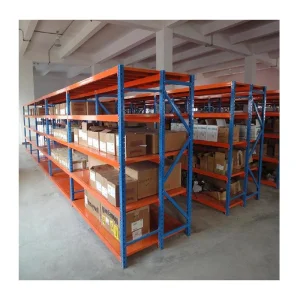
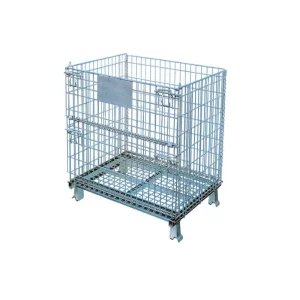
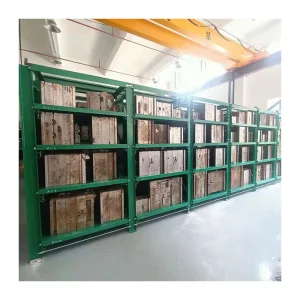
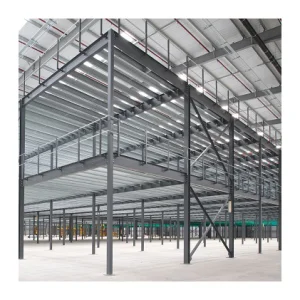
View our range of industrial storage equipment, heavy-duty mold racks, safety systems, and structural mezzanines.


 Xinmiao Racking