As the international logistics industry faces intensifying regulatory and ethical demands to reduce carbon footprints, sustainable warehousing has transitioned from a niche target to a primary requirement. Structural warehouse pallet racks, historically evaluated solely on load capacities and cost, are now scrutinized through their lifecycle environmental impact. Green logistics planning integrates lifecycle assessment (LCA) methodologies, targeting raw material sourcing, production energy efficiency, VOC emissions in coating lines, and ultimate product end-of-life recyclability.
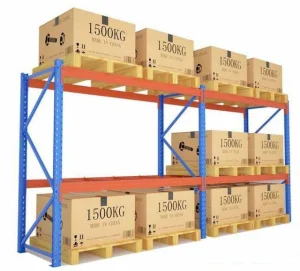
Eco-friendly racking refers to storage structures built with minimized carbon footprints, prioritizing certified high-strength steel that utilizes recycled content, zero-emission powder coatings, and designs that require less steel volume without sacrificing load limits. By implementing optimized geometrical designs, engineered structures achieve identical stability levels while reducing material consumption by up to 15%.
In highly regulated logistics hubs—particularly across Western Europe and North America—compliance with Environmental, Social, and Governance (ESG) initiatives, such as the EU Corporate Sustainability Reporting Directive (CSRD), demands transparent material supply chains. Organizations choosing certified eco-friendly manufacturing partners secure a critical differentiator, ensuring their capital installations align with Scope 3 carbon reduction mandates.
Ningbo Xinmiao Storage Equipment Co., Ltd. (established in 2015) operates at the forefront of structural rack manufacturing. By engineering optimized steel structures, we supply high-capacity, safe, and sustainable storage systems to distribution centers, cold storage hubs, 3PL partners, and heavy industrial facilities globally.
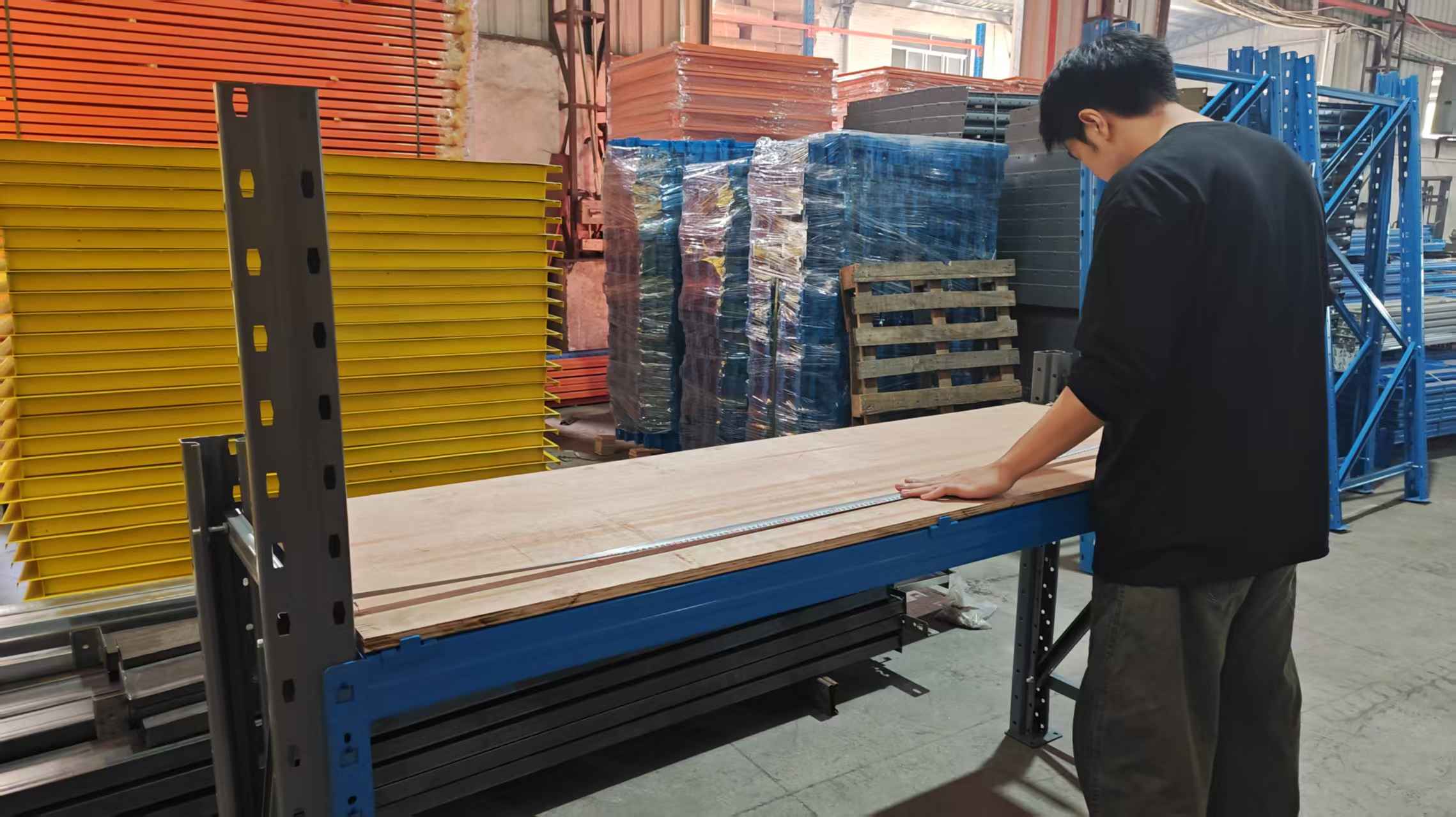
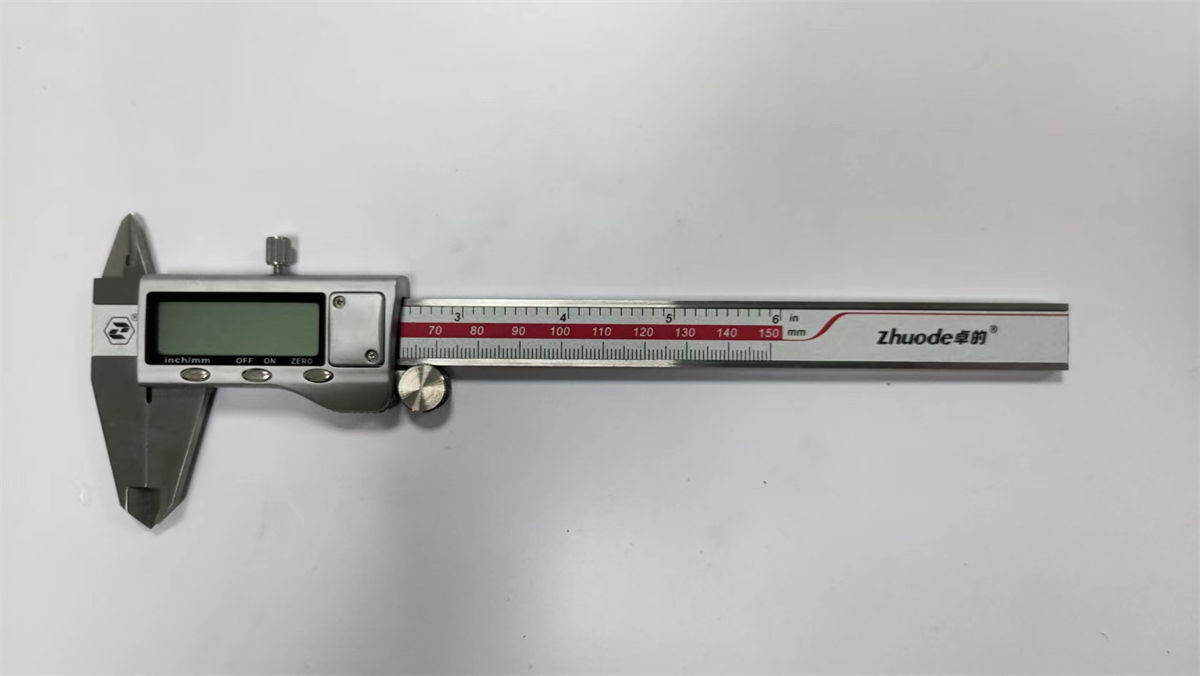
Structural stability and security are the foundations of environmental sustainability. Unstable racks that fail prematurely contribute to waste and high replacement emissions. We implement systematic structural verification processes:
"Sustainability without structural safety is a liability. By engineering racks that meet European CE marking and regional structural codes, we deliver a 15-year operational lifecycle, significantly lowering global carbon-equivalent footprints per pallet storage location."
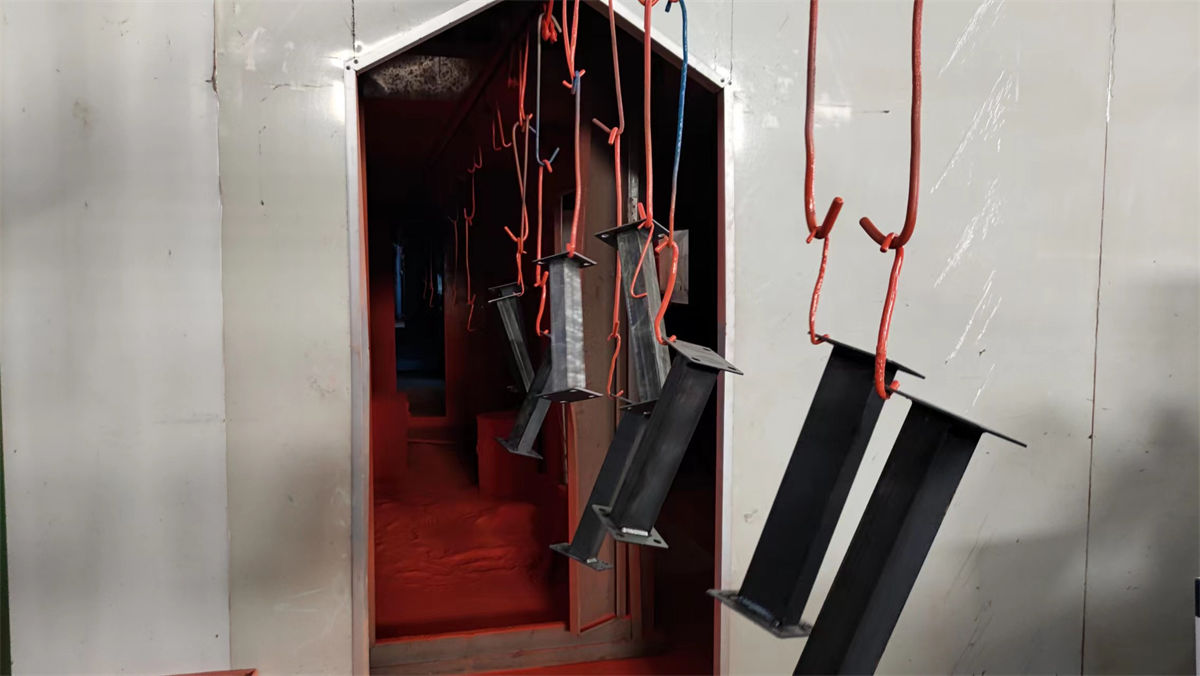
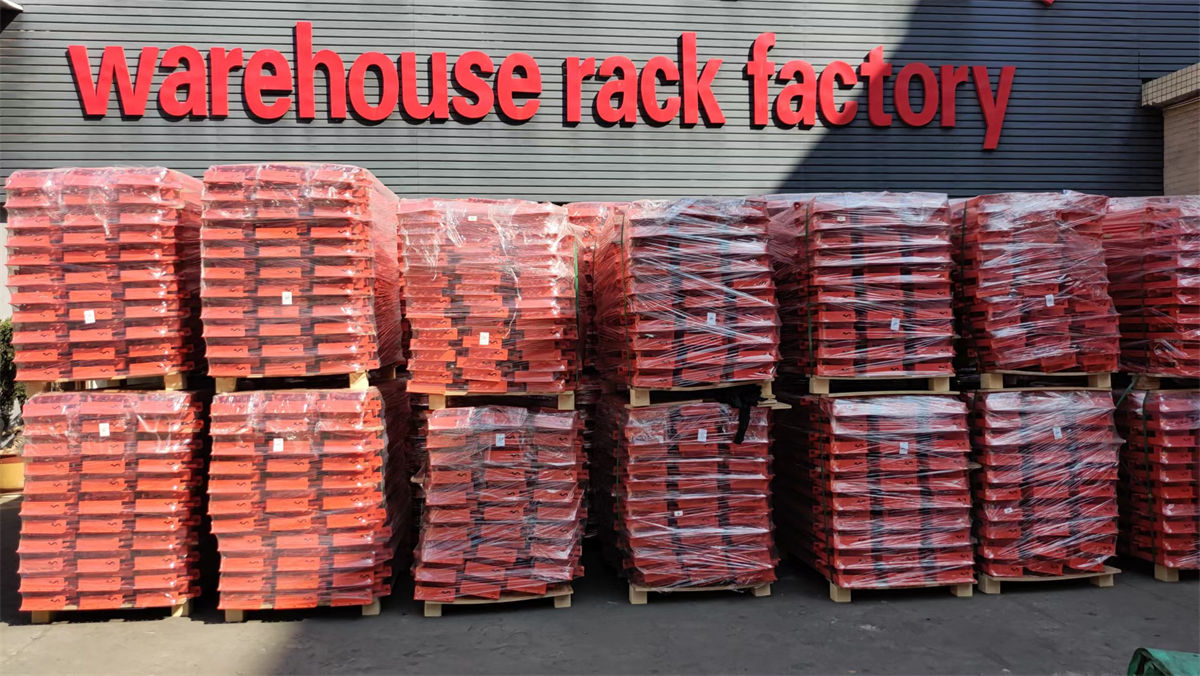
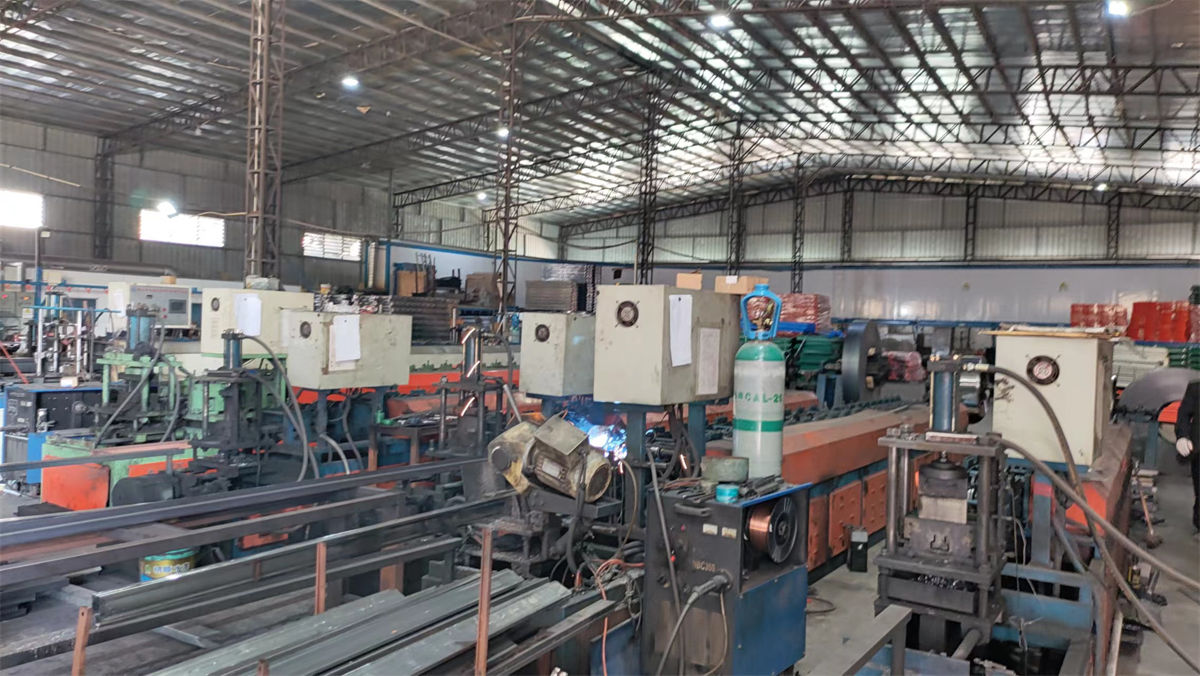
Operating a modernized facility of 35,000 square meters allows us to maintain direct control over environmental profiles and structural quality. Through vertically integrated engineering—from custom roll-forming to computerized electrostatic powder coating—we optimize material utilization and eliminate third-party logistics waste within our supply chain.
Our facility utilizes automated rolling lines, robotic steel fabrication, and high-capacity machinery to ensure structural precision, high load ratios, and minimal material waste during fabrication.
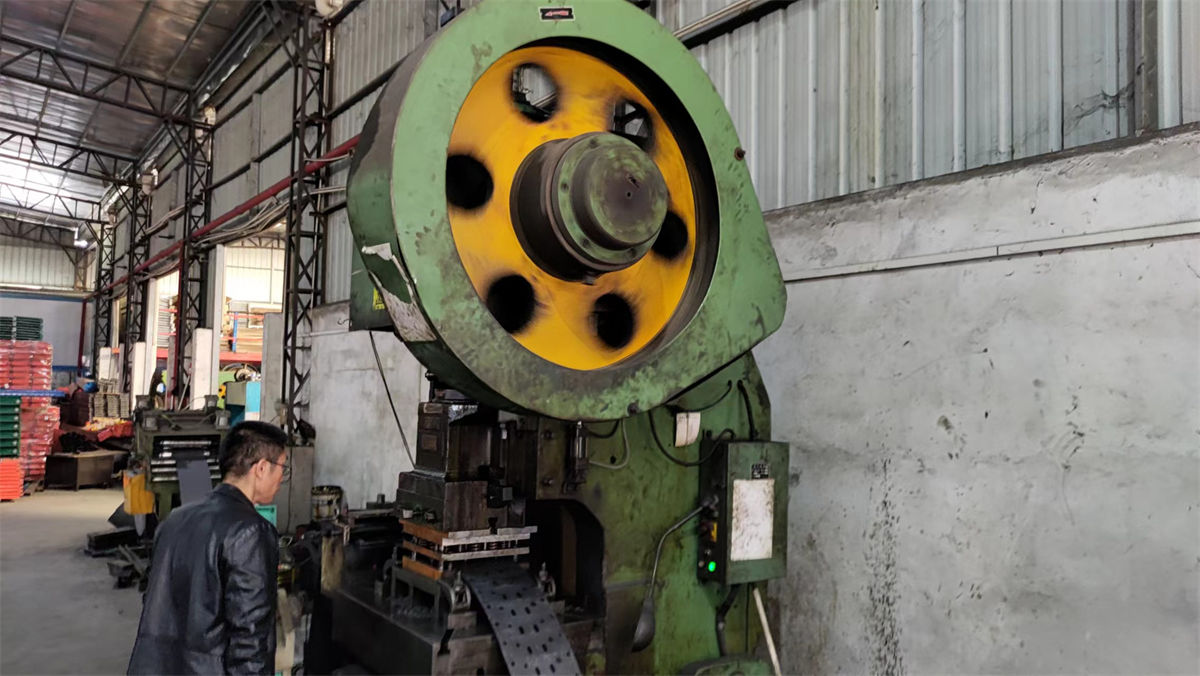
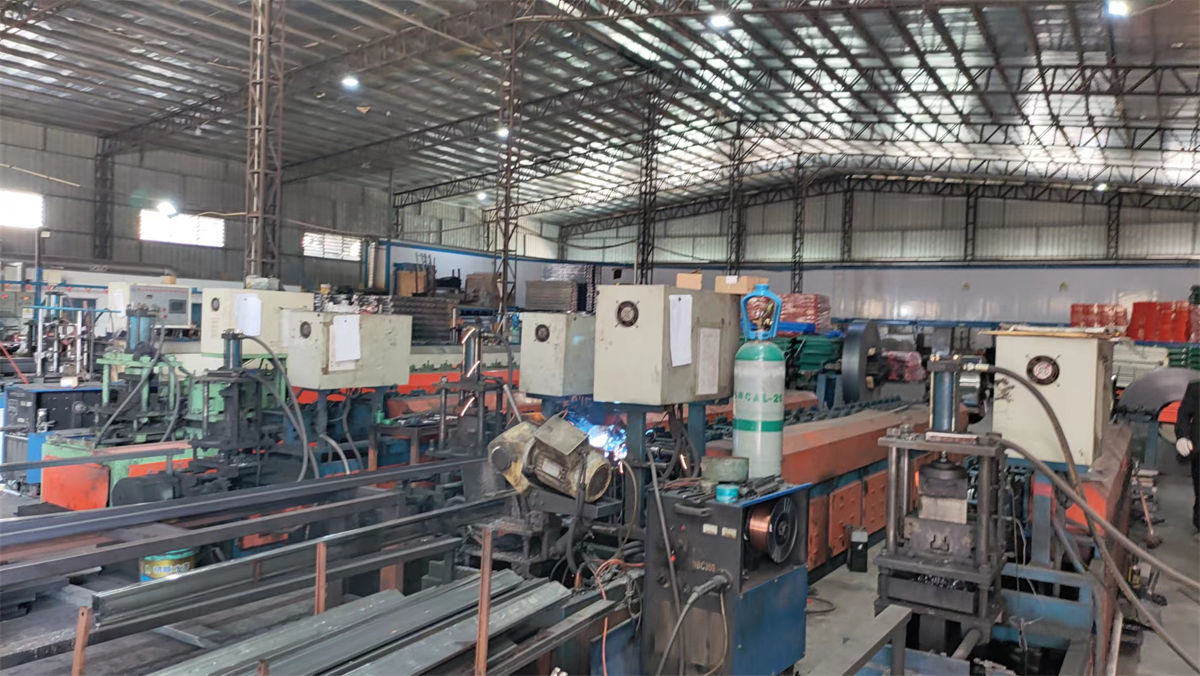
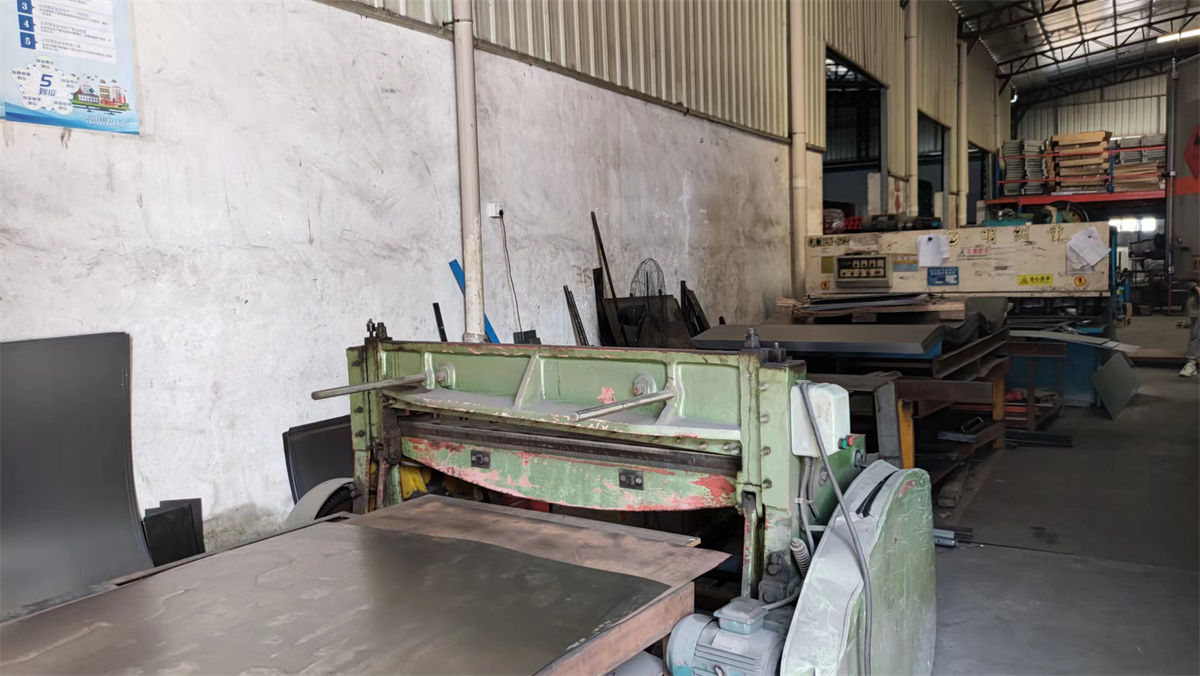
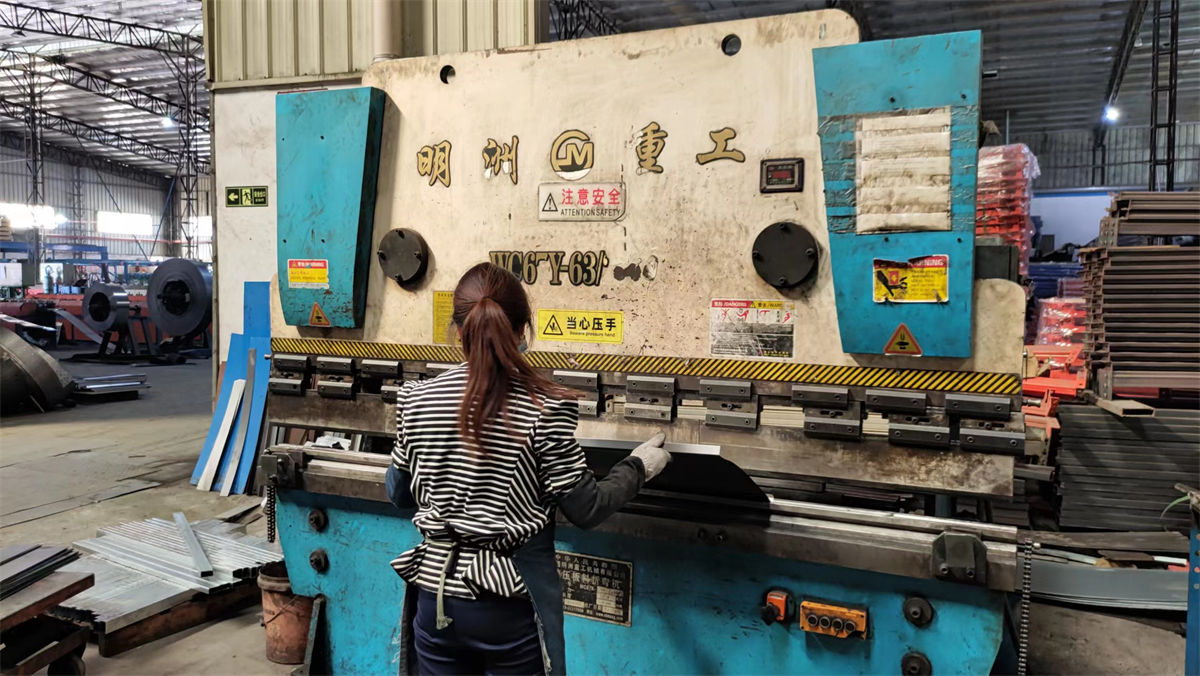
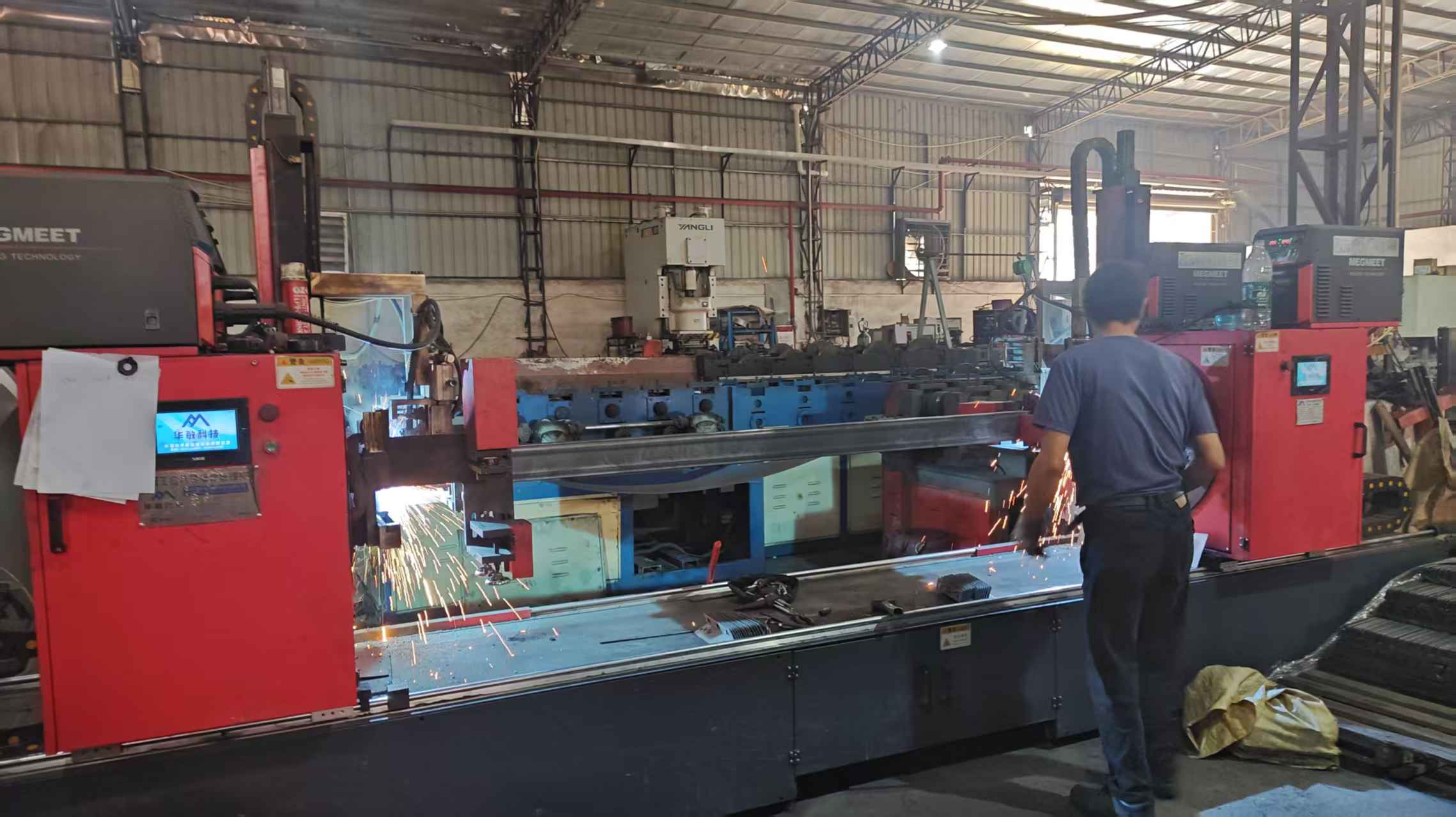
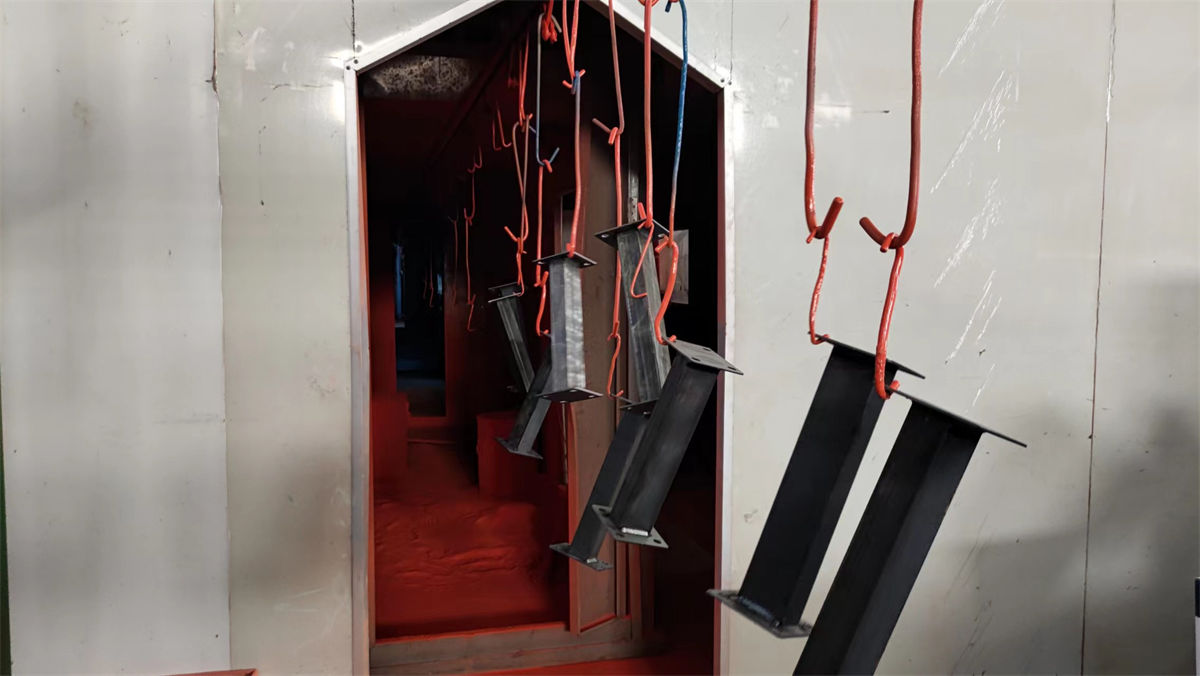
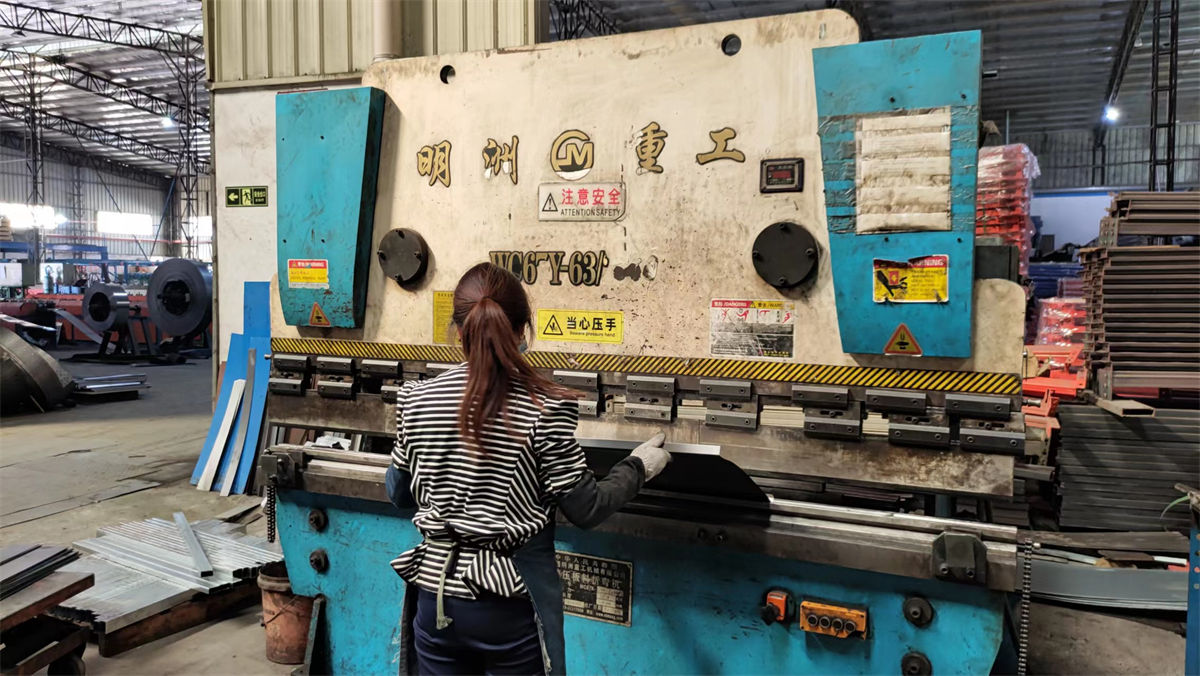
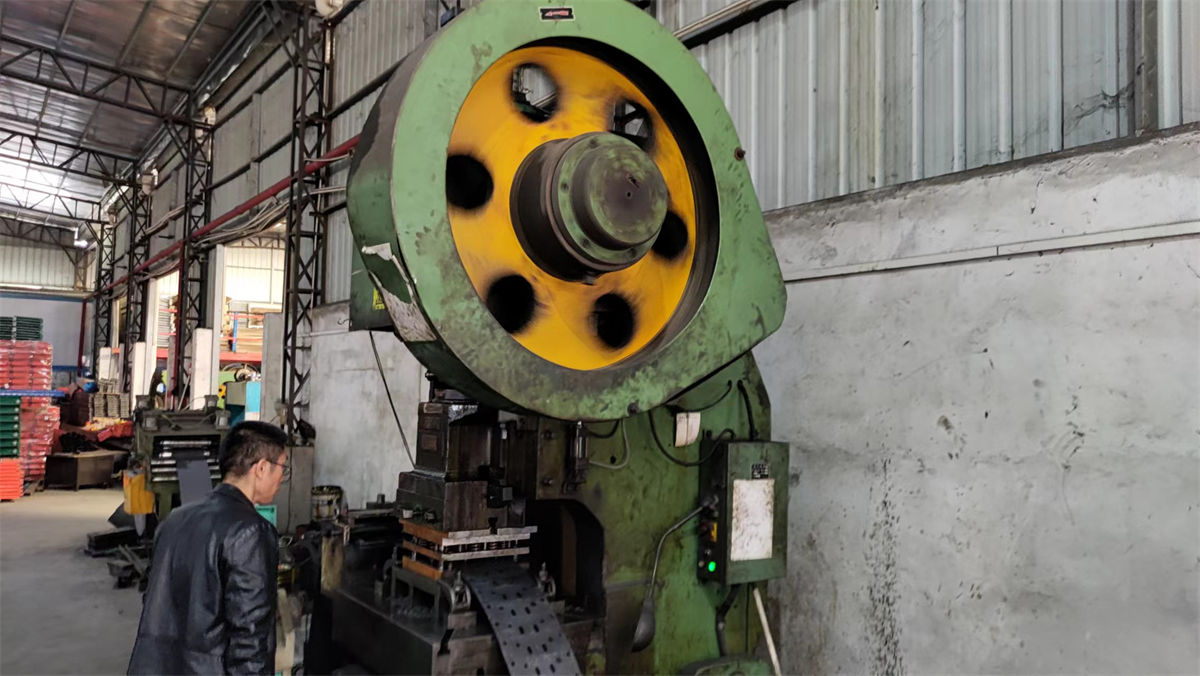
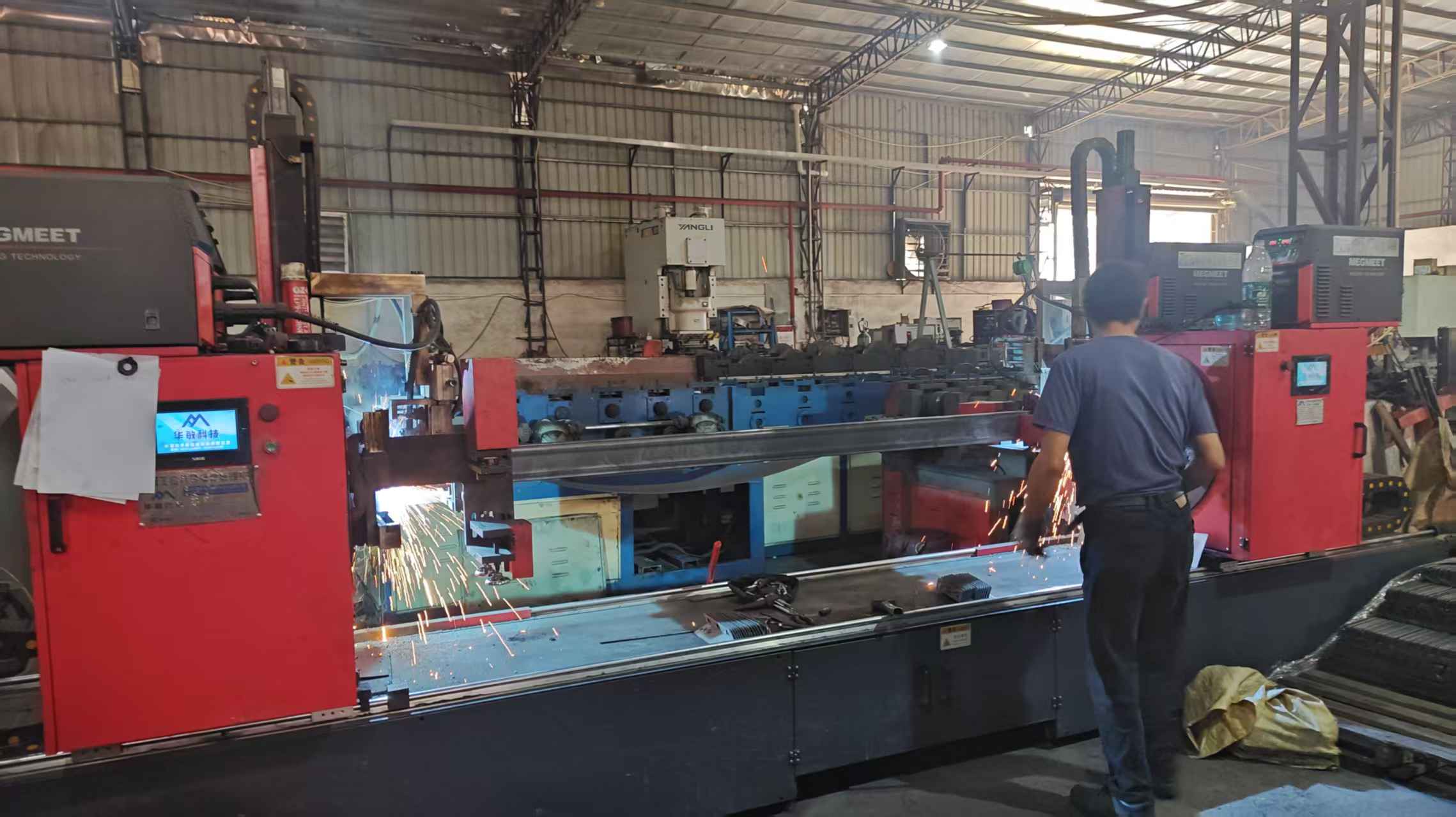
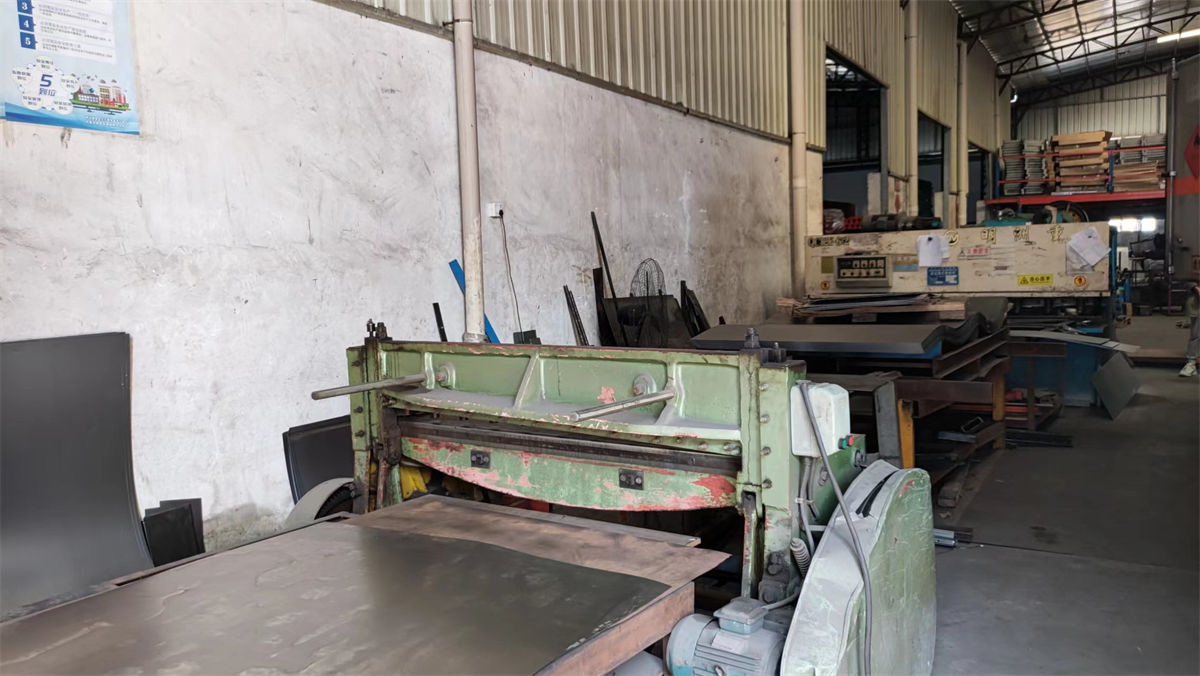
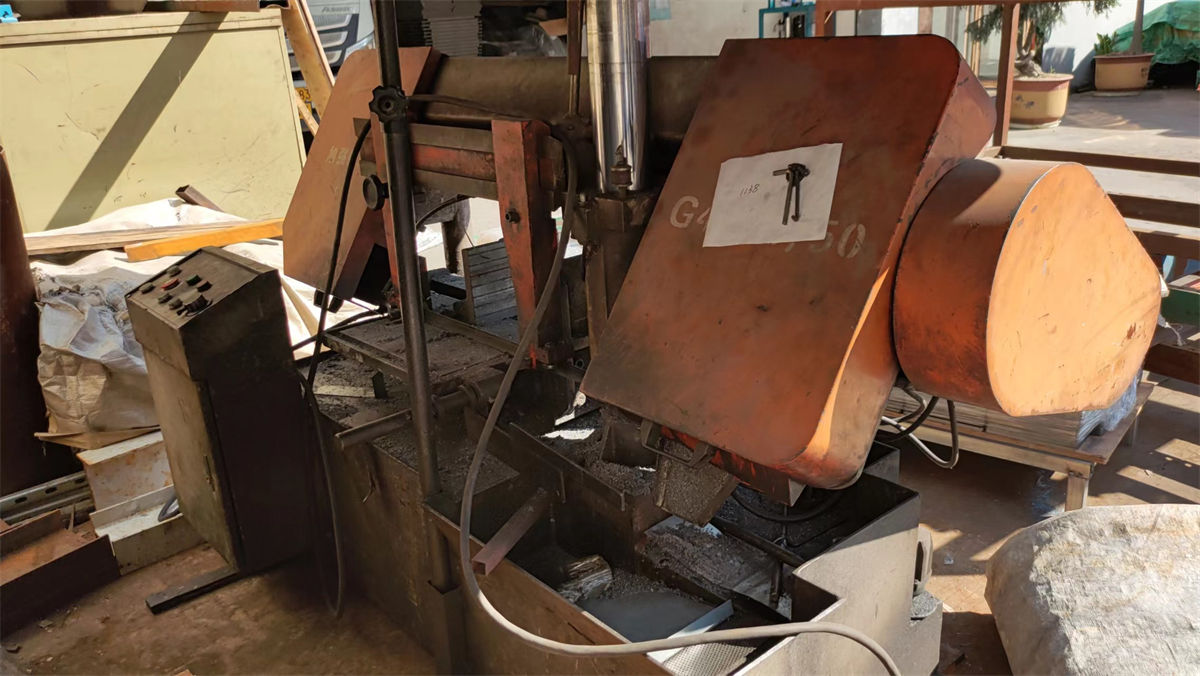
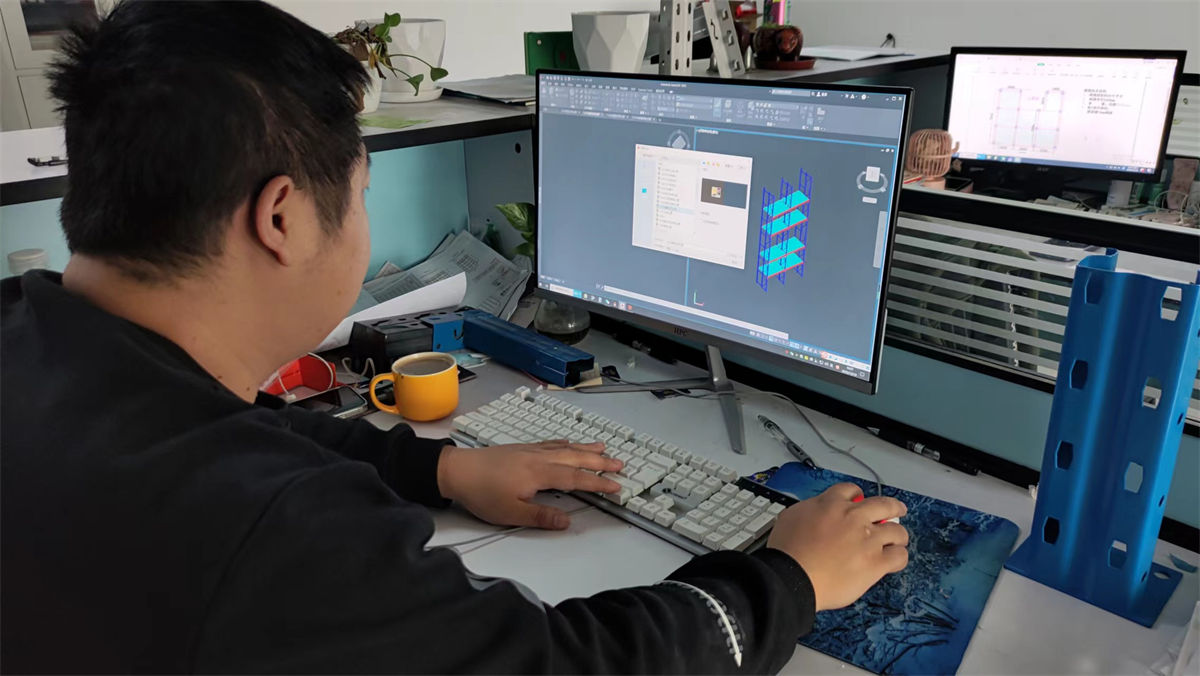
To achieve sustainable logistics support, we execute a structured technical roadmap that balances chemical safety, structural load optimizations, and supply chain tracking.
Implementing lead-free, chrome-free electrostatic polyester powder coatings. Closed-loop chemical wash systems minimize water usage and prevent hazardous effluent release into regional eco-systems.
By leveraging certified high-yield steel grades (like Q235B and Q345B), our design engineers decrease overall frame weight while preserving structural resilience and load capacity under intense seismic cycles.
Custom structural footprints planned by 18 expert design engineers. Optimized spatial orientation cuts down warehouse lighting, heating, and cooling footprints for international 3PL facilities.
Different industries require specialized material handling profiles. We design application-specific structures that align with safety codes across the globe.
Highly adjustable selective systems engineered for fast-moving consumer goods (FMCG). Adaptable profile dimensions prevent structural obsolescence as customer storage profiles shift.
Condensation-resistant treatments designed for extreme temperature variations. Maximized storage density cuts the direct refrigeration energy footprint per cubic meter of cold storage space.
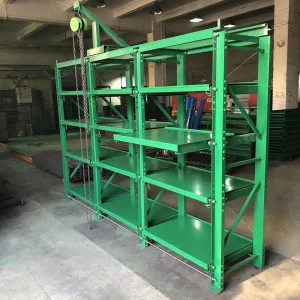
Custom structural frames designed to hold dynamic tire racking or large injection mold tools weighing up to 5,000kg per layer. Certified safety factors handle heavy machinery interfaces.
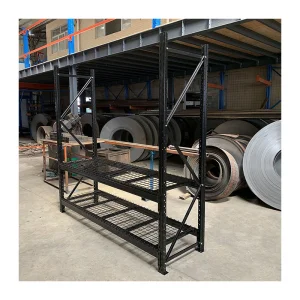
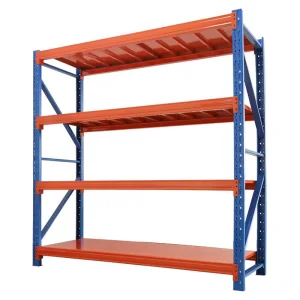
Find answers to technical queries, compliance issues, and installation specifications below.
 Xinmiao Racking