Engineered structural pallet racking, dynamic flow shelving, and custom logistics steel containment systems built for high-demand distribution centers.
An in-depth analysis of logistics infrastructure, supply chain variables, and the structural engineering of heavy-duty pallet racking systems.
In modern supply chain architectures, utility racks and heavy-duty steel shelving systems are no longer treated as passive steel assemblies. Instead, they serve as the structural framework for global supply chains, optimizing high-density warehouse storage, picking throughput, and inventory safety. Driven by the expansion of third-party logistics (3PL) providers, cold-chain pharmaceutical facilities, automated distribution centers, and the persistent demand for e-commerce storage capacity, the global utility racks market has experienced massive growth.
Industrial utility racks are subjected to severe operational challenges. Whether sustaining dynamic seismic stresses, bearing heavy structural loads (often exceeding 3,000kg per level), or resisting corrosion in sub-zero environments, the materials and engineering behind these systems are critical. Modern warehouse facilities require custom-engineered steel solutions that maximize footprint efficiency while maintaining a safety factor (typically 1.5x structural reserve) to protect human capital and capital investments alike.
Regionally, procurement needs vary. North American and European markets demand compliance with stringent local standards, such as the Racking Manufacturers Institute (RMI) MH16.1 specifications in the United States and the FEM guidelines in Europe. Crucial variables like steel grade (Q235B and Q355B high-tensile cold-rolled steel), weld integrity, and anti-corrosive powder coatings dictate purchase criteria.
How Ningbo Xinmiao Storage Equipment Co., Ltd. integrates automation and supply chain clustering to provide unmatched value.
Global purchasing directors frequently balance the trade-offs between localized sourcing and international importing. Chinese manufacturers, specifically those located within industrial clusters like Zhejiang and Jiangsu, have overcome traditional transit times by delivering high-precision engineering, cost efficiency, and fast lead times.
At the epicenter of this industrial efficiency is Ningbo Xinmiao Storage Equipment Co., Ltd. established in 2015. Over a span of 14 years, the company has integrated custom manufacturing with automated production, running an operations hub of over 35,000 square meters. By leveraging a highly integrated local supply chain network of over 800 certified raw material and component suppliers, Ningbo Xinmiao achieves high throughput rates and material cost reductions, which are passed directly to international partners.
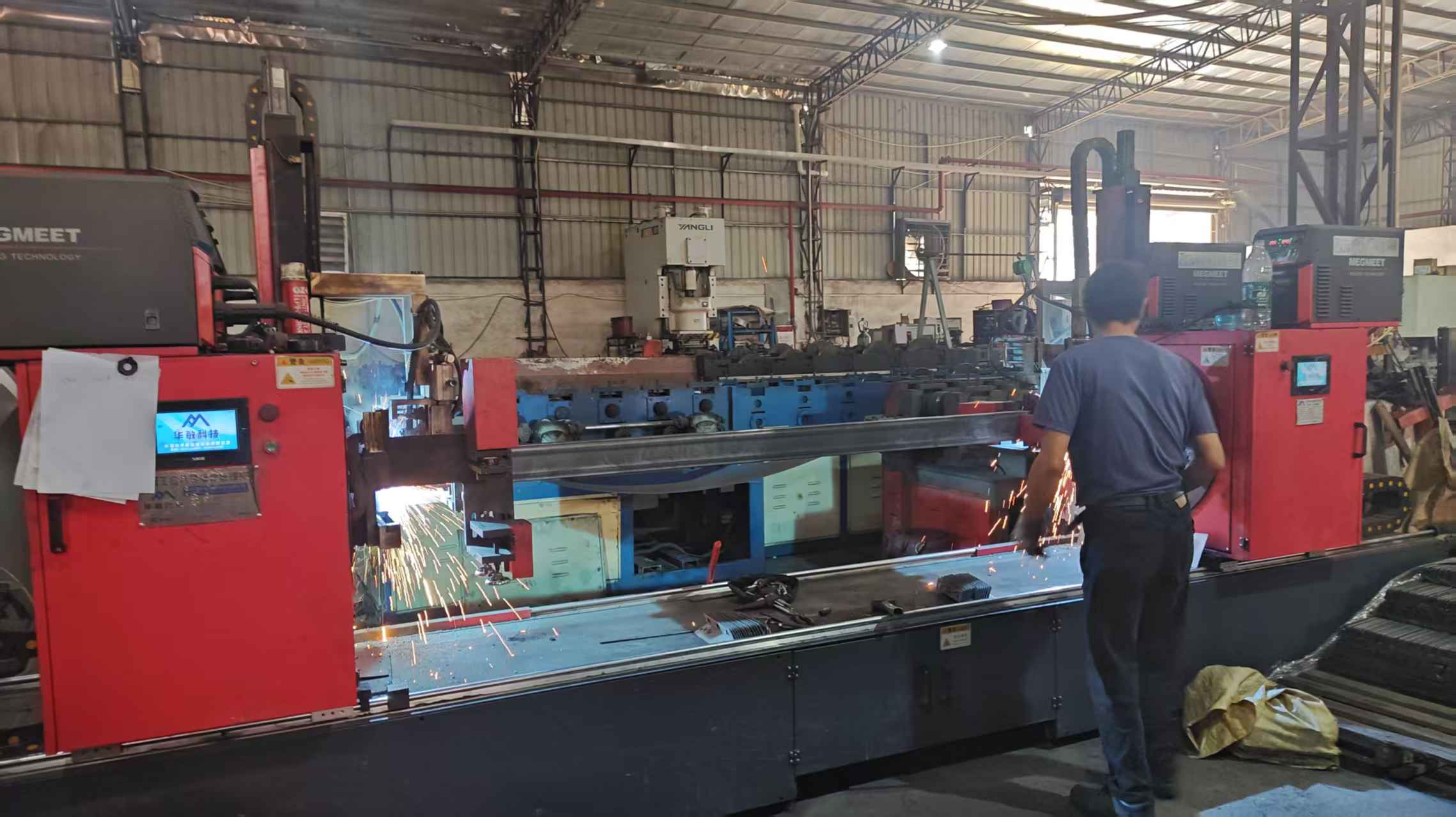
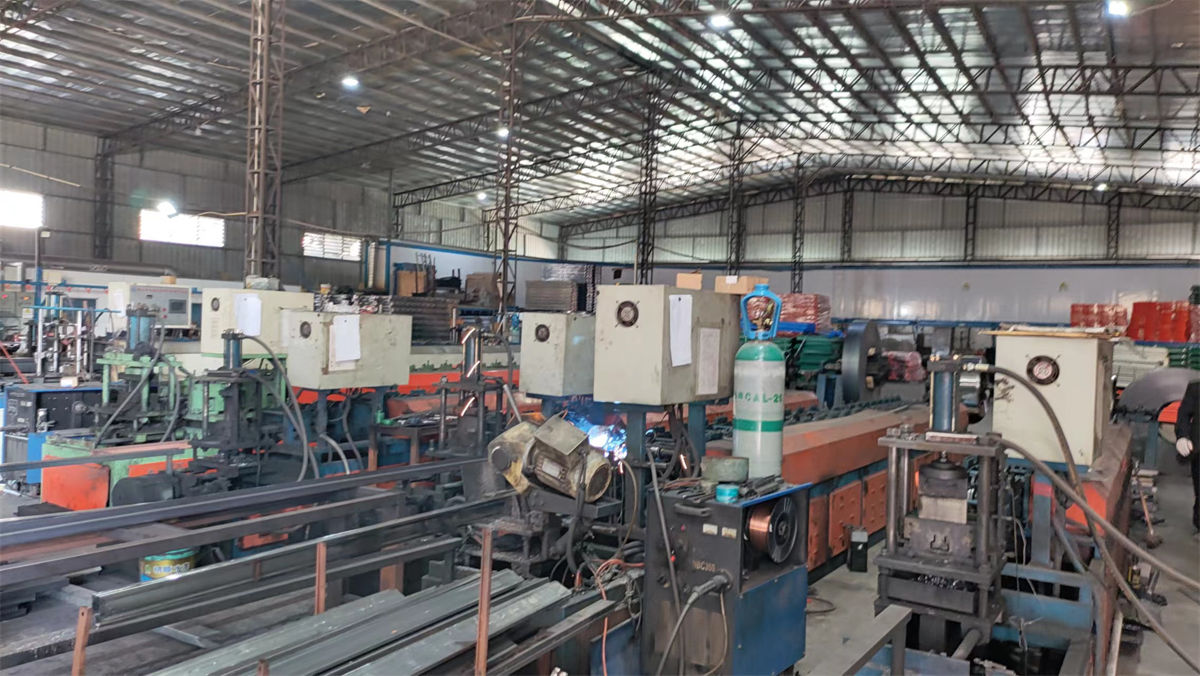
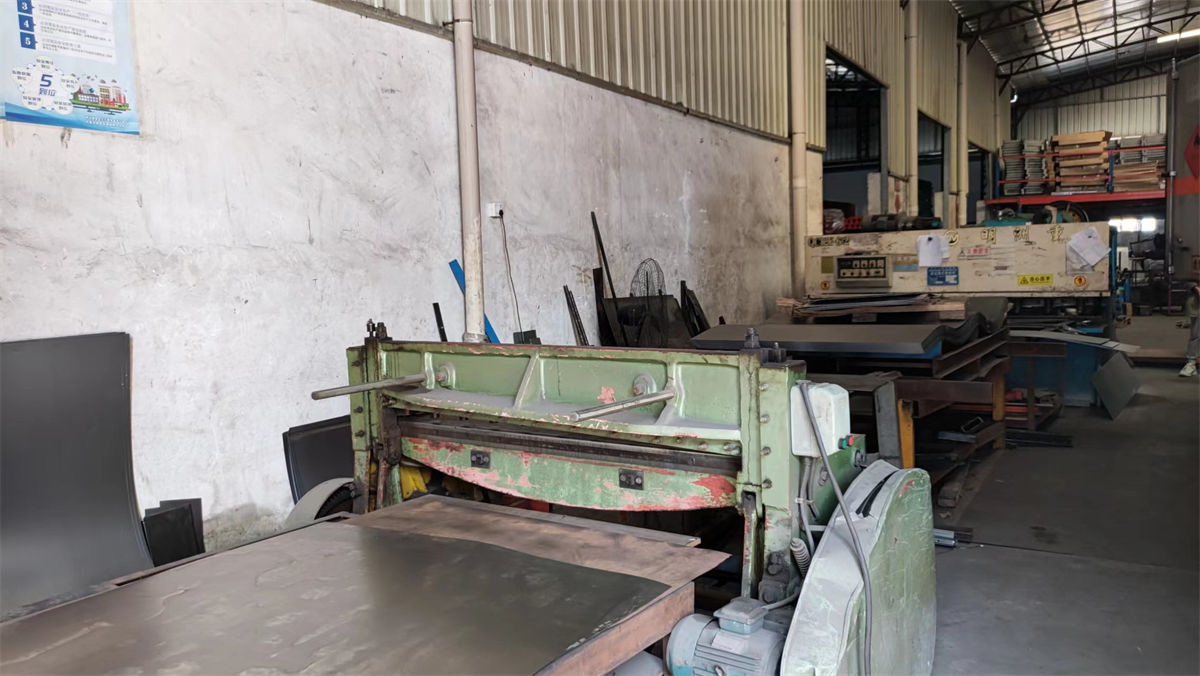
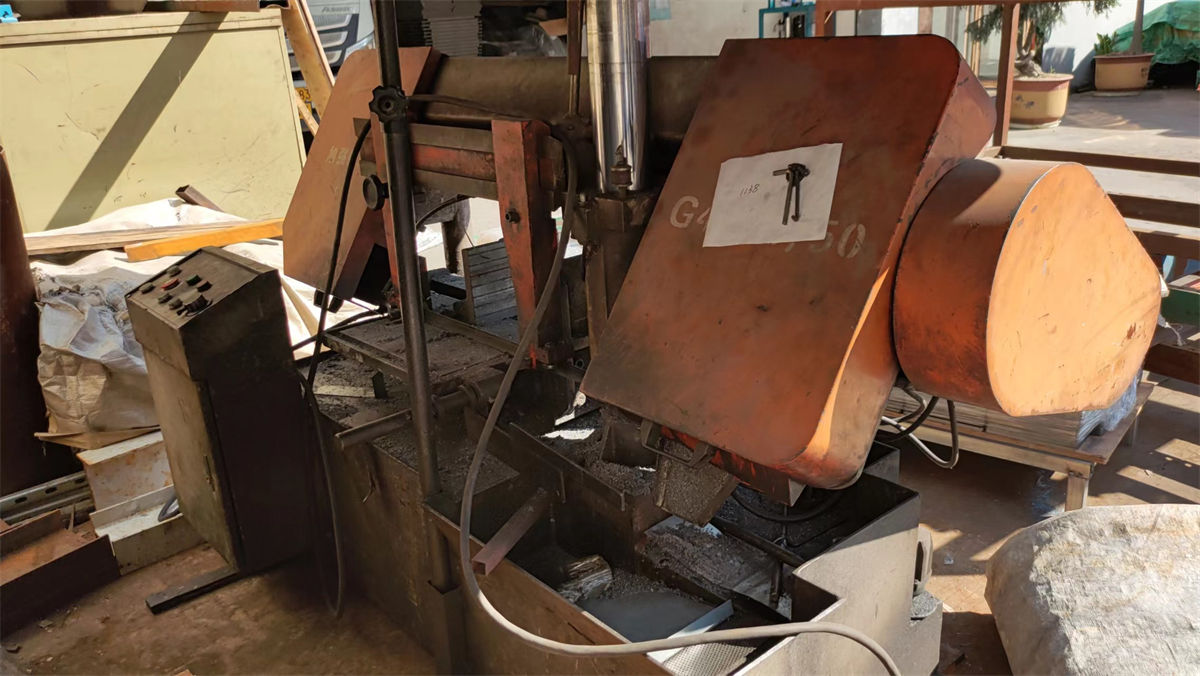
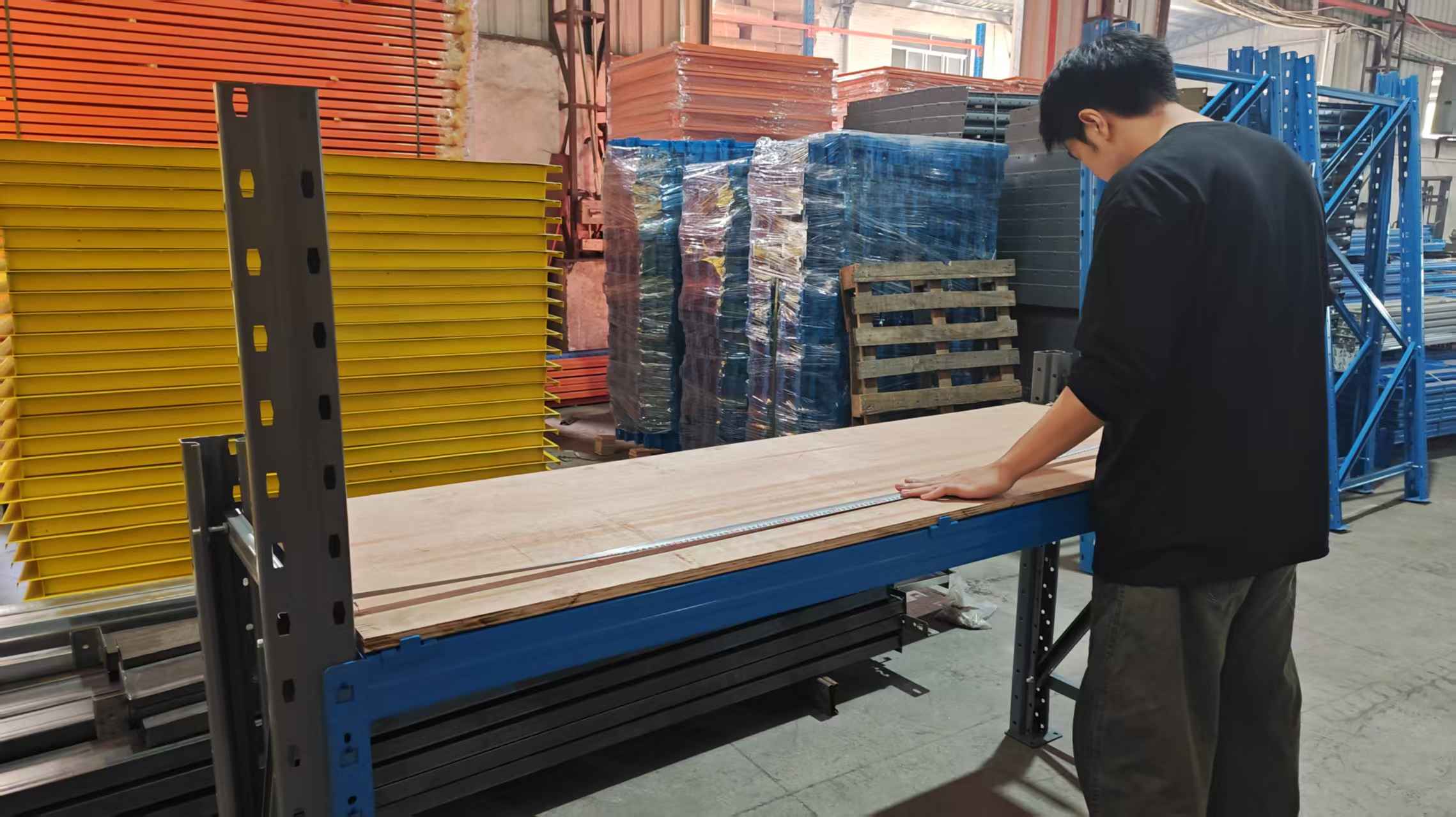
Multi-station CNC punching lines and high-speed cold roll-forming machines execute profile bending with structural tolerances within ±0.1mm, ensuring flawless assembly alignments.
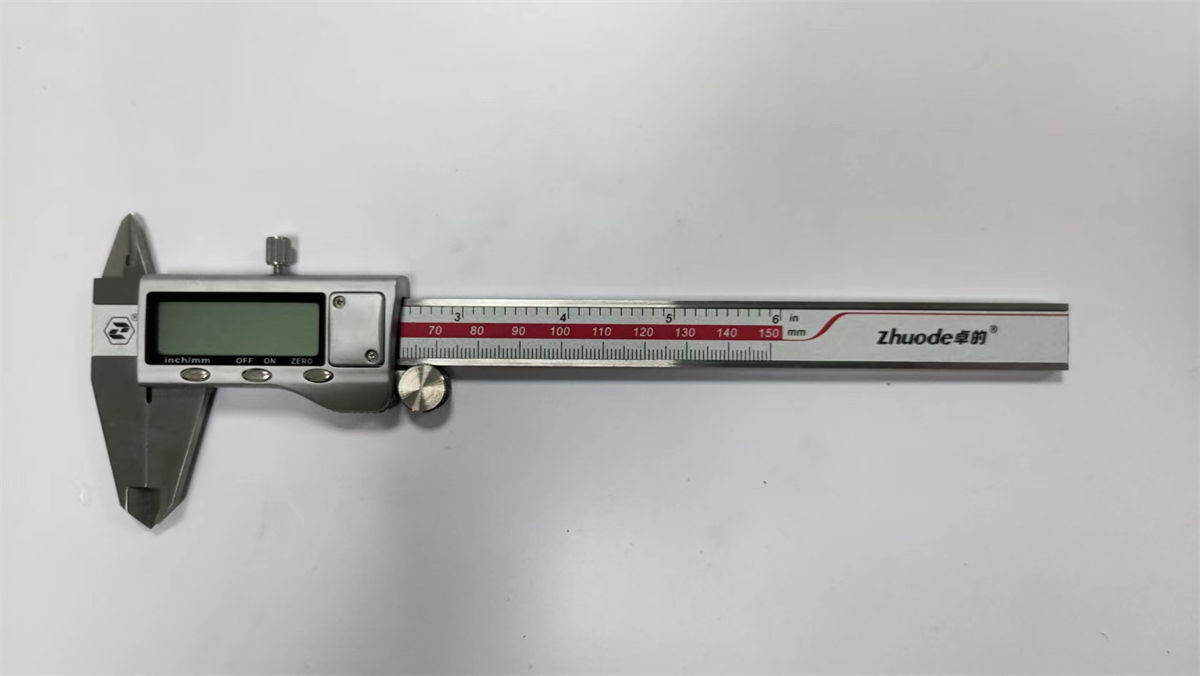
25 dedicated quality control (QC) specialists monitor production using automated ultrasonic weld inspection, load-bearing stress tests, and salt spray testing for powder coatings.
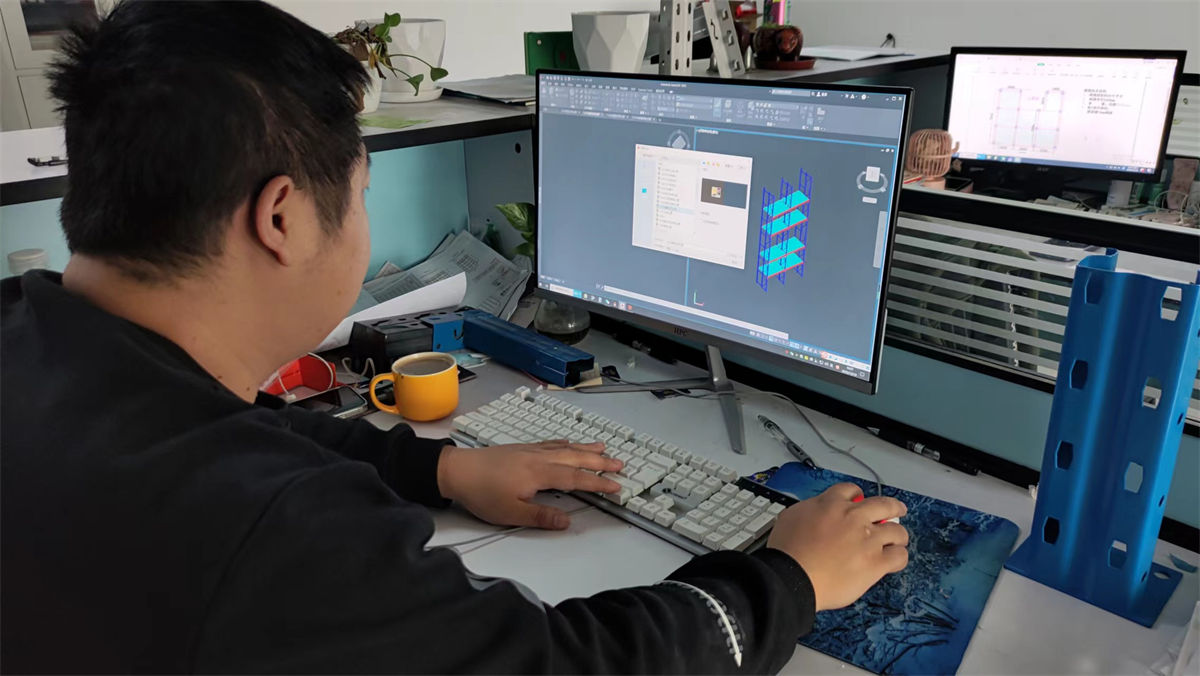
18 R&D engineers design tailored rack sizing, customized gauges, powder coating types, and dynamic racking interfaces, launching over 45 new product variations last year.
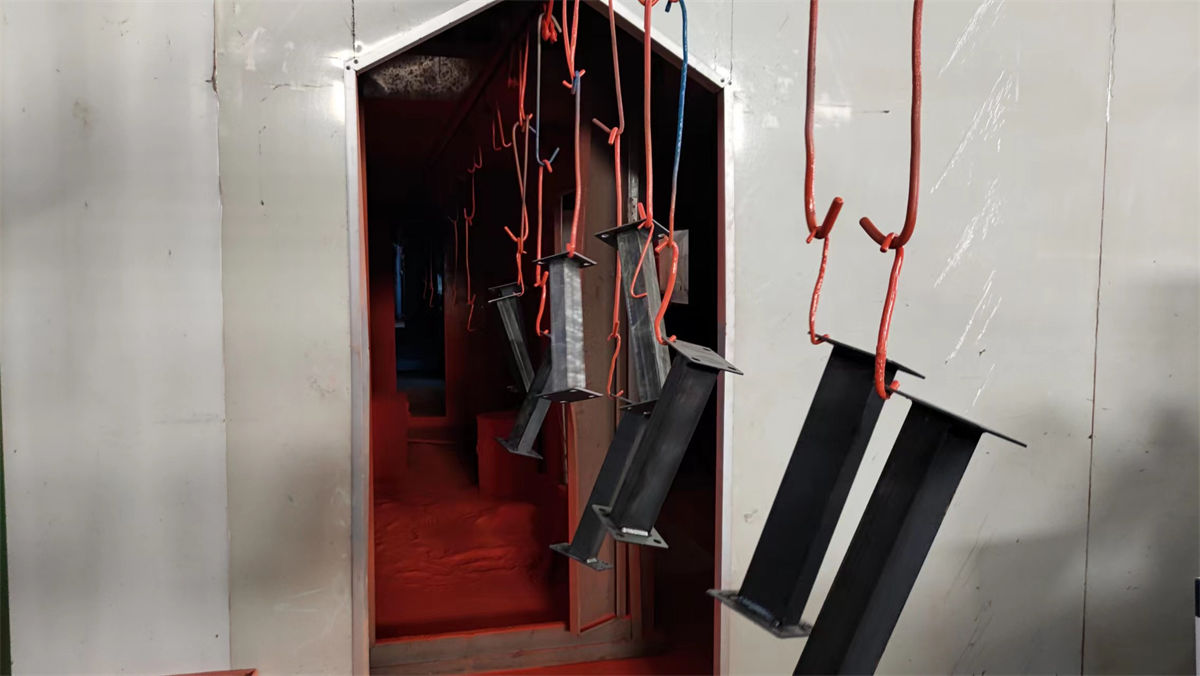
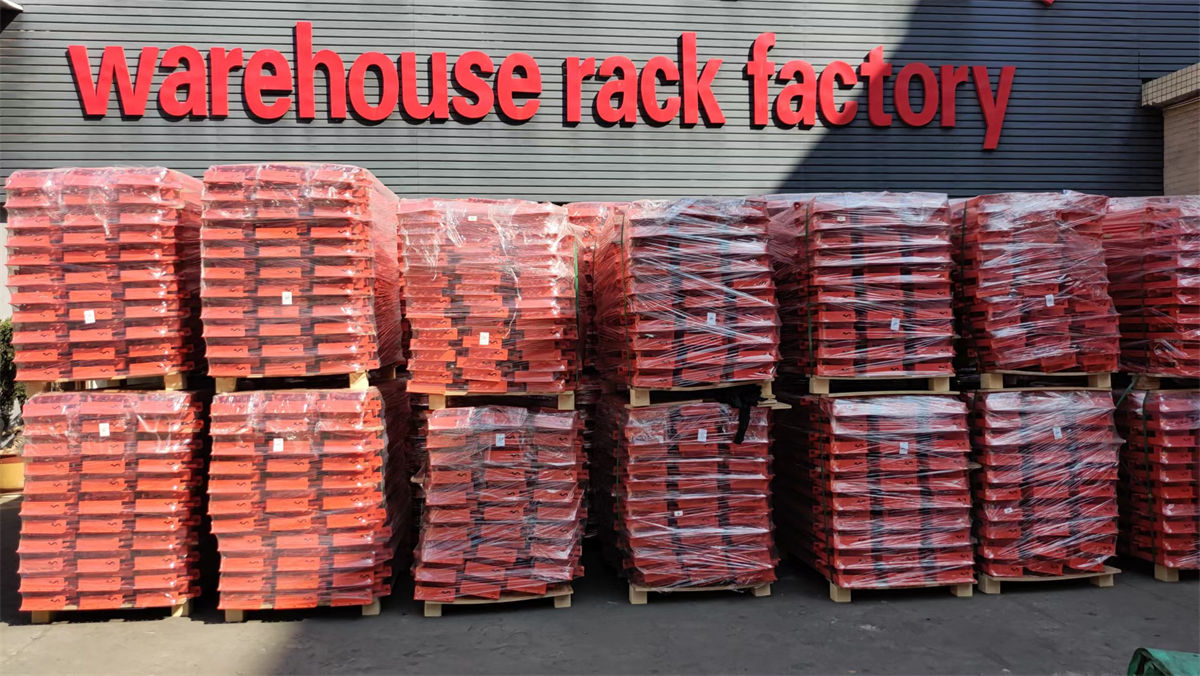
A visual look at Ningbo Xinmiao's 35,000㎡ production facility, showcasing raw steel conversion, automated roll forming, and structural testing.
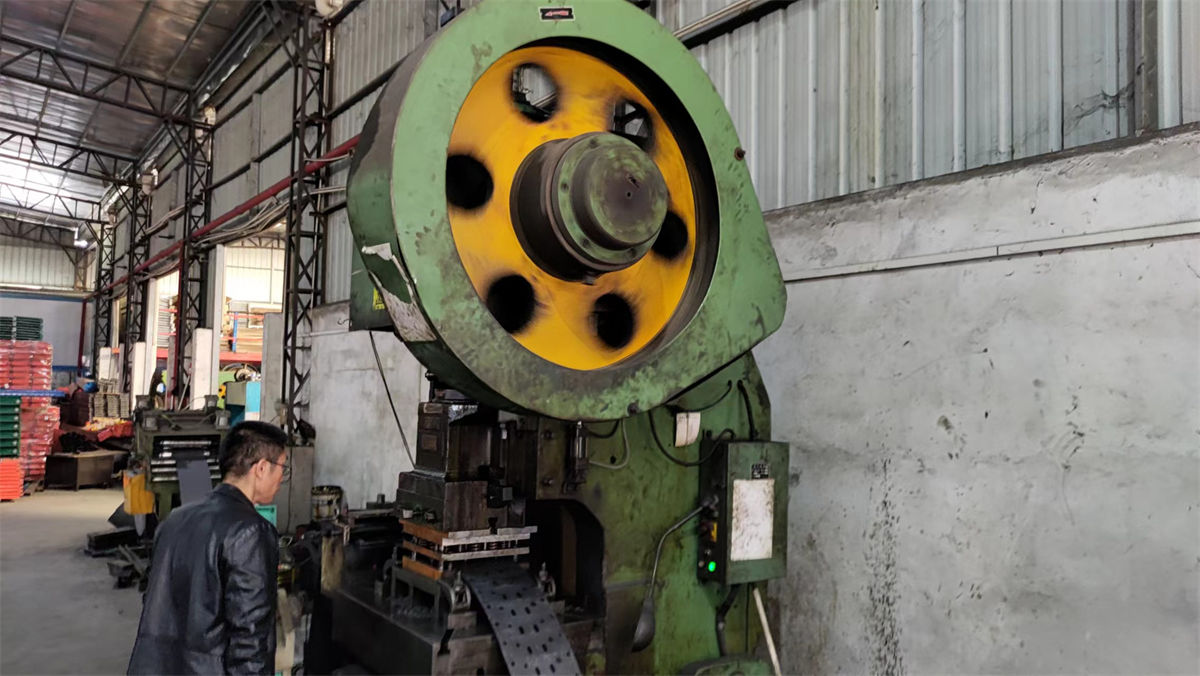
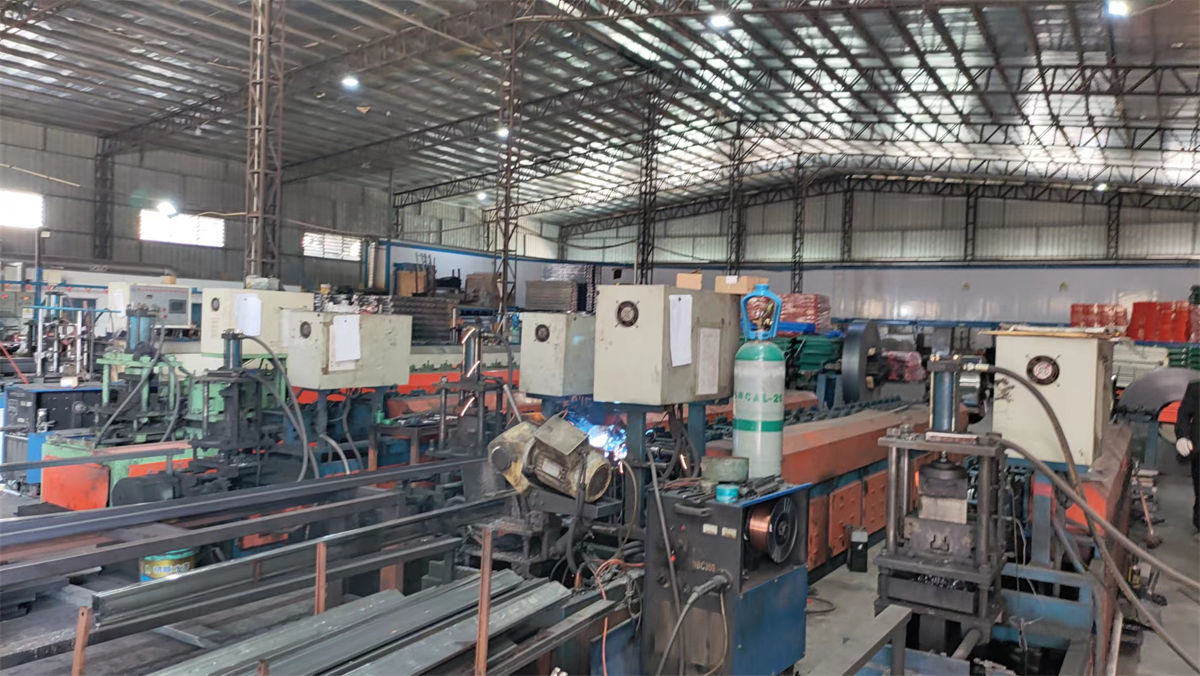
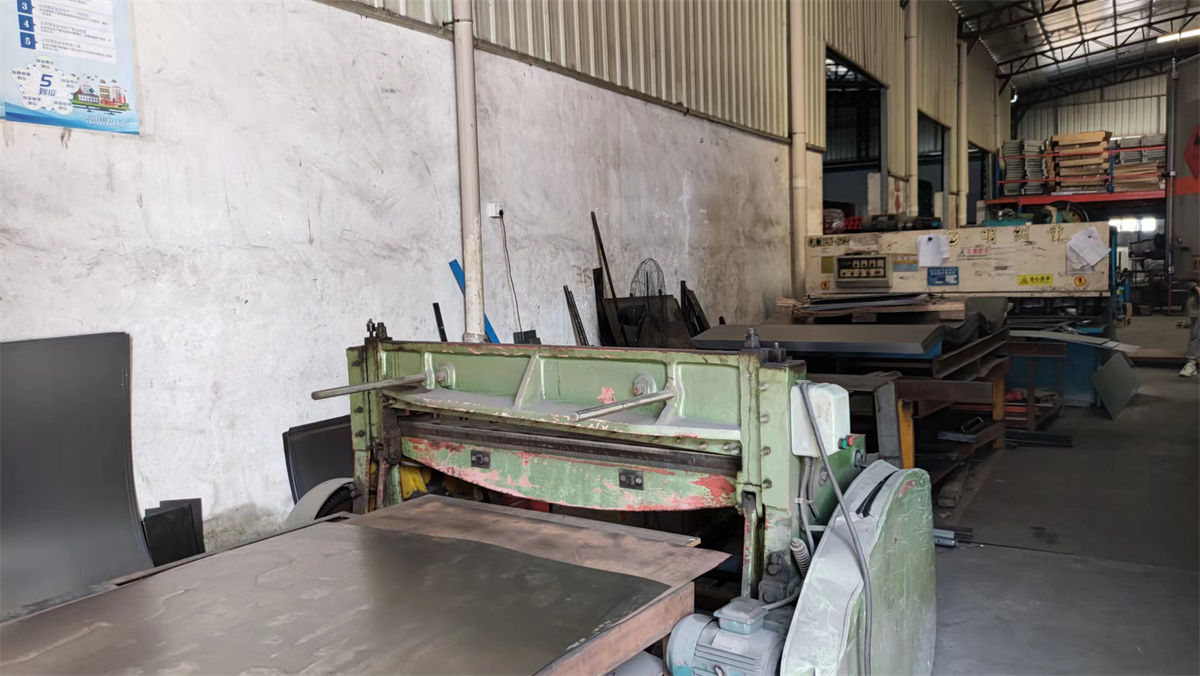
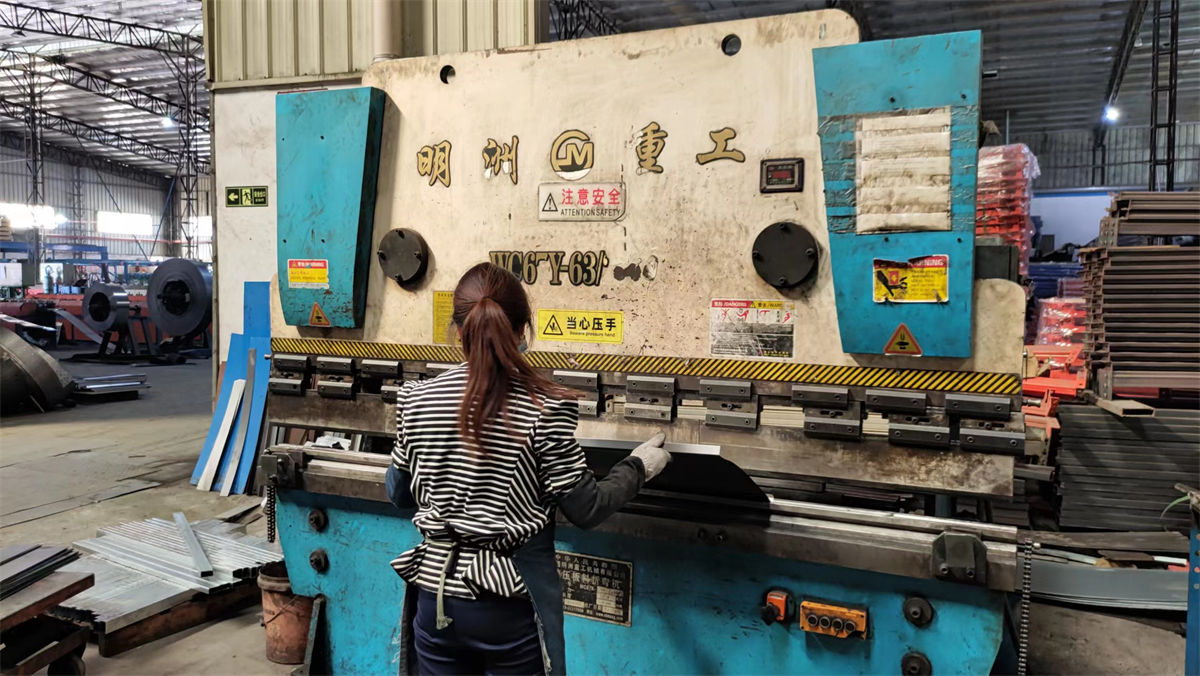
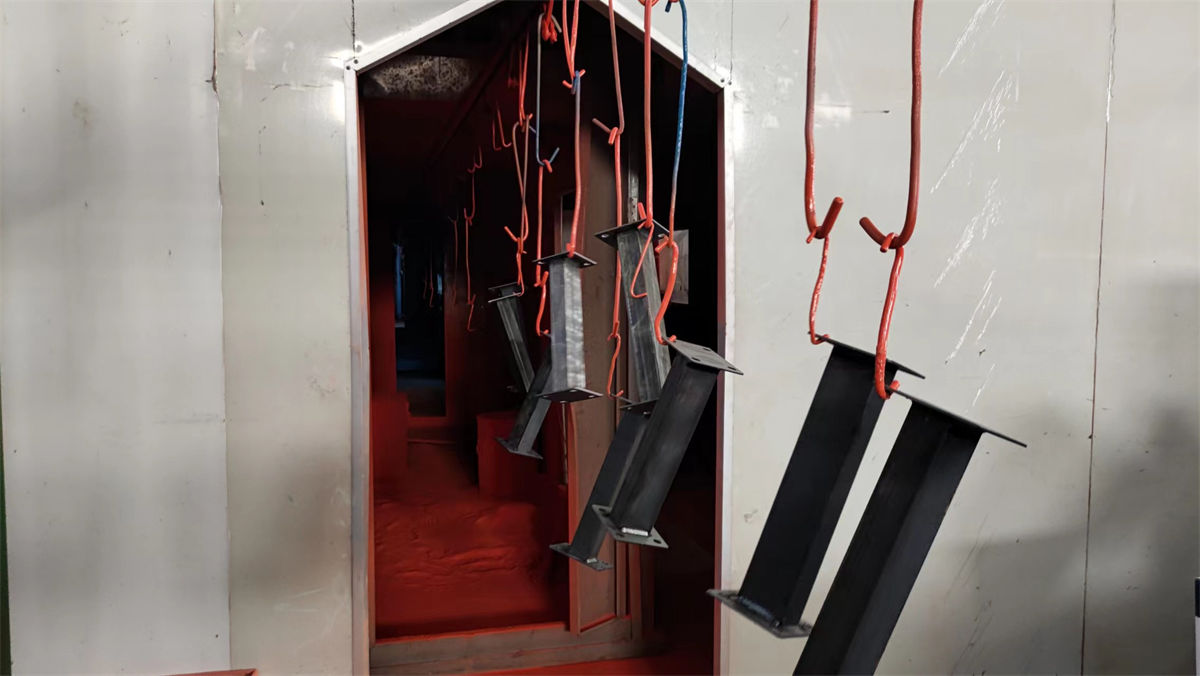
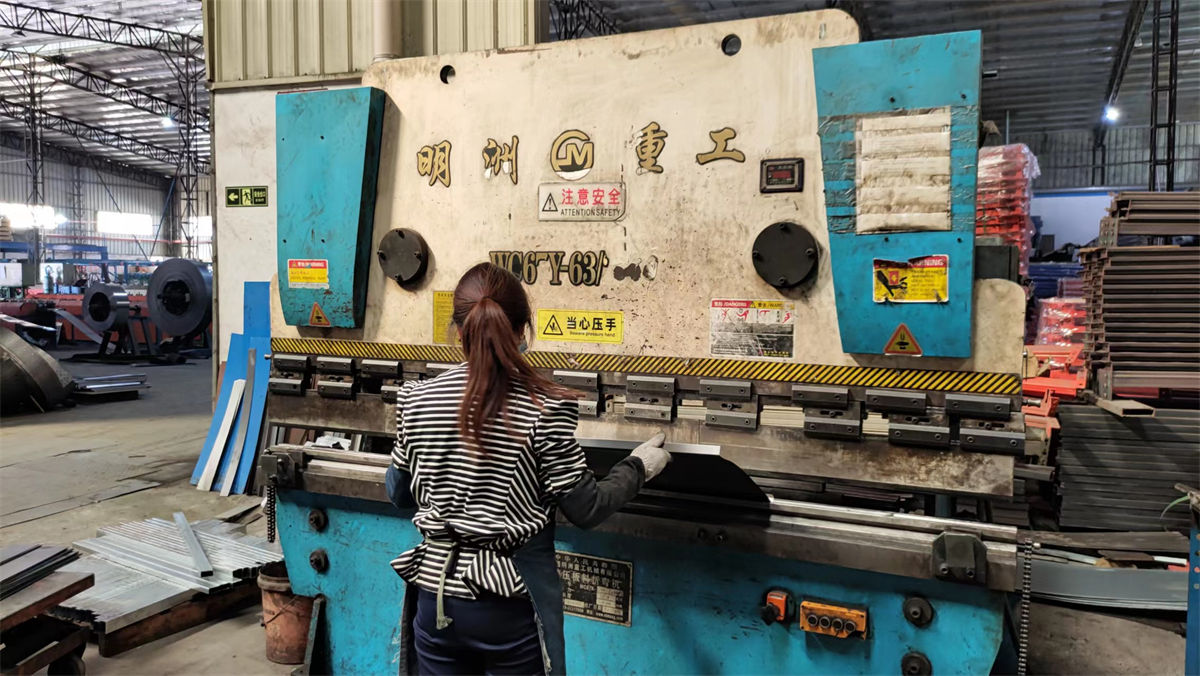
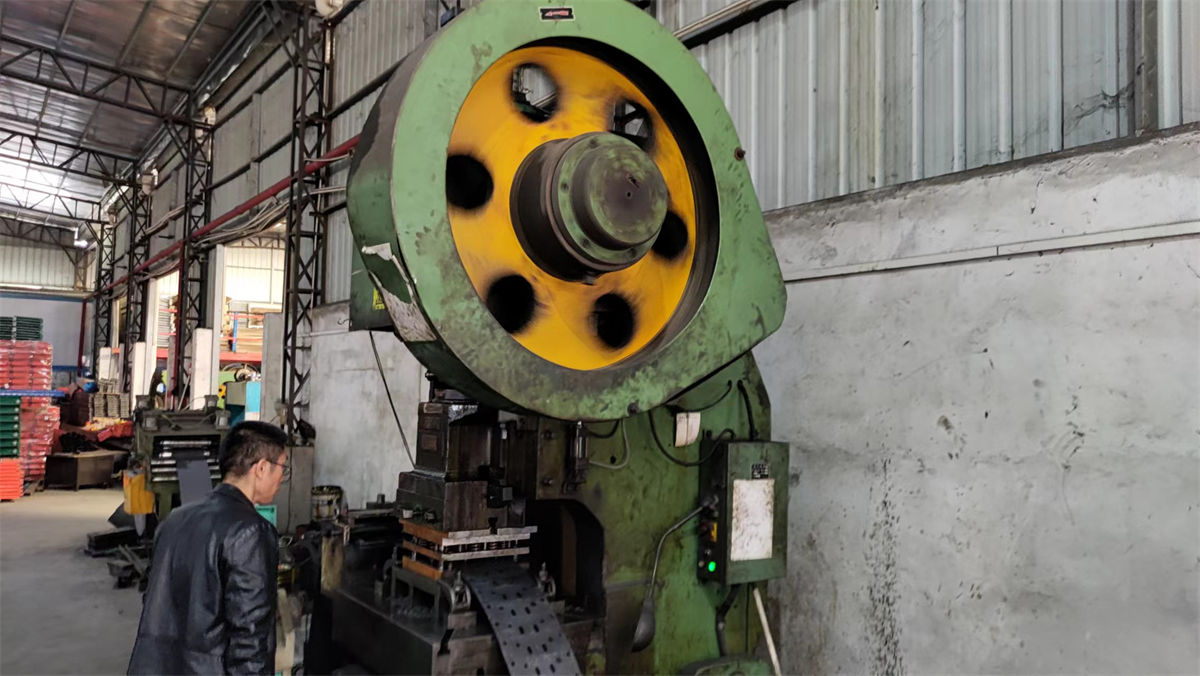
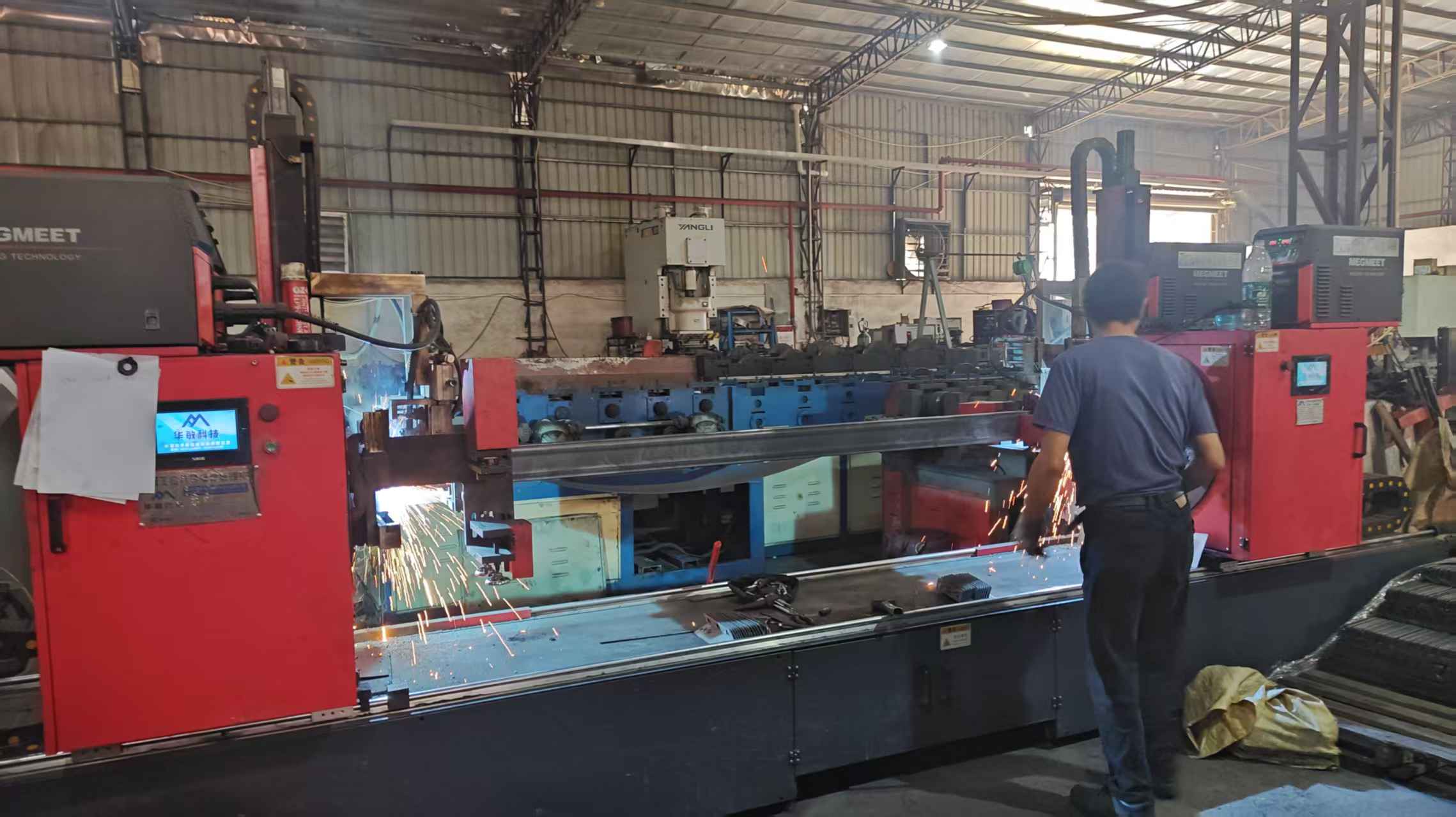
How global industries adapt utility racking designs to resolve specific localized distribution challenges.
Storage conditions vary heavily across different industry verticals. Applying a standardized shelf configuration to highly specialized environments can lead to catastrophic mechanical failures, premature oxidation, or poor storage density. Below, we examine the typical environments where engineered racking systems are deployed:
In dynamic sub-zero environments (down to -30°C) designed for seafood, meat, or vaccines, standard carbon steel undergoes hydrogen embrittlement. To prevent failure, Ningbo Xinmiao manufactures racks with Q355D steel grades combined with high-performance galvanized coatings. Additionally, automated drive-in pallet configurations are used to minimize open spaces and lower energy-cooling overheads.
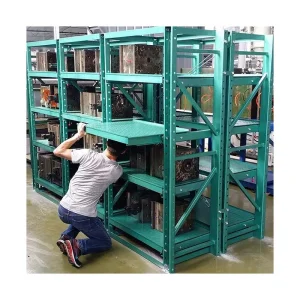
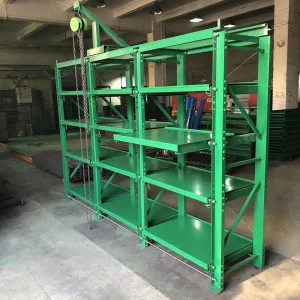
Automotive manufacturing plants and metal extrusion yards handle heavy, localized loads. Standard shelving is prone to buckling under these conditions. The application of Heavy-Duty Drawer-Type Mold Racks permits overhead crane access for loading and unloading dies and press molds, with each slider tier rated to hold up to 2,000kg.
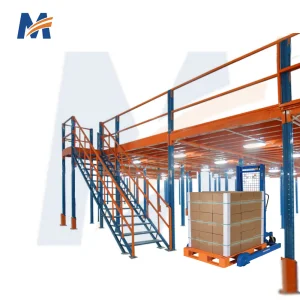
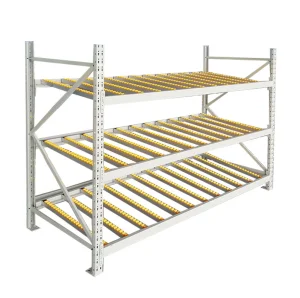
E-commerce fulfillment demands dense horizontal and vertical configuration optimization. Multistory attic mezzanines optimize warehouse headroom, combining carton flow racks and light-duty boltless shelving to maximize picking efficiency.
| Racking Type | Typical Loading Range | Ideal Application Industry | Key Standard Compliance |
|---|---|---|---|
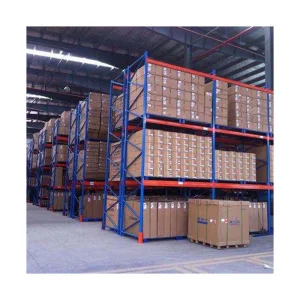
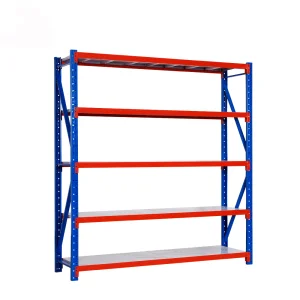
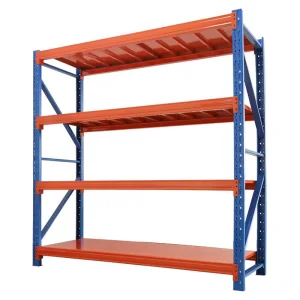
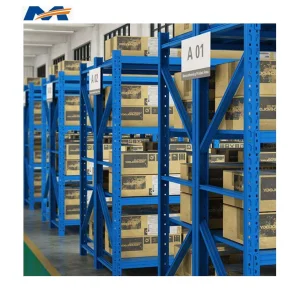
| Heavy-Duty Selective Pallet Rack | 1,000 kg - 4,000 kg / level | 3PL Logistics, Industrial Warehouses | RMI MH16.1, FEM 10.2.02, AS 4084 |
| Heavy-Duty Drawer Type Mold Racks | 500 kg - 2,000 kg / drawer | Tooling Injection Molding, Heavy Machining | ISO9001, Quality Control Stress Tested |
| Warehouse Storage Mezzanines | 300 kg - 1,000 kg / sqm | E-commerce, Auto Spares, Apparel Fulfillment | AISC Steel Construction Standard |
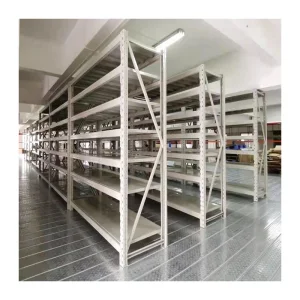
| Light & Medium Duty Shelving | 100 kg - 500 kg / level | Retail, Supermarkets, Archives, Assembly Lines | GB/T 10827 Certified Standards |
A guidelines-based assessment tool to evaluate utility rack suppliers and mitigate downstream supply chain risk.
Strategic procurement managers evaluate three key vectors when choosing a long-term utility racking supplier: engineering validation, manufacturing capabilities, and supply chain compliance.
When evaluating suppliers, buyers should look for:
Answers to common questions regarding logistics, engineering, standard compliance, and structural performance.
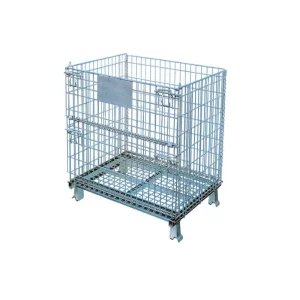
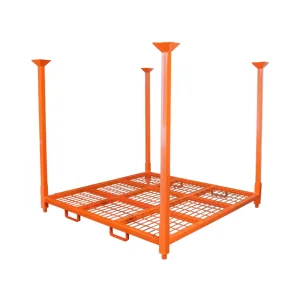
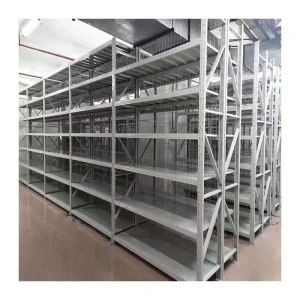
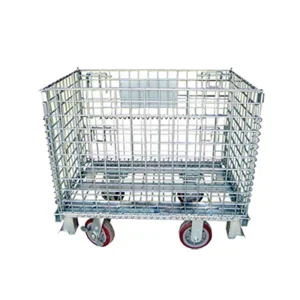
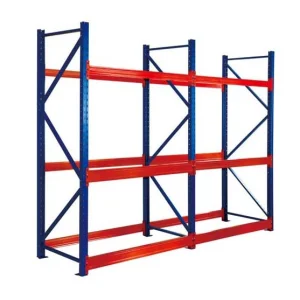
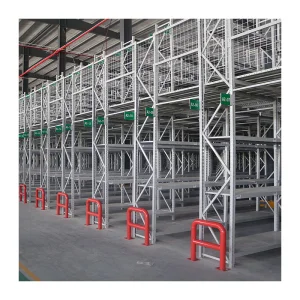
Explore our full range of storage products, including corrosion-protected post pallets, mold racks, dynamic carton flow systems, and structural mezzanines.

 Xinmiao Racking