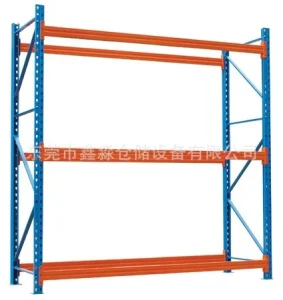
Top 10 Adjustable Shelving Manufacturer & Exporter

Driving Intelligent Warehouse Solutions with Industrial-Grade Rigidity, Seamless Modularity, and Supply Chain Excellence

Ningbo Xinmiao: Setting the Gold Standard in Logistics Infrastructure

Established in 2015, Ningbo Xinmiao Storage Equipment Co., Ltd. (commonly known in structural channels as Xinmiao Racking) has evolved into a global titan of industrial storage design. For over 14 years, we have bridged the gap between heavy-duty engineering and customizable space optimization.

Spanning a state-of-the-art manufacturing facility of more than 35,000 square meters, our operations run on absolute precision. Our export portfolio spans across North America, Europe, Southeast Asia, and the Middle East, generating an annual export revenue exceeding $18 million. Guided by a core belief in structural integrity, we maintain an active R&D department staffed by 18 senior design engineers who deliver custom OEM/ODM solutions tailored to complex 3PL configurations and automated distribution hubs.

Through our robust network of over 800 supply chain partners, we command a secure input of certified raw structural steel (such as Q235B and Q355B), ensuring price stability and immediate production turnaround even amidst global macroeconomic shifts.

14+
Years Engineering Exp.
35k㎡
Production Facility
$18M+
Annual Export Value
25+
Active QC Specialists

Global Trends: The Revolution of Adjustable Shelving

How modern commercial landscapes are reshaping high-density storage technologies.

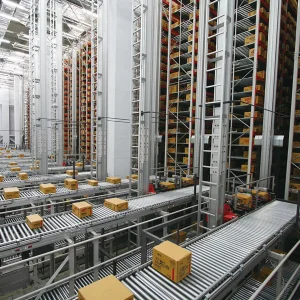
ASRS & Smart Warehouse Integration

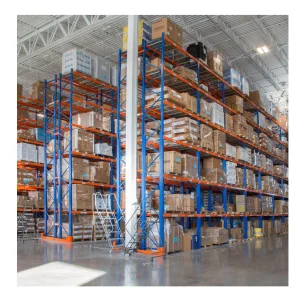
Modern logistics environments demand that physical storage units integrate natively with automated shuttle systems and robotic picking cranes. High-tolerance vertical alignment is no longer optional; it is a structural necessity.

Corrosion-Protection & Harsh Climates

With cold storage systems expanding globally to protect food supplies, cold-resistant structural materials and advanced anti-corrosive powder coatings (complying with ISO 12944) are heavily utilized to prevent hydrogen embrittlement.

Modularity and Dynamic Reconfigurability

Unpredictable inventory types mean systems must change layout quickly. Tear-drop designs and keyhole adjustment slots allow facilities to adjust beam configurations dynamically without structural replacements.

China Factory 4.0: Supply Chain Resilience & Precision

Unifying automated manufacturing lines, vertical logistics integrations, and stringent QC protocols.

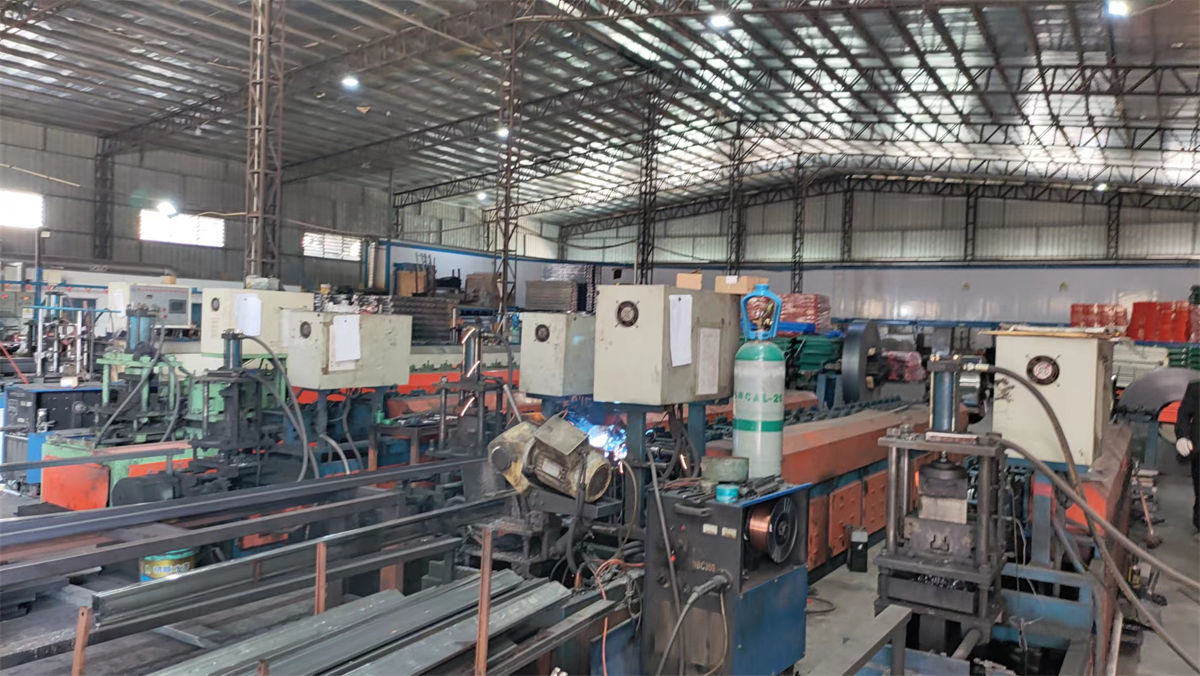
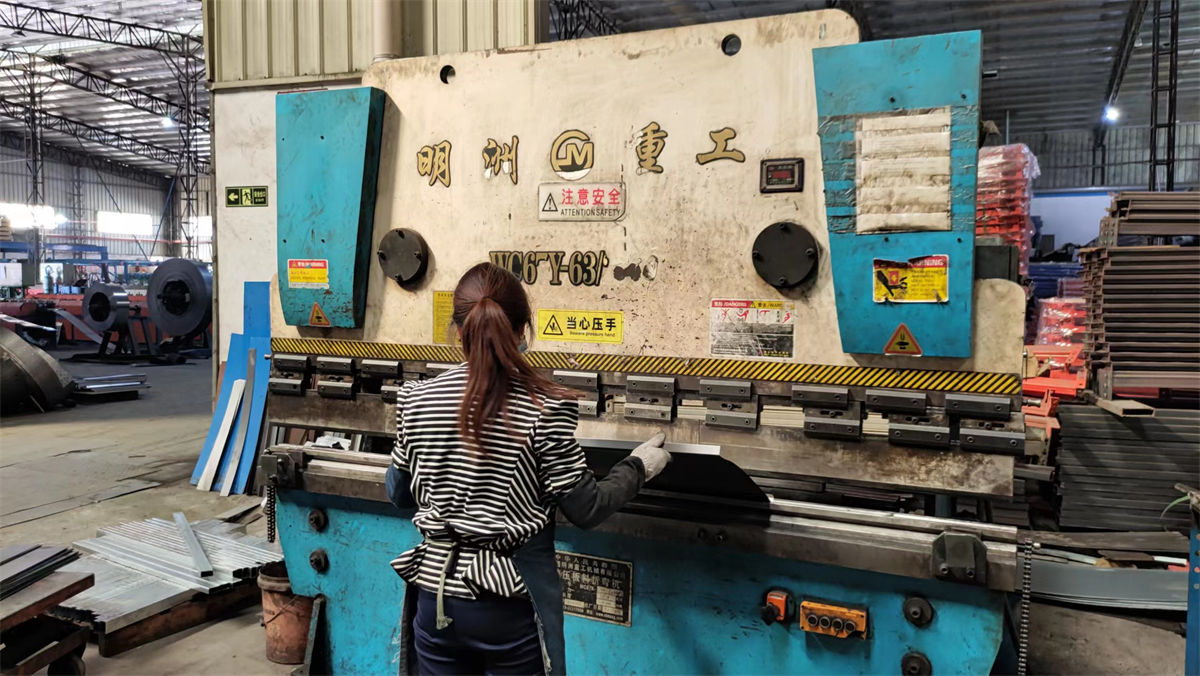
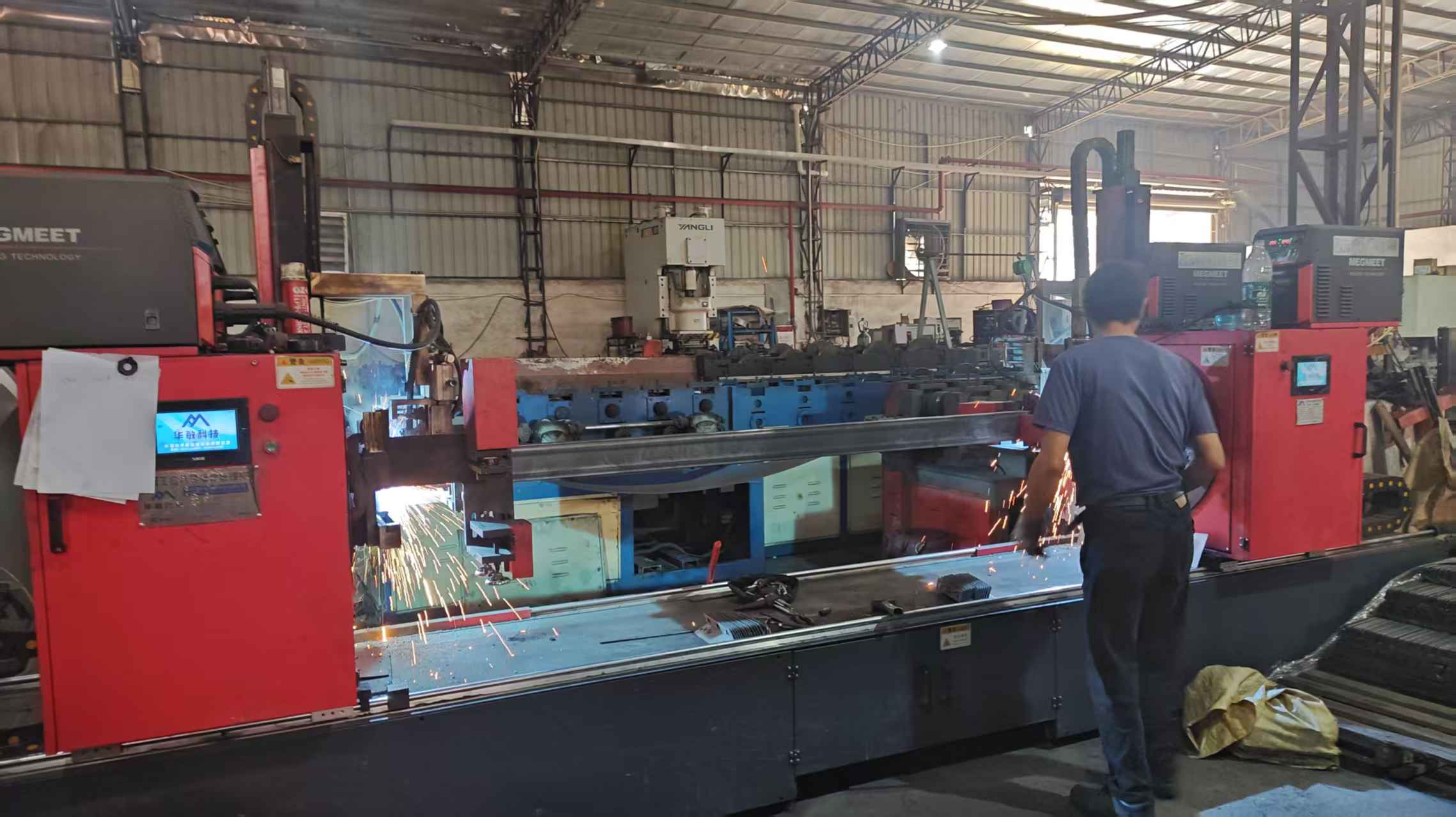
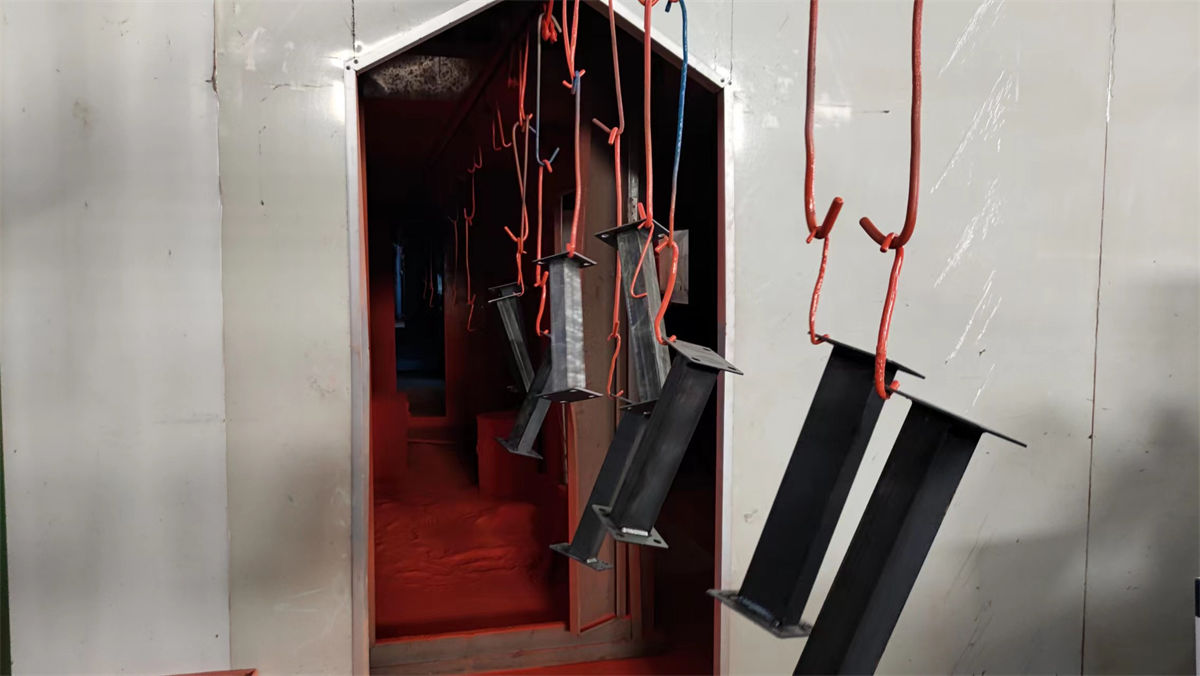
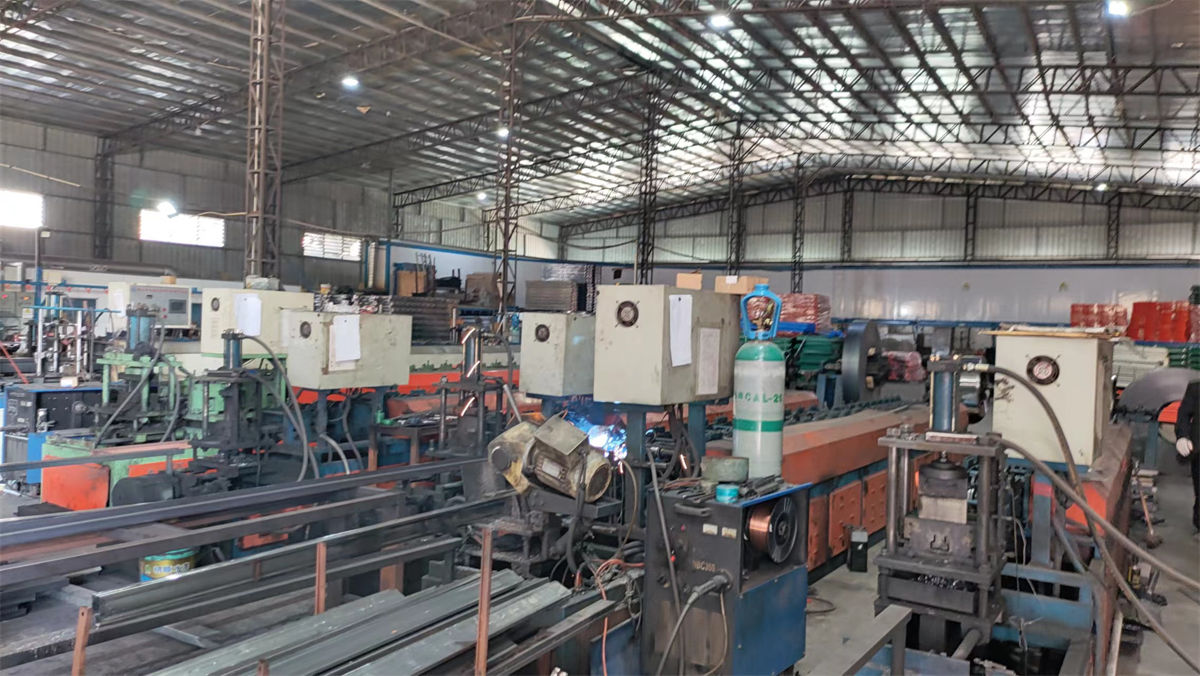
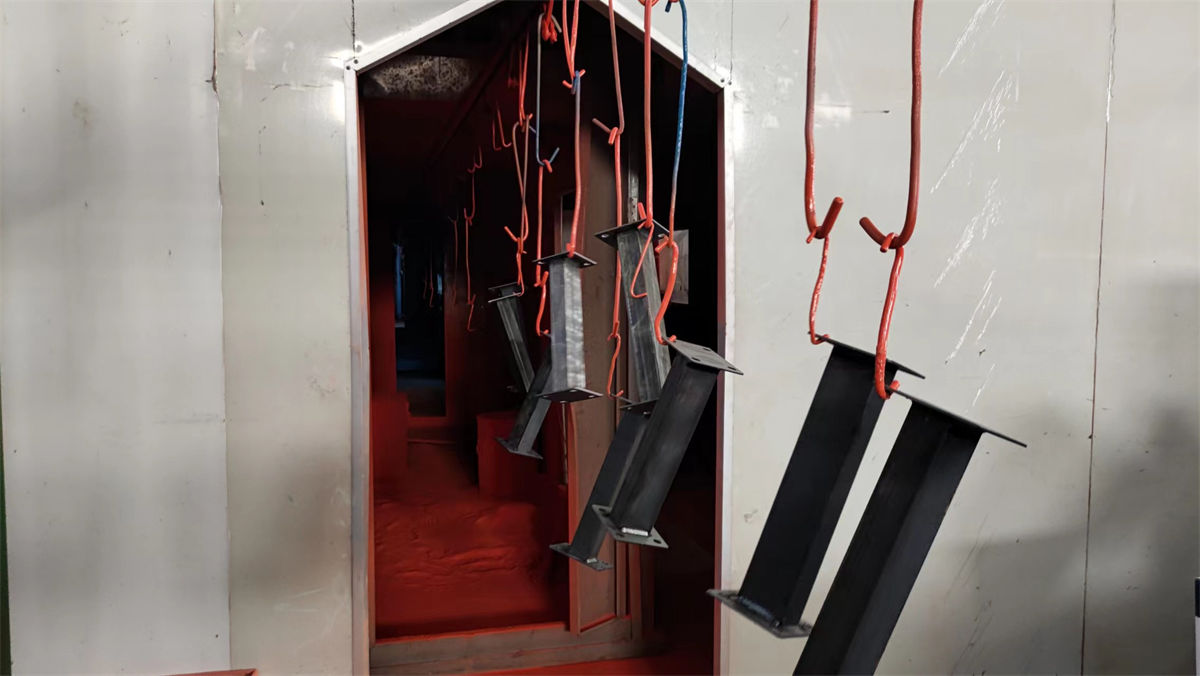
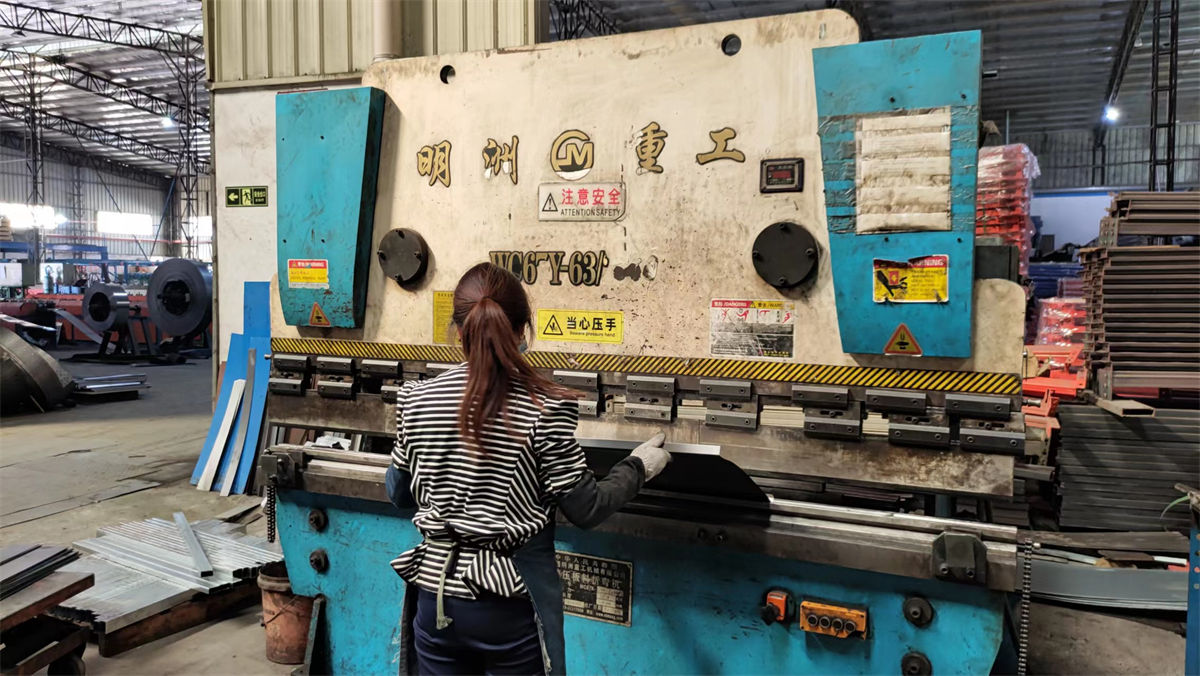
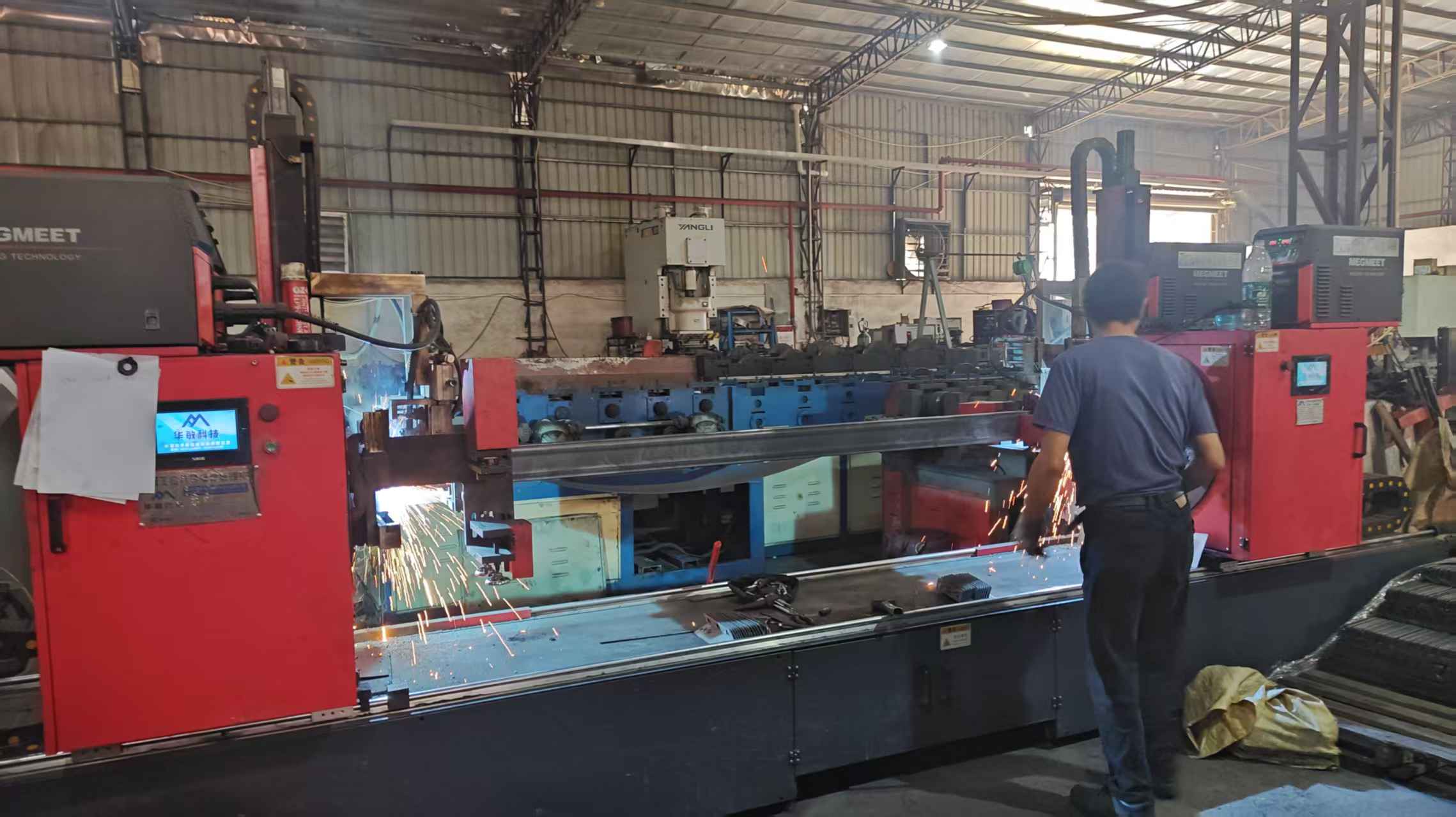
The manufacturing capabilities of Ningbo Xinmiao are deeply integrated with Industry 4.0 frameworks. Our facilities utilize robotic welding hubs, computer-controlled sheet-metal bending systems, and an eco-friendly automated electrostatic powder-coating line that runs continuously.

By automating the high-volume cold-roll-forming processes, we guarantee dimensional deviations within margins of ±0.5mm across a standard 10-meter column. This tight tolerance prevents structural wobble and localized stress distribution anomalies under high-altitude pallet stacking configurations.

To back up this physical precision, our quality control team employs Non-Destructive Testing (NDT) alongside ultrasonic inspection methods to examine welded joints. By running stress-tests that simulate real-world seismic events, we provide global customers with the assurance that our structural steel components will remain stable throughout decades of continuous material handling operations.

Advanced Production & Mechanical Equipment Portfolio

Explore the integrated technical equipment powering our 35,000㎡ manufacturing floor:
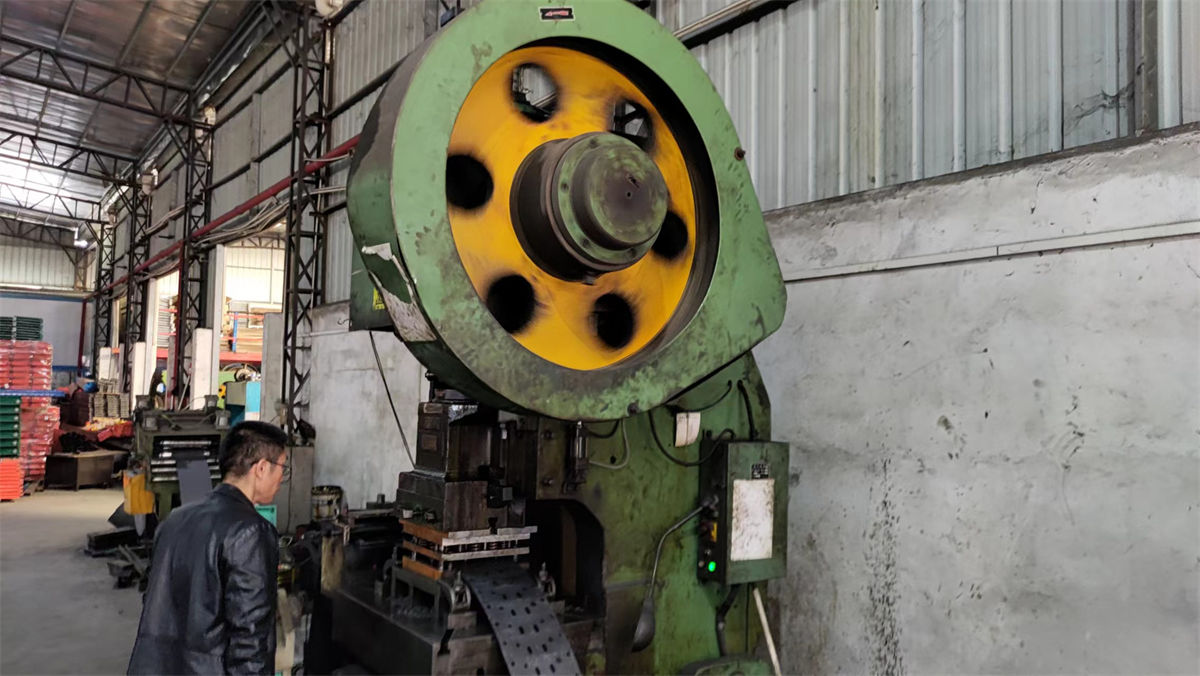
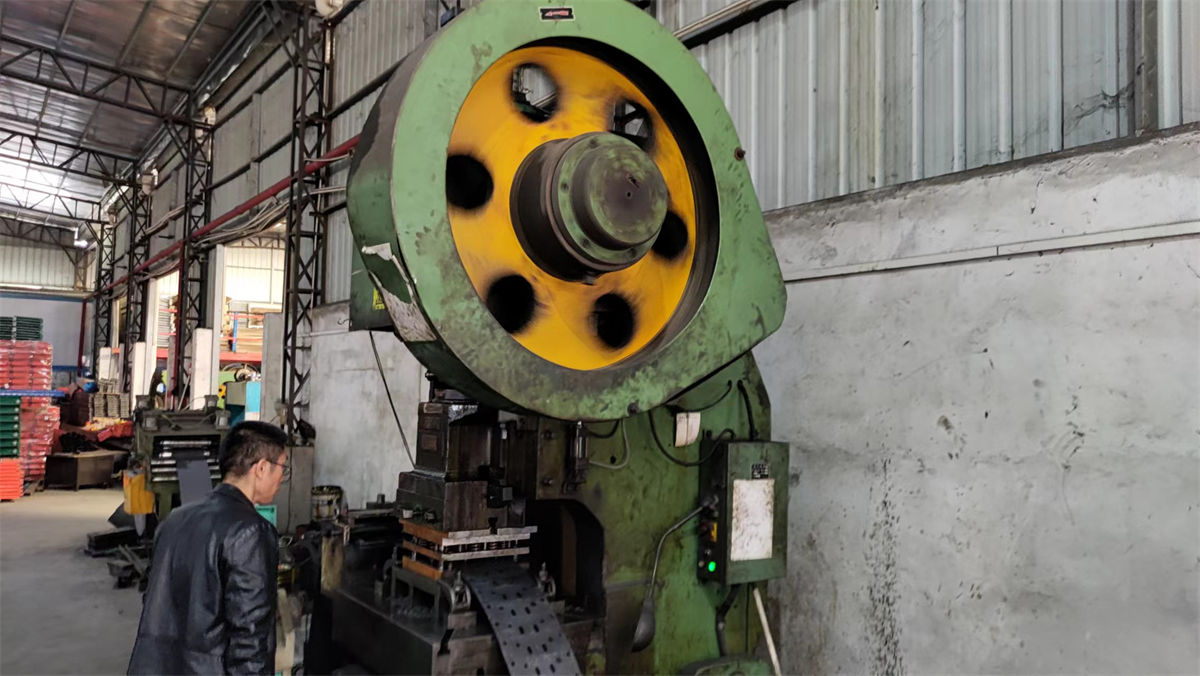
Punching
Punching
Rolling
Rolling
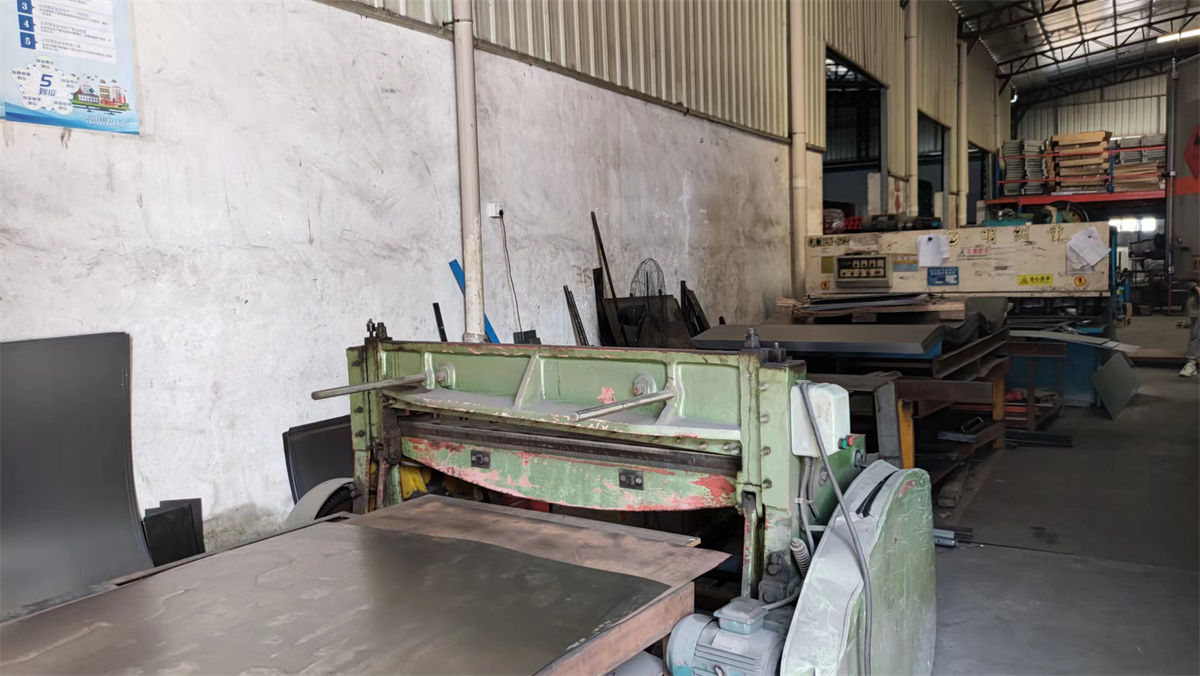
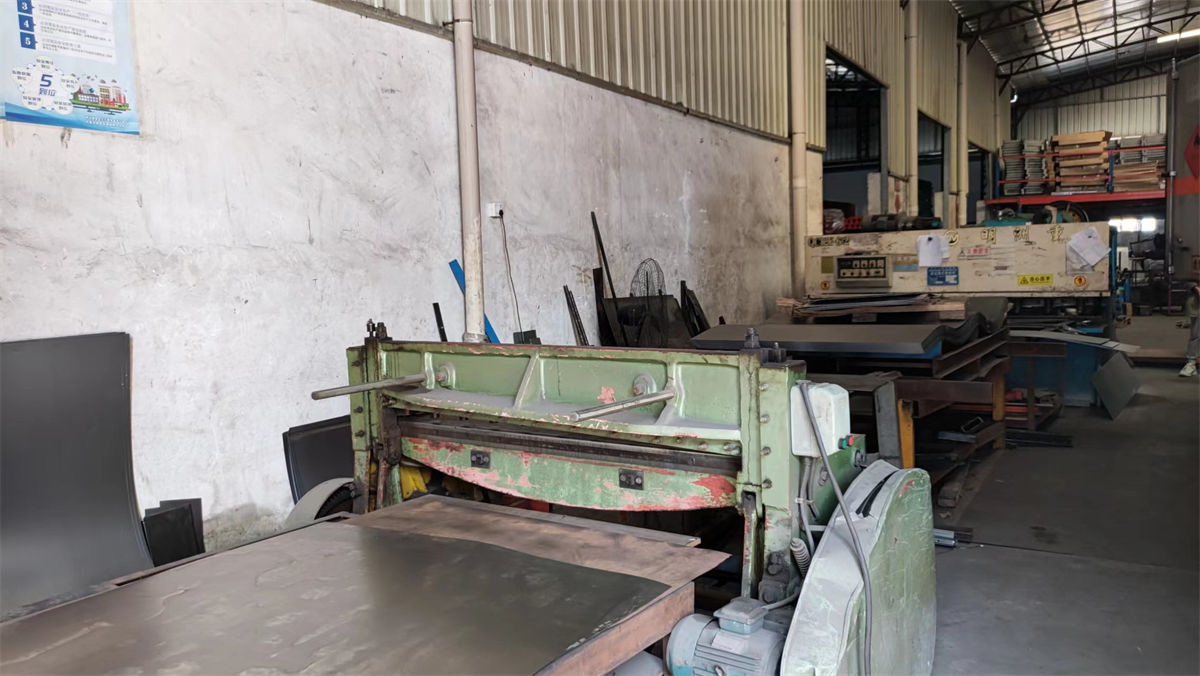
Plate Cutting
Plate Cutting
Bending
Bending
Welding
Welding
Coating
Coating
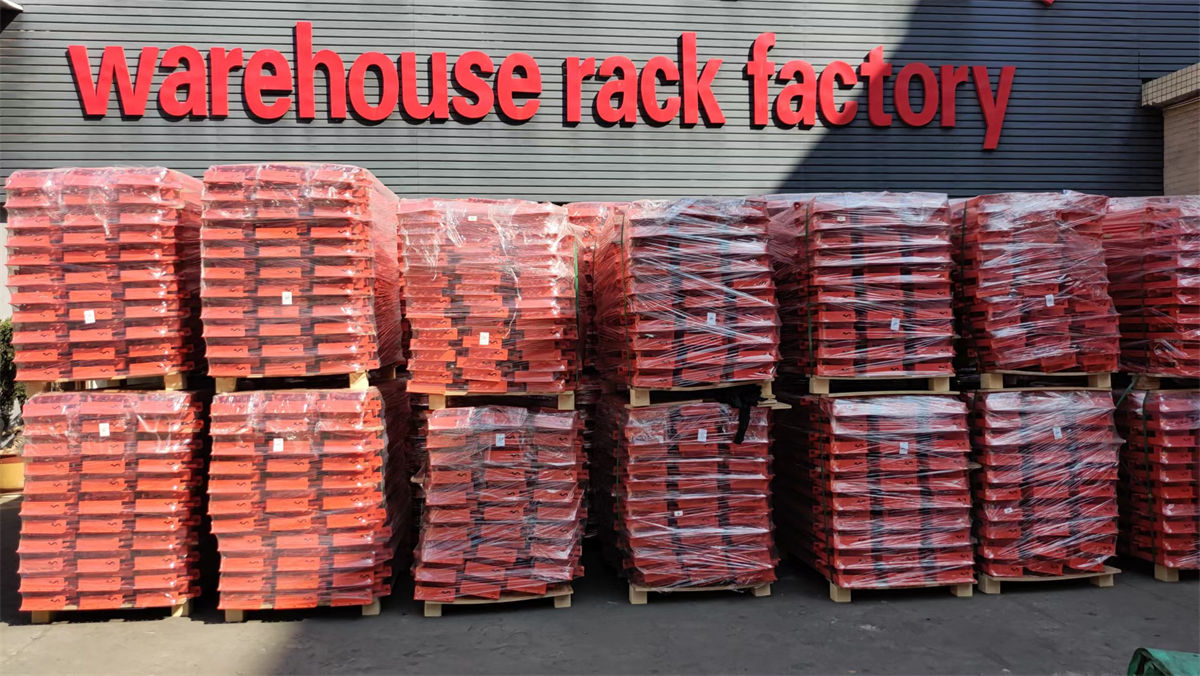
Packed Product
Packed Product
Rolling Machine
Rolling Machine
Coating Line
Coating Line
Bending Machine
Bending Machine
Punching Machine
Punching Machine
Welding Machine
Welding Machine
Plate Cutting Machine
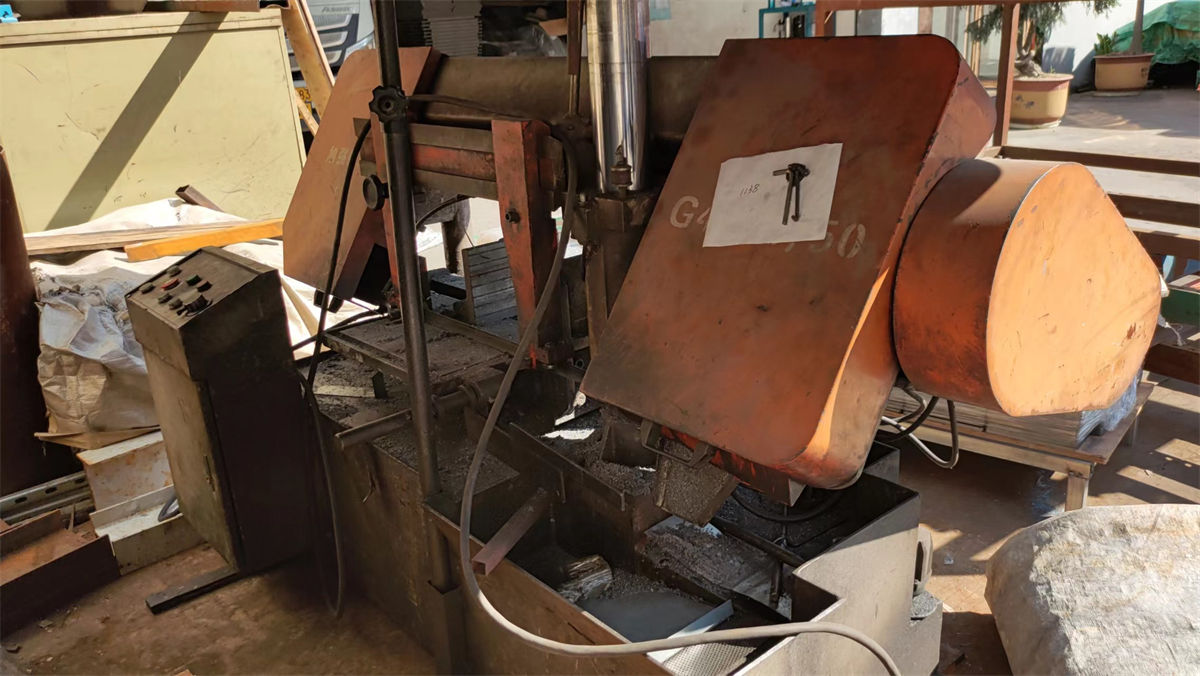
Sawing Machine
Sawing Machine
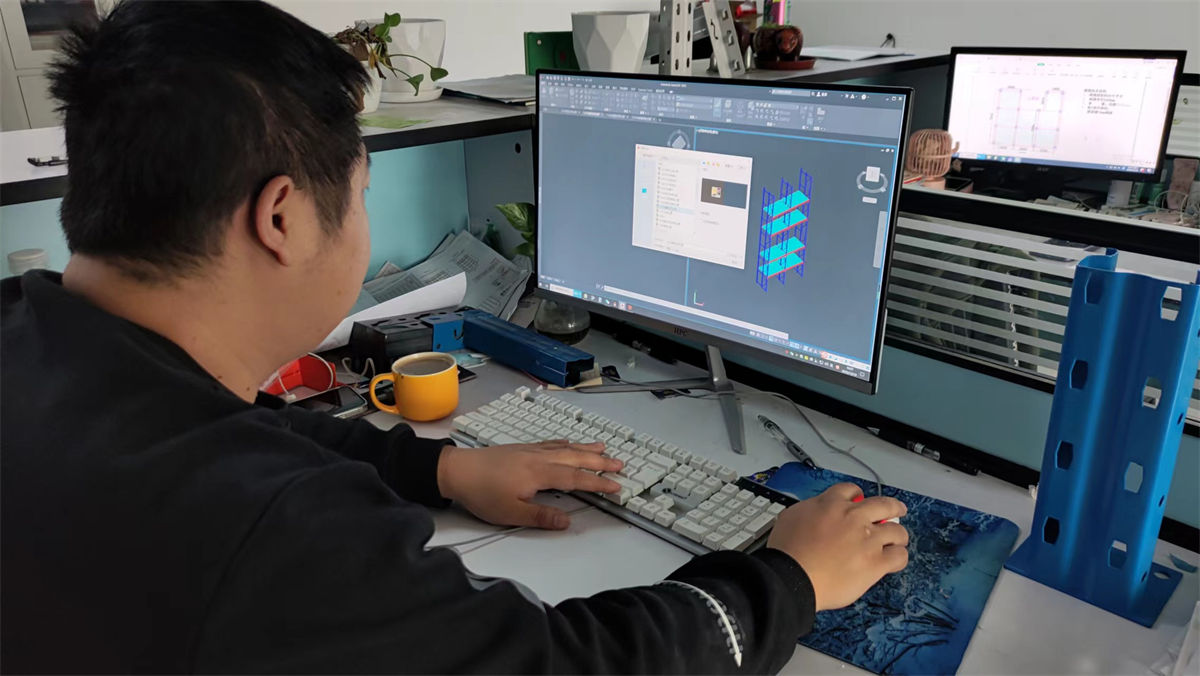
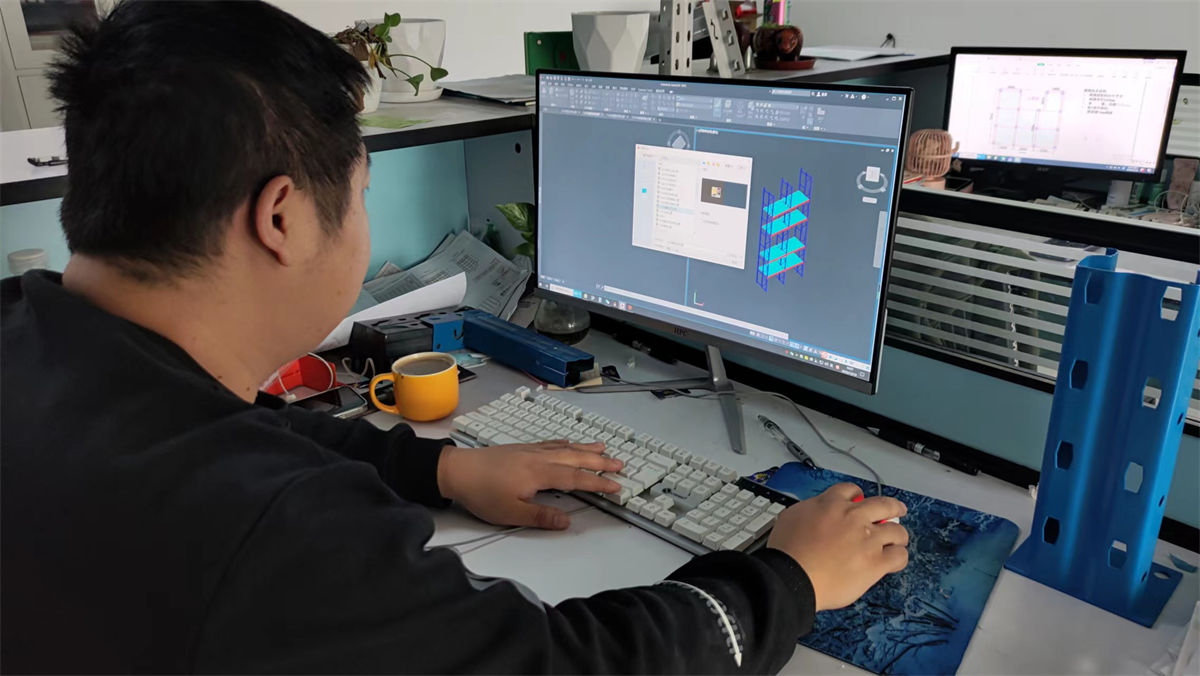
Design
Design
Computer
Computer
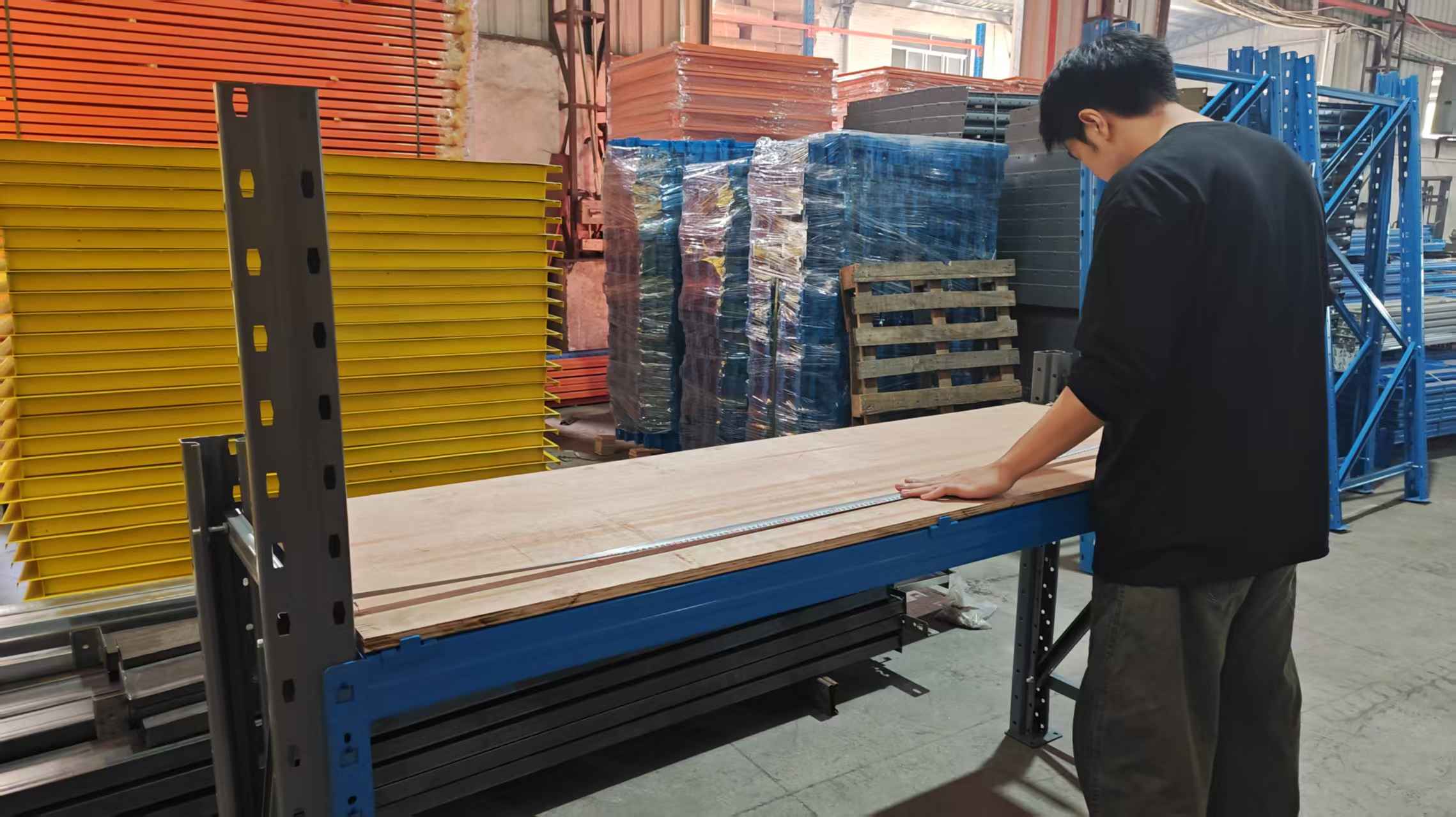
Inspection
Inspection
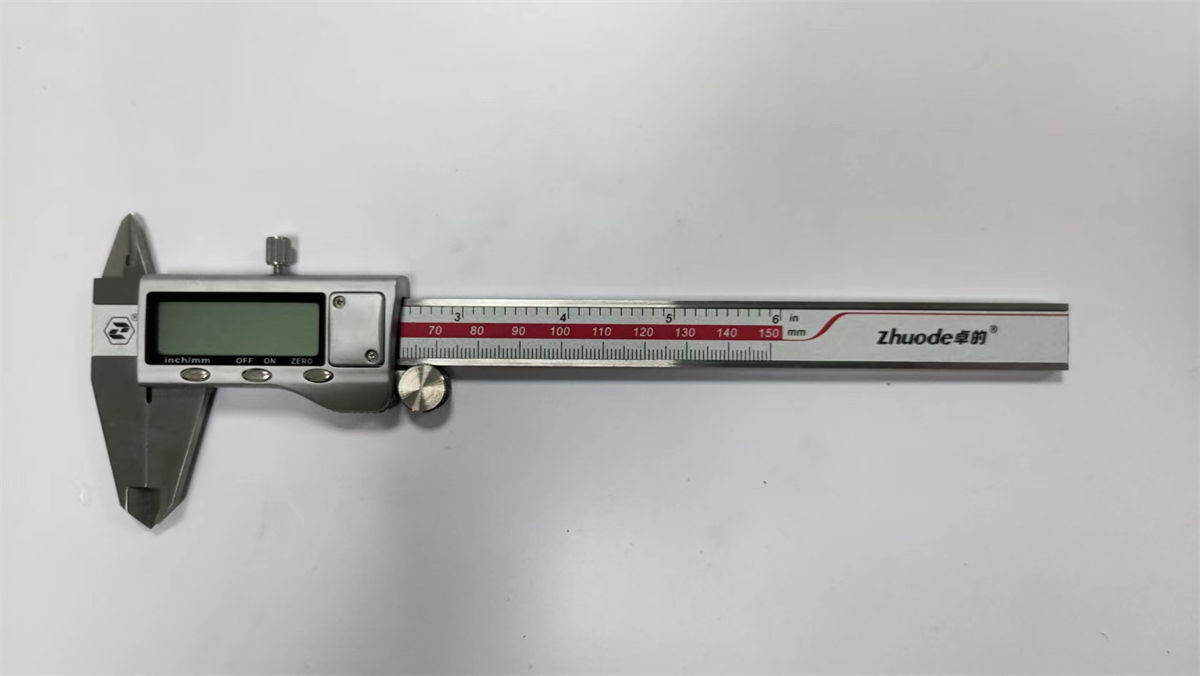
Calipers
Calipers

Localized Application Scenarios

Adapting to specialized environments with targeted custom structural configurations.

Automotive Tire Storage

We supply modular storage tiers that handle localized seasonal shifts, heavy localized weight concentration, and continuous unit load changes for manufacturing hubs in North America and Western Europe.

Intensive Cold Storage

For operations located in key Middle East shipping corridors, we utilize cold-tolerant structural steel capable of sustaining temperatures below -30°C without risk of material fatigue or paint chipping.

3PL Distribution Hubs

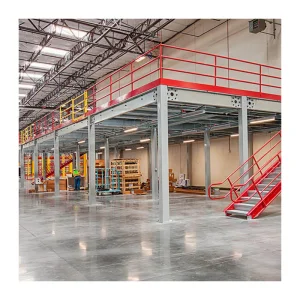
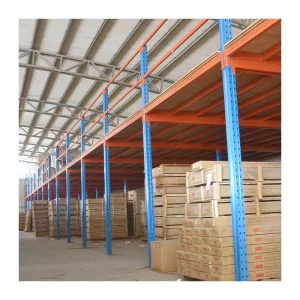
Using our custom-tailored heavy-duty systems and versatile mezzanine flooring, warehouse layout teams can design pick-pack areas that multiply storage capacity without expanding floor space.

Expert Q&A: Technical Specifications & Procurement Insights

Answers to complex engineering questions regarding structural dynamics and global export practices.

Q1: Which structural steel grades are used for industrial adjustable shelving, and why?
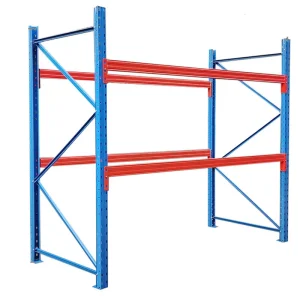
We primarily build our structural racking and load-bearing profiles using Q235B and Q355B structural steel. Q235B is optimal for standard high-load logistics distribution centers because of its balanced yield strength and ductility. For environments that handle high dynamic loads or seismic zones, Q355B steel provides a higher yield threshold (355 MPa compared to 235 MPa), allowing us to design thinner profile columns with equal load capacities, reducing overall structural weight.
Q2: How does Ningbo Xinmiao verify structural load capacities?
Each profile is modeled using Finite Element Analysis (FEA) software to calculate load distribution and identify stress points. We then conduct physical stress tests, loading assemblies up to 1.5 times their rated load capacities. These tests verify the system's structural integrity and ensure compliance with international safety standards.
Q3: What parameters prevent corrosion in industrial storage cages and racks?
For moisture-prone and chemical environments, we use hot-dip galvanized finishes or electro-galvanized coatings with polymer sealants. In our automated powder-coating lines, products undergo multi-stage chemical pretreatment, including iron-phosphating and acid cleaning, followed by thermosetting polyester powder coatings. This process achieves a coating thickness of 60 to 90 microns, meeting standard salt spray resistance tests.
Q4: How do automated shuttle and ASRS systems impact rack tolerances?
Automated Shuttle and ASRS systems require minimal deflection under load to prevent issues with robotic picking sensors. While manual racking tolerates alignment variances of ±10mm, automated systems require a tolerance within ±2mm. We achieve this alignment using CNC robotic production lines, automated punching arrays, and precision anchor systems.
Q5: What safety systems are integrated into your heavy-duty shelving designs?
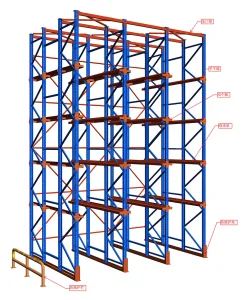
Safety is built into every component. Adjustable beams feature high-strength steel locking pins that prevent accidental displacement by forklifts. Upright frames are reinforced with baseplates anchored directly to the concrete slab, and structural column protectors are installed to absorb forklift impacts and protect the main structure.
Q6: Can your warehouse mezzanine floors integrate with existing facilities?
Yes, our modular steel mezzanine systems are engineered for retrofitting. Our design team creates structures that bolt directly to existing concrete slabs without requiring foundation changes. These systems use standard structural steel beams and high-durability decking material to expand usable floor space.
Q7: How does global shipping impact your structural designs?
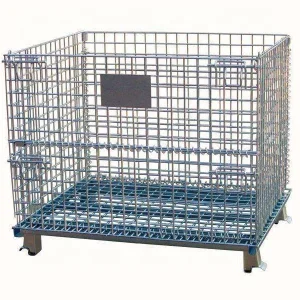
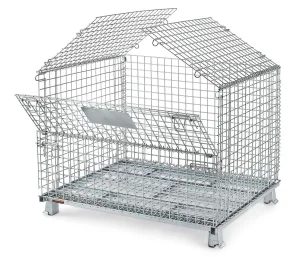
All our components, including shelving, upright frames, and storage cages, are designed to pack efficiently into shipping containers. This modular, knockdown design maximizes container space utilization, reduces transit costs, and protects structural components from damage during long ocean transits.
Q8: What is your standard turnaround time for custom OEM/ODM production runs?
Once structural drawings are approved, production is typically completed in 20 to 30 days. By maintaining high-volume steel supplies and running automated roll-forming equipment, we ensure predictable production schedules and reliable lead times for global projects.