Discover heavy-duty engineering structures built for dynamic transport, optimized load capacities, and dense vertical warehousing integration.
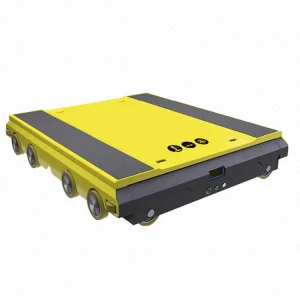
In the era of hyper-optimized supply chains and automated material handling, industrial storage equipment is no longer considered a simple commodity. It functions as a critical subsystem of structural logistics engineering. Companies utilizing automated guided vehicles (AGVs), stacker cranes, and dynamic shuttle systems require high-precision fabrication, minimal deformation tolerances, and long-term durability under heavy loads. As a leading China wholesale steel container manufacturer and exporter, Ningbo Xinmiao Storage Equipment Co., Ltd. designs, engineers, and manufactures heavy-duty systems that meet these demands.
The structural load-bearing performance of steel wire containers, stackable storage racks, and industrial pallet systems relies on precise material chemistry and section design. We prioritize carbon-manganese structural steel (typically Q235B and Q355B), balancing ductile toughness with yield strength. Under high-density vertical loads, structural elements face combined stresses: compression, bending, and shear forces. By employing finite element analysis (FEA), our engineering team calculates safety factors, buckling limits, and dynamic load-bearing limits to ensure structural stability in high-seismic regions and high-intensity distribution hubs.
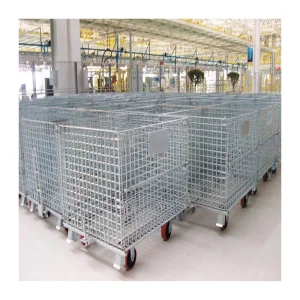
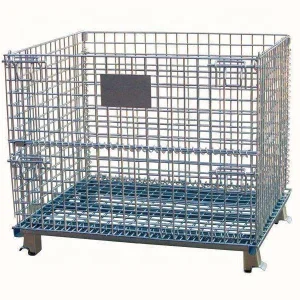
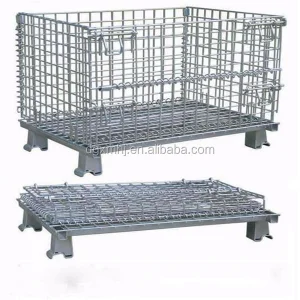
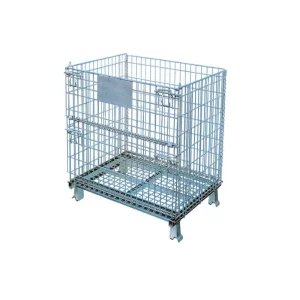
Modern global logistics require adaptable and heavy-duty storage configurations. Traditional wooden pallets and static bins are being replaced by reusable, collapsible, and stackable steel containers to support lean warehousing methodologies. The strategic benefits include:
Our 35,000-square-meter facility features automated machinery and strict non-destructive testing (NDT) to ensure consistent structural performance.
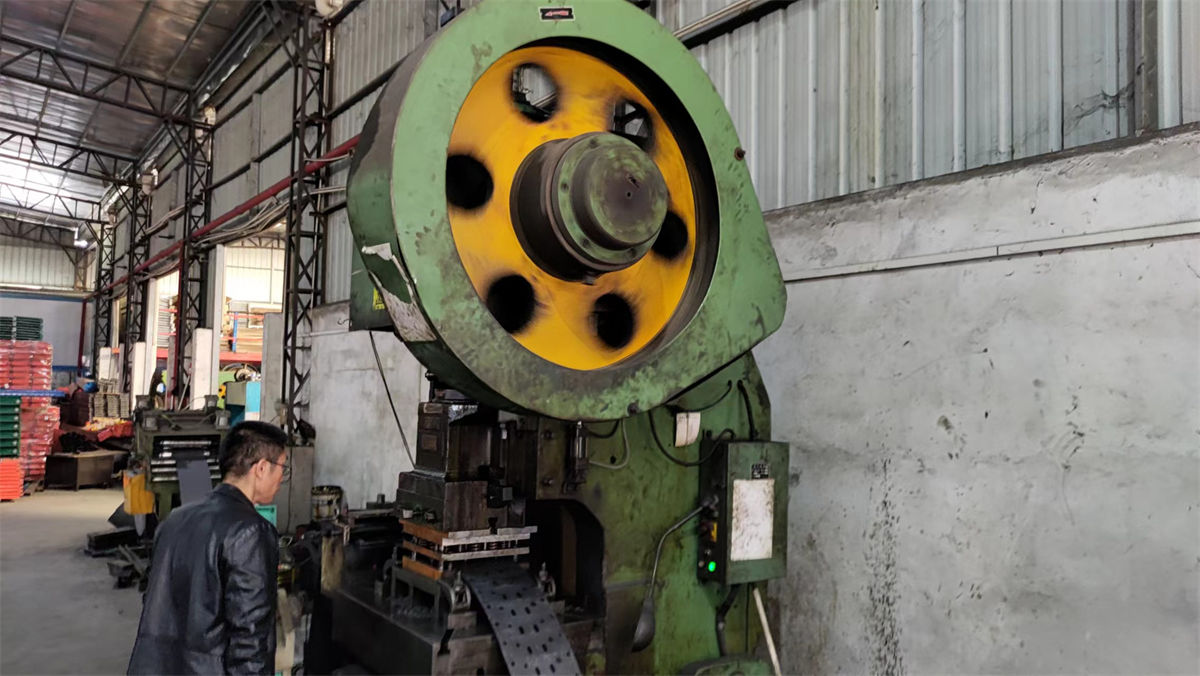
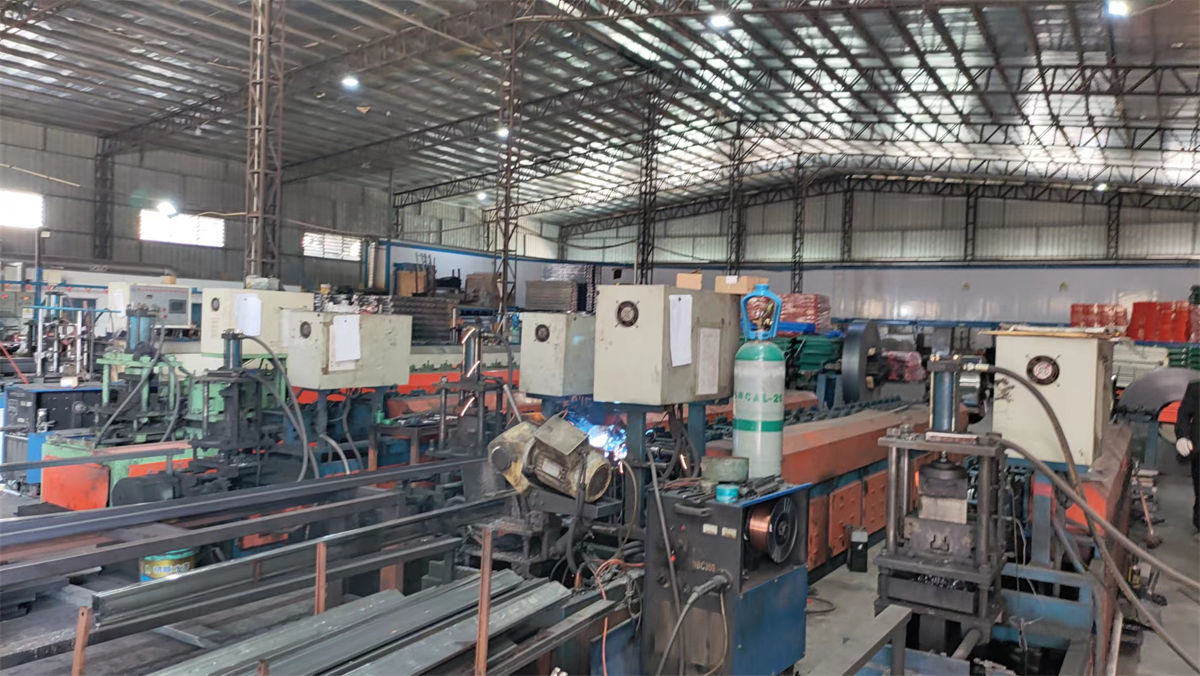
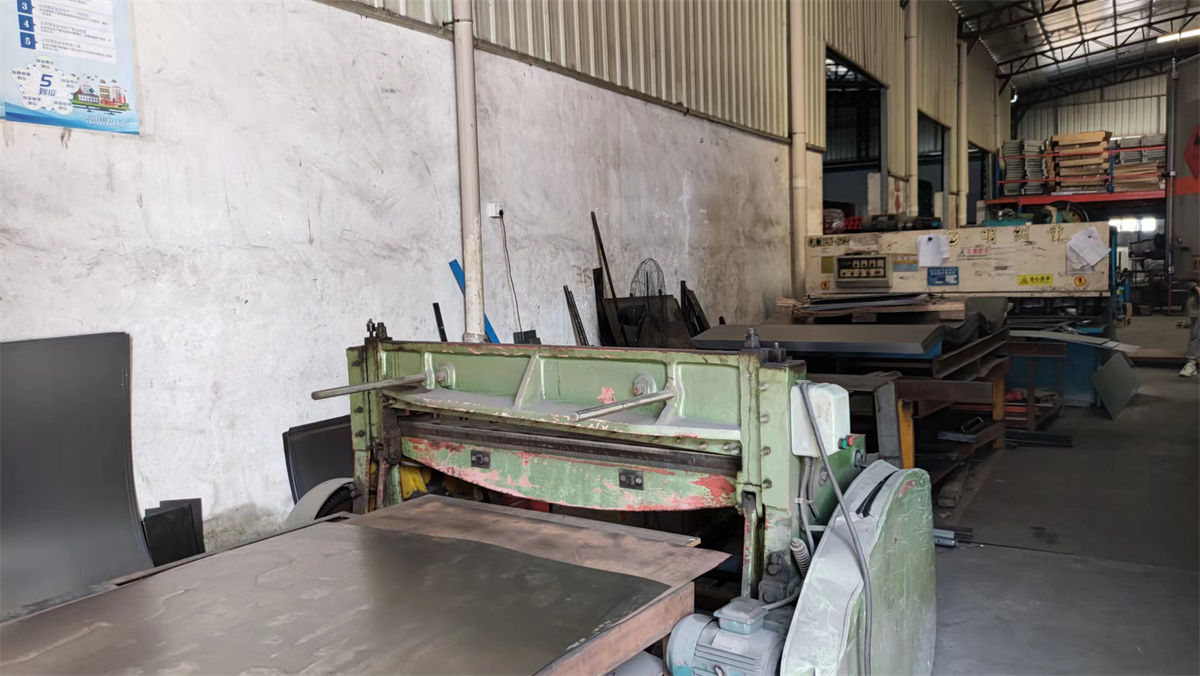
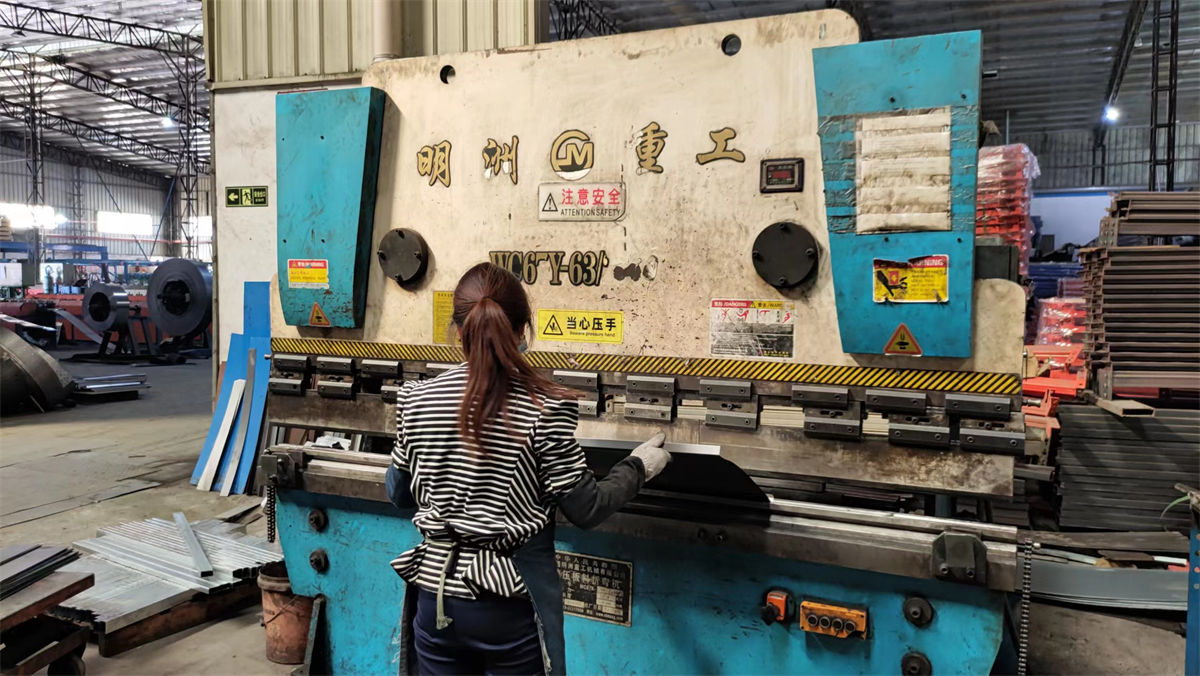
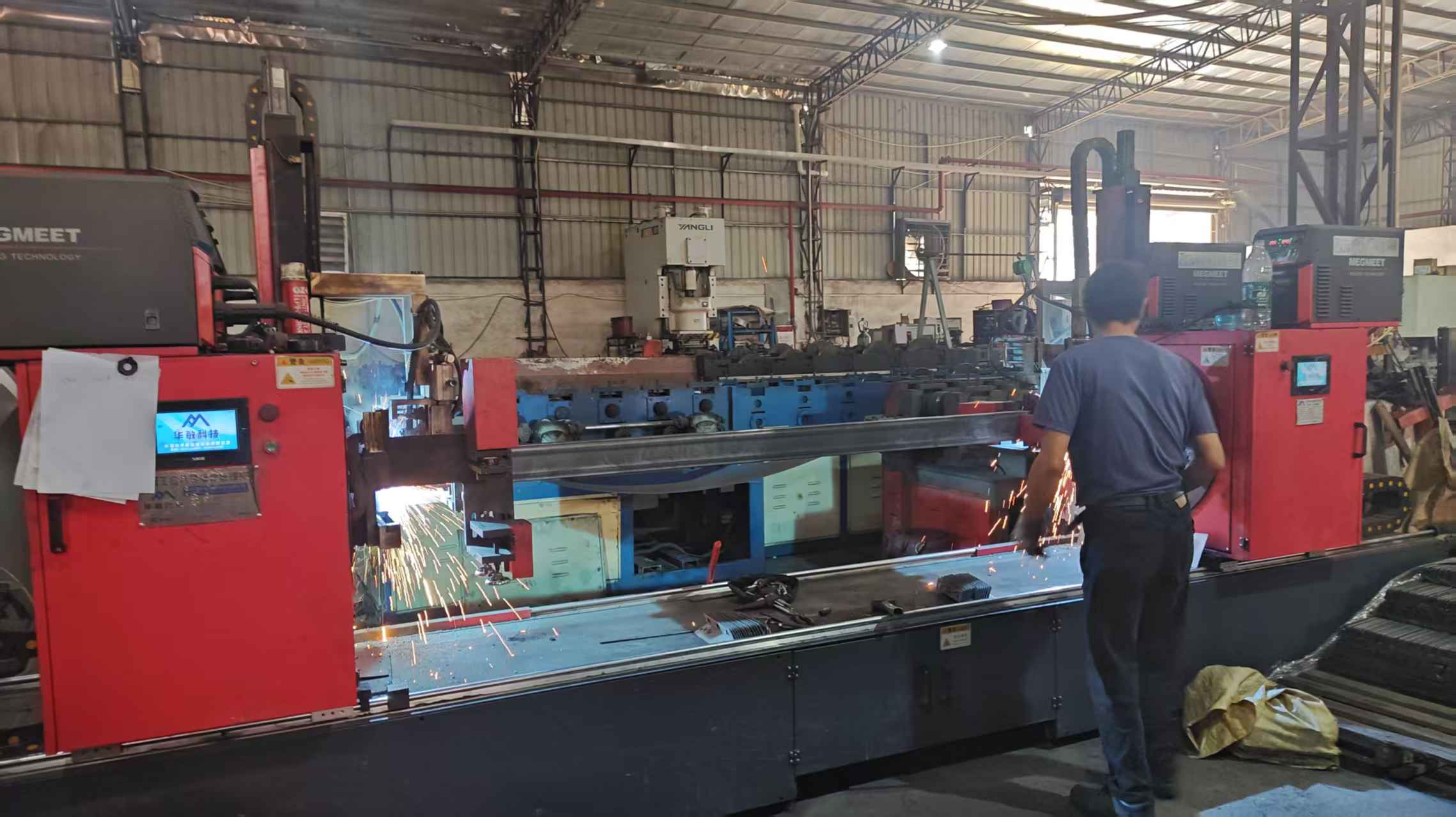
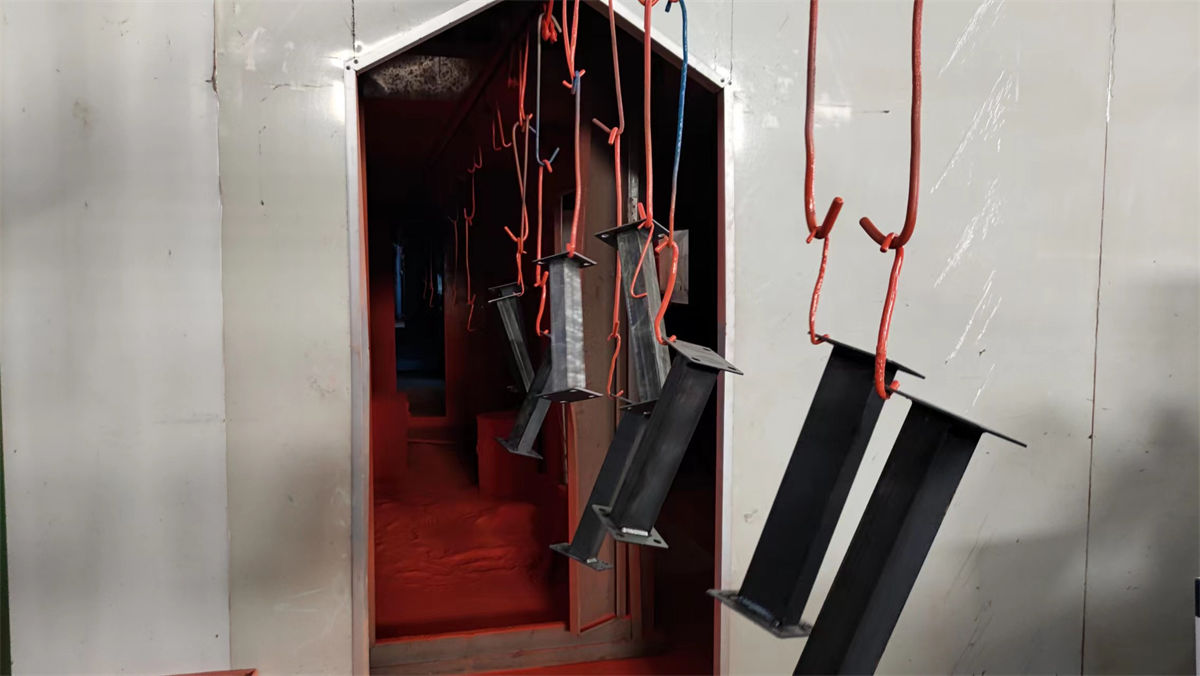
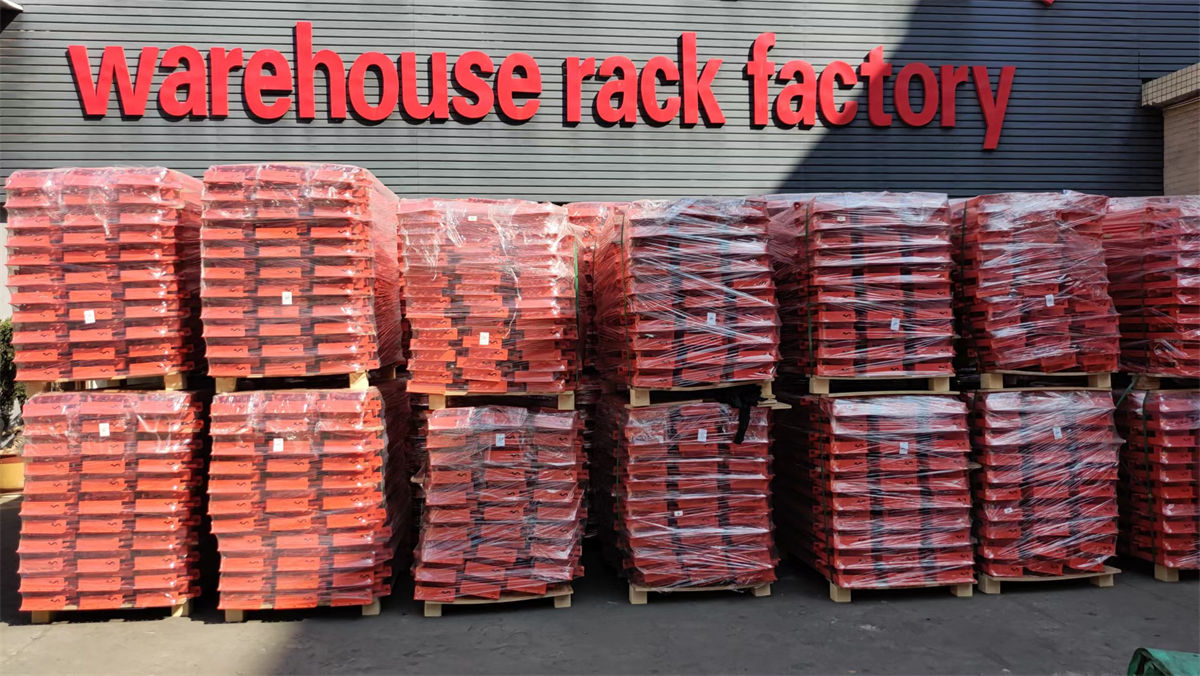
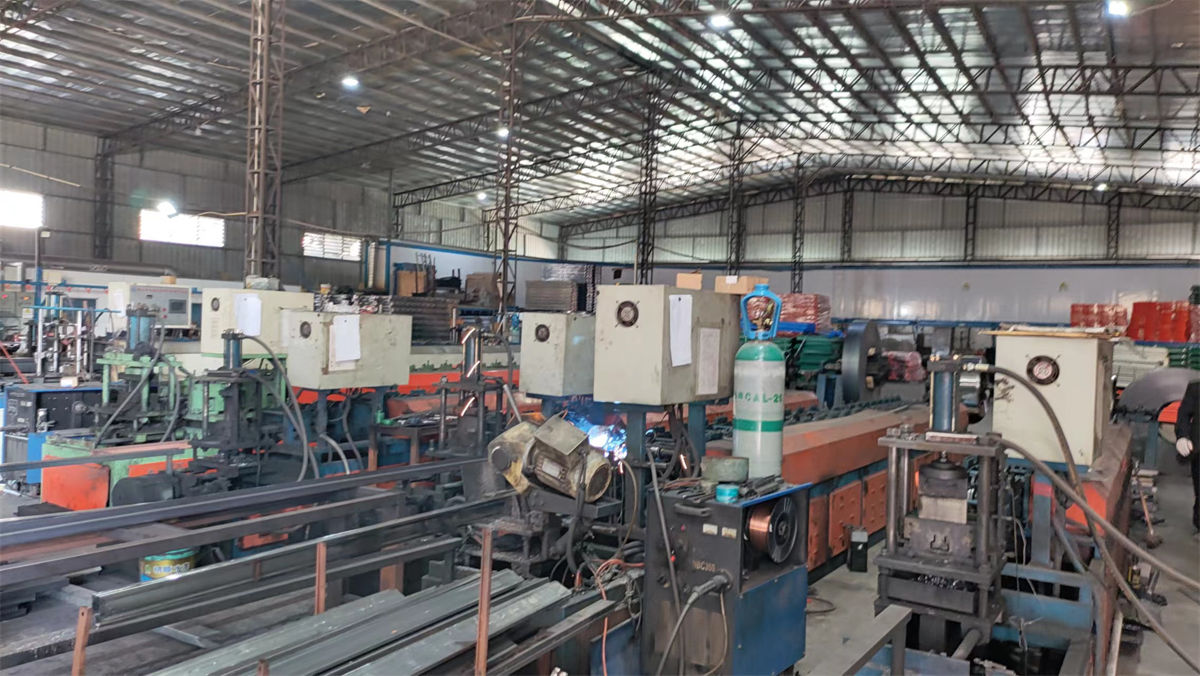
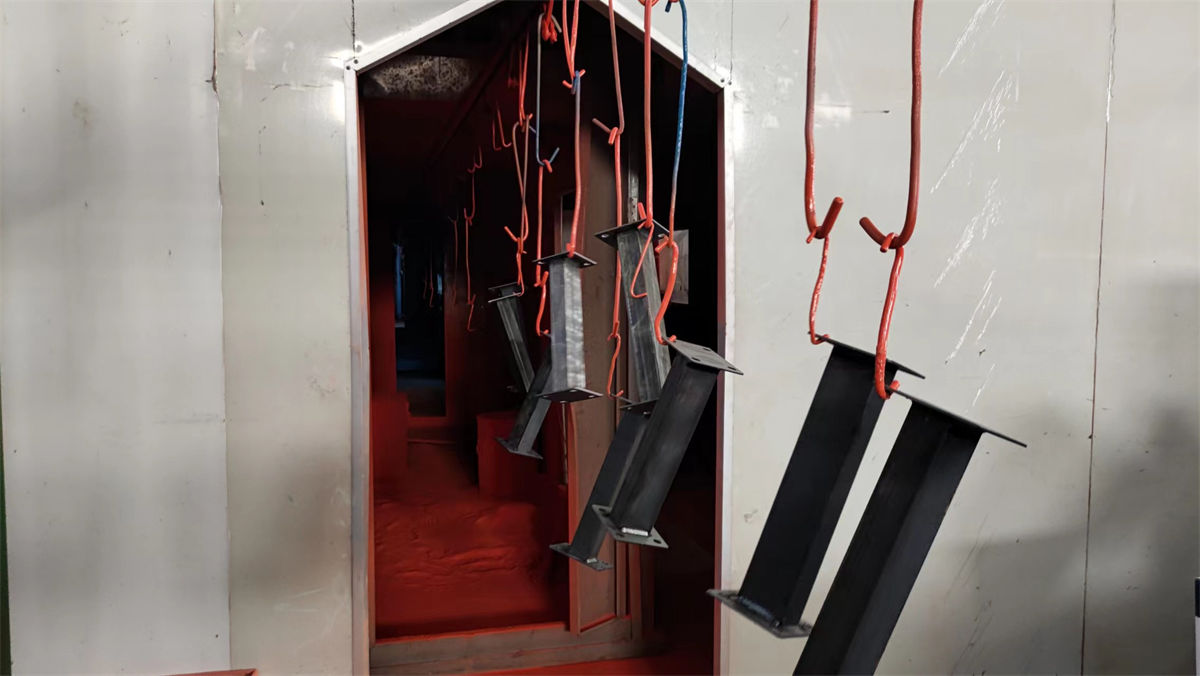
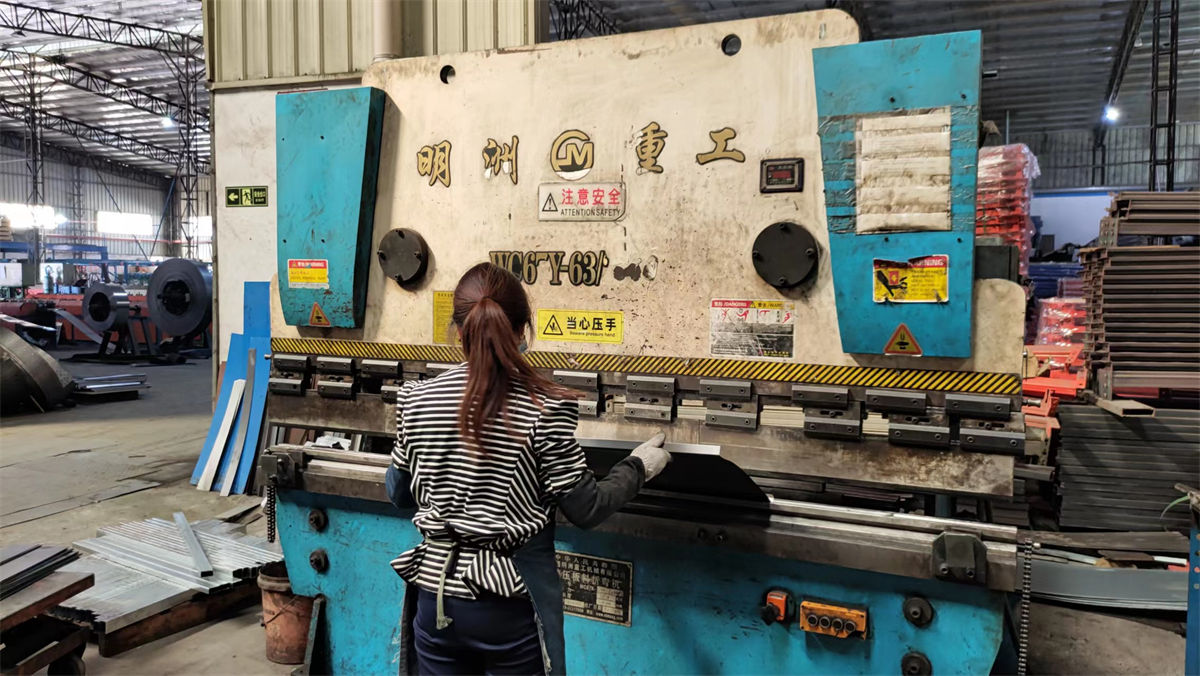
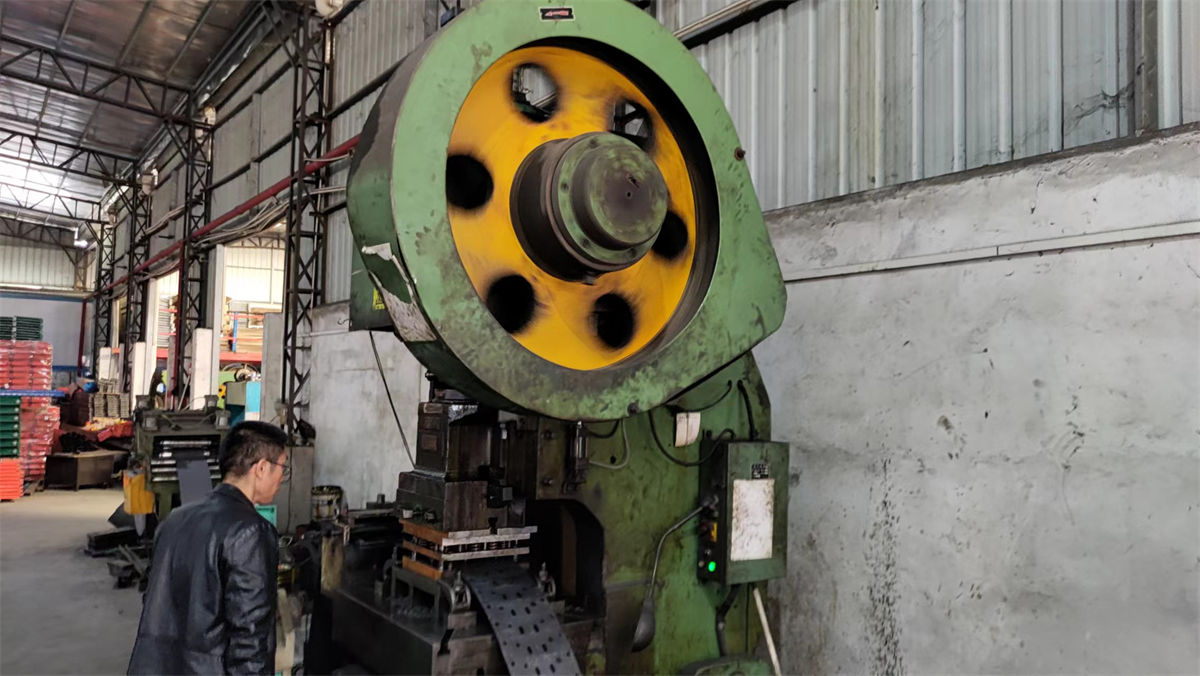
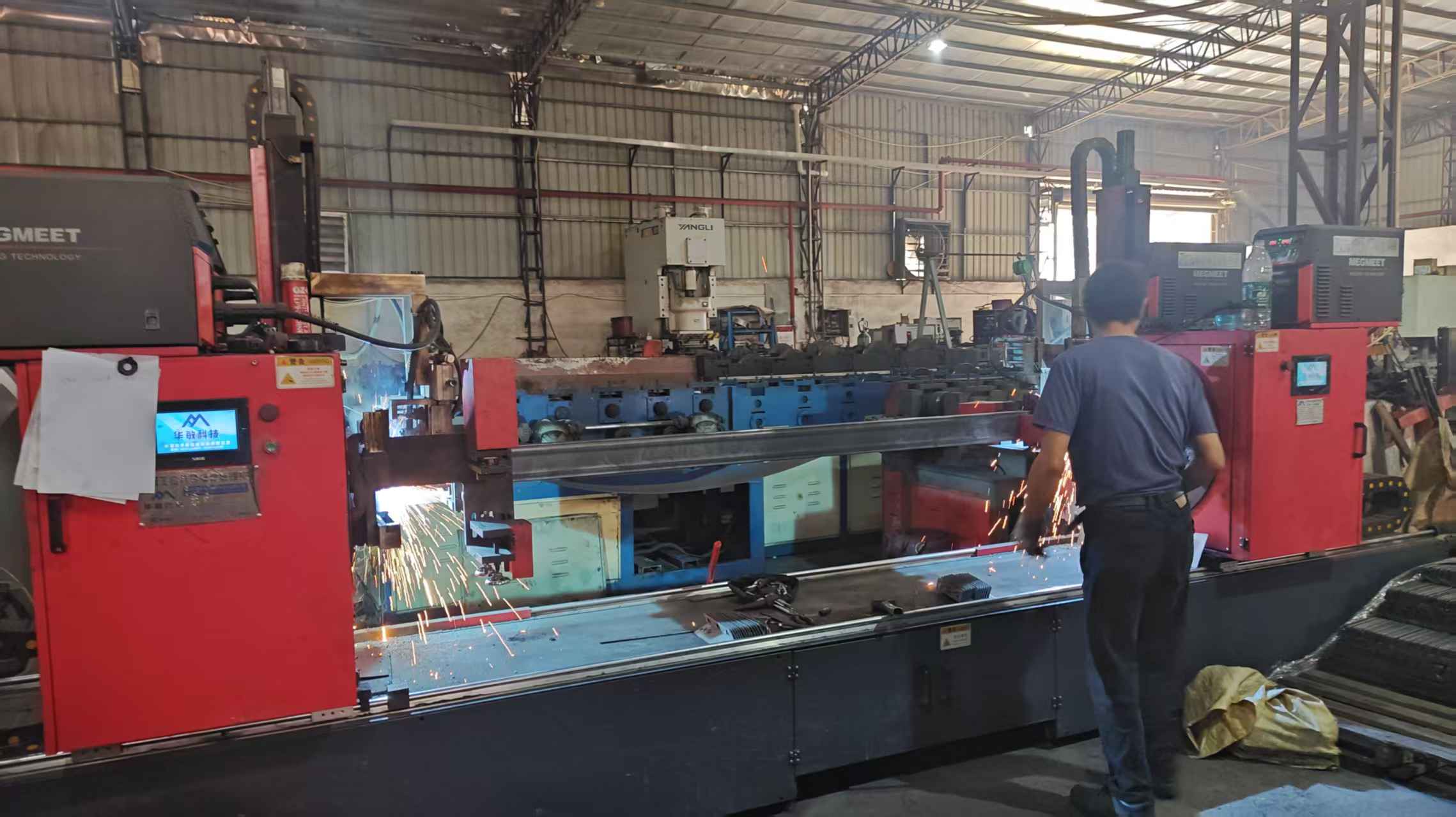
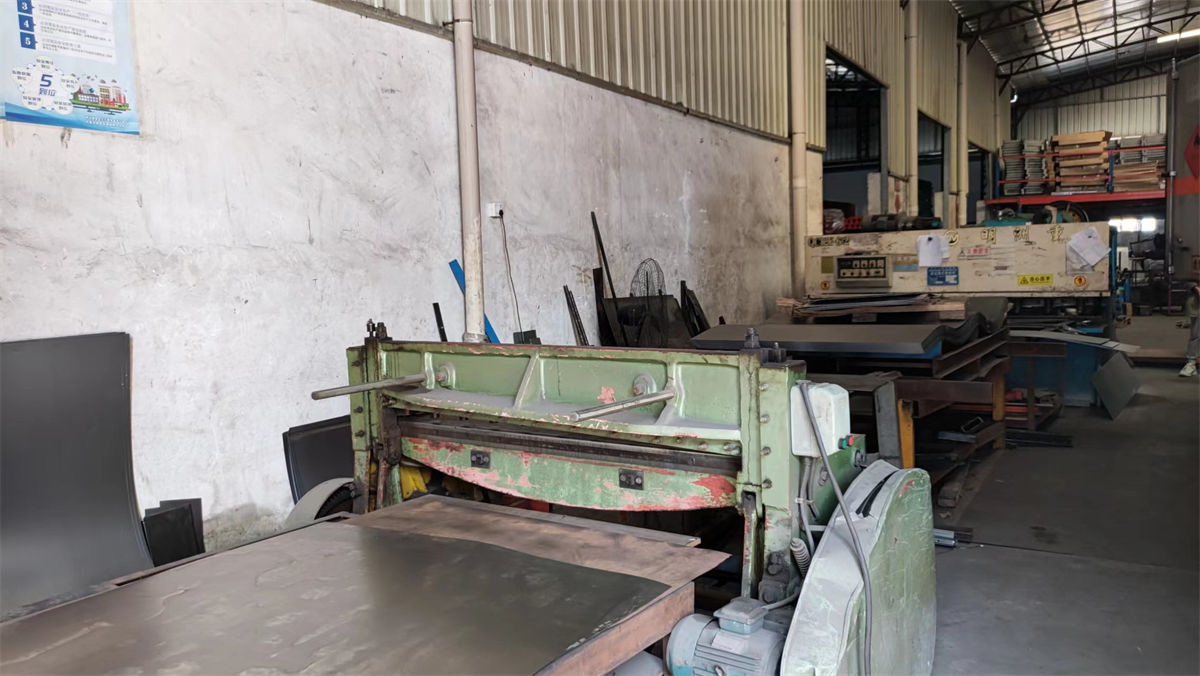
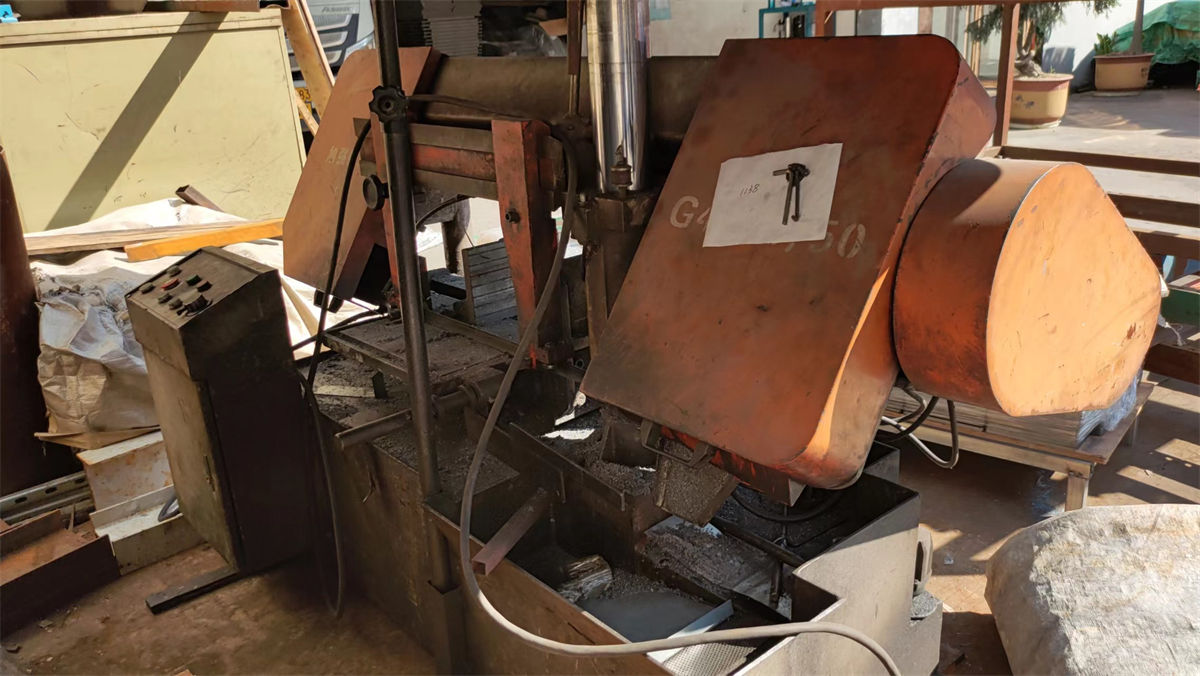
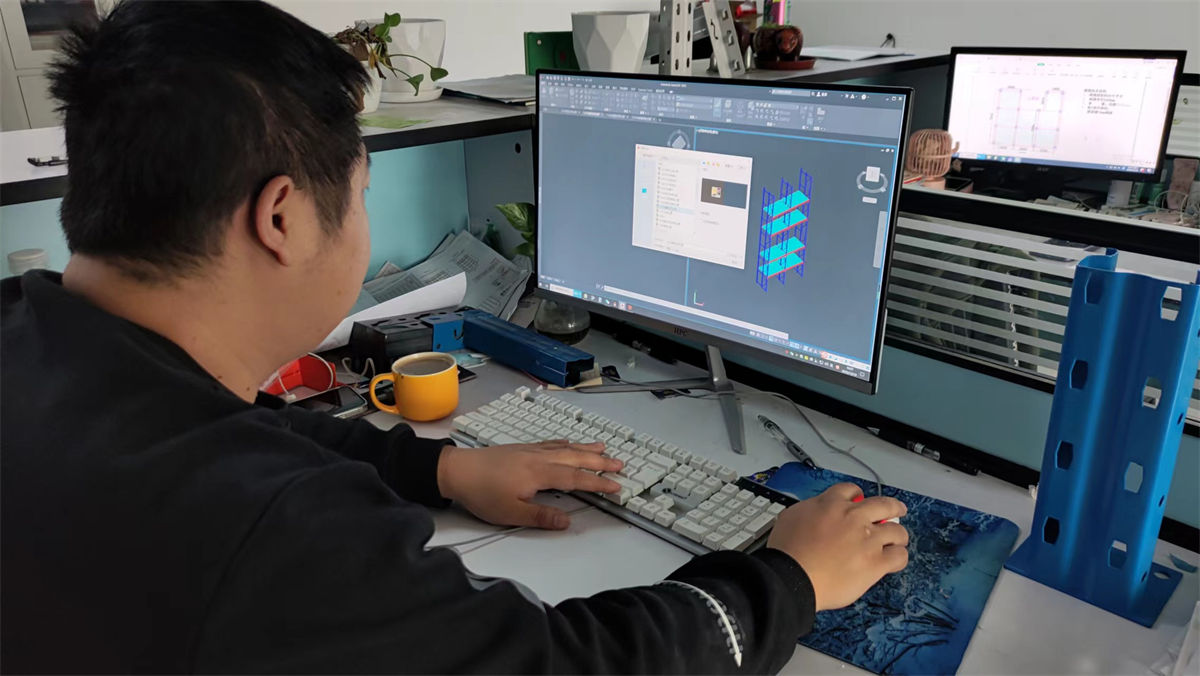
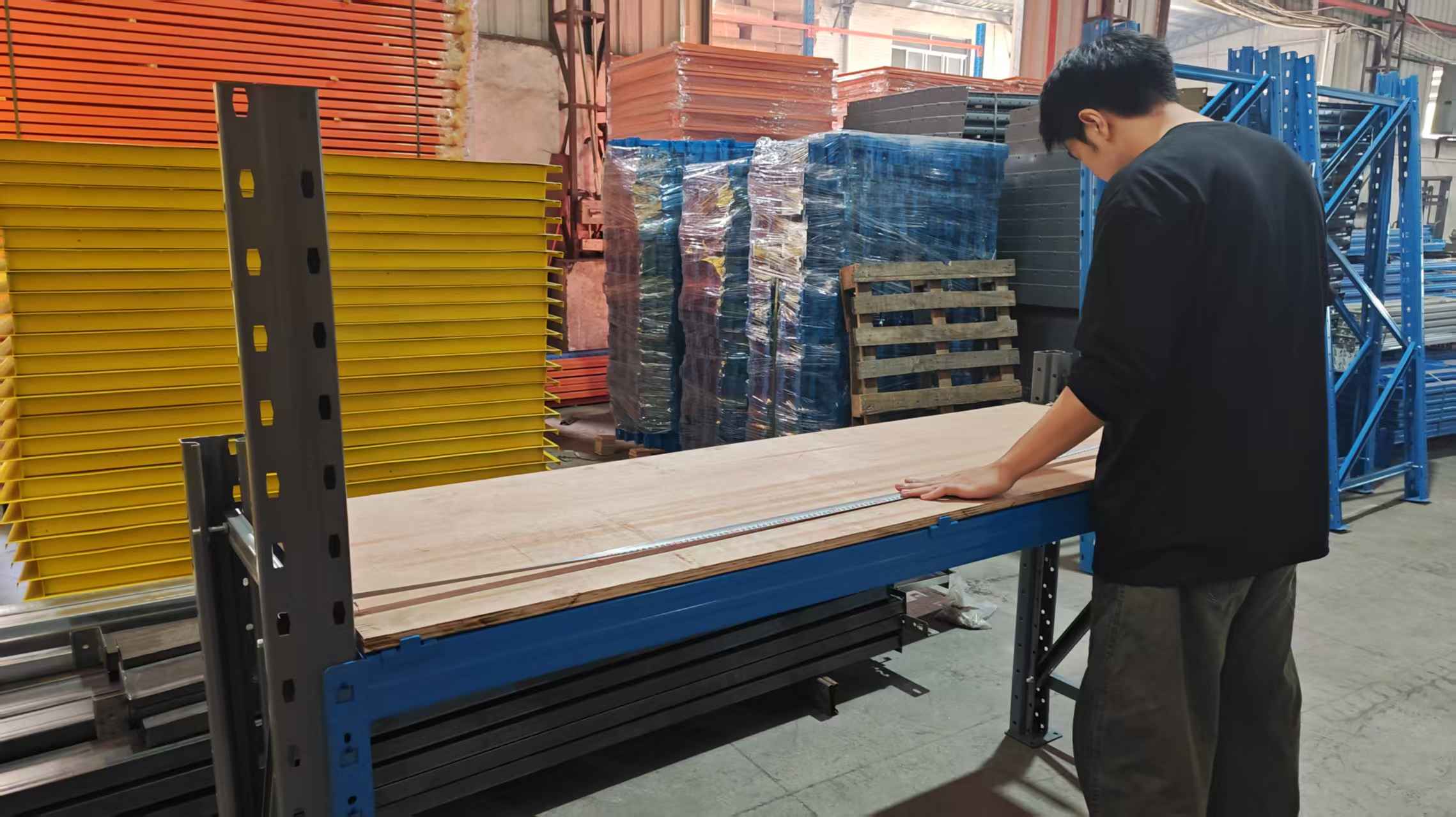
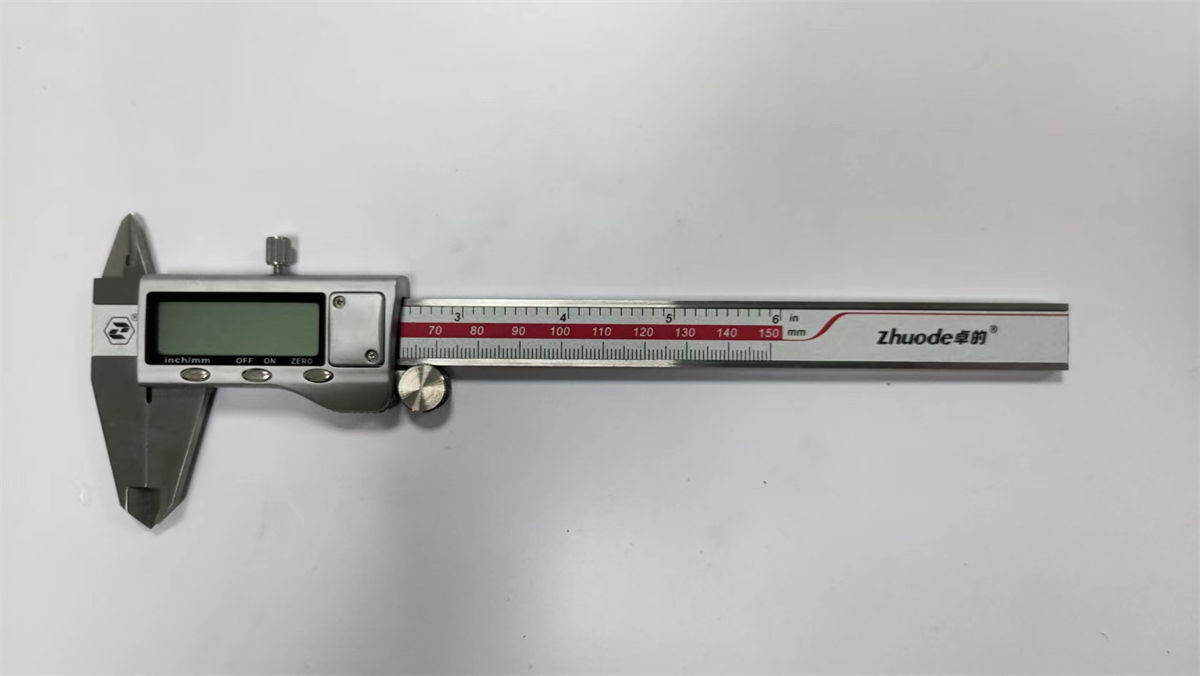
Ningbo Xinmiao operates on a foundation of structural reliability. Steel profiles undergo automated multi-stage roll-forming lines to achieve precise structural geometry. High-tensile steel sheets are cut, punched, and shaped on computer-controlled lines before welding. Welding constitutes the core structural link in heavy-duty logistics equipment. Our automated welding robotic cells ensure depth of penetration, avoiding root cracks or micro-voids that compromise integrity under cyclic loading. Surface treatments feature zinc-phosphate washing, followed by electrostatic powder-coating baked at 180°C to guarantee scratch resistance, corrosion protection, and color fastness.
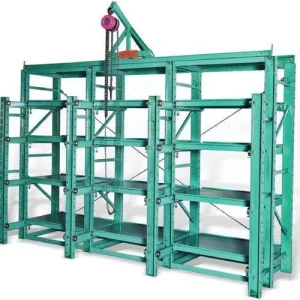
Our heavy-duty racking and container solutions are designed for demanding vertical logistics applications:
1. Automotive Assembly Line Feed Loops: Utilizing heavy-duty foldable stackable containers to carry complex metal pressings and engine sub-assemblies. Integrated dunnage and divider slots protect components while resisting oil, coolant, and physical vibration.
2. Cold Storage Environments: Specialized structural steels, certified to retain impact ductility down to -30°C. Standard steel structures risk embrittlement in deep-freeze logistics; Ningbo Xinmiao specifies impact-tested alloys coupled with zinc-rich epoxy powder coatings to prevent moisture penetration and subsequent rust propagation.
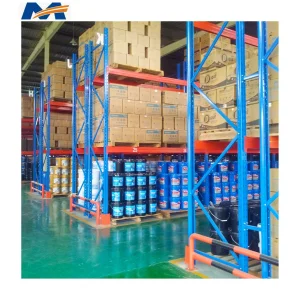
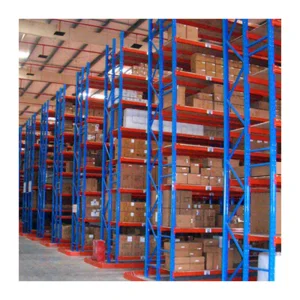
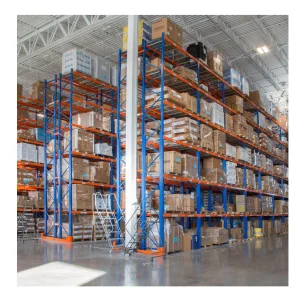
3. High-Density Distribution (3PL): Deploying automated shuttle racking systems combined with Euro-pallet structural racks. These optimize horizontal space, while structural steel wire containers allow for quick visual scanning and compatibility with robotic depalletizers.
Backed by our 25 Quality Control specialists, we implement a multi-stage validation framework. From steel roll testing and chemical analysis of incoming raw sheets, to automated ultrasonic weld inspections, we verify structural performance under load. Dynamic stress-strain loading machines simulate structural deflection profiles. This testing guarantees our steel container assemblies conform to strict global compliance limits, protecting operators and heavy warehouse assets.
Ningbo Xinmiao is driving research into lightweight, high-strength structural alloys that reduce container weight while maintaining load ratings. Future projects involve integrating passive RFID tags and dynamic sensors directly into steel frames to track locations and monitor temperature/humidity inside containers. This facilitates IoT-based asset management. We are also optimizing powder-coating materials to improve eco-friendliness and chemical washdown resistance, meeting global sustainability standards.
Find direct answers to common questions about material specifications, factory capacity, customized designs, and structural standards.
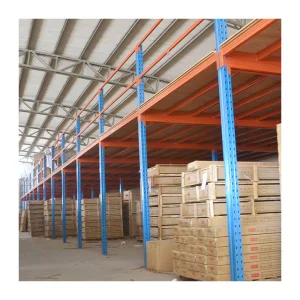
Explore our advanced structural racking line, high-durability space options, and custom multi-tier mezzanines.
 Xinmiao Racking