Pre-engineered semi-automated racking units optimized for rapid cargo turnaround, dust-proof execution, and heavy payload demands.
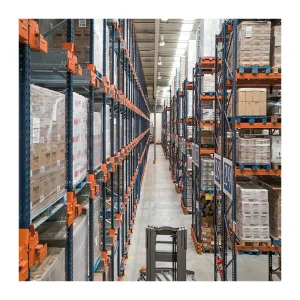

Ethiopia is undergoing a rapid macroeconomic transformation. Driven by the Ten-Year Development Plan and the expansion of the Djibouti-Addis Ababa Transit Corridor, the demand for sophisticated logistics infrastructure has surged. As dry ports like Modjo, Semera, and Dire Dawa expand their consolidation operations, the legacy methods of floor stacking and selective racking no longer meet the throughput demands of contemporary supply chains.
Additionally, the Ethiopian government’s active development of agro-industrial parks (such as Hawassa, Bole Lemi, and Adama) has intensified the requirement for temperature-controlled preservation and high-density storage. For domestic manufacturers and 3PL providers, modern warehouse design is no longer just about shelving; it is a critical strategy to minimize cargo transit delays, reduce product spoilage, and maximize volumetric efficiency.
Operating warehouse facilities within Ethiopia introduces distinct regional challenges, including power supply fluctuations and seismic activity along the East African Rift Valley. Traditional fully automated AS/RS systems require consistent high-voltage electricity and intensive maintenance, making them highly vulnerable to downtime.
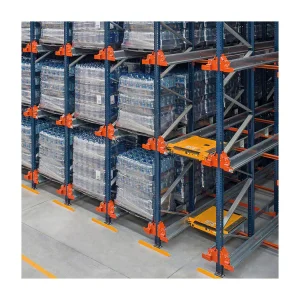
The Solution: Semi-automated Radio Shuttle Racking bridges the gap. By utilizing battery-powered shuttle carts that operate independently within deep lanes, warehouses drastically reduce forklift travel distance. It delivers up to 80% space utilization—comparable to automated storage systems—but at a fraction of the capital expenditure, and with the resilience required for regional grids.
A breakdown of the structural components and spatial dynamics that outclass traditional storage methods.
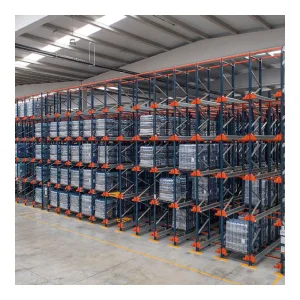
Unlike selective pallet racking which requires wide forklift aisles between every rack row, Radio Shuttle systems operate in a continuous block. Forklifts only require access at the entry and exit faces. This eliminates wasted aisle space, increasing storage capacity by 100% to 150% compared to selective layouts.
By tailoring structural layouts, our systems can support both LIFO (Last-In, First-Out) for bulk commodity storage and FIFO (First-In, First-Out) configuration for date-sensitive food, beverage, and pharmaceutical inventories. The shuttle cart executes the transport sequence within the rack depth automatically.
Because forklifts do not enter the racking lanes (unlike drive-in systems), structural damage caused by vehicle impact is practically eliminated. This dramatically enhances worker safety, reduces system maintenance costs, and extends the operational lifetime of the racking steel frame.
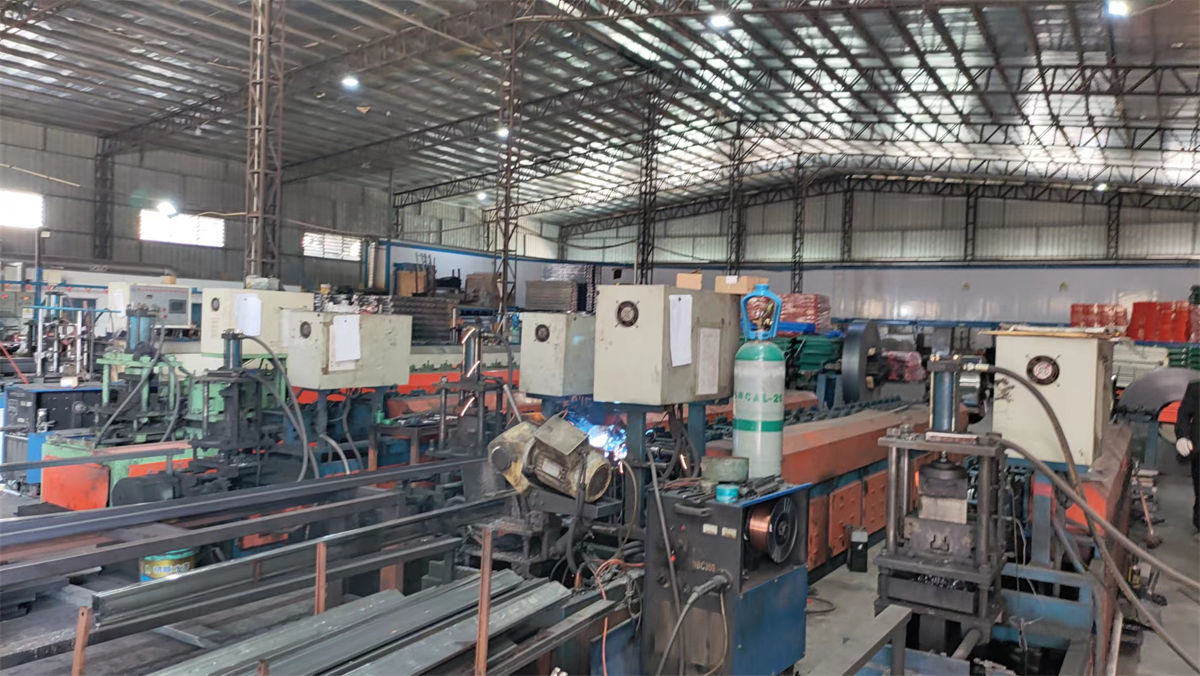
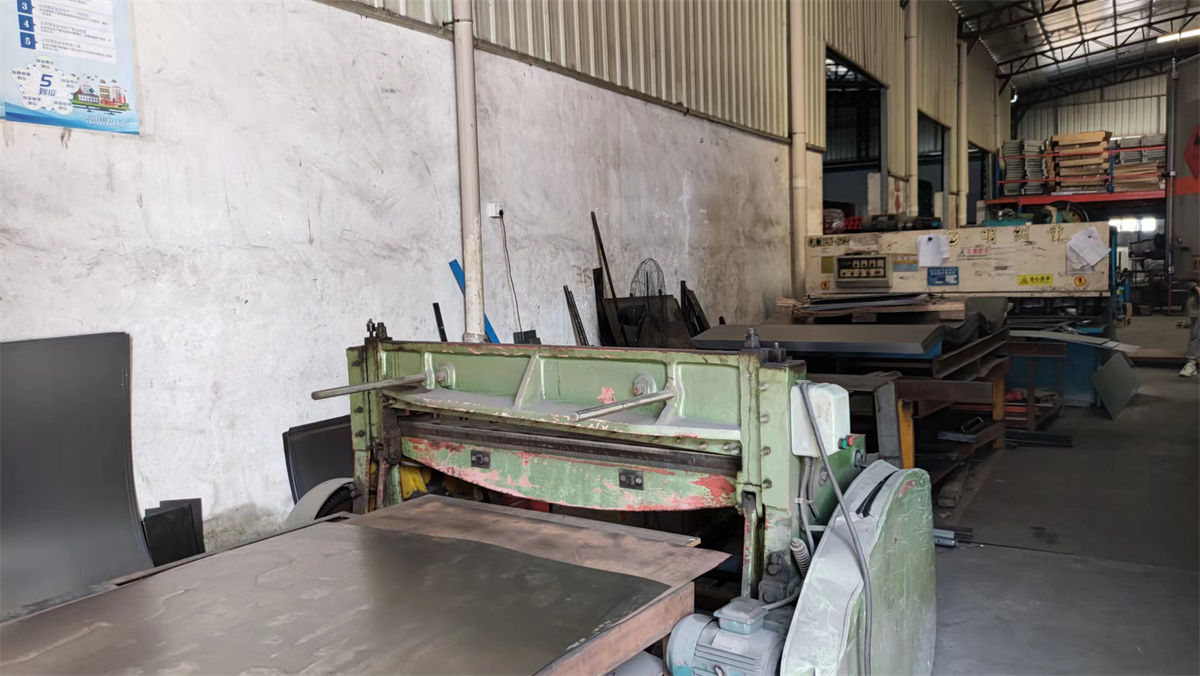
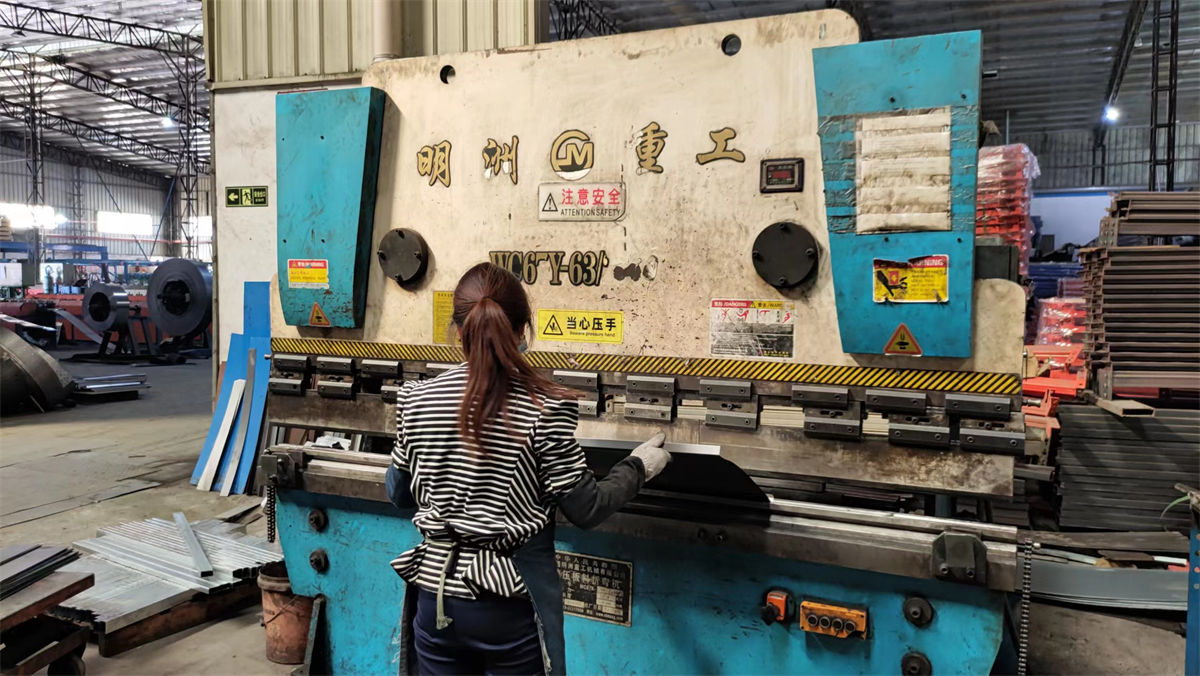
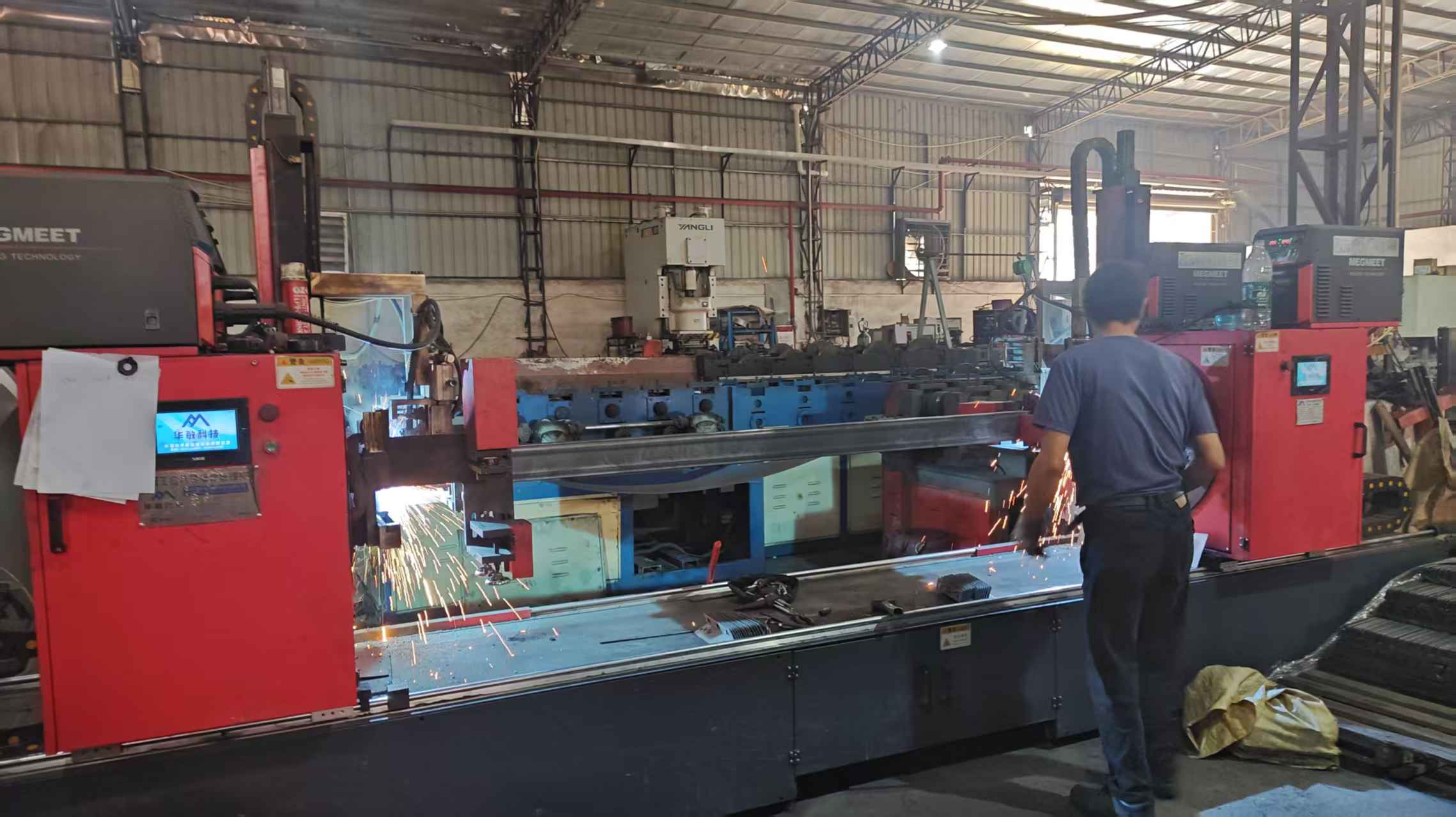
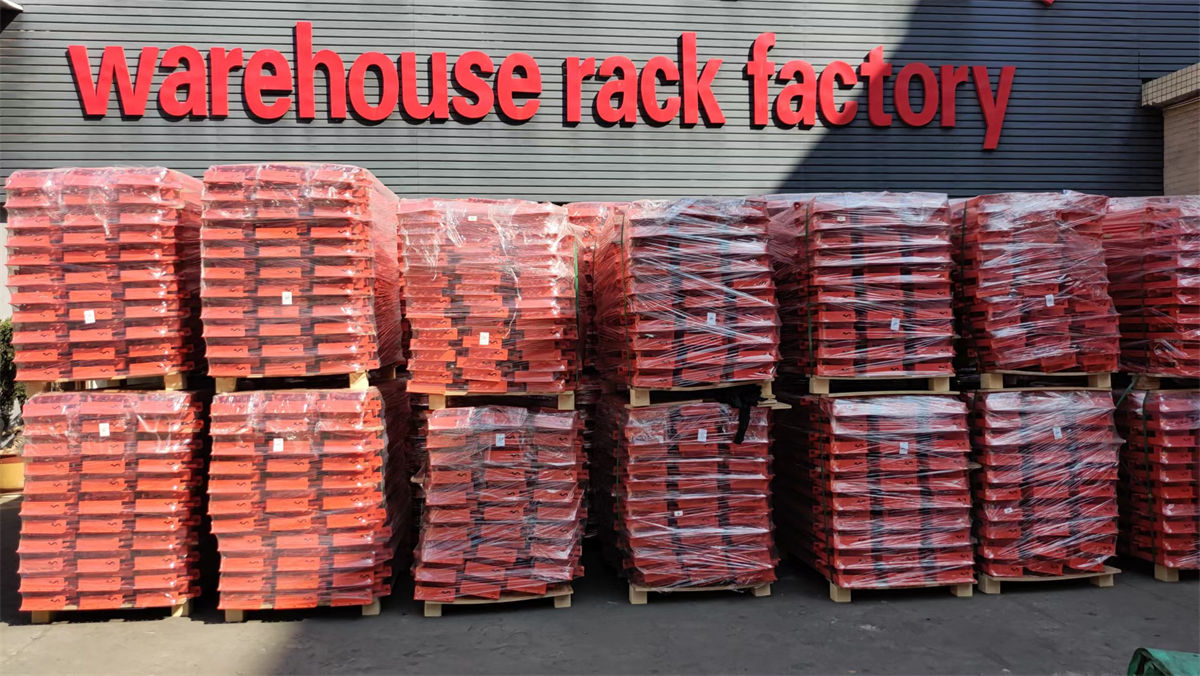
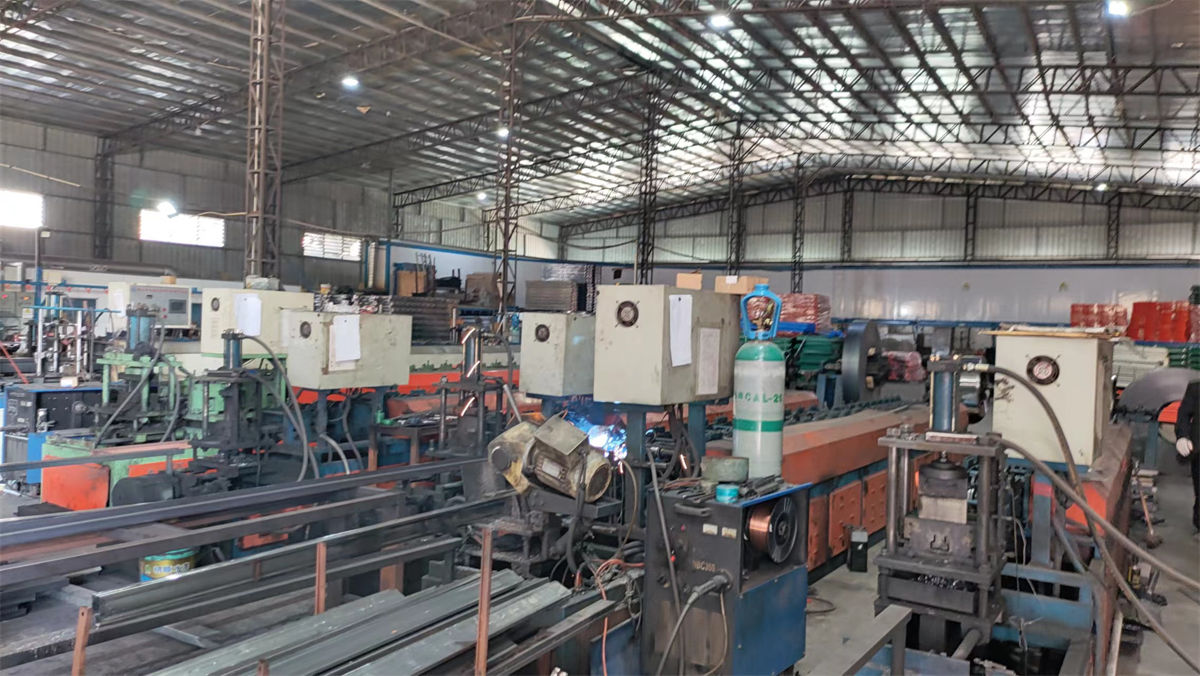
Established in 2015, Ningbo Xinmiao Storage Equipment Co., Ltd. is a leading manufacturer specializing in heavy-duty pallet racking, industrial shelving, and intelligent warehouse storage systems. Spanning a modern manufacturing facility of over 35,000 square meters, we have dedicated over 14 years to the industry, providing robust and reliable storage solutions to global enterprise clients. With 8 years of direct export experience, our products are trusted in key markets across North America, Europe, Southeast Asia, and the Middle East, generating an annual export revenue exceeding $18 million.
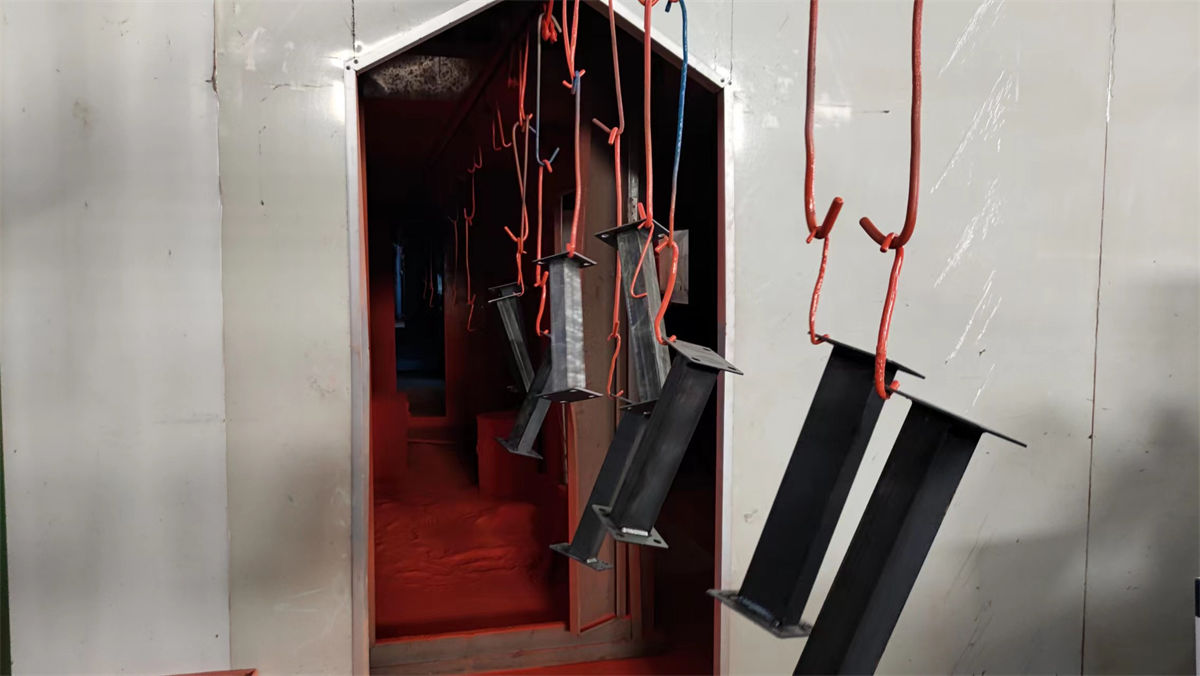
We primarily serve third-party logistics (3PL) providers, global distributors, and large-scale industrial enterprise clients. Driven by a highly skilled team of 18 R&D engineers, we offer strong OEM/ODM and full custom-tailoring capabilities—from structural engineering and custom dimensions to specialized powder-coating finishes. Continuously advancing warehouse technology, we launched 45 new innovative products last year to support our global partners in optimizing space and efficiency.
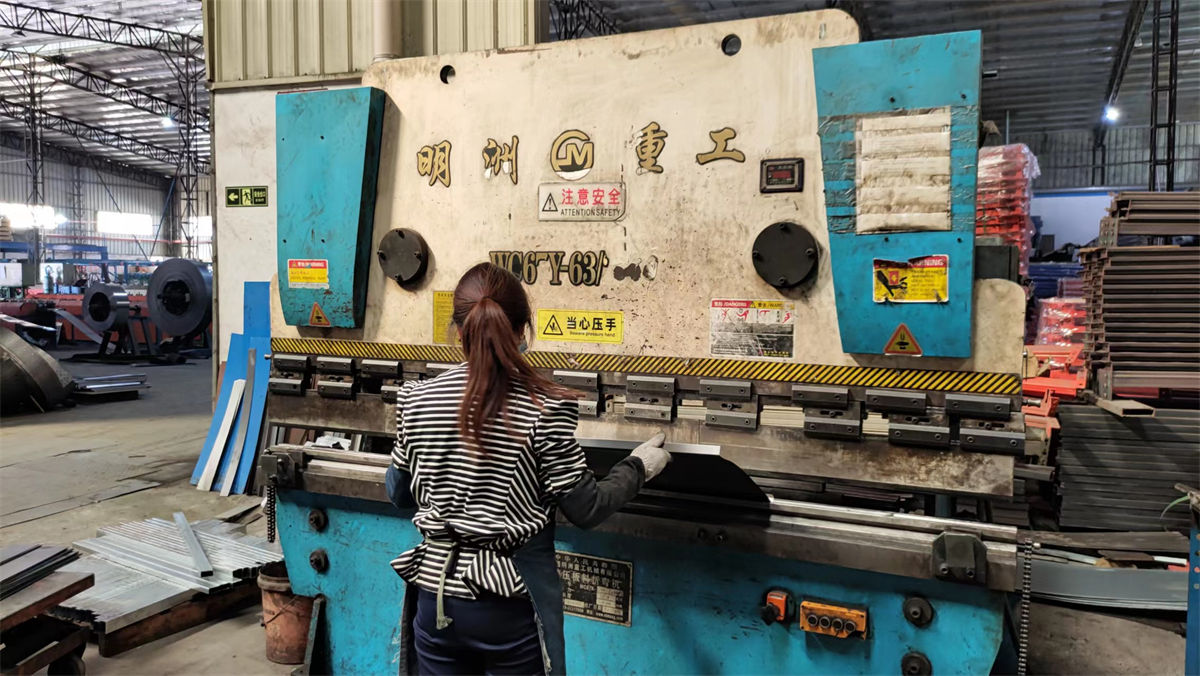
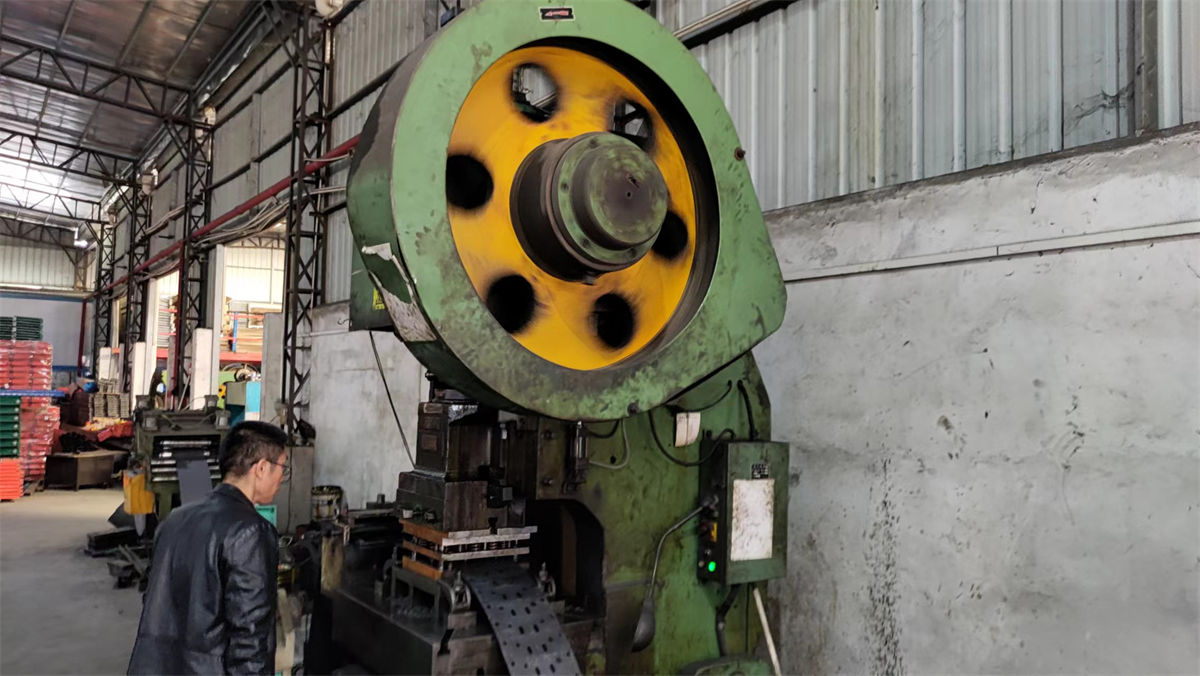
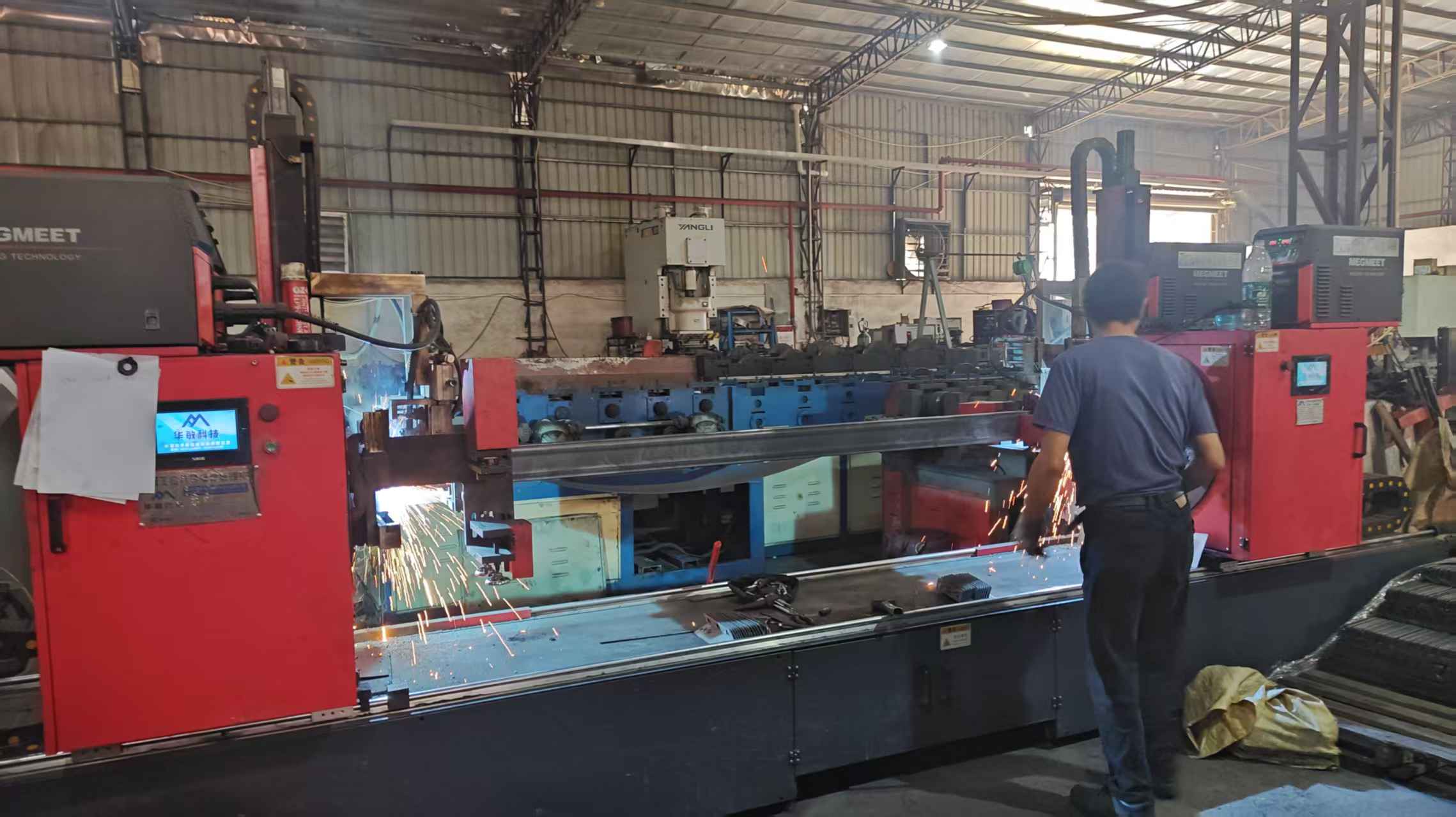
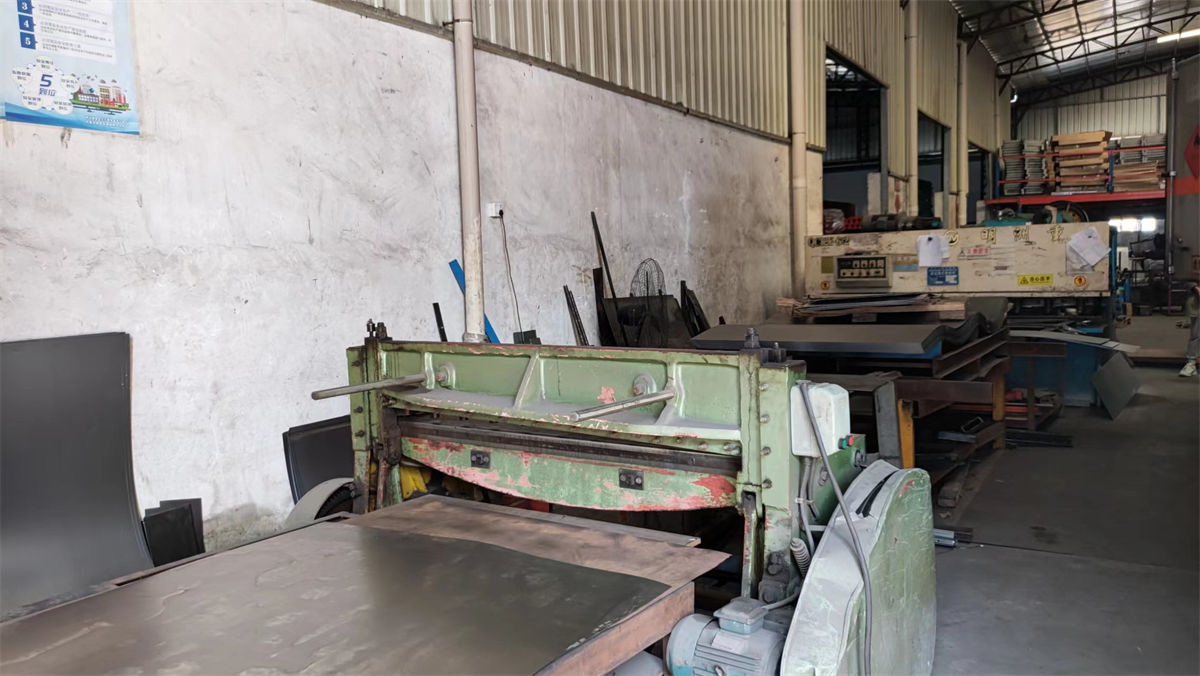
Quality and structural integrity are at the core of our manufacturing philosophy. Backed by a strong network of over 800 supply chain partners, our operation is supported by a dedicated team of 25 Quality Control (QC) specialists.
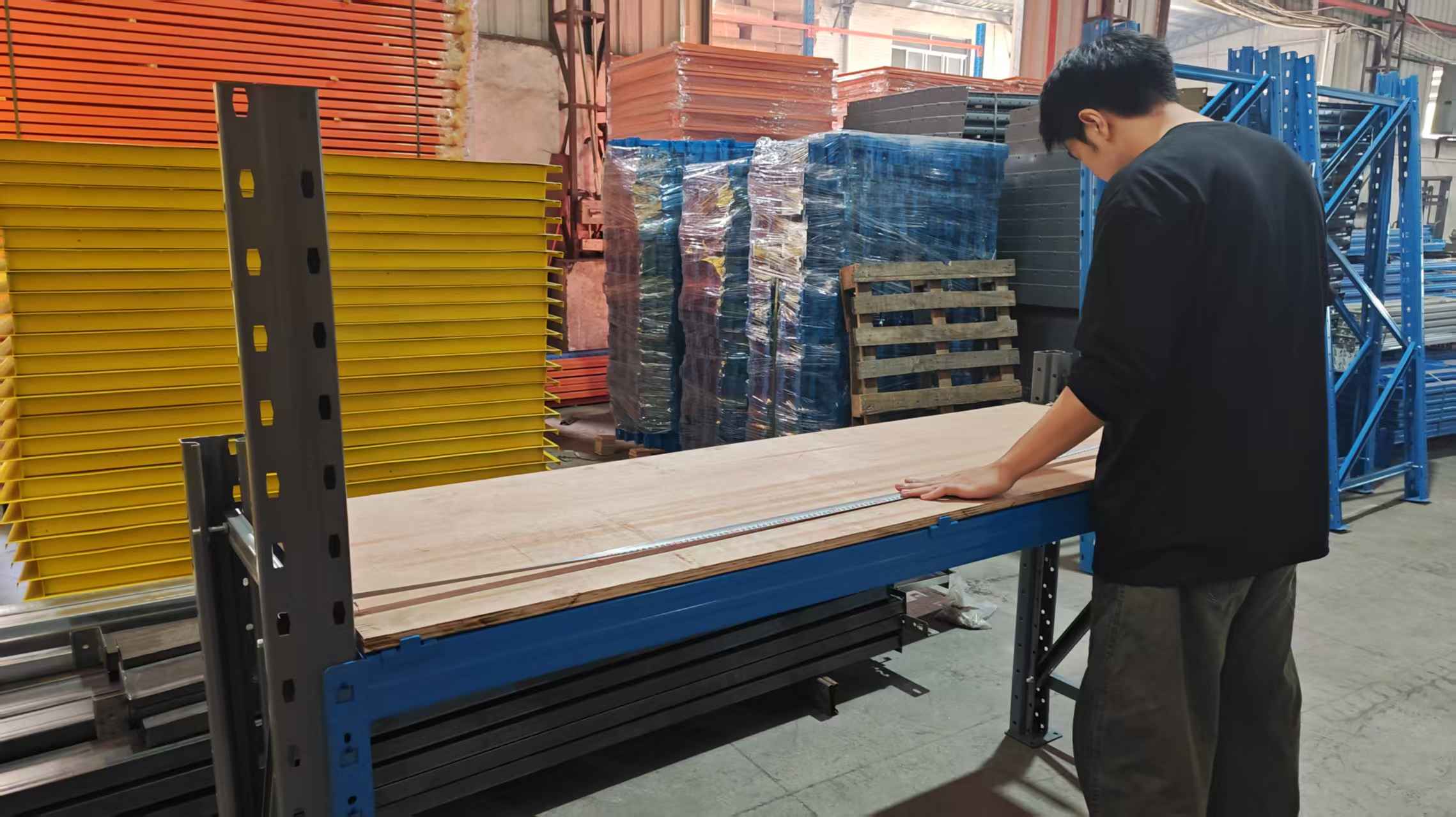
We implement comprehensive non-destructive testing (NDT), load-bearing stress evaluations, and automated ultrasonic weld inspections to ensure that every rack meets stringent international safety standards (such as AS4084, FEM 10.2.02, and RMI). Our raw materials are sourced exclusively from top-tier domestic steel mills, utilizing high-tensile Q235B and Q355 structural steel grades to guarantee resilience under maximum dynamic and static loading profiles.
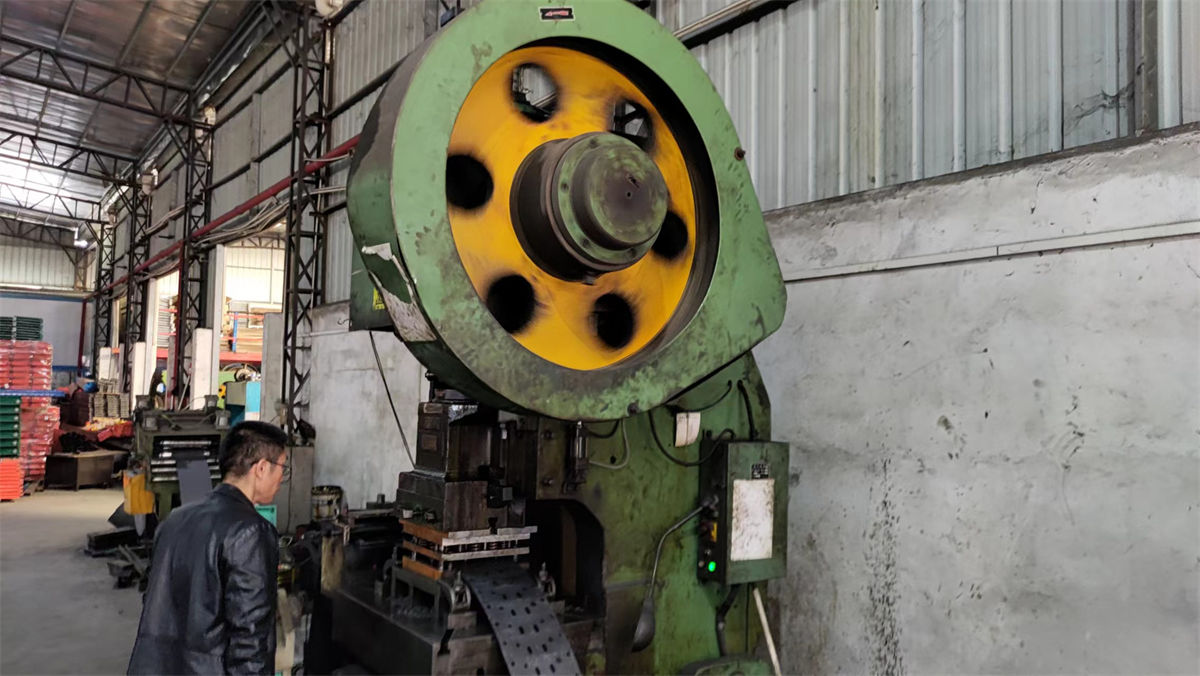
From coffee preservation to duty-free manufacturing parks, discover how our systems align with specific industrial operations.
Coffee beans demand precise environment and rotation control. Utilizing a FIFO radio shuttle configuration ensures that raw green coffee bags are dispatched in absolute harvest sequence. The high density prevents temperature gradients across the storage block, maintaining bean quality and moisture profile.
Cold rooms are expensive to run. Maximizing capacity limits the electrical cost per cubic meter of cooling. Our cold-storage optimized shuttle carts feature anti-condensation electronics and special low-temperature batteries that perform continuously down to -25°C in Addis Ababa’s fresh-produce cold hubs.
Textile plants and chemical processing sites require massive volumes of heavy raw material input. The 1000kg+ load capacity and structural rigidity of our high-density frames support rapid, dense stacking of industrial yarns, dye vats, and machinery parts with zero horizontal alignment deviations.
Browse our verified high-density systems engineered for diverse weight capacities, material sizes, and environment types.
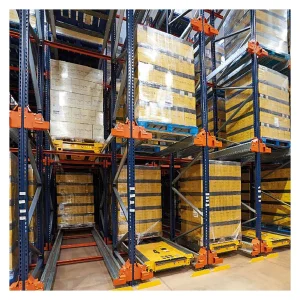
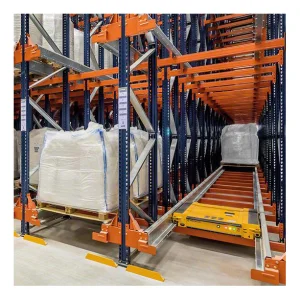
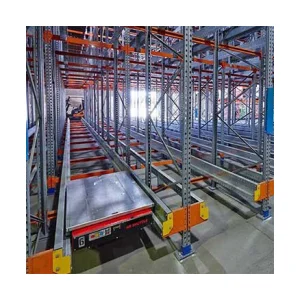
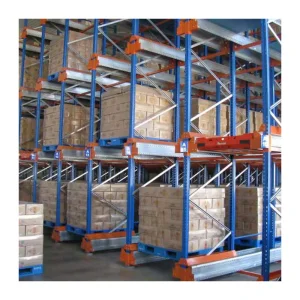
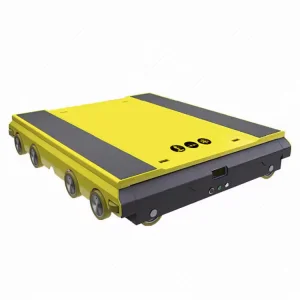
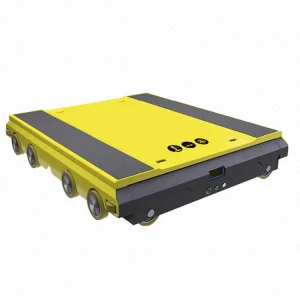
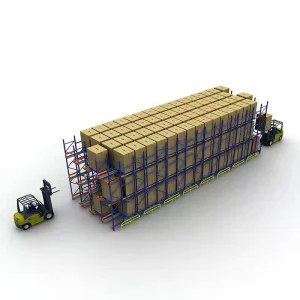
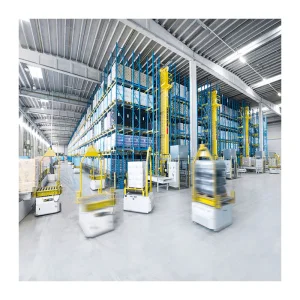
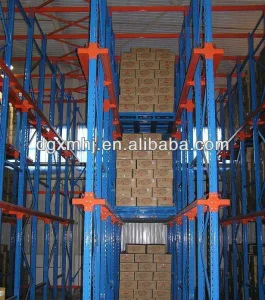
Industrial machinery components and stable drive-in support frameworks built to scale regional operations.
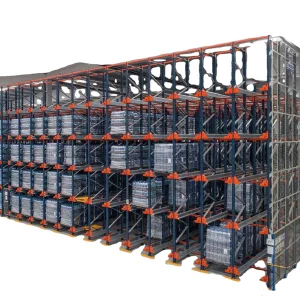
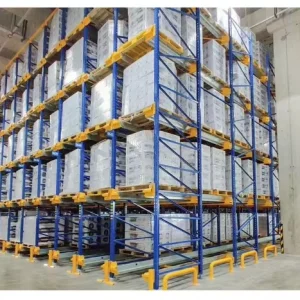
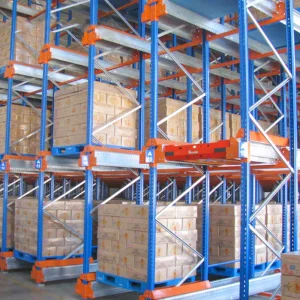
Importing large structural components into Ethiopia requires careful regulatory and logistical planning. Due to strict foreign exchange allocations at the National Bank of Ethiopia and standard Letters of Credit (L/C) delays, having a supplier who understands the complete logistics chain is critical.
All of our structural orders are shipped via sea to the Port of Djibouti, which acts as the major logistics gateway to Ethiopia. From Djibouti, components are transported via the modernized railway or by truck fleets through the customs checkpoints at Adama directly to your facility site. We provide detailed manifests, HS Codes, weight distributions, and engineering certification papers to ensure rapid customs clearing.
Because the Rift Valley runs directly through central Ethiopia, structural engineering must integrate high earthquake load limits. Standard configurations designed for flat, non-seismic regions will fail local structural integrity checks.
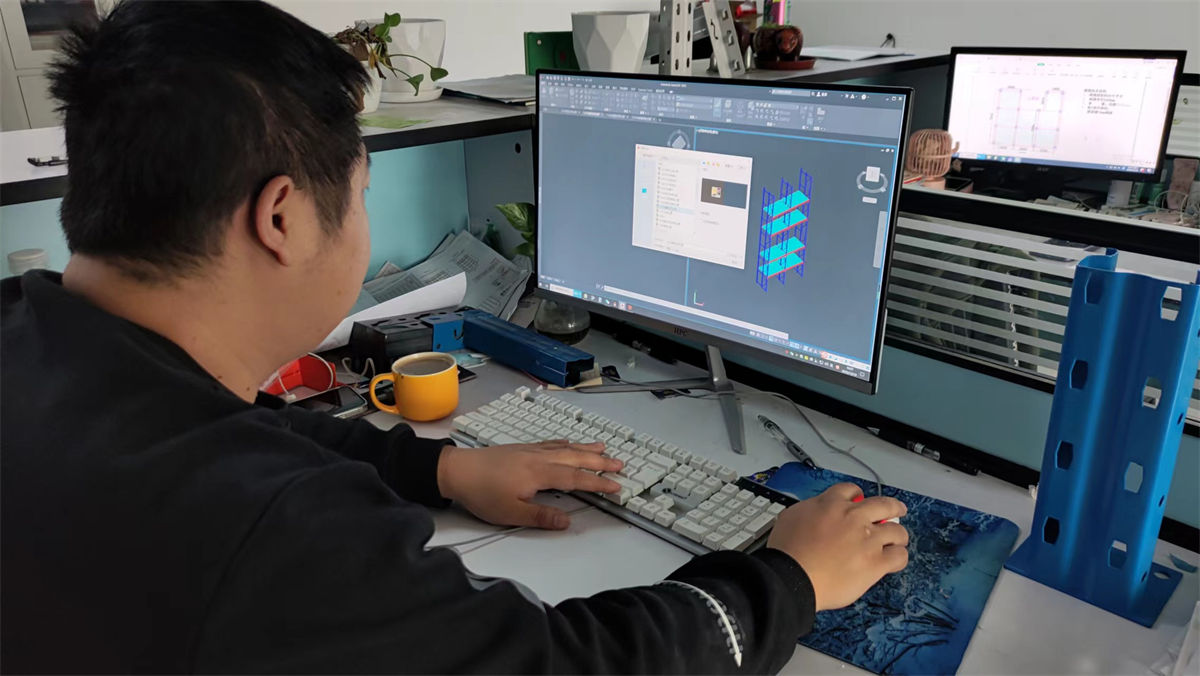
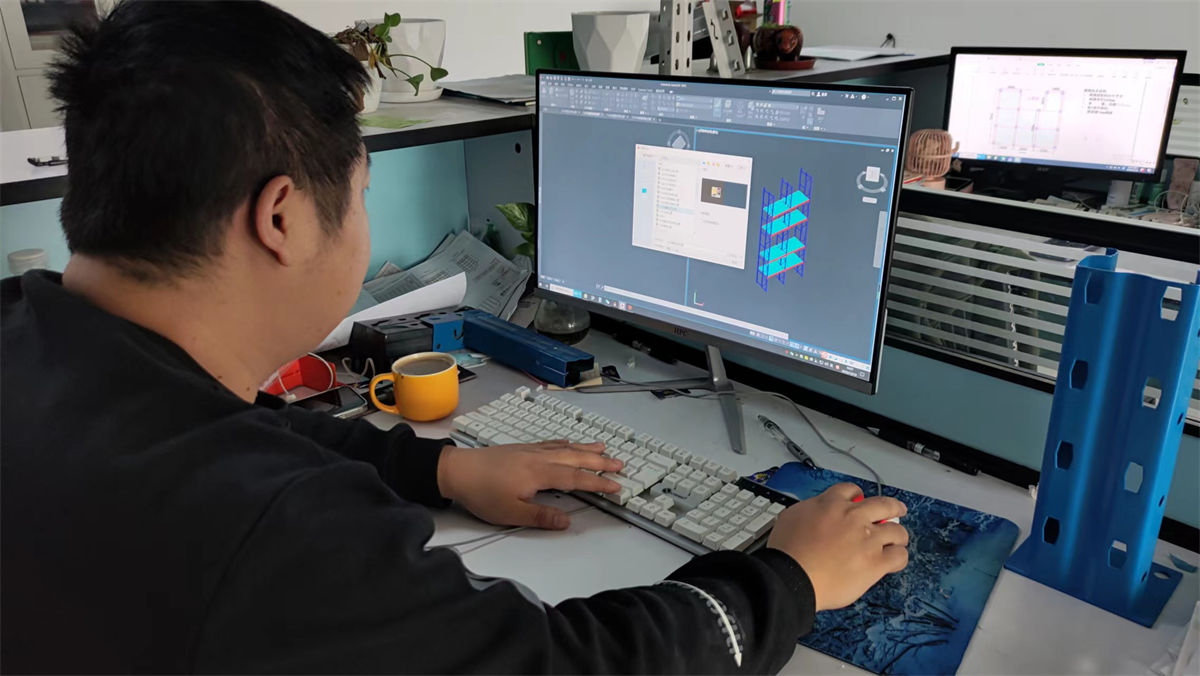
Our engineering design software simulates specific local conditions, altering frame baseplate sizes, anchoring depths, upright bracing spacing, and beam thicknesses to match local zoning laws. Every order undergoes finite element structural analysis (FEA) to confirm safety indices under full dynamic load cycles during geological tremors.
Comprehensive technical guidance addressing structural design, battery performance, local logistics, and maintenance.
Consult with our structural engineers to receive a free layout CAD drawing, stress analysis reports, and a detailed price estimate customized for your Ethiopian facility site.
Send Inquiry Now Xinmiao Racking