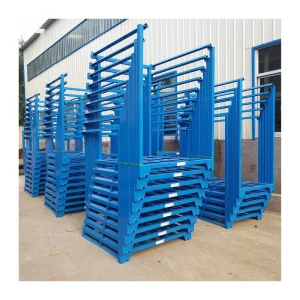
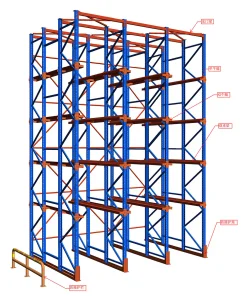
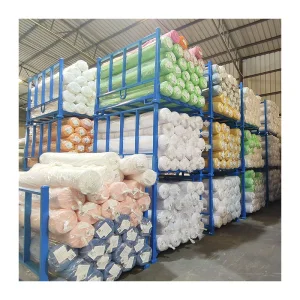
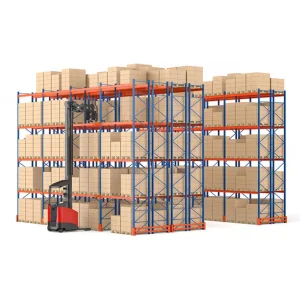
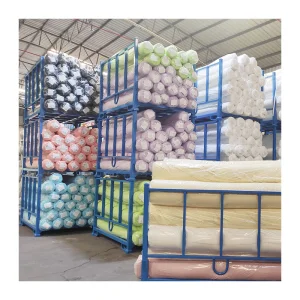
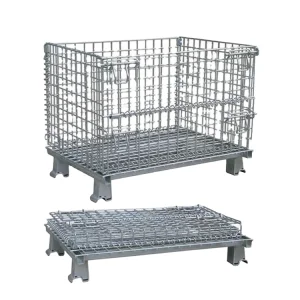
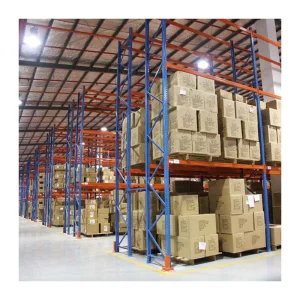
Engineered to handle extreme loads, our primary industrial systems maximize vertical efficiency and structural security.
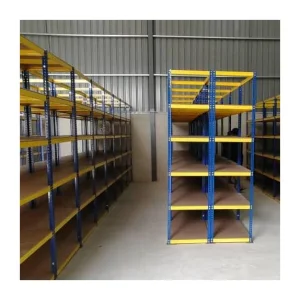
In the highly optimized domain of supply chain management, warehousing is no longer merely a physical location to store inventory; it has evolved into a strategic hub where throughput speeds, structural durability, and spatial utilization directly influence the bottom line. As global 3PL operators, e-commerce giants, and cold chain enterprises scale up, the call for premium wire shelving systems and heavy-duty structural steel racking reaches unprecedented levels. Designing structural assemblies that support high-density storage while remaining adaptable to robotic automation requires deep engineering expertise and highly developed materials science knowledge.
Ningbo Xinmiao Storage Equipment Co., Ltd., established in 2015, stands at the absolute vanguard of this industrial segment. Operating from a highly sophisticated 35,000 square meter factory, our organization bridges the gap between raw metallurgical science and refined warehouse design. With an operational lineage spanning over 14 years in structural fabrication and 8 years of direct international export experience, we handle the complex demands of B2B procurement, delivering structurally certified storage solutions to clients in North America, Europe, Southeast Asia, and the Middle East.
Global procurers look to Chinese manufacturing hubs, specifically in Ningbo, because of the regional industrial clustering that reduces material transit times and leverages deep steel-alloy technology. Steel composition is critical to load limits. We utilize Q235B and Q355B structural carbon steel, which offers high tensile strength and ductile resistance to flexural deformation. Our local supply network, comprised of over 800 supply chain partners, ensures consistent access to premium grade wire rod and steel sheet stock.
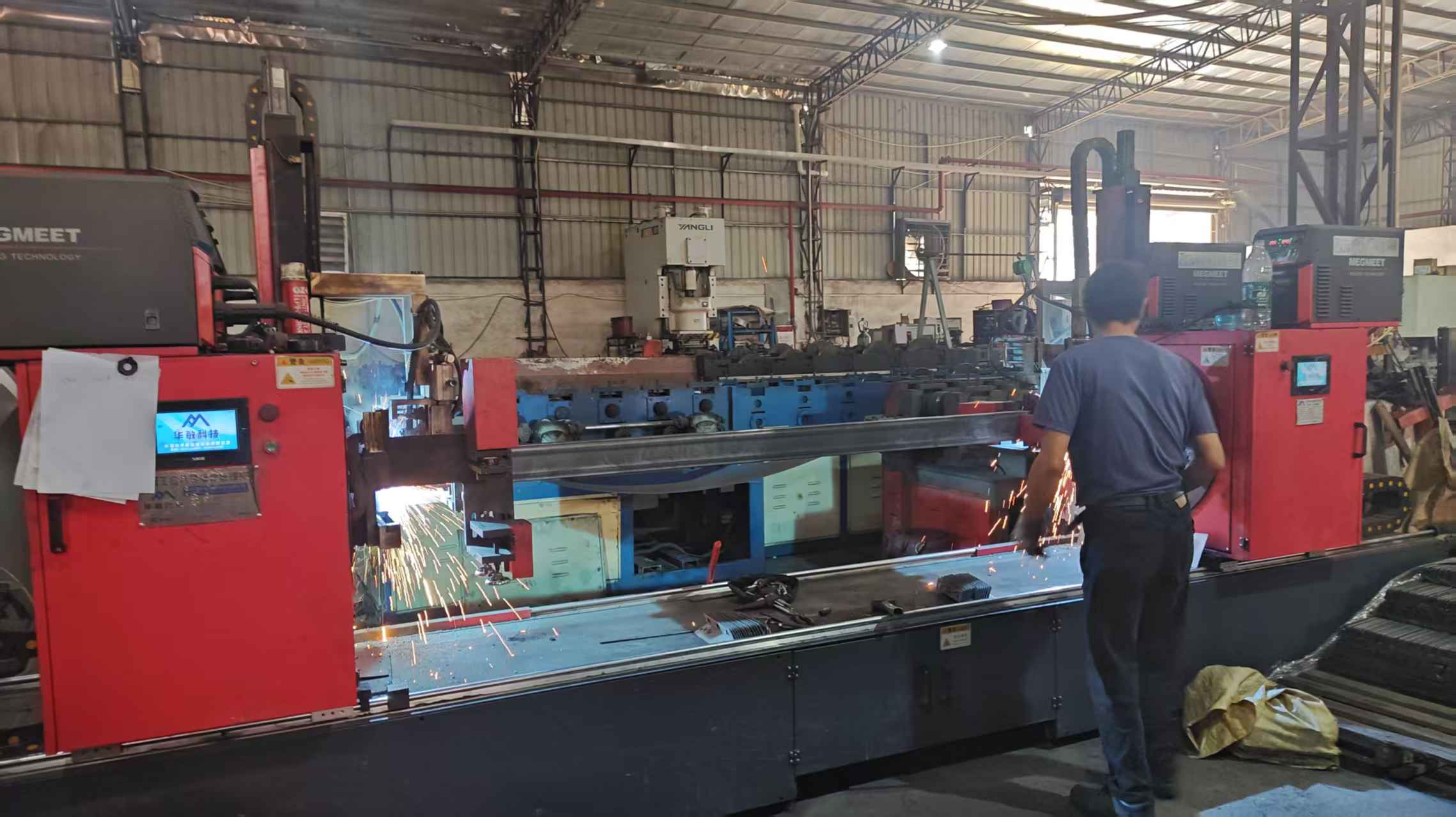
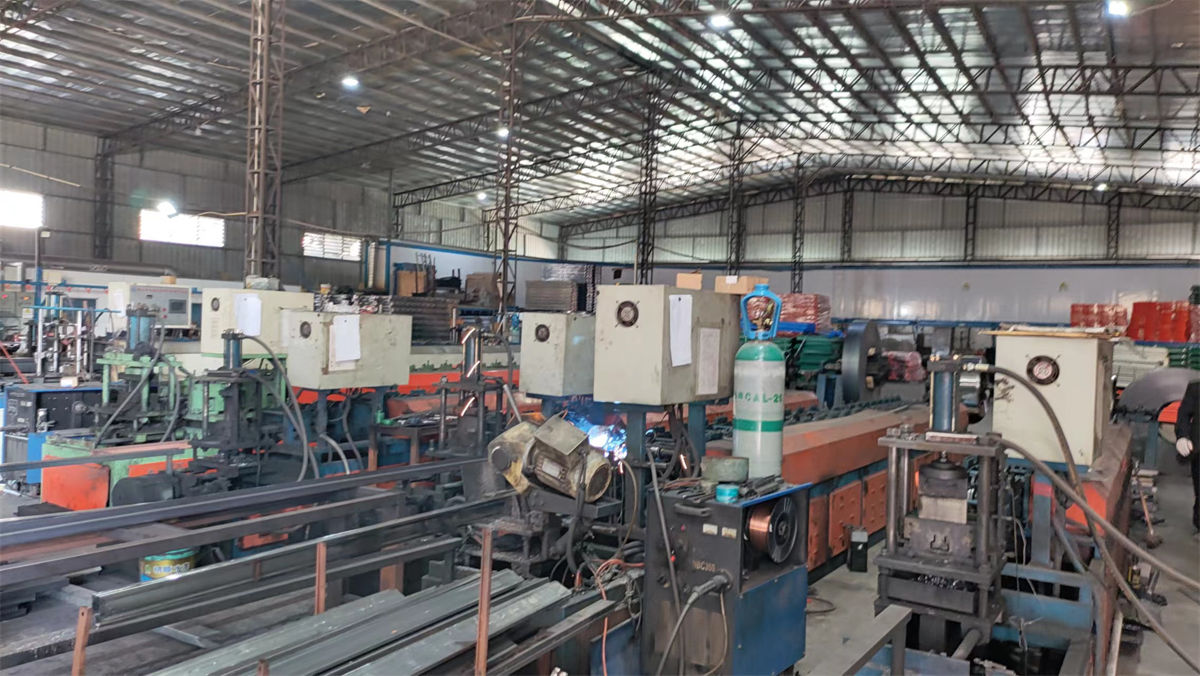
Additionally, automated manufacturing methodologies in China allow for significant cost advantages without sacrificing quality. By employing multi-stage roll-forming and robotic carbon-dioxide shielded welding, our production lines operate with high dimensional accuracy. For global buyers, this means structural components feature precise hole pitches, straight uprights, and uniform wire weld joints that sit securely under loading pressure.
Certified steel profiles ensuring zero micro-fracturing under stress.
Direct proximity to Ningbo Port speeds up global logistics transit.
Engineering compliance meeting international safety standards.
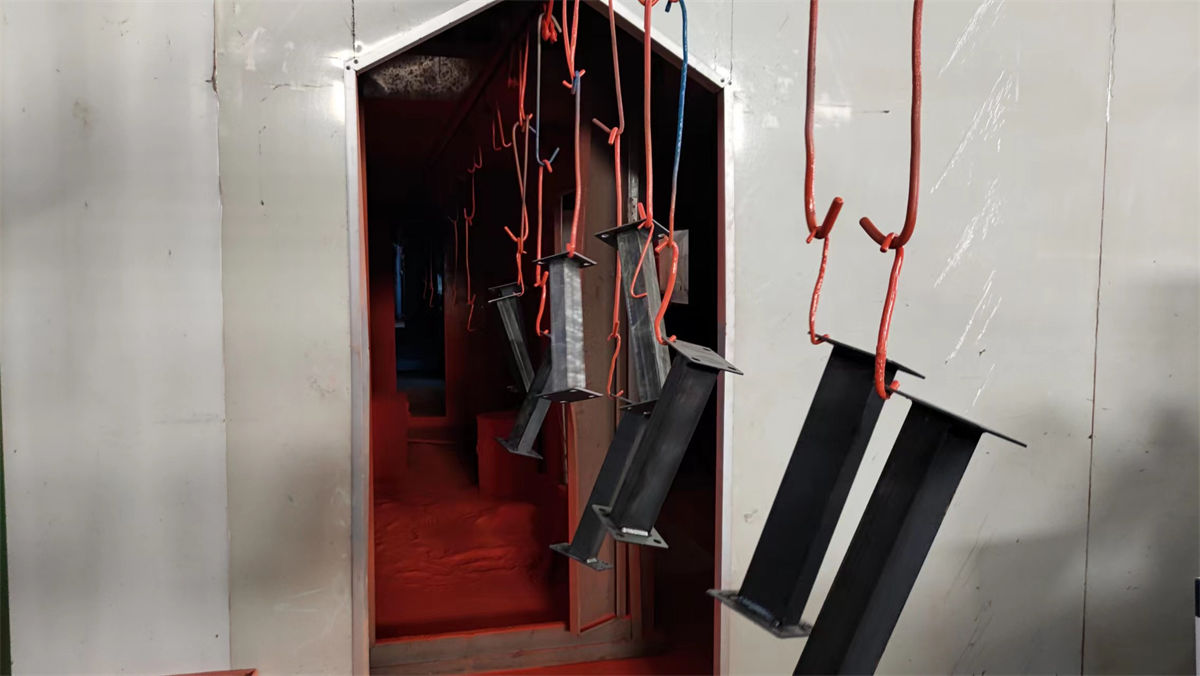
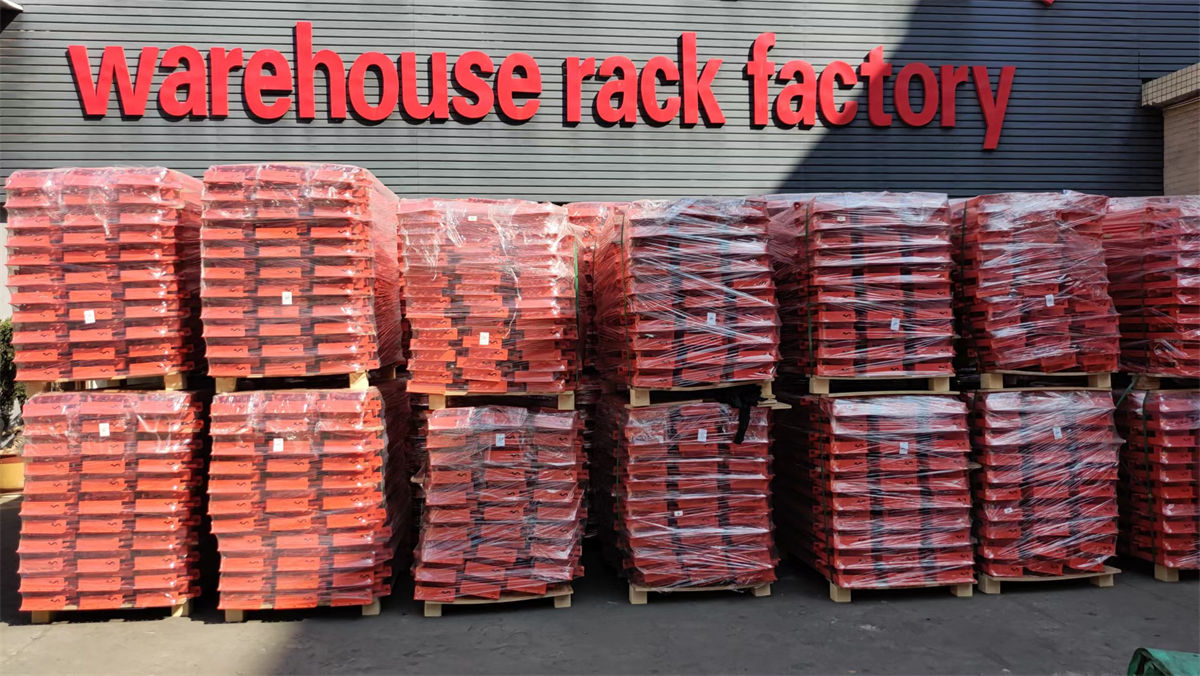
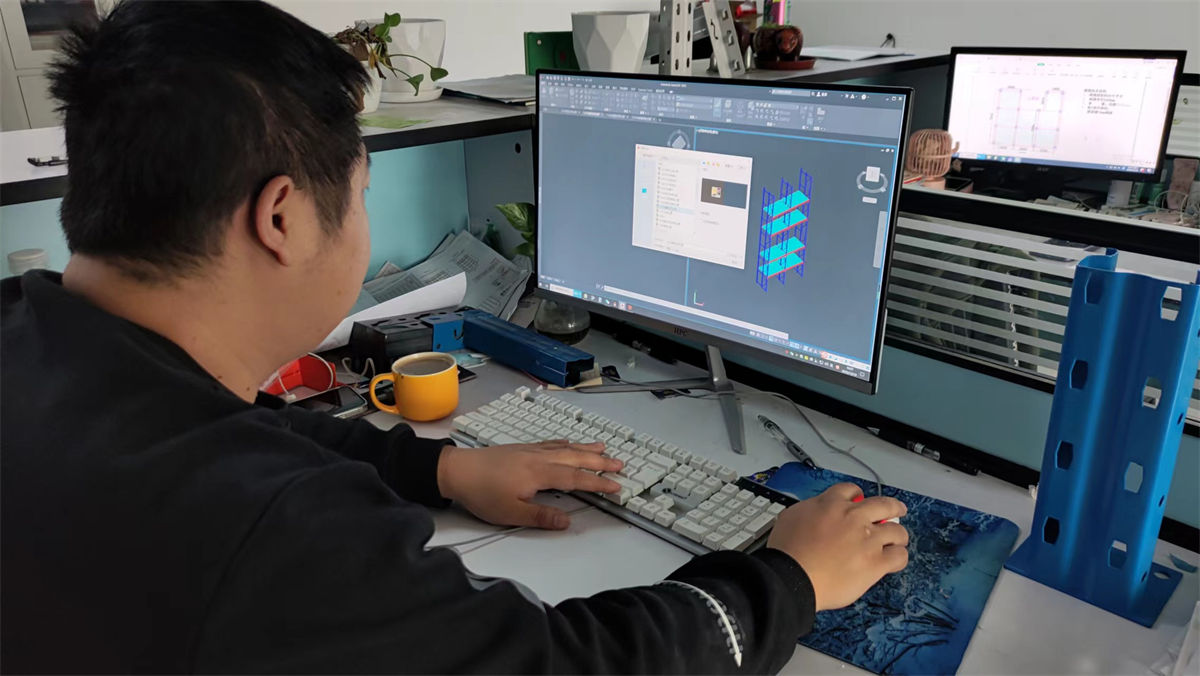
Examine the highly automated phases and advanced machinery that transform raw structural steel into certified, load-bearing storage systems.
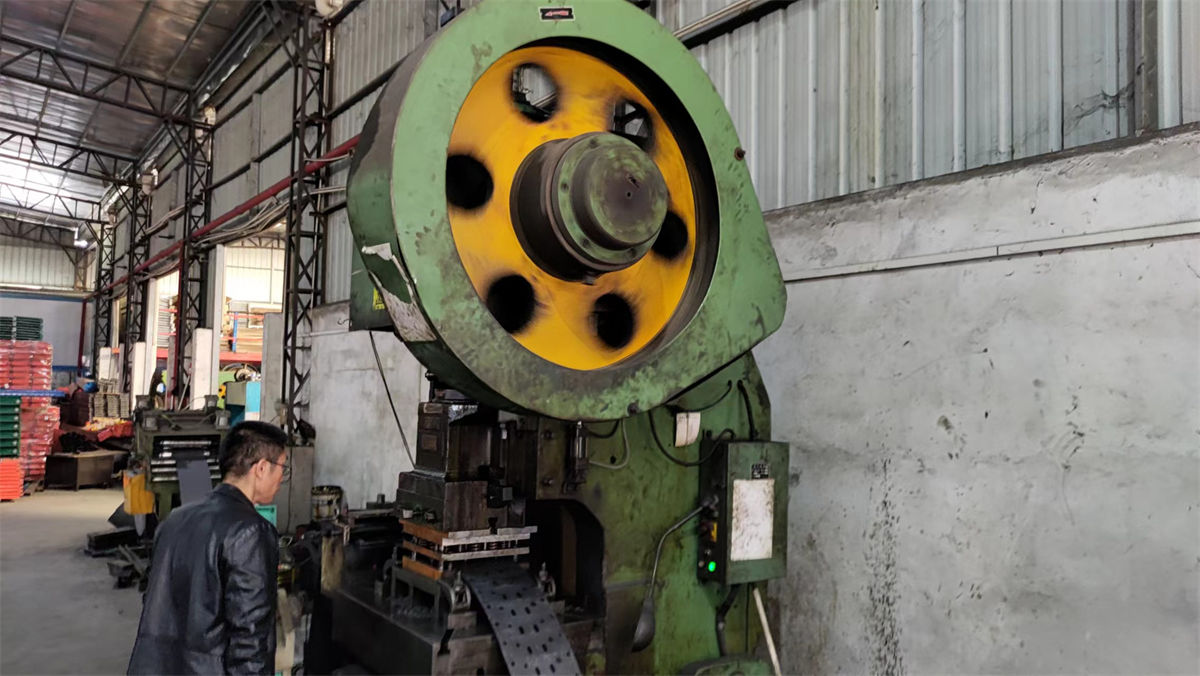
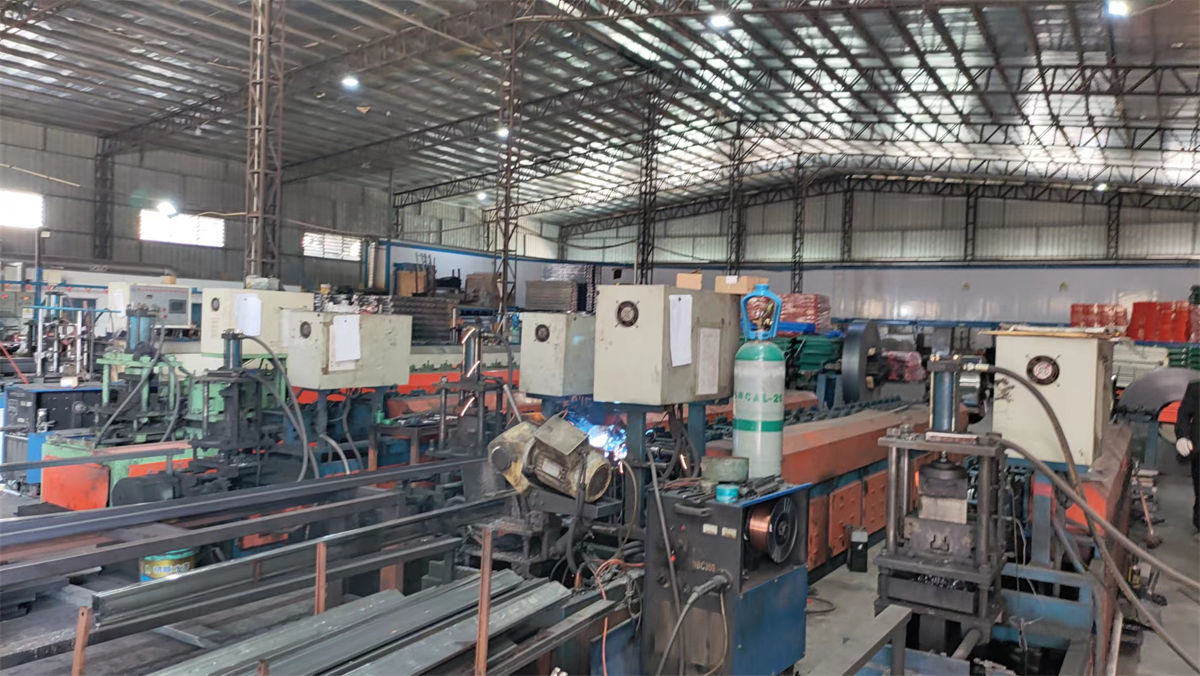
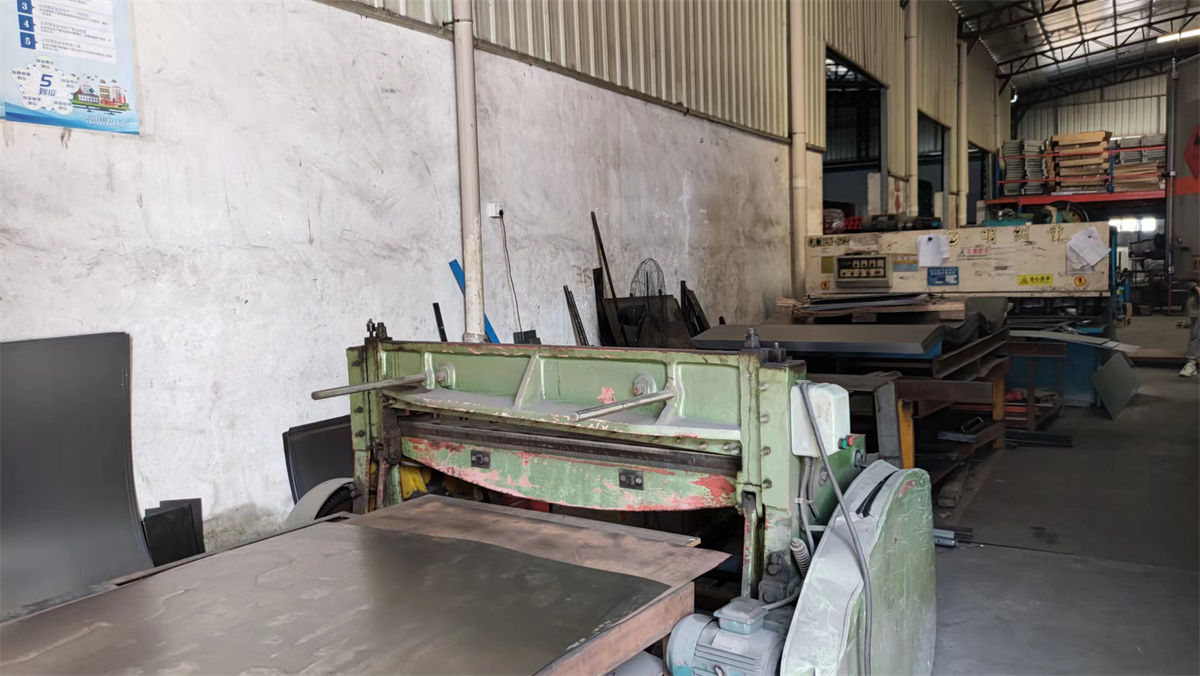
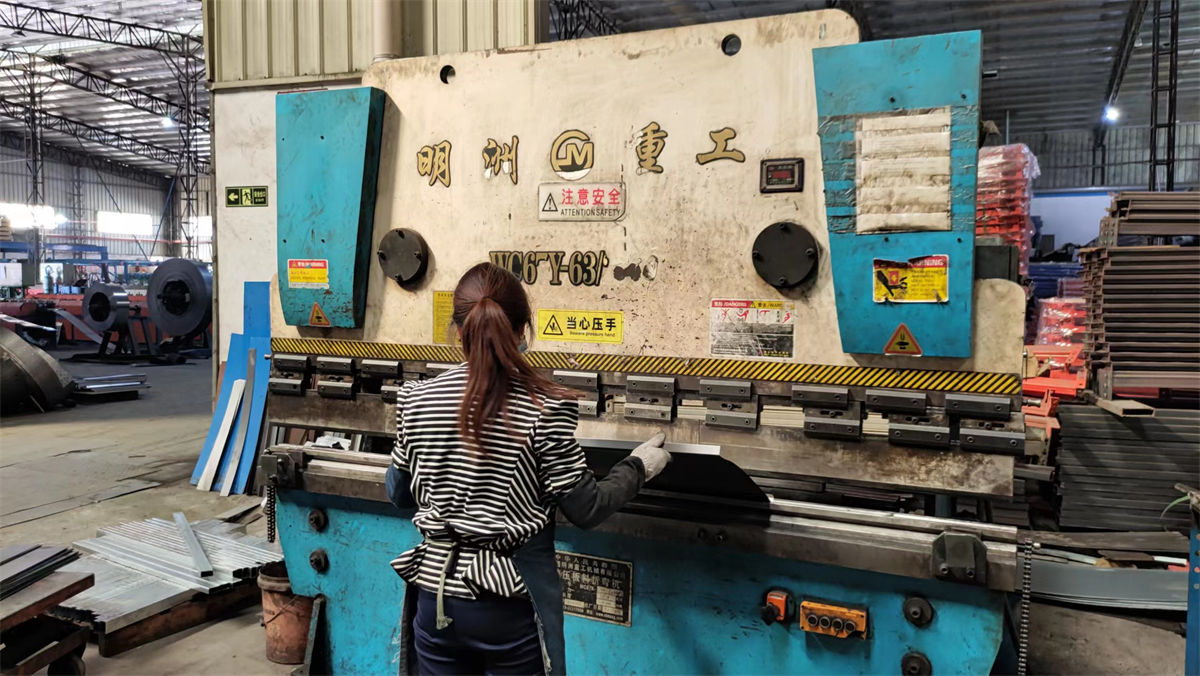
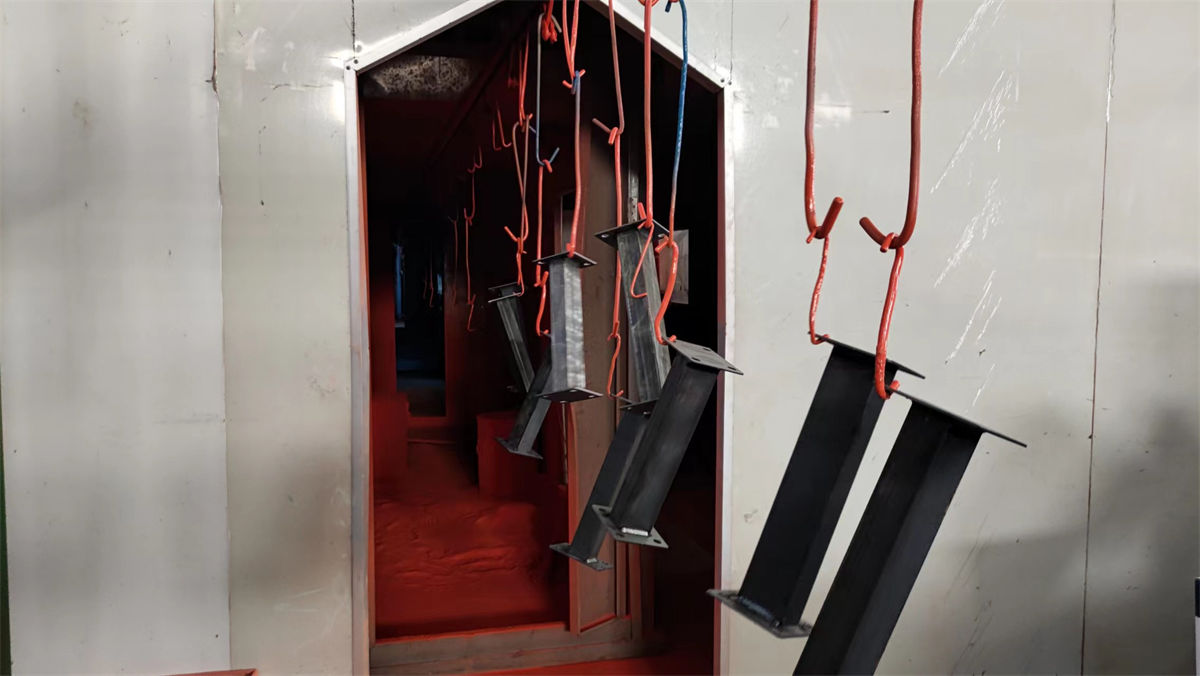
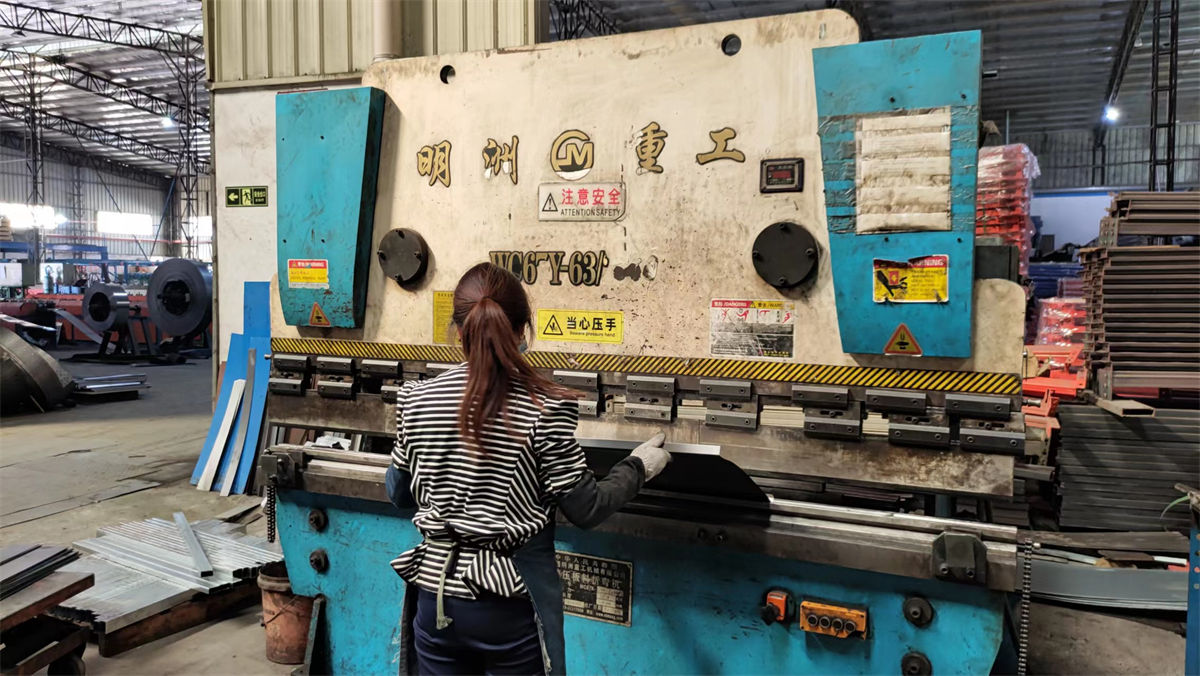
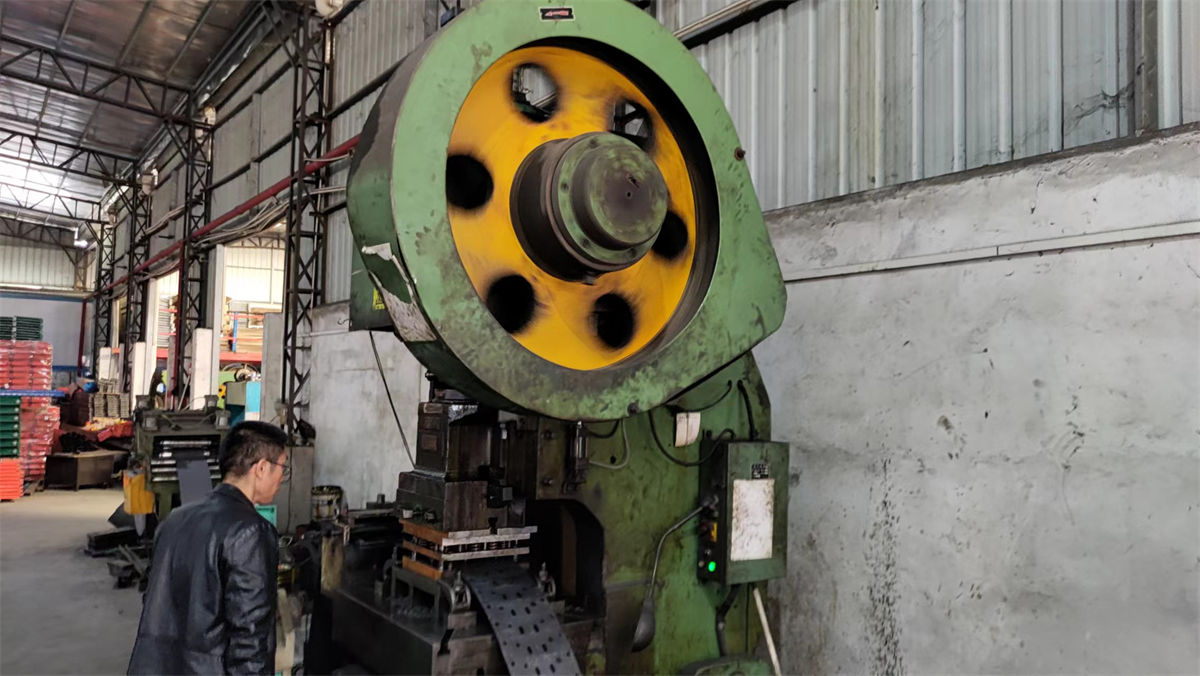
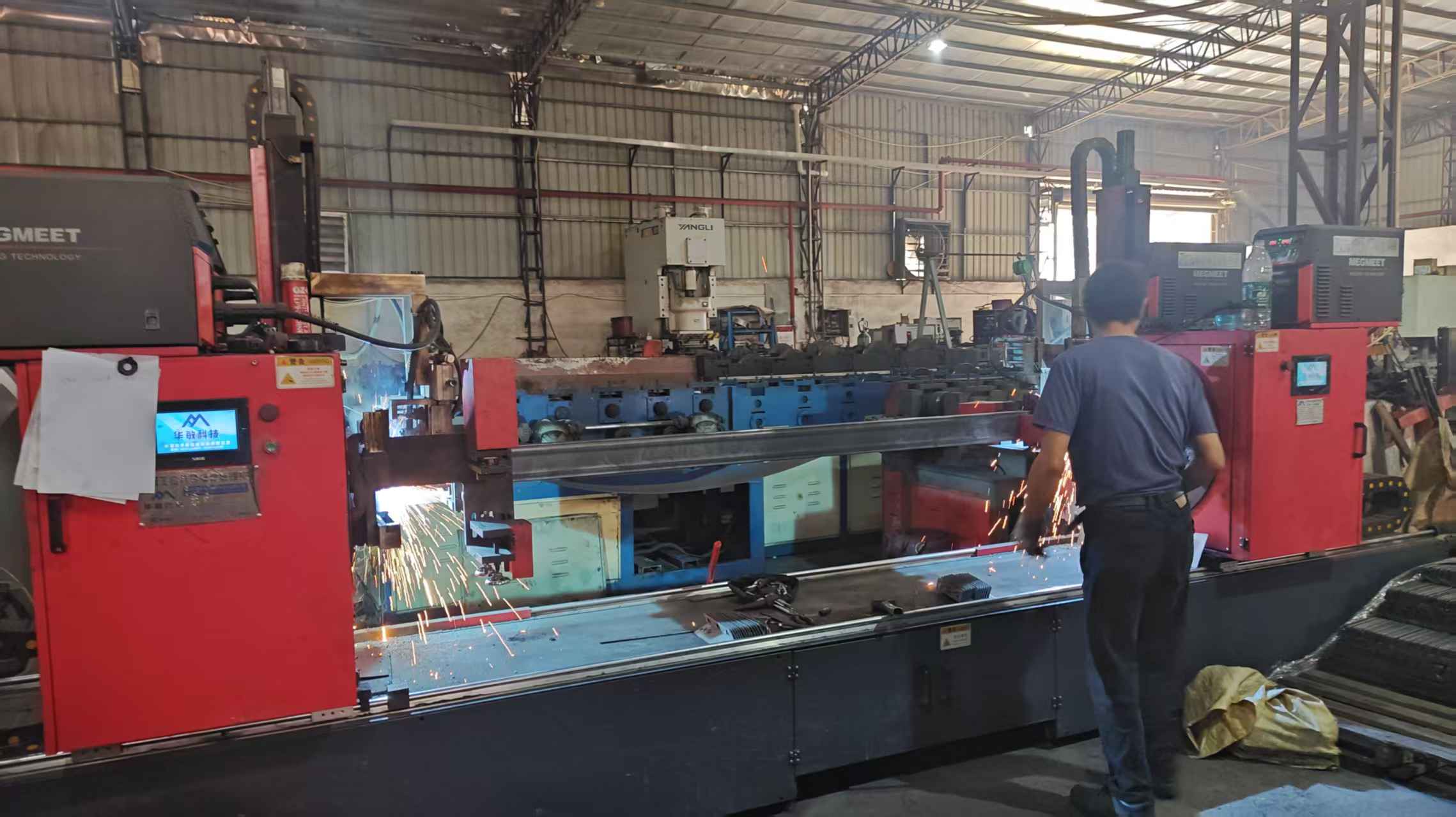
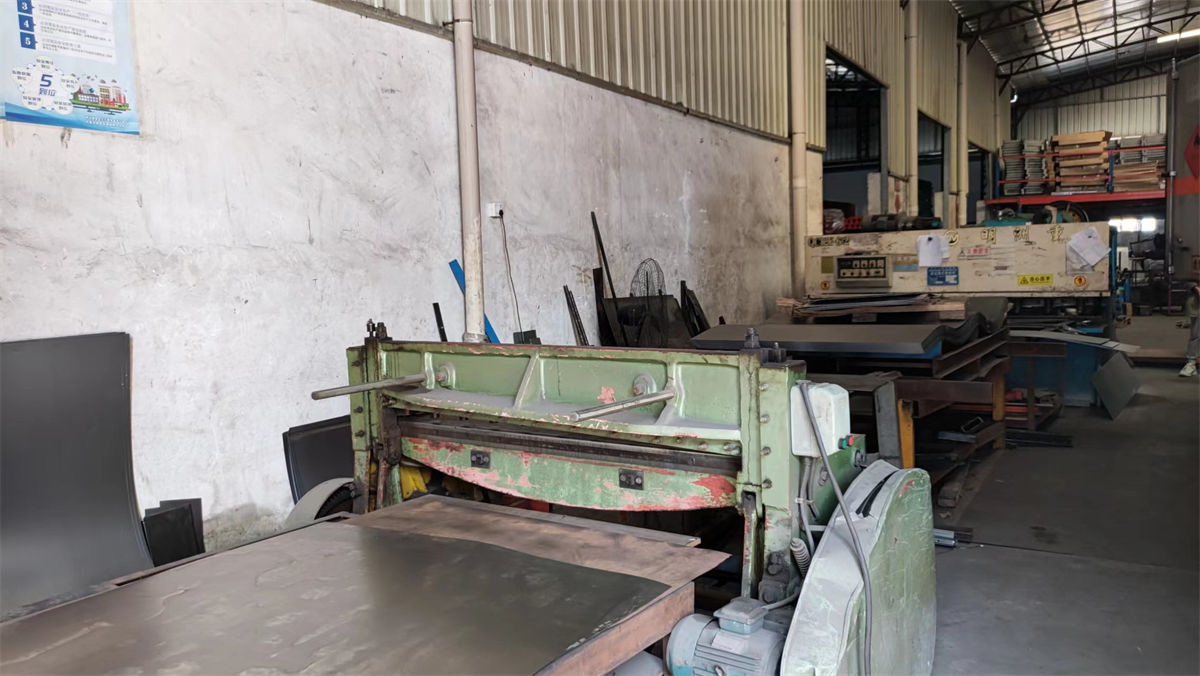
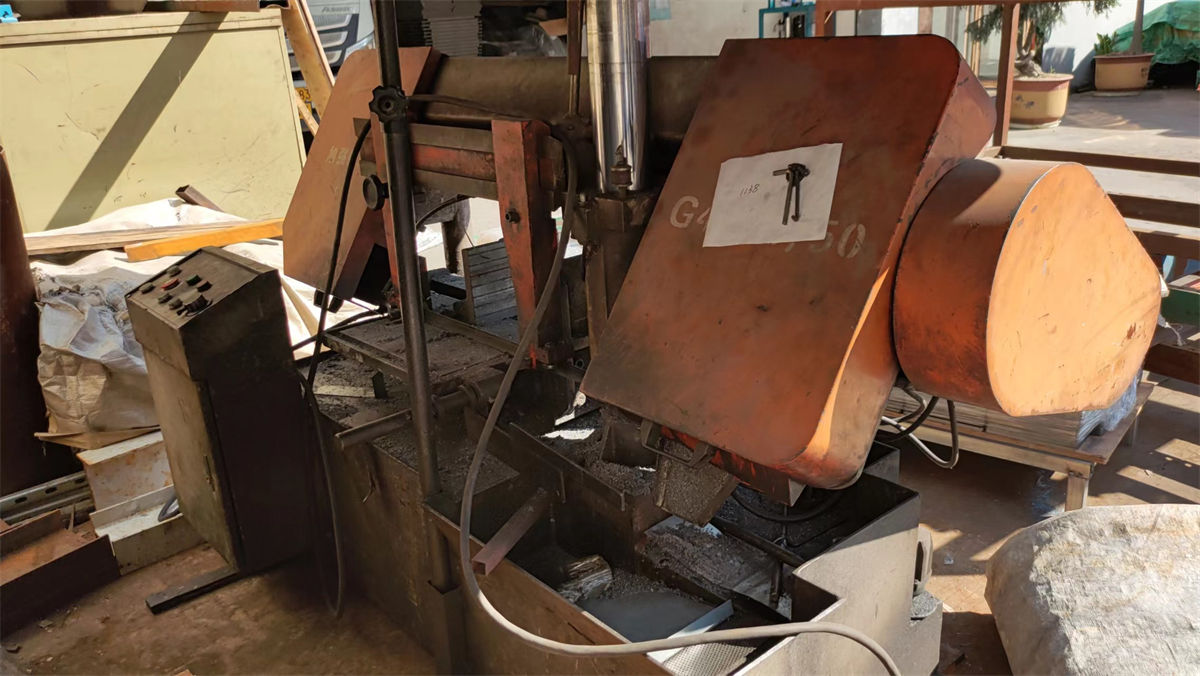
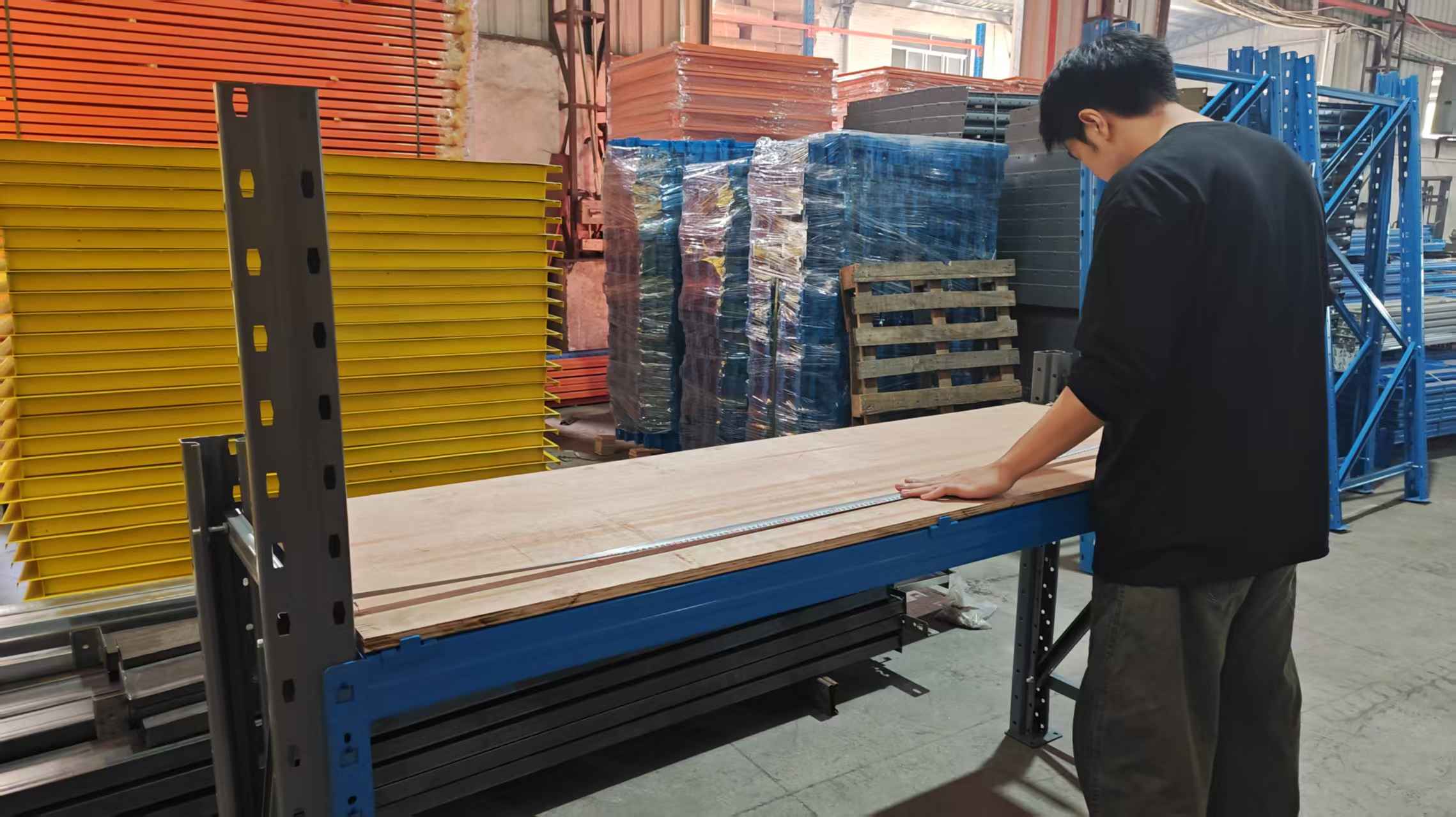
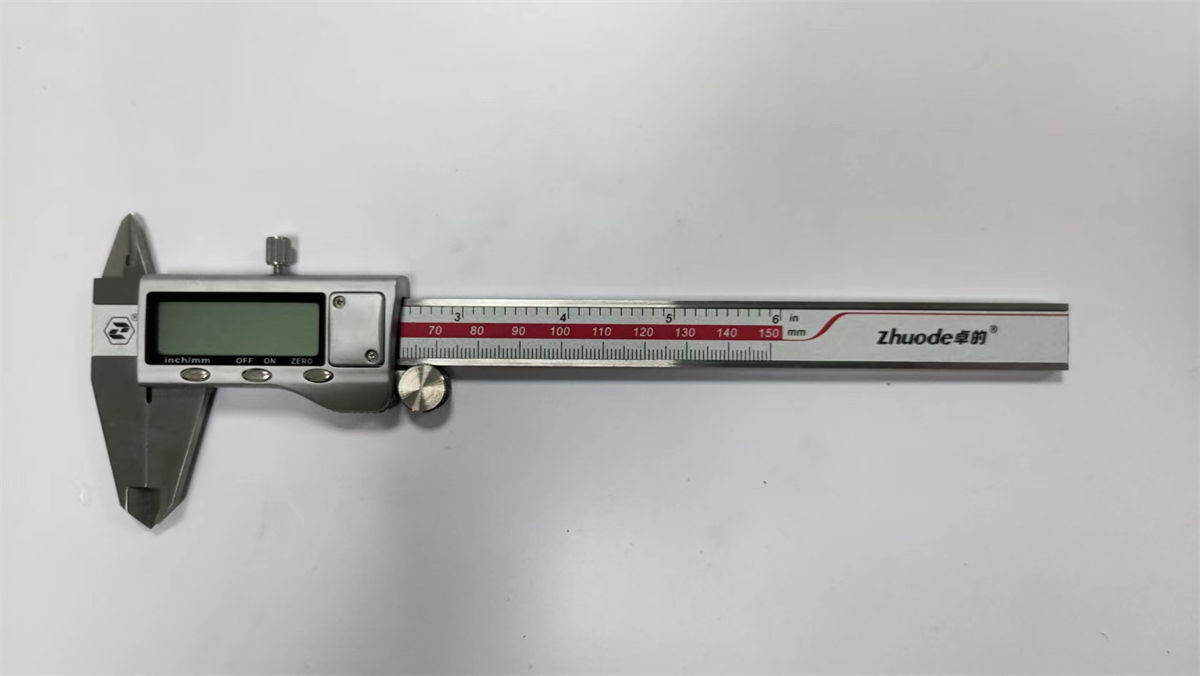
In modern industrial storage design, the selection of the correct racking profile is calculated based on specific operational stress factors. Safety is paramount: the load-bearing requirements must incorporate margin limits to prevent system collapse. Understanding the engineering of wire shelving and pallet racking systems requires analyzing several structural performance standards.
From an architectural and warehouse safety standpoint, wire mesh decking offers distinct advantages over solid wooden or sheet metal shelves. First and foremost is fire safety compliance. In many regions, building regulations mandate that storage shelves must not obstruct overhead water sprinklers. In the event of a fire, wire mesh allows water to flow through the racks to reach lower tiers, which is crucial for meeting NFPA and European safety codes. Second, the wire configuration prevents the accumulation of dust and debris, reducing maintenance overhead and improving ambient airflow—a critical factor in temperature-controlled warehouses and cold-chain structures.
Cold storage facilities operate under demanding environmental conditions, where high humidity and freezing temperatures accelerate steel corrosion. Standard carbon steel with basic powder coating will degrade under these conditions. We use specialized finish technologies, such as hot-dip galvanizing and heavy-duty epoxy-powder hybrid finishes, to provide protection down to -40°C. This treatment prevents moisture from reaching the carbon steel core, avoiding structural oxidation and keeping the racking system safe and functional over time.
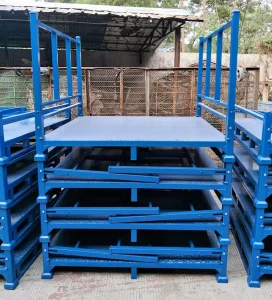
A common point of confusion during procurement is the difference between static and dynamic load capacity. Static capacity refers to the load a shelving unit can support when the weight is completely stationary and distributed evenly. Dynamic capacity, however, calculates the stress placed on the racking during movement, such as when a forklift places a heavy pallet onto the crossbeams or when stacking portable racks are in motion. A system with a static load limit of 2,000kg may have its capacity reduced by 30% to 50% under dynamic loading due to structural deflection and load variance.
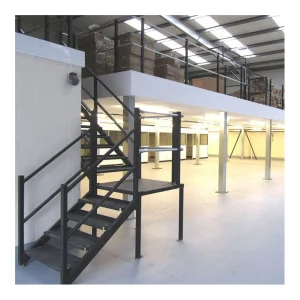
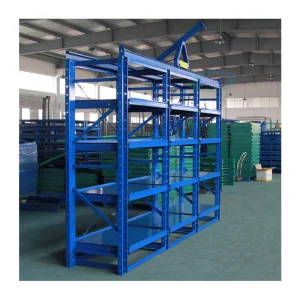
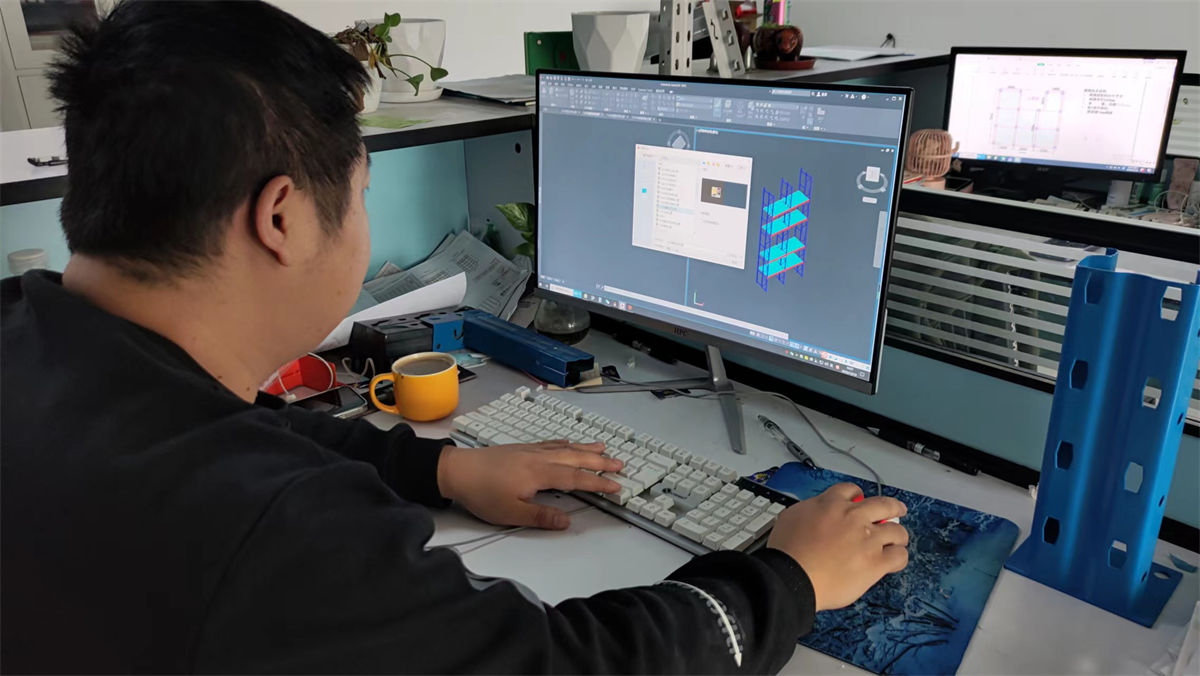
Ningbo Xinmiao relies on a dedicated team of 18 R&D engineers to develop custom-engineered solutions for clients facing unique structural layouts. Whether it is adjusting standard beam connections to fit custom upright configurations, designing specialized drawer-type mold racks for heavy manufacturing tooling, or developing multi-tier mezzanine platforms to maximize vertical space, we utilize finite element analysis (FEA) to verify load performance before beginning mass production. Last year alone, our R&D team successfully launched 45 new product variations, reflecting our commitment to continuous design improvement.
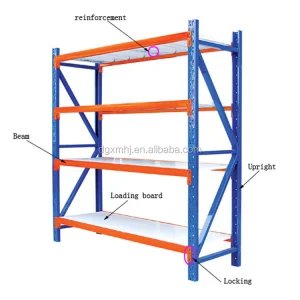
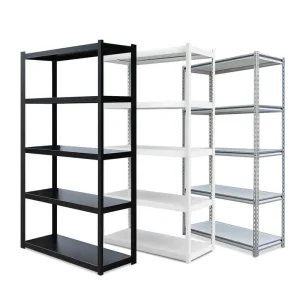
Highly configurable boltless solutions designed for quick assembly and adaptable storage requirements.
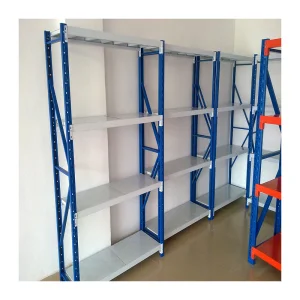
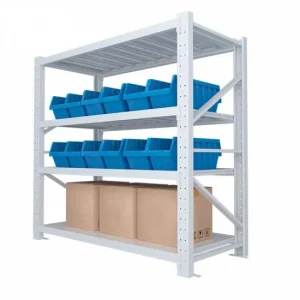
 Xinmiao Racking