Top Trusted Vertical Lift Storage Factories & Factory

High-Density Intelligent Warehouse Solutions | OEM/ODM Structural Engineering & Custom Manufacturing

Macro-Industry Whitepaper: The Evolution of Vertical Storage

Why modern enterprises are transitioning from flat footprints to intelligent vertical space optimization.

The global intralogistics sector is facing unprecedented pressure. Urbanization, skyrocketing land lease prices, and the exponential growth of e-commerce are driving warehouses to optimize cubic space rather than square footage. Traditionally, expanding capacity meant acquiring more land or constructing new facilities. Today, strategic optimization within the existing footprint is the key to maintaining operational margins.

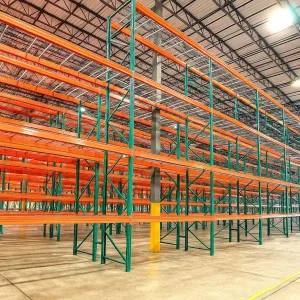
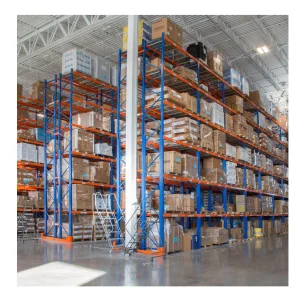
Vertical Lift Storage technology, alongside structural high-density pallet racking, represents the modern solution to this spatial constraint. By utilization of overhead clearance up to 30 meters, high-density structures allow operators to retrieve palletized and unit loads faster, safer, and with minimal energy consumption. The transition to vertical storage is no longer merely a space-saving option; it has become an essential prerequisite for automated supply chains, cold storage facilities, and high-performance 3PL networks.

As a leading storage equipment manufacturer, Ningbo Xinmiao Storage Equipment Co., Ltd. (Mracking) has spent over 14 years developing robust, reliable, and compliant structural profiles. We bridges the gap between conventional storage systems and automated material handling, positioning ourselves as a trusted global manufacturer.
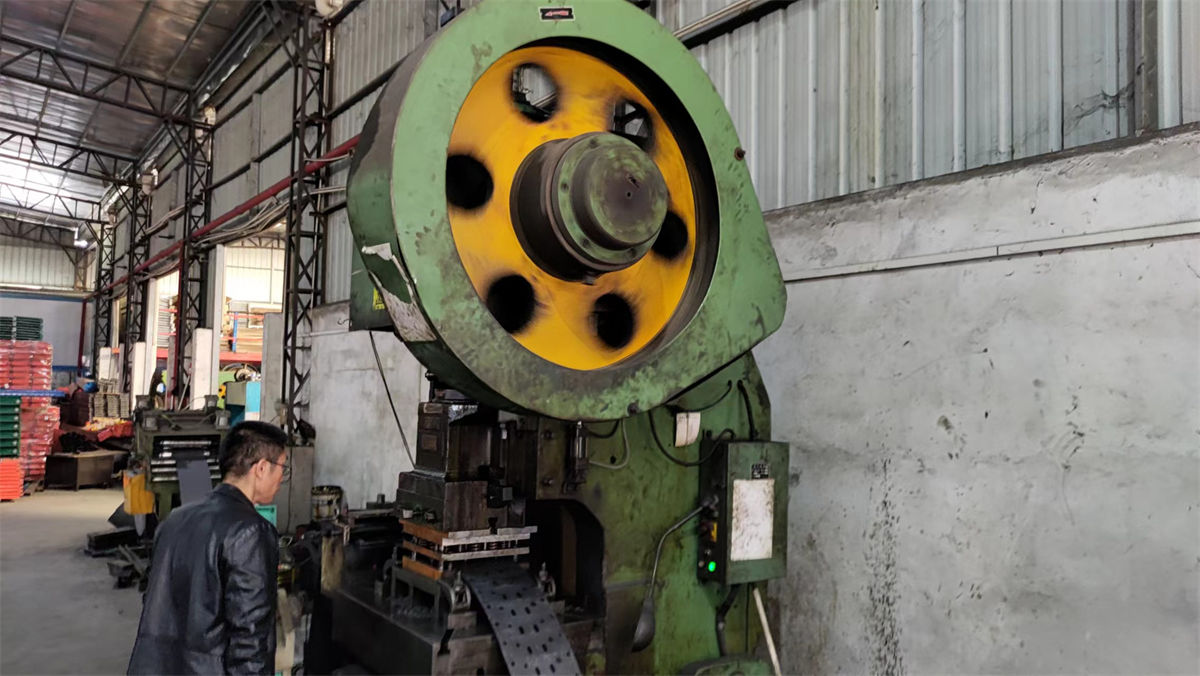
Ningbo Xinmiao Storage Factory Process
14+
Years of Industry Expertise
35k
Modern Manufacturing Facility
$18M+
Annual Export Revenue
25+
QC Specialists on Site

Engineered for High-Density Operational Excellence

Our structural designs are optimized for maximum load capacity, structural stability, and integration safety.

Advanced Dynamic Engineering

Every structural upright and beam undergoes finite element analysis (FEA) to simulate stress limits under extreme loading conditions. This ensures seismic compliance and optimal safety factor overheads.

Non-Destructive Testing (NDT)

Our quality assurance program is backed by 25 specialized QC engineers performing structural weld checks, load deflection trials, and ultrasonic scanning on heavy-load interfaces.

Tailored Coating Protection

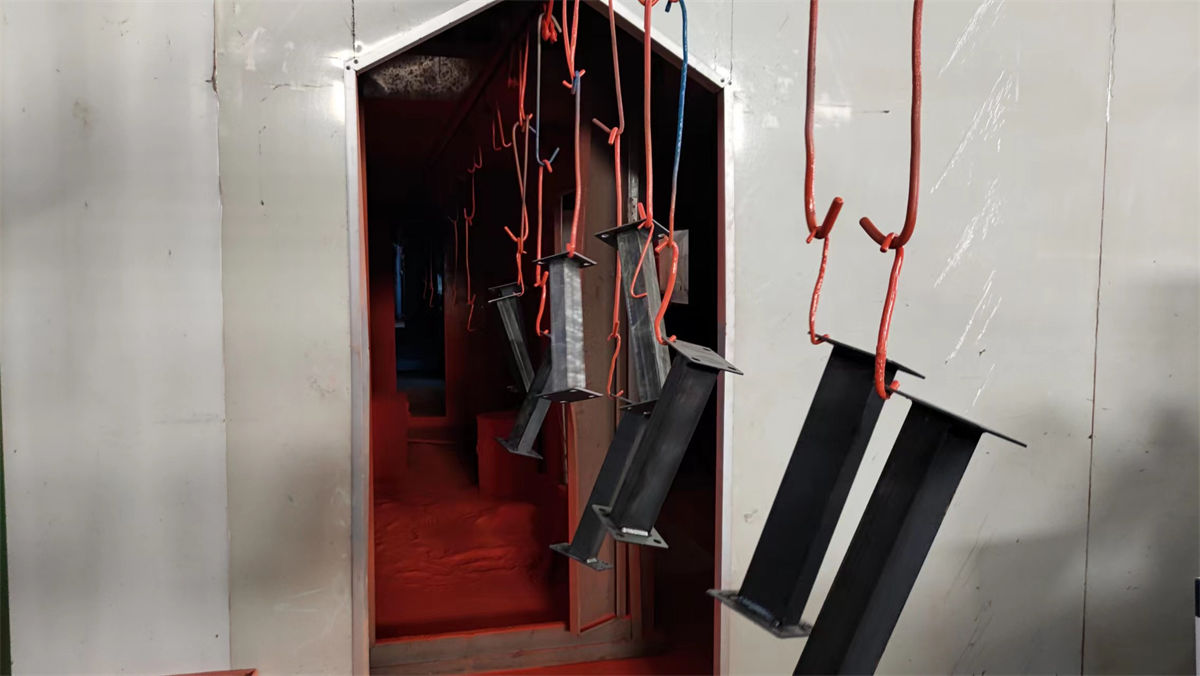
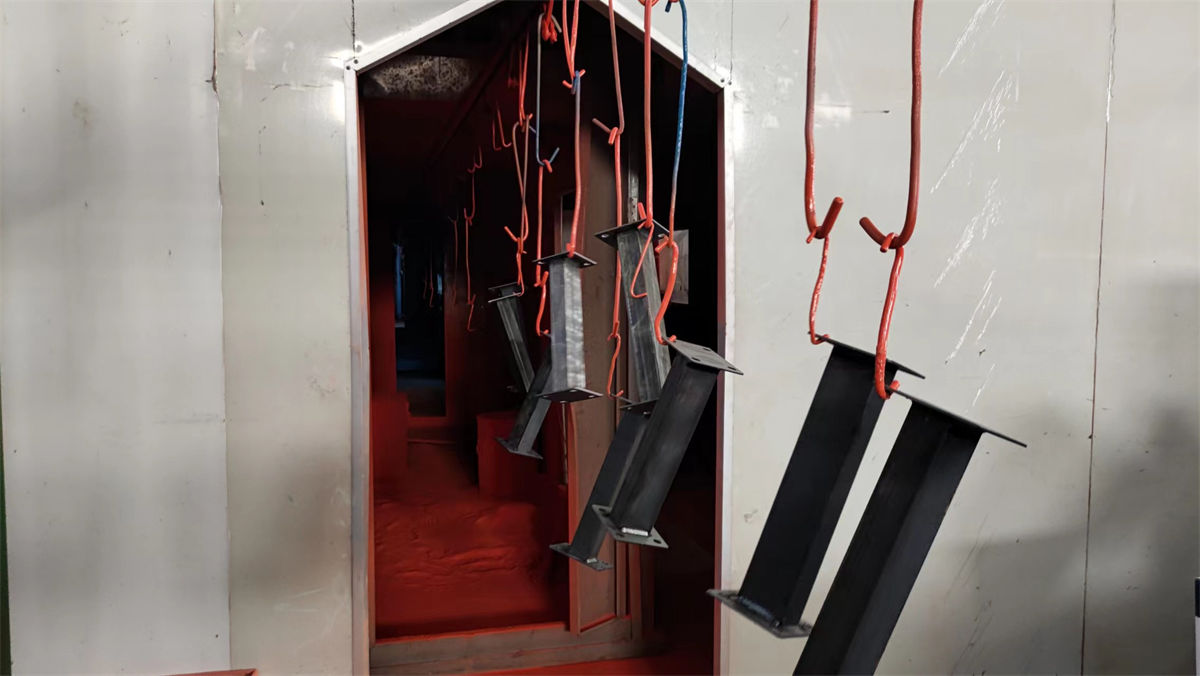
Utilizing electrostatic powder coating systems, our uprights receive an even, impact-resistant, chemical-resistant outer barrier that preserves metal substrates even in sub-zero cold-chain facilities.

Vertical Integrated Manufacturing Process

From initial structural design to final custom coating, our advanced manufacturing line ensures tight dimensional tolerances and structural integrity.
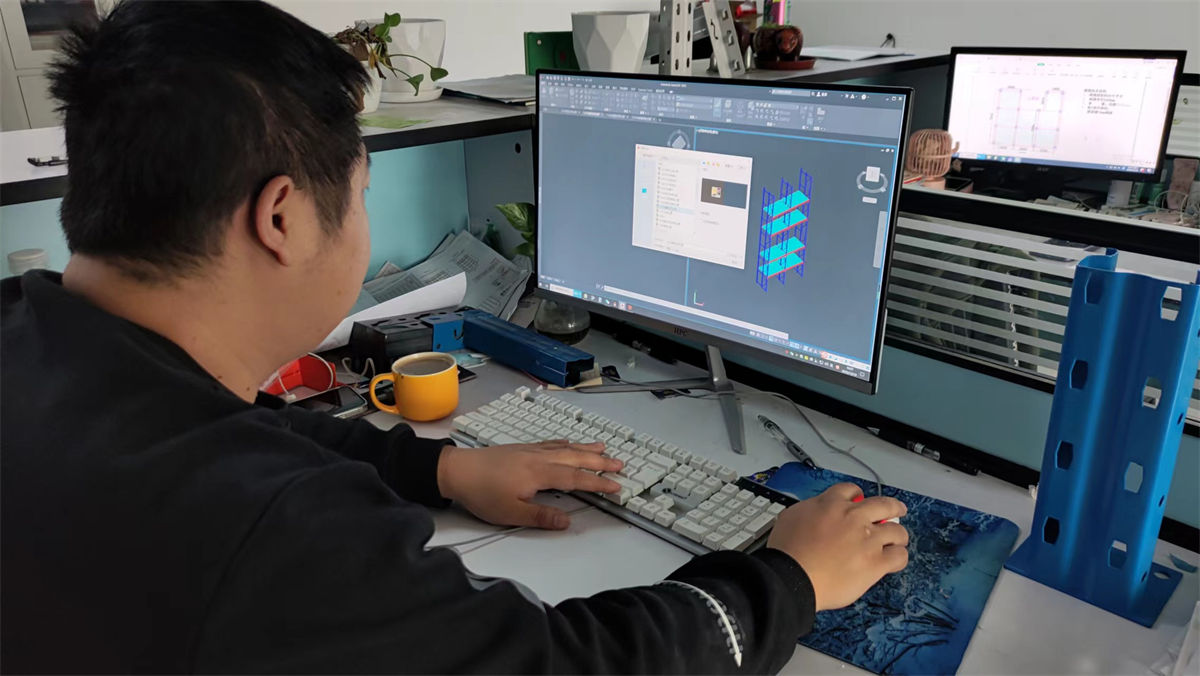
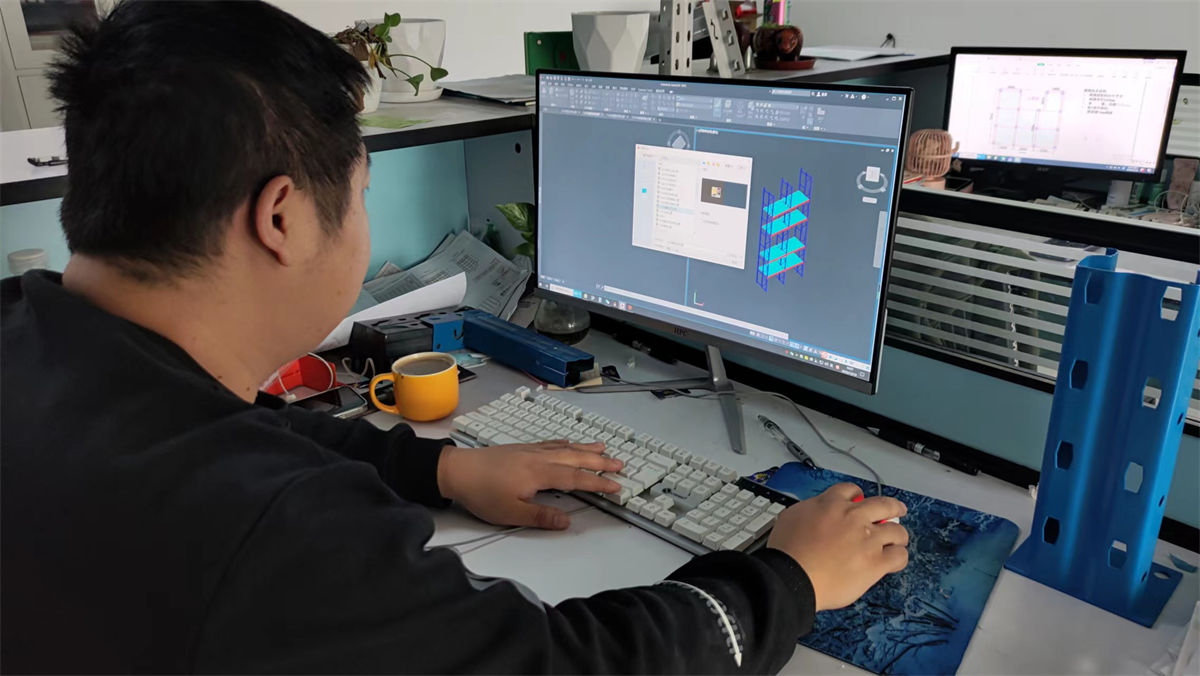
Design Stage
Design Phase
Computer CAD Modelling
Computer Modelling
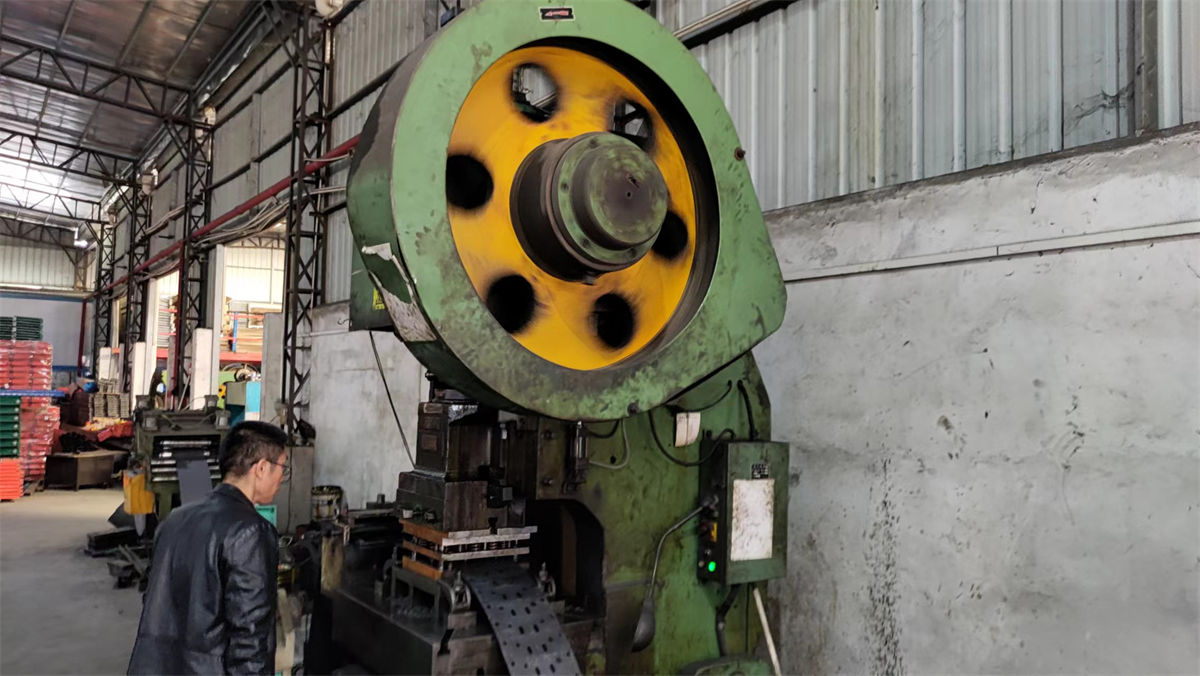
Punching Steel Profiles
Precision Punching
Rollforming Columns
Profile Rolling
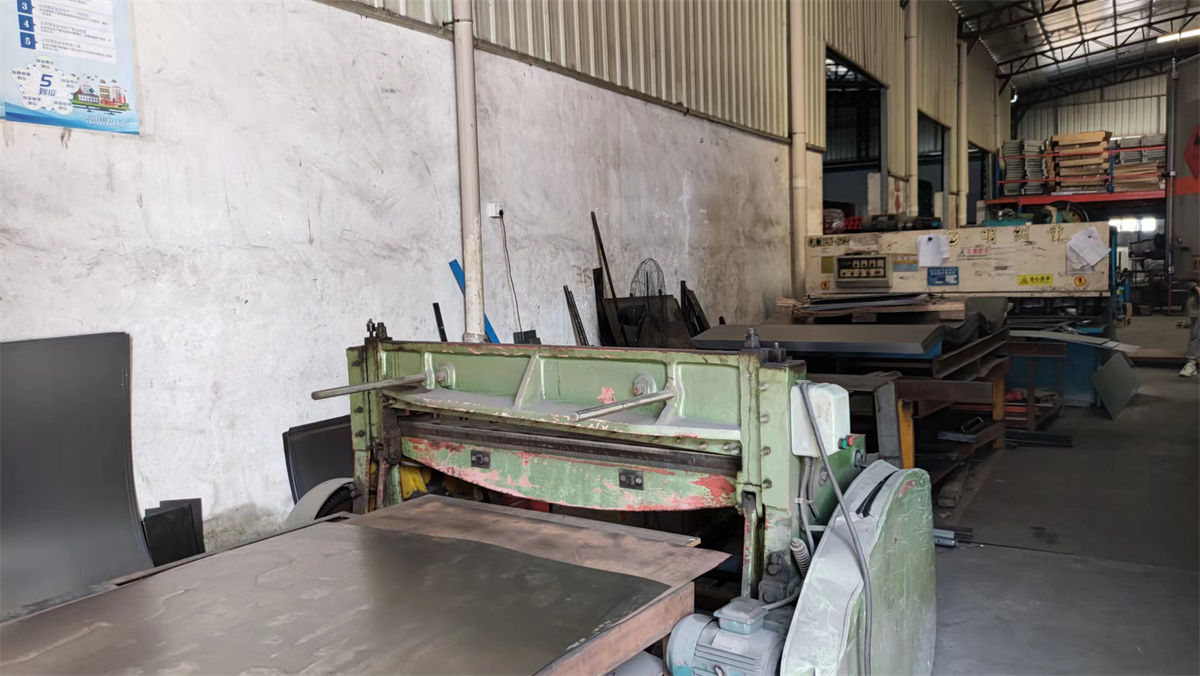
Plate Cutting Metal
Plate Cutting
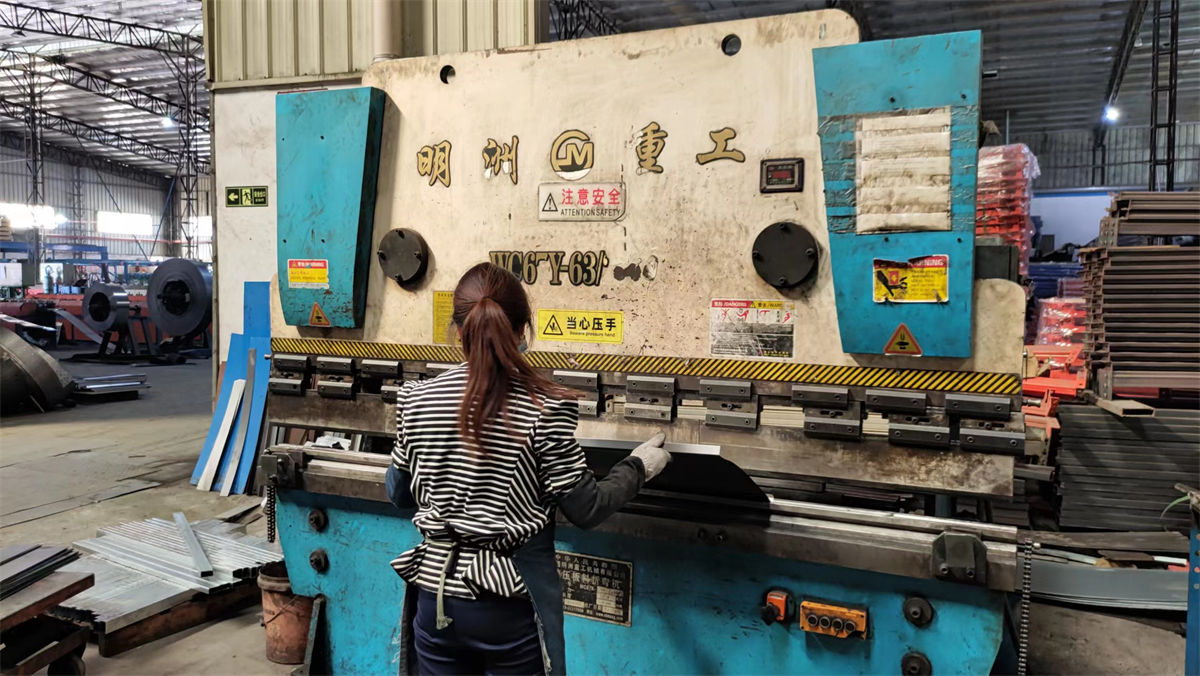
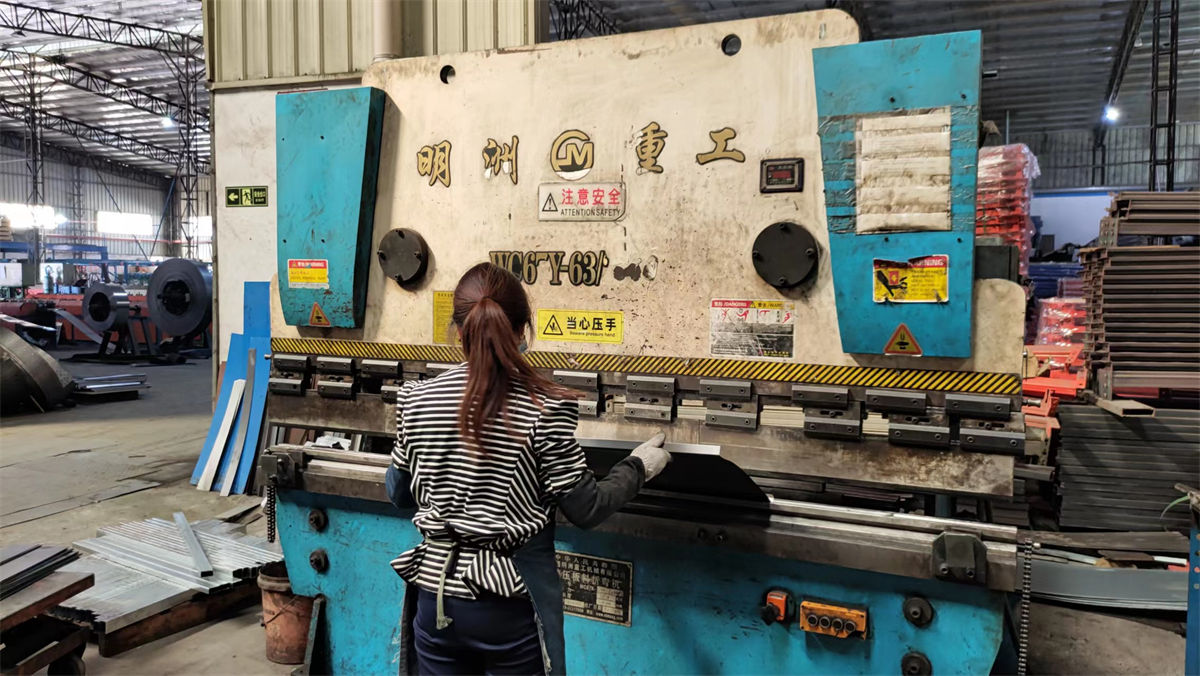
Profile Bending
CNC Bending
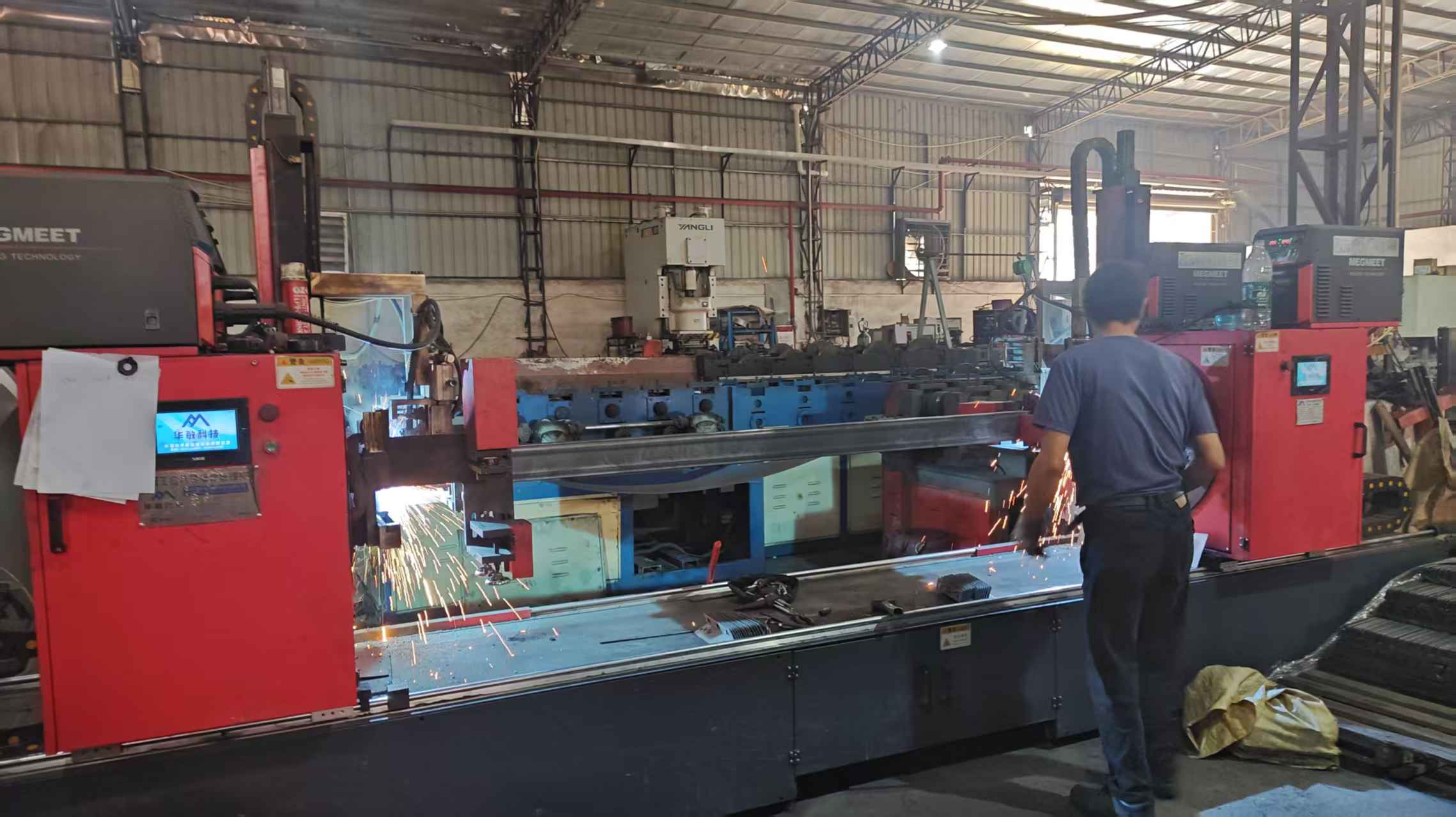
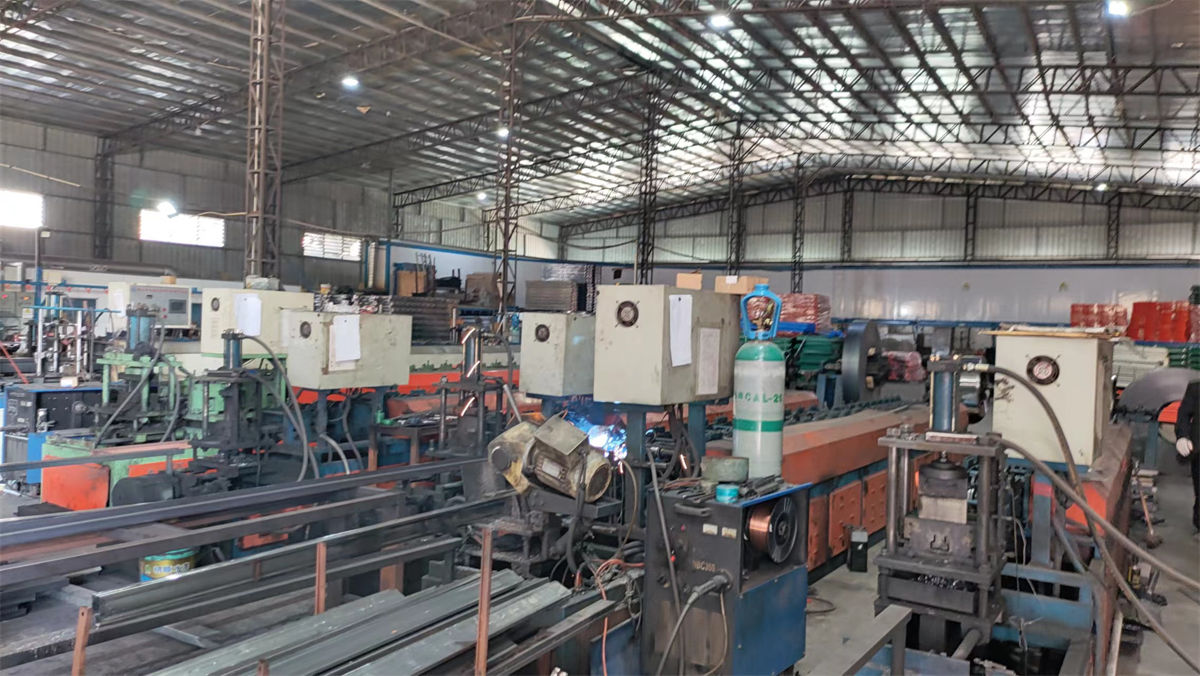
Structural Welding
Robot Welding
Powder Coating
Coating & Finish
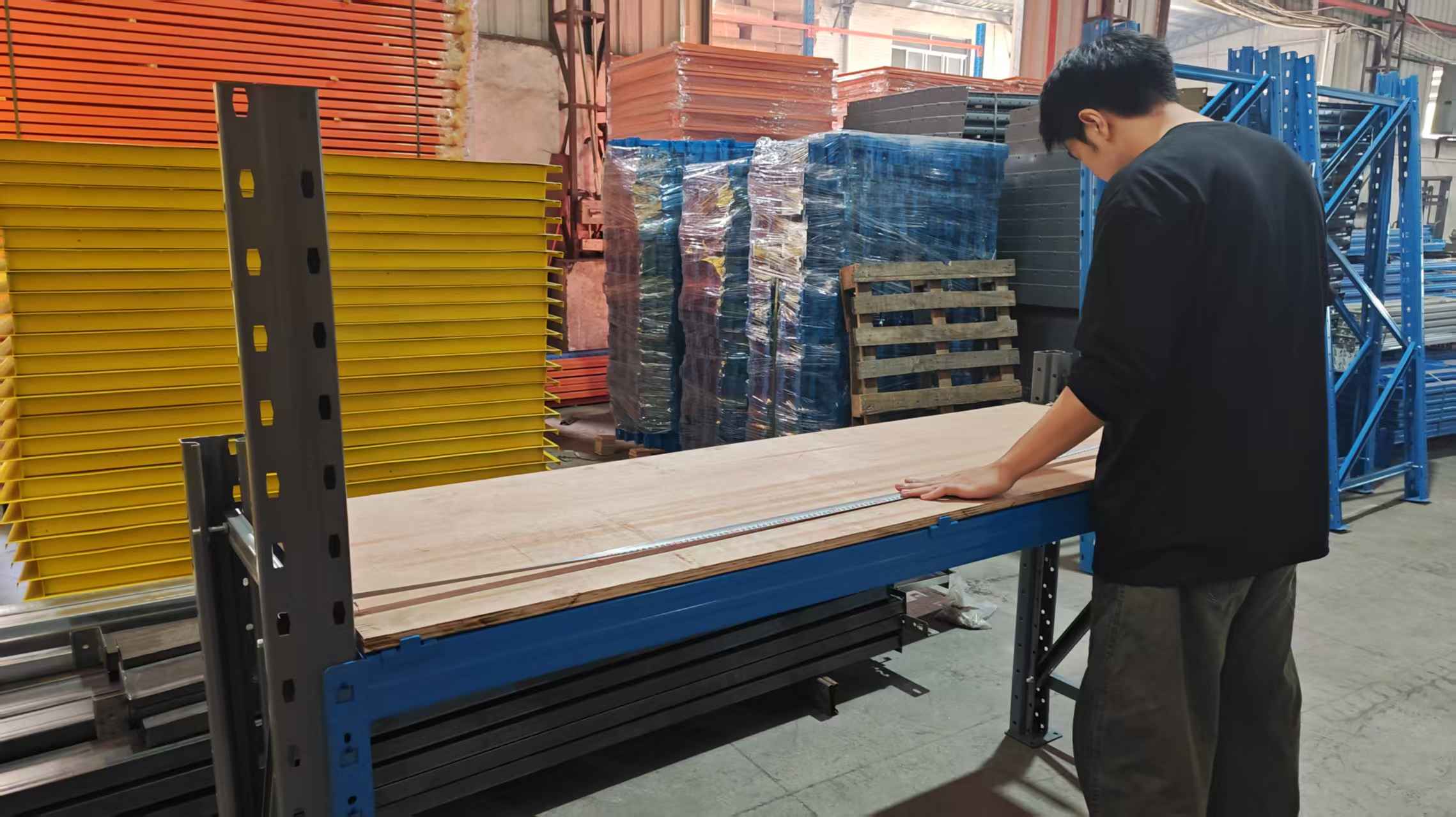
Quality Inspection
Visual Inspection
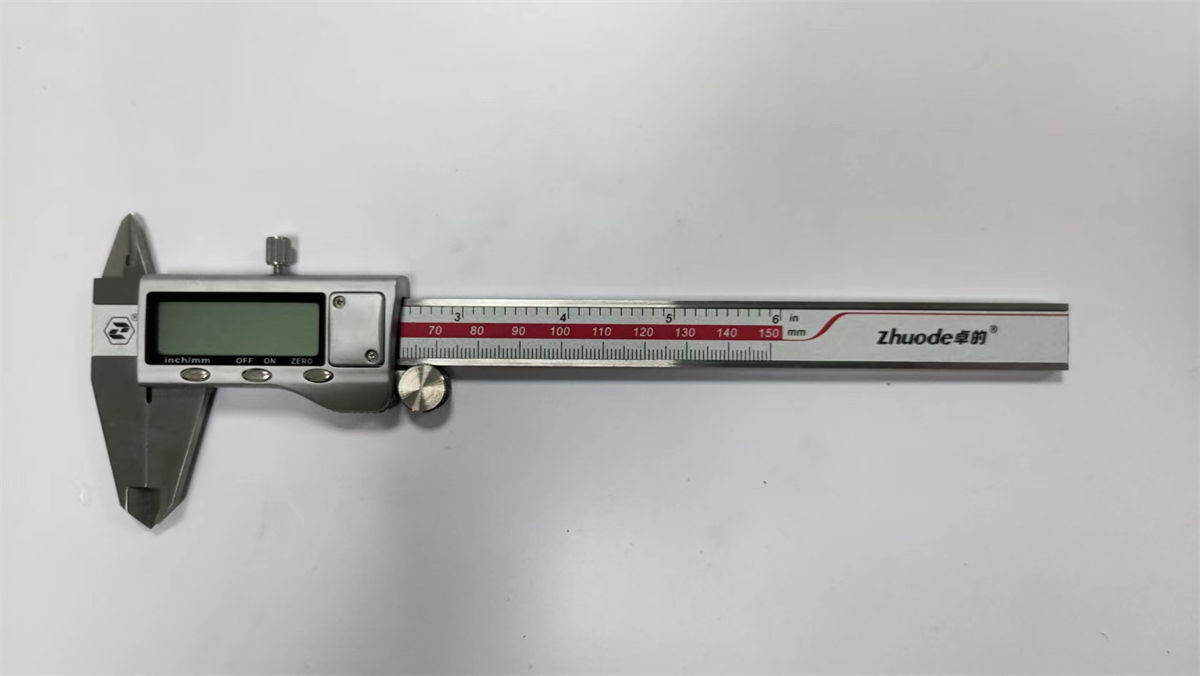
Caliper Dimension Check
Caliper Testing
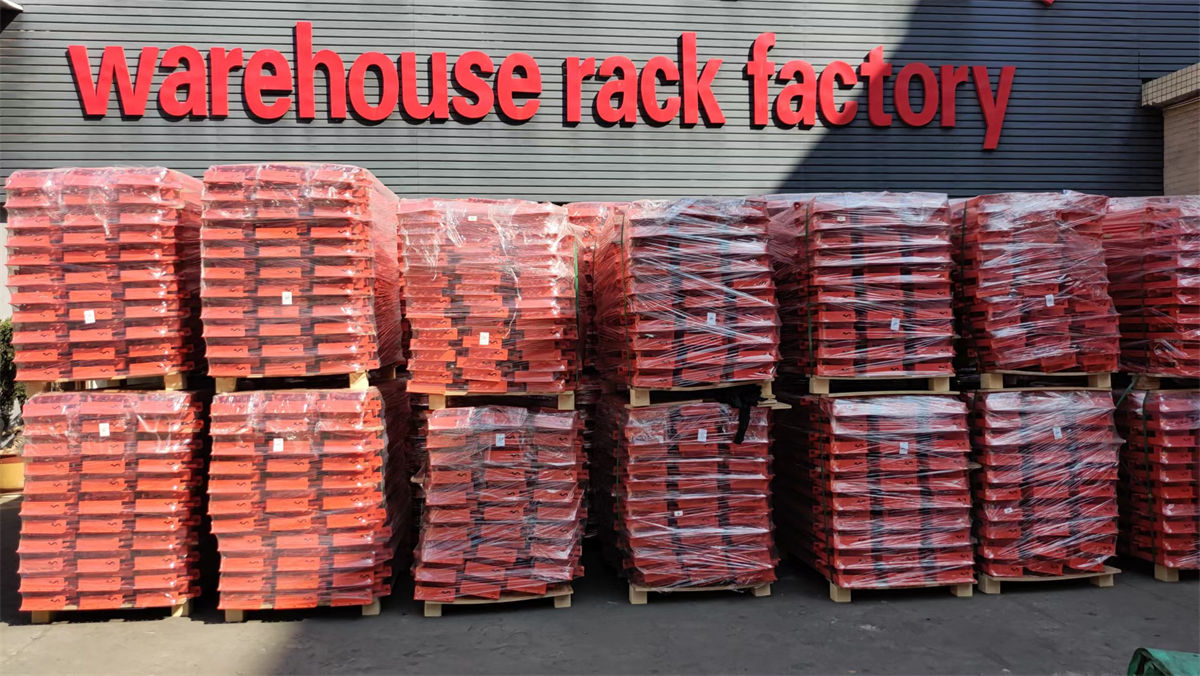
Packed Ready for Export
Secure Packaging
Automated Coating Line
Coating Line Plant

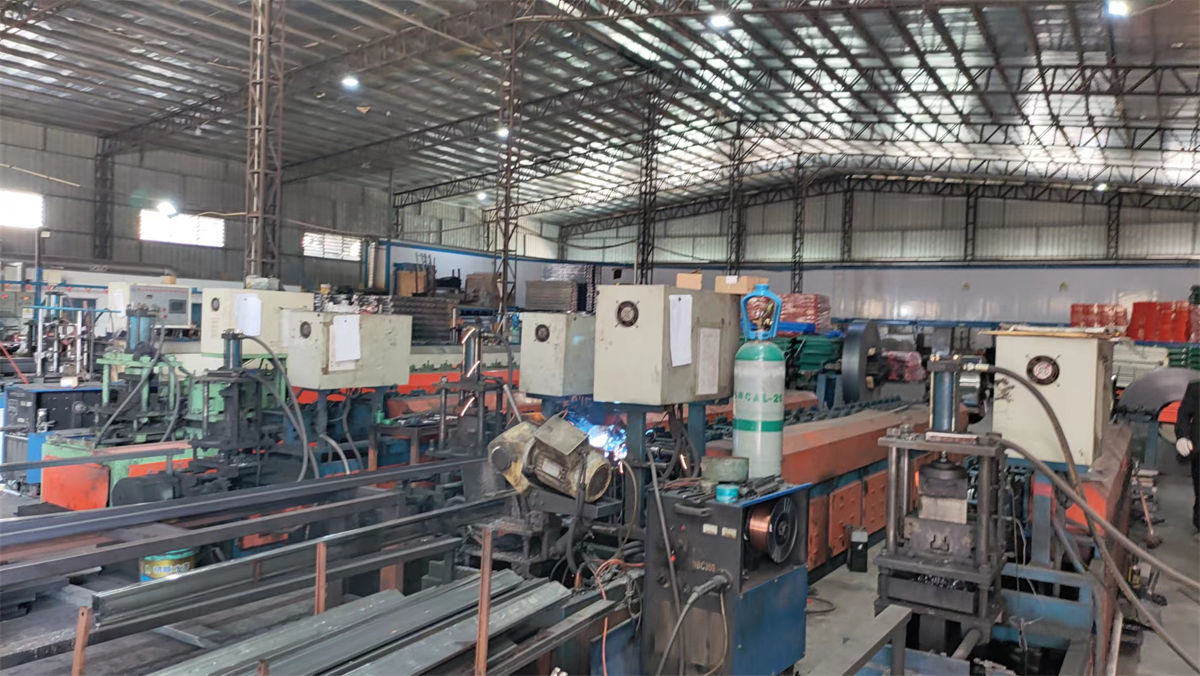
Heavy Manufacturing Machinery Operations

Continuous Rolling Machine
Heavy-Duty Rolling Machine
CNC Bending Machine
Multi-Axis Bending Machine
High Speed Punching Machine
Progressive Punching Machine
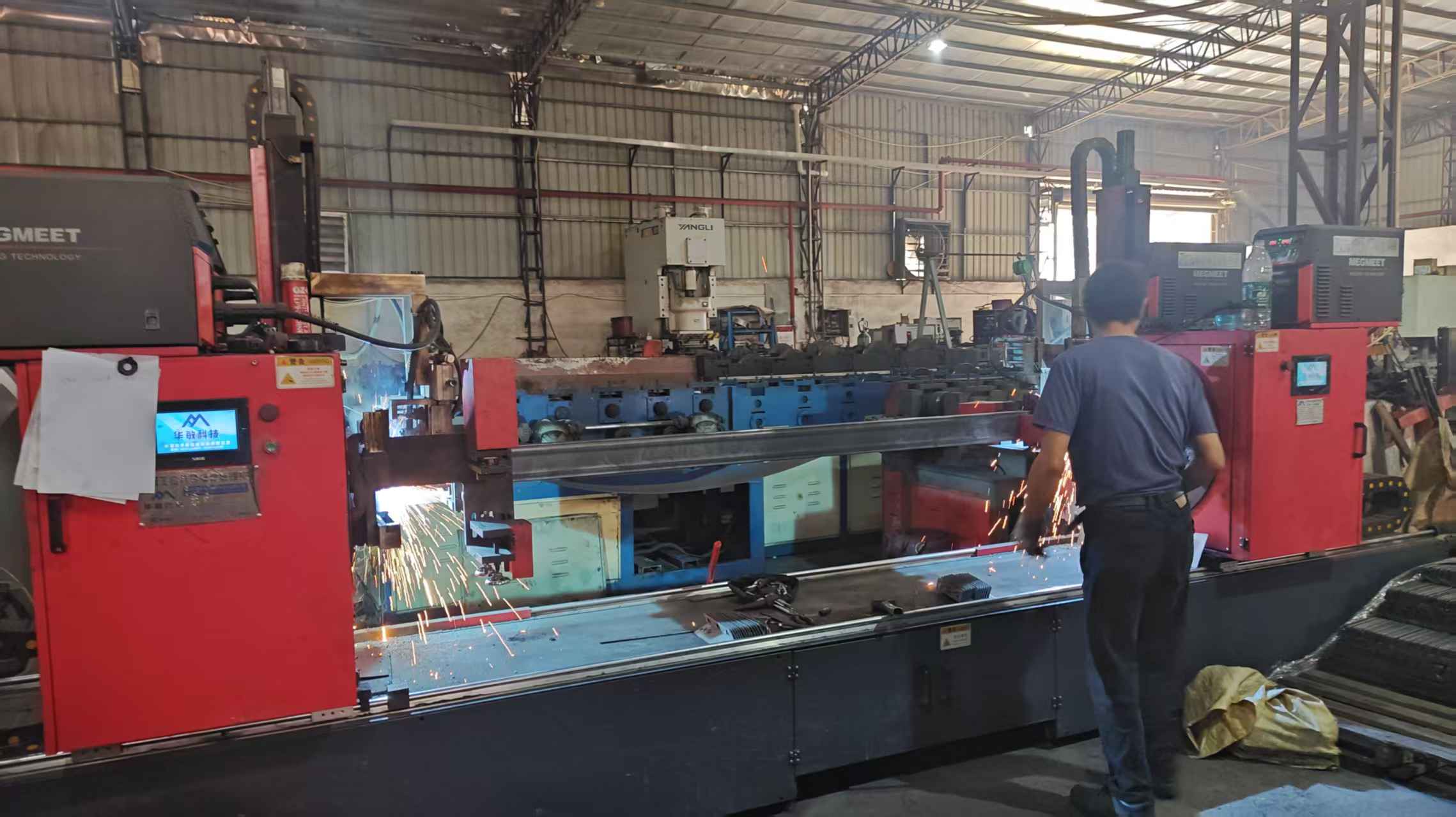
Robotic Welder Equipment
Automatic Welding Machine
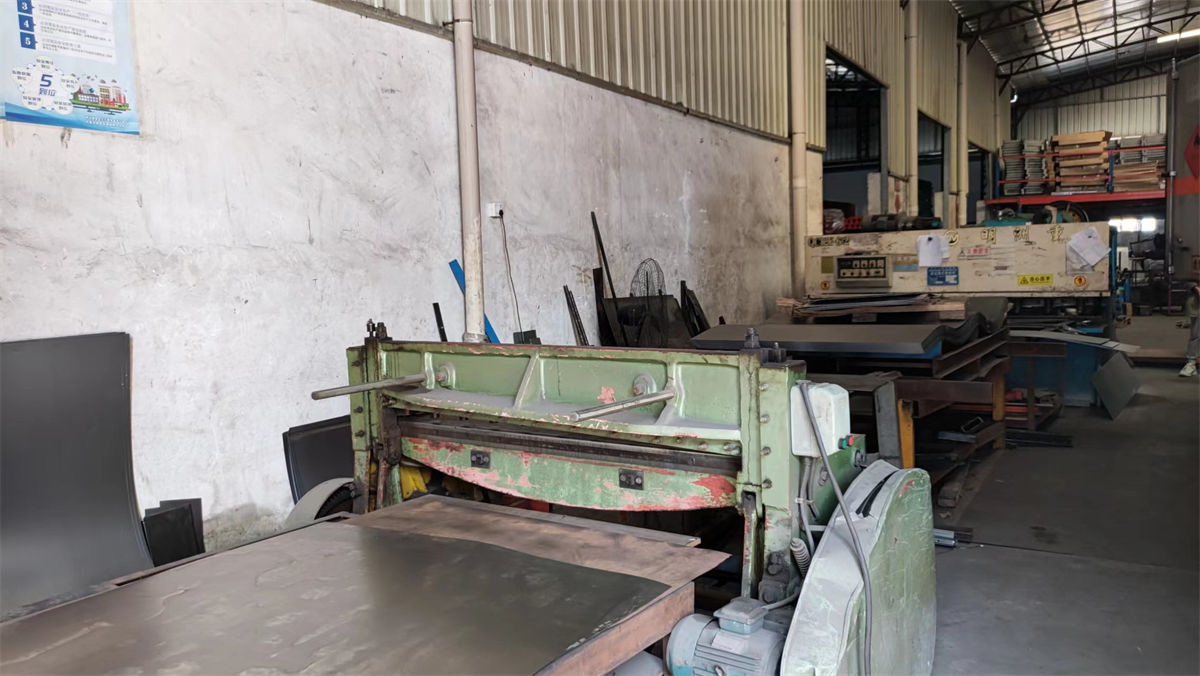
Plate Cutting Machine
Shearing & Plate Cutting Machine
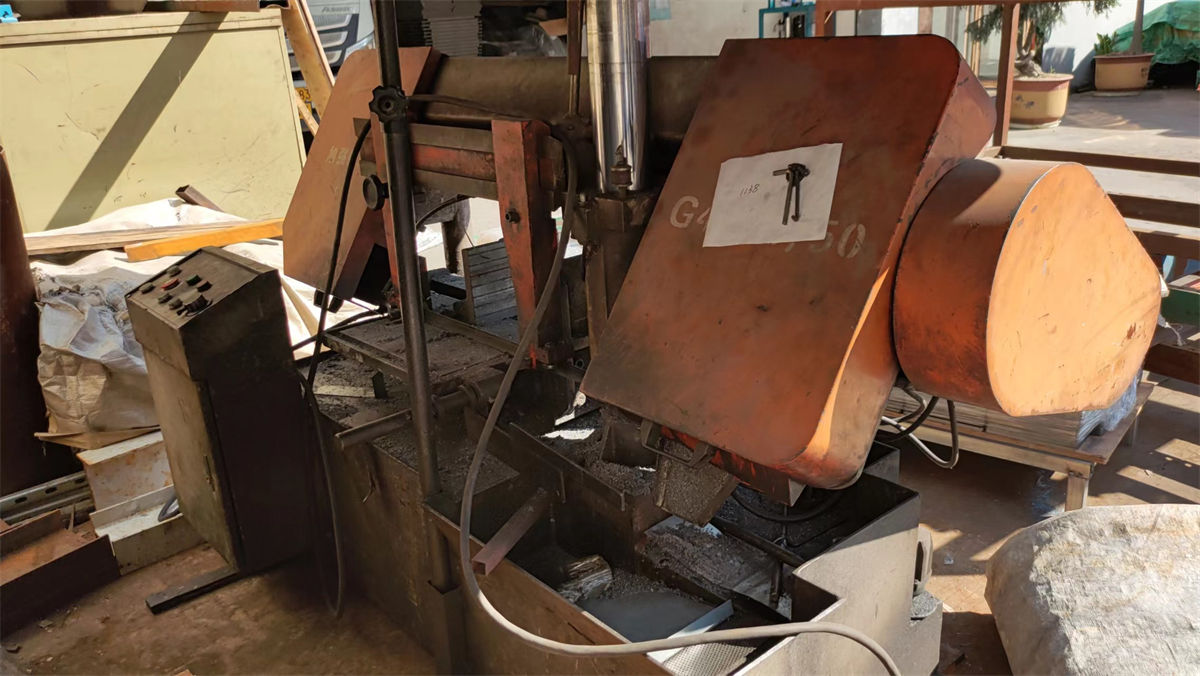
High Precision Industrial Sawing Machine
Precision Sawing & Cut-Off Machine Station

Global Application Scenarios & Localized Deployment

Adapting heavy industrial vertical structures to different environmental and regulatory criteria worldwide.

Automated Logistic Hubs & 3PL

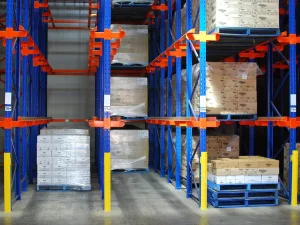
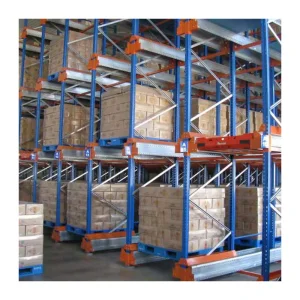
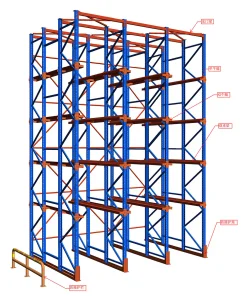
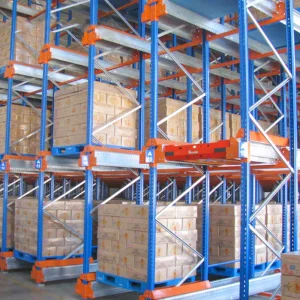
  • Dynamic Optimization: Integrating high-density drive-in and shuttle racking systems directly with automated shuttle systems for continuous operations.
  • Throughput Maximization: Reduces average pallet retrieval times from 4.5 minutes to under 60 seconds with shuttle compatibility.
  • Scalable Form Factors: Modular frame designs allow modular warehouse expansion without disrupting bottom-tier warehouse layouts.

Seismic Regulatory Compliance

  • North American (ANSI/RMI MH16.1): Tailoring baseplate and dynamic loading requirements to withstand localized wind loads and seismic zones.
  • European (FEM 10.2.02 / EN 15512): Full engineering documentation compliance, utilizing premium grade high-tensile steel S355/S420.
  • Australia/Oceania (AS4084-2012): Standard verification models detailing deflection checks, localized soil properties, and impact protection.

Technology Roadmap & Future Outlook

The convergence of structural steel engineering with AI-guided warehouse management systems.

Phase 1: Real-Time Structural Telemetry

Integrating strain-gauge micro-sensors into vertical support members to transmit load distribution metrics dynamically to WMS controllers.

Phase 2: Ultra-High Density Multi-Deep Shuttle

Optimizing vertical clearances using thin-walled profile technology with increased structural integrity, facilitating faster vertical lift speed and higher weight ratios.

Phase 3: Circular Lifecycle Design

Moving toward zero-emission paintlines and adopting 100% recyclable green steel alloys, satisfying global enterprise ESG requirements.

Industrial Vertical Storage Systems FAQ

Direct technical explanations addressing core structural capabilities, compliance parameters, and manufacturing standards.

What structural safety standards do your storage systems conform to?
Our systems conform to international structural parameters, including EN 15512 (European Standard), ANSI/RMI MH16.1 (US Specification), and AS4084-2012 (Australian Standard). We utilize finite element analysis to ensure safety parameters under localized seismic categories.
Can Ningbo Xinmiao integrate automated shuttles into existing racks?
Yes. Our heavy-duty drive-in and shuttle racking systems are designed with high-tolerance steel rails that match all major automated shuttle manufacturers. Precision alignment of structural frames ensures smooth guide-rail operation.
What steel grades and surface finishes do you utilize?
We use Q235B and Q345B/Q420 structural steel, equivalent to international standards S235JR and S355JR. The surface finish is an electrostatic thermo-hardened epoxy powder coating, offering excellent protection against corrosion, impacts, and abrasions.
What customization support is provided during structural engineering phases?
Our in-house R&D department (comprising 18 specialized engineers) provides full OEM/ODM support. This includes customized frame geometry, baseplate adjustments for seismic conditions, dynamic load balancing calculations, and bespoke color configurations.
How is quality control managed within the 35,000 sqm facility?
Our facility employs a dedicated team of 25 Quality Control specialists. We carry out inspections at every step of manufacturing, including non-destructive testing (NDT), load-stress verification, raw material steel composition audits, and precise dimensional verification using calibrated equipment.