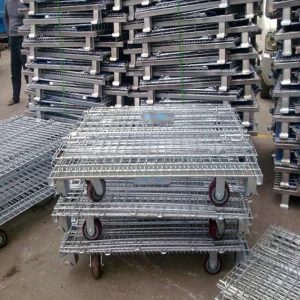
Explore our flagship heavy-duty engineering products designed to maximize storage density, seismic compliance, and collision resilience.
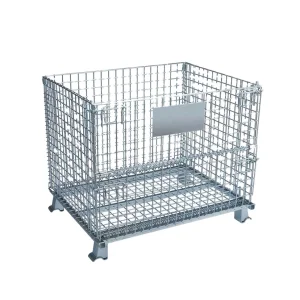
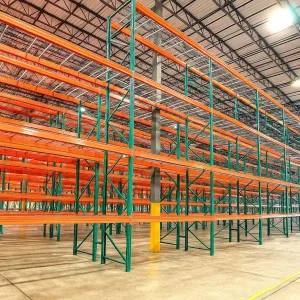
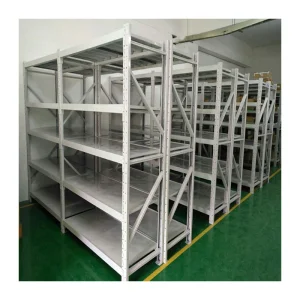
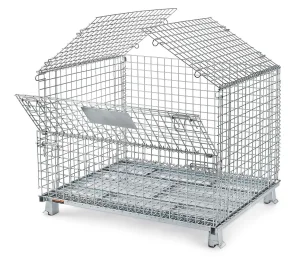
In modern supply chain management and heavy logistics, storage systems are no longer treated as passive steel shelving. They are highly active components of operational safety, throughput velocity, and corporate risk mitigation. Industrial warehouses, cold-chain distributors, and third-party logistics (3PL) hubs operate under intense, continuous, high-volume stress. Inside these spaces, the movement of multi-ton forklifts and material handling equipment creates an environment prone to mechanical impacts. Structural failure of a single upright frame due to accidental forklift collision can result in progressive system collapses, inventory destruction, operational downtime, and severe hazards to human life.
"Ningbo Xinmiao Storage Equipment Co., Ltd. (Mracking), established in 2015, integrates 14 years of design and manufacturing experience. We engineered structural impact racks to mitigate structural stress, absorb dynamic loads, and ensure structural stability under load-bearing stresses."
The engineering of impact-resistant racks relies on complex calculations in structural mechanics. Unlike standard light-duty boltless racking, high-impact storage frames must be designed to withstand both static vertical loads and dynamic horizontal forces.
Our engineering team utilizes Finite Element Analysis (FEA) to model load distributions under stress. Critical load parameters include:
An impact rack’s capacity to absorb mechanical shock without catastrophic failure depends on the chemical composition and mechanical properties of the steel coil. Ningbo Xinmiao utilizes premium, certified high-yield structural steel (such as Q235B and Q355B grades). The micro-alloyed structure of these steel grades balances structural tensile strength with ductile elasticity. When subjected to minor impacts, the steel absorbs energy through localized elastic deformation rather than brittle fracturing.
To guarantee that every batch of structural framing leaves our 35,000-square-meter facility with zero defects, we implement a rigorous Quality Assurance matrix managed by 25 dedicated Quality Control (QC) specialists. Every load-bearing weld undergoes non-destructive testing (NDT), which includes automated ultrasonic weld inspections to identify micro-voids, incomplete penetration, or thermal cracking. This ensures the structural integrity of every column joint under long-term compression.
Our vertically integrated production facility employs state-of-the-art machinery and rigorous caliper inspection protocols.
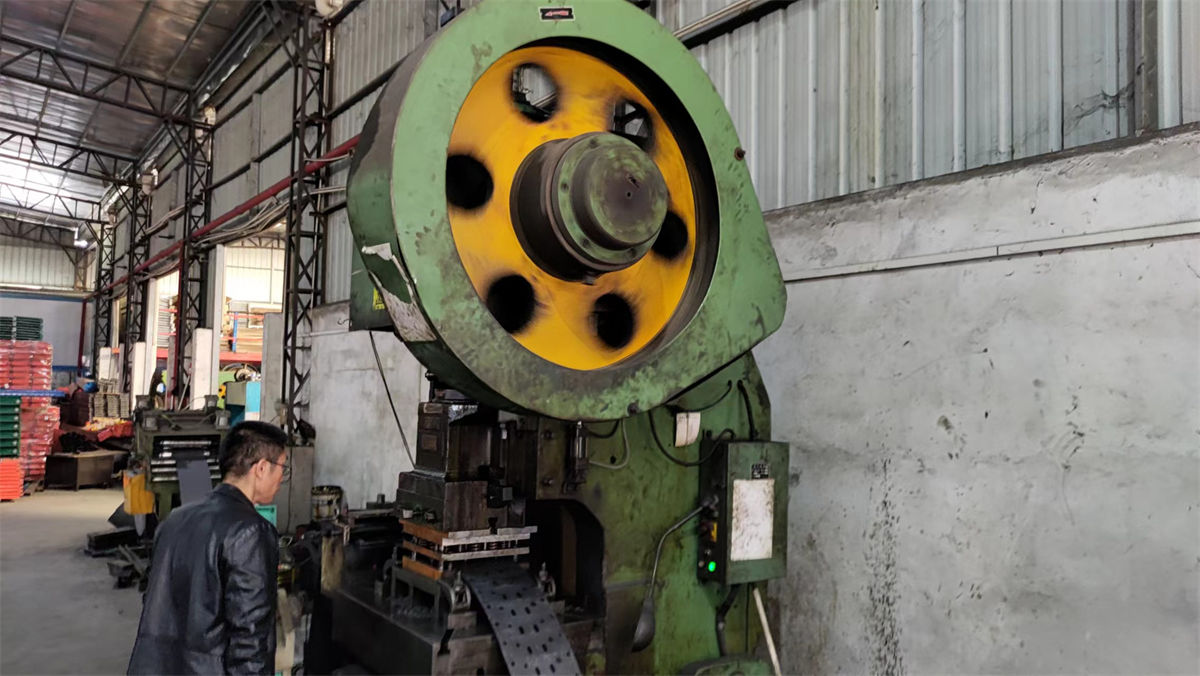
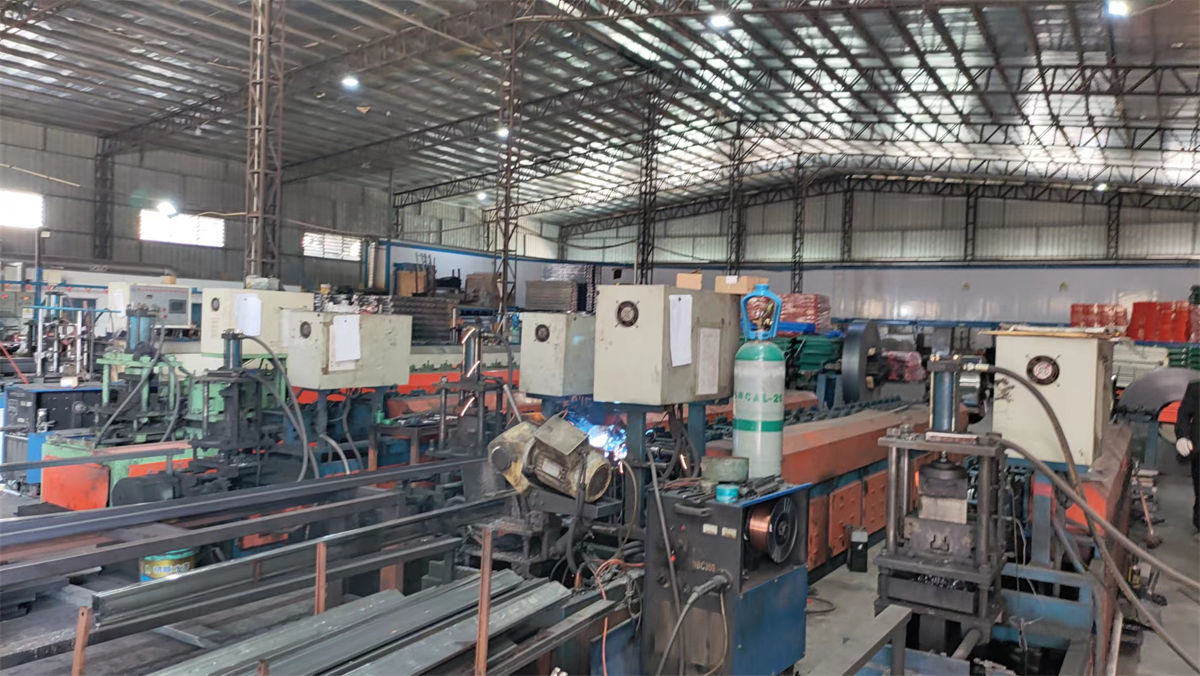
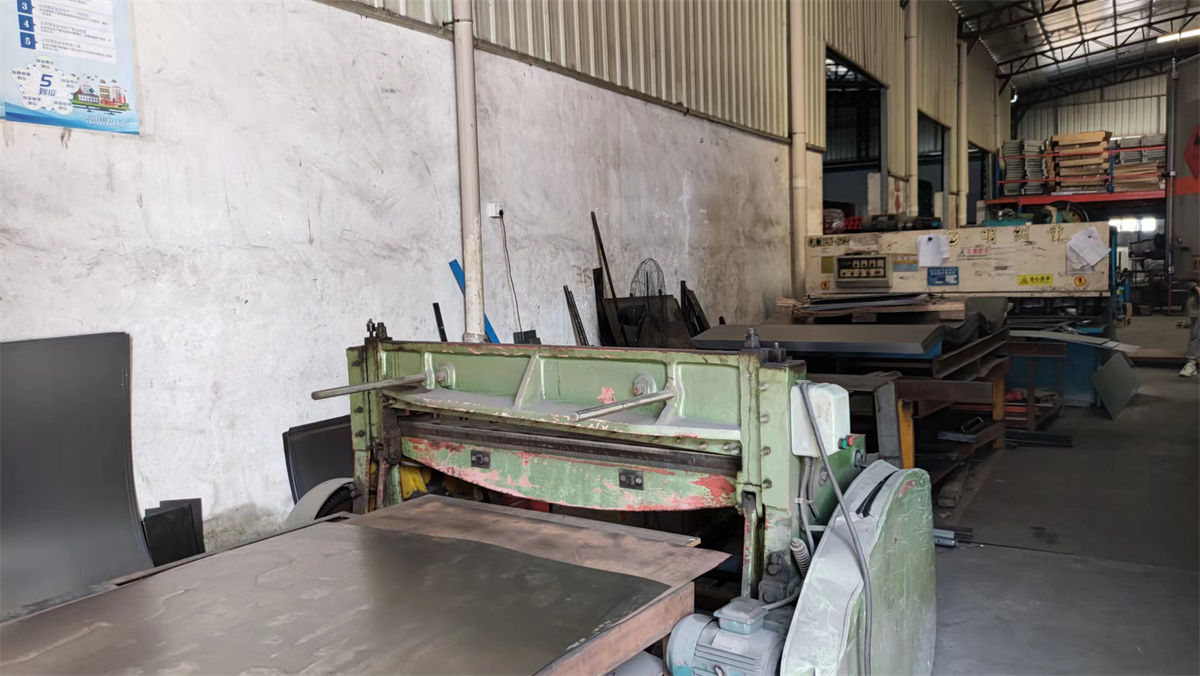
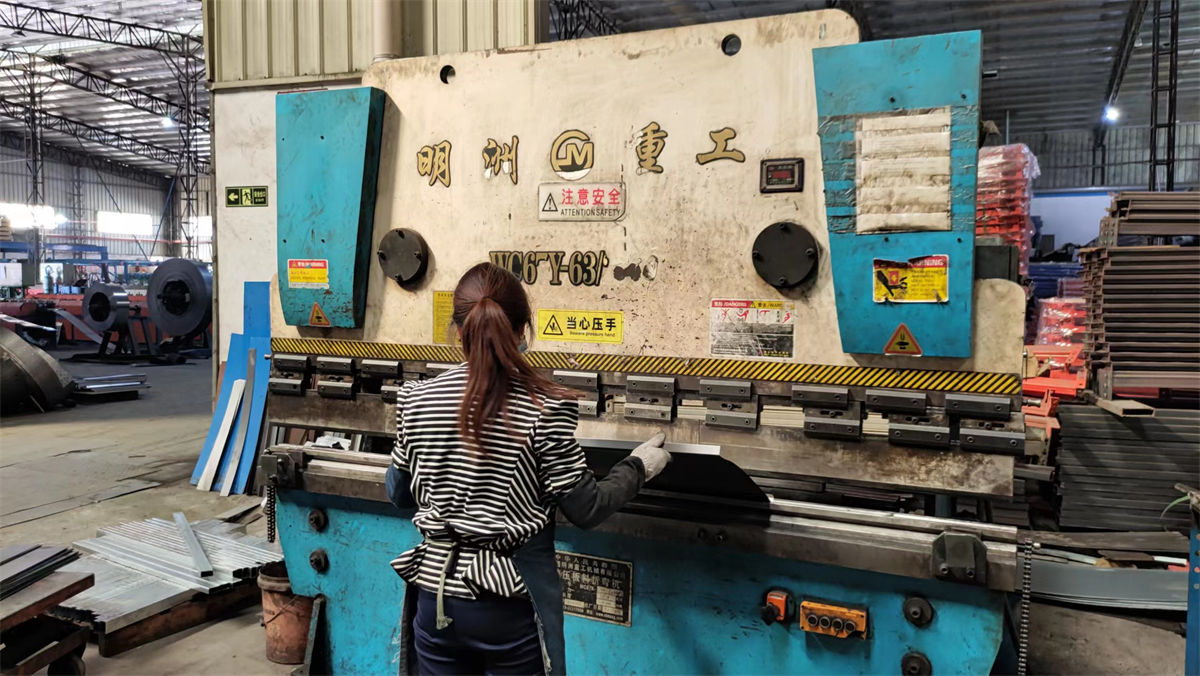
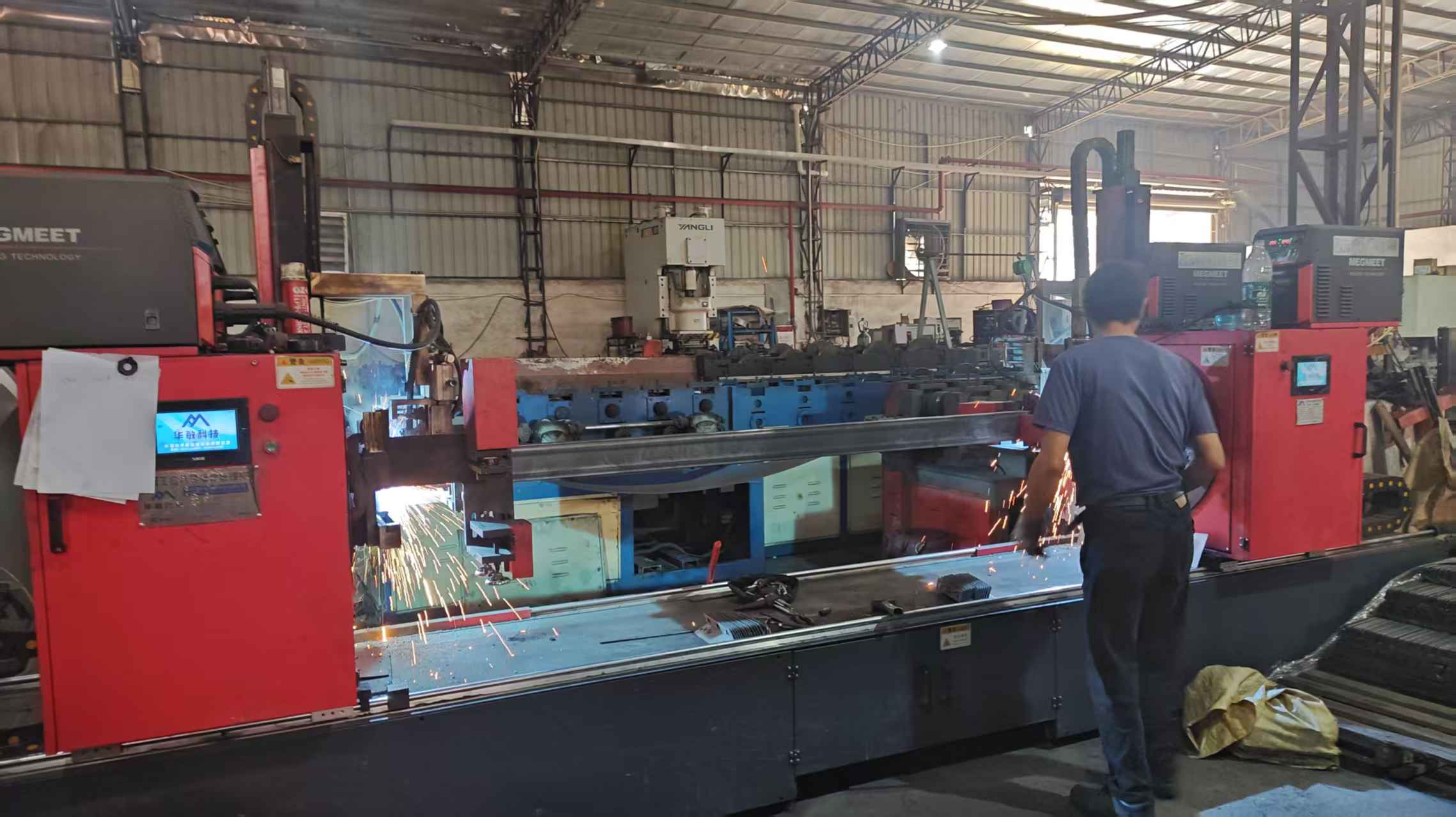
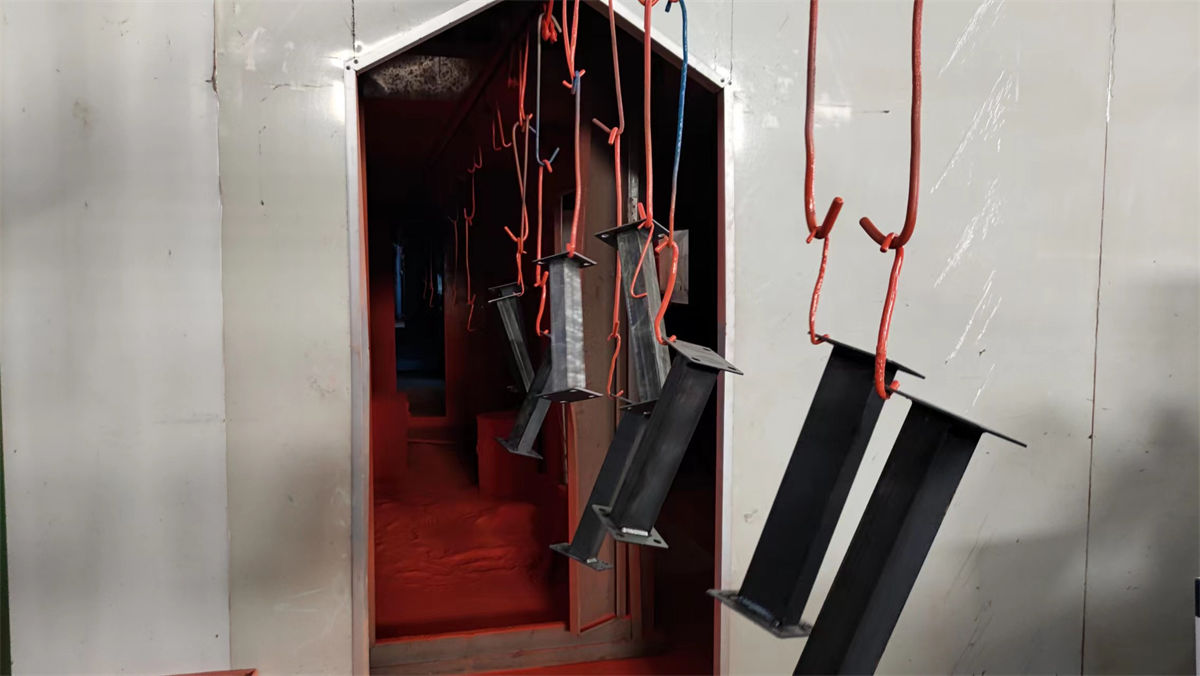
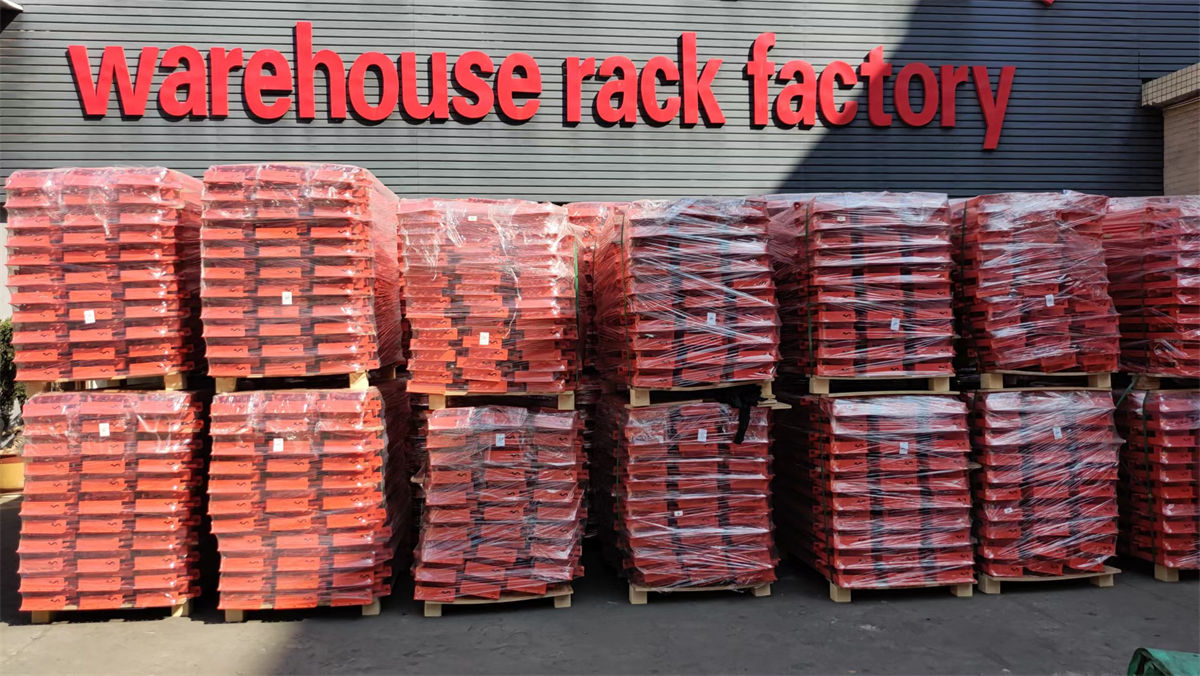
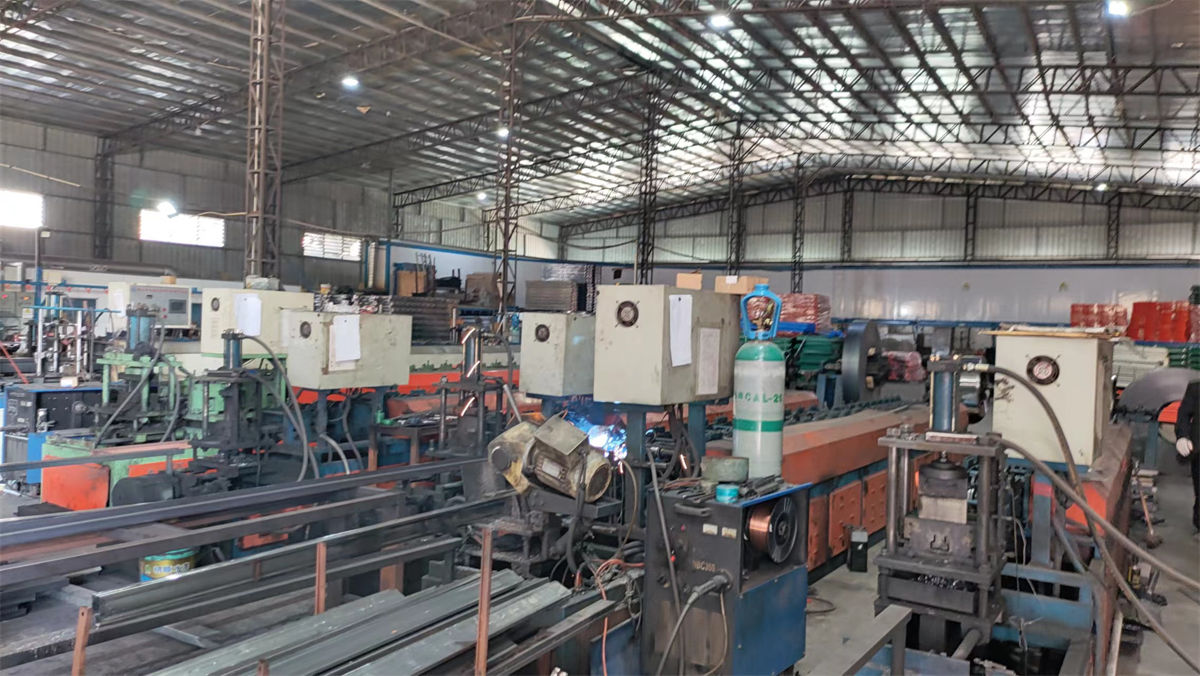
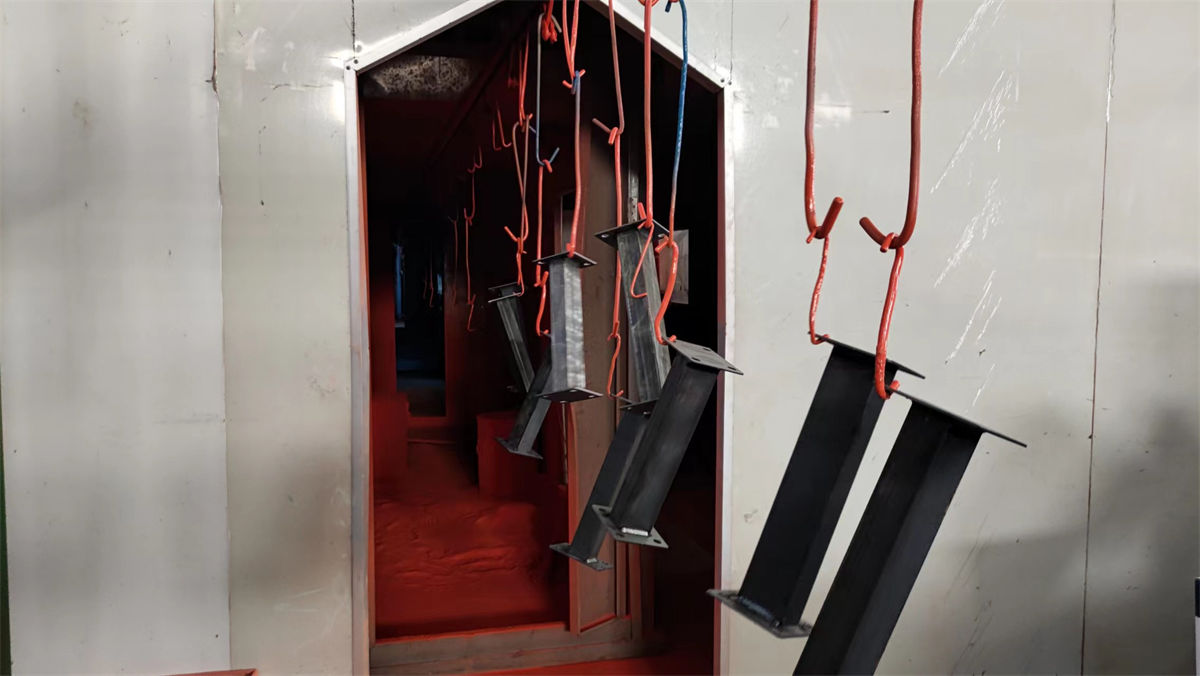
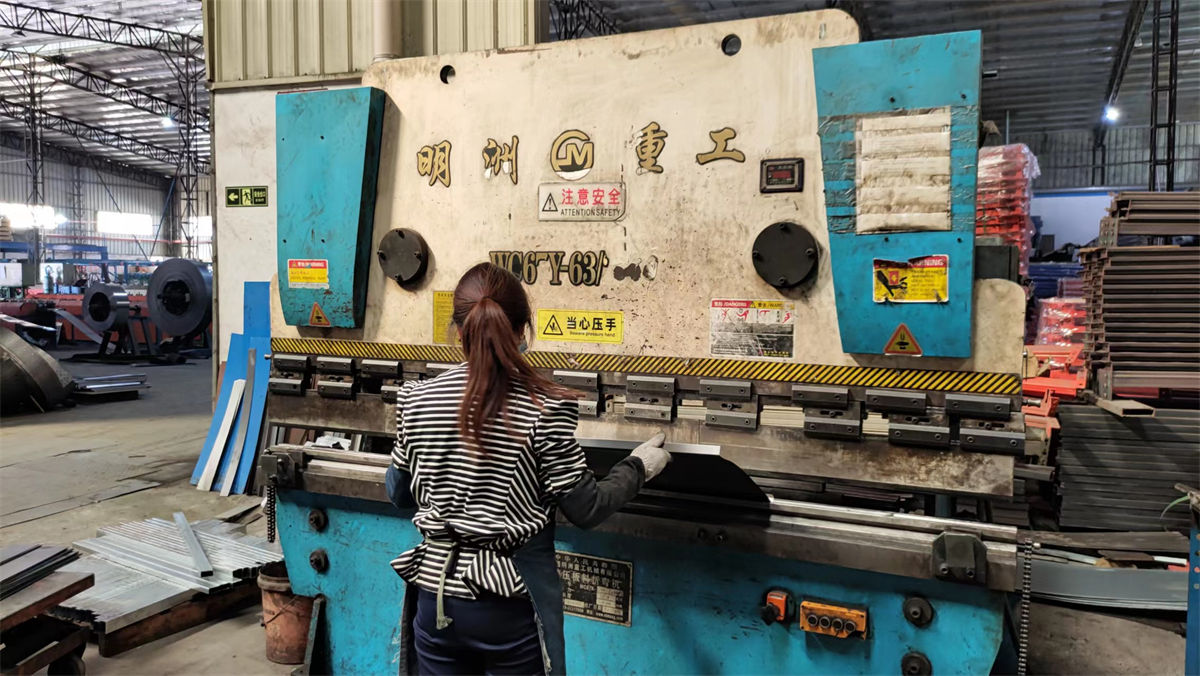
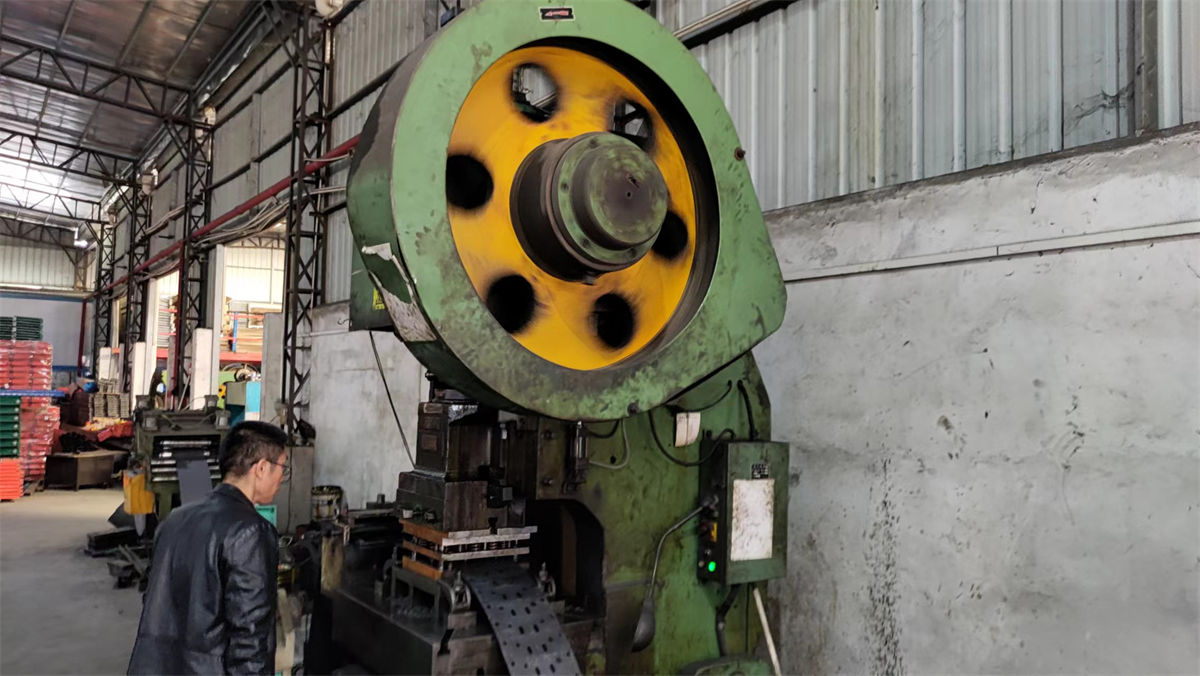
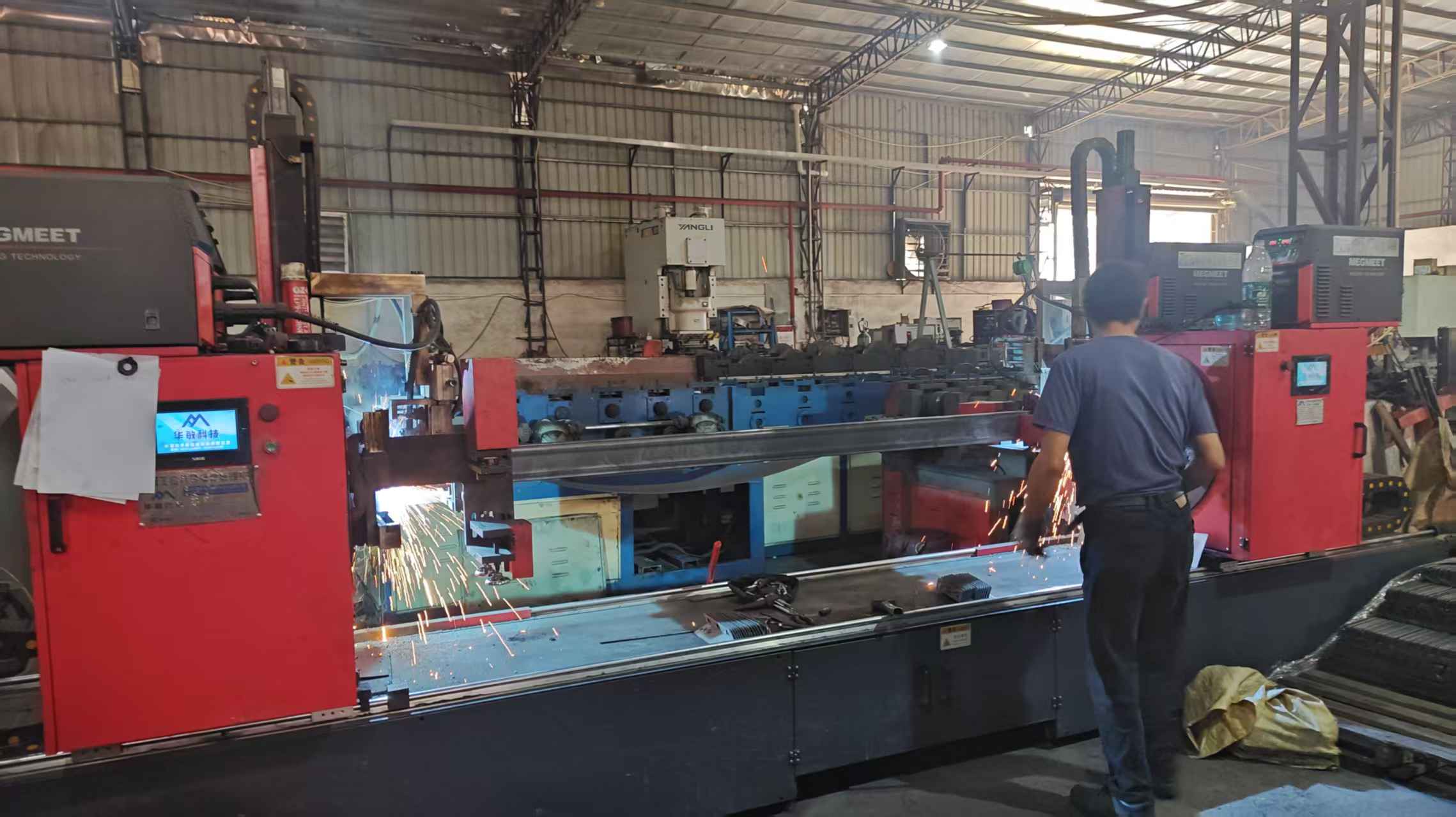
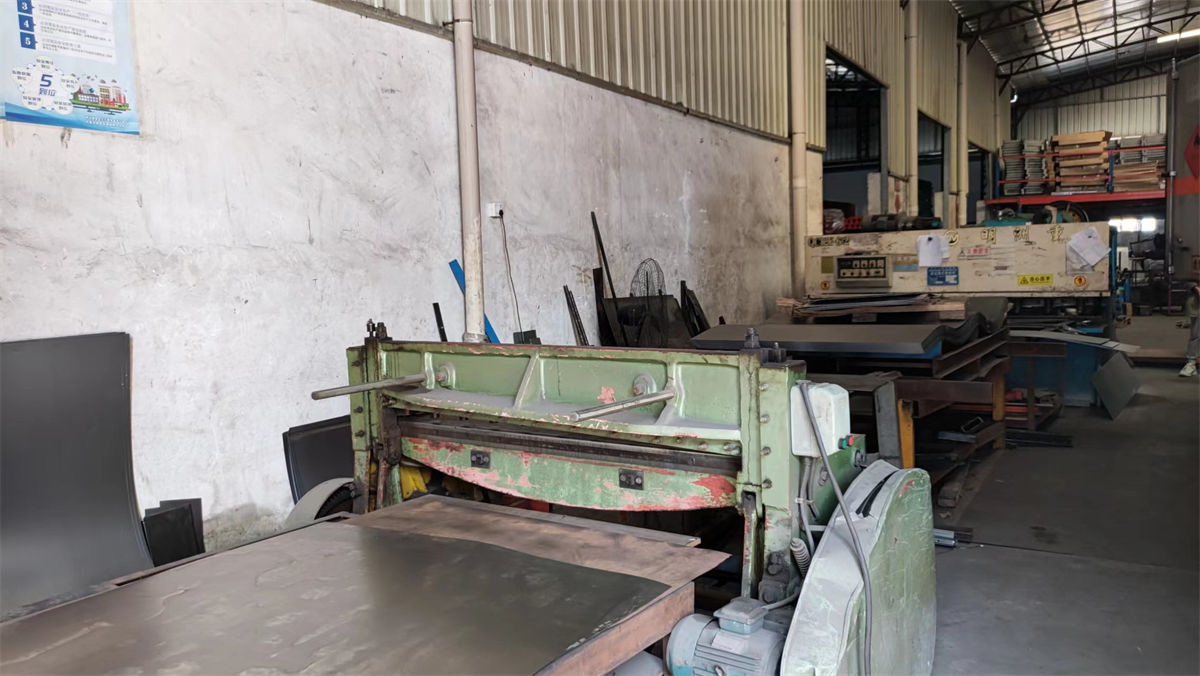
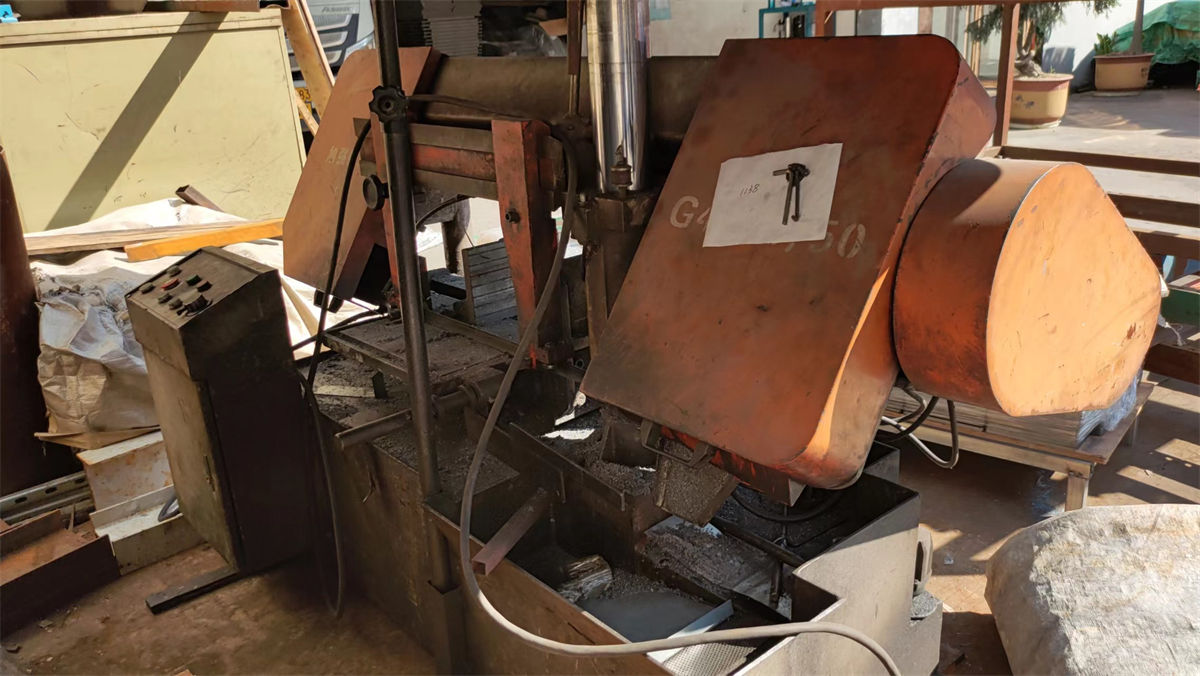
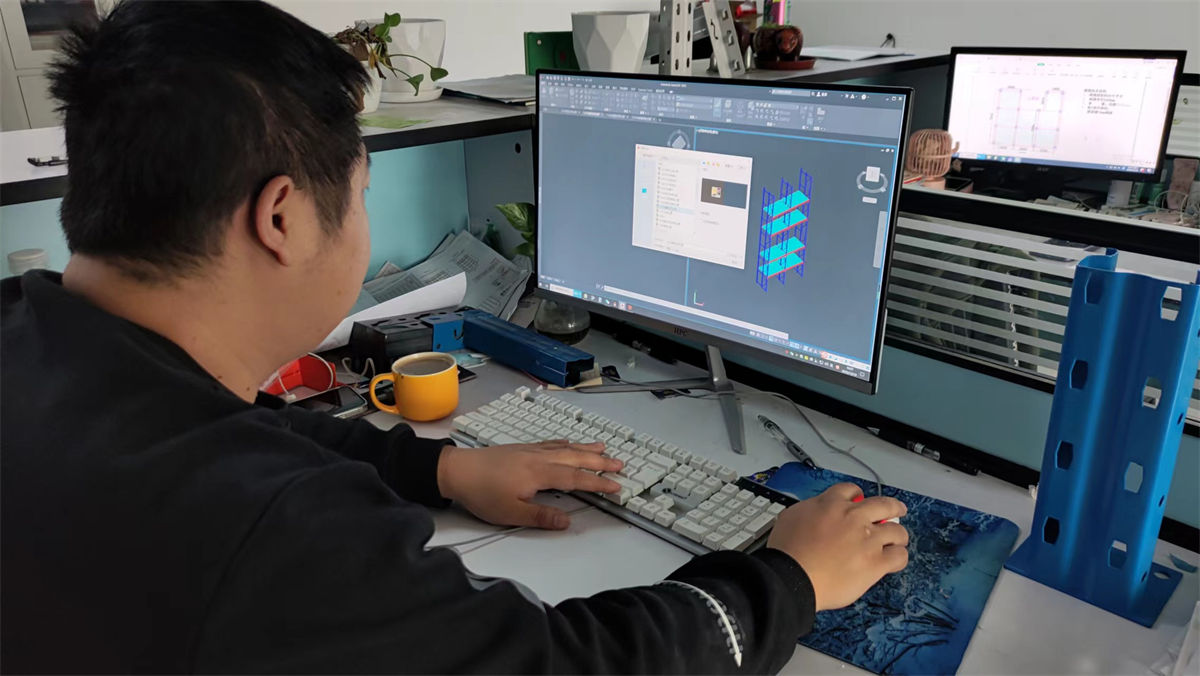
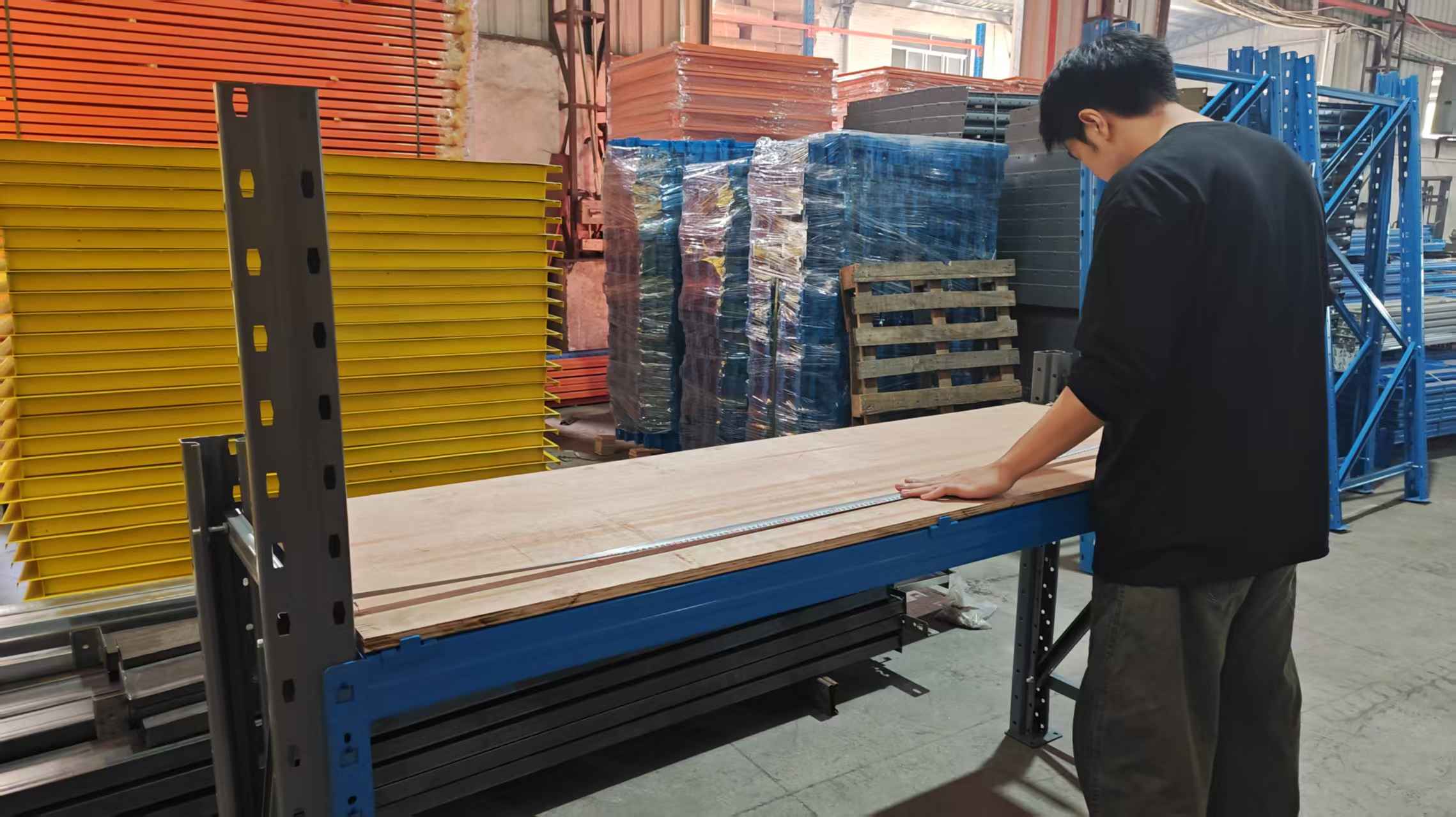
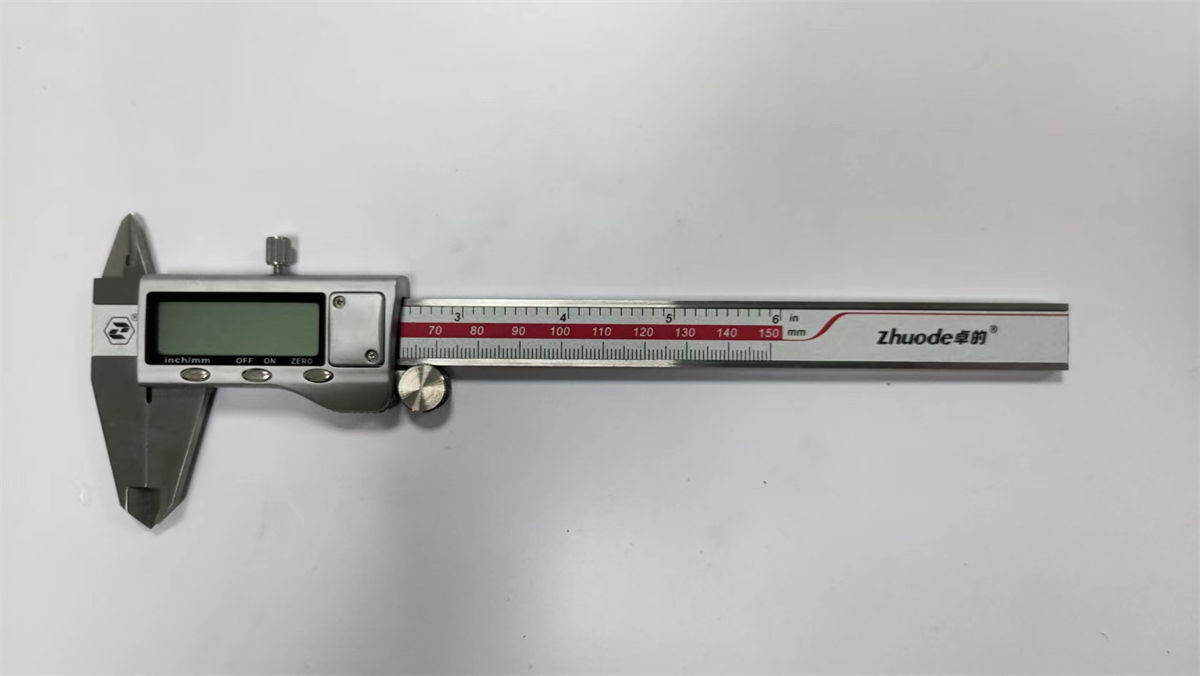
Ensuring compliance with localized safety standards is crucial for global 3PL operators and enterprise clients.
Deploying industrial storage equipment requires strict adherence to localized regional regulatory frameworks. Our engineering and sales departments assist customers with structural permitting, localized calculations, and onsite installation oversight.
Racking systems deployed in North America must comply with the Rack Manufacturers Institute (RMI) standards. These require verified structural test configurations for punch patterns, column stiffness, and seismic dynamic loads. Our structural steel systems are fully compatible with RMI calculations, helping operators obtain localized building safety permits.
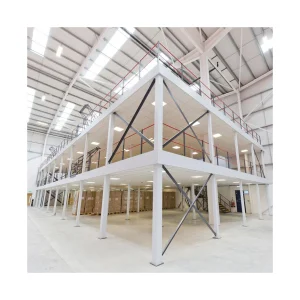
In the European Union, structural calculations must adhere to EN 15512 and FEM regulations. This includes the limit state design method for cold-formed steel members. Our CE-certified mezzanine systems and heavy-duty selective steel racks are designed to meet these safety requirements.
Innovation in logistics demands adaptable, automated, and sustainable warehouse footprints.
The transition toward Automated Storage and Retrieval Systems (ASRS) requires tight manufacturing tolerances. Real-time automated retrieval needs precise rack spacing to prevent robotic collisions.
Cold-chain warehousing and chemical storage environments require customized coatings. We utilize hot-dip galvanization and thick electrostatic powder coatings to ensure structural durability.
Global supply chain demands require flexible factory capacity. With 45 new product variations designed annually, Ningbo Xinmiao helps enterprises scale their infrastructure quickly.
Understanding the operational context is critical to selecting the proper storage configuration.
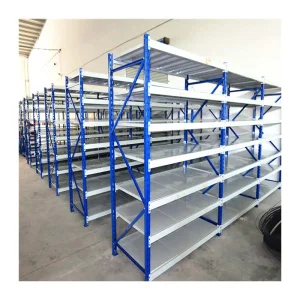
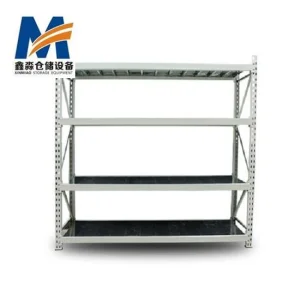
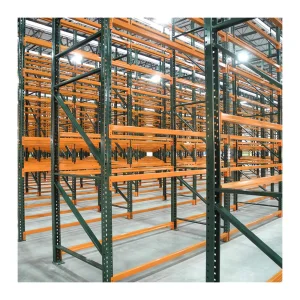
High-throughput logistics hubs run material handling equipment around the clock. The potential for collision is high, demanding heavy-duty upright frames, floor-anchored steel column guards, and structural heavy-duty Selective Steel Racking.
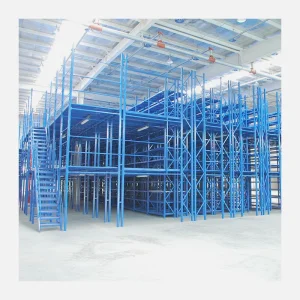
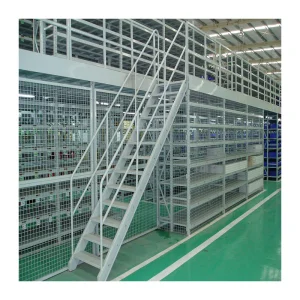
Automotive assembly plants store heavy dies, high-density sheet metal parts, and bulky sub-assemblies. This requires heavy-duty customizable steel mezzanine floors and high-capacity cantilever rack systems capable of load capacities exceeding 1000 kg per level.
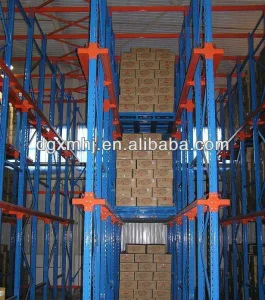
Sub-zero temperatures demand structural steel that retains its ductility under freezing conditions. Additionally, maximizing refrigerated space requires drive-in systems or automated ASRS racking to reduce thermal loss per cubic meter.
From raw pipes to structural iron shapes, industrial fabrication yards require heavy-duty storage equipment. Deploying zinc-coated iron containers and corrosion-resistant racking prevents oxidation and structural deterioration.
Get answers to common technical queries about structural integrity, certifications, and compliance.
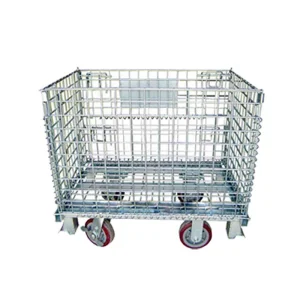
Select specialized storage configurations designed to maximize space and efficiency.

 Xinmiao Racking