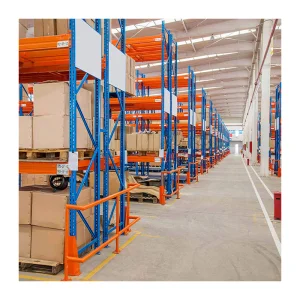
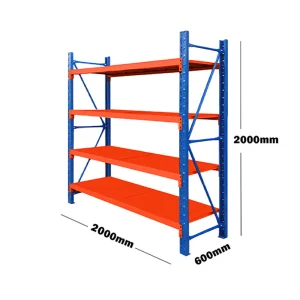
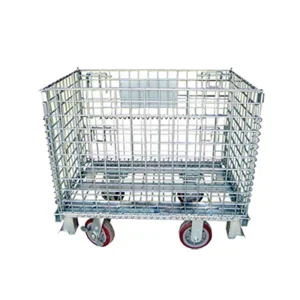
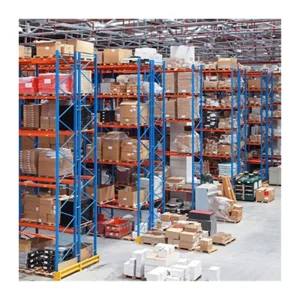
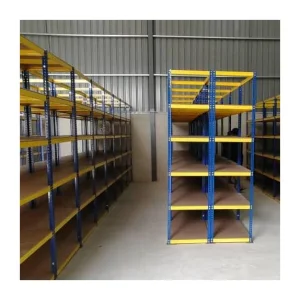
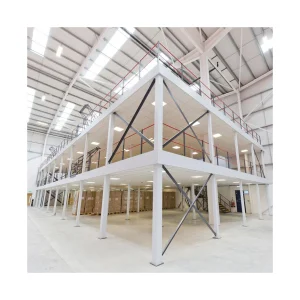
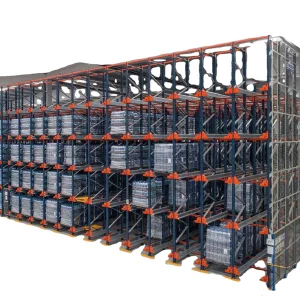
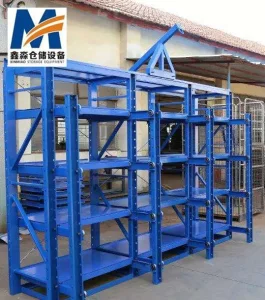
Engineered to maximize vertical volume, streamline item retrieval, and guarantee industrial floor safety compliance.
A global leader in structural engineering, storage racks, and turn-key warehouse automation infrastructure.
Established in 2015, Ningbo Xinmiao Storage Equipment Co., Ltd. has risen to prominence as a top-tier manufacturer specializing in heavy-duty pallet racking, complex mezzanine systems, and high-performance automated warehouse storage systems. Operating out of our state-of-the-art 35,000-square-meter industrial complex in Ningbo, China, we combine over 14 years of design intelligence with deep supply chain integration to resolve space utilization bottlenecks for enterprises globally.
Our global footprint spans critical high-growth corridors in North America, Western Europe, Southeast Asia, and the Middle East. With over 8 years of direct export infrastructure, we consistently manage massive scale-out deployments, posting an annual export revenue of over $18 million.
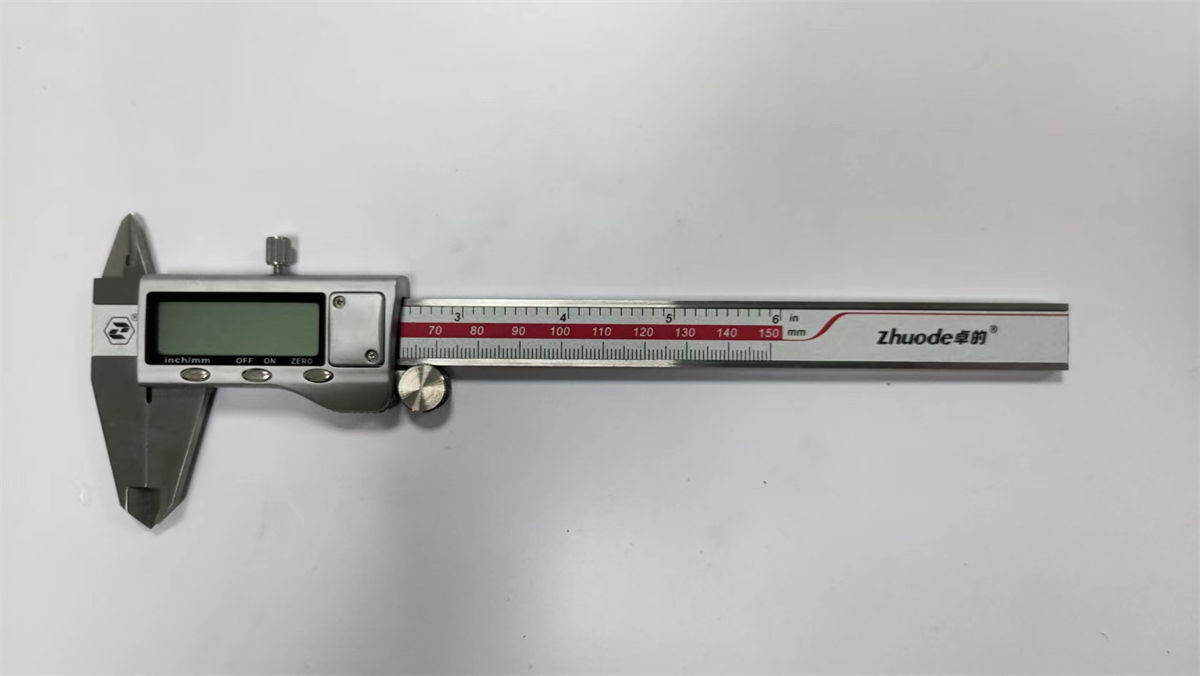
Structural integrity defines our fabrication standards. Strengthened by a supply matrix of over 800 premium steel and component vendors, our quality systems are enforced by a specialized team of 25 Quality Control (QC) engineers. We conduct regular non-destructive testing (NDT), load-deflection metrics, and automated ultrasonic inspection of raw material welds.
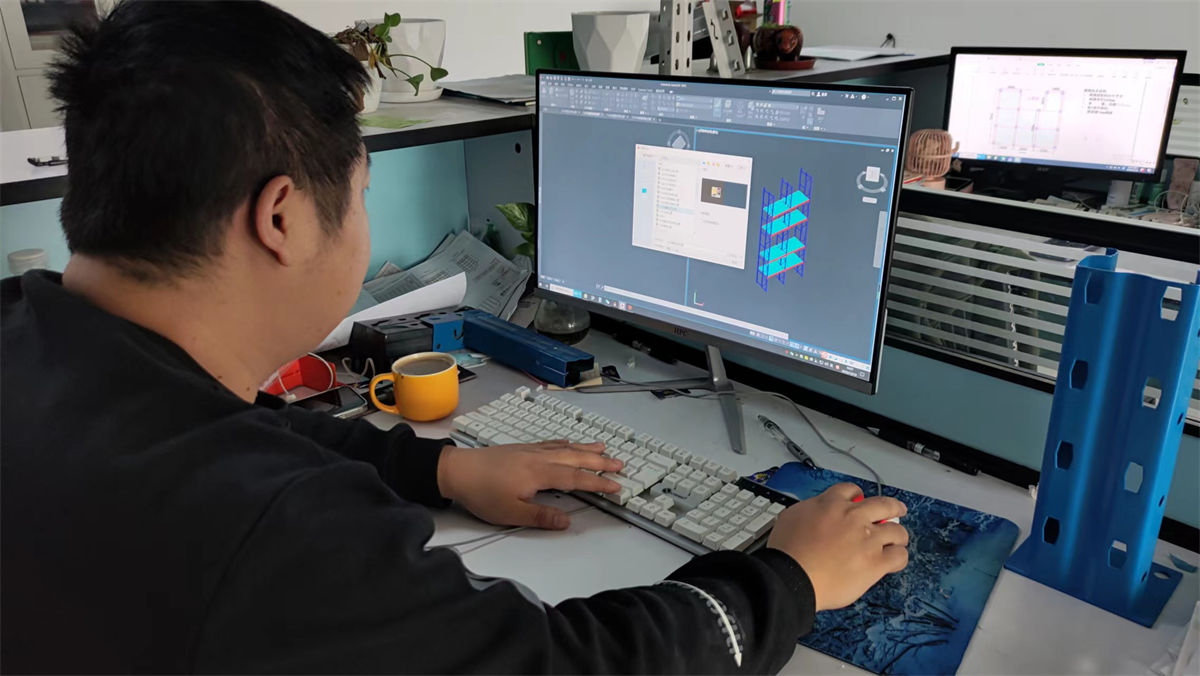
From initial design simulation using Finite Element Method (FEM) software to automated powder-coating lines, our systems guarantee safety, stability, and longevity under maximum physical demands. With 18 dedicated R&D engineers, we execute tailored OEM/ODM requests that align precisely with regional logistics equipment ecosystems.
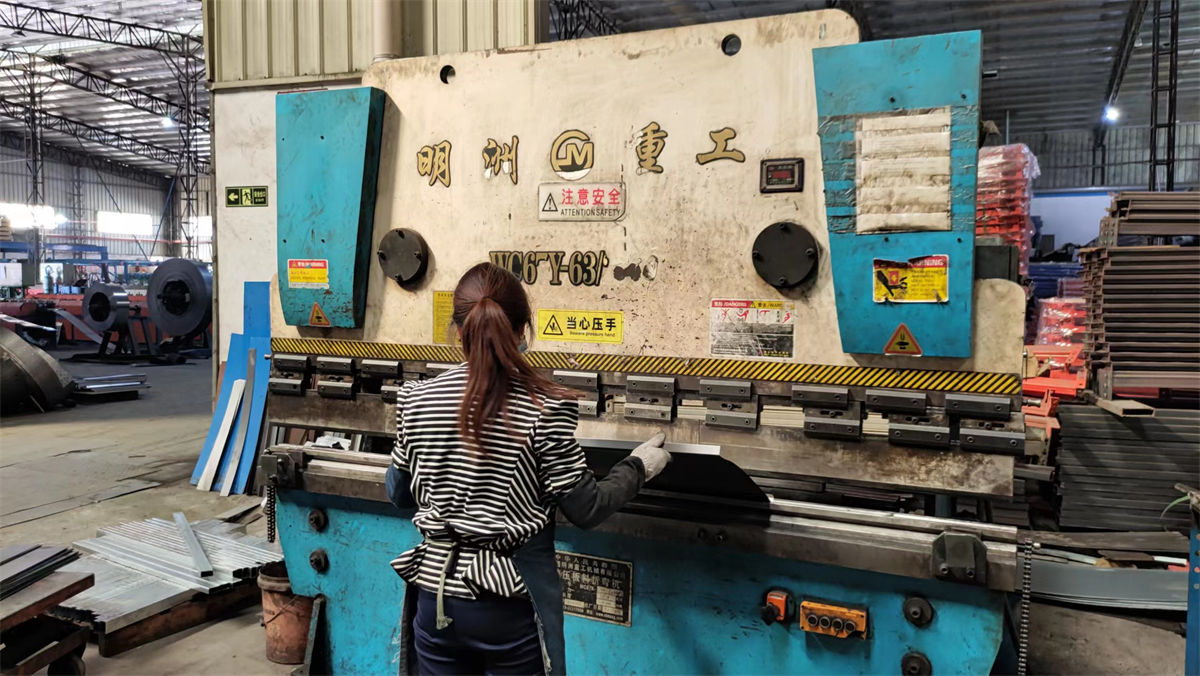
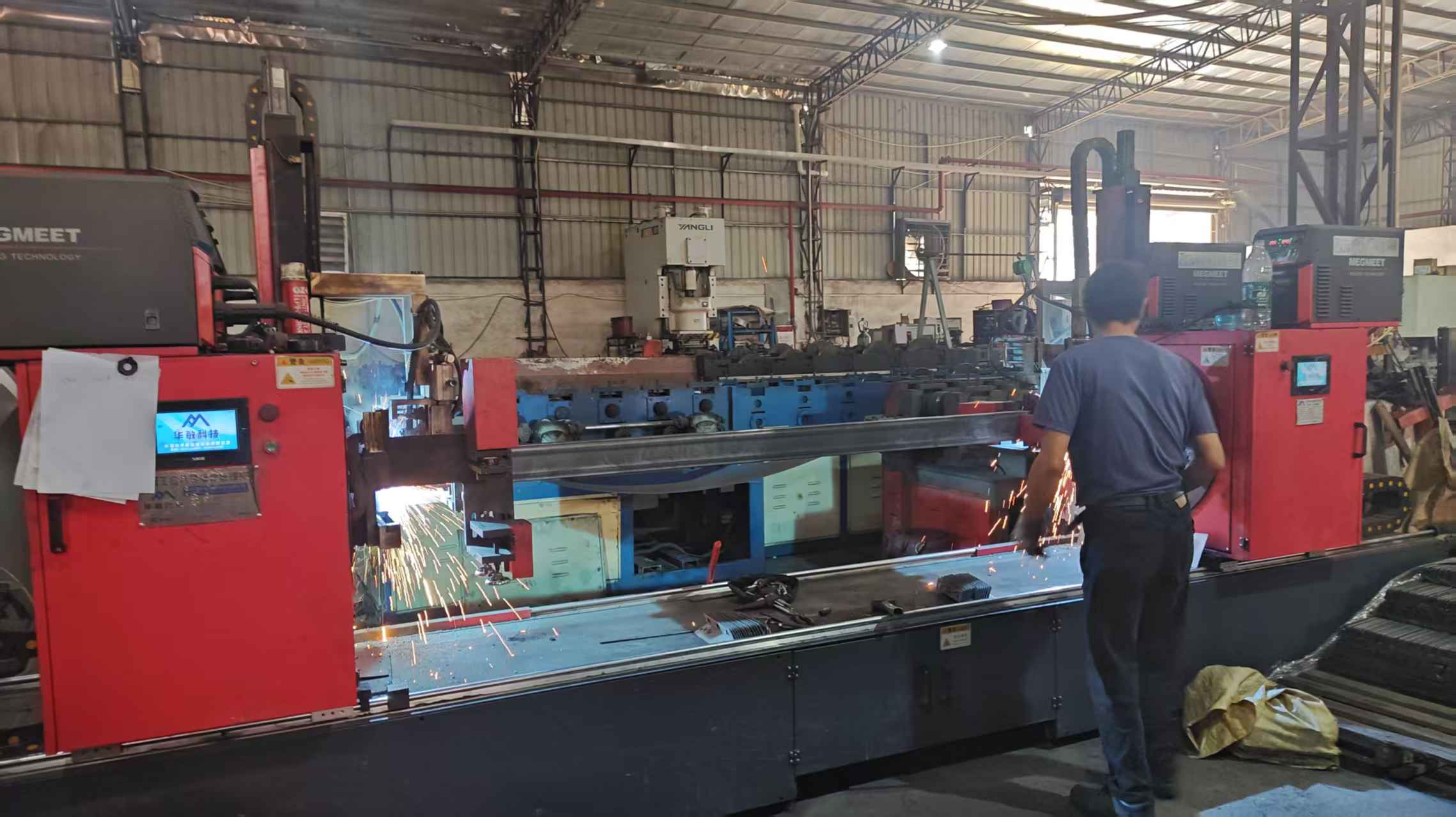
Take an inside look at our advanced manufacturing lines, automated tooling, quality inspection processes, and logistics capabilities.
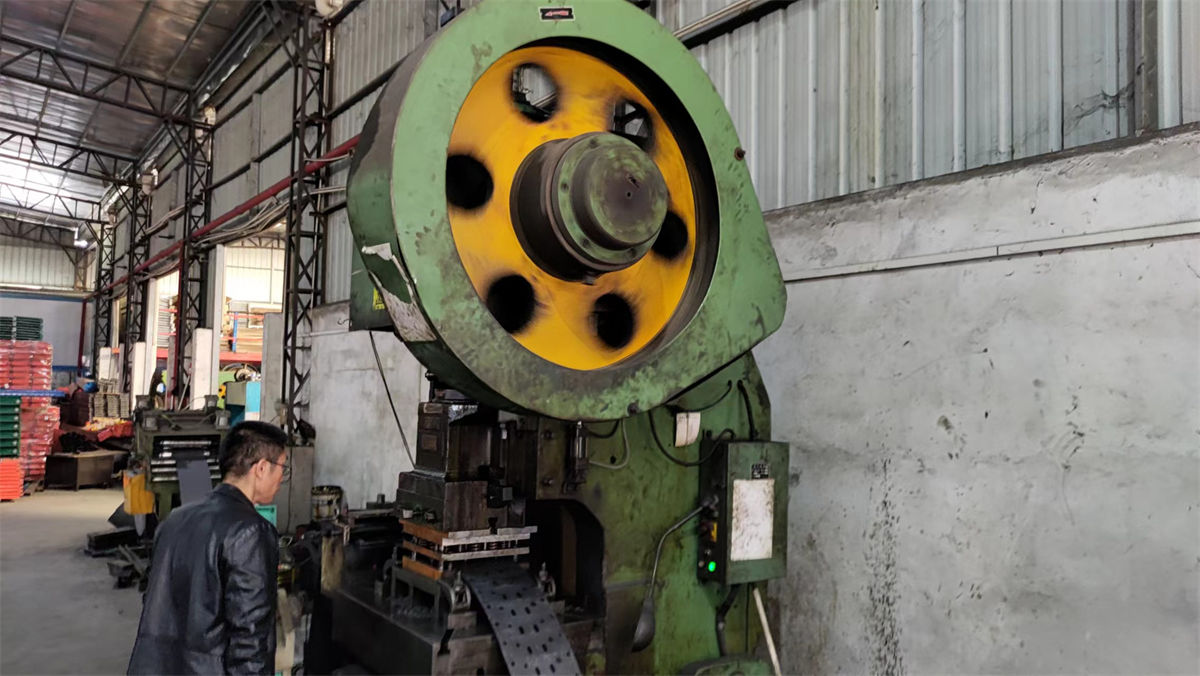
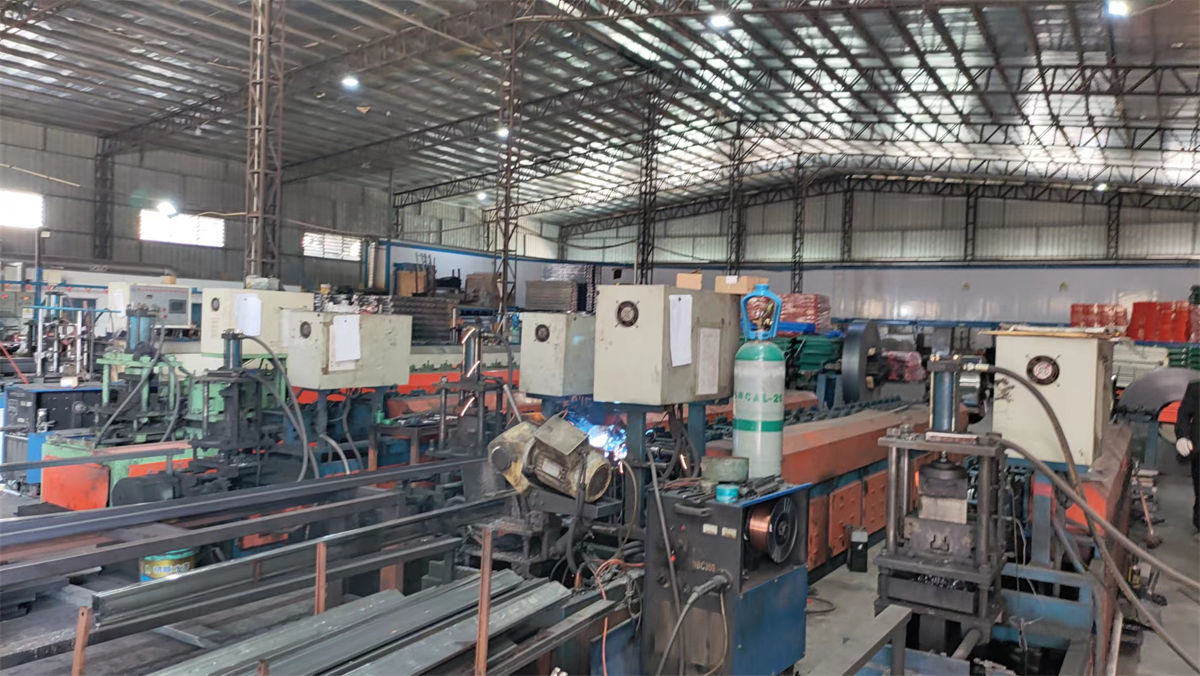
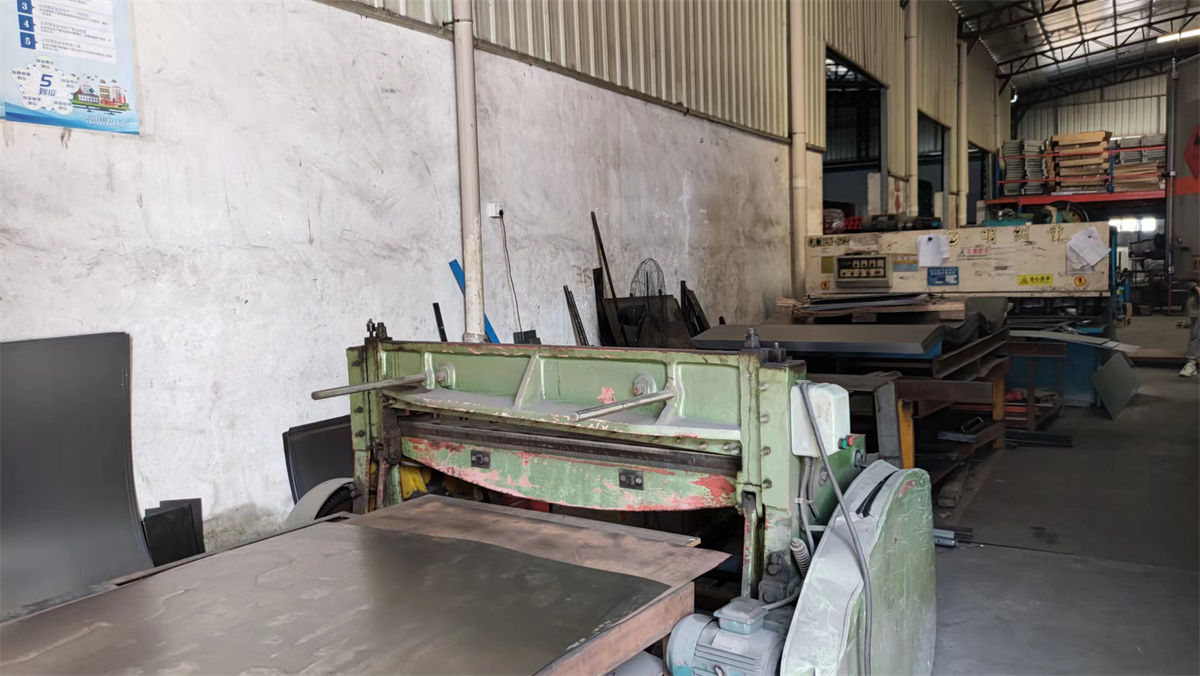
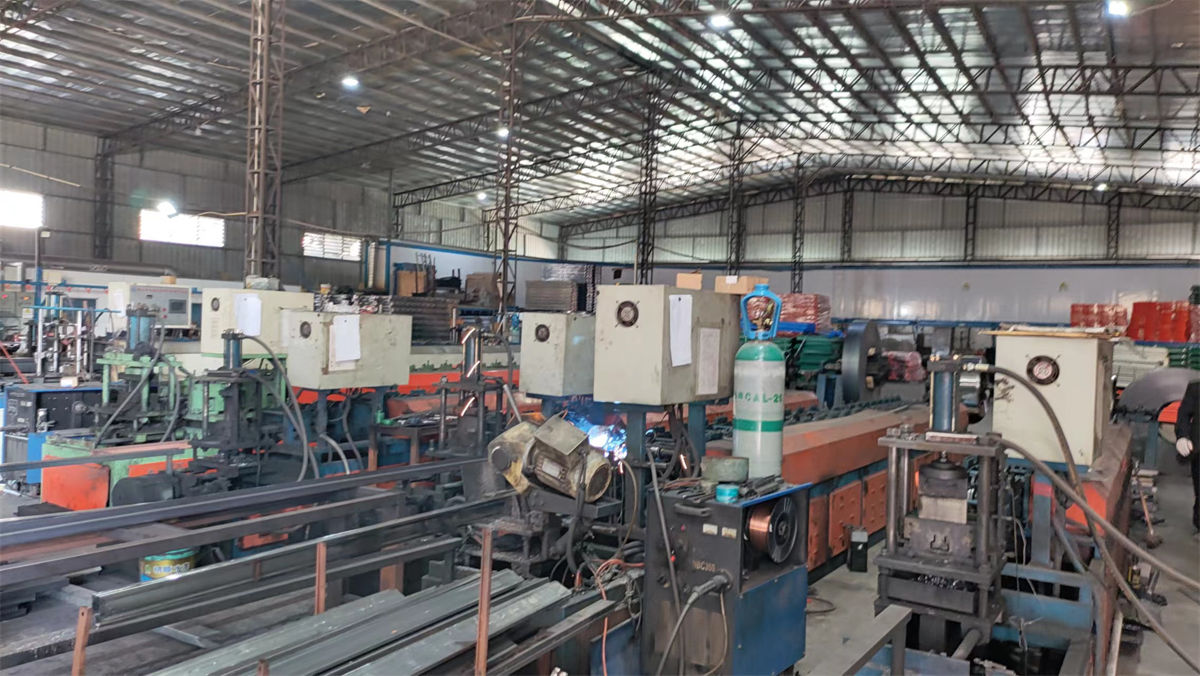
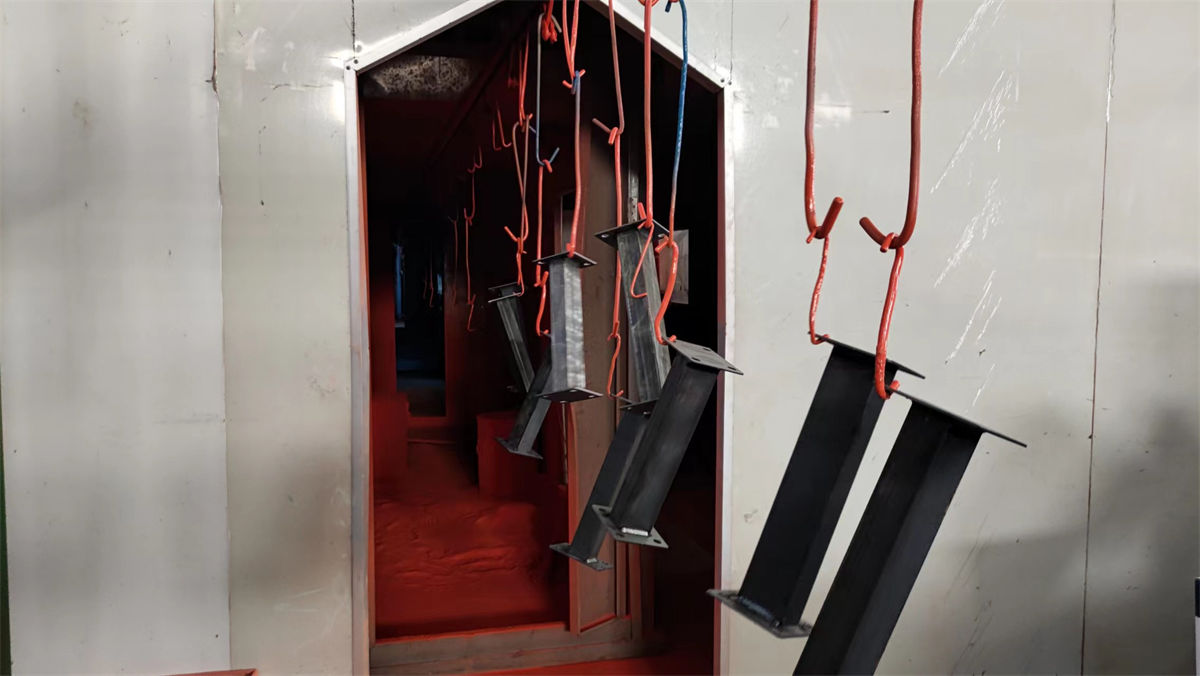
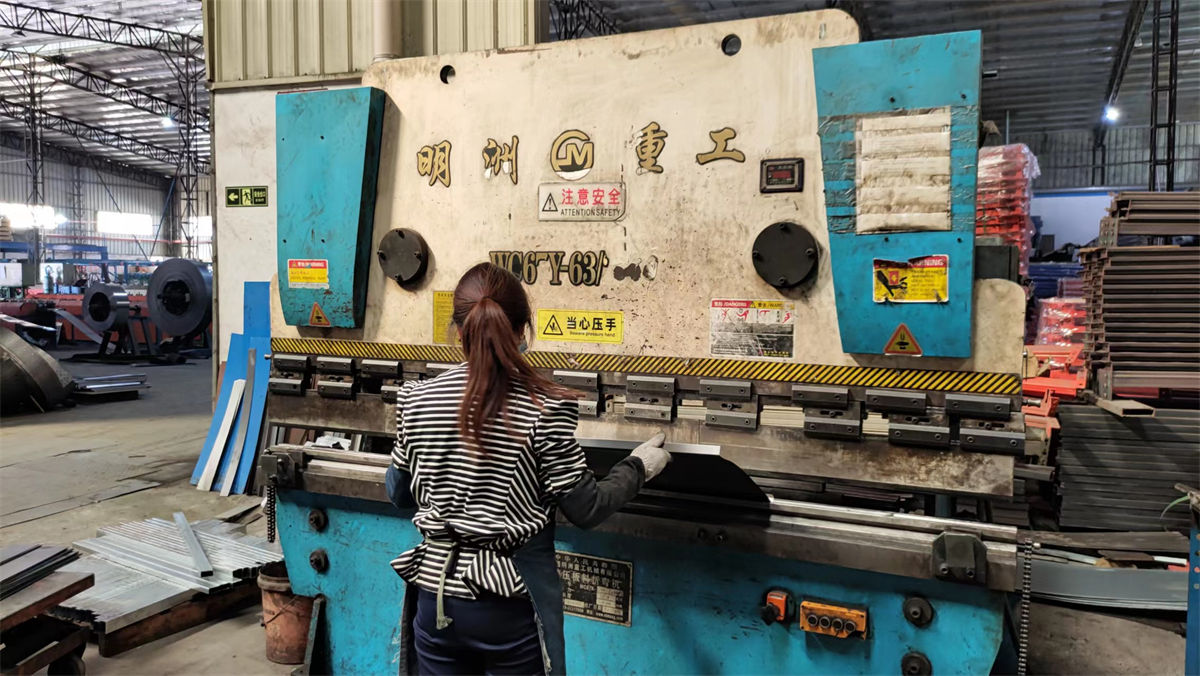
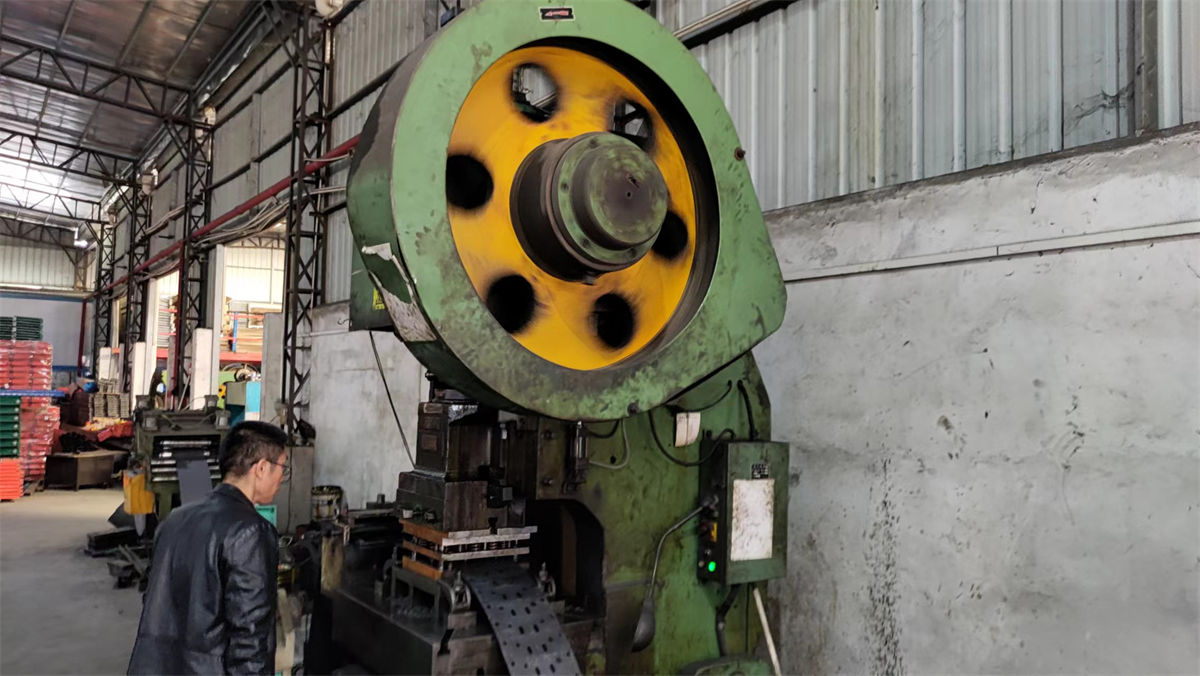
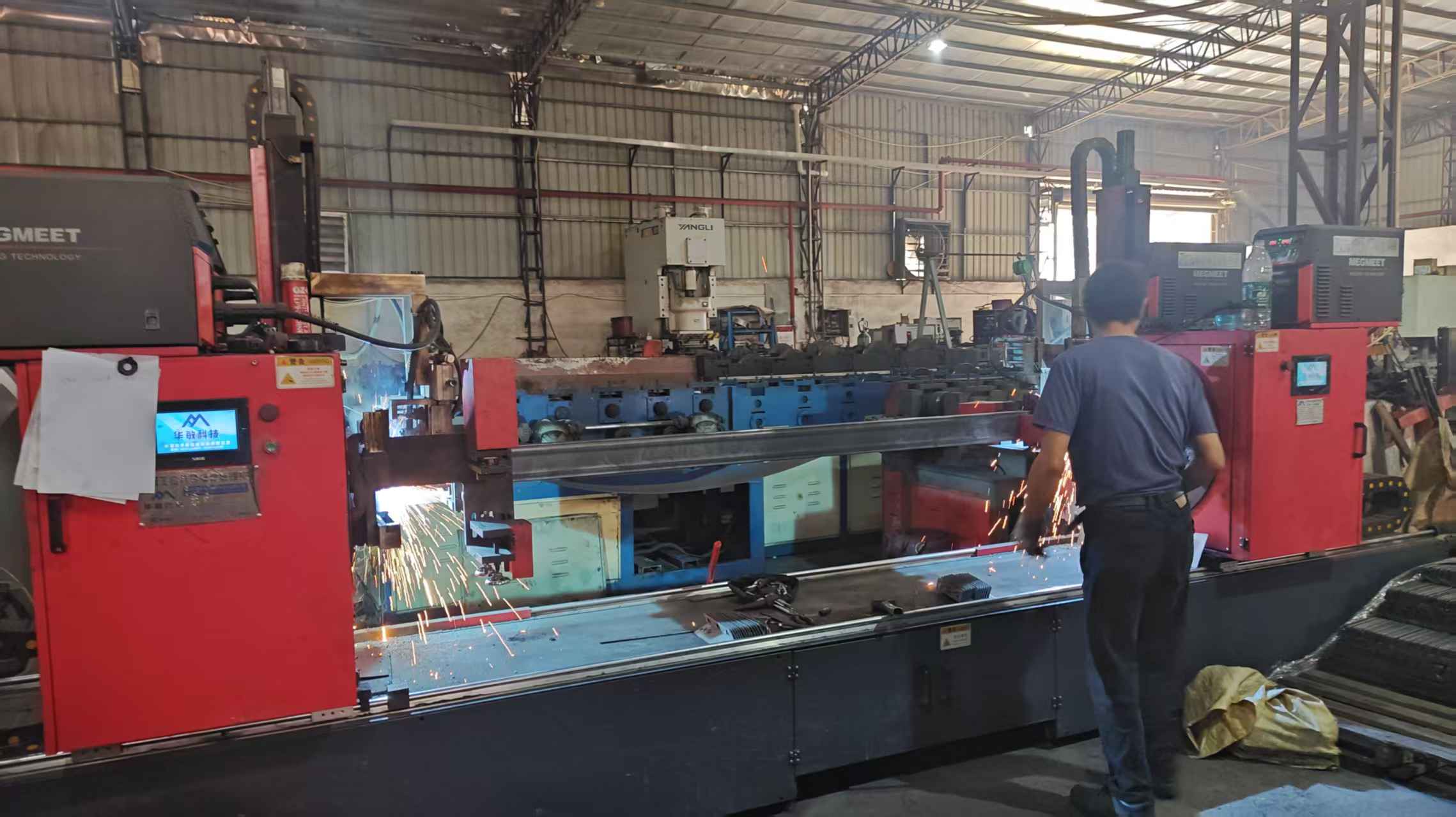
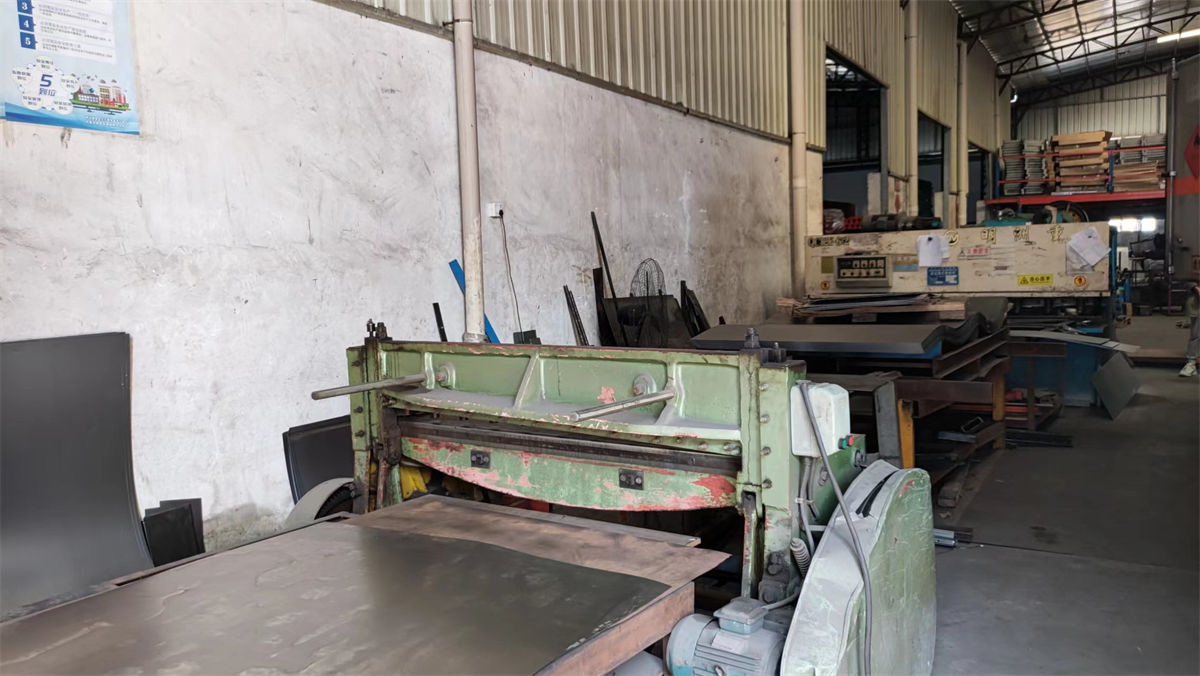
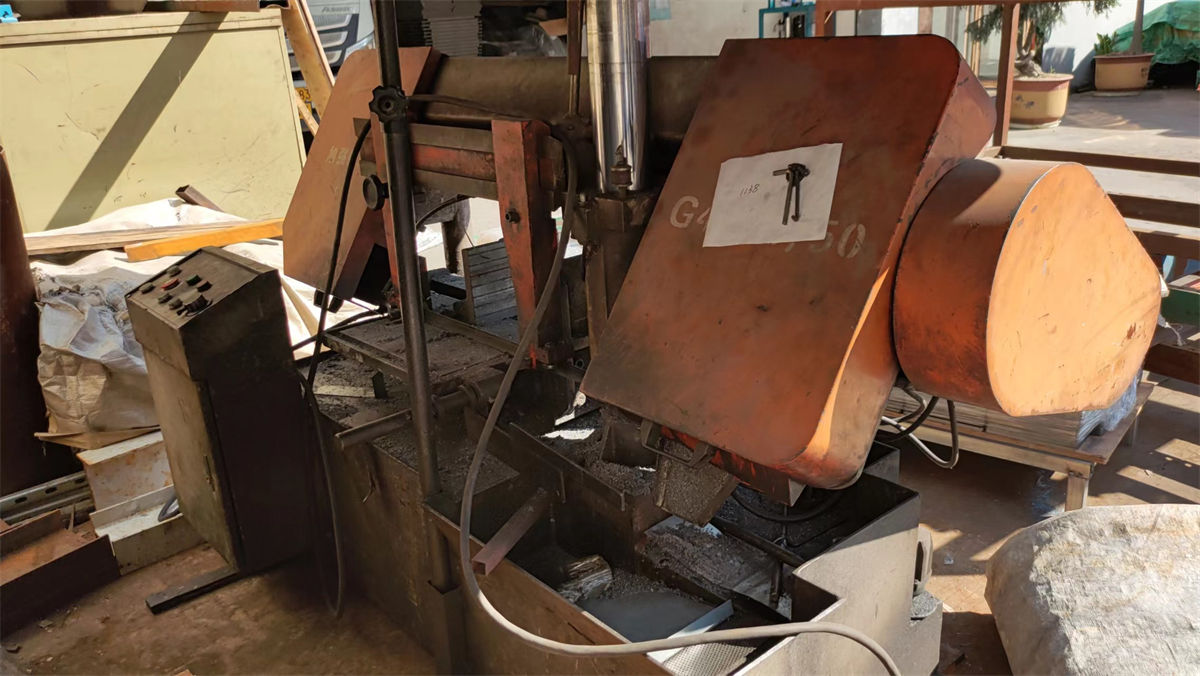
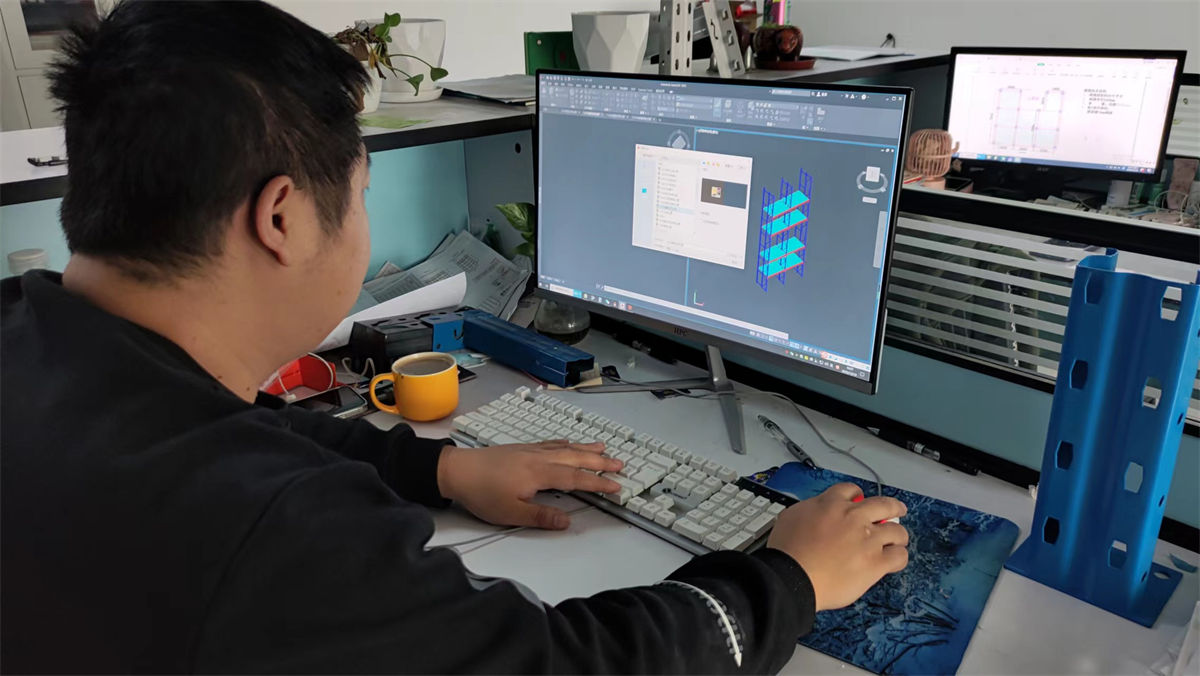
Understanding the critical performance metrics, structural parameters, and technical parameters required by logistics operators and 3PL companies.
Modern supply chain managers do not purchase steel structures; they procure dependability, compliance, and spatial return-on-investment (ROI). In a world of volatile container shipping costs, fluctuating steel spot prices, and rapid digital warehousing transitions, choosing the right automated storage manufacturer in China is vital. The table below represents the core parameters global procurement heads use to evaluate industrial racking suppliers:
| Procurement Metric | Standard Requirements (US/EU) | Ningbo Xinmiao Capability Matrix | Impact on Facility TCO |
|---|---|---|---|
| Steel Structural Grade | ASTM A36, EN 10025 S235JR / S355JR | High-strength Q235B & Q355B Hot Rolled Steel | Extends rack structural life by 40% under extreme loads. |
| Weld Quality Standards | AWS D1.1 (US), EN ISO 3834 (EU) | Robotic MIG/TIG + 100% NDT on major frame nodes | Prevents microscopic structural fatigue and catastrophic failure. |
| Coating Resistance | ASTM D3359 (Cross-hatch adhesion), RoHS compliant | 80-120μm electrostatic epoxy powder coating | Resists rust, chipping, and chemical spills in cold/humid zones. |
| Seismic Mitigation | AS4084:2012, RMI MH16.1, FEM 10.2.02 | Tailored bracing profiles engineered via ANSYS FEA simulations | Allows legal operations in Zone 4 seismic active corridors. |
At Ningbo Xinmiao, we recognize that total cost of ownership (TCO) is directly tied to construction delays and material failure. By keeping manufacturing processes in-house, we eliminate the quality variance commonly found with small-scale assemblers, ensuring that our clients receive structural integrity that matches local certifications.
Bespoke intralogistics configurations mapped to the demands of specific vertical markets.
For high-throughput centers requiring maximum adaptability, we deploy heavy-duty modular pallet racks and high-performance radio shuttle systems. These layouts enable quick adjustments to match changing inventory profiles, maximizing floor yield while keeping material handling speeds high.
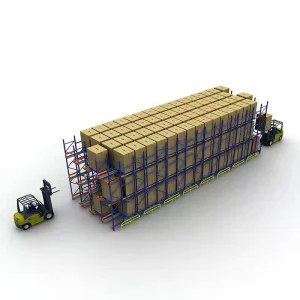
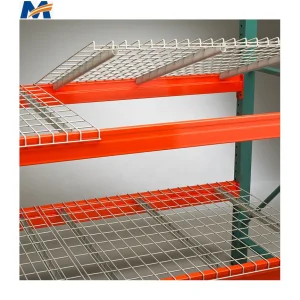
Cold-storage facilities operate with tight margins due to the high energy costs of cooling vertical volume. Our drive-in racking and multi-tier shuttle racks utilize low-temperature resistant structural steel (suitable for temperatures down to -30°C) and rust-inhibiting galvanized wire mesh decking to ensure reliable material flow.
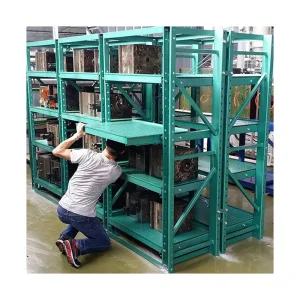
Moving heavy injection molds, raw steel coils, and machine sub-assemblies requires reliable storage systems. We build heavy-duty mold rack structures with sliding drawer mechanisms, offering high weight capacities (up to 3,000 kg per level) to protect staff and tooling.
A look at the structural calculations, material grading, and quality control steps that back our storage systems.
We source cold-rolled and hot-rolled carbon steel coils directly from major state mills (such as Baosteel and Ansteel). Every batch of steel is accompanied by mill test certificates (MTC) showing chemical composition (Carbon, Manganese, Silicon, Phosphorus, Sulfur) and mechanical properties (Yield strength, Tensile strength, Elongation rate). This helps prevent brittle fractures in low-temperature environments.
Before entering the production line, all complex structures, such as high-bay shuttle racks and modular mezzanines, undergo simulation testing. Using software like ANSYS and SAP2000, we apply simulated static load, dynamic retrieval forces, and seismic accelerations (following USGS and Eurocode standards) to identify potential stress concentrations, optimizing column sizing and brace layouts accordingly.
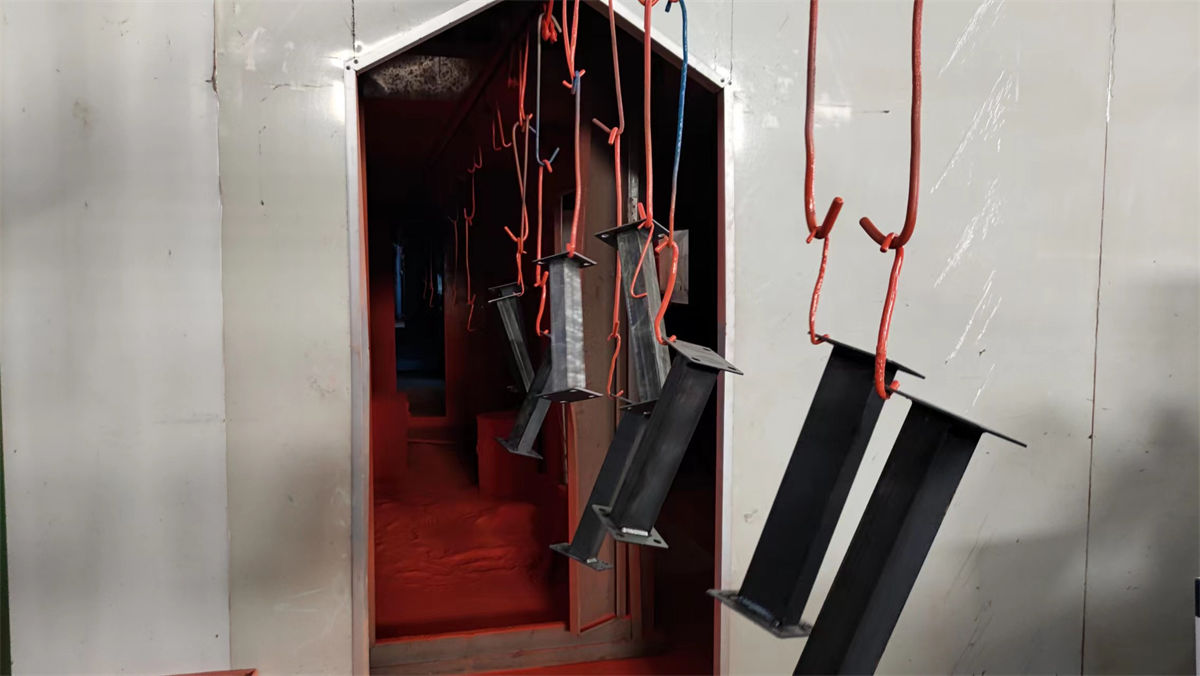
Our automated pretreatment line uses chemical washing and acid pickling to remove mill scale and oil residues. We then apply an electrostatic epoxy powder coating, followed by baking at 180°C–200°C. This creates a hard, durable surface with a thickness of 80 to 120 microns, which resists peeling, scratching, and chemical damage.
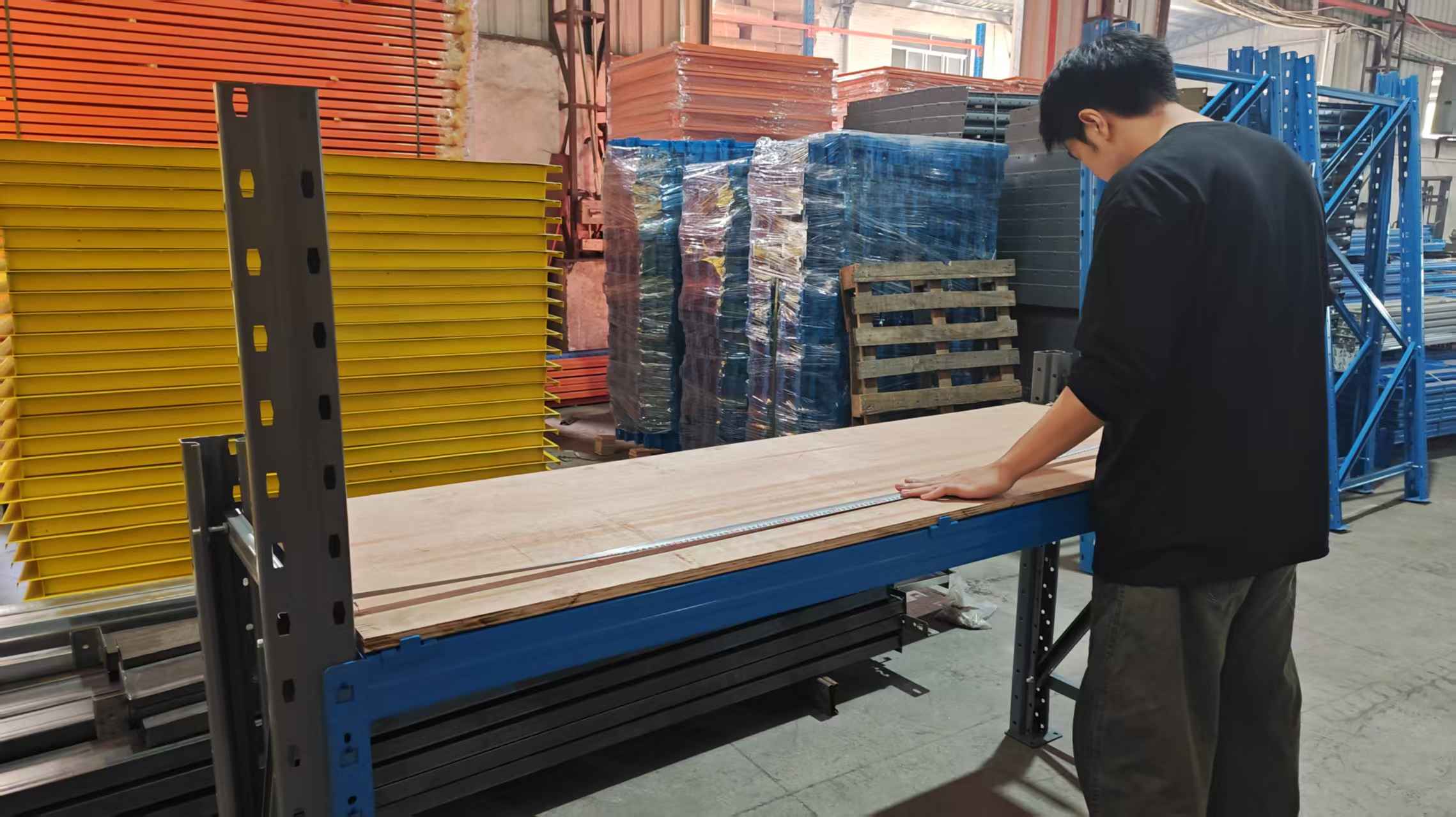
We conduct physical load-bearing and destruction tests on key structural elements. By placing test uprights and beams under load cells, we verify ultimate limit states (ULS) and serviceability limit states (SLS). This ensures that a rated 2000kg beam holds a 1.5x safety factor, guarding against overloading in busy warehouses.
Ensuring clear transit, hassle-free customs clearance, and expert assembly at the final destination.
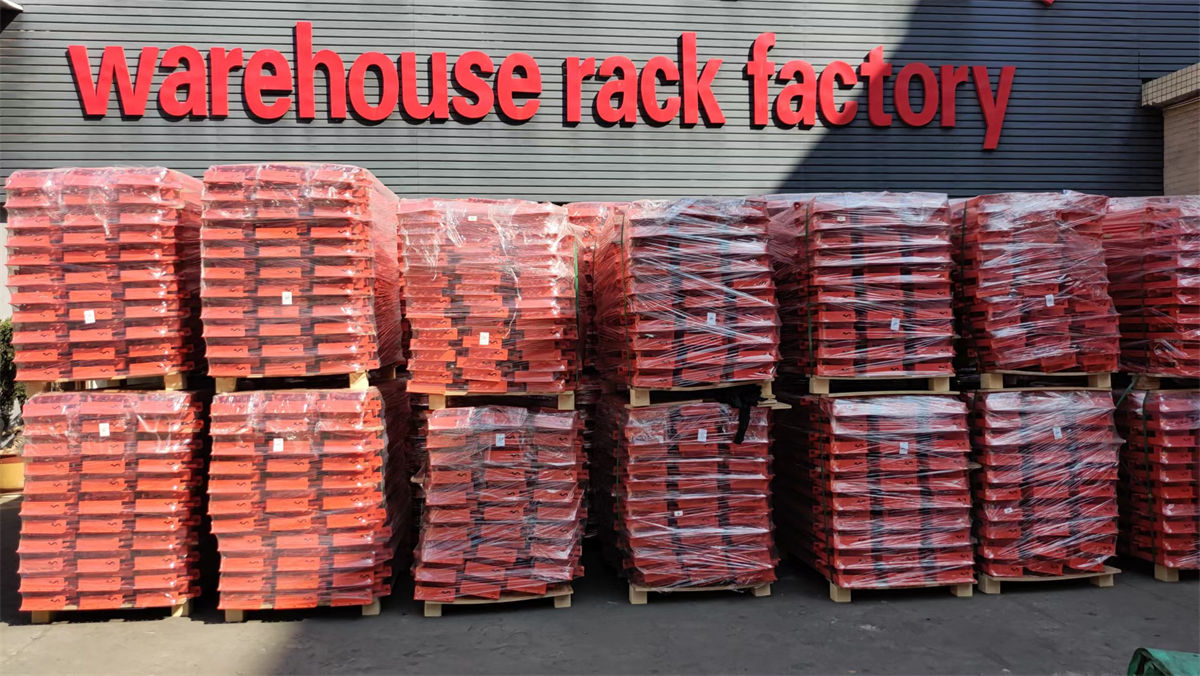
Exporting structural steel demands secure packing. Ningbo Xinmiao uses customized wood framing, metal bands, and heavy plastic wrapping to prevent components from shifting inside containers. This minimizes scratching and deformities during long sea transits. Our shipping team coordinates with freight partners to optimize container load utilization (maximizing both weight limits and cubic volume), helping to control shipping costs per ton.
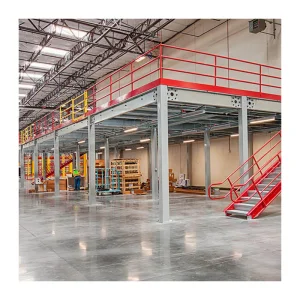
A storage system is only as safe as its final installation. For major projects, we provide complete engineering packages, including anchor detail drawings, baseplate positioning plans, and torque values. We also supply installation manuals, video guides, or send field-experienced engineers to supervise complex builds (such as high-bay shuttle installations or heavy-duty mezzanines), ensuring the structure complies with local building codes.
How Ningbo Xinmiao is adapting to the next generation of automated warehousing.
We are testing sensor technology integrated directly into the structural columns of our heavy-duty racking. These sensors monitor deflection, impact vibration, and joint strain in real time, alerting maintenance managers to potential issues before structural damage occurs.
Our engineering team continues to refine our shuttle system profiles, optimizing guide rail tolerances and weight distribution. This enables higher travel speeds and smoother transitions for automated guided vehicles (AGVs) and shuttle robots.
We are reducing our environmental footprint by using energy-efficient curing ovens and exploring low-emission steel options. This helps our clients meet international green building (LEED) certification requirements.
Explore our specialized storage structures, including mold racks, heavy-duty shelving, and customized industrial containers.
Technical guidance and answers for warehouse design engineers and sourcing directors.
We primarily utilize high-strength carbon steel grades Q235B and Q355B (equivalent to European S235JR and S355JR, and American ASTM A36 and A572). Q355B is selected for load-bearing columns, uprights, and heavy-duty beams to optimize structural stability, while Q235B is utilized for standard load applications, bracing, and secondary accessories.
We perform seismic load simulations using Finite Element Analysis (FEA) based on the project's geographic coordinates, matching specifications like RMI MH16.1 or AS4084. Frame configurations are adjusted by adding cross-bracing, enlarging baseplates, and specifying heavy-duty anchor bolts to handle the calculated forces.
Standard custom production runs generally take 20 to 30 days from initial approval of CAD drawings to loading. Large-scale structural projects or custom-designed automated shuttle racks may require 35 to 45 days, depending on processing requirements and material schedules.
Yes, we provide full OEM/ODM services. We can manufacture components to match your engineering drawings, apply custom powder coat colors, and package products with private labeling for direct-to-site shipments.
We verify welding via non-destructive testing (NDT), including ultrasonic inspections of key structural welds. For load verification, we conduct physical stress tests on beam connections to confirm they meet the design load capacities under uniform load conditions.
Yes. Our high-bay shuttle structures and racking systems are engineered with tight tolerances (±1mm on rail alignments) to ensure compatibility with automated shuttle carts, cranes, and automated guided vehicles (AGVs).
 Xinmiao Racking