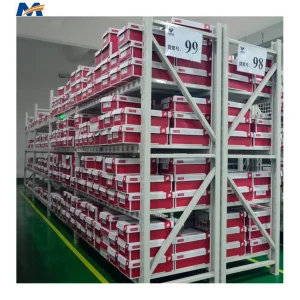
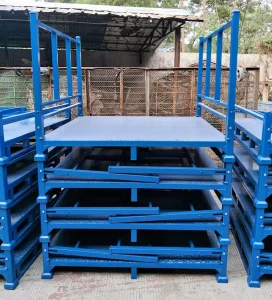
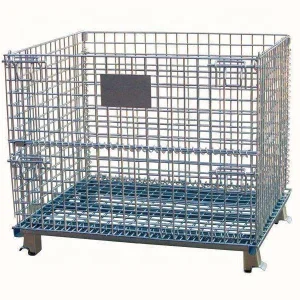

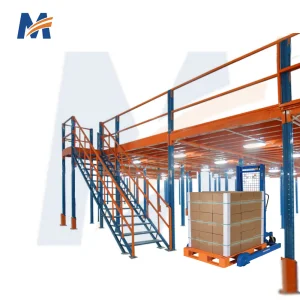
In the rapidly changing landscape of modern distribution, automated cold chain logistics, and high-velocity third-party warehousing (3PL), footprint optimization is no longer just a structural consideration—it is a critical driver of profitability. As global supply chains face fluctuating inventory levels and surging real estate costs, Pallet Flow Storage systems (commonly referred to as Gravity Flow Racking) stand out as the ultimate standard for high-density First-In, First-Out (FIFO) material handling. Ningbo Xinmiao Storage Equipment Co., Ltd. (Mracking) operates at the forefront of this industrial transformation. By leveraging advanced structural engineering, precision manufacturing, and strict international standards, we deliver robust, scalable storage systems that convert complex logistics problems into simplified operational flow.
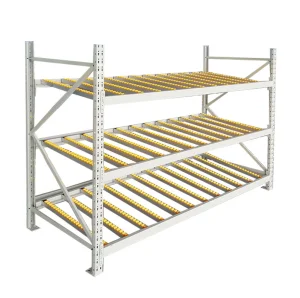
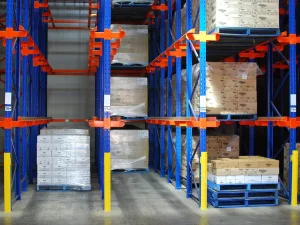
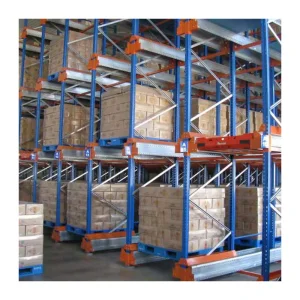
Pallet Flow Storage is a high-density, dynamic storage system that uses gravity to transport pallets down inclined lanes. Unlike static selective racking systems, which require wide aisles for forklifts to access individual pallet positions, pallet flow lanes pack multiple pallets deep, utilizing a single loading aisle (replenishment side) and a single retrieval aisle (discharge side).
The system works through a simple but highly engineered physical process. Racks are set at a slight incline (typically 3% to 4% slope). When a forklift places a pallet at the input end of a lane, the pallet rolls smoothly over high-durability steel or plastic rollers towards the output end. Speed controllers (brake rollers) are placed at calculated intervals within the lane to manage gravity and prevent runaway pallets. Once a pallet reaches the pick face, a mechanical separator isolates it from the pressure of the following pallets, allowing safe and smooth retrieval.
"By eliminating unnecessary aisles, Pallet Flow Racking systems can increase warehouse storage capacity by up to 60% to 100% compared to standard selective racking, while maintaining a strict FIFO rotation. This makes it the ideal setup for perishable goods, food and beverage storage, pharmaceuticals, and high-velocity consumer goods."
For a gravity flow system to function reliably over thousands of duty cycles, every mechanical tolerance must be calculated. The primary parts of our heavy-duty pallet flow storage systems include:
Ningbo Xinmiao Storage Equipment Co., Ltd. represents the peak of China's industrial manufacturing upgrade. Our facility is designed around a "Factory 4.0" framework. This approach combines automated production lines with rigorous testing to ensure that every rack configuration meets global safety standards.
Established in 2015, Ningbo Xinmiao Storage Equipment Co., Ltd. has dedicated over 14 years of engineering expertise to the material handling industry. Operating out of a state-of-the-art 35,000 square meter manufacturing plant, we run a vertically integrated operation. Supported by a network of over 800 supply chain partners, we maintain access to high-quality raw materials (such as premium grade hot-rolled coil steel) and specialized mechanical parts. This allows us to keep our pricing highly competitive without compromising structural integrity. Today, our export footprint spans North America, Europe, Southeast Asia, and the Middle East, generating an annual export revenue that exceeds $18 million.
"Quality is designed in, not just inspected. Our 25-specialist Quality Control team performs strict non-destructive testing (NDT), load-bearing stress evaluations, and automated ultrasonic weld inspections. This ensures every weld joint and upright assembly meets the necessary safety margins."
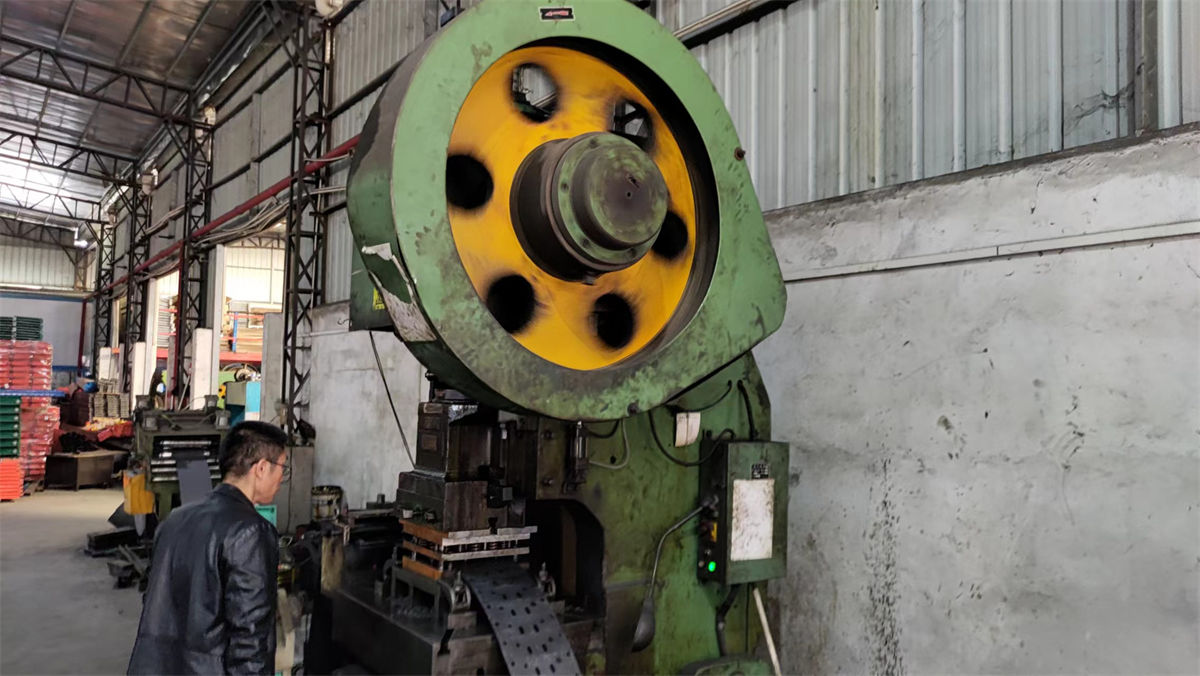
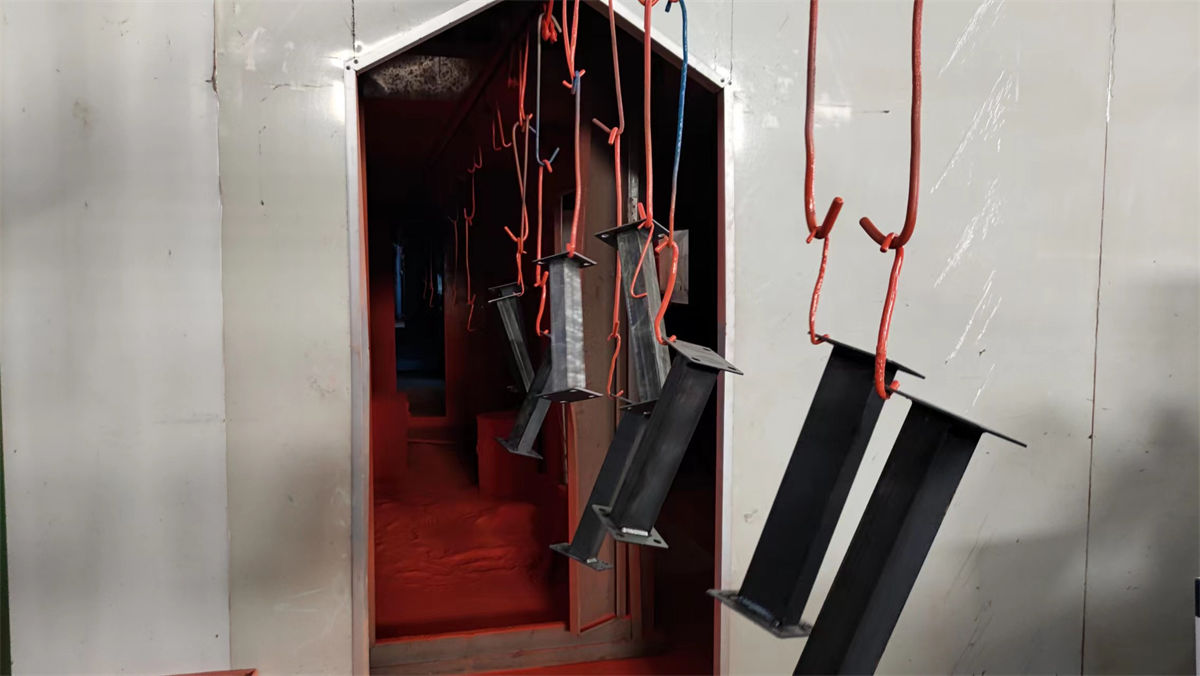
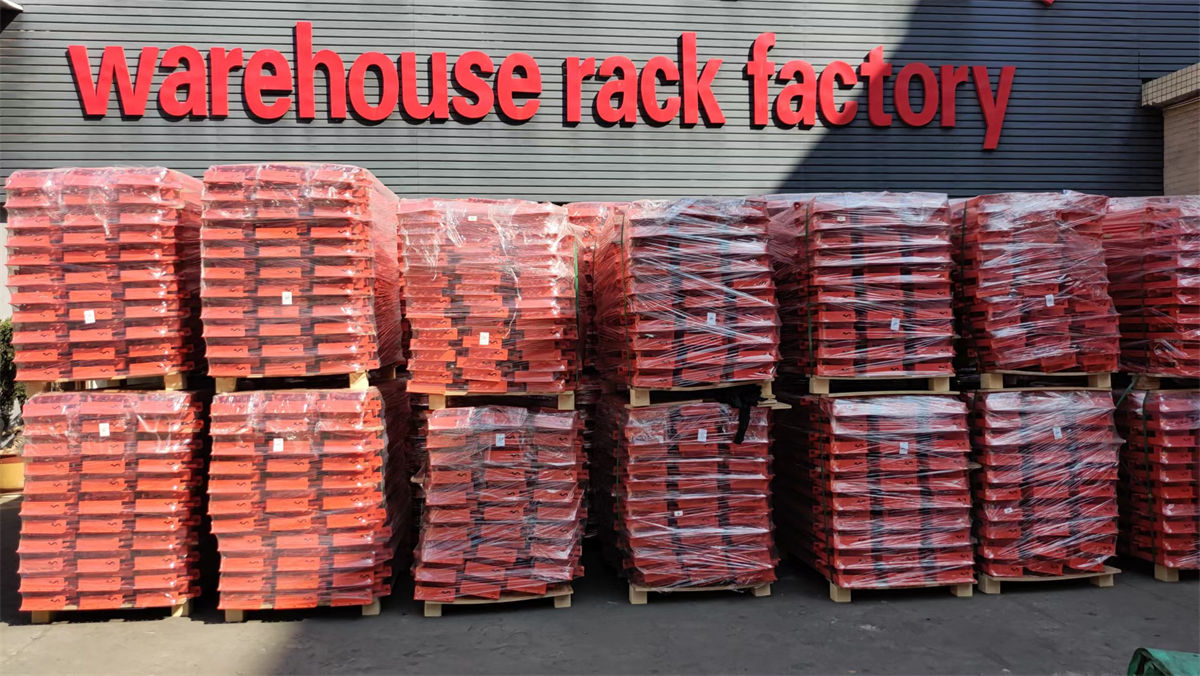
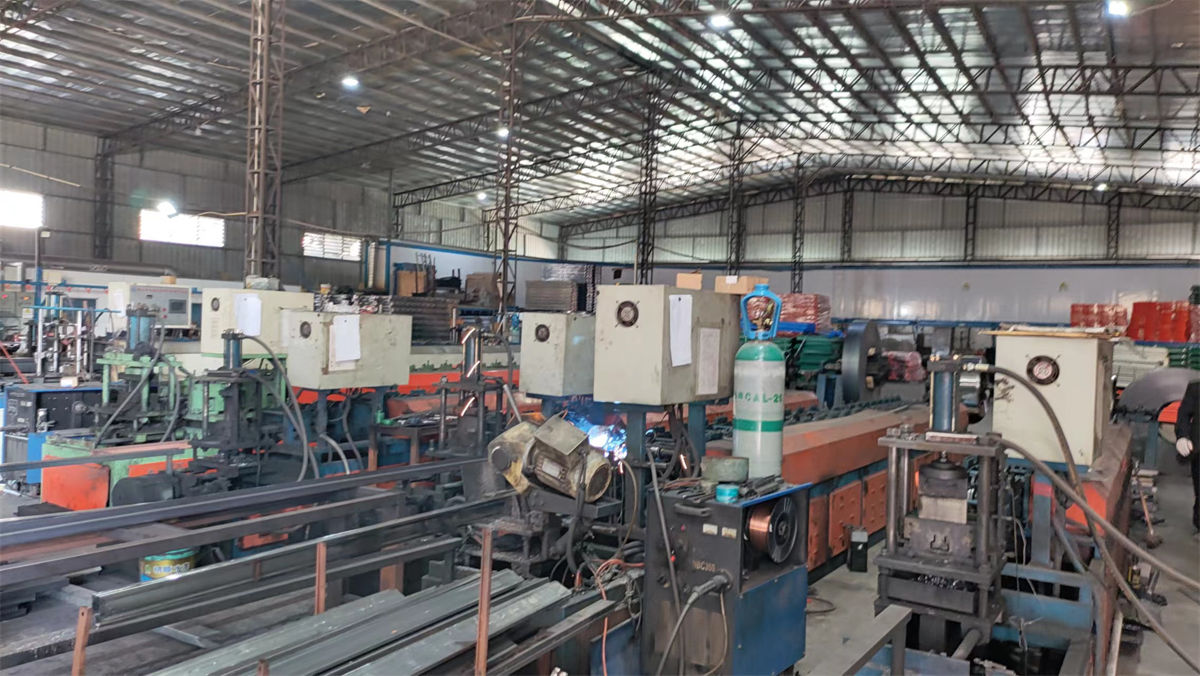
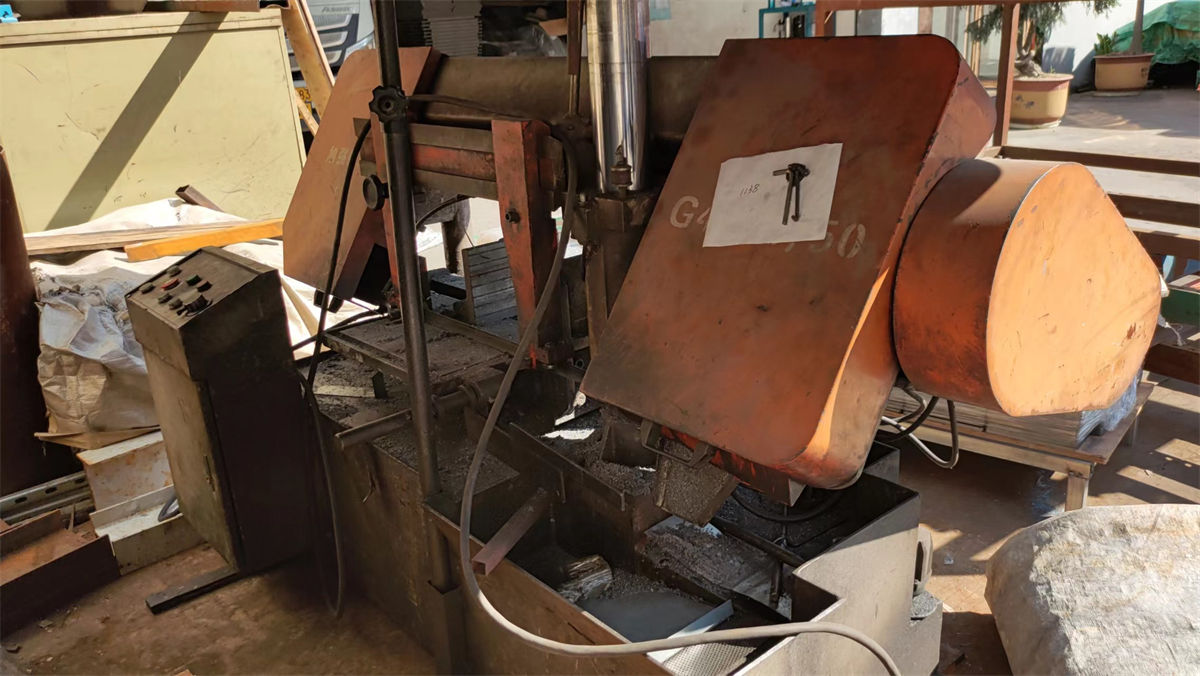
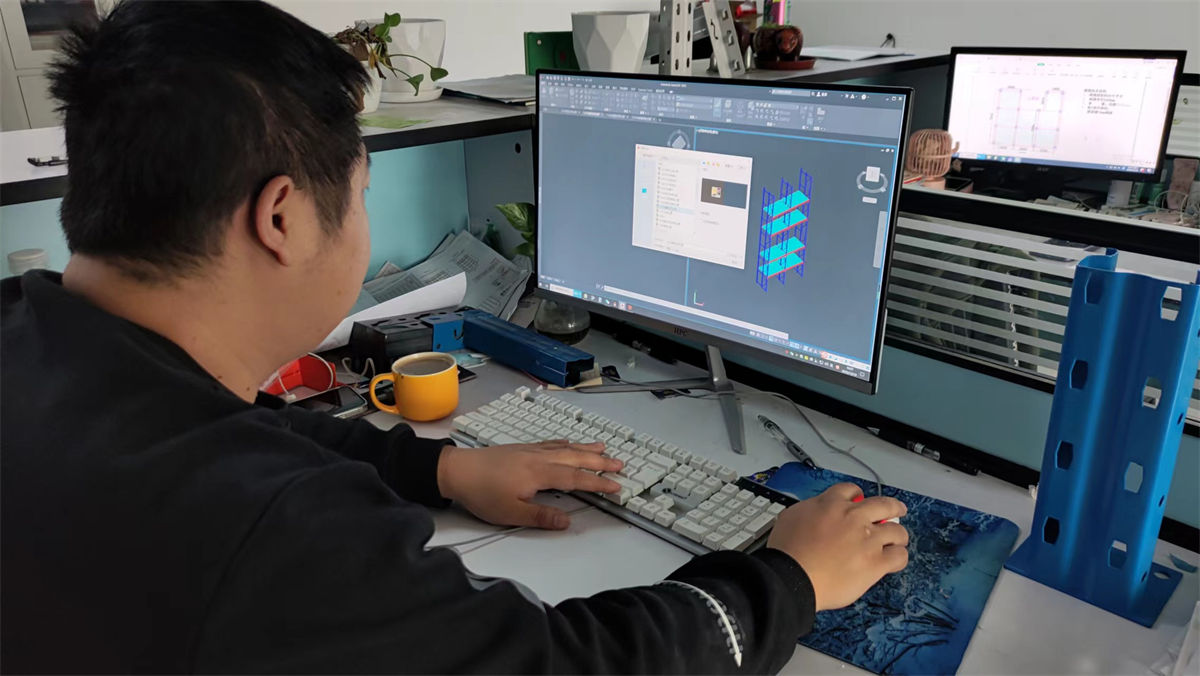
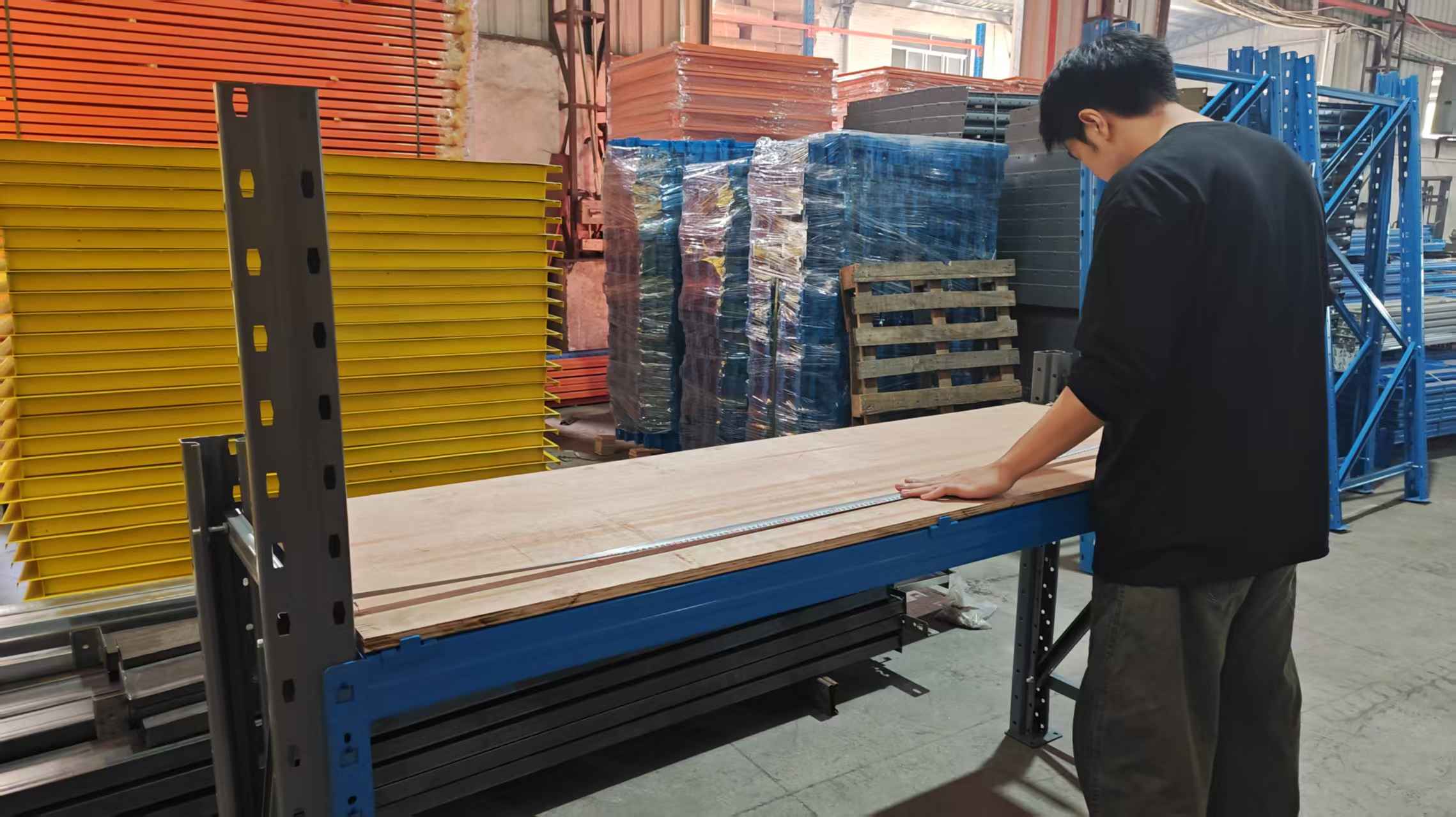
Take a look inside our manufacturing facility, where custom roll-forming, high-precision laser profiling, automated welding, and electrostatic powder coating turn raw steel into high-density storage systems:
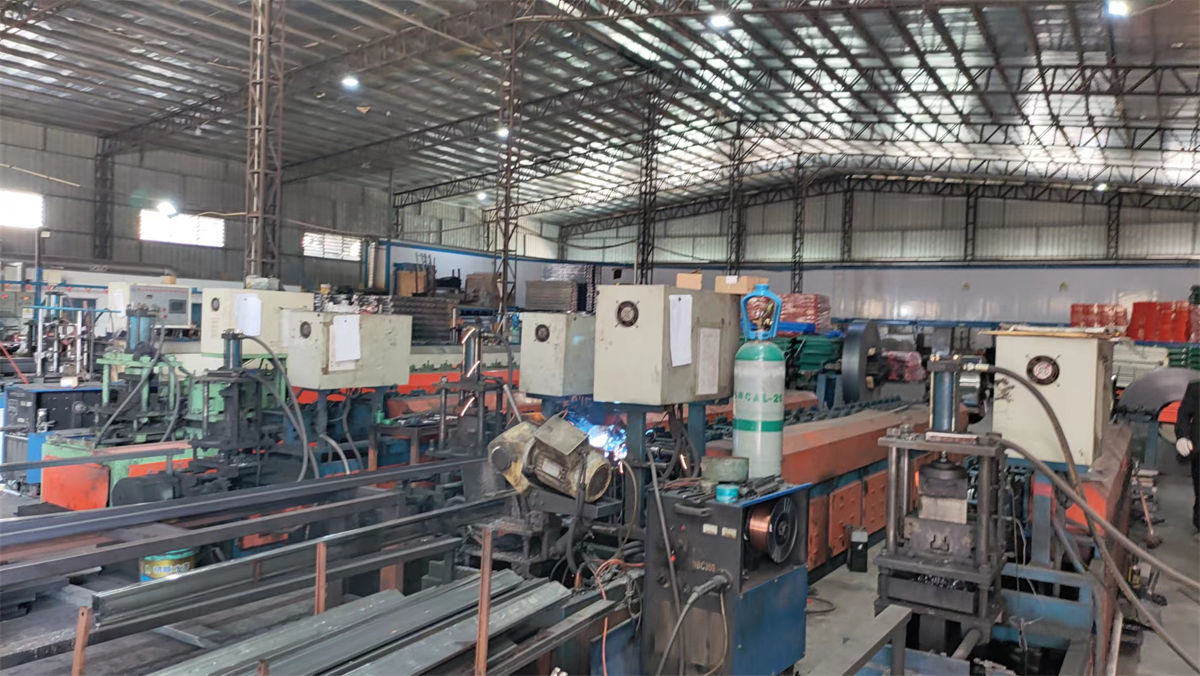
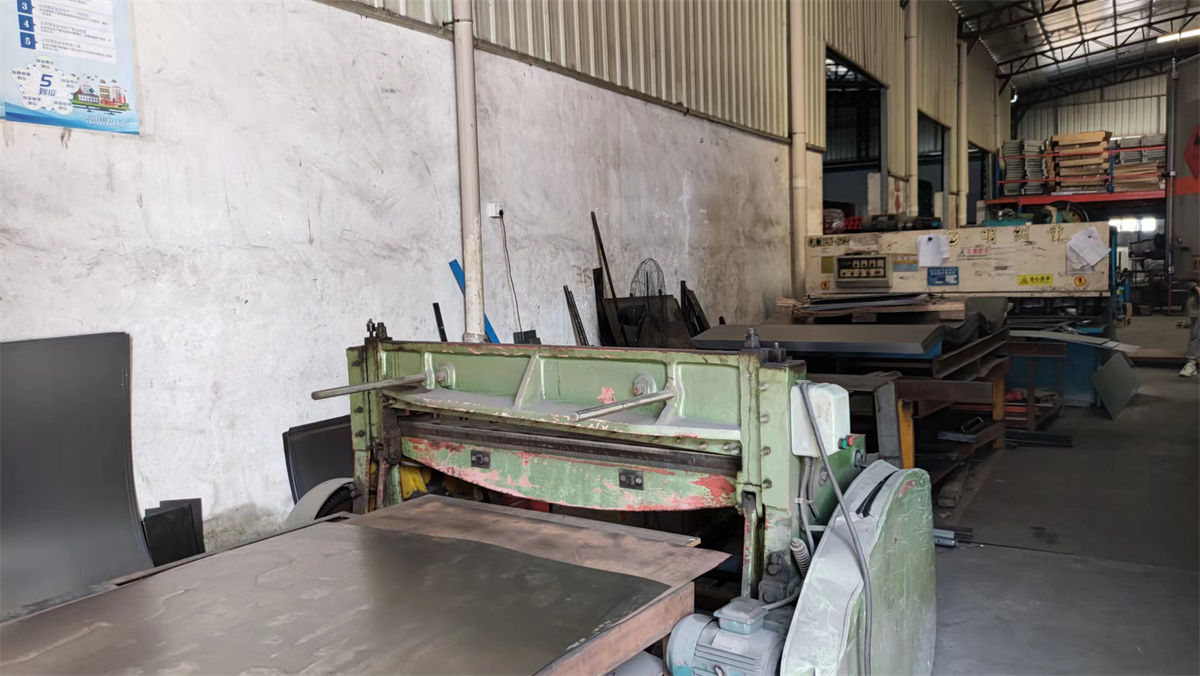
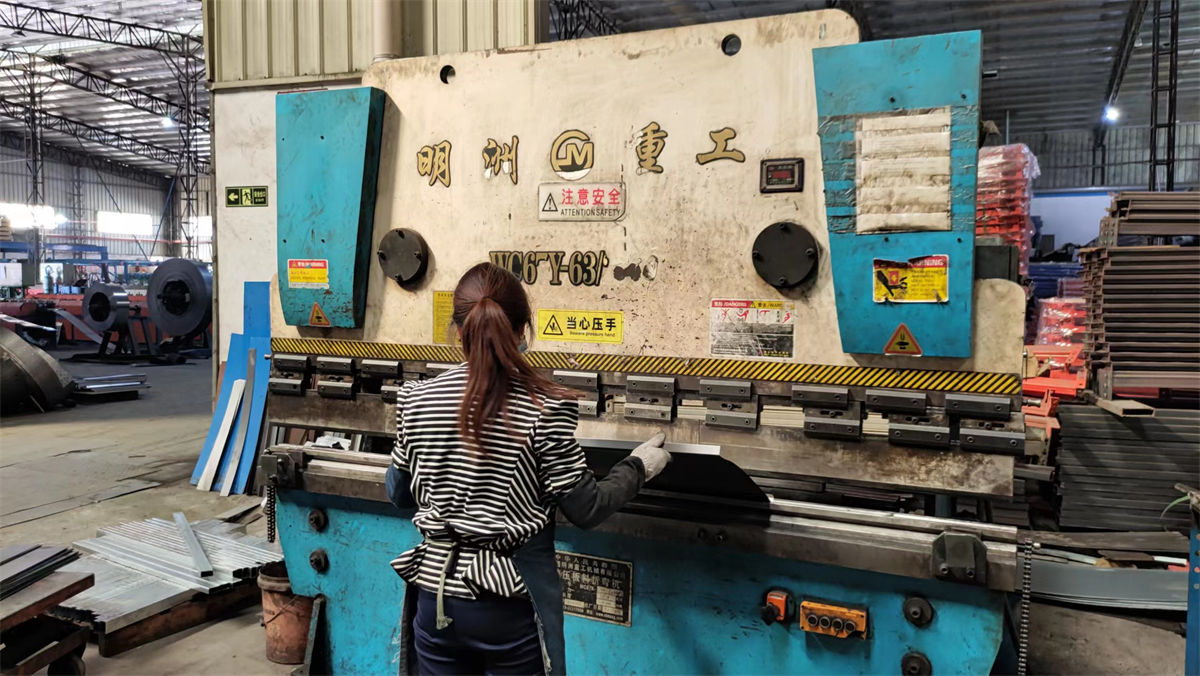
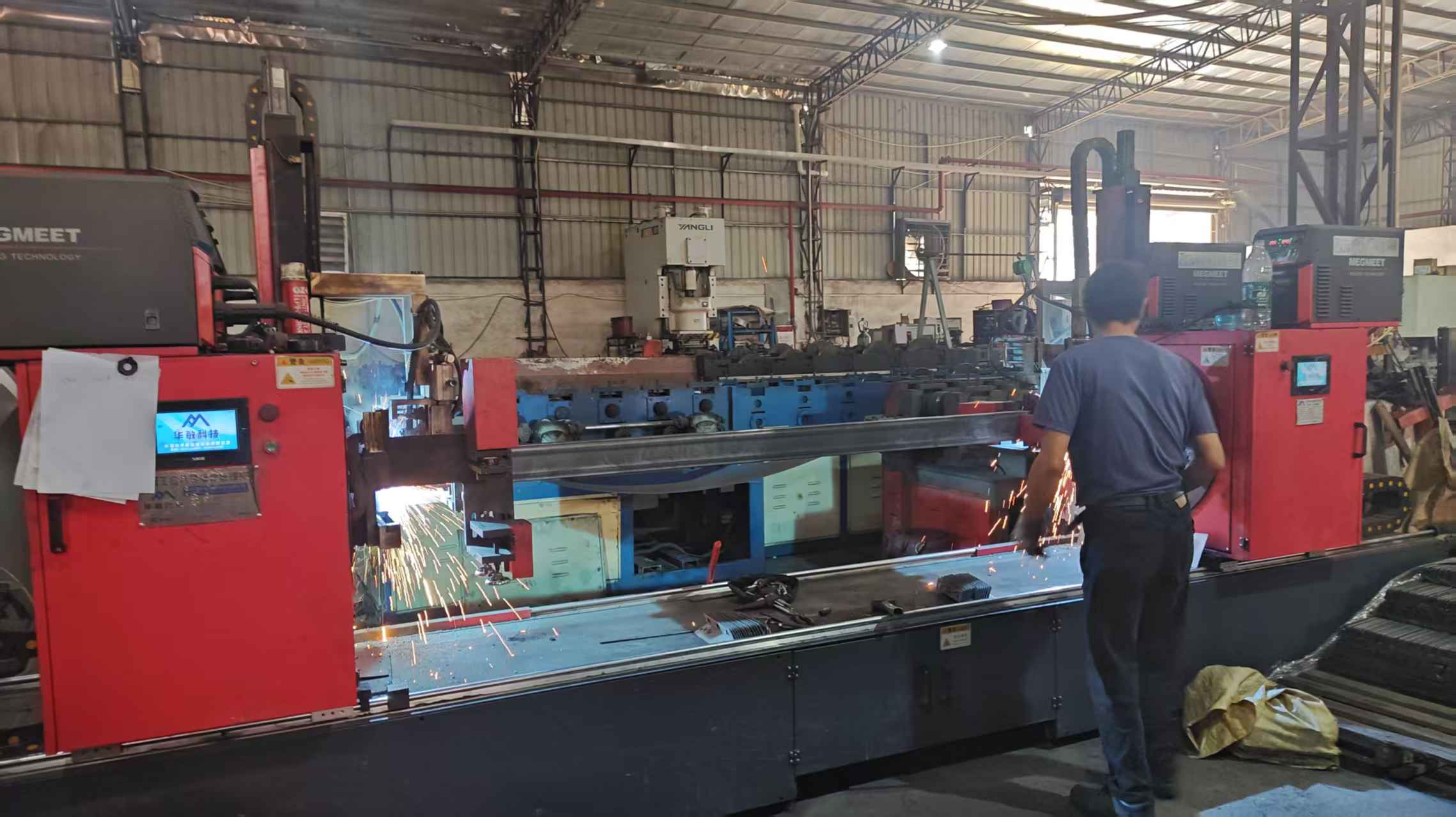
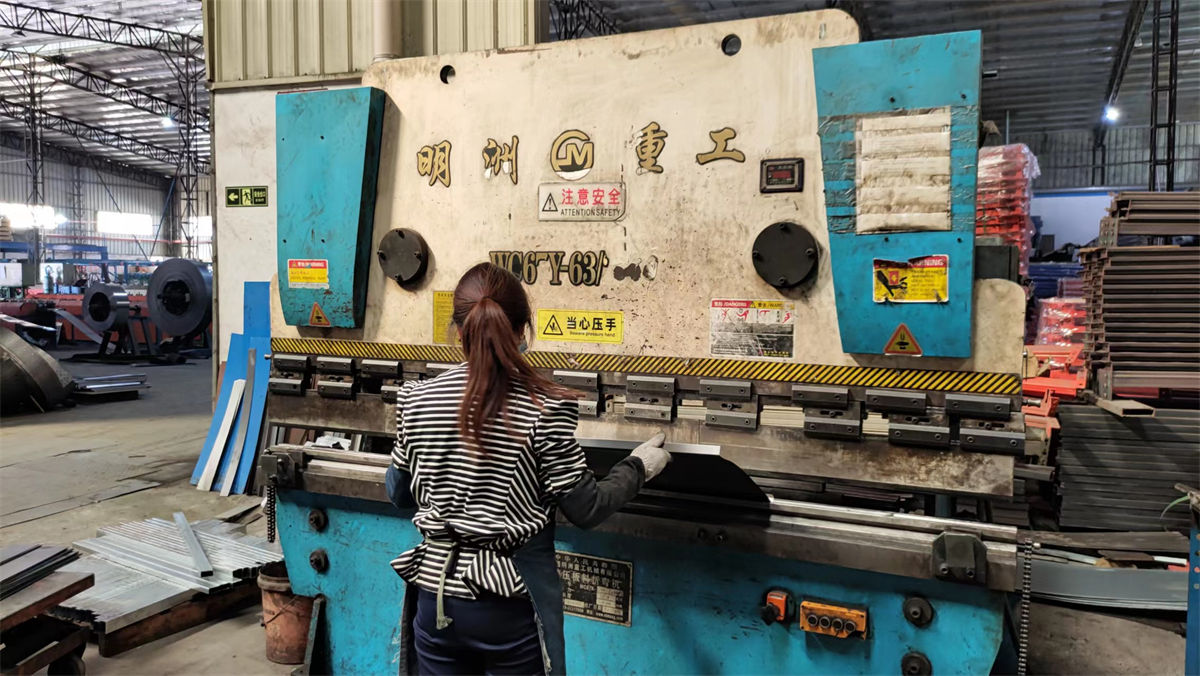
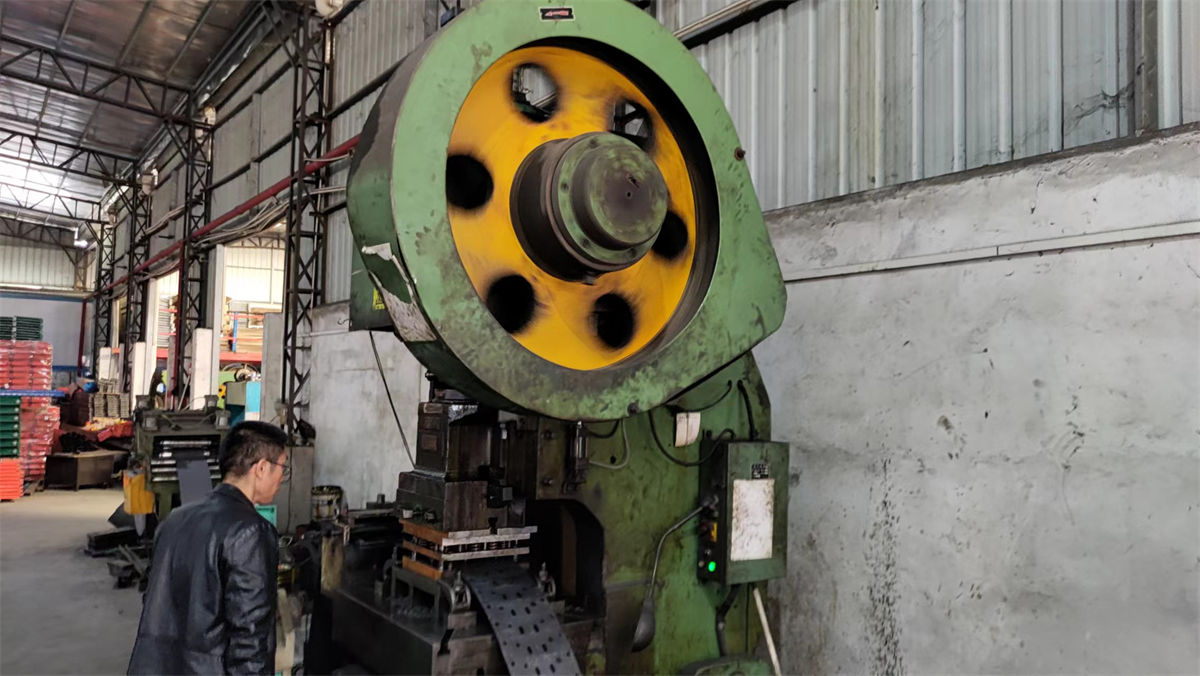
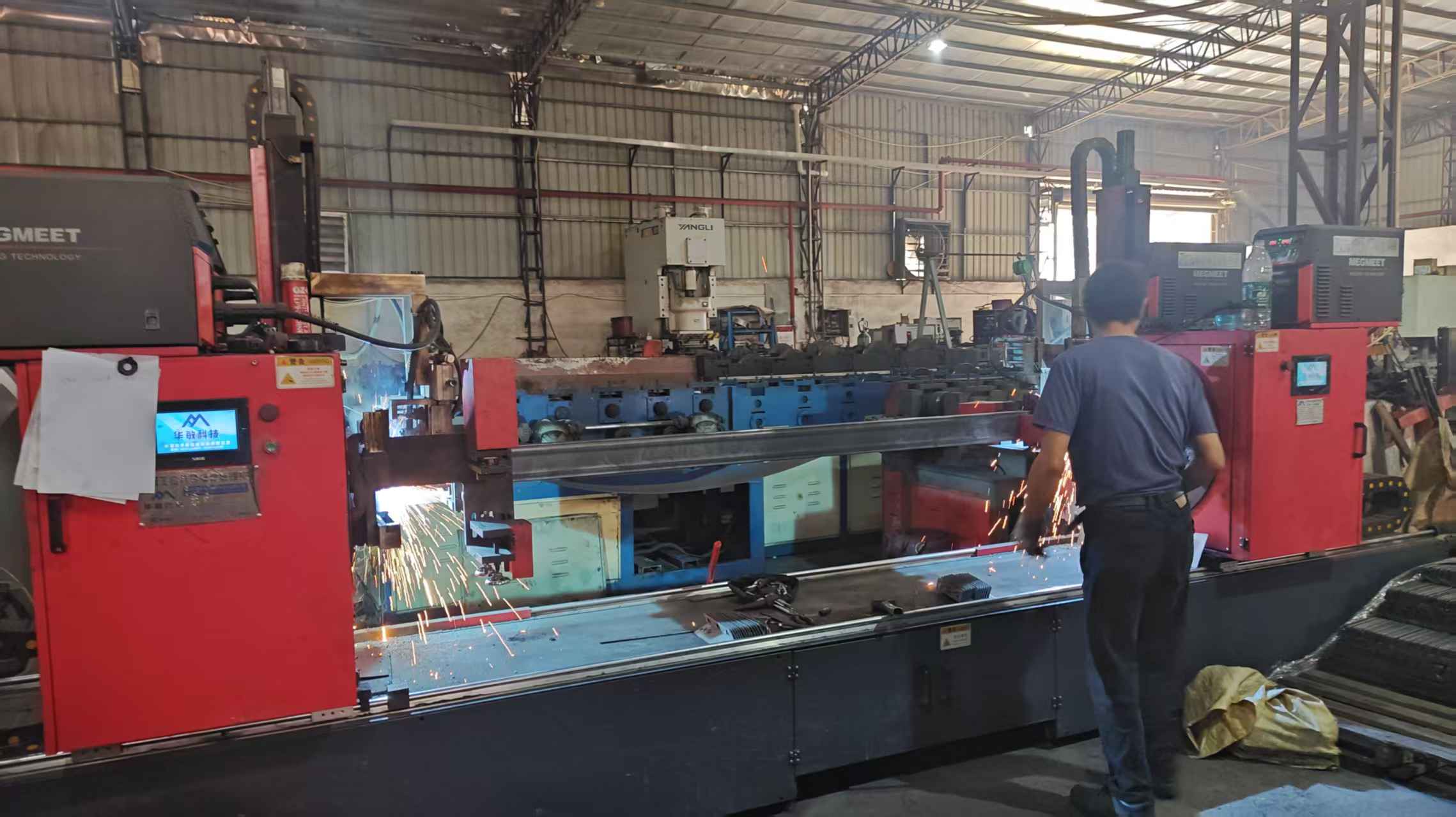
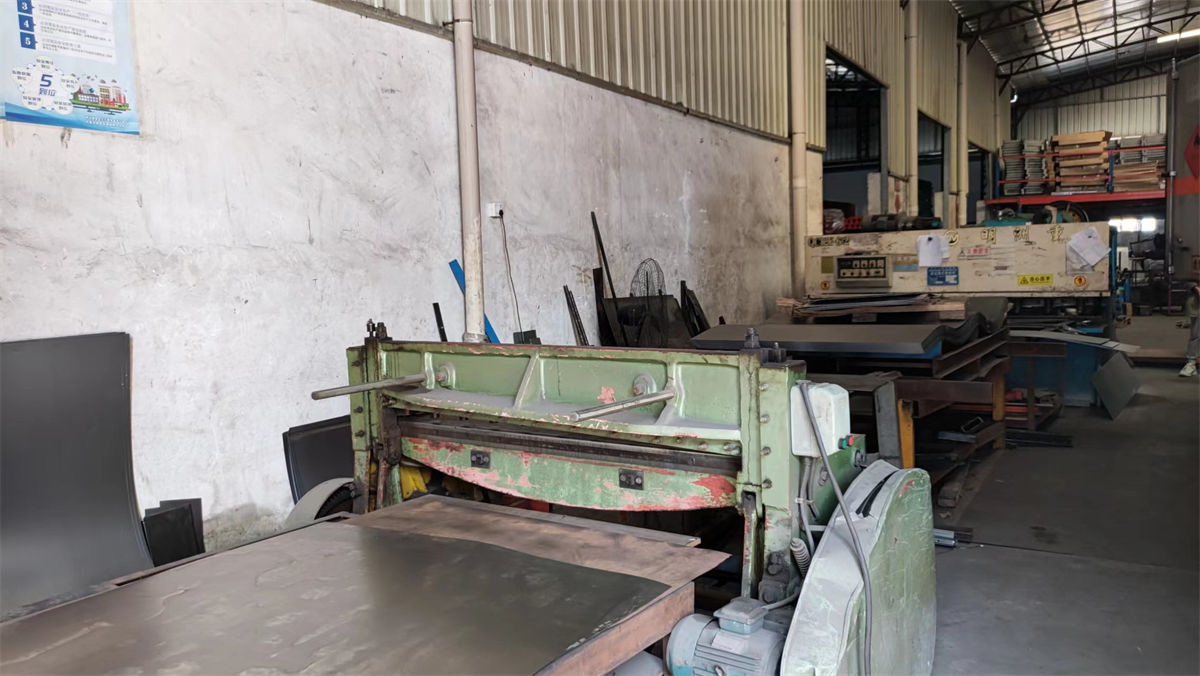
When global sourcing managers buy heavy-duty pallet flow storage systems, their main concerns are workplace safety, regulatory compliance, and mechanical reliability. Because gravity-based systems involve moving heavy loads (often over 1,000 kg per pallet position), design failures can lead to significant accidents or product damage.
At Ningbo Xinmiao, we design our systems to comply with leading global regulatory frameworks. Our engineering department uses advanced CAD designs and Finite Element Analysis (FEA) to simulate wind loads, seismic events, and uneven loading profiles. This level of planning ensures that every installation complies with the relevant regional engineering standards.
| Regulatory Standards Group | Applicable Region | Technical Target Met |
|---|---|---|
| RMI (Rack Manufacturers Institute) | North America | AISI Cold-Formed Steel structural design compliance, safety factors for load-bearing dynamic beams. |
| EN 15512 & FEM 10.2.02 | European Union | Limit state design methods, strict calculation of deformation tolerances, and dynamic impact factor considerations. |
| AS 4084-2012 | Australia & Oceania | Steel storage racking safety rules, testing criteria for upright columns, and baseplate anchoring requirements. |
| ISO 9001 & ISO 3834-2 | Global | Quality management systems, comprehensive welding control, and ultrasonic non-destructive weld testing. |
Pallet flow storage systems are highly adaptable. Different industries have different operating conditions, speed requirements, and environmental challenges. Below is an overview of how we design custom gravity flow solutions for key global industries:
Cold storage is expensive to build and run. Maximizing product density within a refrigerated space is critical for lowering energy consumption. Our cold-chain pallet flow systems use specialized low-temperature lubricants, structural steels designed to resist low-temperature brittleness, and corrosion-resistant powder coatings or hot-dip galvanization. They are built to operate reliably in temperatures down to -30°C.
In the pharmaceutical industry, strict batch control and product expiration tracking are required by law. The mechanical structure of our FIFO pallet flow lanes ensures that older batches are automatically discharged first. This eliminates the risk of expired products getting stuck in the back of the rack, simplifying compliance with Good Manufacturing Practices (GMP) and FDA guidelines.
Automotive manufacturing depends on Just-In-Time (JIT) delivery of heavy component bins. Our industrial pallet flow lanes are reinforced to support heavy steel bins and containers, often weighing up to 2,000 kg each. By supplying components directly to assembly workstations via gravity, these systems reduce material handling times and eliminate forklift traffic in busy production areas.
The logistics industry is moving toward fully automated, data-driven supply chains. Standard static and gravity racking systems are increasingly being integrated with automated machinery. Ningbo Xinmiao is currently investing in R&D for several key technological integrations:
Buying industrial racking internationally requires more than just high-quality manufacturing—it requires thorough support throughout the project lifecycle. Ningbo Xinmiao provides end-to-end service for all global clients:
1. Conceptual Design & Layout: Our engineering team of 18 R&D specialists uses CAD and BIM software to create layout designs optimized for your warehouse layout, forklift capabilities, and throughput requirements.
2. Pallet Compatibility Testing: Pallet condition is critical for gravity flow systems. We perform physical tests using your actual pallet types (wood, plastic, steel) to determine the correct slope, roller configuration, and spacing for your system.
3. Export Logistics and Project Installation Support: We have over 8 years of direct export experience, ensuring secure packaging, proper container loading, and smooth customs processing. Along with detailed installation manuals and video guides, we offer remote engineering support to ensure your local installation team sets up the racking safely and correctly.
A: Most standard configurations use a slope between 3% and 4% (about 35mm to 40mm of drop per meter of lane length). The optimal angle depends on pallet weight, quality, and the type of rollers used. We perform physical test runs to determine the exact angle before manufacturing.
A: Lane jams are typically caused by warped pallets, debris, or incorrect speed controller settings. We design our lanes with precision-mounted centrifugal speed controllers to maintain a steady speed. We also use pallet guidance rails and advise clients on the wood pallet quality required for smooth operation.
A: Yes. Cold storage installations require low-temperature rated steel, specialized low-viscosity bearing grease, and robust powder coatings or hot-dip galvanized components to handle condensation. We have designed and shipped many systems optimized for cold storage operations worldwide.
A: Our standard heavy-duty structural designs are engineered for loads up to 1,500 kg per pallet position. For applications with heavier items (like automotive components), we can supply reinforced structural designs for loads up to 2,000 kg per position.
 Xinmiao Racking