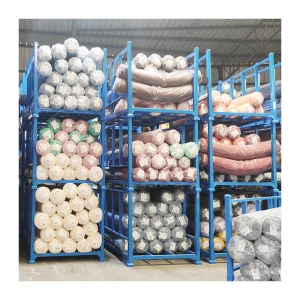
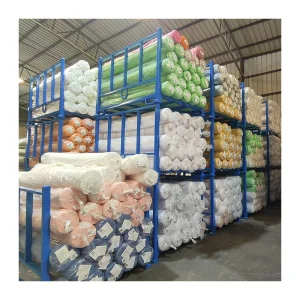
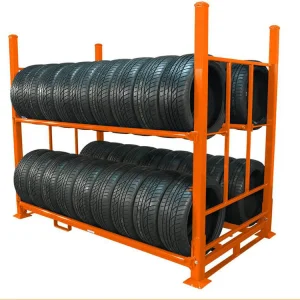
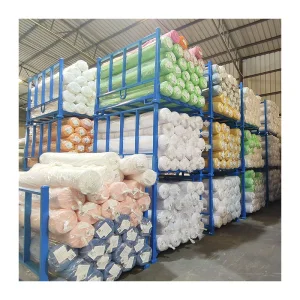
Maximizing overhead cube space utilization without the structural demands of fixed racking systems. Ideal for dynamic Paris-based logistics corridors.
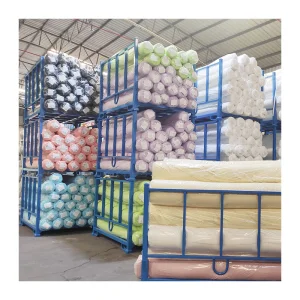
The Greater Paris area (Île-de-France) stands as one of the most critical logistics and industrial hubs in Europe. Ranging from massive distribution corridors in Roissy-en-France and Sénart to high-throughput consolidation yards near the River Seine axis, warehousing footprints are operating under historically low vacancy rates and skyrocketing square-meter leases. Because static, bolted pallet racking lacks structural flexibility, forward-thinking 3PL operators and production managers are transiting to portable stack racking.
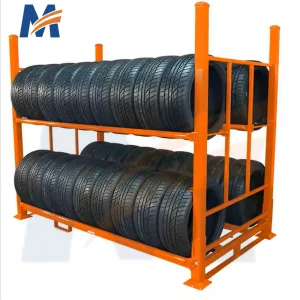
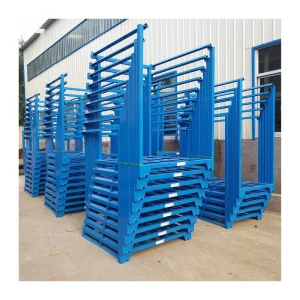
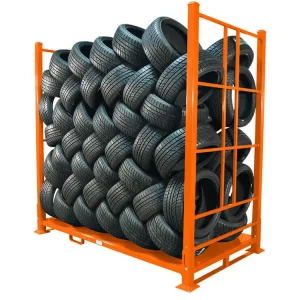
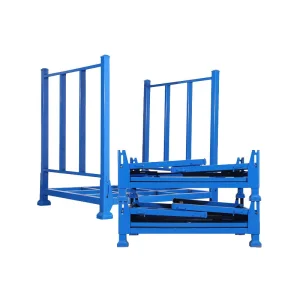
Stack racking systems allow operations to scale vertically up to 4-5 high when storage demands peak, and fold down when empty, freeing up valuable floor space for manufacturing or raw-material processing. Our customizable engineering specifically meets European EN norms, addressing localized floor loading variations, worker safety regulations, and swift installation guidelines without requiring permanent anchor bolts.
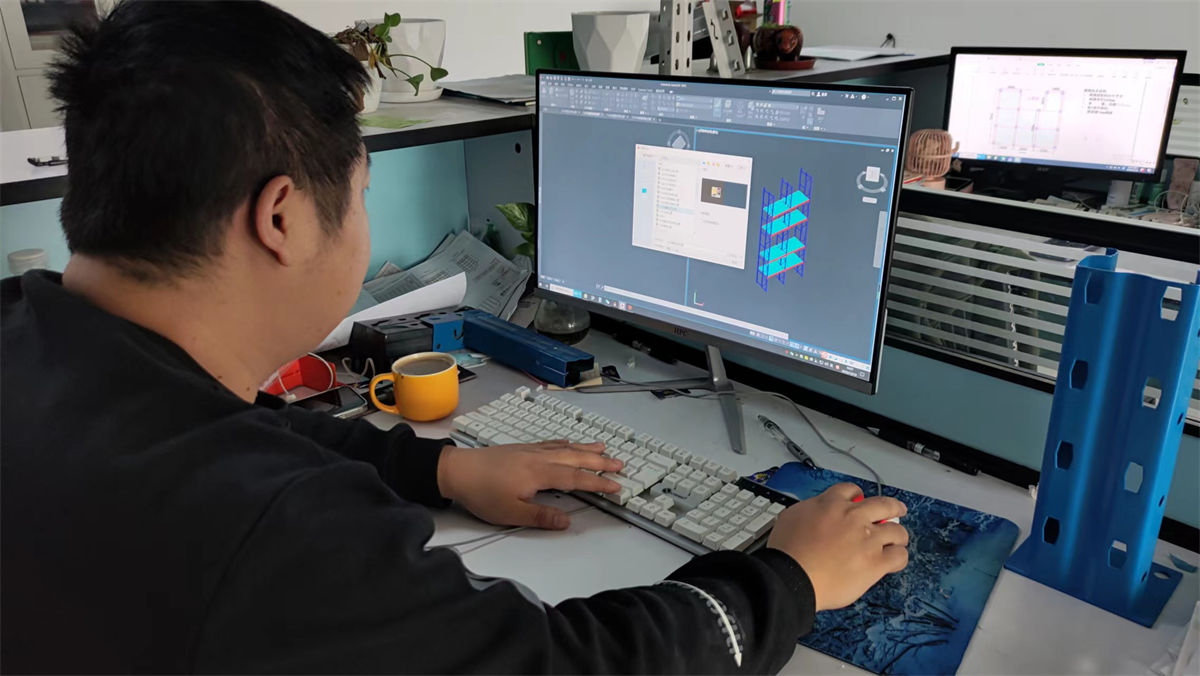
Our commitment to E-E-A-T values drives continuous innovation. Discover our structural capabilities, QA validation methods, and future design paths.
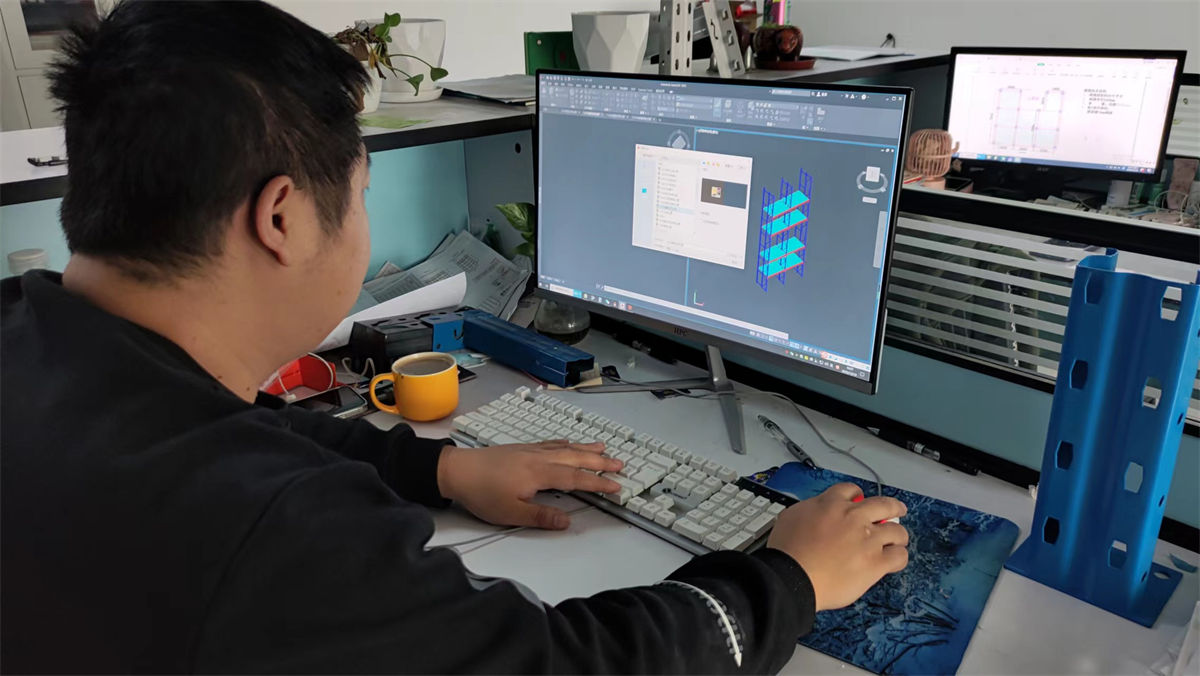
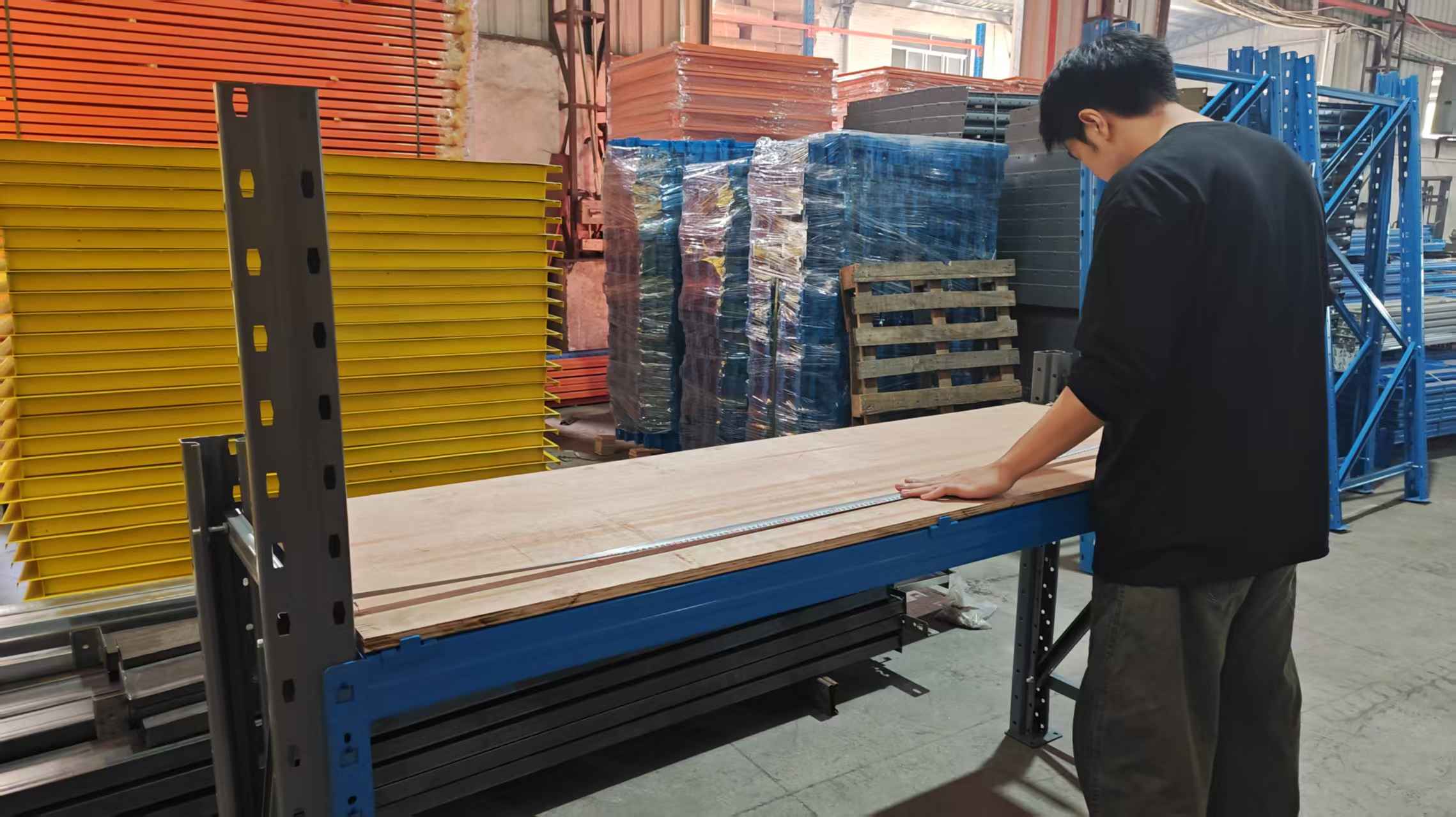
Every stack racking configuration undergoes structural testing under localized load patterns. Using high-tensile Q235B and Q355B structural steel, our designs are optimized for maximum load-to-weight ratios to prevent catastrophic column buckling in active workspaces.
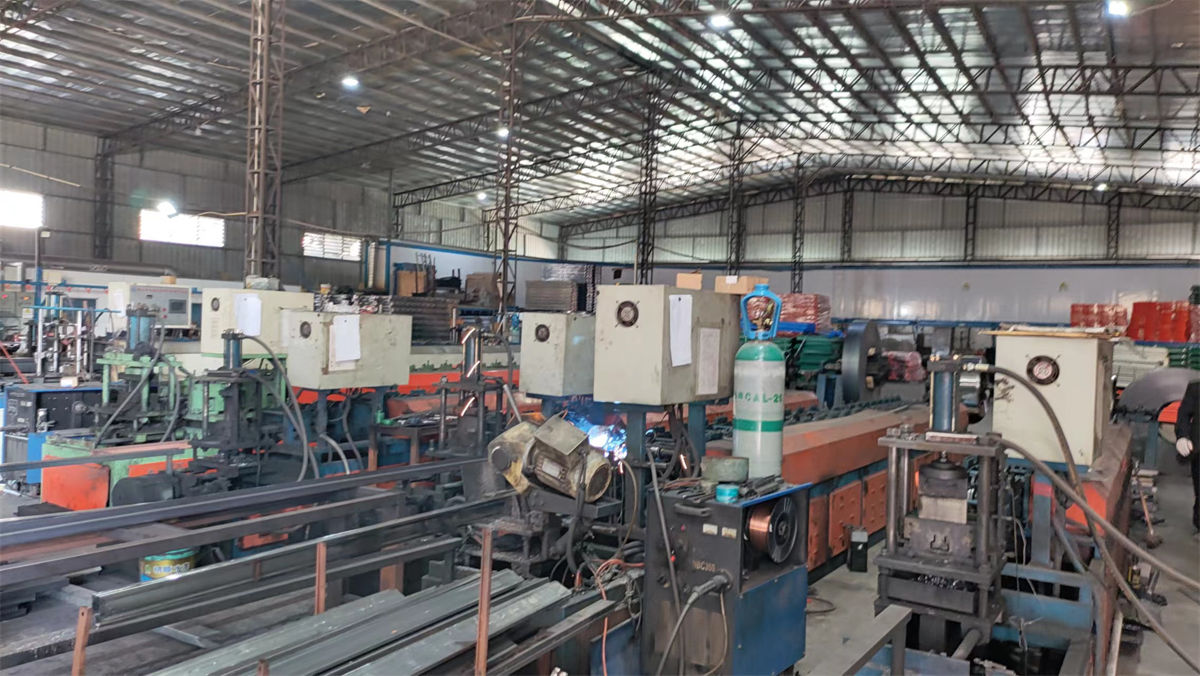
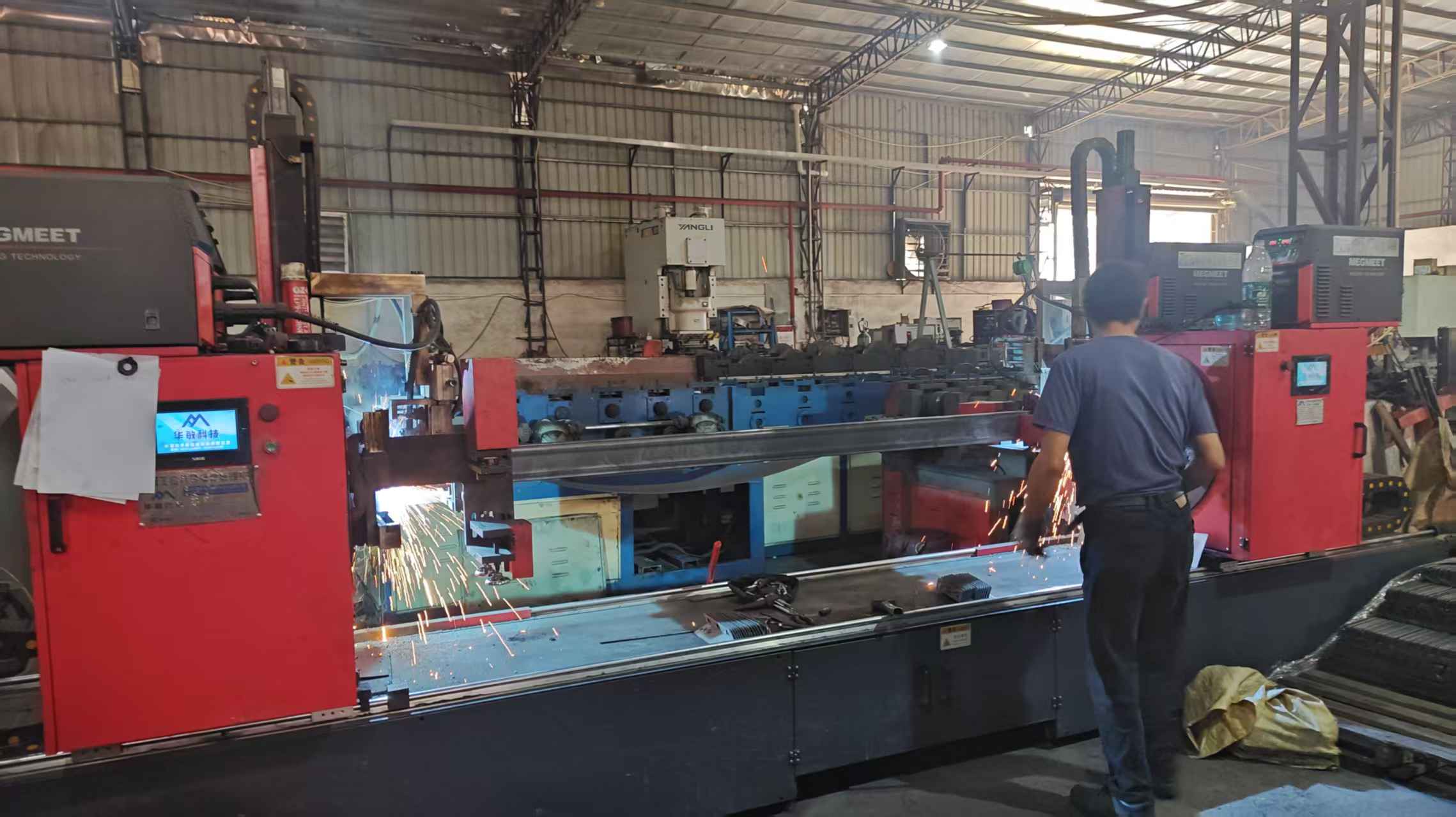
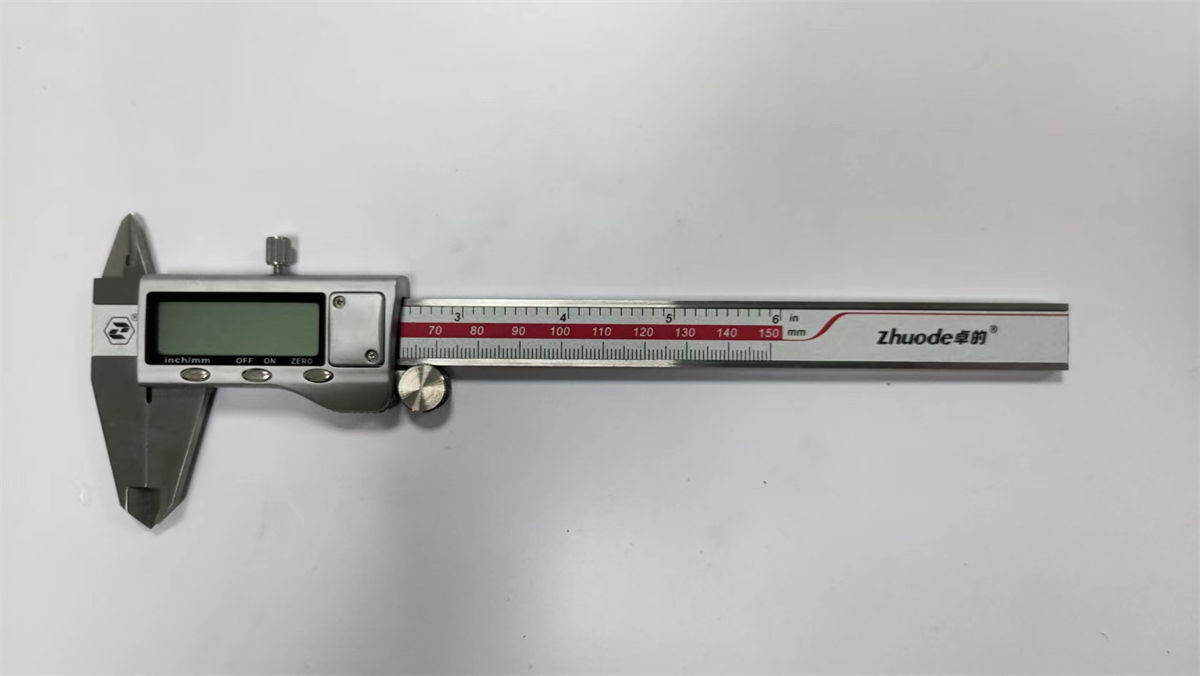
Consistent weld penetration is crucial. We employ automated gas metal arc welding (GMAW) robot cells to output seamless baseplate-to-column connections. Non-Destructive Testing (NDT) certifies zero porosity and cracks across our production runs.
Adapting to Industry 4.0, our engineering pipeline integrates RFID/BLE tags directly into the stack rack structure. This allows automated tracking within complex distribution centers, accelerating inventory checks and dynamic routing paths.
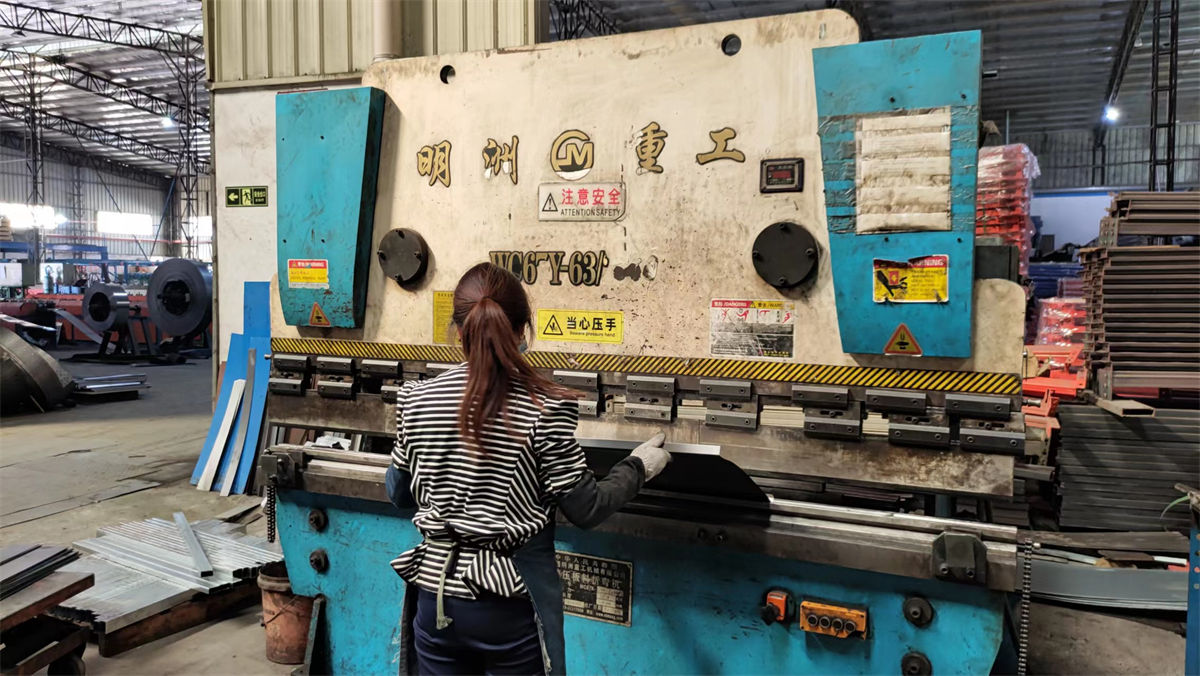
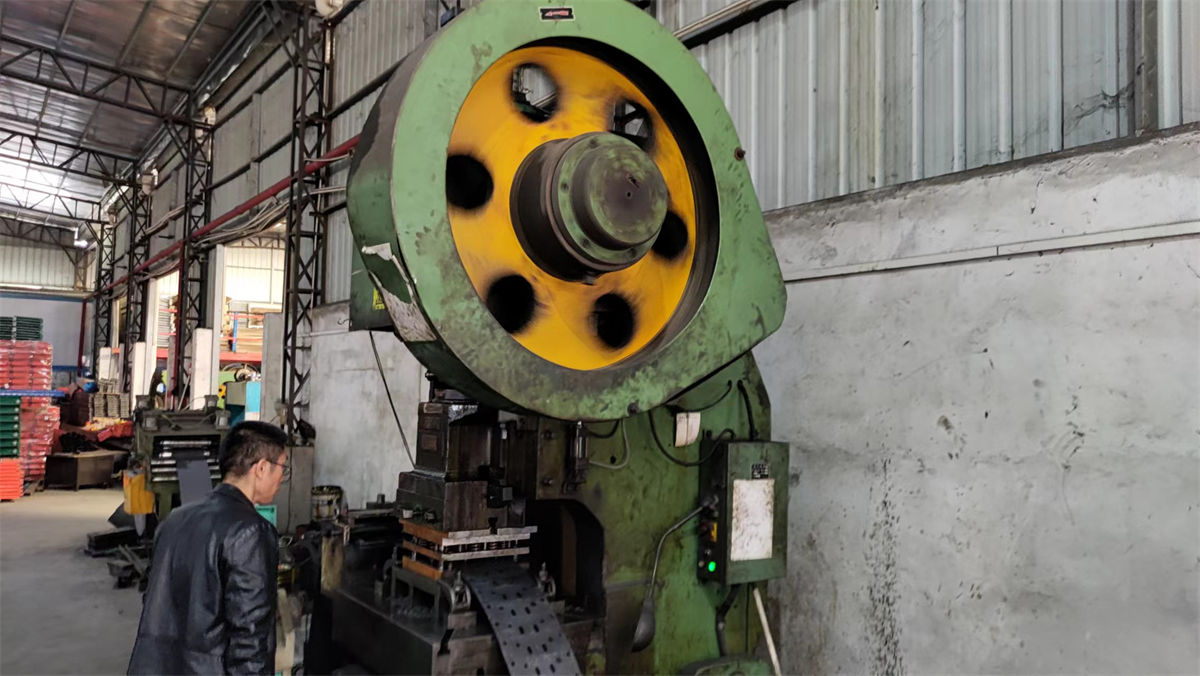
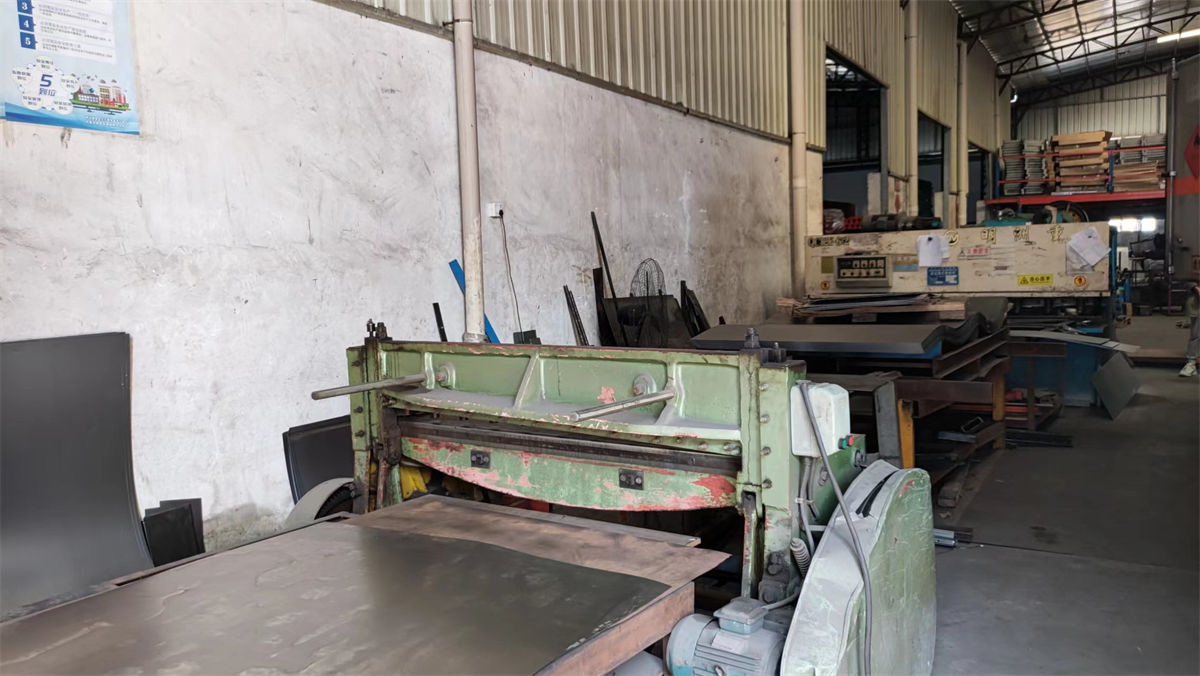
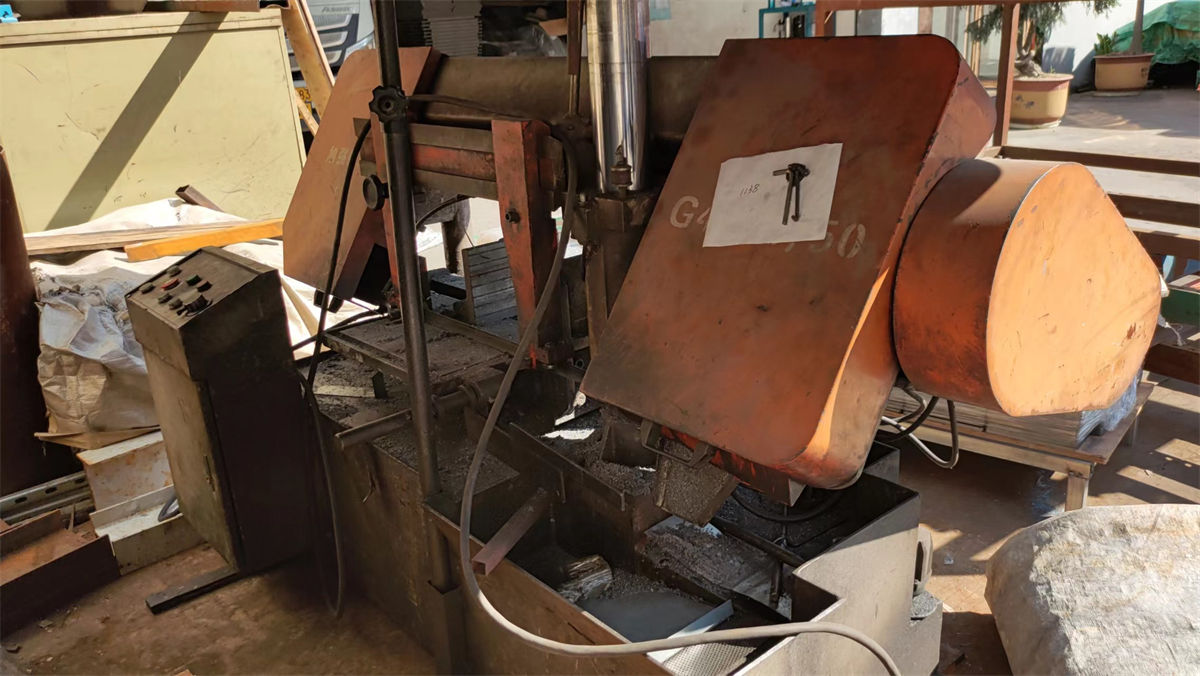
Established in 2015, Ningbo Xinmiao Storage Equipment Co., Ltd. spans a modern 35,000+ square meter manufacturing facility. Over 14 years of heavy-duty fabrication experience combined with 25 QC specialists guarantees unmatched durability.
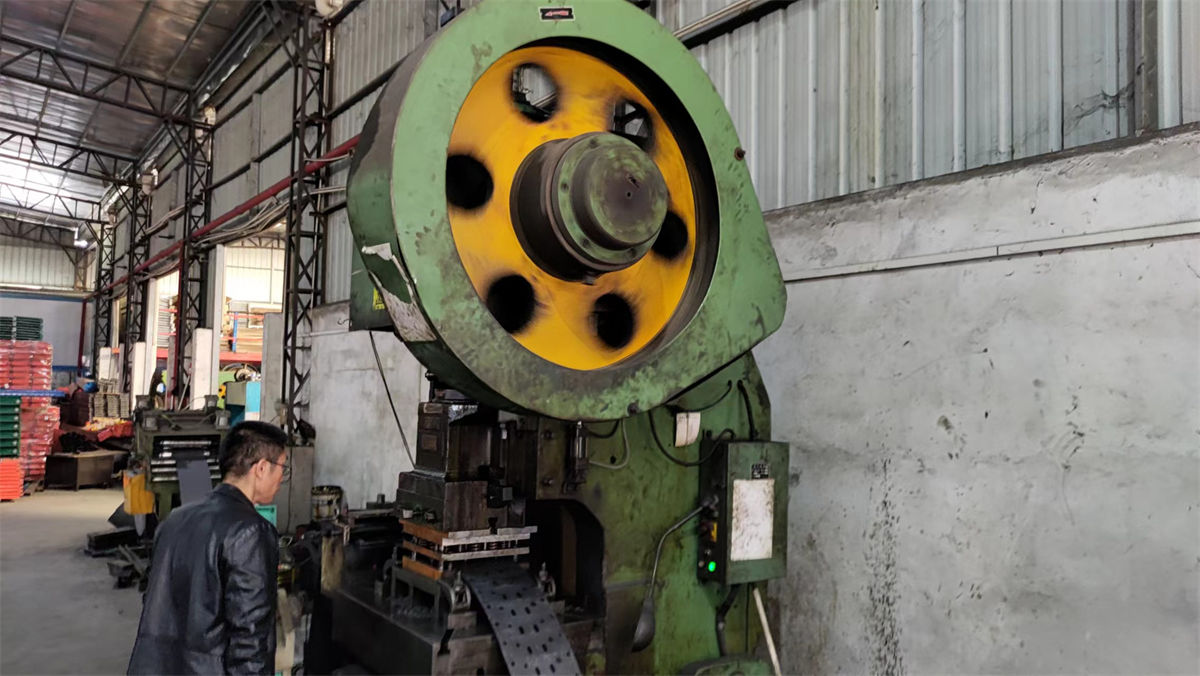
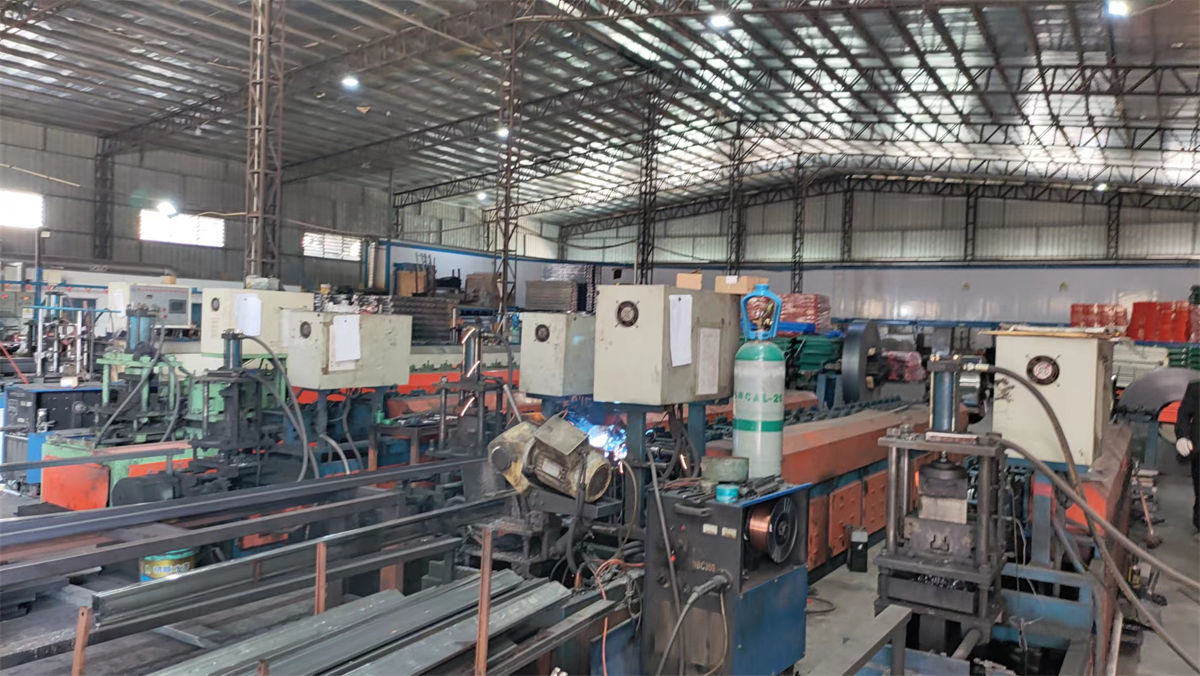
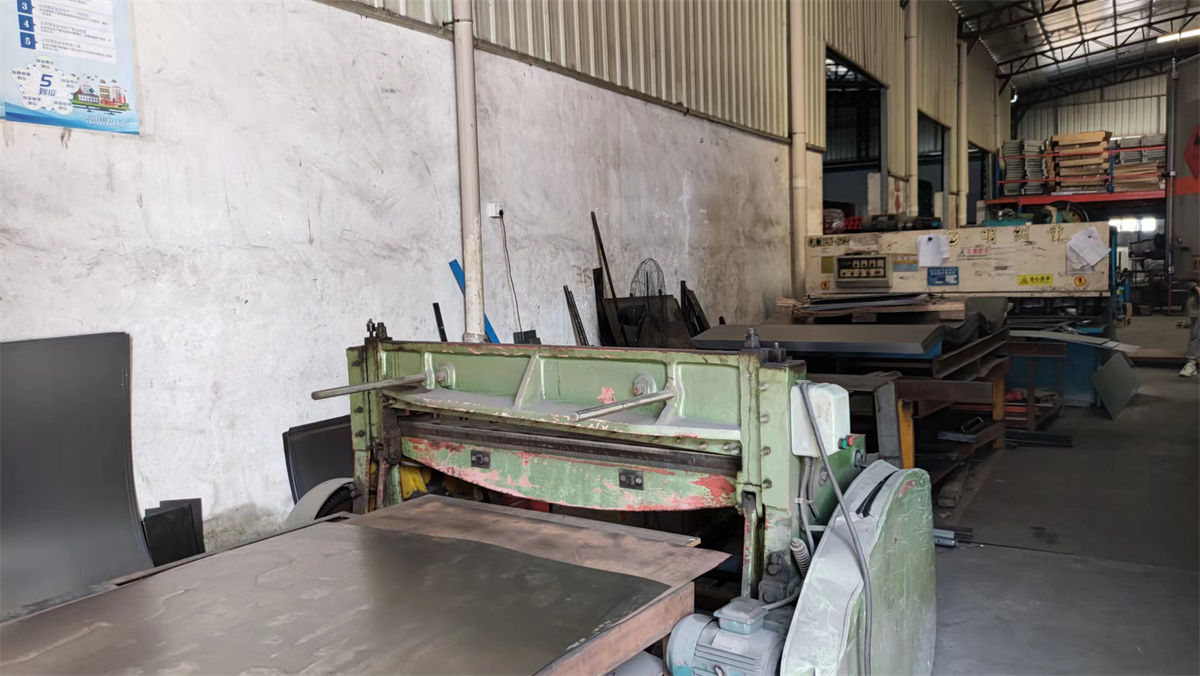
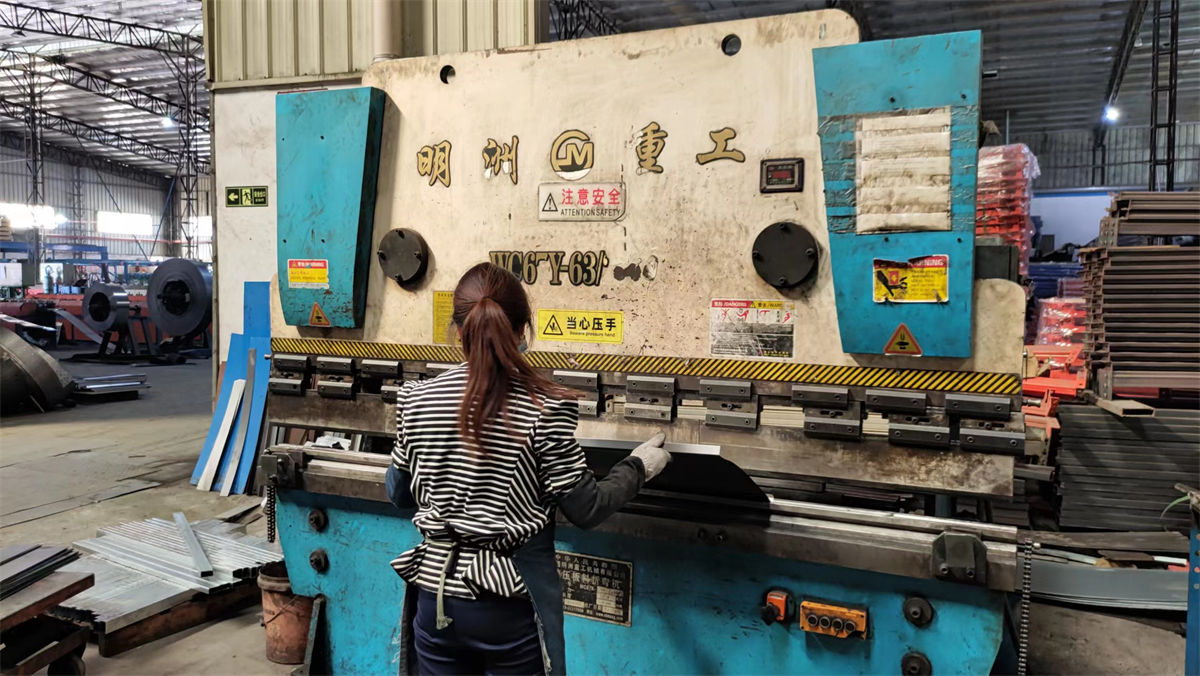
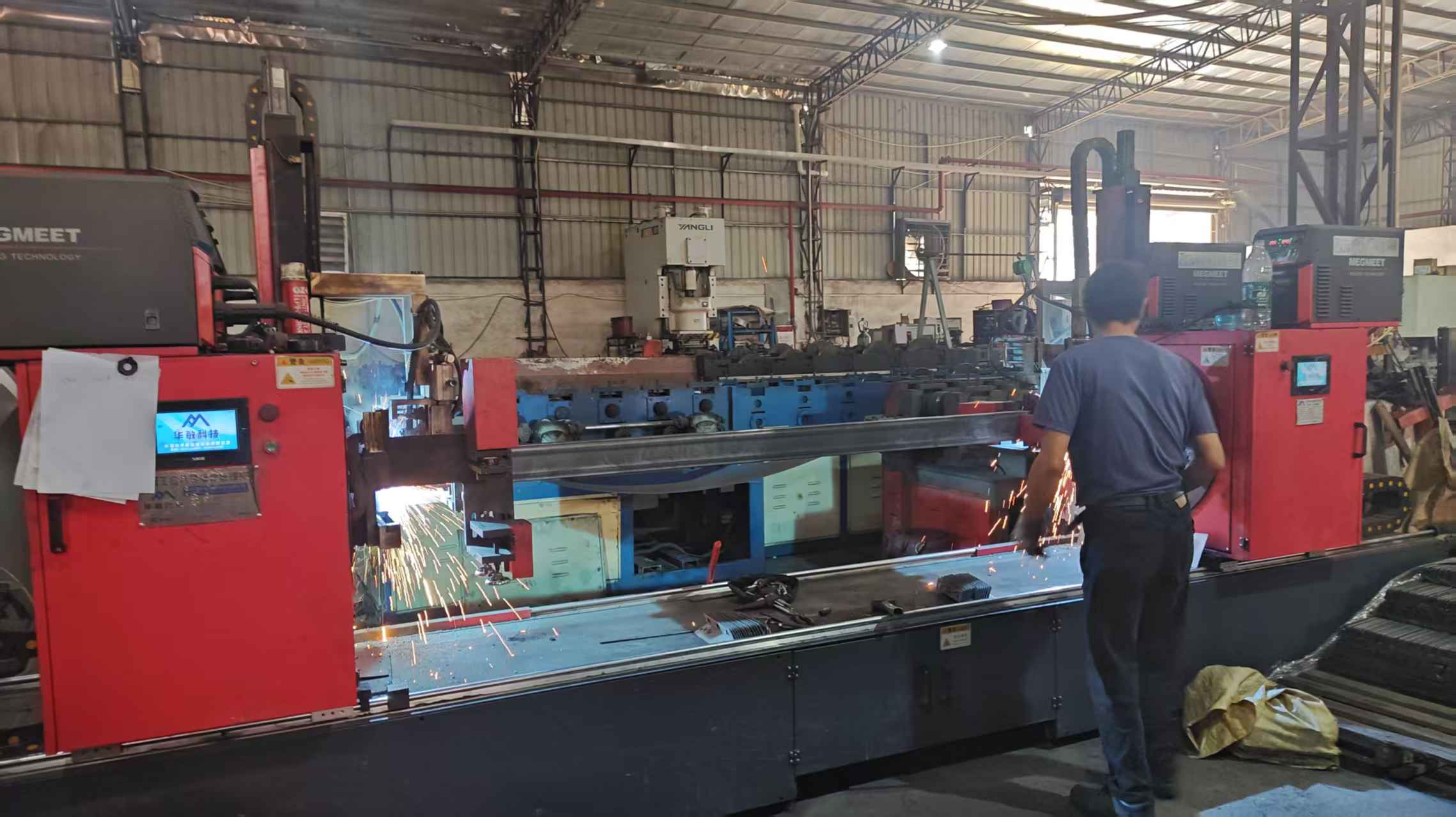
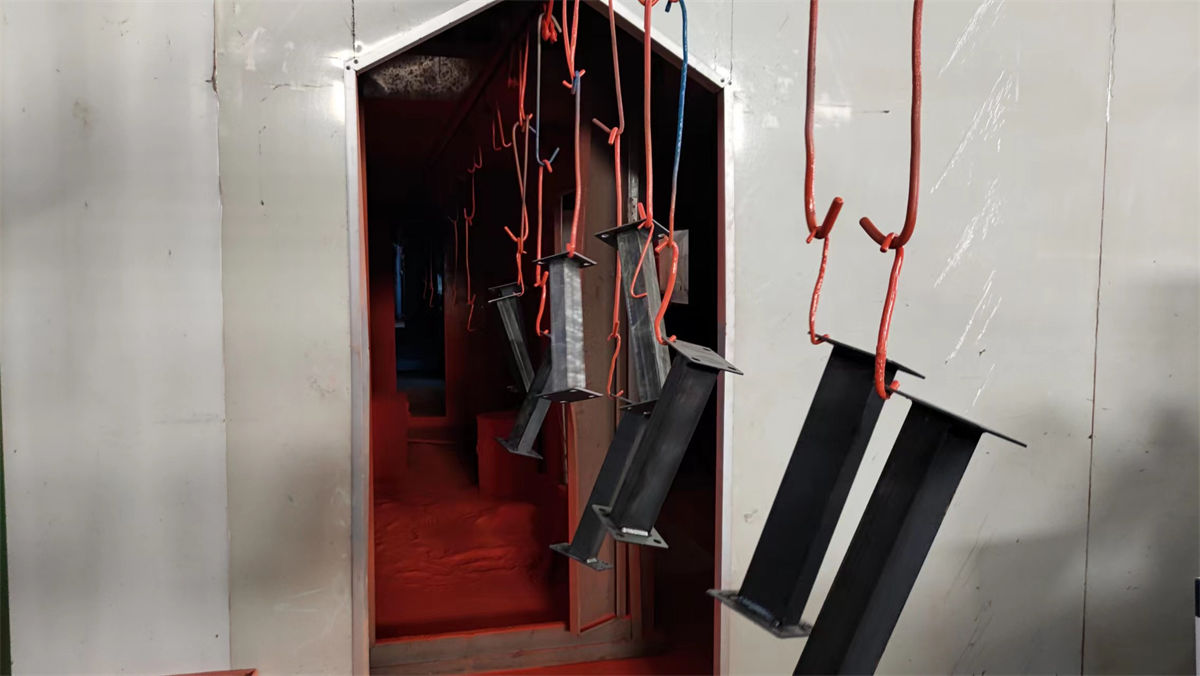
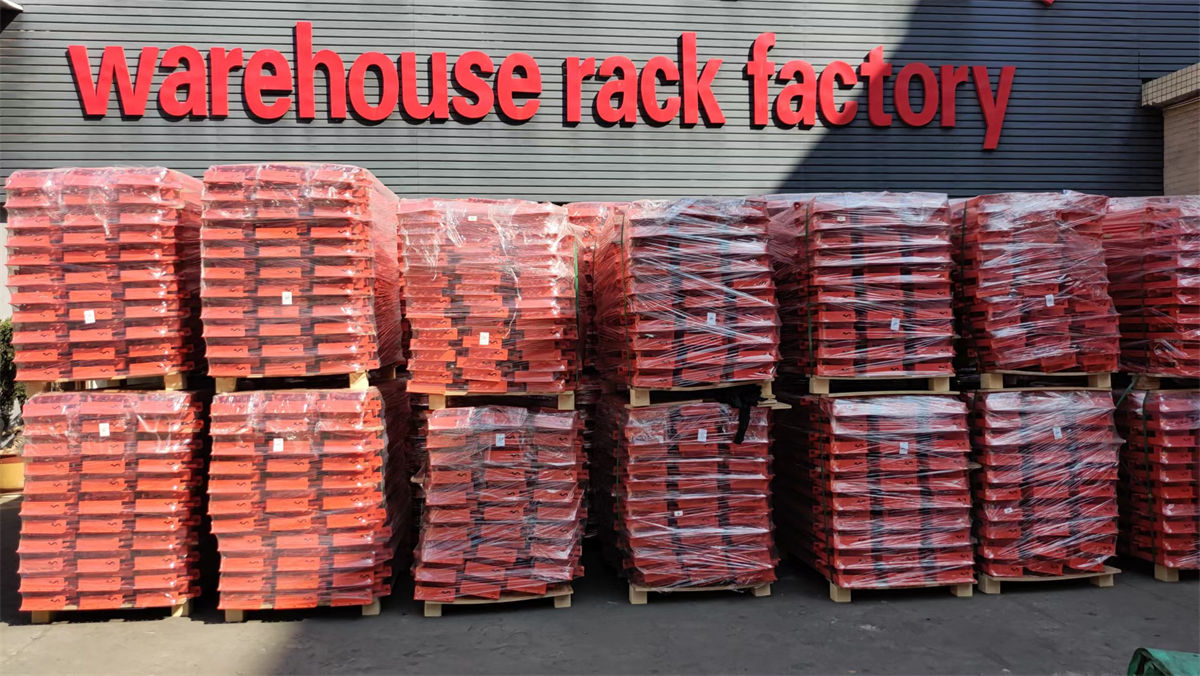
Heavy-duty, custom-fabricated configurations for every layer of the modern supply chain. Fully optimized for maximum warehouse safety and density.
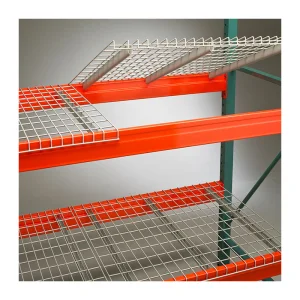
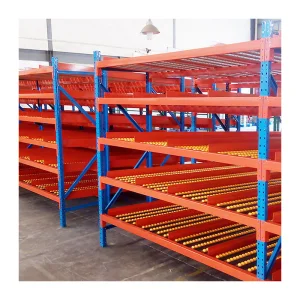
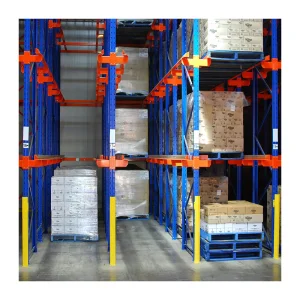
Beyond portable nesting racks, we fabricate structural storage frames for high-density, customized distribution needs.
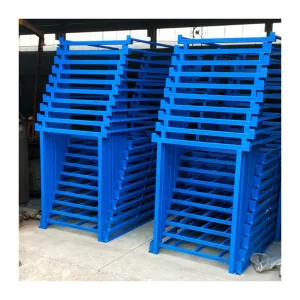
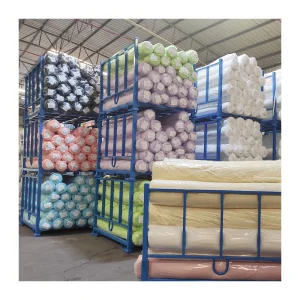
In the high-intensity distribution networks of Paris and broader Western Europe, operational profitability correlates directly with cubic-meter efficiency. The implementation of portable stack racks acts as a key lever in improving warehouse economics.
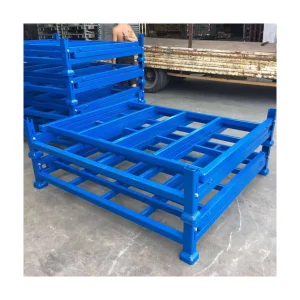
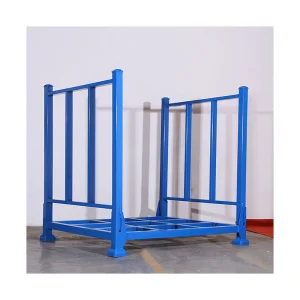
Traditional pallet racking locks a facility into a fixed layout, which can lead to underutilized zones during seasonal lows or changes in product shape. Portable nesting stack racks feature removable or foldable corner posts. When empty, they pack down tightly, reducing their storage footprint by up to 75%. This capability is valuable for shipping lanes between manufacturing centers in Eastern/Central Europe and distribution hubs in France, as it maximizes space on return transports.
We construct our racks using high-grade structural steel. The primary structural components are precision-formed hollow profiles designed to withstand dynamic stress from forklifts during high-elevation placement. Automated robotic welding systems ensure consistent bead penetration and weld thickness, which are critical for maintaining load ratings under high-stack conditions. Automated ultrasonic weld inspections confirm that every assembly leaving our factory meets international safety standards.
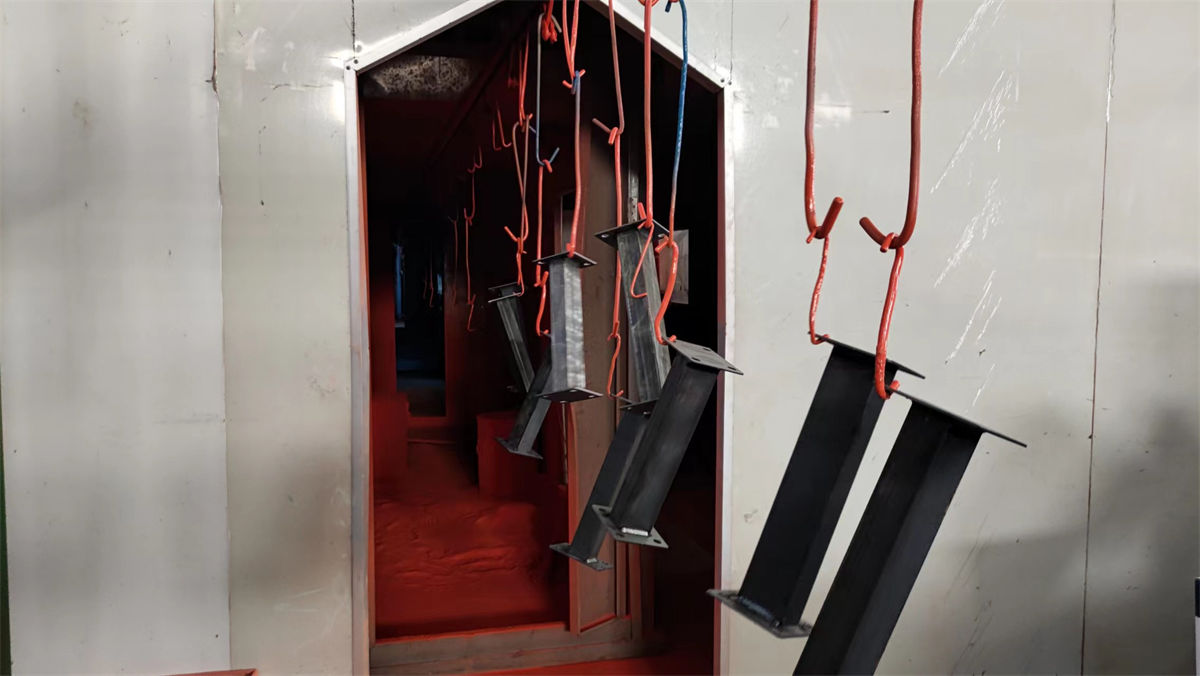
As France enforces stricter environmental regulations under national decarbonization frameworks, the physical footprint of logistics hardware is closely monitored. Because our stack racks fold flat, return shipping runs require fewer trailers, which lowers transportation emissions for 3PLs. Additionally, our powder-coating lines emit zero VOCs and comply with REACH regulations, supporting our clients' corporate sustainability initiatives.
Detailed technical insights for procurement officers, safety managers, and warehouse layout engineers.
Contact our engineering sales team to request load calculations, custom dimension drafts, and factory-direct pricing for the Paris metropolitan area.
Send Inquiry Now Xinmiao Racking