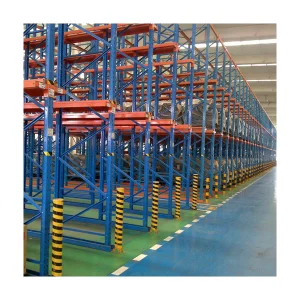
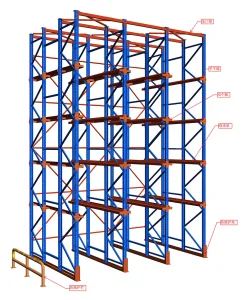
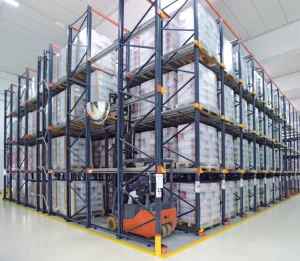
Optimized for deep lane warehouse configurations and structural integrity compliant with regional standards.
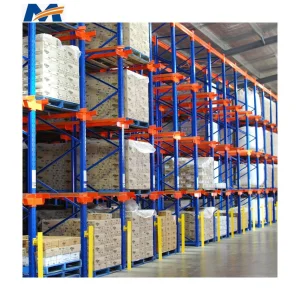


The Seoul Metropolitan Area (SMA) — including Incheon and Gyeonggi-do — constitutes the beating industrial heart of South Korea, handling over 70% of the nation’s total logistics volume. Driven by the exponential growth of local e-commerce leaders, rapid grocery delivery systems (" 새벽배송 "), and advanced manufacturing, the demand for highly efficient storage spaces has soared. However, this industrial boom is constrained by a severe geopolitical and geographical challenge: skyrocketing land prices and limited industrial zoning zones.
Particularly in cold-chain logistics hubs (vital for Seoul’s fresh food delivery networks), energy consumption for temperature maintenance is directly proportional to cubic volume. By utilizing a high-density LIFO (Last-In, First-Out) Drive-in Racking configuration, operators minimize empty space, thereby reducing the thermal load of cold storage units and significantly lowering electricity expenditures. This makes high-density racking not just a structural choice, but a critical energy-saving strategy.
Industrial warehousing in South Korea is subject to strict safety oversight. All racking structures deployed within the Seoul Metropolitan Region must conform to the Korean Building Code (KBC) structural standards. Racking systems must be designed to withstand seismic activities, structural loading stresses, and continuous warehouse vehicle impacts.
Material selection is critical for safety. The table below details the performance characteristics of our industrial grade steel compared against standard structural requirements.
| Steel Grade Standard | Yield Strength (Fy, MPa) | Tensile Strength (Fu, MPa) | Recommended Industrial Use case | Low Temp Adaptability (Cold Room) |
|---|---|---|---|---|
| Q235B (Equivalent to SS400) | 235 | 370 - 500 | Standard dry storage, low-to-medium heights | Fair (suitable above 0°C) |
| Q355B (High Tensile) | 355 | 470 - 630 | Heavy-duty systems, tall structures, high bays | Good (suitable down to -15°C) |
| Q355D (Special Low-Temp) | 355 | 470 - 630 | Deep-freeze storage (-25°C to -40°C) | Excellent (impact tested at -20°C) |
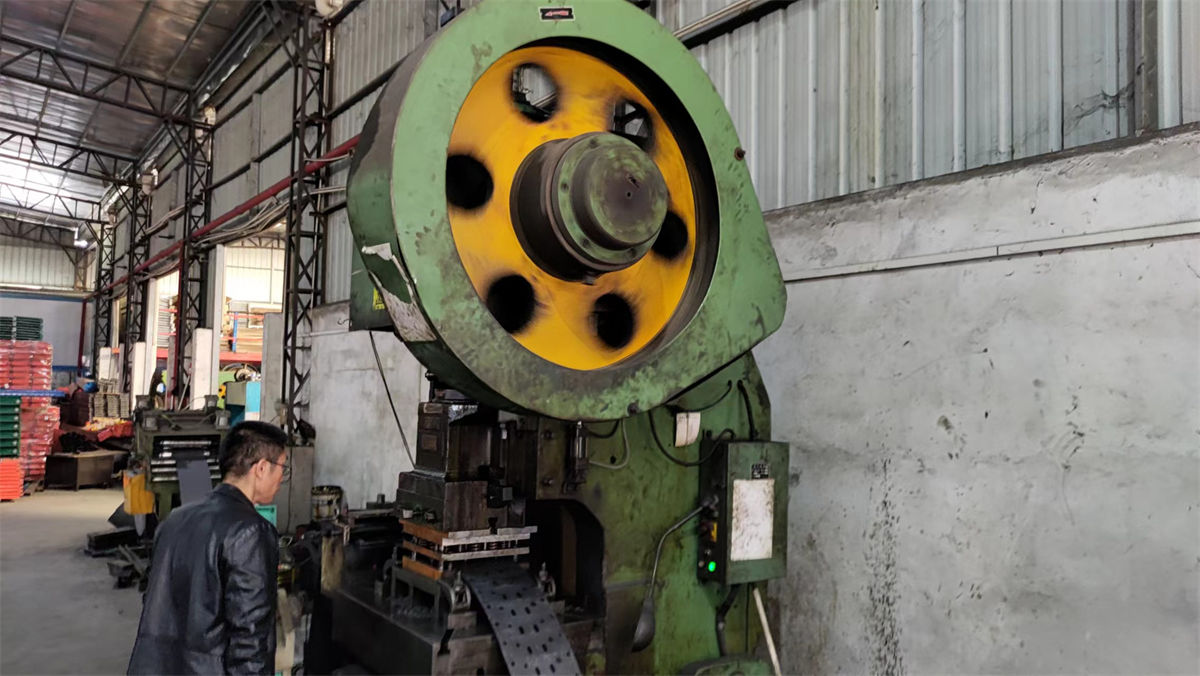
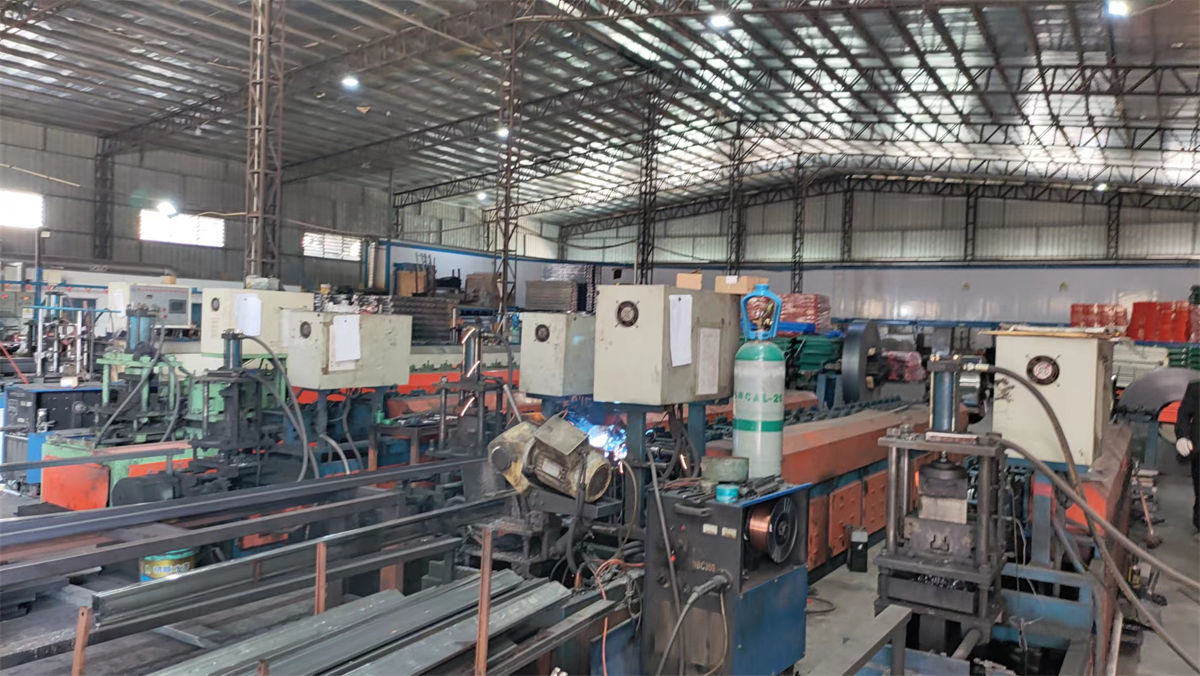
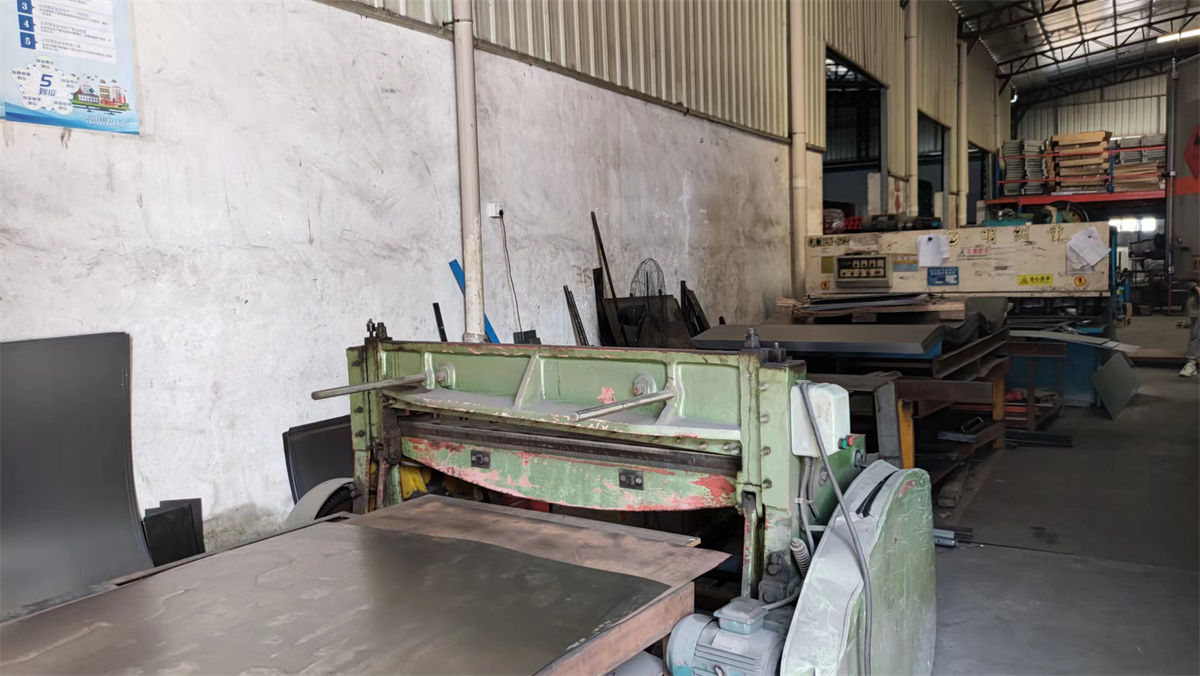
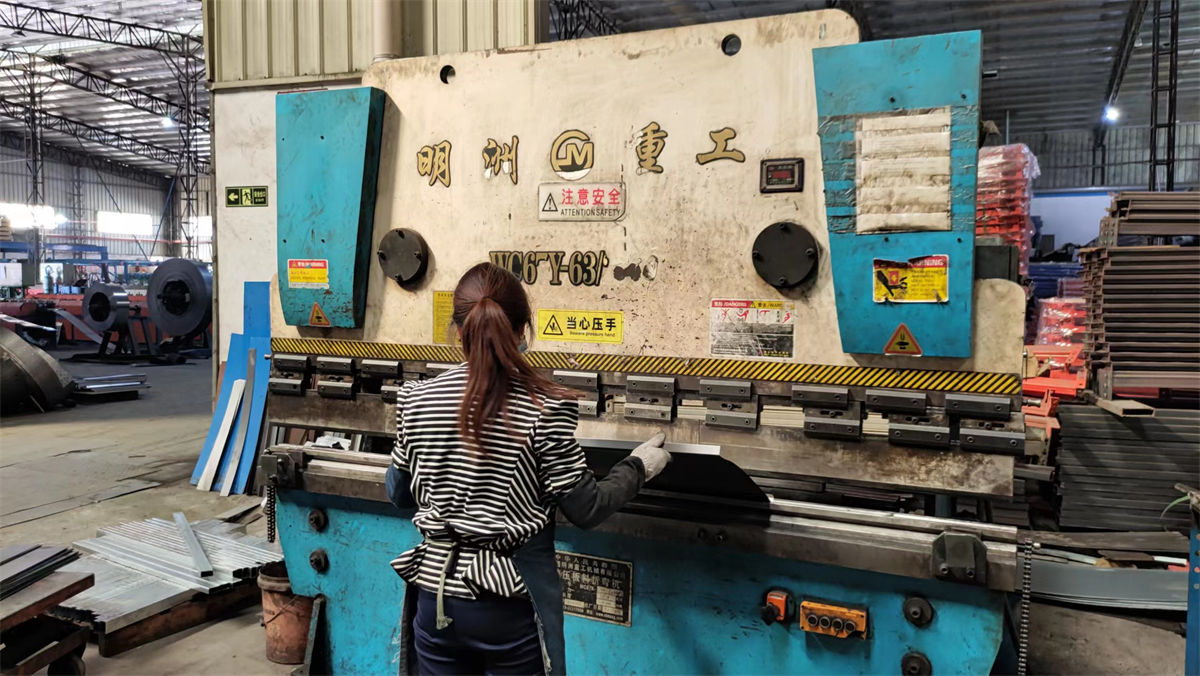
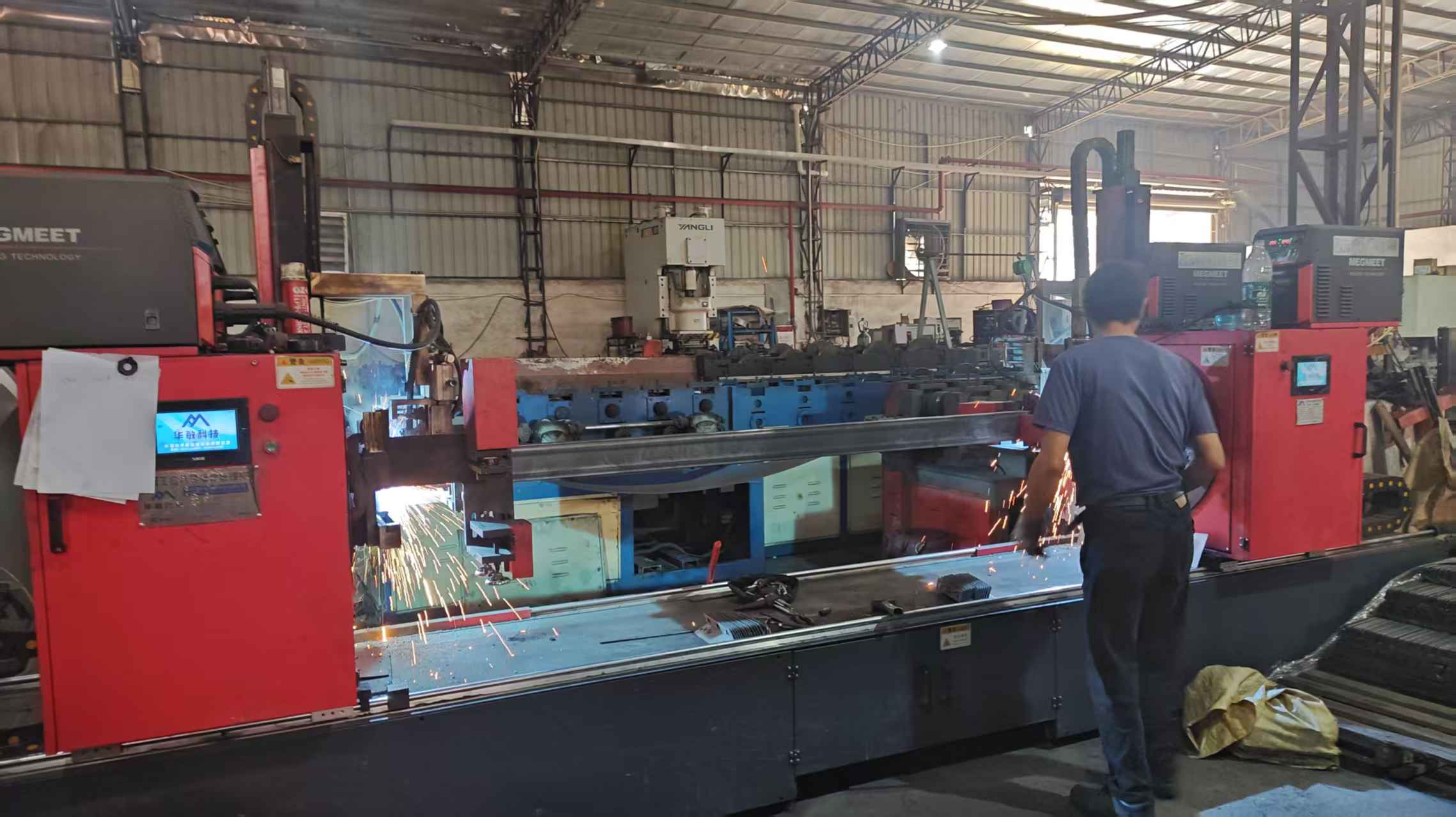
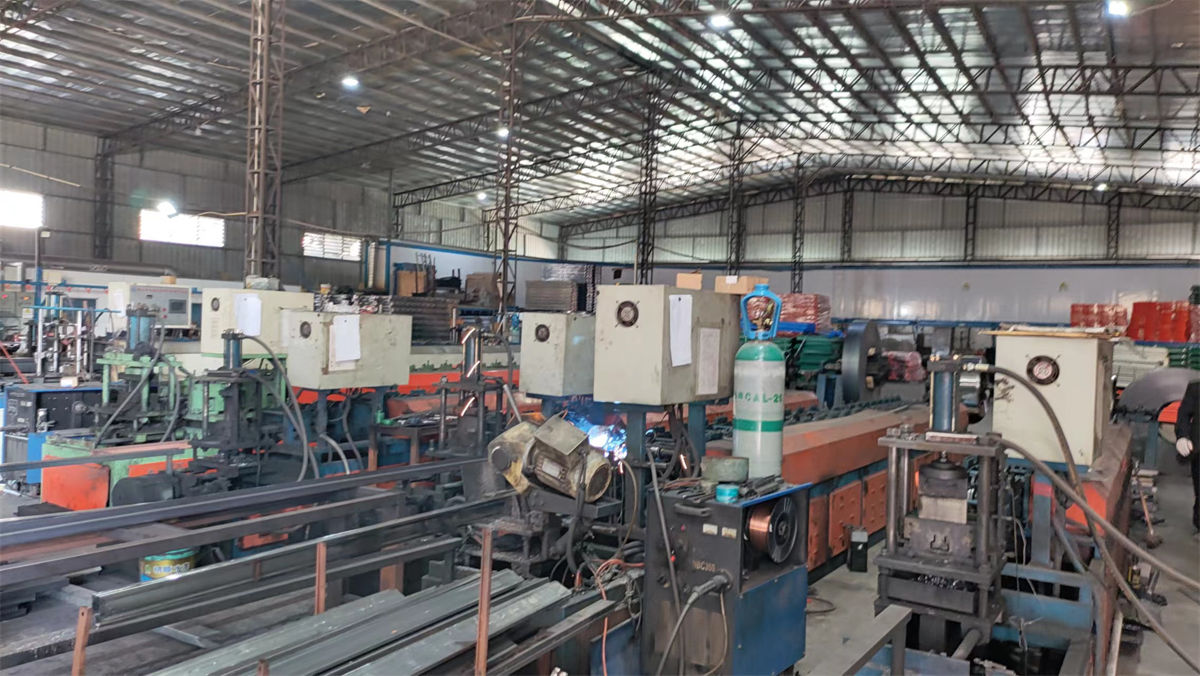
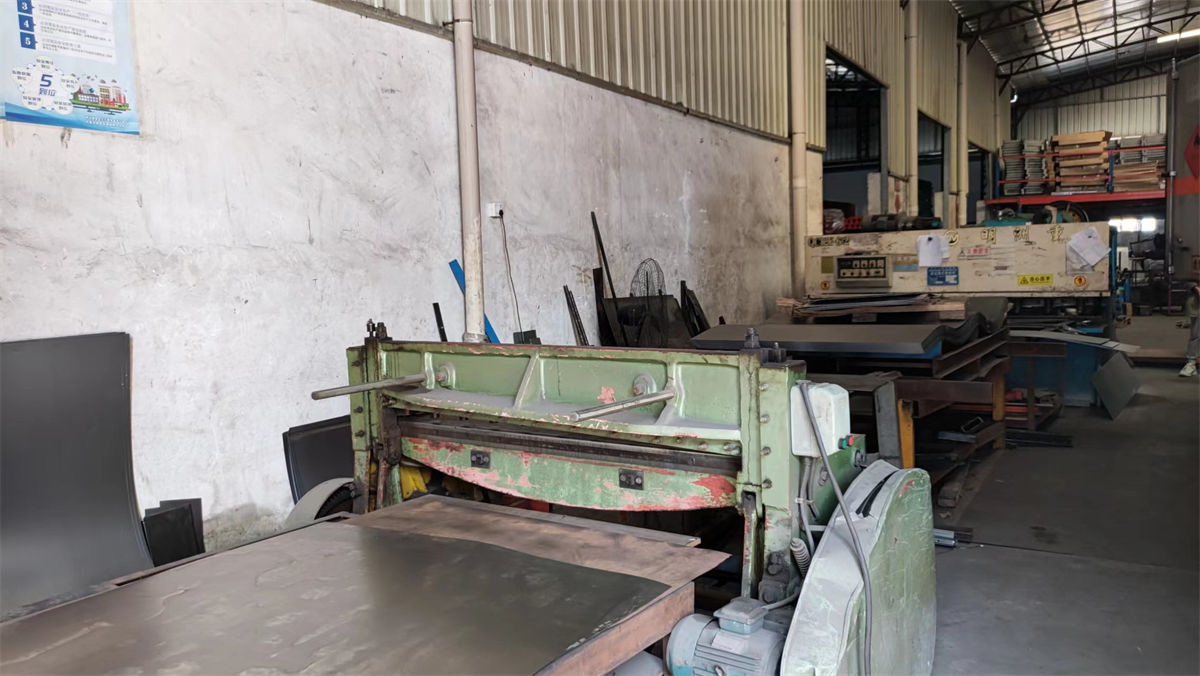
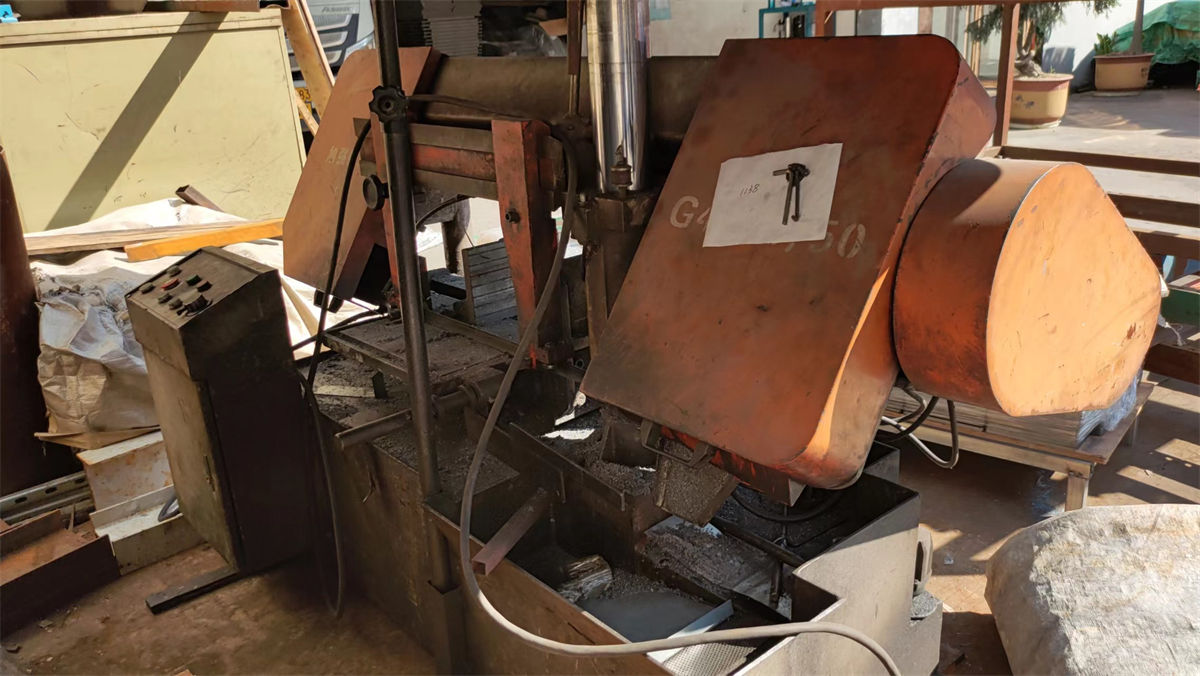
Corporate Manufacturing Capability: Established in 2015, Ningbo Xinmiao Storage Equipment Co., Ltd. is a leading manufacturer specializing in heavy-duty pallet racking, industrial shelving, and intelligent warehouse storage systems. Spanning a modern manufacturing facility of over 35,000 square meters, we have dedicated over 14 years to the industry, providing robust and reliable storage solutions to global enterprise clients. With 8 years of direct export experience, our products are trusted in key markets across North America, Europe, Southeast Asia, and the Middle East, generating an annual export revenue exceeding $18 million.
Quality and structural integrity are at the core of our manufacturing philosophy. Backed by a strong network of over 800 supply chain partners, our operation is supported by a dedicated team of 25 Quality Control (QC) specialists. We implement comprehensive non-destructive testing (NDT), load-bearing stress evaluations, and automated ultrasonic weld inspections to ensure that every rack meets stringent international safety standards.
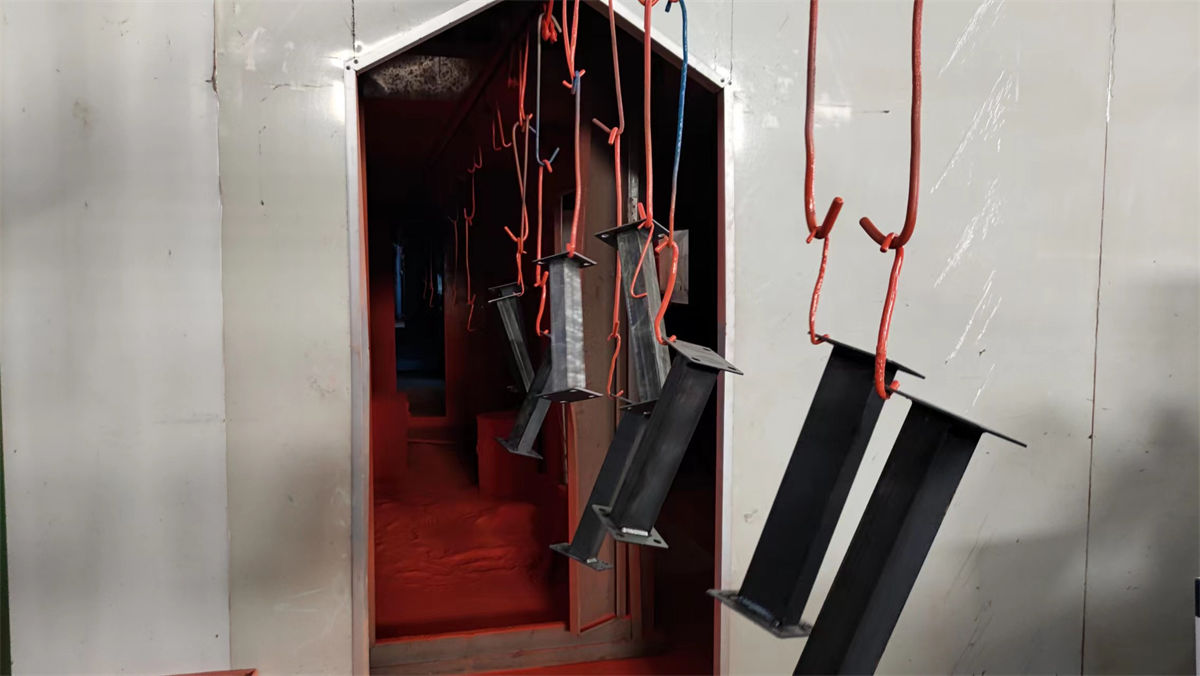
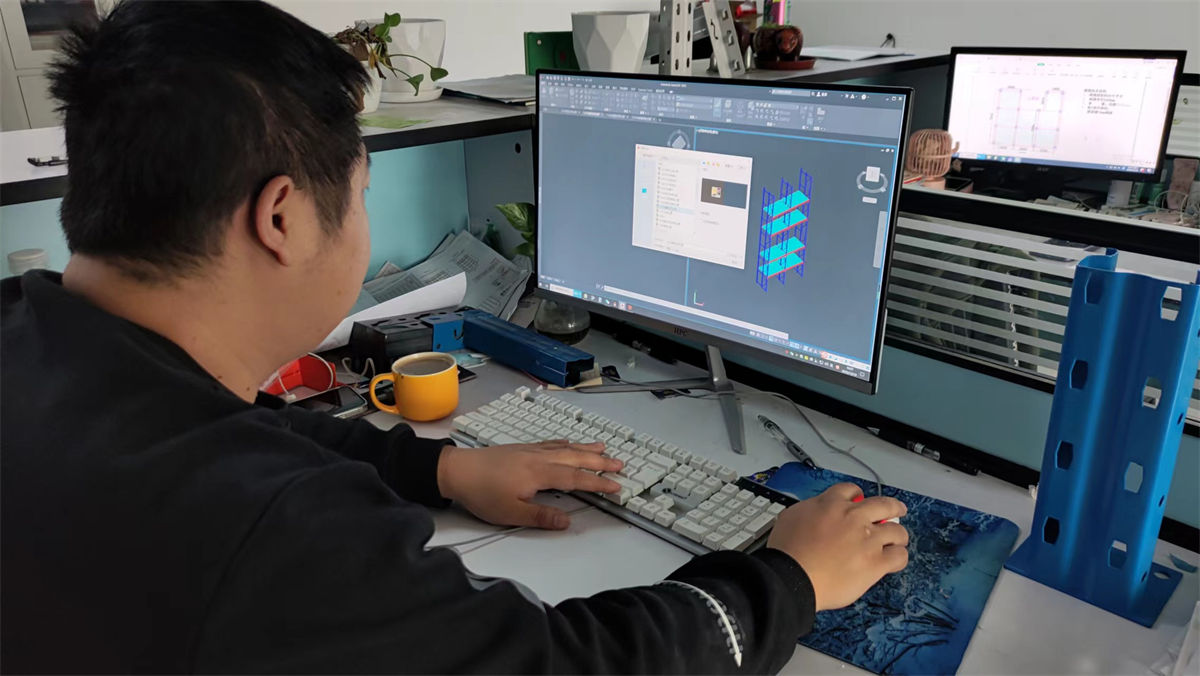
As an export-oriented manufacturer, we primarily serve third-party logistics (3PL) providers, global distributors, and large-scale industrial enterprise clients. Driven by a highly skilled team of 18 R&D engineers, we offer strong OEM/ODM and full custom-tailoring capabilities—from structural engineering and custom dimensions to specialized powder-coating finishes. Continuously advancing warehouse technology, we launched 45 new innovative products last year to support our global partners in optimizing space and efficiency.
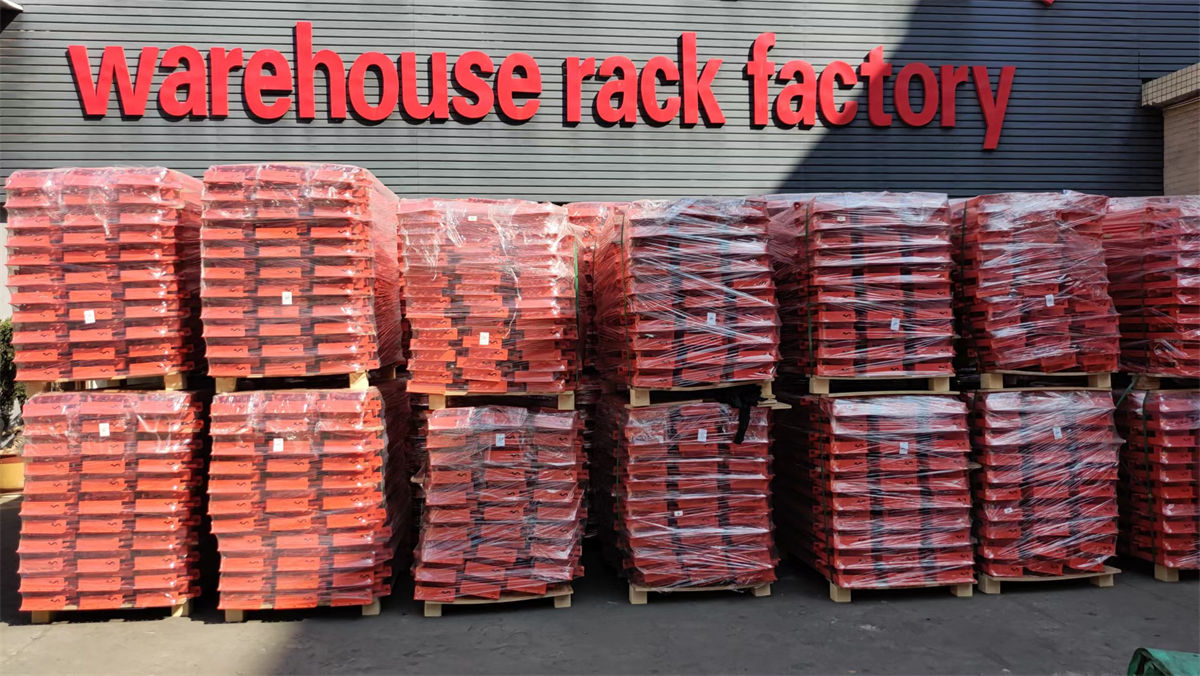
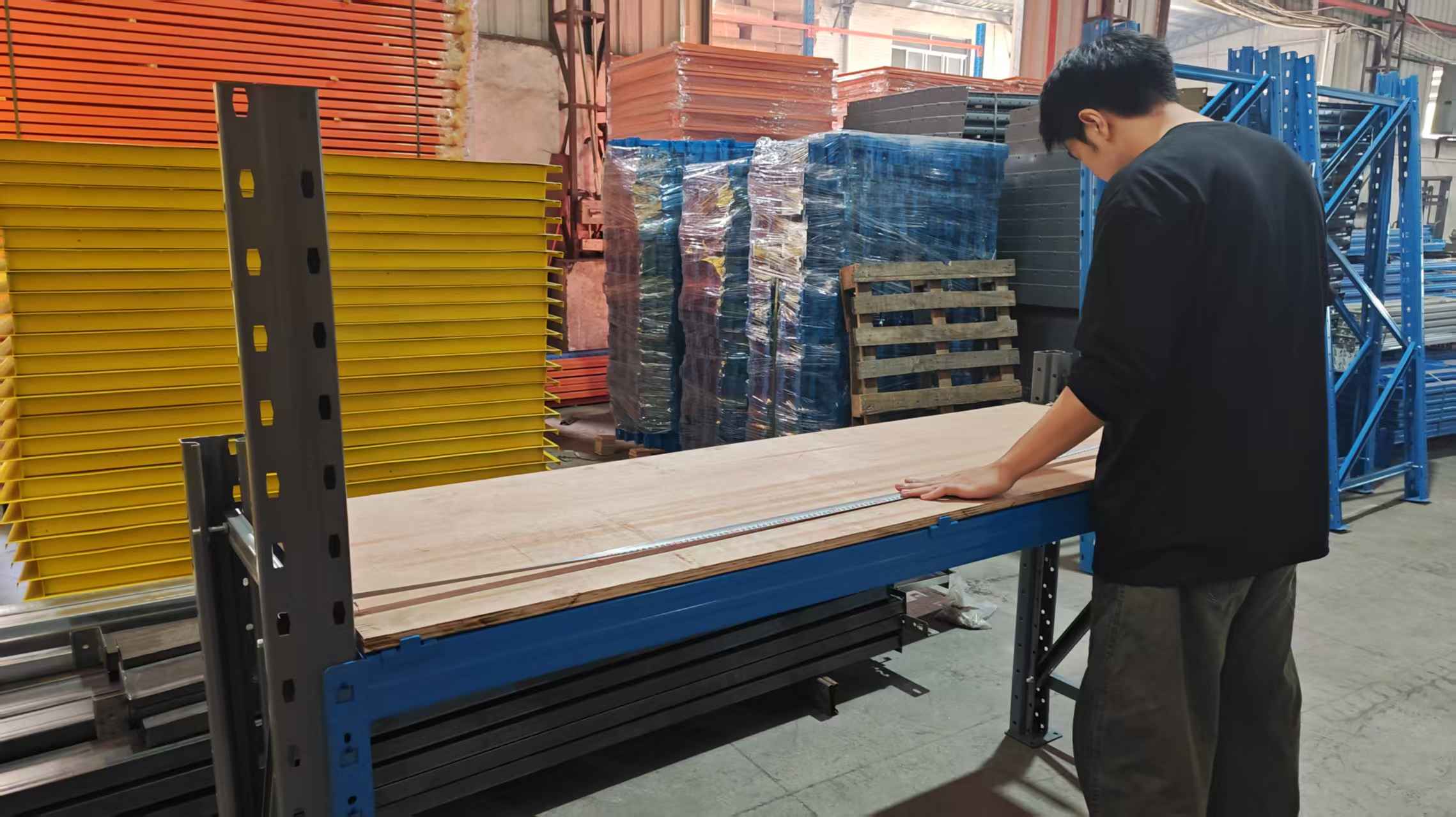
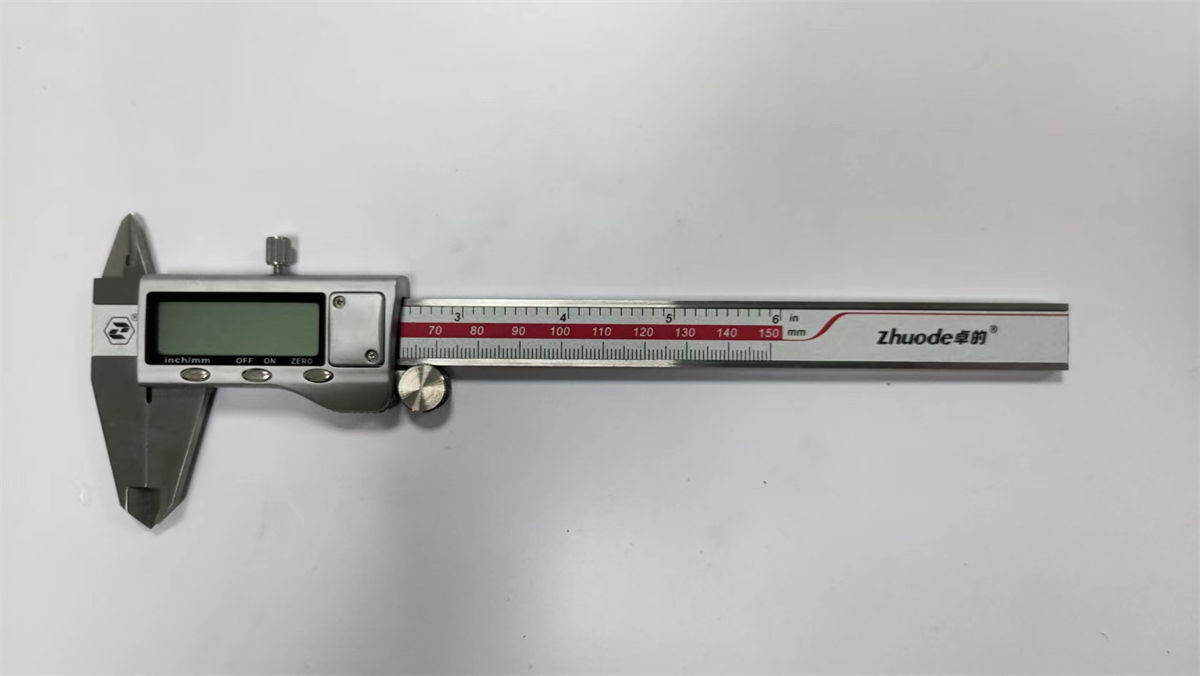
Explore our integrated manufacturing workflows, high-precision tooling, and quality assurance stations.
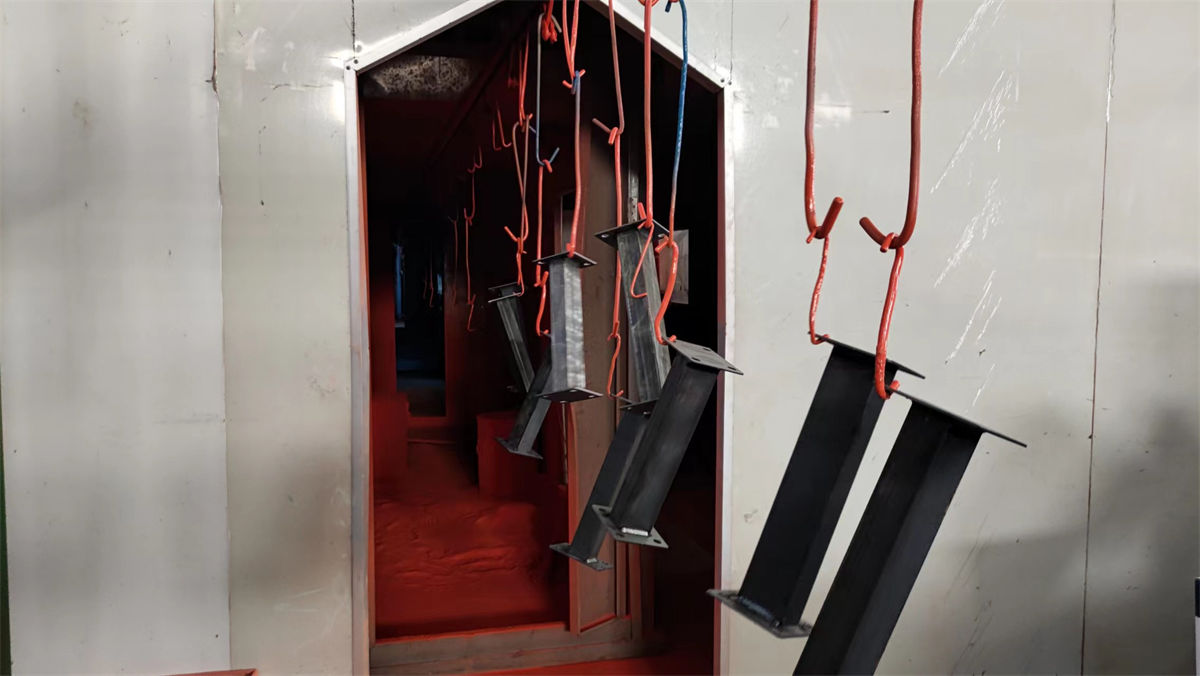
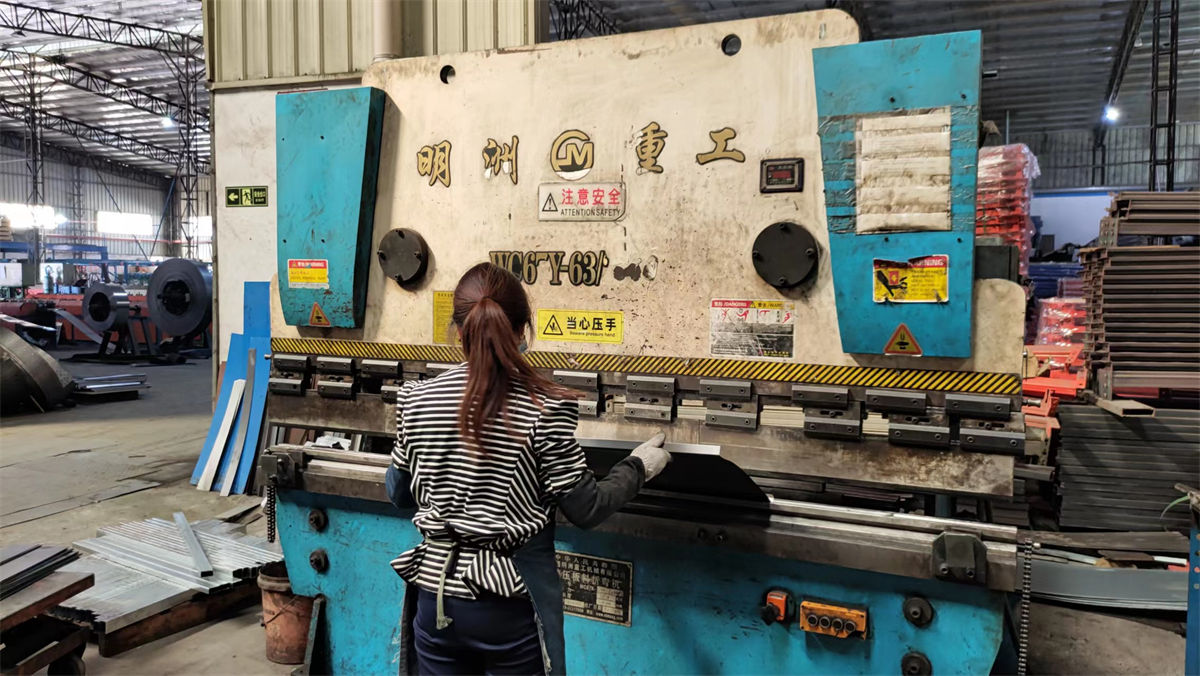
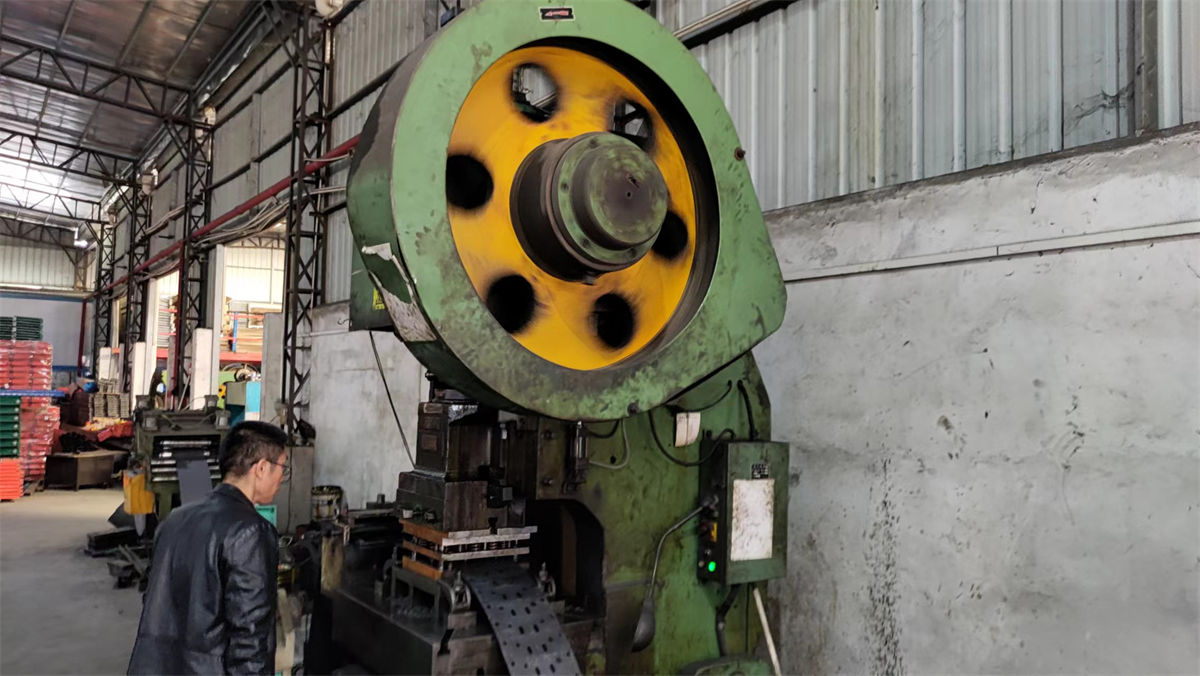
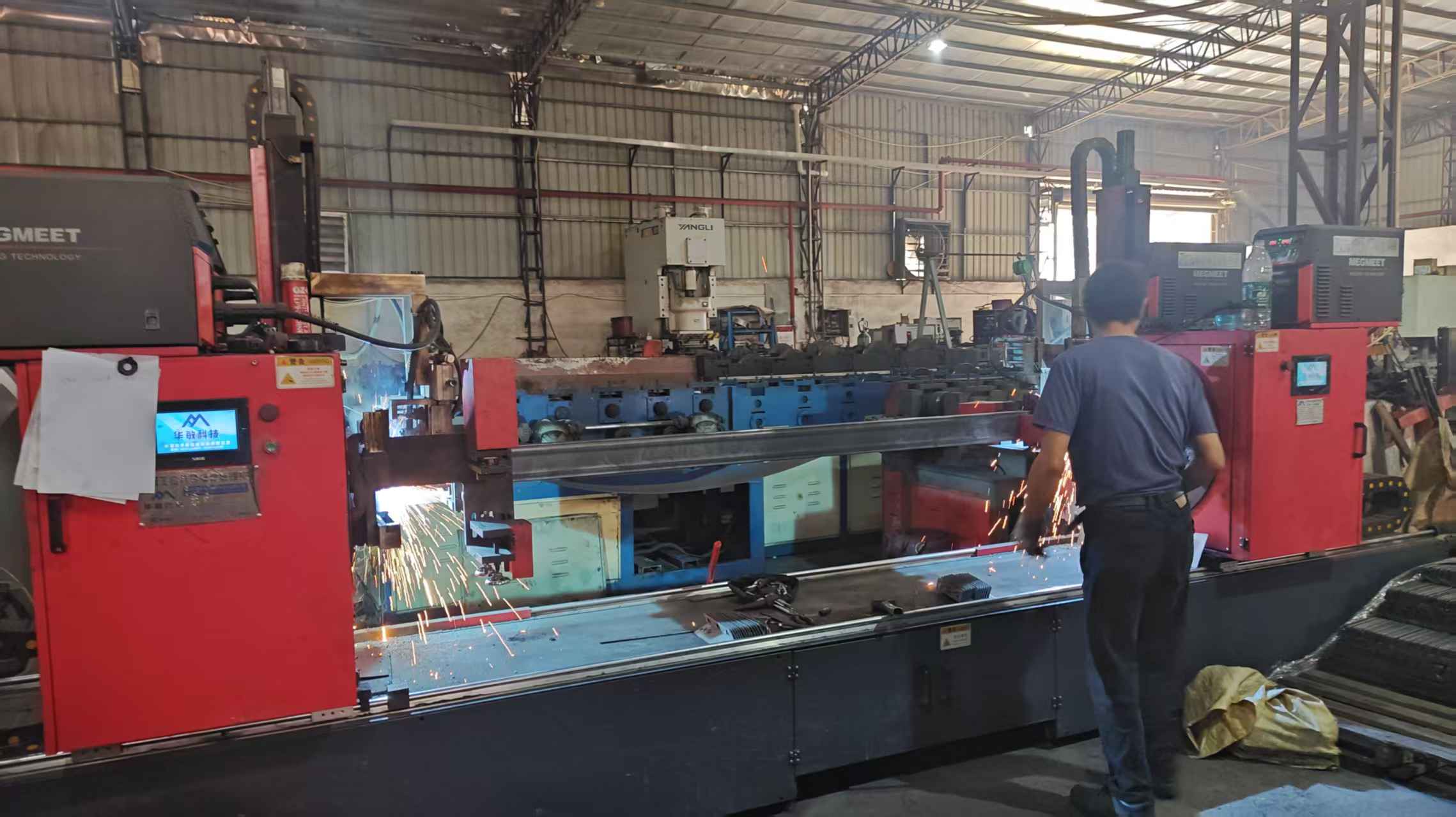
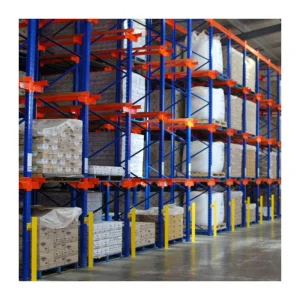
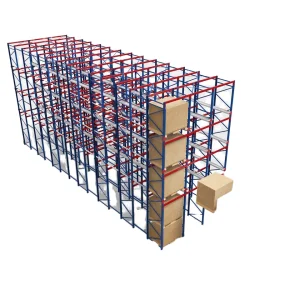
Cold storage facilities operate under demanding cost models. Because energy costs compound with volume, optimizing spatial density is critical. Drive-In racking limits wide forklift access lanes, replacing them with narrow storage bays where pallets are stored on continuous structural rails. This consolidation minimizes thermal leakage and increases temperature stability across deep lanes, keeping energy costs low.
Gyeonggi-do is home to major automotive assembly facilities. Standard selective racks fail to efficiently house seasonal tires or bulky automotive parts. Our custom tire racking configurations, supporting static layer capacities of up to 5000 kg, provide optimal vertical density while preventing damage to sensitive components during storage.
High-turnover goods require high batch uniformity. Drive-in systems operate on a LIFO schedule, ideal for high-density storage of homogeneous goods. Whole production runs can be loaded into single deep-bay channels, reducing overall handling times and maximizing throughout.
A key decision factor for procurement managers in Seoul is logistics optimization. Sourcing storage solutions directly from Ningbo provides significant cost advantages over domestic Korean manufacturers, without sacrificing quality or delivery timelines.
Detailed engineering and logistical answers for systems procurement, installation, and compliance.
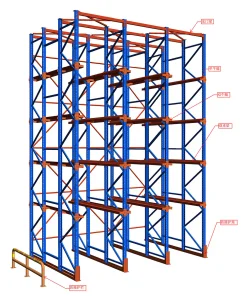
Selective racking utilizes dedicated aisles between every back-to-back rack configuration, offering 100% immediate pallet access (suitable for high SKU counts). Drive-In racking eliminates these access aisles. Forklifts drive directly into the racking structure to deposit or retrieve pallets on continuous horizontal rails. This design increases storage density by up to 75-80% over selective racking, making it ideal for LIFO logistics models with high-volume, single-SKU operations.
Yes. Our engineering division performs comprehensive Finite Element Analysis (FEA) based on the Korean Building Code (KBC 2016/2020) and Eurocode 3 standards. By utilizing high-tensile steel (Q355B/Q355D) combined with heavier baseplates, specialized column bracing, and extra floor anchors, our systems are designed to withstand structural loads and local seismic forces.
Production cycles typically take 20 to 25 days from final design approval to factory gate release. Sea transport from Ningbo Port to Incheon Port or Busan Port takes 2 to 4 days, followed by 1 to 2 days for customs clearance and regional transport. The overall timeline from purchase order to site delivery averages 30 days.
We use multiple levels of mechanical protection: 1) Structural steel ground guide rails to align the forklift within the lane; 2) Heavy-gauge column guards and post protectors filled with shock-absorbing inserts; 3) Bright yellow or orange powder coat finishes for high operator visibility inside the dark storage lanes.
Our cold storage racking is manufactured using Q355D steel, specifically formulated and impact-tested to retain structural integrity at temperatures down to -40°C. This makes them highly suitable for blast freezing operations and frozen food storage hubs across South Korea.
Browse our complete range of certified heavy-duty storage configurations.




Need customized space planning for your facility? Get comprehensive layout designs, seismic structural analyses, and detailed quotations tailored to your operational requirements.
Send Inquiry Now Xinmiao Racking