Engineered to optimize dense warehousing logistics and resist sub-zero environmental degradation.
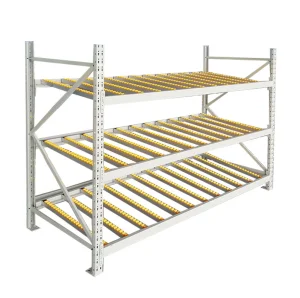
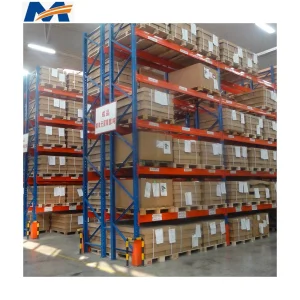
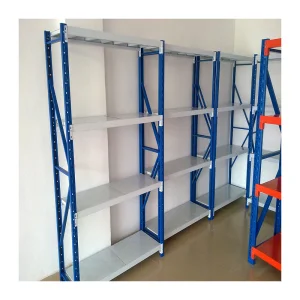

An analysis of operational demands and spatial economics in temperature-controlled warehouses.
Global cold chain logistics have shifted from simple preservation to rapid-flow supply networks, driven by demand for fresh groceries, frozen foods, and temperature-sensitive biopharmaceuticals. Running a sub-zero facility involves high overhead, particularly the energy required to maintain temperatures from 0°C to -30°C. In this environment, footprint optimization directly influences profitability. Standard selective racking often proves inefficient, prompting operators to adopt high-density solutions like Drive-In, Radio Shuttle, and Mobile Racking systems.
Maximizing cubic volume utilization reduces thermal load dispersion. Unused aisle space in a cold room represents lost revenue and unnecessary energy expenditure. By eliminating unnecessary aisles, high-density cold storage systems can increase storage capacity by up to 80% compared to traditional configurations, helping to manage both capital expenses and long-term operational costs.
Operating in cold environments requires specialized structural design. Low temperatures affect structural steel, accelerating metal fatigue and lowering impact resistance—a phenomenon known as cold brittleness. Standard structural steel (like Q235B) can become brittle under extreme cold, increasing the risk of structural failure from forklift impacts.
To address this, leading manufacturers use high-strength, impact-tested steel grades such as Q355D or Q355E. These steels undergo Charpy V-Notch impact testing at sub-zero temperatures to ensure they retain ductility. In addition, moisture from humidity changes and air defrost cycles can lead to corrosion. As a result, surface treatments like hot-dip galvanizing and low-temperature-cured electrostatic powder coatings are standard requirements for cold room structural integrity.
Providing Engineered Industrial Storage Solutions and Global Supply Capabilities since 2015.
Established in 2015, Ningbo Xinmiao Storage Equipment Co., Ltd. is a manufacturer specializing in heavy-duty pallet racking, industrial shelving, and intelligent warehouse storage systems. Operating from a modern manufacturing facility of over 35,000 square meters, our team brings over 14 years of industry experience to providing storage solutions for global enterprise clients. With 8 years of direct export experience, our products are used in key markets across North America, Europe, Southeast Asia, and the Middle East, generating an annual export revenue exceeding $18 million.
Quality and structural integrity are central to our manufacturing process. Supported by a network of over 800 supply chain partners, our operations are overseen by a dedicated team of 25 Quality Control (QC) specialists. We conduct comprehensive non-destructive testing (NDT), load-bearing stress evaluations, and automated ultrasonic weld inspections to ensure that every racking component meets international safety standards.
As an export-oriented manufacturer, we primarily serve third-party logistics (3PL) providers, global distributors, and large-scale industrial enterprise clients. Driven by a highly skilled team of 18 R&D engineers, we offer strong OEM/ODM and full custom-tailoring capabilities—from structural engineering and custom dimensions to specialized powder-coating finishes. Continuously advancing warehouse technology, we launched 45 new innovative products last year to support our global partners in optimizing space and efficiency.
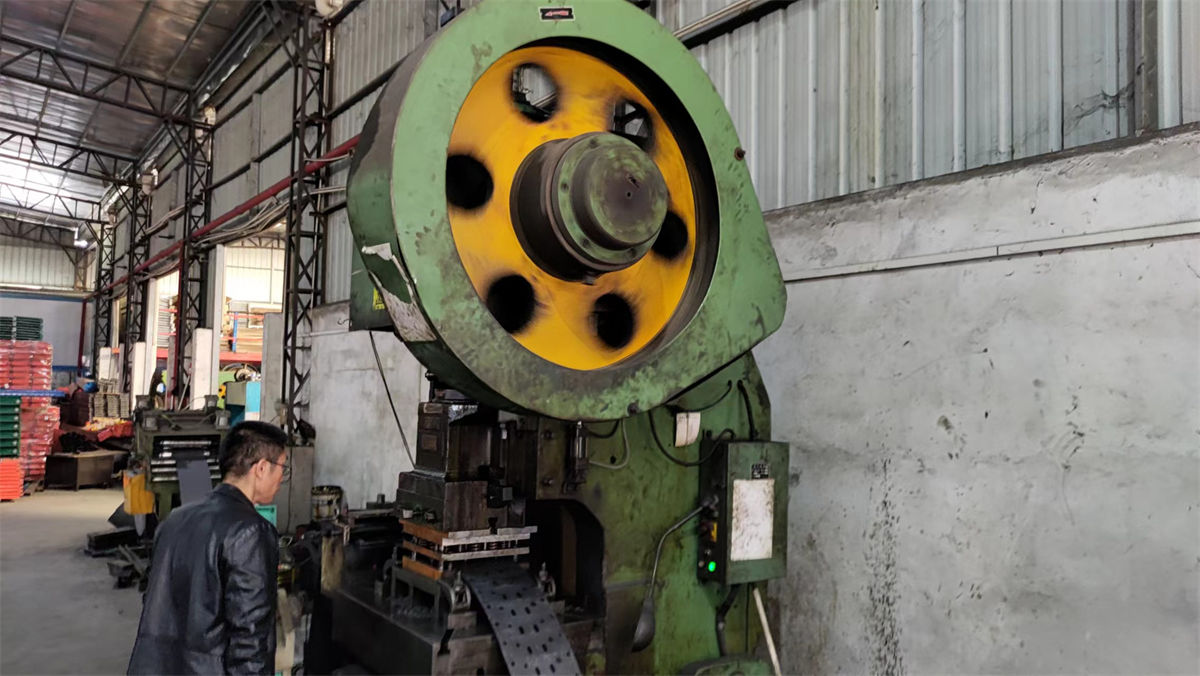
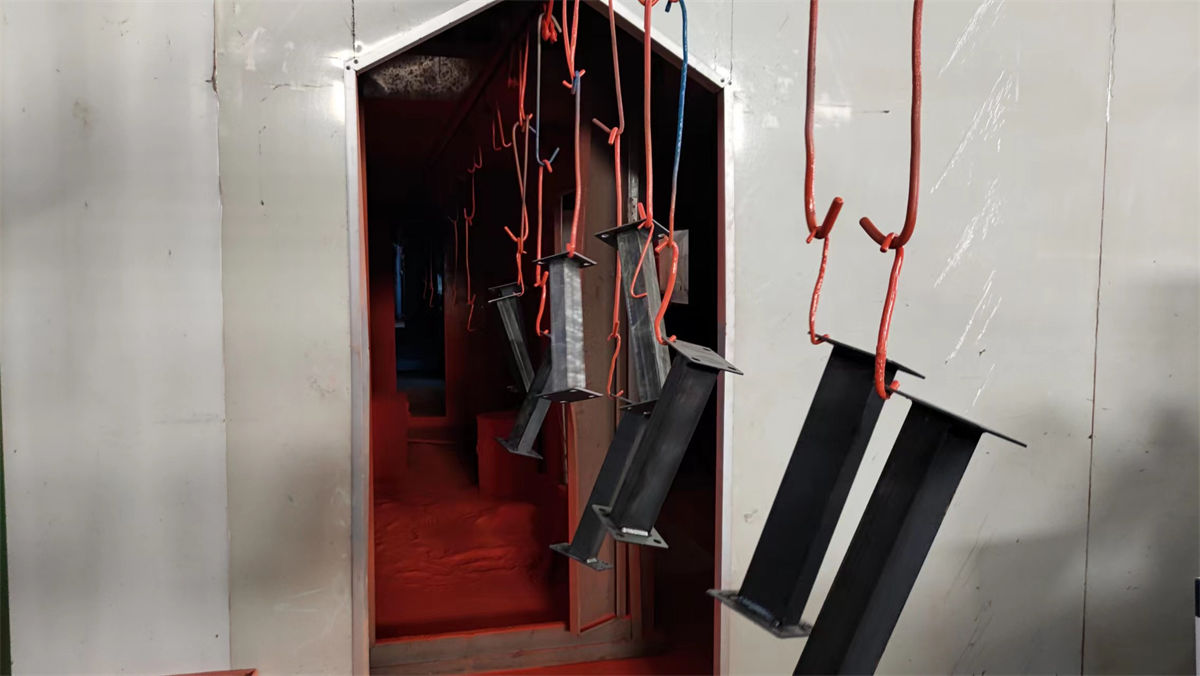
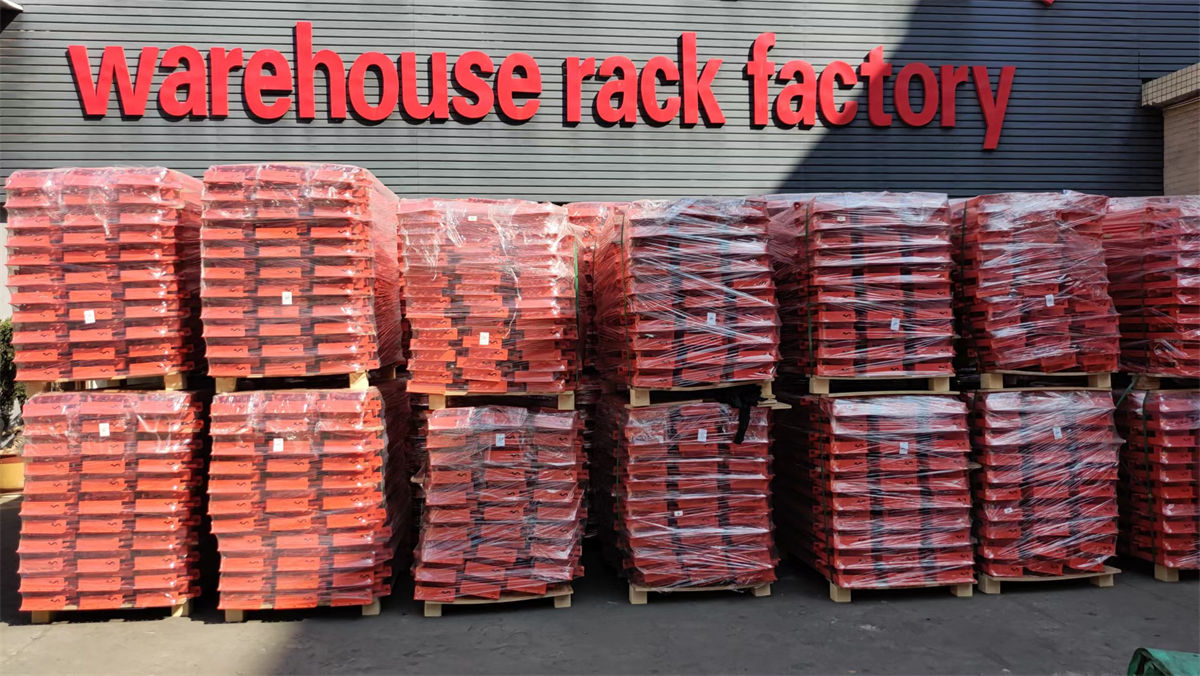
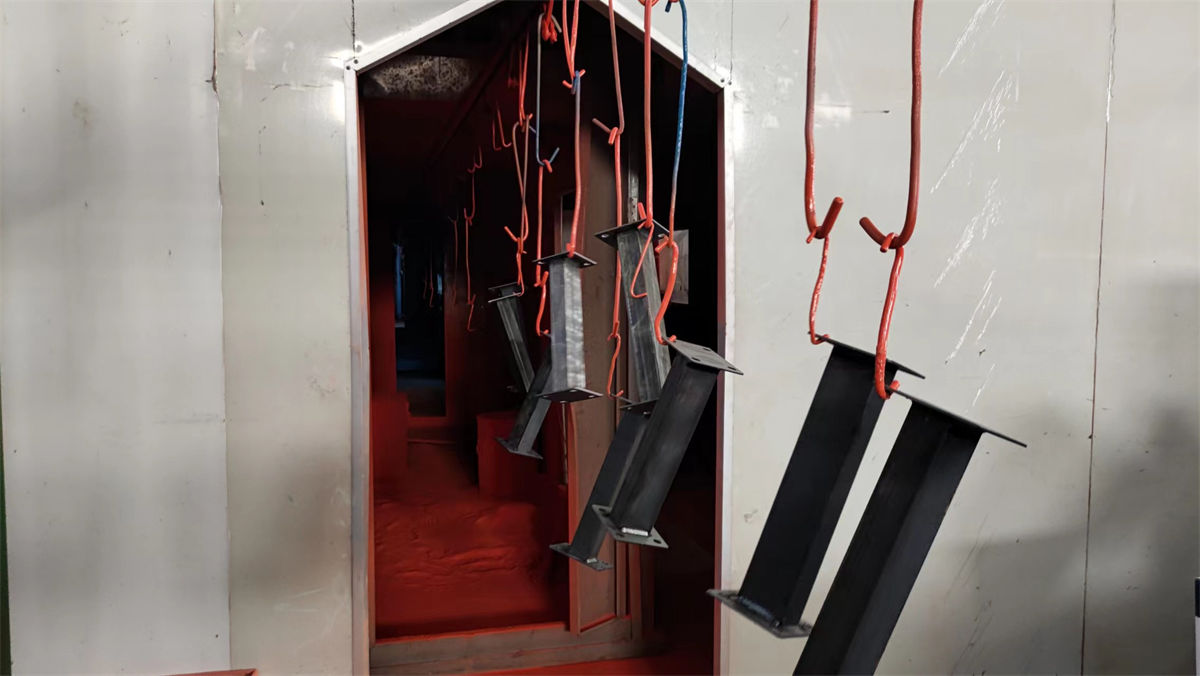
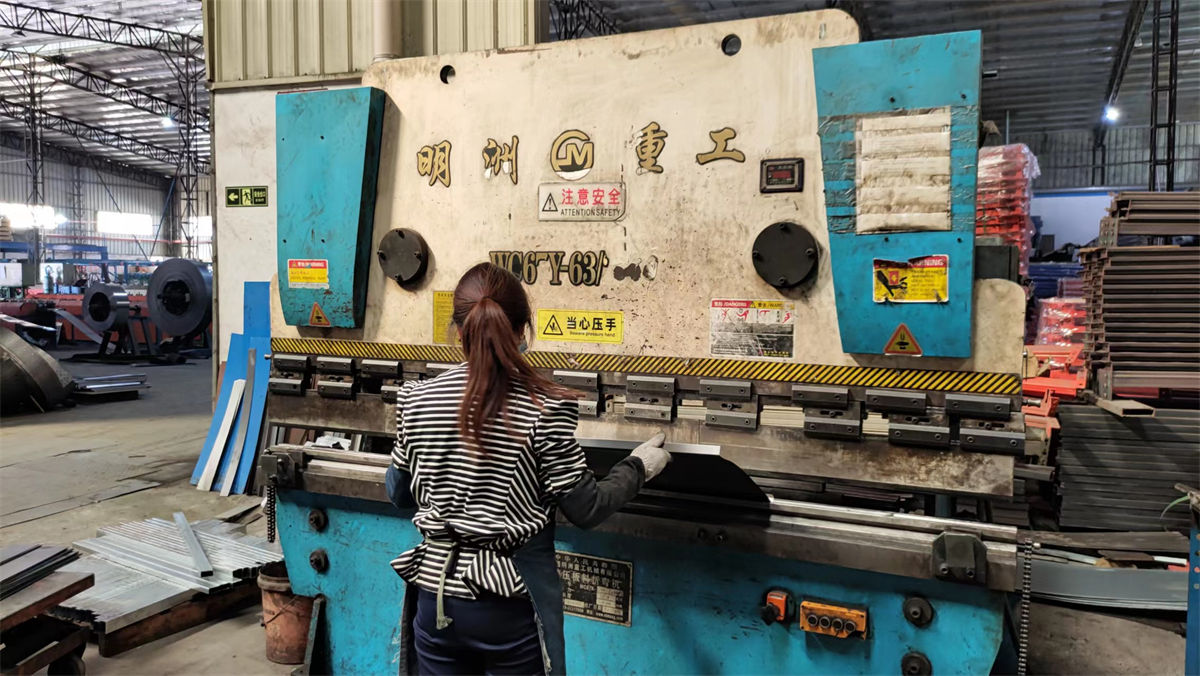
Our end-to-end manufacturing and QA processes utilize modern machinery for precision cold-formed steel fabrication.
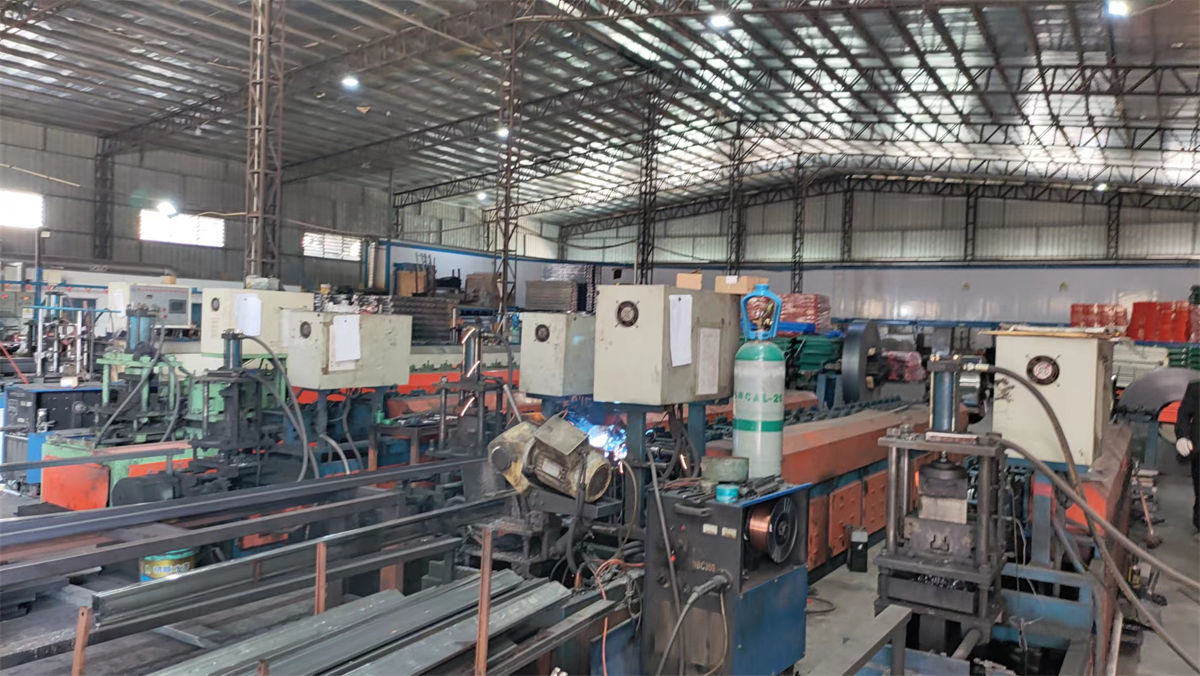
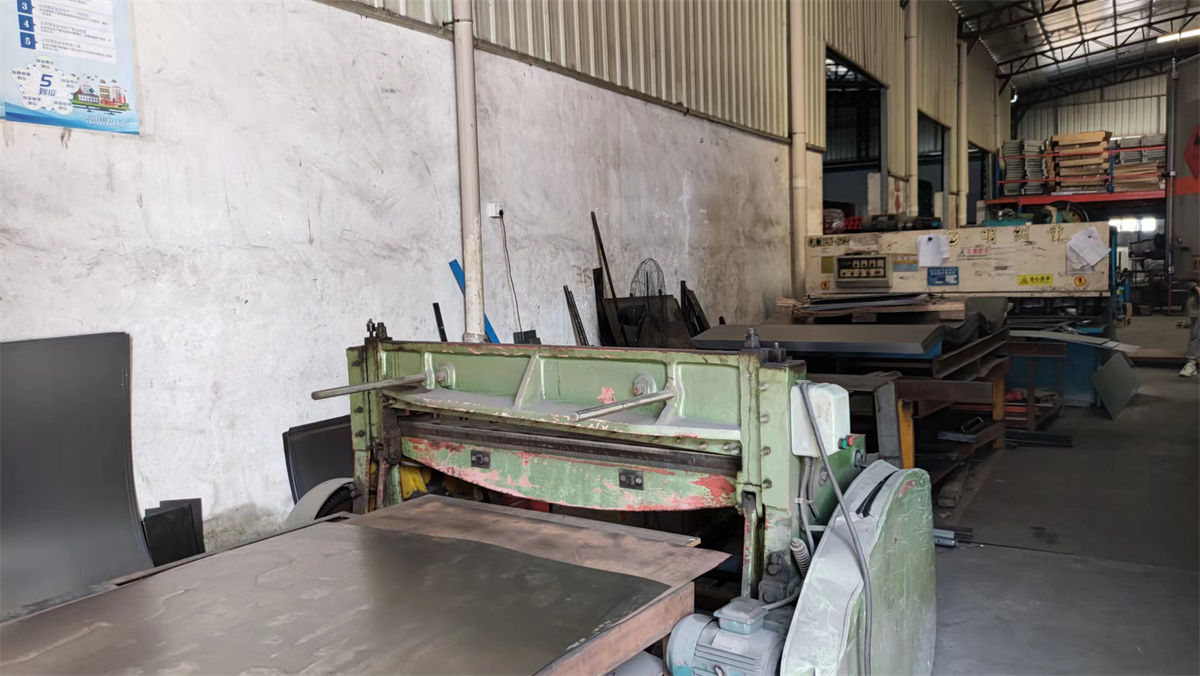
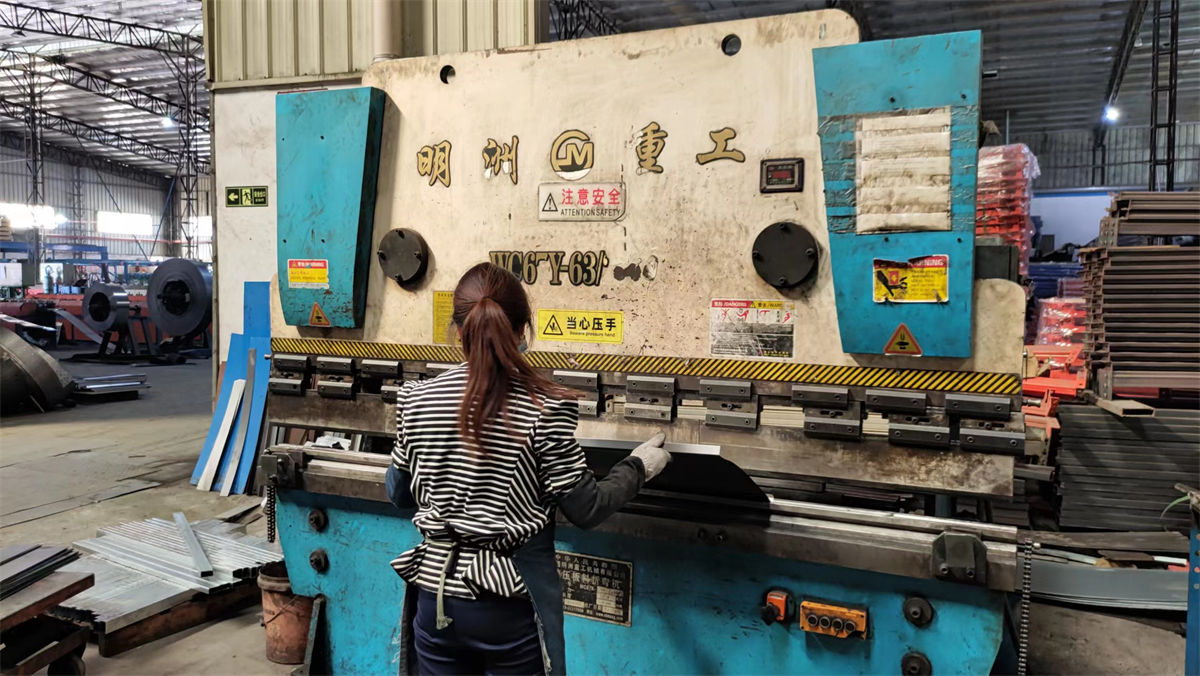
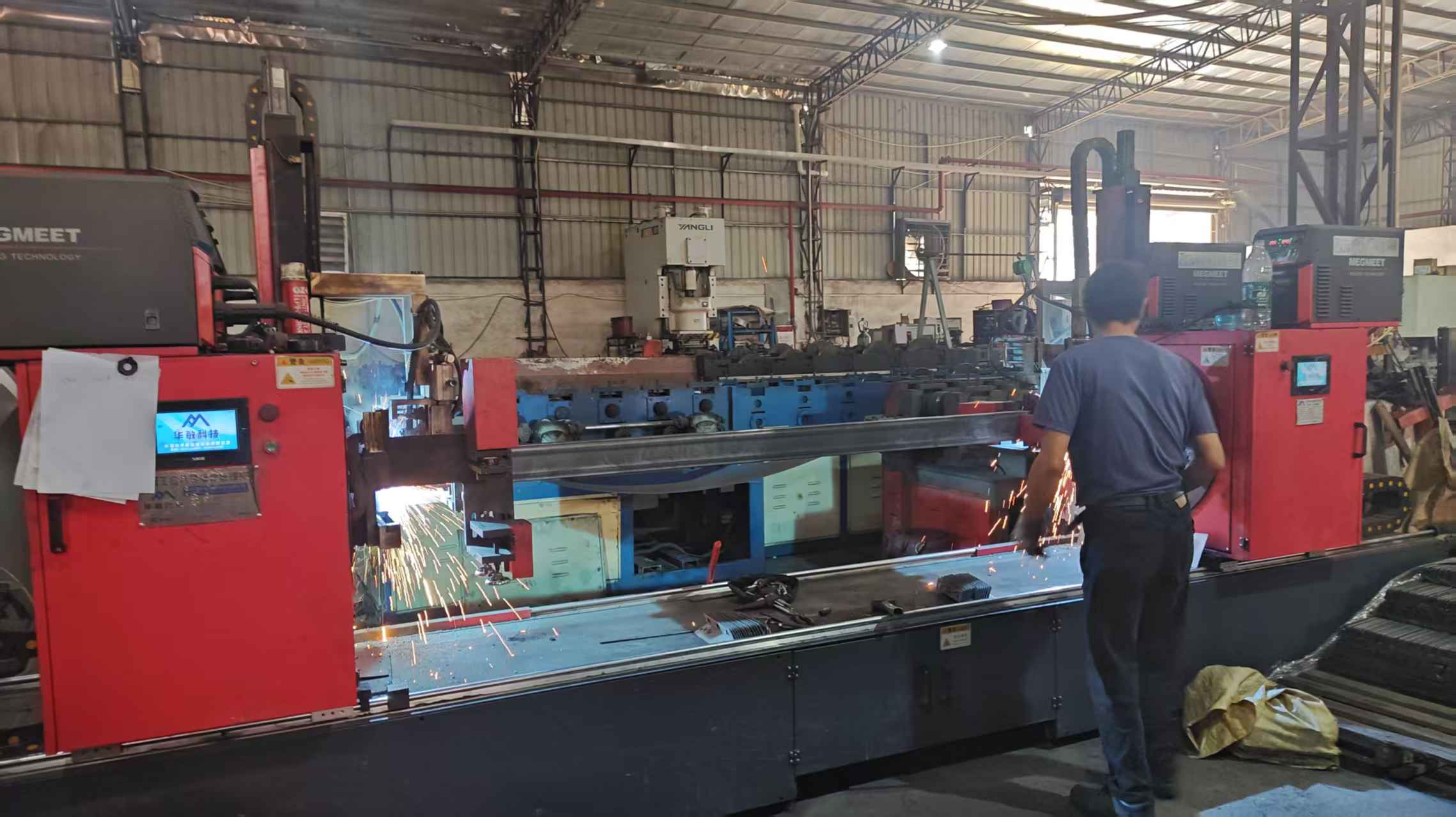

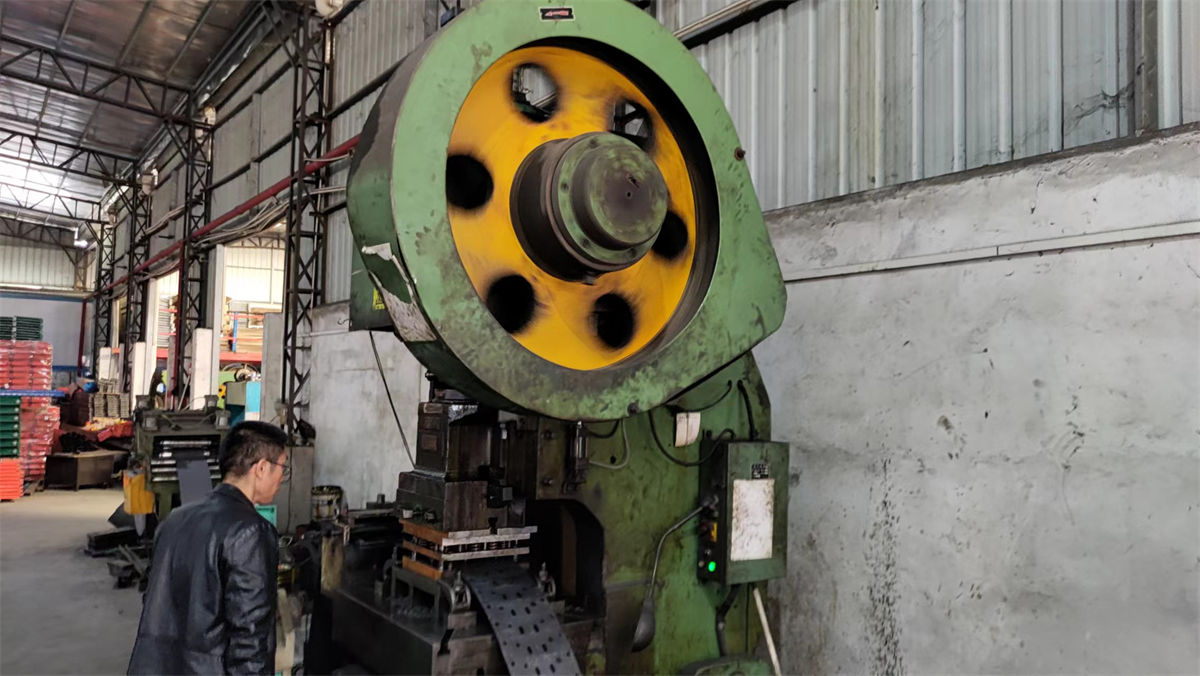
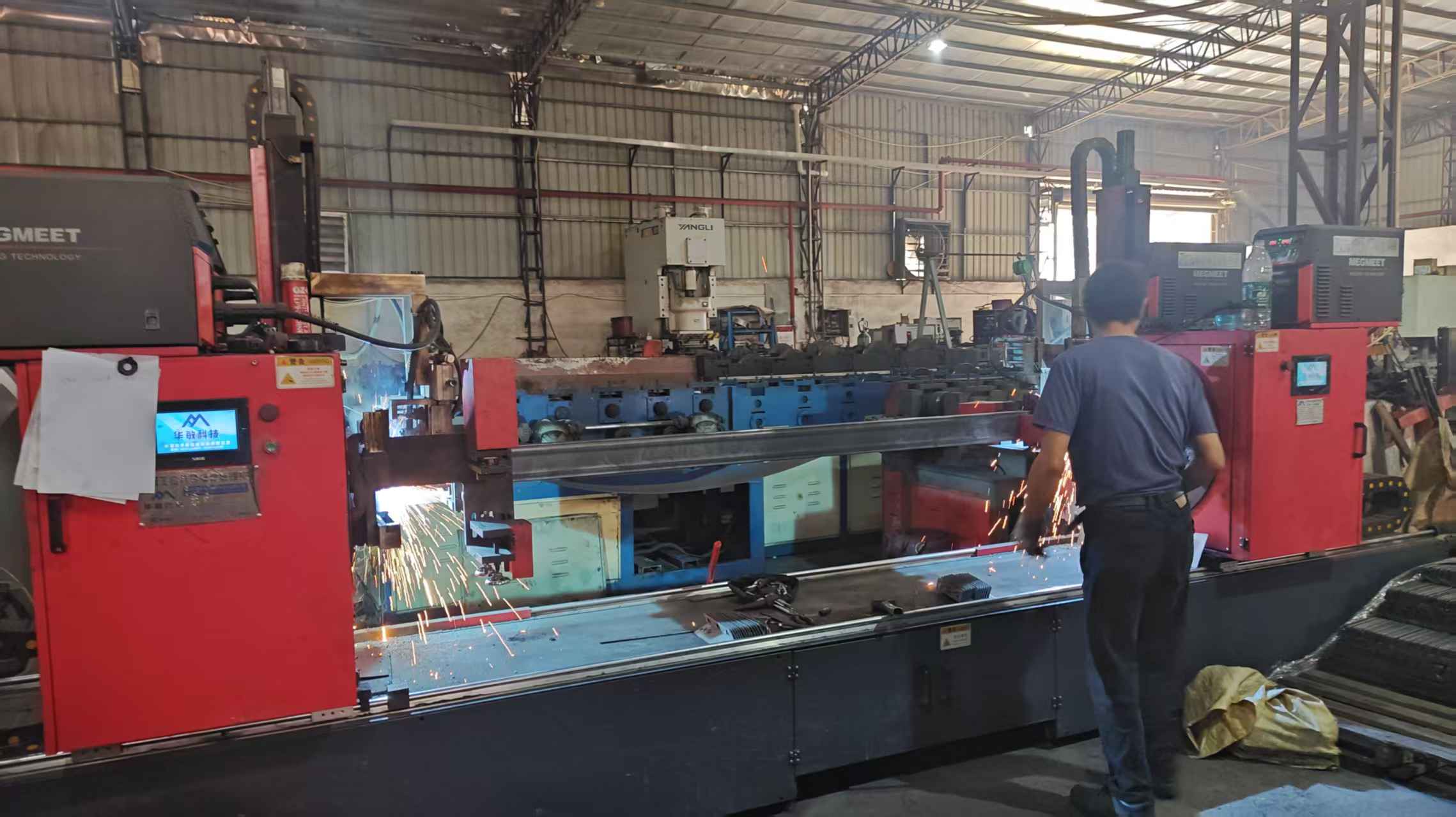
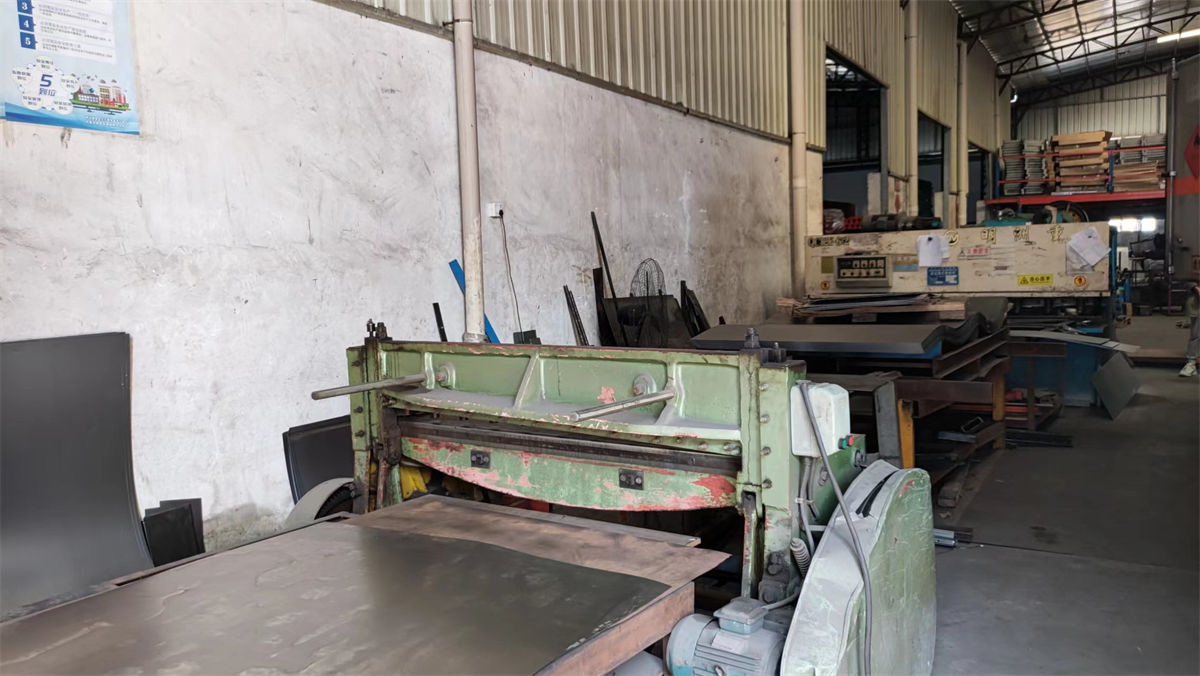
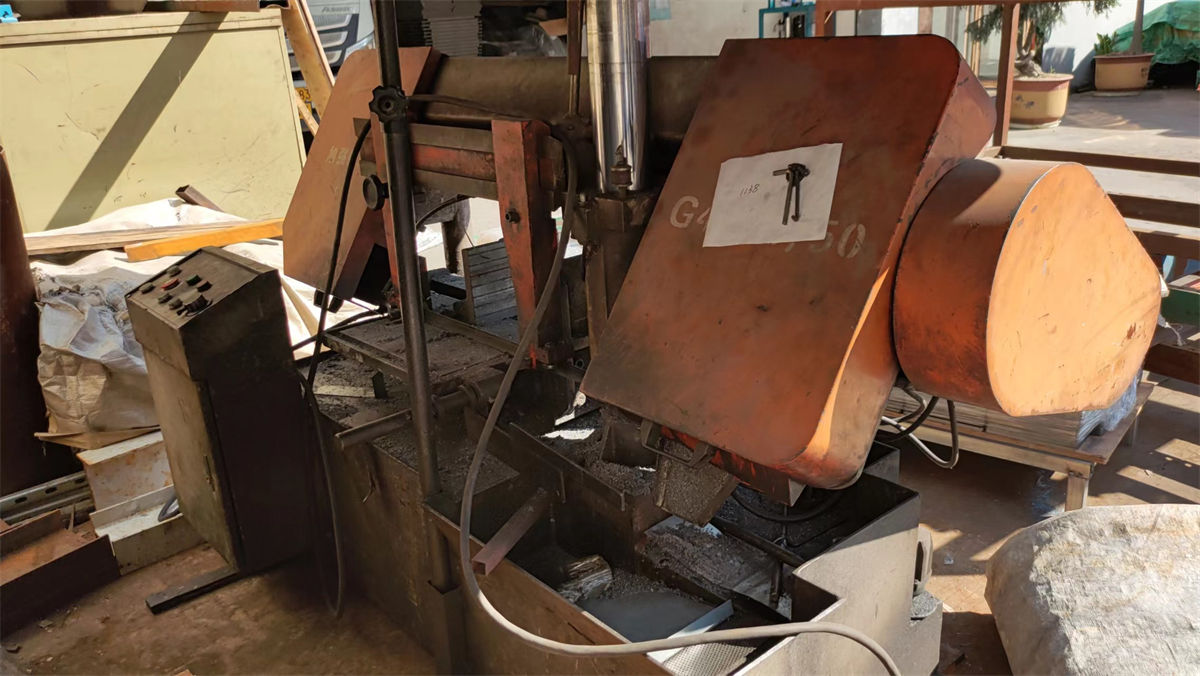
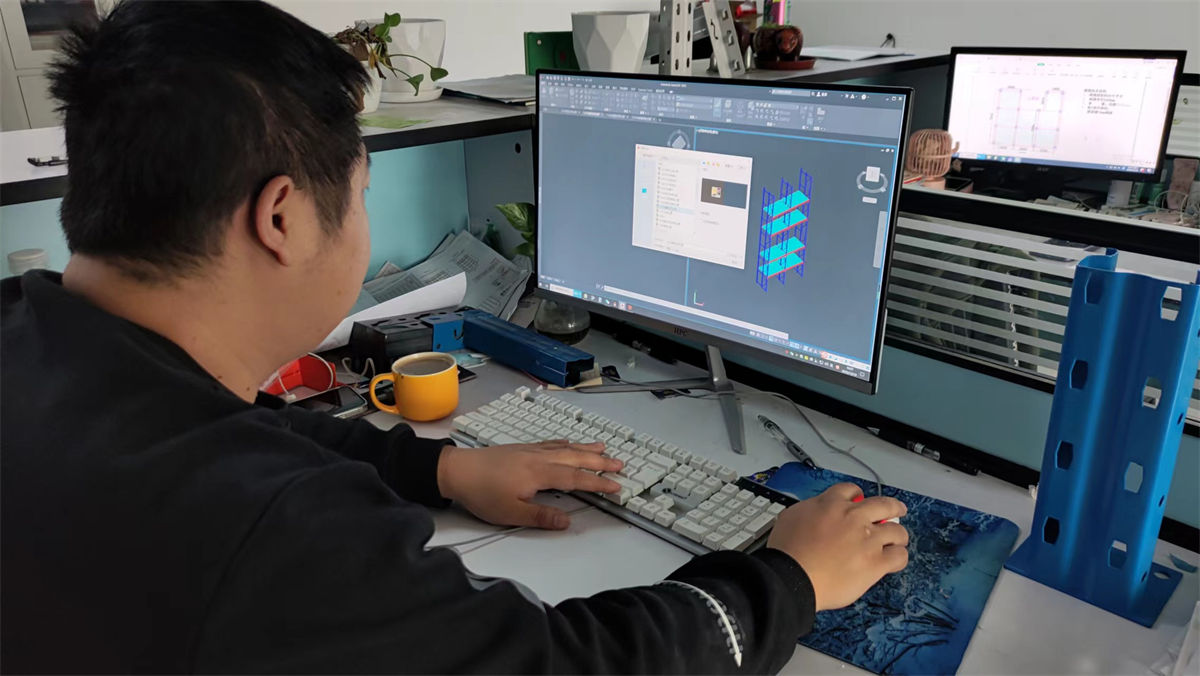
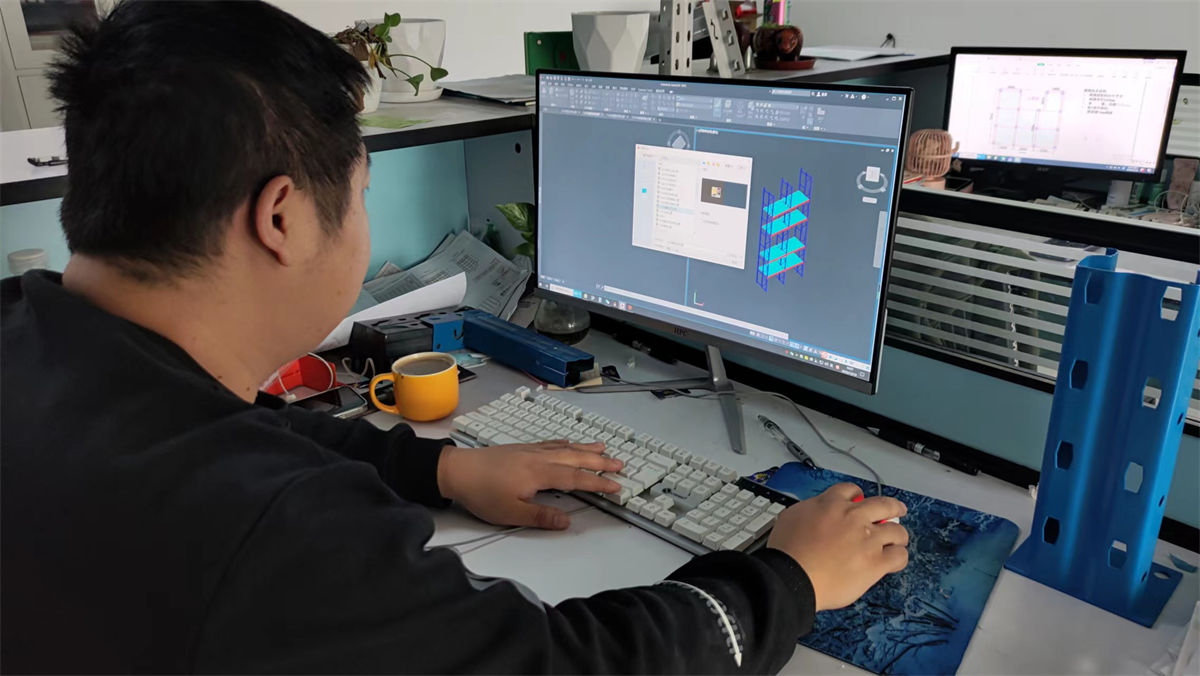
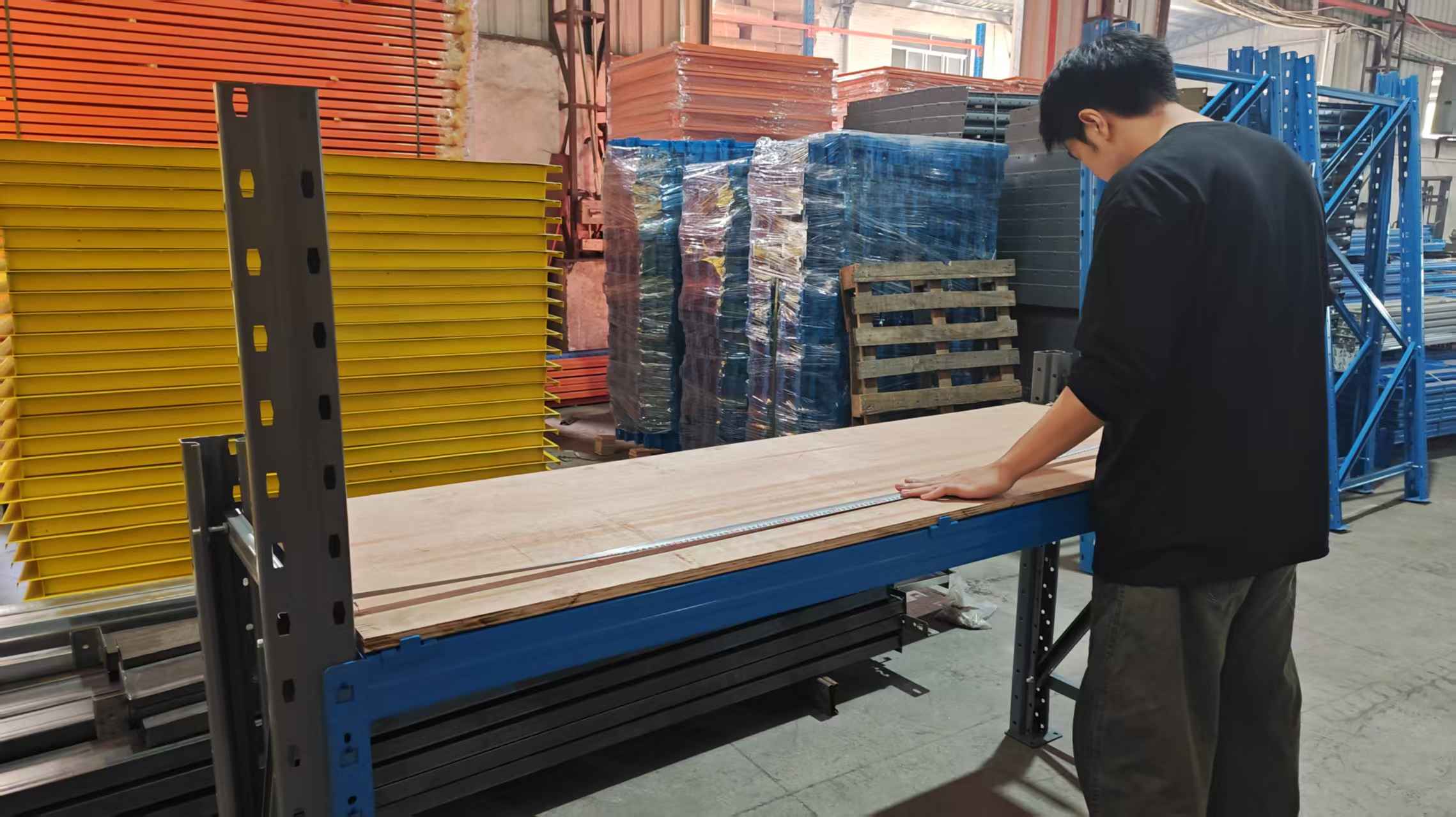
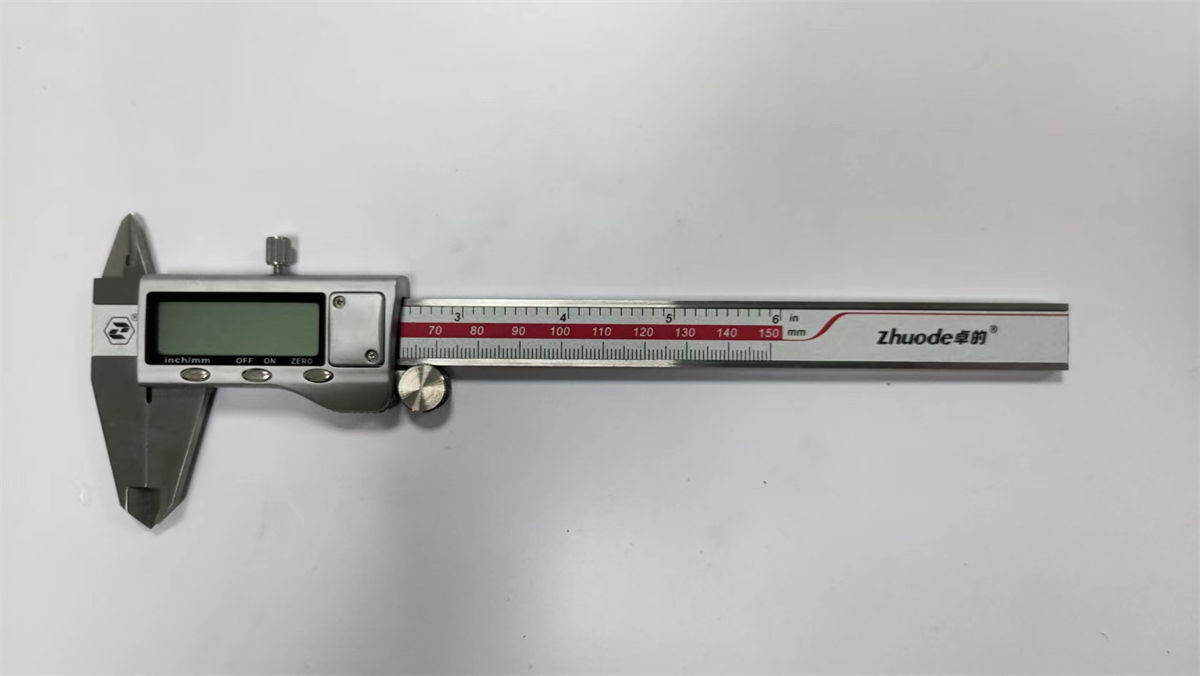
Key technical considerations for structural durability and performance at extreme low temperatures.
Using standard carbon steels in sub-zero storage runs the risk of brittle fracture under impact loads. We select high-strength structural steels like Q355D/E, which are impact-tested down to -40°C to maintain ductility and withstand forklift impact energy.
Repeated defrost cycles create humidity and condensation, which can accelerate corrosion on standard metals. We apply a multi-stage zinc-rich powder coating cured at high temperatures, or hot-dip galvanizing, to provide moisture protection.
Cold storage racking systems are engineered for high-density storage, requiring tight dimensional tolerances. Custom-fit frames, reinforced structural uprights, and heavy-duty baseplates ensure stability under maximum weight loads.
| Racking System Type | Storage Density | Selectivity (SKU Access) | Operational Throughput | Best Cold Room Application |
|---|---|---|---|---|
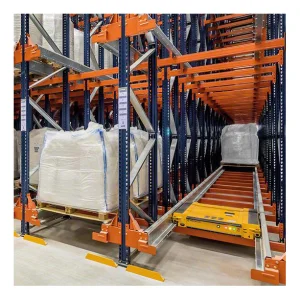
| Radio Shuttle | Very High (up to 85%) | FIFO / LIFO (Semi-Auto) | High Speed (Shuttle Driven) | High Volume, Low SKU (Frozen Foods) |
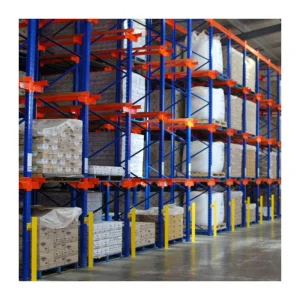
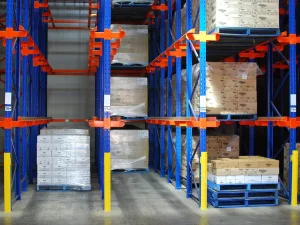
| Drive-In / Drive-Through | High (up to 70%) | LIFO (FIFO with Drive-Through) | Medium (Forklift Entry) | Uniform Pallet Goods, Low Turnover |
| Mobile Racking | Extremely High (up to 90%) | 100% Selectivity | Slow to Medium (Aisle Opening) | High-Value Products, Varied SKUs |
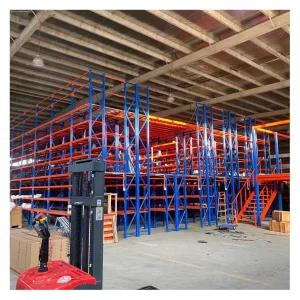
| Heavy-Duty Mezzanine | Moderate to High | Direct Manual Pick Access | High (Multi-level Picking) | Pharmaceutical & Mixed Carton Storage |
The shift toward automated, data-driven sub-zero warehousing.
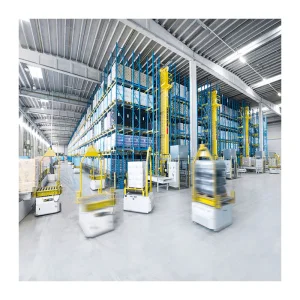
As operating sub-zero warehouses manually becomes more costly, automation is increasingly adopted. Future facilities are moving toward fully automated AS/RS systems. Racking structures are no longer just static frames; they serve as the structural backbone for high-speed automated crane lifters and robotic shuttles, requiring tight engineering tolerances.
By integrating load sensors and strain gauges into high-stress areas of the racking system, warehouse managers can monitor load weight, structural deformation, and impact events in real-time. This provides early warning of overload conditions or damage from forklift impact before structural failure can occur.
Modern racking configurations are designed with computational fluid dynamics (CFD) to help direct cold airflow efficiently. Racks are positioned to avoid blocking cooling vents, ensuring consistent temperature distribution. This helps eliminate warm zones and reduces the energy required to maintain sub-zero temperatures throughout the facility.
For semi-automatic and automated systems like the Radio Shuttle, battery life and grease viscosity can decline in deep-freeze environments (-25°C). Next-generation shuttles utilize advanced lithium iron phosphate (LFP) batteries with integrated thermal management, combined with synthetic low-temperature lubricants, to ensure reliable performance throughout long operational shifts.
Technical and practical insights for selecting, installing, and maintaining sub-zero racking systems.
Standard structural carbon steel (like Q235B) undergoes a transition from ductile to brittle at low temperatures. In sub-zero cold rooms (-15°C to -30°C), this makes the steel brittle and more susceptible to cracking or failure under impact loads, such as a forklift collision. Cold storage racking requires impact-tested steel grades (like Q355D/E or equivalent European grades) that are certified to retain ductility and impact energy in sub-zero environments.
Cold rooms experience high humidity levels and condensation during air defrosting cycles. A standard painted surface will rust quickly. Suitable surface finishes include hot-dip galvanizing (complying with ASTM A123 or ISO 1461, with a minimum thickness of 60–80 microns) or specialized low-temperature, zinc-rich powder coating. Hot-dip galvanizing is typically preferred for wet storage conditions and sub-zero environments due to its self-healing zinc-iron alloy layer.
Proper airflow is critical to preventing hot zones in a cold room. Design guidelines recommend maintaining a distance of at least 200–300 mm between the rear of the pallet and the wall, and leaving 300–500 mm of clearance from the top of the pallet to the evaporator unit or ceiling. This spacing allows cold air to circulate, maintaining uniform temperatures throughout the facility.
While Drive-In racking has a lower upfront cost, it requires forklifts to enter the racking bays, which increases the cycle time and the risk of structural damage. Radio Shuttle racking uses remote-controlled shuttles to load and unload pallets, keeping forklifts out of the racks. This system improves throughput speed, reduces accident rates, and allows for deeper lanes (up to 40m+), making it a more efficient long-term option for high-volume cold storage.
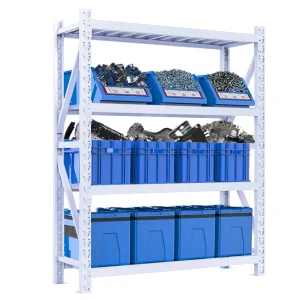
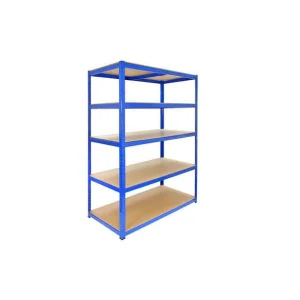
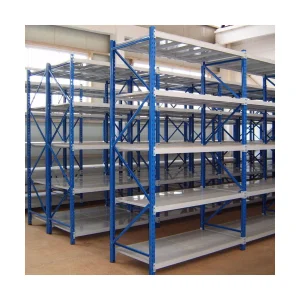
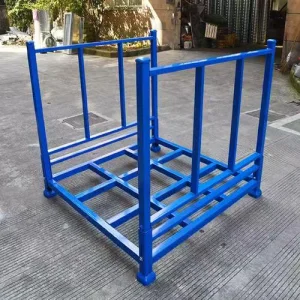
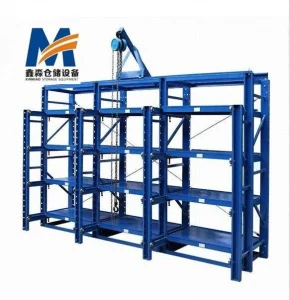
Heavy-duty configurations designed to withstand low temperatures and support varied inventory requirements.

 Xinmiao Racking