Explore our structural engineered pallet systems, mesh containers, and specialized manufacturing capacities customized for heavy-duty industrial storage applications.
Years Industry Experience
Sqm Production Facility
Annual Export Value
Supply Chain Partners
In the age of automated supply chains, rapid-moving inventory cycles, and strict product shelf-life restrictions, the structural setup of a warehouse is no longer just a physical footprint of storage. It is a critical component of dynamic operational efficiency. FIFO (First-In, First-Out) racking systems, particularly Pallet Flow and Gravity Flow configurations, represent the gold standard for high-density, dynamic storage.
As warehousing space becomes increasingly expensive, the global demand for space-optimizing solutions has expanded exponentially. According to recent industrial reports, the transition from conventional selective racking to dynamic FIFO gravity flow racking increases structural density by up to 60%, while lowering operational travel times for forklift operators by nearly 40%. This dual benefit has positioned FIFO racking suppliers at the forefront of structural intralogistics worldwide.
The adoption of FIFO storage systems is largely driven by three fundamental industrial parameters:
A comprehensive analysis of leading global manufacturers evaluated by structural design capability, raw material sourcing, production footprint, and supply chain reliability.
Specialty: Fully Integrated Intralogistics & Automated Flow Systems
As a premier global provider, SSI Schaefer delivers highly sophisticated modular dynamic flow systems. Their steel profiles are engineered to match European FEM standards, incorporating premium speed controllers and mechanical separators to handle critical loading applications in automated environments.
Specialty: Heavy Duty Pallet Flow and Shuttle Systems
Mecalux maintains a robust manufacturing network spanning Europe and the Americas. Their specialized gravity-fed flow tracks are renowned for structural resilience and proprietary centrifugal brake roller systems, ensuring controlled descents for pallets up to 1,500 kg.
Specialty: Heavy-Duty Racking Manufacturing & OEM/ODM Supply
Ningbo Xinmiao (operating globally as Mracking) is a fast-growing, heavy-duty racking powerhouse with 14 years of design and manufacturing experience. Based out of a 35,000 sqm high-tech facility, they specialize in custom OEM/ODM solutions, supported by 18 R&D engineers and 25 QC specialists.
Specialty: Structural Steel Dynamic Racking Systems
Dexion is a historical pioneer in shelving and pallet storage. They design high-quality roll-formed steel members that offer adjustable track inclinations, designed specifically for rapid product turnover in harsh industrial environments and sub-zero cold rooms.
Specialty: High-Density Automated Shuttle & Pallet Flow
Stow is known for manufacturing high-toleranced upright profiles. Their Atlas shuttle system and gravity pallet flow tracks are designed for large logistics hubs that require continuous structural integrity under intense stress cycles and loading weights.
Specialty: Hot-Rolled Structural Steel FIFO Racking
Frazier is the leading American supplier of structural steel racking. Their heavy-duty channels are highly resistant to forklift impacts, making them the preferred choice for industrial manufacturers and warehouse operators looking for long-term structural reliability.
Specialty: Custom-Engineered Gravity Flow & Pallet Flow
With massive production capacities in the United States, Ridg-U-Rak manufactures state-of-the-art flow racking with specialized entry guides and lane components designed to ensure smooth, secure, and repeatable pallet movement across deep storage systems.
Specialty: Carton Flow & Small-Parts FIFO Systematics
Bito specializes in optimized dynamic picking environments. Their proprietary carton flow tracks are built for order-picking operations, allowing seamless integration of pick-to-light systems for highly optimized supply chains and micro-fulfillment centers.
Specialty: Turnkey Automated FIFO Shuttle Systems
Jungheinrich combines steel racking fabrication with advanced material handling robotics. Their FIFO shuttle racks integrate seamlessly with automated guided vehicles (AGVs) and warehouse management software, establishing hands-free high-density storage lanes.
Specialty: Multi-lane Pallet Flow Integration & Structural Maintenance
Apex provides full-service warehouse planning and heavy-duty flow racking systems. They specialize in multi-lane configurations equipped with speed controllers and safety end-stops, designed for heavy loading and high-throughput industrial and retail facilities.
Analyzing the engineering capabilities, supply chain dynamics, and structural production flow of China's premier heavy-duty racking exporter.
Established in 2015, Ningbo Xinmiao Storage Equipment Co., Ltd. is a leading manufacturer specializing in heavy-duty pallet racking, industrial shelving, and intelligent warehouse storage systems. Spanning a modern manufacturing facility of over 35,000 square meters, we have dedicated over 14 years to the industry, providing robust and reliable storage solutions to global enterprise clients. With 8 years of direct export experience, our products are trusted in key markets across North America, Europe, Southeast Asia, and the Middle East, generating an annual export revenue exceeding $18 million.
Quality and structural integrity are at the core of our manufacturing philosophy. Backed by a strong network of over 800 supply chain partners, our operation is supported by a dedicated team of 25 Quality Control (QC) specialists. We implement comprehensive non-destructive testing (NDT), load-bearing stress evaluations, and automated ultrasonic weld inspections to ensure that every rack meets stringent international safety standards.
As an export-oriented manufacturer, we primarily serve third-party logistics (3PL) providers, global distributors, and large-scale industrial enterprise clients. Driven by a highly skilled team of 18 R&D engineers, we offer strong OEM/ODM and full custom-tailoring capabilities—from structural engineering and custom dimensions to specialized powder-coating finishes. Continuously advancing warehouse technology, we launched 45 new innovative products last year to support our global partners in optimizing space and efficiency.
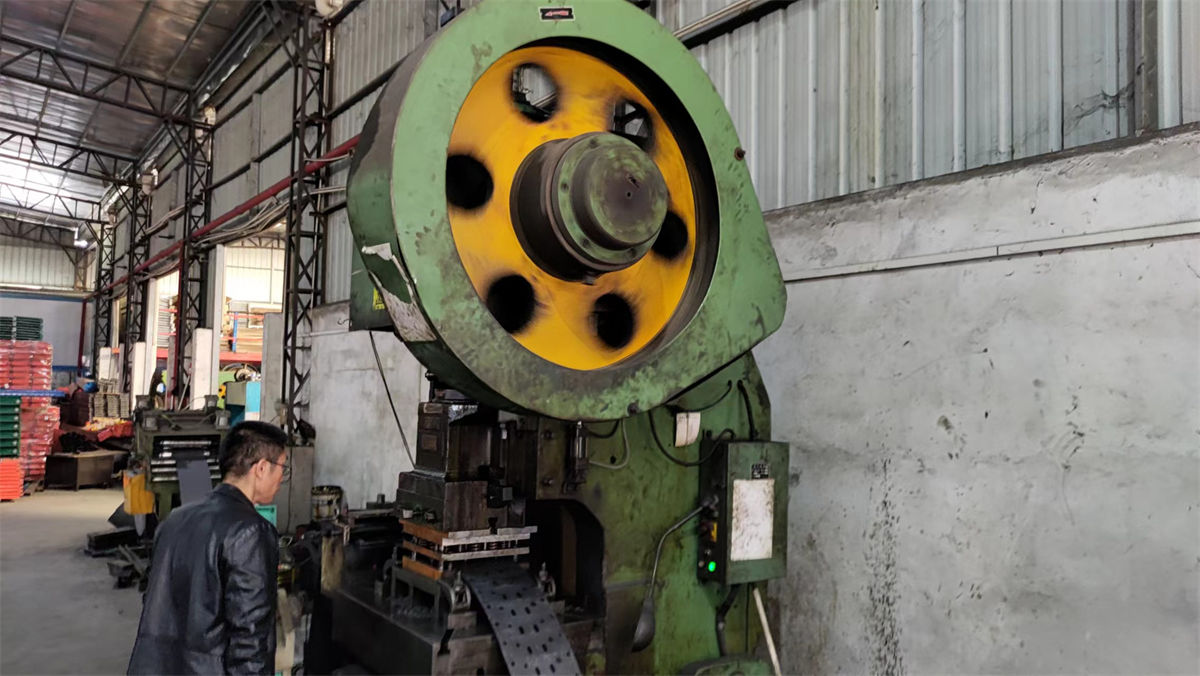
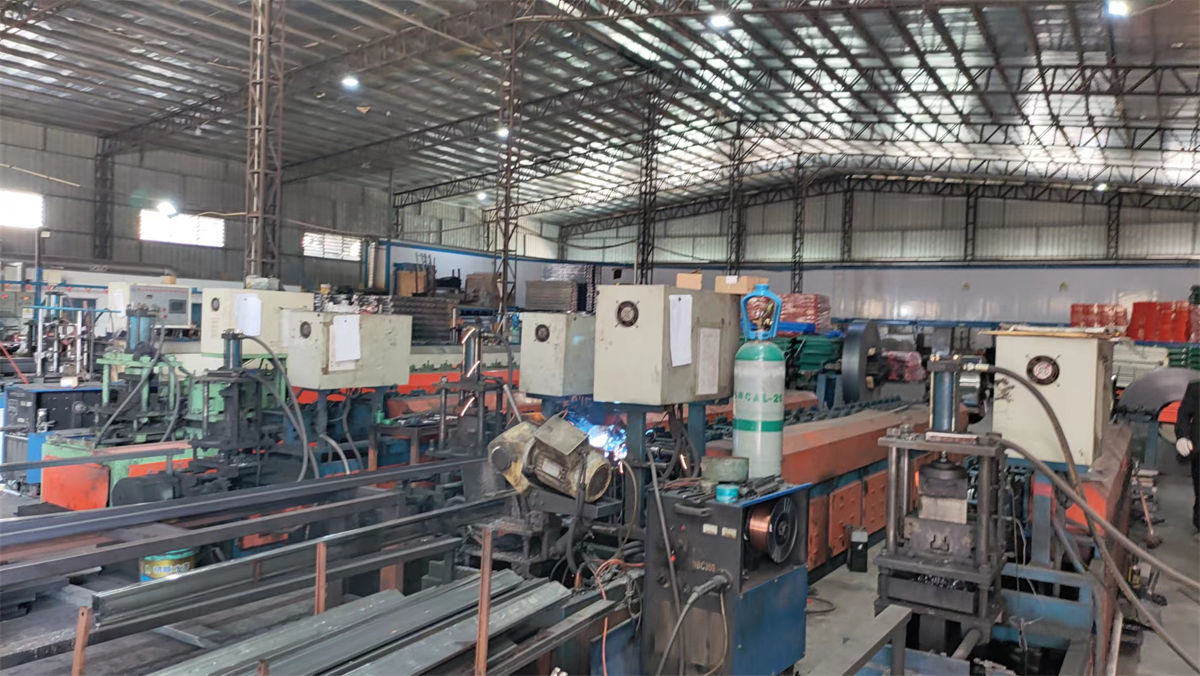
Over the past decade, Chinese steel fabrication has advanced from high-volume production to precision-engineered structural fabrication. Exporters like Ningbo Xinmiao (Mracking) leverage high-strength raw carbon steel (typically Q235B or Q355B grades) and combine this with advanced automated production lines.
The primary advantage of purchasing from a top-tier Chinese racking factory lies in the vertical integration of supply chain networks. With over 800 supply partners, local sourcing of roll-formed coils, specialized hardware, speed brake rollers, and dynamic bearings is highly optimized. This allows manufacturers to control production tolerances down to sub-millimeter levels while maintaining a significant cost advantage over Western European or American manufacturers.
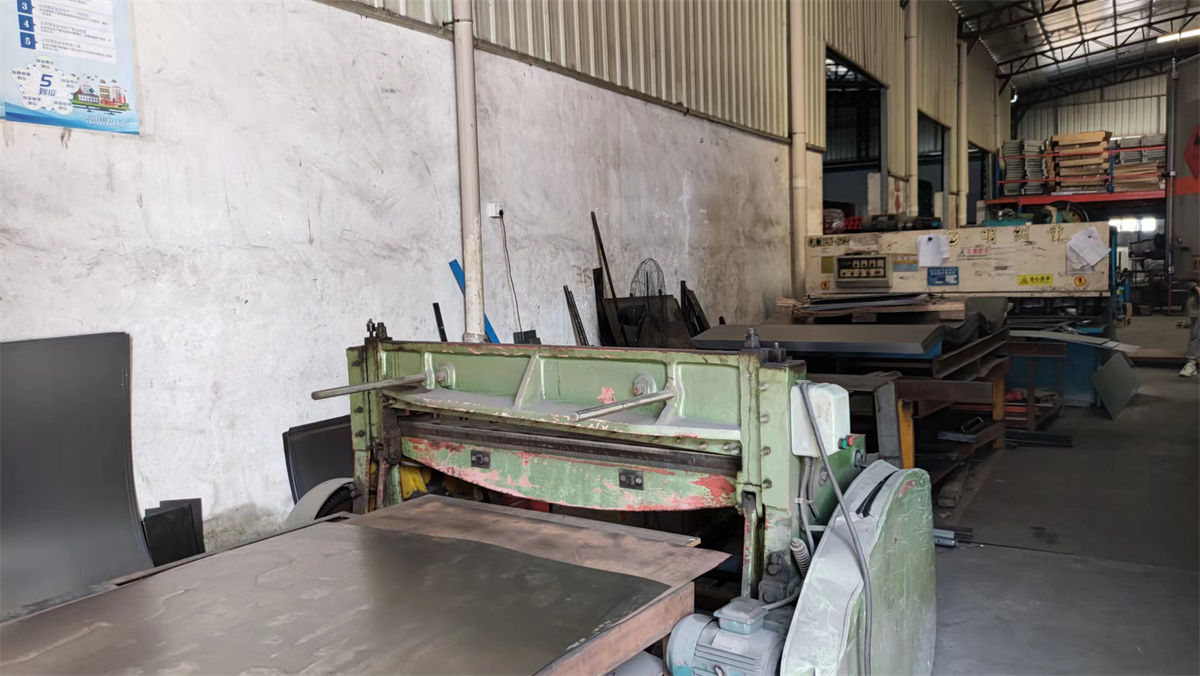
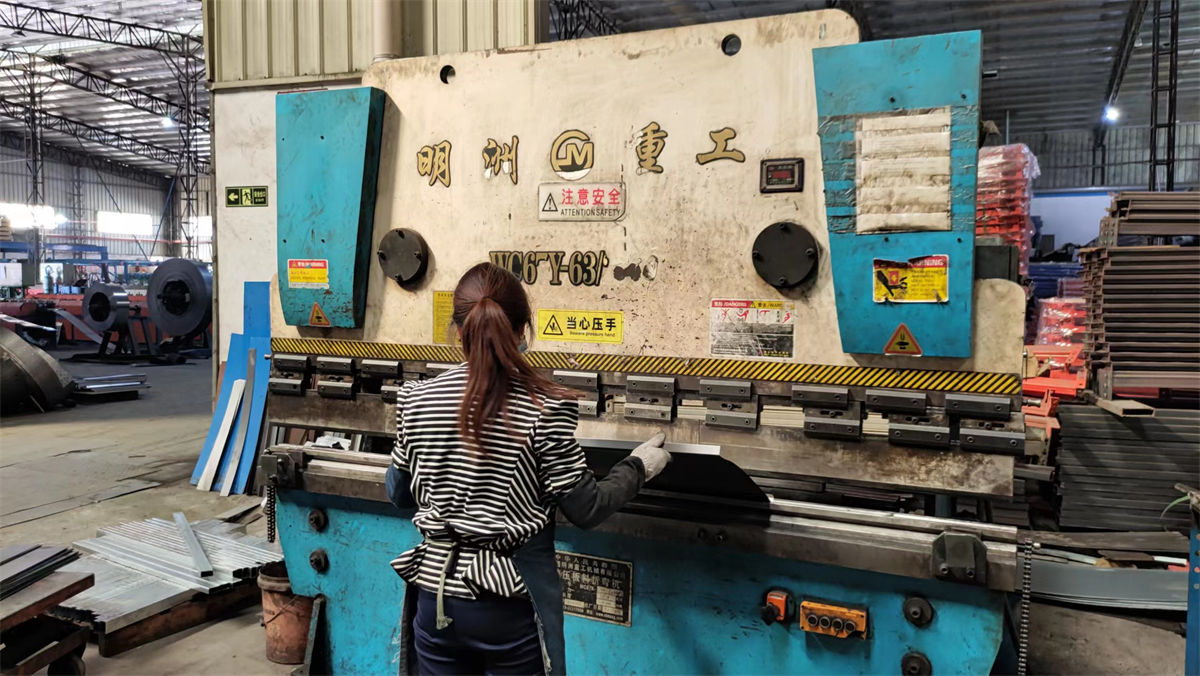
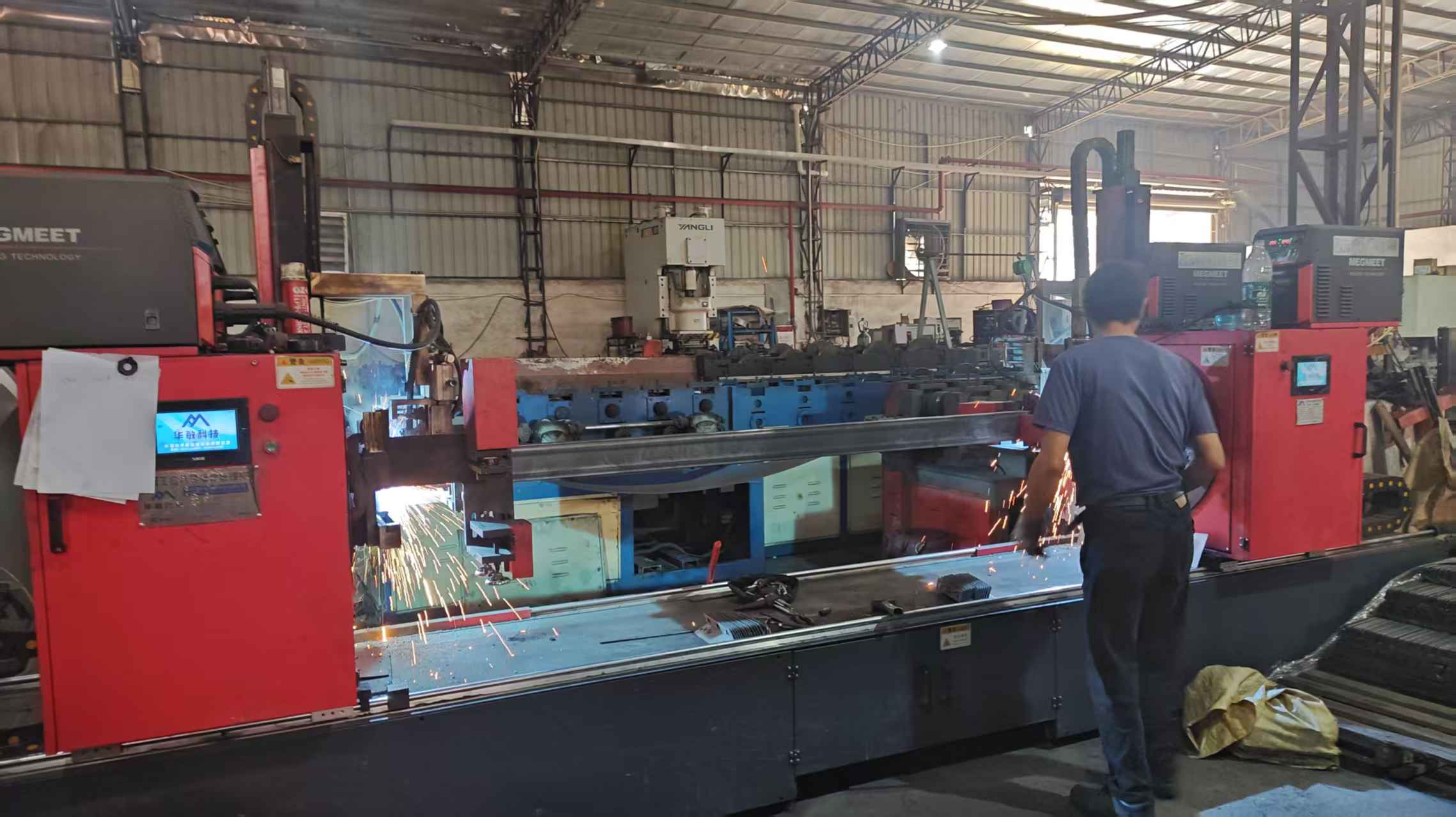
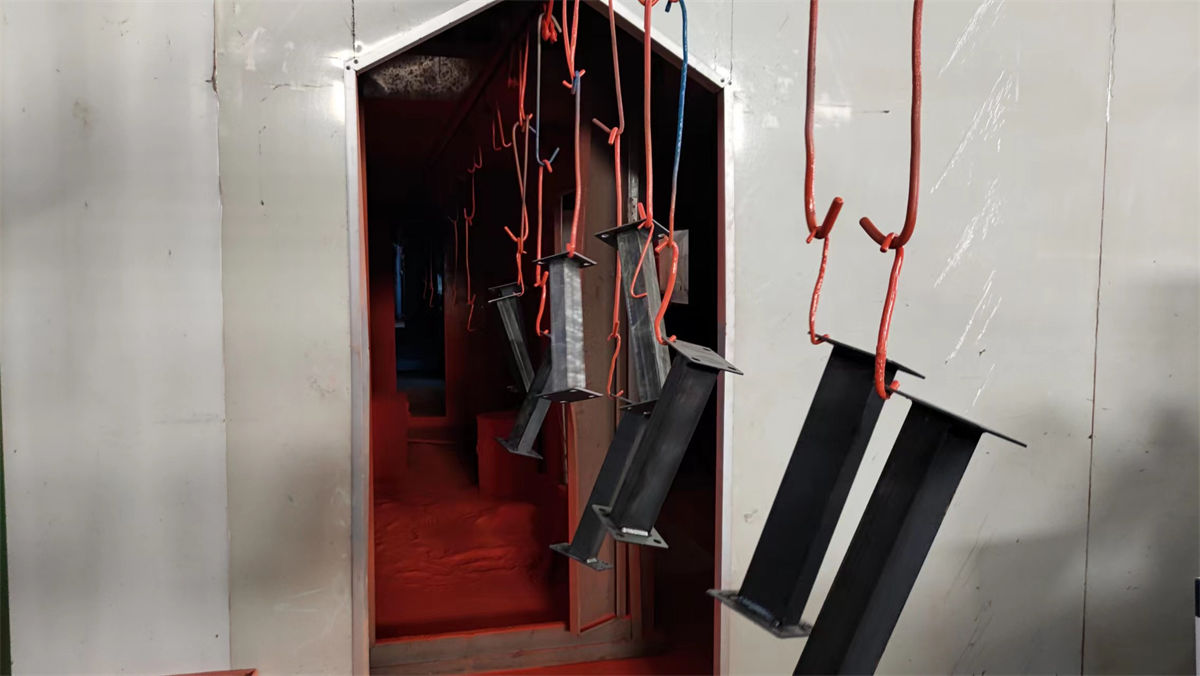
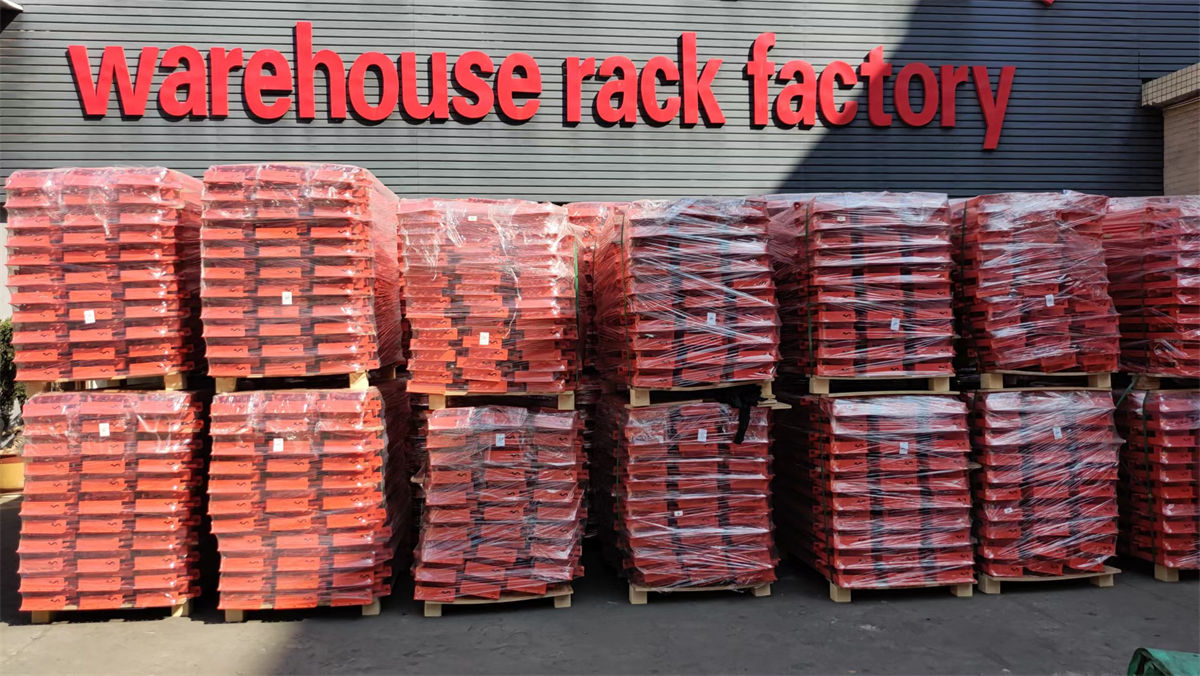
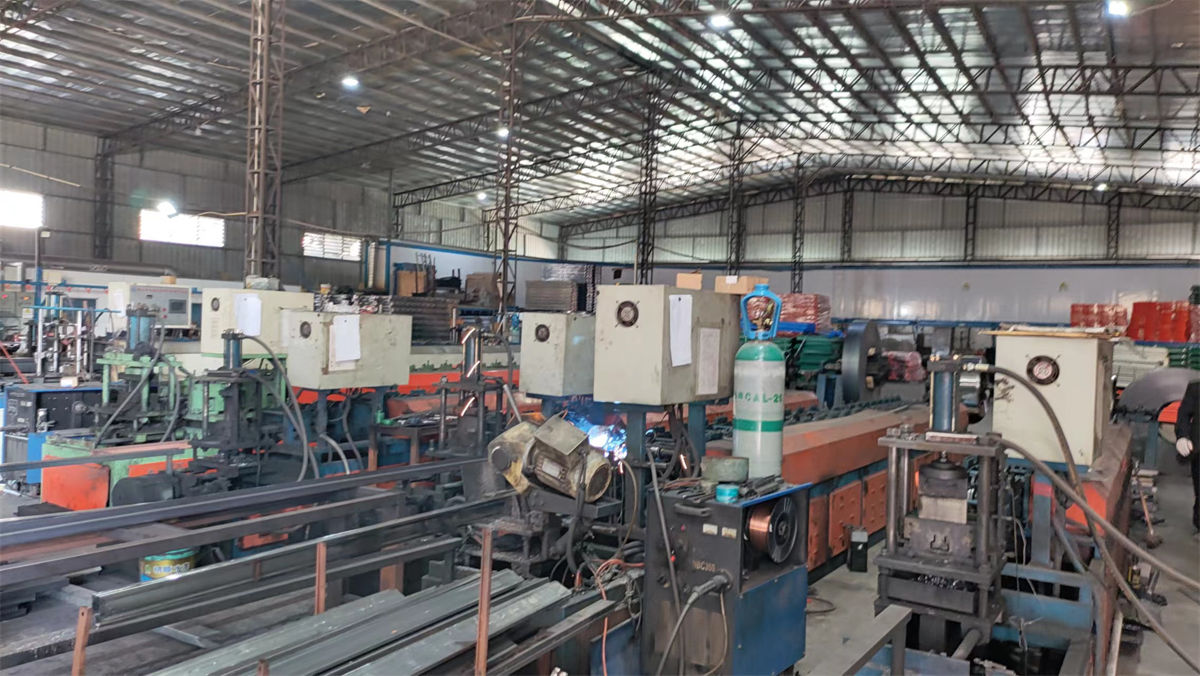
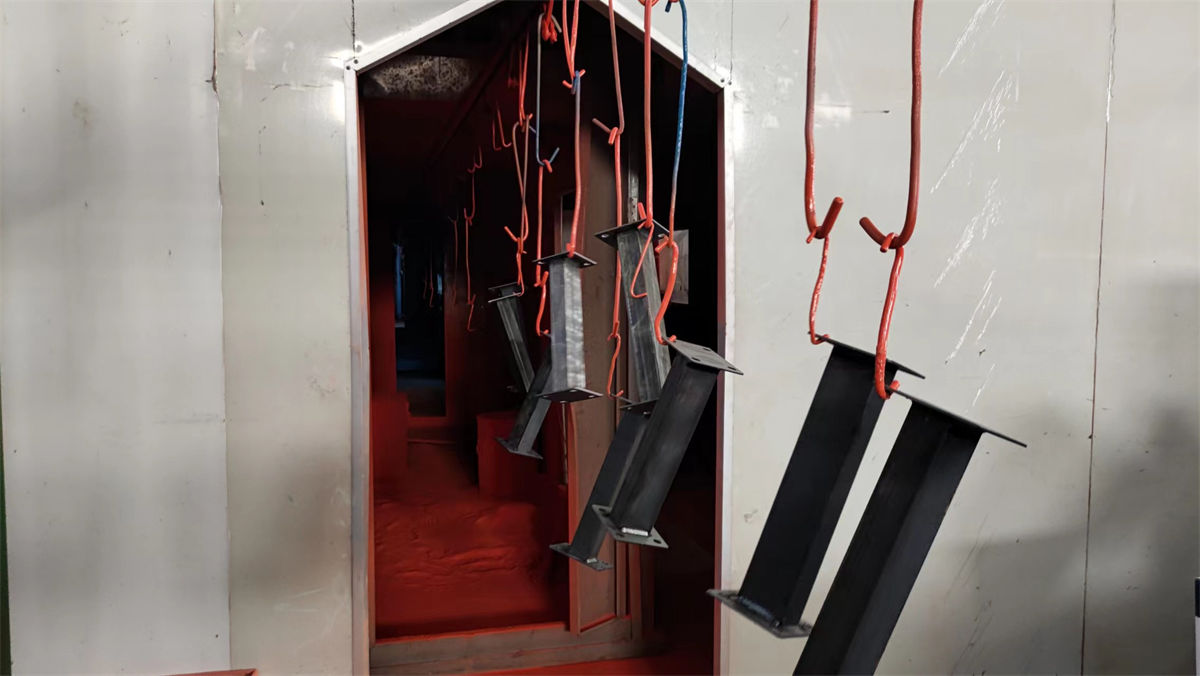
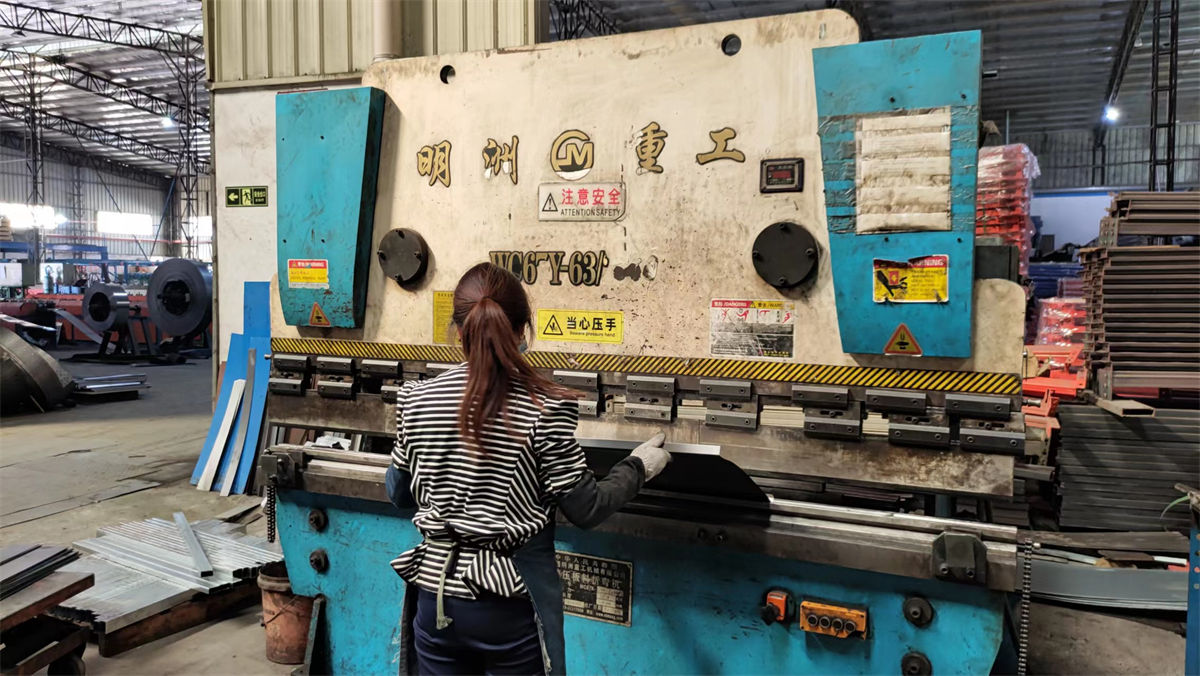
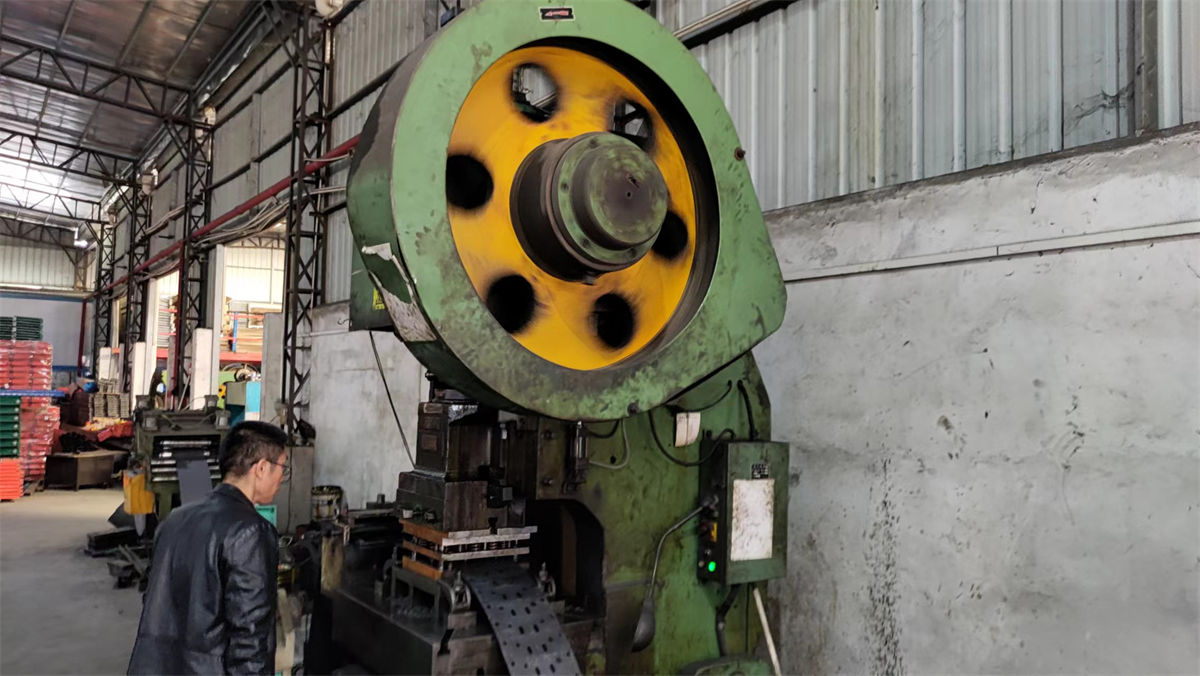
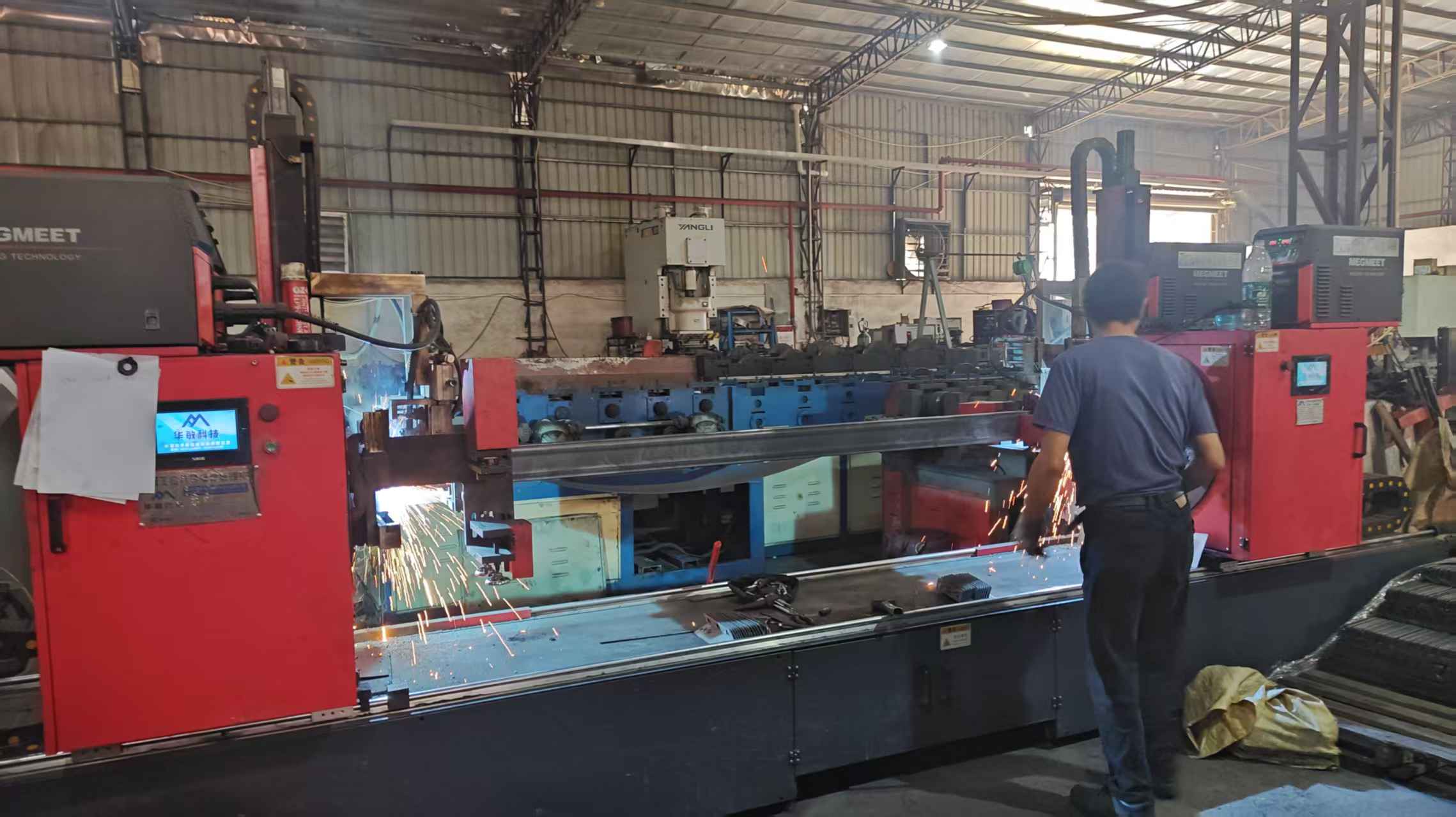
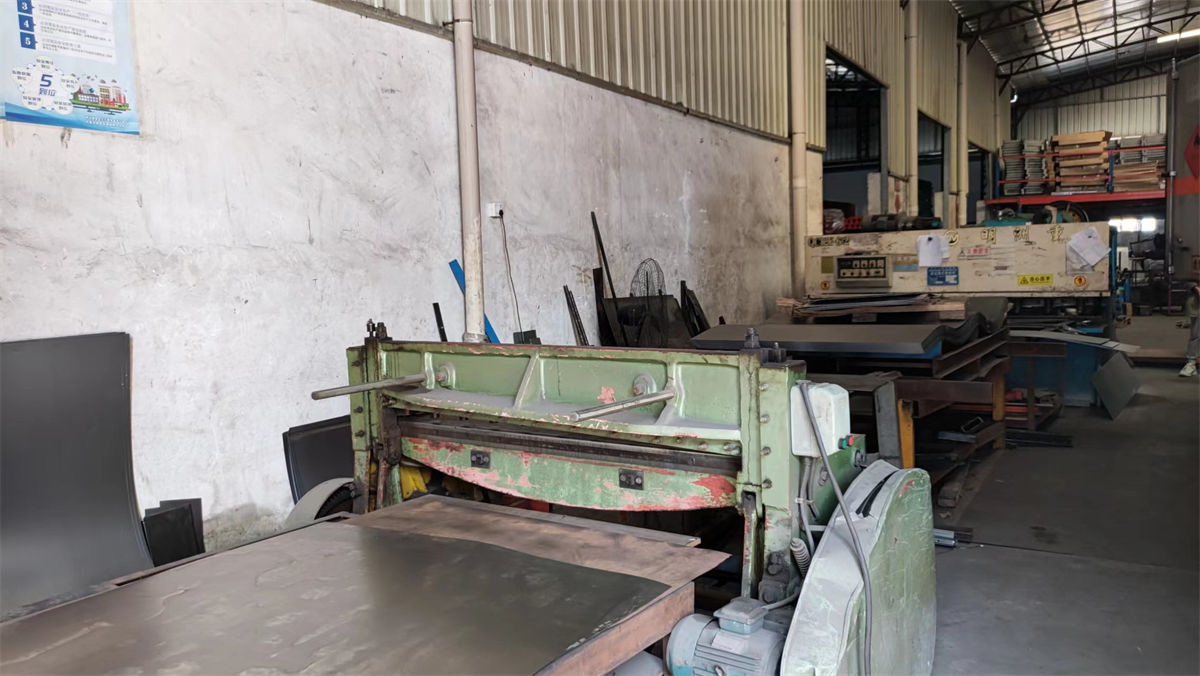
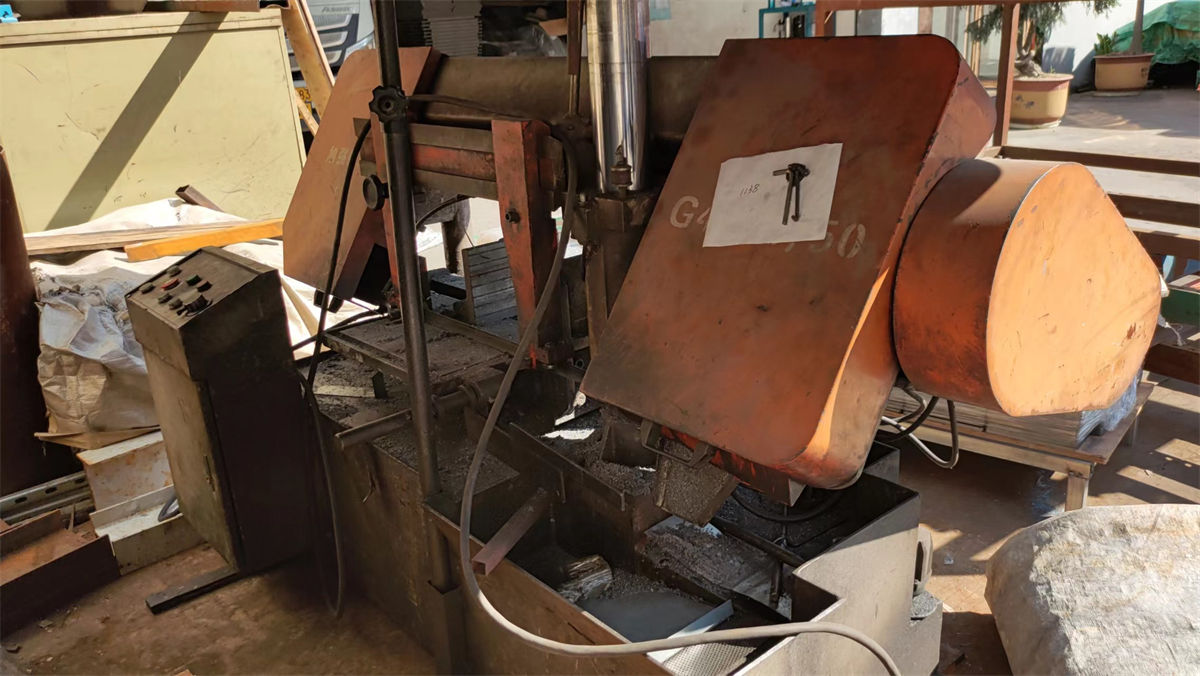
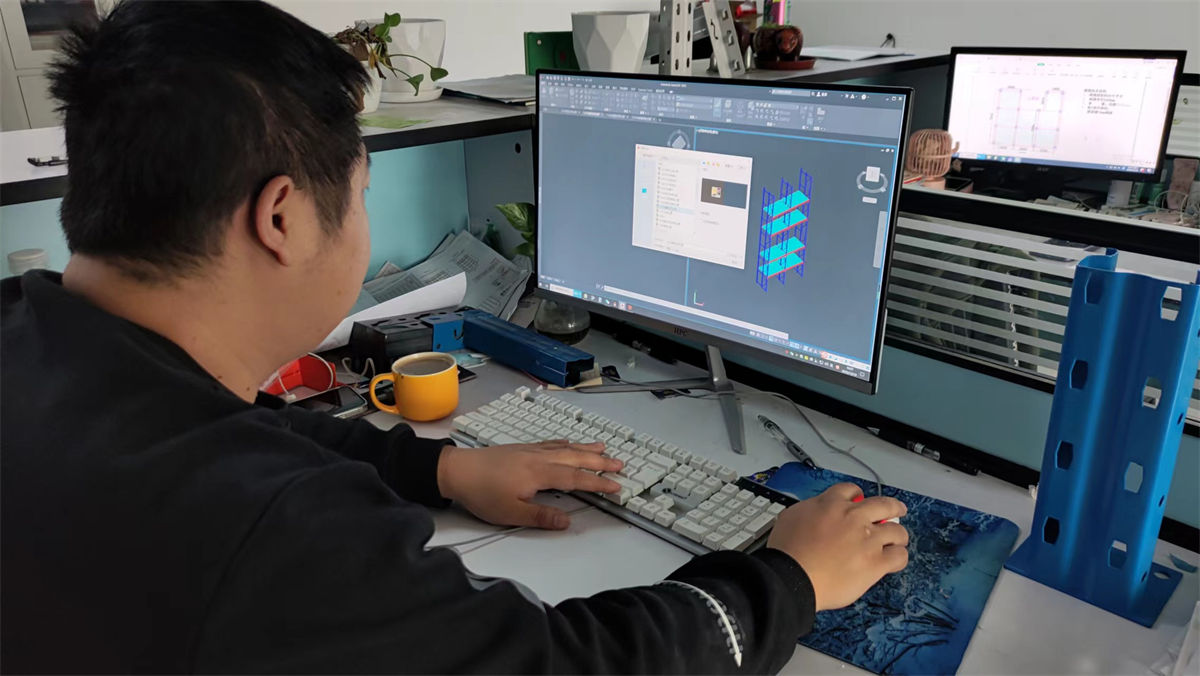
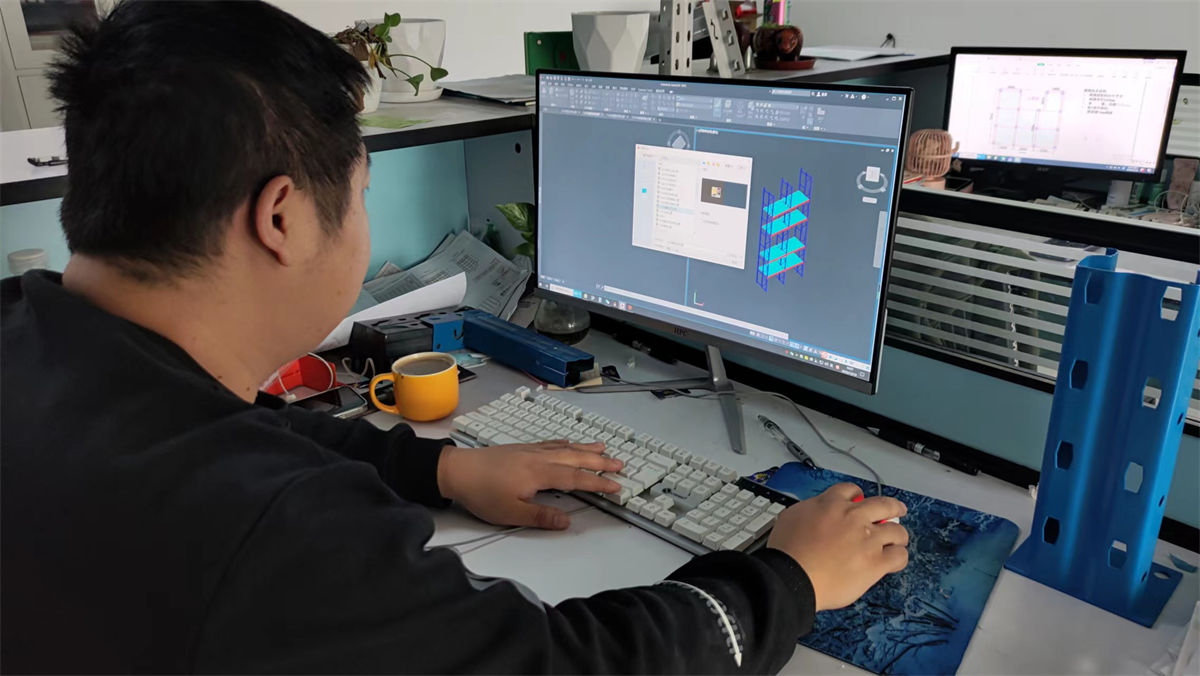
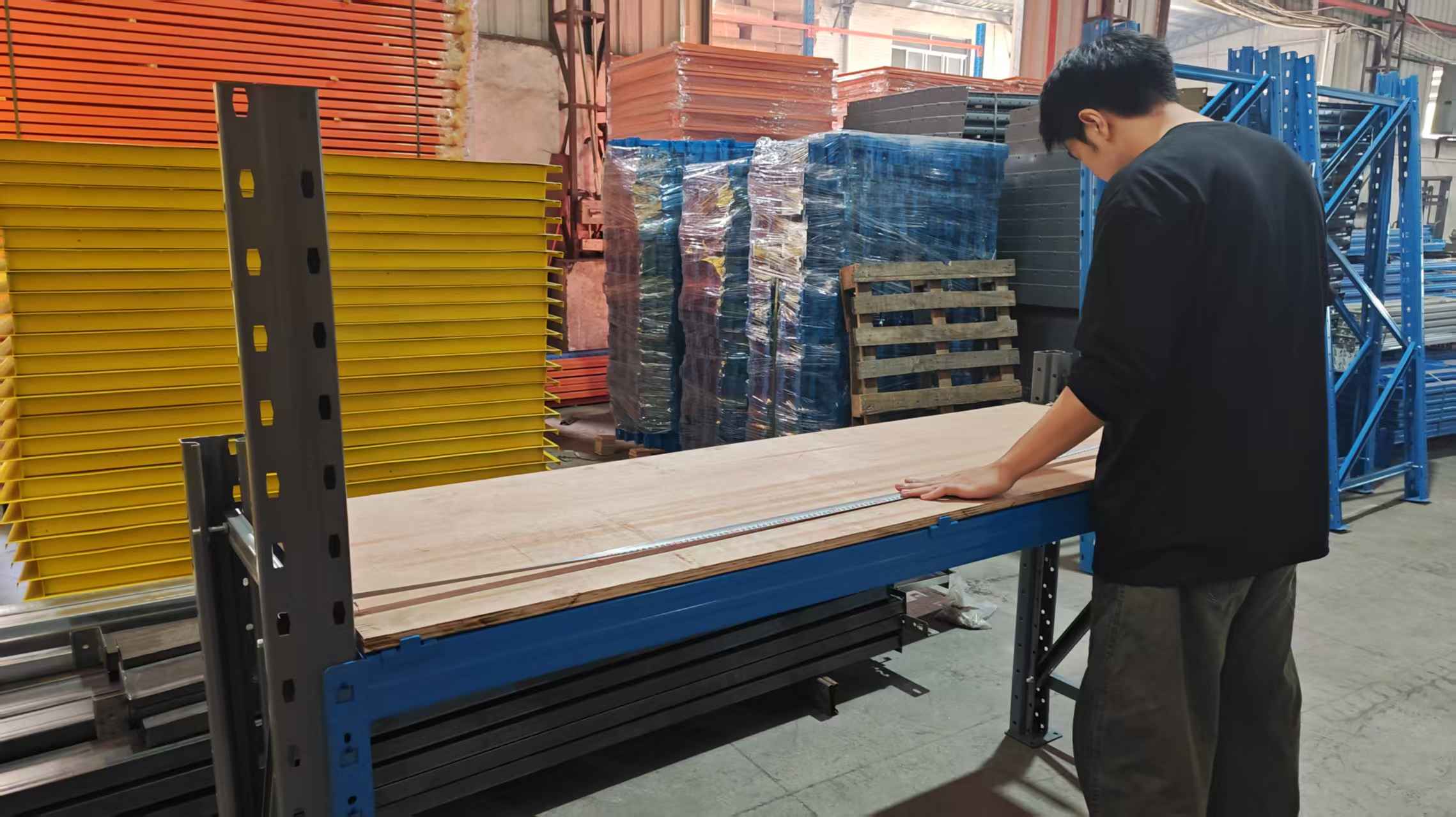
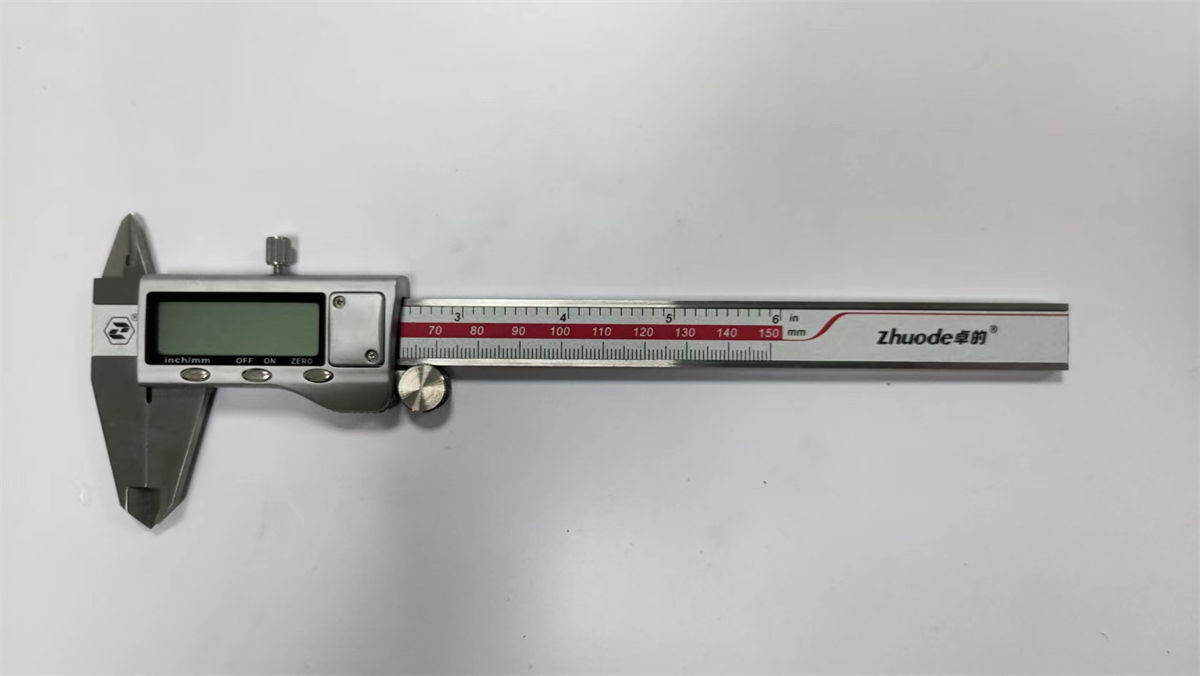
The structural integrity of a heavy-duty FIFO pallet flow system is directly tied to the precision of its roll-forming, welding, and surface treatment stages. Below is the detailed look inside our automated production lines and inspection tooling:
A technical breakdown of localized warehouse applications demanding strict First-In, First-Out sequence execution.
Because refrigeration requires significant electrical draw, maximizing volumetric density is crucial. Dynamic FIFO flow lanes eliminate aisles, reducing thermal dissipation spaces. High-durability bearings and specialized low-temperature greases ensure rollers function continuously down to -30°C.
Strict regulatory bodies demand that pharmaceuticals be shipped in the order of their manufacturing batches to control expiration cycles. FIFO gravity systems ensure that picker access is structurally restricted to the oldest stock, avoiding costly expired batch write-offs.
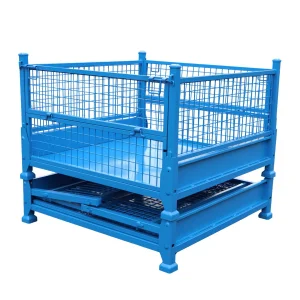
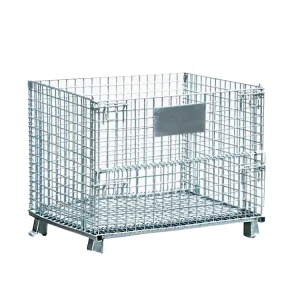
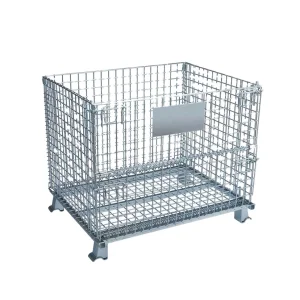
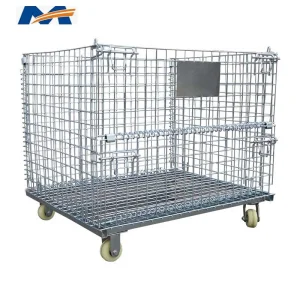
With Just-in-Time (JIT) production models, sub-assemblies and auto parts must feed continuously into active staging lanes. Custom wire mesh storage containers and heavy-duty gravity flow racks allow forklift operators to deposit bulk components at the rear while assembly workers pick from the front face.
The warehouse storage sector is shifting rapidly from purely static structures to cyber-physical systems. Procurement directors should keep an eye on these major trends reshaping the market:
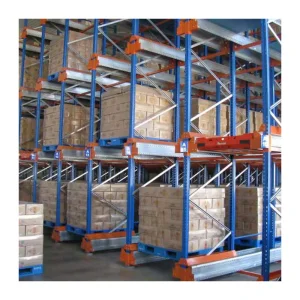
Traditional gravity pallet flow is highly effective but faces structural limitations on deep lanes (typically exceeding 15 pallet depths) due to cumulative pressure. Automated shuttle systems (Radio Pallet Shuttles) address this issue. An electric cart moves under command inside the channels to deposit or retrieve pallets. By using these semi-automated shuttles, facilities can build FIFO tunnels extending over 40 pallet positions deep, maximizing utilization of high-clearance warehouses.
Under environmental, social, and governance (ESG) mandates, leading manufacturers are moving toward advanced powder-coating lines that operate without VOC emissions. Additionally, upgrading from standard carbon steels to specialized low-alloy, high-strength structural grades allows engineers to specify thinner profiles that support the same loading limits, significantly lowering steel consumption and transport footprint.
In deep gravity flow lanes, a pallet can occasionally become stuck due to damaged runner boards or deformed packaging. Emerging smart racking setups incorporate optical sensors or ultrasonic lane monitors to alert warehouse managers of dynamic flow blocks instantly, preventing downstream delays at the pick faces.
| Technology Variable | Standard Gravity Pallet Flow | Automated Radio Shuttle FIFO | Carton Flow (Small Parts) |
|---|---|---|---|
| Primary Mechanism | Gravity, rollers, centrifugal brakes | Battery-powered shuttle cart | Lightweight plastic rollers / wheel beds |
| Typical Depth Range | 2 to 15 Pallets Deep | Up to 40+ Pallets Deep | 2 to 6 Cartons Deep |
| Capital Investment (CAPEX) | Moderate | High | Low to Moderate |
| Ideal SKU Profile | High volume, medium turnover | Massive volume per limited SKU | High velocity, small parcel/tote components |
| Maintenance Profile | Mechanical inspection of brake rollers | Electronic calibration & battery cycles | Minimal cleaning and wear inspection |
Buying dynamic pallet systems from global factories requires careful analysis of engineering parameters to prevent failures and logistics bottle-necks.
Expert structural and logical answers to common challenges in implementing FIFO pallet flow racking.
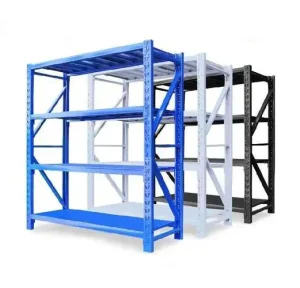
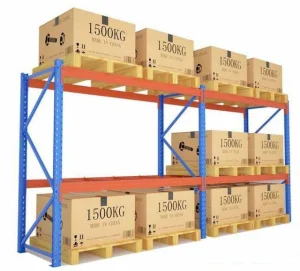
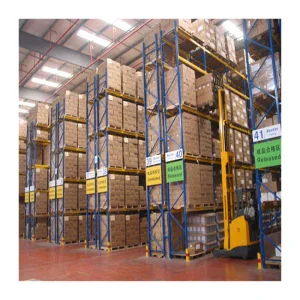
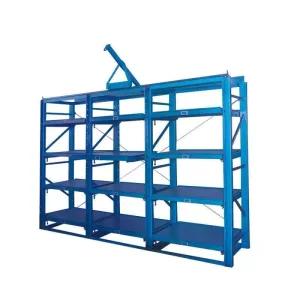
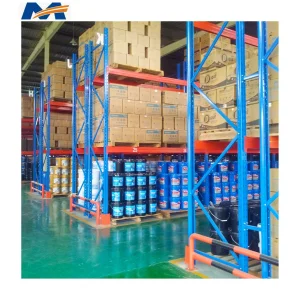
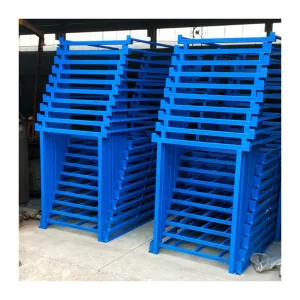
Browse our custom configurable product line designed to support high-density industrial and distribution warehouse designs.
 Xinmiao Racking